Let's cut right to the chase: for pretty much everyone, wearing a hat does not cause hair loss. This is one of those stubborn myths that has sent countless hat-lovers into a quiet panic, but the science just isn't there. Your favorite beanie or ball cap is not the villain behind your thinning hair.
The Straight Answer on Hats and Hair Loss
The idea that hats lead to baldness probably comes from a simple, and honestly, understandable observation. You take off your hat at the end of the day, see a few hairs inside, and connect the dots. It’s a logical assumption, but it’s also wrong. The real story of what makes hair grow—and fall out—is a bit more complex.
Think of it this way: your hair follicles get everything they need from the inside, pulling oxygen and nutrients directly from your bloodstream. They don't "breathe" the air around them. For a hat to mess with that internal supply chain, it would have to be clamped on so tight that it would literally cut off circulation to your scalp. Trust me, you'd be dealing with a monster headache and deep skin indentations long before your hair was ever in danger.
Hat Hair Loss Myths vs. What's Really Happening
To really put this myth to bed, let's break down the common fears and see how they stack up against what science actually tells us.
| Common Myth | The Reality |
|---|---|
| "Hats suffocate your hair follicles." | Hair follicles are nourished by your bloodstream, not by the air. A hat can't block this internal process. |
| "My hat is pulling my hair out!" | Seeing a few loose hairs is just evidence of normal, daily shedding. It's not causing permanent loss. |
| "The hair loss from my hat is permanent." | Only extreme, constant tension—a condition called traction alopecia—can cause lasting damage, and that's incredibly rare from just wearing a hat. |
The takeaway here is simple: the hat itself isn't the problem. The few hairs you find are ones that were already scheduled to fall out as part of your hair's natural growth cycle.
So, What's the Real Culprit?
If hats are off the hook, what should you be looking at? For the vast majority of people, especially men, the answer is a one-two punch of genetics and hormones. This is the classic combo behind male and female pattern baldness. Other things like major stress, a poor diet, and certain medical conditions can also play a huge role.

As you can see, genetics are the undisputed heavyweight champion of hair loss causes. This inherited sensitivity to the hormone DHT is what's known as androgenetic alopecia, and it accounts for the lion's share of cases. Hats don't even make the list of primary causes. You can get a much deeper look into the science by exploring our guide on what causes hair loss.
Interestingly, some research flips the myth on its head completely. One fascinating study of 92 identical male twins found something unexpected. The twin who wore a hat more often actually had less hair loss at the temples compared to his non-hat-wearing brother. While this doesn't mean hats are a secret cure for baldness, it's pretty strong evidence that they certainly don't cause or accelerate it.
Understanding the Real Reasons for Hair Thinning
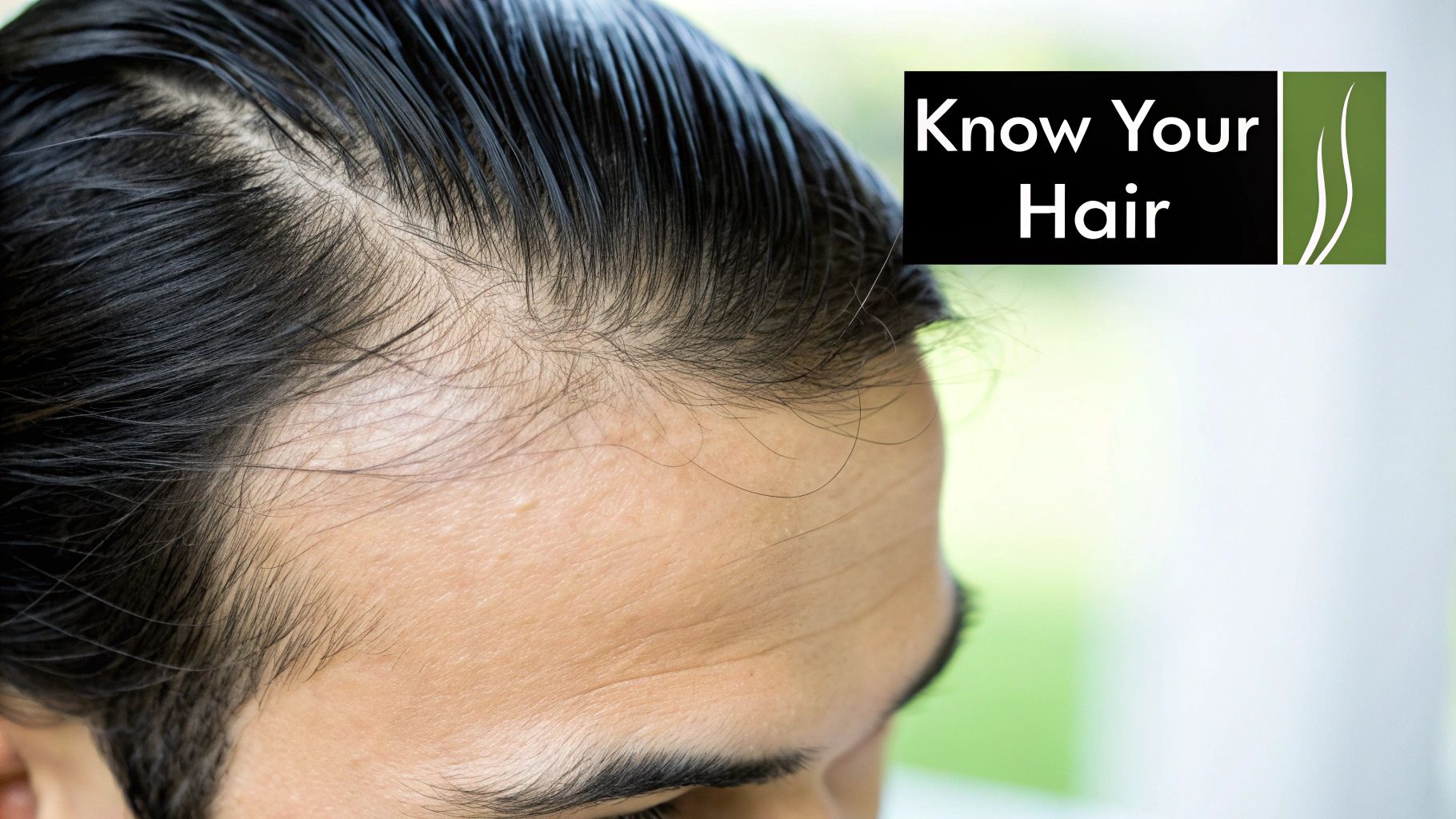
Alright, so we've busted the myth that your favorite cap is the bad guy. But if the hat isn't to blame, what is?
It’s completely normal to find a few stray hairs in your hatband at the end of the day. The thing is, it’s often easier to point a finger at a simple accessory than to look at the more complex, and often internal, reasons for hair loss. Getting to the root of the problem is the only real way to start dealing with it.
The truth is, hair loss is rarely a simple, one-cause-one-effect kind of deal. It’s almost always a mix of factors that have been brewing under the surface for a while. Let's shift our focus from what's on your head to what's going on inside your body.
The Genetic Blueprint
For most guys, the number one reason for hair loss comes down to their genes. You’ve probably heard of it: androgenetic alopecia, better known as male pattern baldness. It helps to think of your genes as a kind of roadmap for your hair's future. If your dad, grandad, or uncles started thinning, there's a good chance your genetic roadmap looks pretty similar.
This inherited trait makes your hair follicles extra sensitive to a hormone called dihydrotestosterone, or DHT. Over time, DHT shrinks these follicles down. They start producing finer, weaker hairs, and eventually, they just give up and stop growing hair altogether. This entire process is internal and has zero to do with wearing a hat. If you want to get into the nitty-gritty science, we have a great article explaining what DHT is and its connection to hair loss.
Hormonal Shifts and Health
Genetics might be the main event, but hormones are major supporting actors in your hair’s story. Any kind of hormonal imbalance can throw your hair's natural growth cycle out of whack, leading to more shedding than you're used to.
While DHT is the key culprit in male pattern baldness, other fluctuations can also play a part. Getting a clear picture by understanding your hormone levels can offer some serious clues about what's going on with your hair and your overall health.
Your hair is often a pretty good barometer for your internal health. Sudden changes in hair density or texture can be one of the first signs that something else is going on inside your body, from stress to nutritional gaps.
Stress and Lifestyle Factors
That old saying about stress making your hair fall out? It's not just a myth. There’s a specific condition called telogen effluvium, where a major stressful event—be it physical or emotional—shocks a ton of your hair follicles into a "resting" phase all at once. A few months later, all that hair sheds, and it can be pretty alarming.
Your daily habits also have a much bigger impact than you might think. A diet that's short on essential vitamins and minerals basically starves your hair follicles of the fuel they need to grow strong. These kinds of lifestyle factors are far more likely to be contributing to hair thinning than the hat you wear every day.
When a Hat Habit Can Actually Cause Harm
While your everyday hat is almost certainly innocent, there is one specific scenario where headwear can cross the line from a harmless accessory to a real problem. This rare but legitimate condition is called traction alopecia, and it’s not caused by the hat itself, but by how tightly it's worn.
Think of it like this: if you constantly tug on a small plant, day in and day out, you'll eventually weaken its roots until it gives way. The same principle applies to your hair follicles. A relentless, prolonged pulling force can, over time, cause serious damage.
This isn't just a hat-related issue. Traction alopecia is far more common with tight hairstyles like cornrows, weaves, or severe ponytails that place constant tension on the scalp. However, a hat that's painfully tight can absolutely produce the same damaging effect.
Understanding Traction Alopecia
So, what does this look like in the real world? Imagine wearing a construction helmet or a cycling helmet that clamps down on your head for hours, every single day. That constant pressure creates a pulling force on the hairs, especially around your hairline, leading to gradual damage.
This isn't about simply wearing a hat; it's about sustained mechanical stress. Clinical observations have shown that people who wear very tight headwear for work, like nurses with tightly pinned caps, can develop symptoms. They might see inflammation, redness, and broken hairs right where the tension is greatest. To learn more about this, you can read what experts at the Cleveland Clinic say about hair loss.
The key here is that the damage isn’t sudden. It’s the result of a long-term, consistent habit.
The Good News: Traction alopecia is entirely preventable. Unlike genetic hair loss, it’s caused by an external behavior you have complete control over. Better yet, if you catch it early, the damage is often fully reversible.
Warning Signs to Watch For
How can you tell if your hat is too tight? Your body will give you plenty of warning signs long before any lasting damage sets in. Keep an eye out for these signals:
- Soreness or Tenderness: Your scalp just feels sore after taking your hat off.
- Tiny Bumps: You notice small, pimple-like bumps popping up around your hairline.
- A Stinging Sensation: The skin where your hat sits feels itchy or stings.
- Broken Hairs: You start seeing short, broken-off hairs along your hat line.
- Headaches: You find yourself getting tension headaches whenever you wear that specific hat.
These symptoms are your scalp’s way of screaming for a break. Inflammation is a major culprit in many hair loss conditions, and the persistent irritation from a tight hat is no different. For a deeper dive into this, our guide on the connection between scalp inflammation and hair loss is a fantastic resource.
If you recognize any of these signs, the solution is straightforward: switch to a looser, more comfortable hat. Giving your follicles a rest from the tension is usually all it takes for them to recover and get back to their normal growth cycle.
The Protective Benefits of Wearing a Hat
Now that we’ve busted the myths and pointed fingers at the real causes of hair loss, let's flip the script. Far from being your hair's enemy, the right hat can actually be one of its greatest allies. It’s a surprisingly simple tool for protecting both your scalp and hair from the daily grind of environmental stress.
Instead of asking if hats cause hair loss, we should be asking how they can preserve the hair we have. The biggest win? Shielding your hair and scalp from the sun's harsh ultraviolet (UV) rays—a crucial part of hair care that most people completely overlook.
Think of your hat as sunscreen for your hair. Just like UV radiation damages your skin, it can do a real number on your hair strands. It breaks down the very protein structure (keratin) that gives your hair its strength and elasticity.
Shielding Your Hair from Environmental Damage
Consistent sun exposure doesn’t just weaken the hair shaft; it also bleaches out color and leaves it feeling dry and brittle. This kind of damage makes your hair much more likely to break or develop split ends. By simply throwing on a hat before heading outside, you create a physical barrier against this daily assault.
This isn't just a theory; it's a widely recognized public health benefit. Experts agree that shielding the scalp and hair shafts from UV radiation prevents the degradation of hair protein and slows down damage. It's why hats are consistently recommended for sun safety—they guard both your skin and your hair from solar exposure. If you want to dig deeper, the team at Ro.co has a great breakdown on the topic.
A hat is your first line of defense not just against the sun, but against wind, cold, and pollution. These environmental factors can strip moisture from your hair, leaving it tangled, weak, and prone to damage.
More Than Just Sun Protection
The benefits don't stop when the sun goes down. A good hat is just as valuable in other conditions, acting as a shield against a whole host of things that can mess with your hair's health.
Think about all the other times a hat comes in handy:
- Harsh Winds: Wind whips your hair into a tangled mess, leading to knots and breakage when you eventually try to comb it out. A hat keeps everything neatly tucked away.
- Cold Temperatures: Cold, dry air literally sucks the moisture right out of your hair, leaving it brittle and fragile. A warm hat helps your hair hold onto its natural moisture.
- Pollution: Tiny airborne pollutants can settle on your scalp and hair, contributing to irritation, buildup, and a dull appearance. A hat provides a simple but effective barrier.
By looking at your hat as a protective tool, you can see it's a key player in a smart hair care routine, not something to be afraid of.
Simple Rules for Healthy Hat Wearing
For those of us who love a good hat, it turns out a few smart habits are all it takes to keep your hair and scalp happy. You don't have to give up your favorite headwear over hair loss fears. It all comes down to 3 simple principles: nailing the right fit, picking the right material, and keeping everything clean.
By focusing on these key areas, you can confidently rock any hat you want, knowing you’re creating an environment where your hair can thrive. This isn’t about sacrificing style; it's about making small, easy tweaks that deliver a big payoff for your hair's health.
Prioritize a Comfortable Fit
If you remember only one thing, make it this: avoid hats that are too tight. The only real way a hat can cause harm is through constant, extreme tension—a condition we know as traction alopecia.
Think of it this way: if you take your hat off and see deep, red lines etched into your forehead, that’s your scalp’s way of telling you the fit is too snug. A hat should sit comfortably on your head, feeling secure but never restrictive. Making this one simple change pretty much eliminates the risk of putting your hair follicles under unnecessary stress.
Choose Breathable Fabrics
What your hat is made of is just as important as how it fits. You want fabrics that let your scalp breathe. Good air circulation prevents a buildup of sweat, heat, and oil, which can create a less-than-ideal environment for your hair follicles.
Look for natural, breathable materials like:
- Cotton: A fantastic, lightweight choice for everyday wear.
- Wool: A natural insulator that also wicks moisture away, keeping your head comfortable.
- Linen: The MVP for hot weather, thanks to its amazing airflow.
Synthetic fabrics like nylon or polyester, on the other hand, tend to trap heat and moisture. This can create a swampy environment on your scalp—not great for long-term health and a potential recipe for irritation if you're not careful.
A sweaty, dirty hat can become a breeding ground for bacteria and yeast, which may lead to scalp conditions like folliculitis—an inflammation of the hair follicles that can cause itching and discomfort.
Keep Your Hats and Scalp Clean
This brings us to our final, and maybe most overlooked, rule: hygiene. Your hat is just like any other piece of clothing you wear often—it needs a good wash. Over time, it soaks up sweat, your scalp's natural oils (sebum), dead skin cells, and any hair products you might use.
All that gunk can clog pores and irritate your scalp. A good rule of thumb is to wash your hats every few weeks, or even more frequently if you’re wearing them to the gym or on a hot day. Maintaining a clean hat and a clean scalp is fundamental. For a deeper dive into building a healthy foundation for hair growth, explore these practical tips for scalp care for men.
To make it even easier, here's a quick checklist to keep your hat habits on the right track.
Hat Wearer's Checklist for Healthy Hair
Use this simple table as your go-to guide for making sure your favorite accessory is working with you, not against you.
| Best Practice | Why It Matters | Simple Action |
|---|---|---|
| Check the Fit | Prevents physical stress on hair follicles (traction alopecia). | Leave it loose enough that it doesn't leave deep marks or indentations on your skin. |
| Pick Natural Fabrics | Allows air to circulate, reducing sweat and heat buildup. | Opt for cotton, wool, or linen over synthetic materials like nylon or polyester. |
| Wash It Regularly | Removes oil, sweat, and bacteria that can irritate the scalp. | Toss your hat in the wash every few weeks, or more often after heavy use. |
| Give Your Scalp a Break | Allows your skin to breathe and reduces prolonged contact with any buildup. | Go hat-free for a few hours each day to give your scalp some air. |
Ultimately, the answer to "does wearing hats cause hair loss?" really depends on how you wear them. By following these simple guidelines, you can ensure your hats remain a stylish part of your look without ever compromising the health of your hair.
Common Questions About Hats and Hair Health
Even after we've busted the big myths, a few specific questions always seem to pop up. It's only natural. So, to make sure you can wear your favorite hat with total confidence, I've put together answers to the most common queries I hear.
Think of this as your quick-reference guide for those nagging "what if" scenarios. Let's get those last few worries out of the way.
Can Wearing a Hat Every Day Cause Hair Loss?
Straight to the point: no. Wearing a hat every single day is not going to make you go bald. As long as your hat fits well—not too tight, not too loose—and you keep it clean, daily wear is perfectly fine.
That said, it's always a good idea to give your scalp a breather. Take the hat off for a few hours when you're inside. This lets air circulate and your skin breathe, which is just good, common-sense practice for a healthy scalp.
Does a Sweaty Hat Make Hair Loss Worse?
This is a great question. Sweat itself doesn't cause hair loss, but the environment a sweaty hat creates can be problematic. A warm, damp, dirty hat is the perfect breeding ground for bacteria and yeast.
If you don't clean your hats, this can lead to scalp irritation, clogged pores, and even folliculitis (an infection of the hair follicles). While these issues don't cause male pattern baldness, they certainly don't help your hair thrive. An inflamed, unhealthy scalp is bad news for hair growth.
The fix is simple: wash your hats regularly, especially after a workout or on a hot day. A clean scalp is a happy scalp.
Key Takeaway: It’s not the sweat that’s the problem; it’s the dirty, damp environment that can irritate your scalp. Keep your hats clean, and you have nothing to worry about.
I See More Hair in My Hat Lately. What Should I Do?
First, don't panic. Finding a few stray hairs inside your hat is completely normal. In fact, we all shed between 50 to 100 hairs every day as part of a natural, healthy growth cycle. The hairs you're seeing were likely already shed and just got caught by the hat on their way out.
However, if you're noticing a significant jump in the amount of hair you're shedding, it's smart to pay attention. This change is almost certainly unrelated to your hat. It could be a sign of something else entirely—like increased stress, a nutritional gap in your diet, or the natural progression of genetic hair loss.
If you're really not sure what's normal, learning about how much daily hair loss is normal can give you a solid baseline. If your gut tells you something is off, it might be time to look into the real root cause.
Which Hat Material Is Best for My Hair?
When it comes to choosing a hair-friendly hat, one word matters most: breathability. You want a material that lets air flow and doesn't trap heat and moisture against your scalp. This is why natural fabrics are almost always the best choice.
Here are the top contenders for a healthy scalp:
- Cotton: It's lightweight, soft, and lets air move freely. This makes it a perfect choice for everyday baseball caps and beanies.
- Wool: Don't let the warmth fool you. Wool is a fantastic natural fiber that insulates while wicking moisture away from your skin.
- Linen: This is the undisputed champion for summer hats. It offers maximum breathability to keep your head cool and dry.
Try to steer clear of hats made from synthetic materials like polyester or nylon for long-term wear. They act like a plastic bag for your head, trapping heat and sweat, which is a recipe for an irritated scalp over time.
At PRP For HairLoss, we believe that understanding the facts is the first step toward taking control of your hair health. Our goal is to provide clear, honest information to help you navigate male pattern baldness and find solutions that work for you. Learn more by visiting us at https://prpforhairloss.com.
 PRP For Hairloss
Leave a comment