Understanding Your Scalp
This guide provides seven essential scalp care tips for men. Proper scalp care is the foundation for healthy hair and can help combat hair thinning, a common concern as men age. Learn how to optimize your routine with the right shampoo, effective massage techniques, sun protection, and dietary considerations. These actionable steps will help you maintain a healthy scalp and promote hair retention.
1. Use a Clarifying Shampoo Weekly
Maintaining a healthy scalp is the foundation of strong, vibrant hair, and for men, this often means incorporating a clarifying shampoo into their routine. Scalp care for men can be easily overlooked, but addressing it proactively can prevent issues like dandruff, itchiness, and even hair thinning. A clarifying shampoo plays a crucial role in this process by providing a deep cleanse that goes beyond the capabilities of your everyday shampoo. This specialized product is designed to remove the stubborn residue that regular shampoos often leave behind, paving the way for a healthier, more balanced scalp environment.
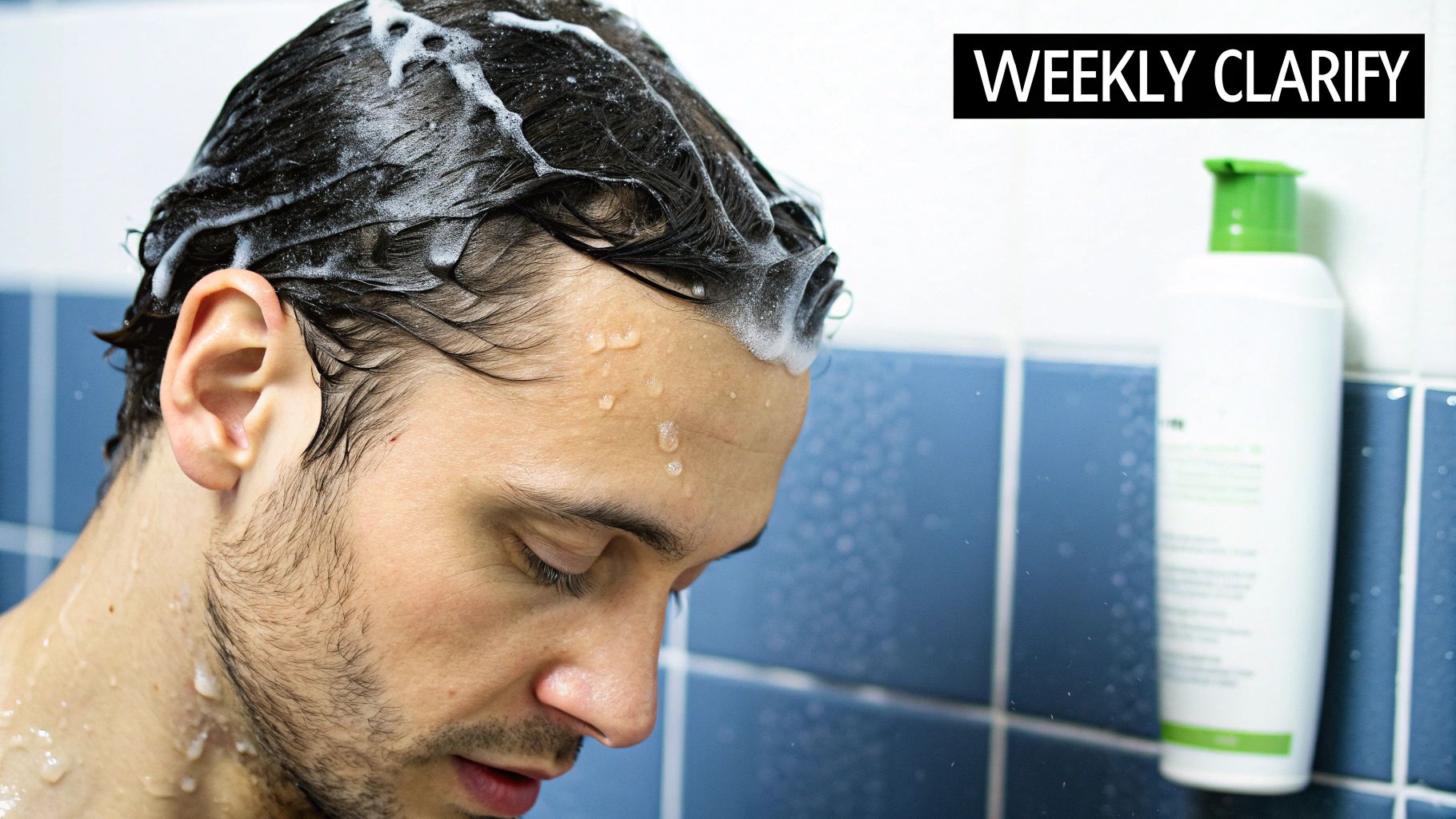
So how does a clarifying shampoo work its magic? It all comes down to its formulation. Clarifying shampoos utilize stronger surfactants, essentially cleansing agents, that bind to and lift away product buildup, excess sebum (natural scalp oil), environmental pollutants, and mineral deposits from hard water. Many clarifying shampoos are sulfate-based, leveraging the powerful cleansing action of sulfates to achieve a thorough cleanse. However, it's important to note that while effective, sulfates can sometimes be harsh, so choosing a clarifying shampoo that's also pH-balanced is key for maintaining the scalp's natural protective barrier. This helps prevent stripping away essential oils and causing dryness or irritation.
The benefits of incorporating a clarifying shampoo into your scalp care regimen are numerous. First and foremost, it effectively removes stubborn product buildup. Men often use styling products like pomades, gels, waxes, and hairsprays, which can accumulate on the scalp and hair over time, clogging follicles and potentially hindering healthy hair growth. Clarifying shampoos are designed to cut through this buildup, leaving the scalp feeling clean and refreshed. This deep cleanse also improves scalp circulation, which can contribute to a healthier scalp environment. Furthermore, by removing buildup, a clarifying shampoo actually makes your regular shampoo more effective. A clean slate allows your everyday shampoo to properly cleanse the hair and scalp, maximizing its benefits. Finally, clarifying shampoos can help reduce dandruff and itchiness caused by product buildup and excess oil.
While clarifying shampoos offer significant advantages for scalp care for men, understanding their potential drawbacks is essential for responsible usage. Their powerful cleansing action, while beneficial for removing buildup, can be too harsh for daily use. Overuse can strip the scalp of its natural oils, leading to dryness, irritation, and even increased oil production as the scalp tries to compensate. For this reason, using a clarifying shampoo once a week is generally recommended. Additionally, clarifying shampoos are generally not suitable for color-treated hair as they can strip away the color. Those with sensitive scalps should also proceed with caution and consider reducing the frequency of use or opting for a sulfate-free clarifying shampoo if they experience excessive dryness or irritation.
The implementation of clarifying shampoos has been popularized by professional barbers and stylists who understand the importance of a clean scalp for healthy hair. Many recommend weekly clarifying treatments for clients who regularly use heavy styling products. Athletes, especially those who wear helmets daily, can also benefit from clarifying shampoos, potentially even twice a week, to remove sweat and grime. Even men living in polluted urban environments can see improvements in their scalp health with regular clarifying treatments. Brands like Neutrogena (with their T/Gel line), Paul Mitchell (Clarifying Shampoo), and even budget-friendly options like Suave Essentials offer effective clarifying shampoos. High-end barber shops like Fellow Barber also emphasize the importance of clarifying treatments in their services, showcasing its value in professional scalp care.
To maximize the benefits and minimize potential drawbacks of using a clarifying shampoo, consider the following tips:
- Use lukewarm water: Hot water can further dry out the scalp, so opt for lukewarm water instead.
- Follow with a moisturizing conditioner: Replenish moisture after clarifying by using a good quality conditioner, focusing on the ends of your hair.
- Focus on the scalp: When applying the shampoo, concentrate on massaging it into the scalp rather than the length of your hair.
- Reduce frequency if you notice excessive dryness: If your scalp feels overly dry or irritated, reduce the frequency of use to every two weeks or as needed.
By understanding the function, benefits, and proper usage of a clarifying shampoo, men can take a significant step towards achieving optimal scalp health and promoting strong, healthy hair growth. Integrating this simple step into your weekly routine can make a noticeable difference in the overall condition of your scalp and hair.
2. Massage your scalp regularly
A healthy scalp is the foundation for healthy hair. For men concerned about scalp care, regular massage is a simple yet powerful technique that can significantly improve scalp health and potentially boost hair growth. Scalp massage involves using your fingertips to apply gentle pressure and circular motions across your entire scalp. This practice increases blood circulation to the hair follicles, which are responsible for hair growth, and helps distribute the scalp's natural oils, known as sebum, which keep the hair and scalp moisturized.
This method works by stimulating blood flow to the hair follicles. Increased blood flow delivers essential nutrients and oxygen to the hair roots, promoting healthy hair growth and potentially reducing hair loss. The massage also helps to activate the sebaceous glands, which produce sebum, the scalp's natural conditioner. Furthermore, scalp massage can reduce muscle tension in the scalp, which can contribute to stress-related hair loss. It’s a technique that can be performed with or without oils, offering flexibility based on individual preferences.
The benefits of regular scalp massage are numerous. It promotes hair growth and thickness, reduces stress and tension, improves the absorption of hair care products, and can help prevent hair loss. It's a completely free practice that can be done anywhere, making it an easily accessible element of a comprehensive scalp care routine. For men experiencing hair thinning or those who want to maintain scalp health, regular scalp massage offers a convenient and potentially effective solution.
Examples of successful implementation of scalp massage abound. Japanese head spa treatments, known for their intricate scalp massage techniques, have shown up to a 30% improvement in hair density in some cases. Ayurvedic practices in India have long incorporated scalp massage with natural oils to promote hair health and reduce hair fall. Even high-end barbershops are now offering professional scalp massage services, recognizing the growing demand for this beneficial practice.
While scalp massage offers numerous benefits, it's important to be aware of the potential drawbacks. Consistency is key for optimal results, and scalp massage may not be effective for hair loss caused by genetic factors. Overly vigorous or frequent massage can overstimulate oil production, leading to an oily scalp. Finally, dedicating time for daily scalp massage can be challenging for those with busy schedules.
Pros:
- Promotes hair growth and thickness
- Reduces stress and tension
- Improves product absorption
- Free and can be done anywhere
- Helps prevent hair loss
Cons:
- Requires consistency for best results
- May not work for genetic hair loss
- Can over-stimulate oil production if done excessively
- Time-consuming for busy schedules
Here are some tips to maximize the benefits of scalp massage:
- Massage for 5-10 minutes daily before bed.
- Use jojoba or argan oil for added benefits and moisturization.
- Apply gentle pressure – avoid scratching with nails.
- Start from the temples and work towards the crown.
- Combine with deep breathing for stress relief.
The following infographic illustrates a simple decision tree to guide you in establishing a scalp massage routine:
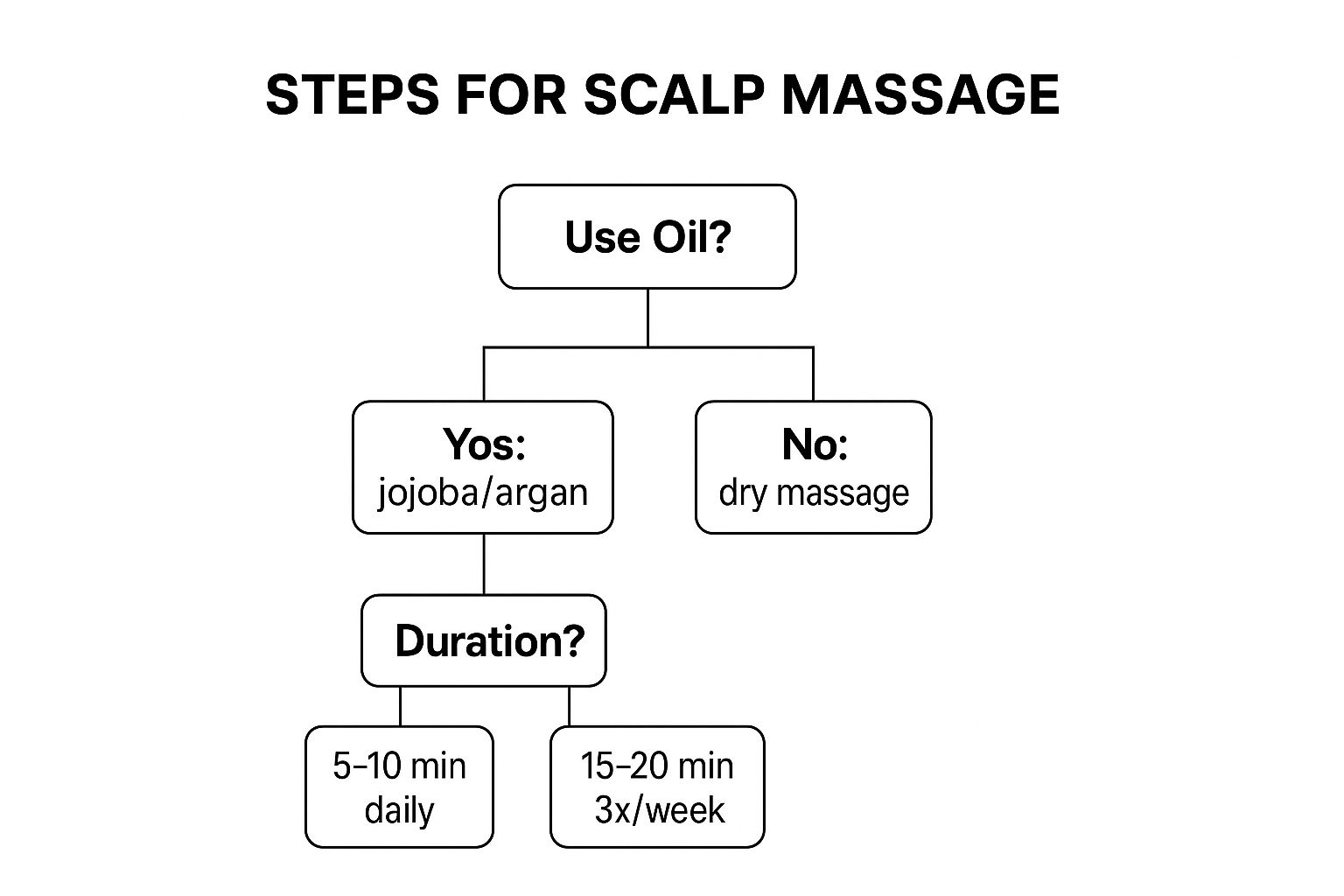
This infographic presents a clear decision path for incorporating scalp massage into your routine, starting with the choice of using oil and then determining the frequency and duration of the massage. The decision tree helps tailor a scalp massage regimen based on individual preference and time availability.
Scalp massage has been popularized by various sources, including Japanese head spa culture, Ayurvedic practitioners, dermatologist Dr. Francesca Fusco, and celebrity hairstylist Chris McMillan. Incorporating regular scalp massage into your routine can be a valuable component of a holistic approach to scalp care for men.
3. Choose the Right Shampoo for Your Scalp Type
Effective scalp care for men starts with the foundation of a healthy routine, and a cornerstone of that routine is selecting the right shampoo. Your scalp, much like your skin, has specific needs, and using the wrong shampoo can disrupt its delicate balance. This can lead to a cascade of problems, from annoying dandruff and itchiness to more serious issues like inflammation and hair thinning. Therefore, choosing a shampoo tailored to your scalp type is crucial for maintaining optimal scalp health and promoting healthy hair growth. This crucial step in scalp care for men often gets overlooked, but taking the time to understand your scalp and its needs can make a significant difference.
Different scalp types require different approaches. Men's scalps generally fall into four categories: oily, dry, sensitive, and combination. Each type responds best to specific ingredients and formulations.
-
Oily Scalp: Characterized by excess sebum production, an oily scalp can leave hair looking greasy and limp shortly after washing. Shampoos designed for oily scalps often contain ingredients that help regulate sebum production and remove excess oil without stripping the scalp of essential moisture. Look for clarifying shampoos or those containing ingredients like tea tree oil or salicylic acid.
-
Dry Scalp: A dry scalp often feels tight, itchy, and can be prone to flaking. This type benefits from moisturizing shampoos that replenish hydration and soothe irritation. Look for shampoos containing hydrating ingredients like hyaluronic acid, ceramides, or aloe vera. As an example, men with dry scalp often find that ceramide-infused formulas significantly alleviate dryness and restore comfort.
-
Sensitive Scalp: If your scalp reacts easily to certain products with redness, itching, or burning, you likely have a sensitive scalp. Opt for fragrance-free, hypoallergenic shampoos formulated with gentle cleansers and soothing ingredients like oatmeal or chamomile. Oatmeal-based shampoos, for example, are known for their calming and anti-inflammatory properties, offering relief for sensitive scalp individuals.
-
Combination Scalp: This scalp type presents a mix of oily and dry areas, typically with an oily T-zone (forehead, nose, and chin) and dry patches elsewhere. Balancing shampoos that address both excess oil and dryness are ideal. Look for formulas that gently cleanse without over-drying.
Choosing the right shampoo requires understanding its features and how they benefit your specific scalp type. Look for shampoos with:
-
Tailored Ingredients: Specific ingredients cater to individual scalp needs. For instance, ketoconazole is a powerful antifungal ingredient found in shampoos like Nizoral, which is highly effective in treating seborrheic dermatitis (a common cause of dandruff). Studies have shown that men with seborrheic dermatitis using ketoconazole shampoos see up to an 80% improvement in symptoms.
-
pH-Balanced Formulations: A balanced pH helps maintain the scalp's natural protective barrier, preventing dryness, irritation, and infections.
-
Targeted Active Ingredients: Ingredients like salicylic acid for exfoliation, tea tree oil for antifungal properties, and menthol for a cooling sensation can address specific concerns.
-
Sulfate-Free Options: Sulfates can strip the scalp of its natural oils, leading to dryness and irritation. Sulfate-free shampoos are gentler, particularly beneficial for sensitive scalps.
While the benefits of choosing the right shampoo are clear – effectively addressing specific scalp concerns, preventing problems from worsening, and optimizing hair and scalp health – there are some potential drawbacks to consider:
-
Trial and Error: Finding the perfect match for your scalp may require trying different products.
-
Cost: Quality shampoos with specialized ingredients can be more expensive.
-
Changing Needs: Your scalp's needs can fluctuate due to seasonal changes or other factors, necessitating adjustments to your shampoo choice.
Here are some actionable tips for navigating the world of scalp care for men and choosing the best shampoo:
-
Identify Your Scalp Type: Observe your scalp for signs of oiliness, dryness, or sensitivity. If unsure, consult a dermatologist or trichologist for a professional assessment.
-
Read Ingredient Lists: Pay attention to the ingredients and avoid those known to irritate your skin or scalp.
-
Patch Test: Before applying a new shampoo to your entire scalp, test it on a small area first to check for any adverse reactions.
-
Seasonal Adjustments: You might need to switch shampoos seasonally to accommodate changes in your scalp's needs.
-
Seek Professional Help: If you experience persistent scalp issues, consult a dermatologist for diagnosis and treatment recommendations.
By taking the time to understand your scalp type and choosing a shampoo that caters to its specific needs, you’ll be well on your way to achieving a healthy, comfortable scalp and promoting healthy hair growth. This targeted approach is an essential part of a comprehensive scalp care routine for men.
4. Protect your scalp from sun damage
Your scalp is often the forgotten frontier in the battle against sun damage. While we diligently apply sunscreen to our faces and bodies, the top of our head often gets neglected. This oversight can be particularly problematic for men, especially those experiencing thinning hair, bald spots, or sporting shorter haircuts, as the scalp becomes more directly exposed to the sun's harmful ultraviolet (UV) rays. Incorporating proper scalp care for men absolutely necessitates a dedicated sun protection strategy. Ignoring this crucial step can lead to painful sunburns, premature aging of the scalp skin, and significantly increase the risk of skin cancer.
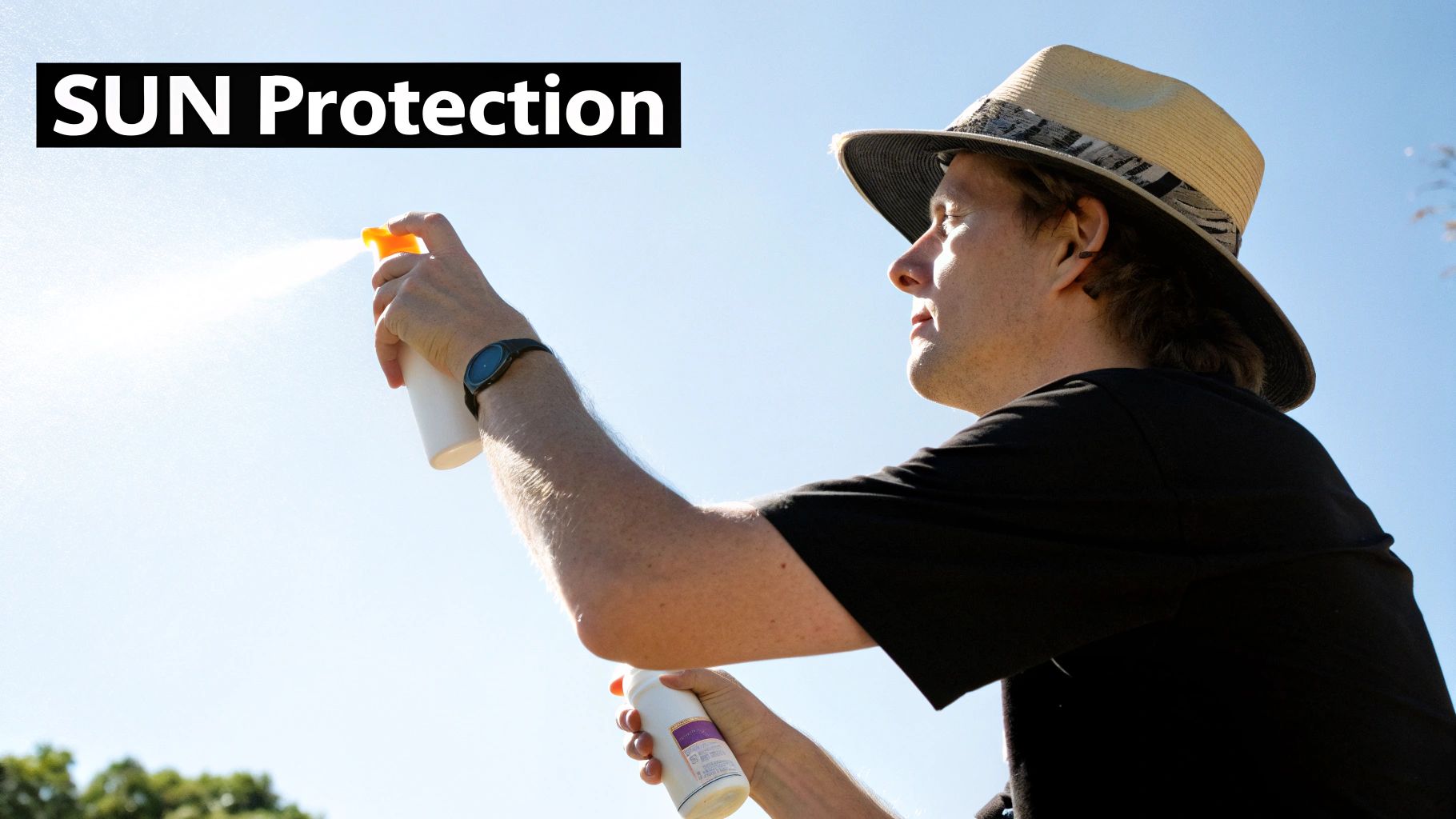
Sun protection works by creating a barrier against the sun's UV radiation. These rays, specifically UVA and UVB, penetrate the skin and cause damage to DNA, leading to various issues from sunburn to long-term health concerns like skin cancer. Specialized scalp-friendly formulations are designed to provide this essential protection without compromising hair health. They come in non-greasy applications, ensuring your hair doesn’t look oily or weighed down. For the active man, water-resistant options are available to maintain protection even during swimming, sweating, or other outdoor activities.
The benefits of diligent scalp sun protection are numerous. Preventing painful scalp sunburns is perhaps the most immediate and noticeable advantage. A burnt scalp can be incredibly uncomfortable, making even simple tasks like combing your hair or wearing a hat agonizing. More seriously, consistent sun protection significantly reduces the risk of developing skin cancer on the scalp, a frequently overlooked area for this type of cancer. Protecting the scalp also prevents premature aging of the skin, which can manifest as dryness, wrinkles, and age spots. Finally, maintaining a healthy scalp environment contributes to overall hair follicle health, which can be especially crucial for men experiencing hair loss or thinning.
While the advantages are clear, there are some challenges to effective scalp sun protection. It’s easy to forget to apply sunscreen to the scalp, especially if you’re used to focusing on your face and body. Ensuring complete coverage can also be tricky, particularly for men with thicker hair. Some products, despite being labeled "non-greasy," might still leave hair looking slightly oily or affect its styling. Finally, the need for reapplication every two hours, especially after sweating or swimming, can be inconvenient.
Consider the example of professional golfers who spend hours under the scorching sun. They are increasingly aware of the importance of scalp protection and often use SPF products specifically formulated for the scalp. Similarly, construction workers, who face prolonged sun exposure, frequently wear protective headwear like hard hats with wide brims. Surfers, constantly battling the sun’s reflection off the water, often rely on zinc-based sunblocks for maximum protection. Even attendees at outdoor festivals are increasingly adopting the use of SPF sprays to shield their scalps from the sun's intense rays. These examples highlight the growing recognition of the importance of scalp sun protection across diverse groups of men.
So, how can you ensure your scalp is adequately protected? Here are some actionable tips:
- Choose the right SPF: Use a broad-spectrum sunscreen with an SPF of 30 or higher, specifically designed for the scalp. Look for formulations that are non-greasy and water-resistant.
- Apply liberally and evenly: Apply sunscreen to your scalp 15-20 minutes before sun exposure, ensuring complete coverage. Pay extra attention to areas where hair is thinning or parted. For longer hair, try sectioning it for easier application.
- Reapply regularly: Reapply sunscreen every two hours, or immediately after swimming or excessive sweating.
- Consider a hat: For extended periods outdoors, wearing a hat provides an additional layer of protection, especially during peak sun hours.
- Maximize protection with zinc oxide: For the highest level of protection, particularly for bald spots or areas with thinning hair, consider using a zinc oxide-based sunscreen. Its thick, opaque formula creates a physical barrier against the sun’s rays.
By understanding the importance of scalp sun protection and implementing these practical tips, men can take proactive steps towards maintaining a healthy scalp, minimizing the risk of sun damage, and promoting overall well-being. This seemingly small addition to your routine can have a significant impact on your long-term scalp and hair health.
5. Maintain a Healthy Diet for Scalp Health
When it comes to scalp care for men, a holistic approach that addresses internal factors is just as important as external treatments. Your scalp, like any other part of your body, relies on proper nutrition to function optimally. Maintaining a healthy diet is a cornerstone of effective scalp care for men, directly influencing hair growth, strength, and overall scalp health. Hair follicles are some of the most metabolically active cells in the body, requiring a constant supply of nutrients to thrive. Neglecting this vital aspect of scalp care can lead to issues like hair loss, dandruff, dry scalp, and other conditions that can impact a man's confidence and comfort.
This approach works by providing the essential building blocks for healthy hair growth and scalp function directly to the source. A diet rich in specific vitamins, minerals, and proteins nourishes the hair follicles from within, supporting robust hair growth and a healthy scalp environment. Key nutrients play distinct roles: protein provides the structural foundation for hair, while vitamins and minerals facilitate crucial processes like cell turnover and sebum production. Furthermore, a balanced diet enhances scalp circulation, ensuring efficient delivery of these essential nutrients to the hair follicles. By addressing nutritional deficiencies, you can strengthen hair structure from within, promoting resilience and minimizing common scalp problems.
The benefits of this natural and sustainable approach extend beyond just scalp health. A balanced diet contributes to overall well-being, improving energy levels, boosting immunity, and reducing the risk of chronic diseases. Compared to costly hair loss treatments or specialized shampoos, improving your diet is a cost-effective way to support scalp health. Plus, unlike some topical treatments, a healthy diet generally doesn’t come with side effects when done properly.
Real-world examples highlight the impact of nutrition on scalp health. Studies have shown that individuals following a Mediterranean diet, rich in fruits, vegetables, and healthy fats, experience significantly less hair loss – sometimes as much as 40% less – compared to those consuming a typical Western diet. Vegetarians who supplement with vitamin B12, a nutrient often lacking in plant-based diets, can prevent hair thinning. Athletes with a high protein intake are also more likely to maintain thick, healthy hair. And for men experiencing hair loss due to iron deficiency, addressing this nutritional gap can often reverse the issue.
While the pros are compelling, it's important to acknowledge the potential downsides. One significant drawback is the time it takes to see visible results. Unlike topical treatments that may offer quicker (albeit often temporary) fixes, dietary changes require patience, with noticeable improvements typically taking 3-6 months. Maintaining a healthy diet also requires consistent lifestyle changes, which can be challenging for men with busy schedules. Additionally, nutritional adjustments may not fully address hair loss related to genetic factors.
To effectively nourish your scalp through diet, consider the following tips:
- Include omega-3 rich fish like salmon or tuna in your diet twice weekly. These fatty acids are essential for scalp health and hydration. Incorporating nutrient-rich foods into your diet can significantly contribute to a healthy scalp. Foods rich in omega fatty acids, vitamins, and minerals can promote hair growth and strengthen hair follicles. For example, consider adding hemp oil to your diet, as it is a good source of omega fatty acids.
- Eat a variety of colorful vegetables. These provide essential antioxidants that protect hair follicles from damage.
- Ensure adequate protein intake. Aim for approximately 0.8 grams of protein per kilogram of body weight daily.
- Stay hydrated. Drink 8-10 glasses of water throughout the day to maintain scalp hydration.
- Consider supplements after consulting with a healthcare provider. This can help address specific deficiencies if necessary.
The importance of diet for scalp health has been emphasized by leading experts in the field, including nutritionist Dr. Alan Bauman, trichologist Philip Kingsley, and the Viviscal supplement brand. Many celebrity chefs and nutritionists also recommend dietary improvements as part of a holistic approach to hair and scalp care.
So, if you're serious about scalp care for men, remember that true health starts from within. By prioritizing a nutrient-rich diet, you’re not just feeding your body, you’re investing in the long-term health and vitality of your hair and scalp. This proactive approach can significantly contribute to a healthy, vibrant scalp and contribute to overall confidence.
6. Avoid Over-Washing Your Hair
Over-washing your hair is a surprisingly common mistake, especially among men who believe that daily shampooing is synonymous with cleanliness. While maintaining a clean scalp is crucial for healthy hair, over-washing can actually sabotage your scalp care routine and contribute to issues like excessive oiliness, irritation, and even hair damage. This is why understanding the delicate balance of your scalp’s natural ecosystem is essential for effective scalp care for men.
Your scalp produces a natural oil called sebum, which acts as a built-in moisturizer and protector for both your scalp and hair. Sebum keeps the skin supple, prevents dryness, and provides a barrier against environmental aggressors. When you wash your hair too frequently, you strip away this essential sebum. This triggers a counterproductive cycle: your scalp, sensing the loss of its natural oils, goes into overdrive, producing even more sebum to compensate. This leads to that frustratingly familiar feeling of greasy hair shortly after washing, forcing you back into the shower for yet another wash – perpetuating the vicious cycle. By understanding how this cycle works, you can break free and cultivate a healthier scalp environment.
This principle of preserving natural sebum production is a cornerstone of effective scalp care for men. Maintaining your scalp's protective barrier is paramount, and avoiding over-washing plays a crucial role. By reducing the frequency of shampooing, you’re also minimizing your exposure to the chemicals often found in these products, some of which can further irritate or dry out the scalp. Furthermore, allowing your natural hair texture to develop without the constant stripping of sebum can lead to healthier, more manageable hair.
The benefits of reducing your shampooing frequency are numerous. First and foremost, it helps maintain a natural oil balance on your scalp. This reduces scalp irritation, dryness, and the annoying itchiness that often accompanies these conditions. It also saves you time and money on shampoo and other hair products. Less washing means less product usage, simple as that. Perhaps most importantly, it prevents over-stimulation of your oil glands, allowing your scalp to regulate itself and find its natural equilibrium. This is particularly important for color-treated or chemically processed hair, as over-washing can strip away color and damage already fragile strands.
Of course, there are potential drawbacks to consider. Initially, during the adjustment period, your scalp might feel slightly oilier than you’re accustomed to. This is normal and temporary as your scalp adjusts to producing less sebum. Finding the right washing frequency for your individual hair type and lifestyle is key. What works for one man may not work for another. Men with extremely oily scalps may find it difficult to completely eliminate daily washing, though reducing the frequency is still beneficial. Finally, there’s the societal pressure to wash hair daily. Overcoming this ingrained habit and the perception of cleanliness associated with daily shampooing can be a challenge.
Numerous examples demonstrate the effectiveness of less frequent washing. Many professional models wash their hair only 2-3 times per week, prioritizing scalp health and natural shine. Men with curly hair often find that washing once a week, or even less, helps maintain their curls' definition and moisture. Athletes who shower frequently after workouts can utilize dry shampoo between washes to absorb excess sweat and oil without stripping their scalp. And the growing "no-poo" movement, which advocates for reducing or eliminating shampoo altogether, has countless testimonials of individuals who have improved their scalp and hair health by embracing this approach.
So, how can you incorporate this principle into your scalp care routine? Start by gradually extending the time between washes. If you currently wash daily, try every other day for a week, then every two days, and so on. Use dry shampoo or scalp cleansing wipes on non-wash days to refresh your hair and absorb excess oil. Focus on scalp massage with water on non-wash days to stimulate circulation and remove dirt without stripping sebum. Adjust your washing frequency based on your activity level and the season. If you’re very active or live in a humid climate, you may need to wash more frequently than someone with a less active lifestyle in a dry climate. Finally, if you regularly use styling products, incorporate a clarifying shampoo once a week to remove product buildup without disrupting your scalp's natural oil balance.
This approach to scalp care has been popularized by a number of influential figures in the hair and beauty industry. No-poo movement advocates have championed the benefits of reducing shampoo usage for years. Celebrity hairstylist Jen Atkin has spoken publicly about the importance of not over-washing hair. Curly hair specialist Lorraine Massey developed the "Curly Girl Method," which emphasizes minimal shampooing. And men's grooming expert Aaron Marino has advocated for less frequent washing as a key component of healthy scalp care for men. By understanding the science behind sebum production and implementing these practical tips, you can take control of your scalp health and achieve the strong, healthy hair you deserve.
7. Use Scalp Treatments and Serums
Beyond the basics of shampoo and conditioner, lies a realm of targeted scalp care: scalp treatments and serums. These potent formulations are designed to address specific scalp concerns that regular hair care products often can’t tackle. If you’re a man experiencing issues like hair thinning, dandruff, sensitivity, or simply want to boost your scalp health, incorporating a specialized treatment into your routine could be a game-changer for your scalp care for men.
Scalp treatments and serums are concentrated formulas packed with active ingredients that work to improve the health of your scalp and hair follicles. These ingredients can include peptides, vitamins (like niacinamide), essential oils (like tea tree oil), and even medical compounds like minoxidil. Unlike shampoos and conditioners that are rinsed away, serums are leave-in treatments, allowing for extended contact time and deeper penetration into the scalp. This prolonged exposure maximizes the effectiveness of the active ingredients, providing more noticeable and lasting results. Many serums also utilize specialized delivery systems to further enhance absorption and efficacy. Think of them as a booster shot for your scalp, delivering a concentrated dose of beneficial ingredients directly to the source of your concerns.
So, why should you consider adding a scalp treatment to your scalp care for men routine? The benefits are numerous. For men struggling with hair thinning or loss, minoxidil serums have shown remarkable success, with studies indicating up to 85% hair regrowth in some users. If dandruff is your nemesis, tea tree oil treatments have proven highly effective, eliminating the flakes in up to 70% of users. For those dealing with scalp inflammation and sensitivity, niacinamide treatments can provide significant relief, reducing inflammation by as much as 60%. Even if you aren't experiencing specific problems, ingredients like caffeine have been shown to improve hair thickness and overall scalp health in clinical trials, making these serums a valuable preventative measure for maintaining a healthy scalp.
The advantages of incorporating scalp treatments and serums into your routine extend beyond just addressing specific problems. They offer professional-grade results that you can achieve at home, complementing your existing hair care regimen. Often formulated with clinical-grade ingredients, these treatments address scalp concerns far more effectively than generic products. By proactively addressing scalp health, you can also prevent future problems from arising.
However, there are some considerations to keep in mind. Scalp treatments and serums are typically more expensive than regular hair products. They often require consistent, long-term use to see optimal results, which can take several months to appear. Some individuals may experience initial irritation from certain ingredients, so starting with a lower concentration and gradually increasing it is recommended.
Tips for Effective Use:
- Apply to a clean, slightly damp scalp: This allows for better absorption of the product.
- Start with lower concentrations: This helps you assess your tolerance to the ingredients and minimize potential irritation.
- Massage gently into your scalp: Don’t just apply it to your hair. Massaging helps stimulate blood flow and enhances product penetration.
- Use consistently for at least 3 months: Results take time, so be patient and consistent with your application.
- Combine with scalp massage: This can further boost the effectiveness of the treatment.
Examples of Popular Brands and Experts:
- Rogaine: Known for their minoxidil treatments for hair loss.
- The Ordinary: Offers a range of affordable serums with targeted ingredients.
- Kiehl's: Provides scalp purifying treatments for various scalp concerns.
- Dr. Carolyn Goh (Dermatologist): A recognized expert in scalp health.
- Philip Kingsley (Trichologist): A leading authority on hair and scalp care.
By understanding the benefits and potential drawbacks, and following the tips for effective use, you can integrate scalp treatments and serums into your scalp care for men routine and achieve a healthier, more resilient scalp and hair. Whether you're battling a specific scalp issue or simply looking to elevate your hair care game, targeted treatments offer a powerful solution for achieving optimal scalp health.
7 Essential Scalp Care Tips Compared
| Tip | Implementation Complexity 🔄 | Resource Requirements ⚡ | Expected Outcomes 📊 | Ideal Use Cases 💡 | Key Advantages ⭐ |
|---|---|---|---|---|---|
| Use a clarifying shampoo weekly | Medium 🔄 Medium complexity; weekly routine | Moderate ⚡ Requires specific shampoo products | High 📊 Removes buildup, reduces dandruff | Men using heavy styling products, athletes, urban dwellers | Deep cleansing, resets scalp balance |
| Massage your scalp regularly | Low 🔄 Simple manual technique, but time needed daily | Low ⚡ No cost if done manually; optional oils | Medium-High 📊 Improves circulation, reduces stress | Men with thinning hair, stress-related scalp issues | Promotes growth, free and accessible |
| Choose the right shampoo for scalp type | Medium 🔄 Requires knowledge/trial and error | Variable ⚡ Product dependent, from mild to specialized | High 📊 Addresses specific scalp needs effectively | Men with oily, dry, sensitive, or dandruff-prone scalps | Customized care enhances scalp health |
| Protect your scalp from sun damage | Low-Medium 🔄 Easy daily application, requires reapplication | Moderate ⚡ Need SPF products or hats | High 📊 Prevents burns, skin cancer risk, premature aging | Men with thinning hair or bald spots in sunny environments | Essential UV protection, prevents damage |
| Maintain a healthy diet for scalp health | Medium 🔄 Lifestyle change, long-term commitment | Low ⚡ Requires diet focus and possible supplements | Medium 📊 Supports scalp health and hair growth over months | Men seeking sustainable, overall health benefits | Natural, holistic, cost-effective approach |
| Avoid over-washing your hair | Low 🔄 Simple behavior change, gradual adjustment | Low ⚡ No additional products needed; may use dry shampoo | Medium 📊 Maintains oil balance, reduces irritation | Men with normal to dry scalp or color-treated hair | Saves time/products, preserves natural oils |
| Use scalp treatments and serums | Medium-High 🔄 Requires consistent application | High ⚡ Specialized, often costly products | High 📊 Targets specific issues, clinical-grade results | Men with dandruff, thinning hair, or scalp sensitivity | Effective targeted treatment, professional results |
Taking Control of Your Scalp Health
Scalp care for men is often overlooked, but as we've explored, it's crucial for overall hair health and confidence. From understanding your scalp type and choosing the right shampoo to incorporating regular scalp massages and protecting yourself from sun damage, these seven steps lay the foundation for a healthy scalp. Remember the key takeaways: consistent care is paramount, over-washing can be detrimental, and a healthy diet plays a significant role in scalp health. Mastering these simple yet effective scalp care practices can make a noticeable difference, not only in the appearance of your hair but also in addressing concerns like hair loss and promoting long-term scalp health. By proactively caring for your scalp, you're investing in the future vitality of your hair.
For men seeking advanced scalp care and solutions for hair loss, exploring options like PRP for HairLoss can be a valuable next step. PRP therapy can complement your existing scalp care routine and address hair loss concerns at the root. Learn more about how PRP For HairLoss can help revitalize your scalp and promote hair growth by visiting PRP For HairLoss.


Leave a Reply