Yes, you can absolutely increase your hair density. The secret isn't a single magic bullet, but a combination of smart lifestyle choices, dedicated scalp care, and sometimes, bringing in the professionals. It all comes down to nourishing follicles from the inside out, waking up the scalp, and tackling the root causes of thinning head-on.
What Really Defines Hair Density
Before we dive into the "how," let's get clear on what we're actually talking about. People often mix up hair density and hair thickness, but they're two totally different things.
Here’s an easy way to think about it: Imagine a forest. Hair thickness is the diameter of each individual tree trunk—some are naturally skinny, others are thick. Hair density, on the other hand, is all about how many trees are packed into a single acre. You could have a forest of very thin trees planted closely together, and it would still look incredibly full.
So, when we talk about hair density, we're talking about the number of individual hair strands per square inch of your scalp. It's entirely possible to have fine, thin strands but have so many of them that your hair looks voluminous and full.
Why Does Hair Density Decrease?
Seeing more scalp than you used to can be unsettling, but it rarely happens for just one reason. Figuring out why your density is dropping is the first real step toward fixing it.
Here are the most common culprits I see in my practice:
- Genetics: This is a big one. For many, especially with male or female pattern baldness, your DNA is the primary driver.
- Hormonal Shifts: Things like fluctuations in hormones, particularly the pesky DHT (dihydrotestosterone), can cause hair follicles to shrink over time. This process is called miniaturization, and it's a classic sign of androgenetic alopecia.
- Lifestyle Factors: Never underestimate the impact of chronic stress, a nutrient-poor diet, or consistent lack of sleep. These stressors can shove your hair follicles out of their growth phase prematurely.
- Aging: Let's be real—it's a natural part of getting older. As we age, our follicles can start producing finer hair or may eventually stop producing hair altogether.
If you’re worried about thinning, you are far from alone. This is an incredibly common concern that has fueled a massive industry. The global hair thinning market was valued at USD 1.51 billion in 2024 and is projected to hit USD 2.75 billion by 2030. With around 160 million people worldwide affected by alopecia, it's clear this is a widespread issue. You can dig into more of the hair thinning market trends if you're curious about the data.
A quick science lesson is helpful here. Your hair grows in phases: a growing phase (anagen), a transition phase (catagen), and a resting phase (telogen). Good treatments work by either extending that crucial growing phase or reawakening dormant follicles. But this all takes time and consistency.
Setting Realistic Expectations
I can't stress this enough: patience is your best friend on this journey. Because of the natural hair growth cycle, you simply won't see a dramatic change overnight.
Whether you're overhauling your diet, starting a new topical serum, or investing in professional treatments, you need to give it several months to see visible results. The goal is to create a healthy, thriving environment for your scalp and give your follicles the building blocks they need to succeed. Stick with it, and you’ll give yourself the best possible chance to see a real, lasting difference.
Building Thicker Hair From The Inside Out
While topical treatments definitely have their place, the foundation for truly dense, resilient hair is built from within. What you eat directly fuels your hair follicles, giving them the raw materials they need to construct strong, healthy strands.
Think of it this way: you can’t build a sturdy house with flimsy materials. The same goes for your hair. Your hair is primarily made of a protein called keratin, and if you're not getting enough high-quality protein, your body simply can't produce it effectively. This is why a solid intake of lean meats, eggs, fish, and plant-based sources like lentils and chickpeas is non-negotiable for anyone serious about improving hair density.
The Micronutrient Power Players
Beyond just protein, a handful of specific micronutrients are absolutely critical for a thriving scalp. A deficiency in any one of them can put the brakes on hair growth and contribute to noticeable thinning. So, if you're asking yourself "my hair is not growing" despite your best efforts, your diet is one of the first places to look.
Here are the essentials your follicles are practically begging for:
- Iron: This mineral is a real workhorse. It helps red blood cells carry oxygen to your scalp and follicles, which is essential for growth. Low iron levels (anemia) are a well-documented cause of hair shedding.
- Zinc: Zinc is vital for hair tissue growth and repair. It also helps keep the oil glands around the follicles working correctly—a crucial part of maintaining a healthy scalp environment.
- Biotin (Vitamin B7): Often hyped as the "hair growth vitamin," biotin is essential for producing keratin. While a true deficiency is rare, making sure you have enough in your diet supports your hair’s core structure.
This growing awareness of the diet-hair connection is something we're seeing everywhere. The global hair growth supplements market was valued at USD 810.14 million in 2024 and is forecasted to hit a staggering USD 2.88 billion by 2033. This boom is driven by people seeking out these exact ingredients to bolster their hair from the inside out. You can dive deeper into this trend by exploring the full hair growth supplements market research.
You don't need a complete dietary overhaul to make a difference. Small, consistent changes are what lead to lasting results. Focus on adding nutrient-dense foods rather than just restricting "bad" ones.
Key Nutrients for Increasing Hair Density
To make this easier to visualize, here's a quick cheat sheet of the nutrients that matter most, why they're important, and where you can find them.
| Nutrient | Why It Matters for Hair Density | Foods Rich in This Nutrient |
|---|---|---|
| Protein (Keratin) | The fundamental building block of every hair strand. | Lean meats, poultry, fish, eggs, dairy, legumes, tofu, quinoa. |
| Iron | Carries oxygen to hair follicles, fueling growth. | Red meat, spinach, lentils, fortified cereals, oysters. |
| Zinc | Essential for hair tissue growth, repair, and scalp health. | Oysters, beef, pumpkin seeds, lentils, chickpeas. |
| Biotin (B7) | A key player in keratin production. | Eggs (especially the yolk), almonds, sweet potatoes, salmon. |
| Vitamin C | Helps produce collagen and aids in iron absorption. | Citrus fruits, bell peppers, strawberries, broccoli. |
| Omega-3s | Reduces inflammation and nourishes hair follicles. | Fatty fish (salmon, mackerel), flaxseeds, chia seeds, walnuts. |
Focusing on incorporating more of these foods into your diet is a powerful and direct way to support your hair's health from the inside.
Making It Practical and Sustainable
Knowing which nutrients you need is one thing, but consistently getting them is another. The key is to make it easy on yourself. Start small by incorporating one or two of these swaps into your weekly routine.
For instance, instead of a plain bagel for breakfast, try having a couple of eggs with a side of spinach. That one simple change instantly boosts your protein and iron intake. For a snack, trade chips for a handful of almonds or pumpkin seeds, which are packed with zinc.
Finally, don't overlook the simplest nutrient of all: water. Proper hydration is essential for transporting all those valuable vitamins and minerals to your hair follicles. Dehydration can quickly halt hair growth, so aim to drink plenty of water throughout the day. It’s a simple habit that supports your entire system—hair included.
Your Scalp Care And Topical Treatment Playbook
Treat your scalp like the fertile ground in a garden. If the soil is depleted, no seed will flourish. Beyond eating a balanced diet, you need to nurture your scalp’s environment—clearing away buildup, soothing irritation, and then delivering growth-boosting actives.
It’s easy to get lost in a sea of promises about thicker hair. Instead, zero in on ingredients with solid research behind them and stick to a routine you can commit to day after day.
The Power Of Topical Treatments
When you want to push hair follicles into their optimal growth phase, nothing beats a targeted, topical formula. These products funnel active molecules right where they’re needed most.
Minoxidil is almost a household name in hair loss care. As one of the few FDA-approved solutions, it works by widening blood vessels around follicles. That extra blood flow brings more oxygen and nutrients, which can "wake up" hairs that have gone dormant. Be patient, though—most people see changes only after 3–6 months of daily use.
Beyond minoxidil, look for serums containing:
- Caffeine: May counteract DHT, the hormone behind thinning hair.
- Rosemary Oil: Research shows it rivals 2% minoxidil in some studies, often with fewer side effects.
- Peptides: These are amino-acid chains that support collagen and fortify your follicle's structure.
If you’ve already explored these options and want to go further, consider PRP therapy. This medical procedure taps into your body’s own platelets to kickstart growth—read more about what is platelet-rich plasma.
Key Takeaway: No product works if you forget to apply it. Make every application count by following directions and staying consistent.
Creating A Scalp-Stimulating Ritual
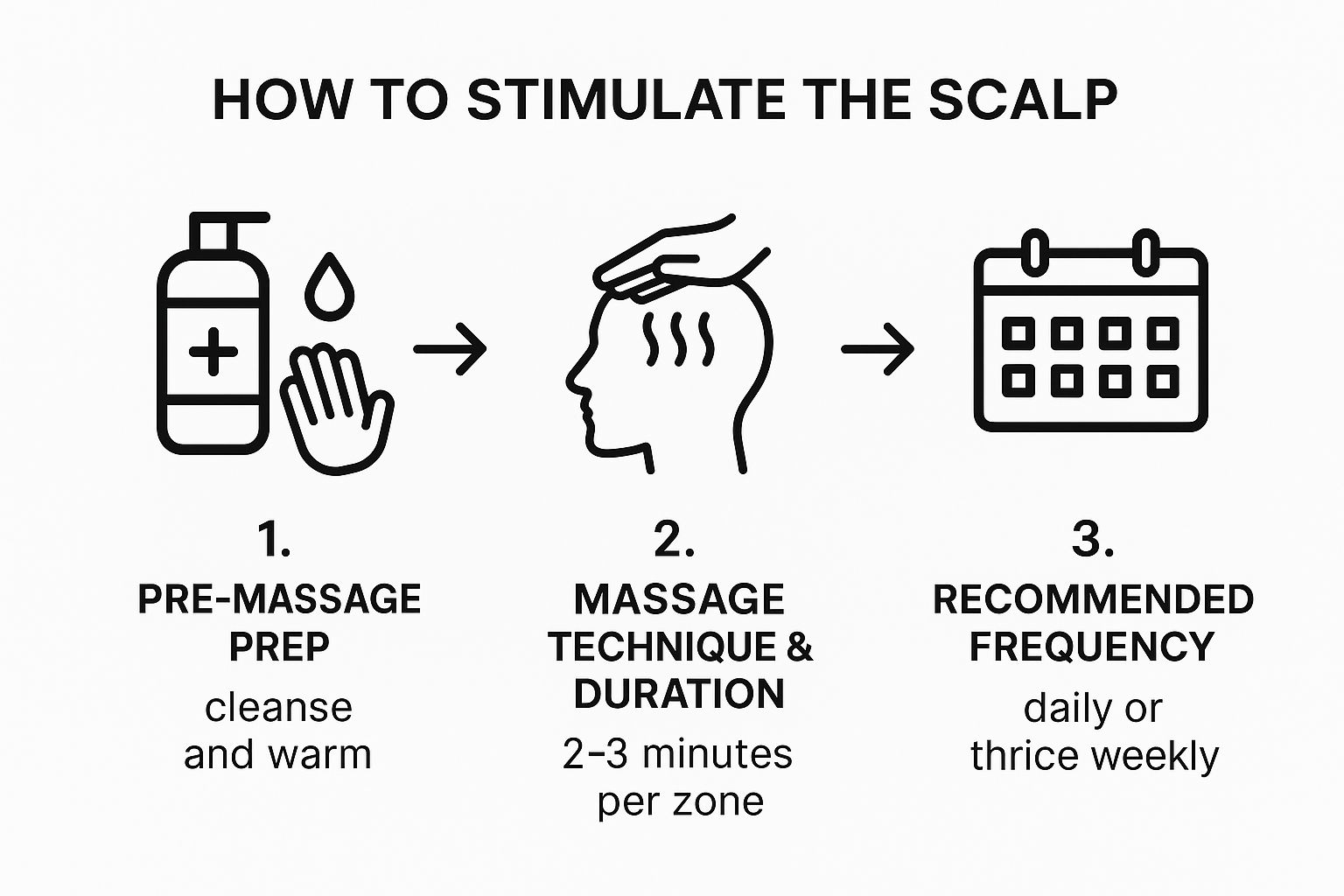
Slathering on your favorite serum is only half the job. How you deliver it can make all the difference. A simple scalp massage routine can boost circulation, ease tension, and help products sink into the skin better.
Use the pads of your fingertips in firm, circular strokes—think of gently rolling the skin over your skull. Spend 3–5 minutes once or twice a day, either on a dry scalp or while you're shampooing. Over time, this minute-by-minute investment pays off with a healthier foundation for your hair to grow from.
Exploring Professional Hair Density Treatments

When the bottles and lotions in your bathroom cabinet aren't cutting it, it might be time to see what a professional can do. These advanced treatments go beyond the surface, working directly with your body’s biology to wake up follicles and improve hair density from the inside out.
My goal here isn't to push any single procedure. Instead, I want to give you a straightforward, no-hype look at two of the most common and effective options. This way, you can walk into a specialist's office armed with real knowledge and have a productive conversation about what's right for you.
Platelet-Rich Plasma (PRP) Therapy
You've likely come across Platelet-Rich Plasma (PRP) therapy, and for good reason—it’s gained a lot of traction. It’s a clever, minimally invasive treatment that taps into your body's own natural healing abilities to encourage hair growth.
The process itself is pretty simple. A small sample of your blood is taken (just like a standard blood test) and placed in a centrifuge, which spins it rapidly to isolate the platelet-rich plasma. This plasma, a golden liquid full of powerful growth factors, is then carefully injected into the areas of your scalp that need a boost. It’s like giving your follicles a direct, concentrated shot of everything they need to thrive.
PRP is a fantastic option for people in the earlier stages of thinning, not for areas that have been bald for years. It’s especially effective for tackling conditions like diffuse hair thinning, where you notice a general decrease in volume all over. A typical plan involves an initial series of treatments, followed by periodic maintenance sessions to keep the results going.
Low-Level Laser Therapy (LLLT)
If needles make you squeamish, Low-Level Laser Therapy (LLLT) is a completely pain-free alternative worth exploring. This treatment uses therapeutic red light to kickstart cellular activity within your hair follicles.
LLLT devices come in all shapes and sizes, from large hoods you’d see in a clinic to portable caps and combs you can use at home. The gentle light energy is absorbed by your scalp’s cells, which is believed to enhance blood flow and coax more follicles into the anagen (growth) phase of the hair cycle.
But let's be clear: this isn't an overnight miracle. LLLT demands consistency. Most clinical studies point to noticeable improvements in hair density and thickness after three to six months of consistent use. For best results, it's often paired with other treatments like minoxidil or even PRP.
Ultimately, the right choice depends on your specific type of hair loss, your budget, and how much time you can commit. The absolute best first step is to schedule a consultation with a dermatologist or a hair restoration expert. They can properly diagnose your situation and create a personalized plan to get you back on the path to fuller, denser hair.
Lifestyle Habits That Support Fuller Hair
What you do every day matters just as much as any product you put on your scalp. When you're trying to get denser, fuller hair, you have to look at the whole picture. Your daily habits are a huge piece of that puzzle. Think of it as creating the perfect environment for your hair to flourish.
The link between stress and hair loss isn't just an old wives' tale; it's a physiological fact. When you're constantly stressed out, your body is flooded with cortisol. This stress hormone can prematurely shove a large number of your hair follicles into the shedding phase. For a deeper dive into how this works, check out this guide on stress-related hair loss.
This connection is a big reason the hair growth industry is booming. It was valued at a massive USD 7.73 billion in 2023 and is expected to hit USD 11.58 billion by 2030. People are finally realizing that things like stress and diet are just as critical as genetics. You can see the full trend in these hair growth market insights.
Master Gentle Hair Handling
How you physically treat your hair can either protect the strands you have or contribute to them falling out. It’s time to get a little more gentle.
Start with your tools. Ditch those harsh, stiff-bristled brushes. Instead, use a wide-tooth comb or a brush with soft, flexible bristles, especially when your hair is wet and at its most fragile. Always detangle from the ends and patiently work your way up to the roots to prevent snapping.
You also need to rethink your go-to hairstyles. That tight ponytail or sleek bun you love might be doing more harm than good. Constant pulling creates sustained tension on the follicles, which can lead to a type of hair loss called traction alopecia. Whenever you can, opt for looser, more relaxed styles.
Finally, give your hair a break from the heat. High temperatures from blow dryers, straighteners, and curling irons cook the protein structure of your hair, leaving it weak and brittle. If you absolutely must use heat, always apply a good heat protectant spray first.
Prioritize Restorative Sleep
Never, ever underestimate the power of a solid night's sleep. While you're resting, your body is hard at work repairing itself, and that includes your hair follicles. Sleep is when your body produces key growth hormones like melatonin, which studies have linked to healthier hair growth.
A lack of quality sleep throws a wrench in your body’s natural repair cycle. It can shorten the anagen (growth) phase of your hair, meaning strands don't grow as long or as strong as they could.
Aim for 7-9 hours of truly restful sleep each night. To get there, build a relaxing bedtime routine. Dim the lights, put your phone away at least an hour before bed, and turn your bedroom into a sleep sanctuary—cool, dark, and quiet. These small, consistent changes really add up, creating a strong foundation for the thicker, denser hair you're working towards.
Common Questions About Increasing Hair Density
https://www.youtube.com/embed/6lcgv7Kujuc
As you dive into this, it’s only natural to have a bunch of questions popping up. Let's get right to it and tackle some of the most common ones with honest, straightforward answers.
How Long Does It Realistically Take To See Results?
This is the big one, and the frank answer is: it depends, but patience is non-negotiable. Your hair has a natural growth cycle, and real change simply doesn't happen overnight.
Whether you're starting a new topical serum or completely overhauling your diet, you need to commit to at least three to six months of consistent use before you can truly judge the results. For professional treatments like PRP, you're looking at a series of sessions spread out over several months. It's a long-term investment in yourself, not a quick fix.
Are Natural Remedies Like Oils Actually Effective?
Some of them absolutely are, and there's science to back it up. Rosemary oil, for instance, has been compared to 2% minoxidil in studies and found to be similarly effective for promoting growth—often with less scalp irritation, which is a big plus.
However, their impact can vary wildly from one person to the next. They're a fantastic supportive player in a broader routine, but for significant thinning, they usually don't have the same horsepower as medically proven treatments. Think of them as a way to boost your scalp health while complementing your other efforts.
Key Insight: Consistency is everything. It doesn't matter how powerful a treatment is; if you only use it sporadically, you won't see results. Pick a routine you can realistically stick with day in and day out.
When Is It Time To See A Doctor?
Making lifestyle adjustments and trying over-the-counter products is a solid starting point. But there are clear signals that it’s time to call in a professional. Don't wait until you feel like you're fighting a losing battle.
You should book an appointment with a dermatologist or a trichologist if you notice:
- Sudden or Rapid Shedding: If you're suddenly losing alarming amounts of hair, it could point to an underlying health problem.
- Patchy Hair Loss: The appearance of distinct bald spots or patches (alopecia areata) needs a proper medical diagnosis.
- Scalp Irritation: If thinning hair comes with a painful, itchy, or flaky scalp, a doctor can pinpoint the root cause.
- No Improvement: You’ve been diligent for six months and seen absolutely no change. It’s time for an expert opinion.
A specialist can run the right tests to check for things like nutrient deficiencies or hormonal imbalances and build a treatment plan that’s actually designed for you. For men seeking more targeted advice, our guide on how to thicken hair for men has more in-depth strategies. An accurate diagnosis is truly the fastest way to get on the right path.
At PRP For HairLoss, our mission is to provide clear, actionable information to help you navigate your hair restoration journey with confidence. Our blog is a dedicated resource to help men understand the causes of hair loss and discover the most effective treatments available, including PRP therapy.
Explore our resources and take the first step toward a fuller head of hair. Learn more at prpforhairloss.com

 PRP For Hairloss
Leave a comment