Understanding Why My Hair Is Not Growing
That persistent feeling that your hair has stopped growing can be incredibly frustrating. But before giving up, it's important to understand the potential reasons behind this common issue. A variety of factors can contribute to the perception of stalled hair growth, from simple lifestyle habits to underlying health conditions. Identifying the root cause is the first step towards finding an effective solution.
Common Culprits Behind Slow Hair Growth
One common reason your hair might appear to be not growing is breakage. If the rate of breakage matches or exceeds the rate of growth, your hair will seem stuck at the same length. This can be caused by several factors, including excessive heat styling, chemical treatments like relaxers or perms, and harsh brushing. Certain hairstyles that put stress on the hair, such as tight braids or ponytails, can also contribute to breakage.
Another significant factor is diet. Just like any other part of your body, your hair needs proper nutrients to thrive. A diet lacking essential vitamins and minerals, especially protein, iron, and zinc, can significantly impact hair growth. Protein is the fundamental building block of hair, and a deficiency can hinder the body's ability to produce new hair efficiently. A balanced diet is essential for healthy hair growth.
Hormonal imbalances can also disrupt the hair growth cycle. Fluctuations in hormones during pregnancy, menopause, or conditions like Polycystic Ovary Syndrome (PCOS) can all affect hair growth. Stress can also influence hormone levels, potentially increasing hair shedding and slowing growth.
The Role of Genetics and Age
Beyond lifestyle and hormonal factors, genetics significantly influence hair growth rate and overall hair health. Genetic predispositions can determine how quickly your hair grows, just as they influence hair thickness or texture. Aging also naturally impacts hair growth. As we age, hair follicles produce less hair, and the hair that does grow tends to be thinner and more fragile.
Hair loss is a widespread concern extending beyond aesthetics. The global hair loss market reached USD 52.37 billion in 2022 and is projected to grow to USD 88.18 billion by 2030, driven by increased demand for effective treatments. This highlights the prevalence of hair growth concerns and the importance of seeking solutions. Find more detailed statistics here: Learn more about hair loss statistics.
Underlying Health Conditions
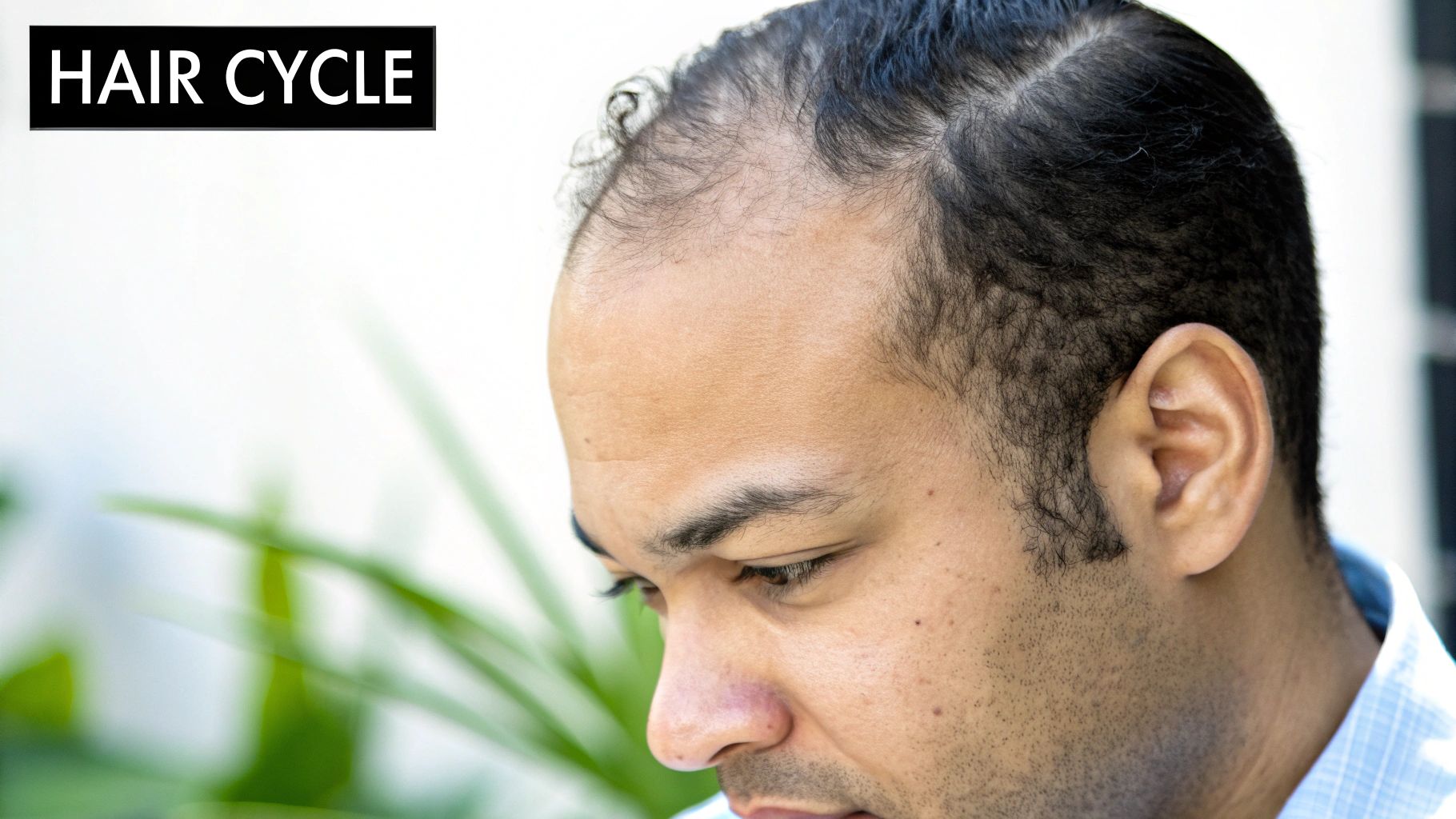
Sometimes, stalled hair growth can indicate an underlying health condition. Conditions like thyroid disorders, autoimmune diseases, and scalp infections can all affect hair growth. If lifestyle changes haven't yielded improvement, consulting a doctor or dermatologist is crucial to rule out any underlying medical issues. They can perform necessary tests, provide a diagnosis, and potentially uncover hidden factors affecting your hair's ability to thrive. Addressing these underlying health issues can often significantly improve hair growth.
The Biology Behind Healthy Hair Growth
Is your hair not cooperating with your growth goals? It might be due to disruptions in the natural hair growth cycle. This cycle is a complex biological process with three key phases: anagen, catagen, and telogen. Understanding these phases is the first step toward addressing any growth concerns.
The Anagen Phase: Active Growth
The anagen phase, often called the growth phase, is the longest part of the hair cycle. It lasts anywhere from two to seven years. During this time, cells within the hair follicle rapidly divide, pushing the hair shaft upward and outward. The length of your anagen phase is primarily determined by your genetics and contributes significantly to your hair's overall length potential. It's much like the growing season for a plant. A longer season means more growth potential.
The Catagen Phase: Transition
After the anagen phase comes the catagen phase, a brief transitional period lasting roughly two to three weeks. Hair growth slows, and the follicle begins to shrink. The hair also detaches from its blood supply, signaling the end of active growth. This phase preps the hair for eventual shedding and is comparable to a plant entering dormancy to prepare for its next cycle.
The Telogen Phase: Resting
Lastly, the telogen phase, also known as the resting phase, spans approximately three months. The old hair remains in the follicle while a new hair begins to develop underneath. Eventually, the old hair sheds, and the new hair enters the anagen phase, restarting the entire cycle. This shedding process is perfectly normal and a necessary part of healthy hair growth. Think of it like a tree shedding its leaves in autumn, making way for new growth in spring.
Understanding these stages is vital for addressing hair growth concerns. Several factors influence this intricate process, including genetics, nutrition, and even environmental conditions. Typically, about 90% of scalp hair is in the anagen (growth) phase. However, various factors can disrupt this percentage, resulting in slower growth or hair loss. On average, hair grows about 0.5 inches (1.25 cm) per month, although variations occur based on ethnicity and seasonal changes. Want to delve deeper? Find more detailed statistics here. Addressing any disruptions to these phases is often the key to achieving healthy hair growth.
Nutrition Secrets When My Hair Is Not Growing
If you're constantly thinking, "my hair is not growing," the answer might be closer than you think. Just like a plant needs the right nutrients to thrive, so does your hair. Even if you're genetically predisposed to long, healthy hair, nutritional deficiencies can significantly impact growth. This means that paying attention to your diet is a critical step in addressing hair growth concerns.
The Building Blocks of Healthy Hair
Specific micronutrients play essential roles in the hair growth cycle. Protein, for instance, provides the amino acids that make up the structural foundation of each strand. A diet lacking sufficient protein can lead to weaker hair and slower growth. Iron is also crucial, carrying oxygen to the hair follicles. An iron deficiency can even result in noticeable hair loss.
Other essential nutrients contribute to overall hair health and growth. These include zinc, biotin, vitamin D, and various B vitamins. Even minor deficiencies in these nutrients can significantly impact the hair growth cycle, leaving you wondering, "Why is my hair not growing?"
To understand the critical role of these nutrients, let's take a closer look at the following table:
Essential Nutrients for Hair Growth: A comprehensive look at critical nutrients, their food sources, and how they support hair growth.
| Nutrient | Food Sources | Role in Hair Growth | Signs of Deficiency |
|---|---|---|---|
| Protein | Lean meats, fish, eggs, beans, nuts, seeds | Provides amino acids, the building blocks of hair | Hair loss, brittle hair, slow growth |
| Iron | Leafy green vegetables, lentils, fortified cereals, red meat | Carries oxygen to hair follicles | Hair loss, thinning hair |
| Zinc | Oysters, beef, pumpkin seeds, chickpeas | Supports hair follicle function and growth | Hair loss, thinning hair, slow growth |
| Biotin | Eggs, nuts, seeds, sweet potatoes, avocados | Strengthens hair and promotes growth | Hair loss, brittle nails, skin rashes |
| Vitamin D | Fatty fish, egg yolks, fortified foods | Stimulates hair follicles and promotes growth | Hair loss, slow growth, fatigue |
| B Vitamins | Whole grains, meat, poultry, fish, eggs, dairy products, leafy green vegetables | Essential for hair growth and health | Hair loss, thinning hair, brittle hair |
As you can see, a variety of nutrients are essential for healthy hair. Ensuring adequate intake of these through your diet is a vital first step in addressing hair growth concerns.
Nourishing Your Hair From the Inside Out
Addressing nutritional gaps often requires a comprehensive strategy. Start by incorporating a wide array of nutrient-rich foods into your diet. Lean meats, fish, eggs, and beans are excellent sources of protein, while leafy green vegetables, lentils, and fortified cereals provide iron.
Sometimes, dietary changes aren't enough, and targeted interventions may be necessary. For instance, Ree Drummond, of The Pioneer Woman blog, documented her experience with vitamin D supplementation combined with increased protein intake. She saw noticeable improvements in hair growth and reduced breakage. Read more about her journey here.
Creating a Sustainable Nutrition Plan
A sustainable nutrition plan for hair growth doesn't need to be complex. Focus on a balanced diet that includes a variety of whole foods rich in essential nutrients. This approach provides your hair follicles with the essential components for healthy growth.
Consider incorporating hair-boosting supplements, especially if you suspect deficiencies. However, always consult with a doctor or registered dietitian before starting any new supplement regimen. This ensures your approach aligns with your overall health and individual needs. Addressing nutritional deficiencies, combined with healthy hair care practices, can be the key to finally achieving the hair growth you desire. By nourishing your body from within, you empower your hair to reach its full potential.
Hair Care Habits Sabotaging Your Growth

That frustrating feeling of "my hair isn't growing" often comes down to everyday habits we don't realize are harmful. While genetics and internal factors play a role, your hair care routine can significantly impact growth. This section explores common practices that might be sabotaging your efforts and offers practical solutions for healthier, longer hair.
The Heat Styling Dilemma
Excessive heat styling is a major culprit in hindering hair growth. Regularly using high-temperature tools like straighteners, curling irons, and even blow dryers can weaken the hair shaft. This leads to breakage and split ends, effectively canceling out new growth and giving the illusion of stagnant length. High heat can also strip the hair of its natural moisture, making it dry, brittle, and more prone to breakage.
Over-Washing and Improper Techniques
Washing your hair too often strips away its natural oils, called sebum, which protect and moisturize the strands. This can leave your hair dry and vulnerable, impacting its ability to grow long and strong. Using harsh shampoos containing sulfates and other drying agents can worsen the issue. Ree Drummond, of The Pioneer Woman blog, realized frequent bleaching and heat styling were damaging her hair. She adopted gentler practices and saw improved hair health. You can read more about her hair journey here.
Tension Styles and Product Buildup
Tight hairstyles like braids, cornrows, and ponytails put excessive stress on the hair follicles. This can cause breakage and even traction alopecia, a type of hair loss caused by prolonged pulling. Product buildup on the scalp can also clog hair follicles, hindering growth.
The Hidden Impact of Chemical Treatments
Chemical processes like relaxers, perms, and even some hair dyes can weaken the hair shaft. This makes it more susceptible to breakage. These treatments alter the hair's natural structure, increasing the risk of damage and slowing down growth. Choosing less damaging color treatments, like Ree Drummond did, can improve overall hair health.
Sleeping Habits and Your Hair
Even how you sleep affects your hair growth. Sleeping on rough cotton pillowcases creates friction, leading to breakage and tangles. Switching to a satin or silk pillowcase minimizes friction and protects your hair.
Interestingly, analyzing trends in the hair care industry offers valuable insights. For example, a hair growth supplement market increasing from USD 1 billion to USD 1.2 billion over a year signifies a 20% increase. This helps assess treatment effectiveness and market strategies. Explore this topic further here. Understanding these habits and making adjustments empowers you to create a routine that supports your growth goals. By minimizing damage and maximizing hair health, you can finally see the length progress you desire.
Evidence-Based Treatments Worth Your Investment
If you find yourself frequently searching "my hair is not growing," you're not alone. The overwhelming number of products claiming to deliver miraculous results can make it difficult to know where to turn. This section cuts through the marketing noise and explores treatments supported by clinical evidence, not just anecdotal testimonials. We'll examine the science behind popular ingredients and equip you to navigate the often-complex hair growth market.
Understanding the Science of Hair Growth Treatments
Effective hair growth treatment often begins with understanding the science behind it. Minoxidil, a topical treatment approved by the FDA, is a common starting point for many experiencing hair loss. It works by dilating blood vessels surrounding the hair follicles, which increases nutrient supply and may stimulate growth. However, minoxidil doesn't work for everyone, and results can vary.
Peptides, which are short chains of amino acids, are another promising area of research. Some peptides, such as copper peptides, show potential for promoting hair growth by stimulating follicle activity and extending the anagen (growth) phase of the hair cycle. Similarly, adaptogens, natural substances that help the body manage stress, may indirectly support hair growth by minimizing the impact of stress hormones. This is important because stress is a known factor in hair shedding and slower growth.
Decoding Supplements and Treatments
The growing demand for hair growth solutions has led to significant market expansion. The global market for hair growth supplements and treatments reached USD 7.74 billion in 2023 and is projected to reach USD 11.58 billion by 2030. This growth highlights the increased awareness of hair loss and the desire for effective treatments. The pharmaceutical segment currently dominates the market, holding 88.50% of the share. However, the supplement segment is expected to experience rapid growth with a projected CAGR of 14.90%. You can find more insights into these market trends here. With so many options available, it's crucial to carefully evaluate what's right for you.
Supplements containing ingredients like biotin, collagen, and saw palmetto frequently make claims about promoting hair growth. However, the scientific evidence backing these claims is often limited. It's important to research ingredients and their clinical effectiveness before investing in any supplement. Keep in mind that what works for one individual may not work for another due to differences in genetics, underlying health conditions, and nutritional deficiencies.
Tracking Progress and Pivoting Your Approach
A successful hair growth journey requires both patience and a structured plan. Tracking your progress is essential to understanding what’s working and when to adjust your strategy. Consider keeping a hair journal to document changes in shedding, texture, and length. Regular photos can also help you visually track your progress over time. Remember, hair growth is a gradual process, and noticeable changes can take several months. Setting realistic timelines can help you stay encouraged and avoid discouragement if you don’t see immediate results.
If you've consistently followed a treatment plan for several months without seeing improvement, it might be time to reconsider your approach. Consulting a dermatologist or trichologist can provide valuable insights. They can identify underlying issues that may be contributing to your hair growth challenges and recommend targeted treatment options.
Choosing the Right Treatment for You
Navigating the many hair growth treatments requires careful thought. The table below offers a general comparison of popular treatment types to help inform your decisions:
To help you navigate the various treatment options, the following table compares some of the most popular choices:
Comparing Popular Hair Growth Treatments
An analysis of effectiveness, cost, time commitment, and potential side effects of various treatment options
| Treatment Type | Effectiveness | Average Cost | Time to See Results | Potential Side Effects |
|---|---|---|---|---|
| Minoxidil | Moderate | $20-$50/month | 3-6 months | Scalp irritation, unwanted hair growth in other areas |
| Peptides | Varies depending on the specific peptide | $50-$150/month | 3-6 months | Generally well-tolerated, but some may experience mild scalp irritation |
| Supplements | Limited evidence for many supplements | $20-$60/month | Varies, often 3-6 months | Varies depending on the supplement; some may interact with medications |
| PRP (Platelet-Rich Plasma) | Promising, but more research needed | $300-$700 per treatment | 3-6 months | Mild discomfort at the injection site |
| Laser Therapy | Moderate | $200-$600 for a device, or $50-$100 per session | 6-12 months | Generally safe |
This table highlights the varying effectiveness, cost, and potential side effects of each treatment, enabling a more informed decision-making process. Consulting a healthcare professional remains crucial for personalized advice.
This information is intended for general knowledge and does not constitute medical advice. Always consult with a qualified healthcare professional before starting any new hair growth treatment. This will ensure the chosen treatment aligns with your individual health needs and minimizes the risk of potential side effects. By understanding the science behind hair growth and selecting evidence-based treatments, you can make informed decisions and invest wisely in your hair health journey.
When To Seek Professional Help For Stalled Growth
While many factors contribute to stalled hair growth and can be addressed with lifestyle changes and at-home treatments, sometimes professional intervention is necessary. Knowing when to seek expert help is crucial for identifying and addressing underlying issues hindering your hair growth.
Recognizing The Red Flags
Certain signs indicate that your stalled hair growth may be more than a temporary phase. One key indicator is sudden or excessive shedding. While losing around 50-100 strands per day is normal, a significant increase warrants professional evaluation. This could signal telogen effluvium, a temporary hair shedding condition often triggered by stress or illness. Alternatively, it could indicate a more persistent condition like androgenetic alopecia (female or male pattern baldness).
Another red flag is changes in your scalp condition. Persistent itching, redness, scaling, or noticeable thinning in specific areas may signal underlying issues like scalp infections, psoriasis, or seborrheic dermatitis. These conditions require specific treatments beyond over-the-counter remedies. Ree Drummond of The Pioneer Woman found that a combination of adjusted hair care habits and addressing nutritional deficiencies led to improvements. However, if changes to your routine don't yield results, consult a professional.
What To Expect During A Professional Consultation
If you seek professional help, the first step is usually a consultation with a dermatologist or a trichologist (a hair and scalp specialist). They’ll likely ask detailed questions about your medical history, hair care routine, diet, and recent stressors. Be prepared to discuss any medications, as some can affect hair growth. Lifestyle blogger Kathleen Post emphasizes a multi-pronged approach to hair health, including scalp care, minimizing heat styling, and nutritional supplements. She also recommends professional guidance when needed, as detailed in her hair care journey.
Diagnostic Tests And Treatment Options
The professional may perform a scalp examination to assess follicle health and check for inflammation or infection. They might also recommend diagnostic tests like a pull test (gently pulling hairs to assess shedding) or a scalp biopsy (taking a small skin sample for analysis). These tests can identify underlying issues like hormonal imbalances, nutritional deficiencies, or autoimmune conditions contributing to hair loss or stalled growth.
Depending on the diagnosis, various treatment options may be recommended. These range from topical medications like minoxidil to procedures like platelet-rich plasma (PRP) therapy or low-level laser therapy. Dietary changes or supplements may also be suggested to address any nutritional deficiencies. Advanced treatment options like PRP therapy offer promising results for hair restoration.
Making Informed Decisions About Your Hair Health
Seeking professional help for stalled hair growth allows you to address the issue proactively. By understanding the underlying causes, you can make informed decisions about treatment options and work towards healthier, stronger, and longer hair. Don’t hesitate to contact a dermatologist or trichologist if you suspect your hair growth concerns require expert intervention. Early intervention can often lead to better outcomes and prevent further hair loss.
Are you concerned about hair loss and seeking effective treatment options? Learn more about Platelet-Rich Plasma (PRP) therapy, a promising treatment for hair restoration, at PRP For HairLoss. This treatment can help stimulate hair growth and improve hair thickness.


Leave a comment