If you're trying to figure out how to stimulate hair follicles, it really boils down to one thing: waking them up. We're not creating new follicles from scratch, but rather reactivating the ones that have gone dormant. The best game plans combine clinical treatments with simple, consistent at-home habits.
Think of it as creating the perfect comeback environment for your hair. Better blood flow, the right nutrients, and direct stimulation are the keys.
What It Means to Wake Up Hair Follicles
Seeing more hair in the brush or a wider part can be frustrating. But here's the good news: in many cases, those hair follicles aren't gone for good. They’re just sleeping on the job. Our goal is to figure out why they went dormant and give them a reason to get back to work.
This guide will walk you through the practical, no-nonsense steps to do just that. We’ll skip the dense scientific jargon and focus on what’s actually happening on your scalp.
So, Why Do Follicles Go Dormant Anyway?
Your hair is constantly moving through a cycle. There’s a growth phase (anagen), a brief transitional phase (catagen), and a resting phase (telogen). Normally, this cycle runs like clockwork.
But things like hormonal shifts, high stress levels, or not getting the right nutrients can throw a wrench in the works. When that happens, follicles can get stuck in that resting phase for way too long. The growth phase also gets shorter. Over time, that's what leads to thinning hair.
Stimulating a hair follicle is all about nudging it out of that extended nap and back into an active growth phase. To get a really good handle on this process, you can explore the complete hair growth cycle in our detailed article.
The goal is to provide a powerful wake-up call to these sleeping follicles, encouraging them to renter the active growth phase and start producing healthy hair strands again.
This isn't just a niche concern; it's a massive focus for people worldwide. The global hair restoration market was valued at around USD 6.46 billion in 2023 and is expected to surge to nearly USD 18.92 billion by 2030. That incredible growth, tracked by sources like Grand View Research, shows just how many people are looking for real solutions to stimulate their hair follicles.
The Foundation of Follicle Stimulation
Before we jump into specific treatments, let's cover the fundamentals. All effective methods, from high-tech procedures to simple daily routines, share a few common goals. They work by:
- Boosting Blood Flow: More blood means more oxygen and nutrients delivered right to the hair's root. It's the follicle's lifeline.
- Delivering Key Nutrients: Supplying the essential building blocks—proteins, vitamins, and minerals—that hair needs to grow strong.
- Calming Inflammation: An irritated scalp is a stressed scalp. Reducing inflammation creates a healthier environment where follicles can thrive.
- Blocking Harmful Hormones: For many people, a hormone called DHT is the main culprit that shrinks follicles. Certain treatments help counteract its effects.
To make these concepts easier to navigate, let's organize the top methods into a quick reference guide. This table breaks down the most common approaches, what they entail, and who they're generally best for.
Quick Guide to Hair Follicle Stimulation Methods
| Method Type | What It Involves | Best For |
|---|---|---|
| Professional Treatments | In-office procedures like PRP (Platelet-Rich Plasma) therapy, which uses your own blood's growth factors, or LLLT (Low-Level Laser Therapy). | Individuals with significant thinning or androgenetic alopecia looking for clinically proven, potent results. |
| Topical Agents | Applying FDA-approved solutions like Minoxidil or prescription-based Finasteride directly to the scalp. Also includes natural oils and serums. | People in the early to moderate stages of hair loss who can be consistent with daily application. |
| Diet & Lifestyle | Consuming a diet rich in hair-healthy nutrients (biotin, iron, zinc, protein) and managing stress through exercise, sleep, and mindfulness. | Everyone. This is the foundational support system for any other treatment and can help prevent further loss. |
| Scalp Stimulation | Daily practices like scalp massage (using fingers or a tool) and microneedling to increase blood flow and enhance product absorption. | Anyone looking for a low-cost, complementary method to boost the effectiveness of their primary treatment. |
This table is just a starting point. The most successful hair restoration plans often combine elements from several categories for a multi-pronged attack on hair loss. Now, let's explore each of these areas in more detail.
Powerful In-Clinic Treatments That Stimulate Follicles
Sometimes, what you can do at home just isn't enough, or you’re simply ready for more dramatic results. This is where professional, in-clinic treatments really shine. They're built on advanced technology and a deep understanding of biology to give your hair follicles the powerful wake-up call they need.
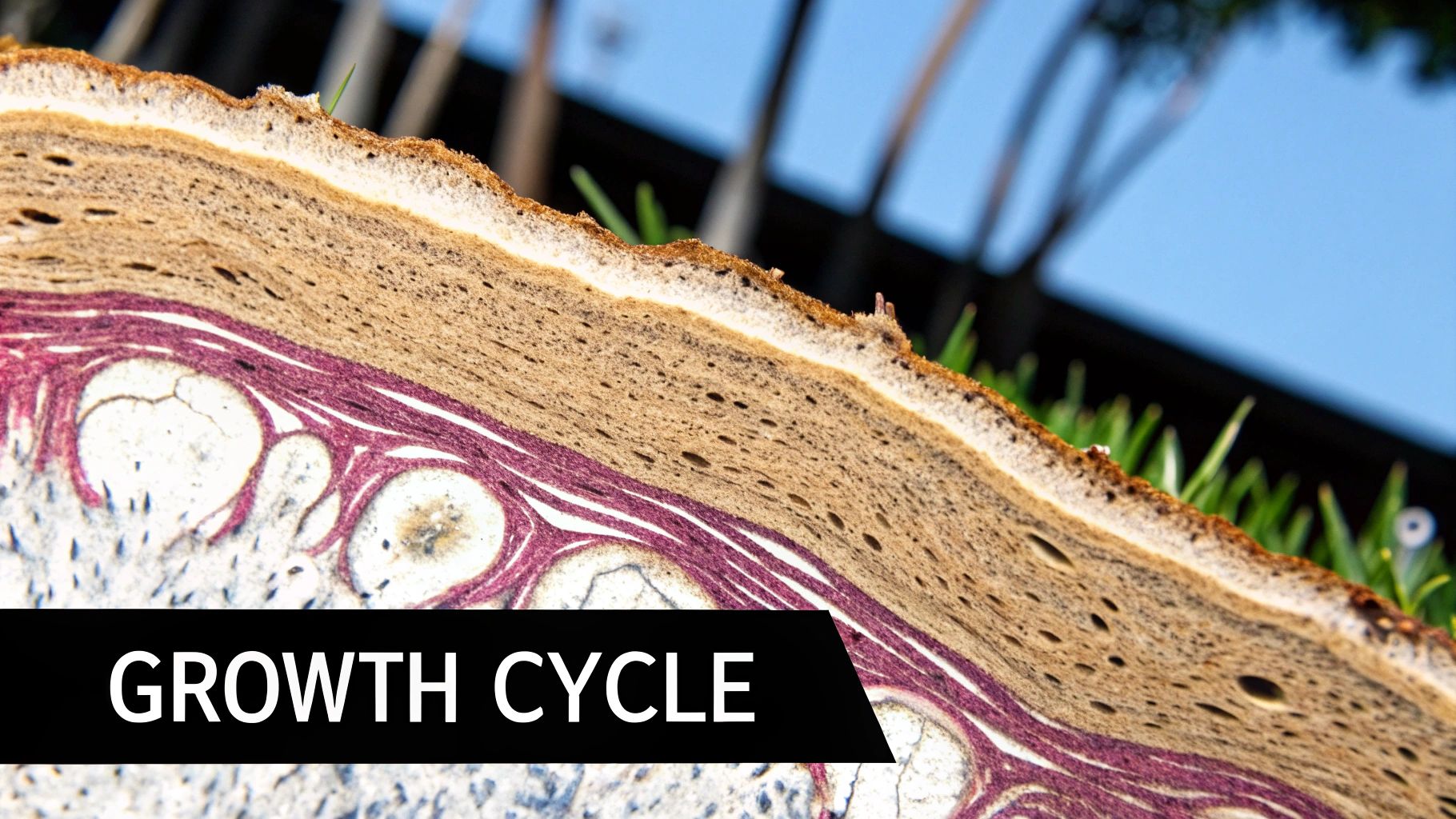
Think of these as the heavy-duty tools in the hair restoration toolkit. They work on a cellular level, delivering a targeted jolt to dormant follicles and nudging them back into their active growth phase.
Platelet-Rich Plasma (PRP) Therapy
PRP has become one of the most trusted names in hair restoration, and for good reason. It’s a clever process that uses your body's own natural healing components to kickstart growth on your scalp.
It all starts with a simple blood draw, no different than a routine check-up. That blood is spun in a special machine called a centrifuge, which separates out the platelets and plasma. What you're left with is a golden-hued, concentrated serum—the platelet-rich plasma—that's loaded with powerful growth factors.
This "liquid gold" is then meticulously injected into the areas of your scalp where you’re seeing thinning. These growth factors act like a direct signal to sluggish hair follicles, essentially telling them it's time to get back to work. Many people experience not just new growth, but also increased hair shaft thickness and a noticeable reduction in shedding.
Low-Level Laser Therapy (LLLT)
If needles aren't your thing, Low-Level Laser Therapy (LLLT) is a completely non-invasive and painless alternative. This treatment uses specific wavelengths of red light to gently energize the cells inside your hair follicles.
It helps to think of it like this: your follicle cells have tiny batteries that can run low over time. LLLT is like a charging station, boosting their energy and improving circulation in the scalp. This helps extend the anagen (growth) phase of the hair cycle.
The goal of LLLT is to improve how your follicle cells breathe and function. When these cells are properly energized, they're much better at producing the strong, healthy hair you want.
You can get LLLT treatments from powerful, hood-style devices in a clinic, but there are also high-quality caps, bands, and combs you can use at home. The number one rule with LLLT is consistency. While clinical sessions are more potent, home devices are fantastic for keeping up the steady, regular exposure needed to see real change. To get a better handle on the science, you can dive deeper into red light therapy for hair growth and see if it makes sense for you.
Follicular Unit Extraction (FUE)
When hair loss is more significant, Follicular Unit Extraction (FUE) offers a permanent, surgical solution. Instead of just waking up dormant follicles, FUE involves physically moving healthy, productive follicles to the areas that need them.
In an FUE procedure, a surgeon carefully extracts individual hair follicles one by one, usually from the back or sides of your head where the hair is genetically programmed to resist balding. These follicles are then transplanted into the thinning or bald areas, like the crown or hairline.
It's a highly detailed and artistic procedure. The surgeon has to place each follicle at just the right angle and density to achieve a completely natural look. It’s definitely the most intensive option on this list, but for the right person, the results are nothing short of life-changing.
A Look at the Next Wave of Pharmaceutical Solutions
While the tried-and-true treatments still have their place, the science behind hair restoration is always moving forward. Researchers are now getting incredibly specific, targeting the exact molecular pathways that tell our hair follicles whether to grow or to shut down. This is leading to a whole new generation of drugs that work from the inside out.
These aren't just about improving blood flow anymore. We're now looking at correcting the root biological signals that cause hair loss in the first place. For a lot of people, this is a complete game-changer in how we think about and treat thinning hair.
The Rise of JAK Inhibitors
One of the most exciting areas to watch is the development of Janus kinase (JAK) inhibitors. These aren't your typical hair loss medications. They were originally created to treat autoimmune issues like rheumatoid arthritis by taming an overactive immune system.
So, how does that help with hair? It’s a huge deal for conditions like alopecia areata, where the body's immune system gets confused and starts attacking its own hair follicles. By blocking the specific signals that drive this attack, JAK inhibitors like baricitinib essentially tell the immune system to back off. This gives the follicles a chance to recover and get back to their normal growth cycle.
This approach has been life-changing for people who previously had very few options. It’s a perfect example of how getting to the root cause of follicular stress can lead to incredibly effective, targeted treatments.
Think of JAK inhibitors as creating a sort of ceasefire for your hair follicles. By stopping the friendly fire from your own immune system, these drugs give the follicles the breathing room they need to heal and get back to work.
It’s no surprise that the financial world is paying close attention. The global alopecia treatment market is projected to explode from USD 9.1 billion in 2023 to USD 27.7 billion by 2033. A huge chunk of that growth is coming from these newer drugs, especially the FDA-approved JAK inhibitors that have shown such impressive results. You can get a closer look at these market trends in the Alopecia Market News report.
Targeting Hormones with More Precision
For millions of men, the main villain in their hair loss story is a hormone called dihydrotestosterone (DHT). It gradually shrinks hair follicles until they stop producing hair. We've had DHT-blocking treatments for years, but the newest research is all about refining that strategy.
The next generation of pharmaceuticals will likely offer much more localized ways to block DHT's effects directly at the scalp. The goal is to minimize the risk of side effects elsewhere in the body by keeping the action focused right where it's needed. If you're dealing with male pattern baldness, getting a handle on DHT is essential. Our guide on DHT blockers for hair loss is a great place to start.
The Future: Activating Follicle Stem Cells
Peeking even further into the future, scientists are working on therapies that directly interact with the stem cells inside our hair follicles. These cells are the master controls for regeneration. Right now, there are experimental treatments in trials designed to literally "switch on" dormant stem cells, telling them to start building new hair shafts again.
While this is still a ways off, the potential is incredible. We’re talking about moving beyond just slowing down hair loss and into an era where we can reactivate the follicle's core machinery to generate brand new growth.
Nourishing Your Hair Follicles From Within
What you put on your scalp is only one piece of the puzzle. The real foundation for healthy hair is built from the inside out. I like to think of each hair follicle as a tiny factory; if you don't give it the right raw materials, production is going to slow down or even stop altogether.
We've all heard the generic advice to "eat a balanced diet," but let's dig a little deeper into what that actually means for your hair. The right nutrients can supercharge your follicles, while a deficiency in just one key area can bring the entire growth cycle to a grinding halt.
Building Blocks for Stronger Hair
Hair is made almost entirely of a protein called keratin. It's simple, really: if you're not eating enough protein, your body has to start rationing. And when that happens, non-essential functions like growing hair are among the first to get put on the back burner. That’s why getting enough high-quality protein from sources like lean meats, fish, eggs, and legumes is absolutely non-negotiable for healthy follicles.
Beyond protein, a few specific micronutrients are the unsung heroes of hair growth. Here’s a quick rundown of the essentials you need to focus on:
- Iron: This is all about oxygen delivery. Iron helps create hemoglobin, which carries oxygen in your blood. When your iron is low, your follicles are essentially being starved of the oxygen they need to thrive, which can disrupt growth and even lead to shedding. Think spinach, lentils, and red meat.
- Zinc: I consider zinc a true workhorse for hair health. It’s critical for hair tissue growth and repair, and it also helps keep the oil glands around the follicles functioning correctly. You can find it in abundance in foods like pumpkin seeds and chickpeas.
- Biotin: You’ve probably seen biotin (vitamin B7) in countless hair products, and for good reason. It’s essential for producing that all-important keratin. While a true deficiency is pretty rare, ensuring you have enough in your diet gives your body the tools it needs to build the strongest hair possible.
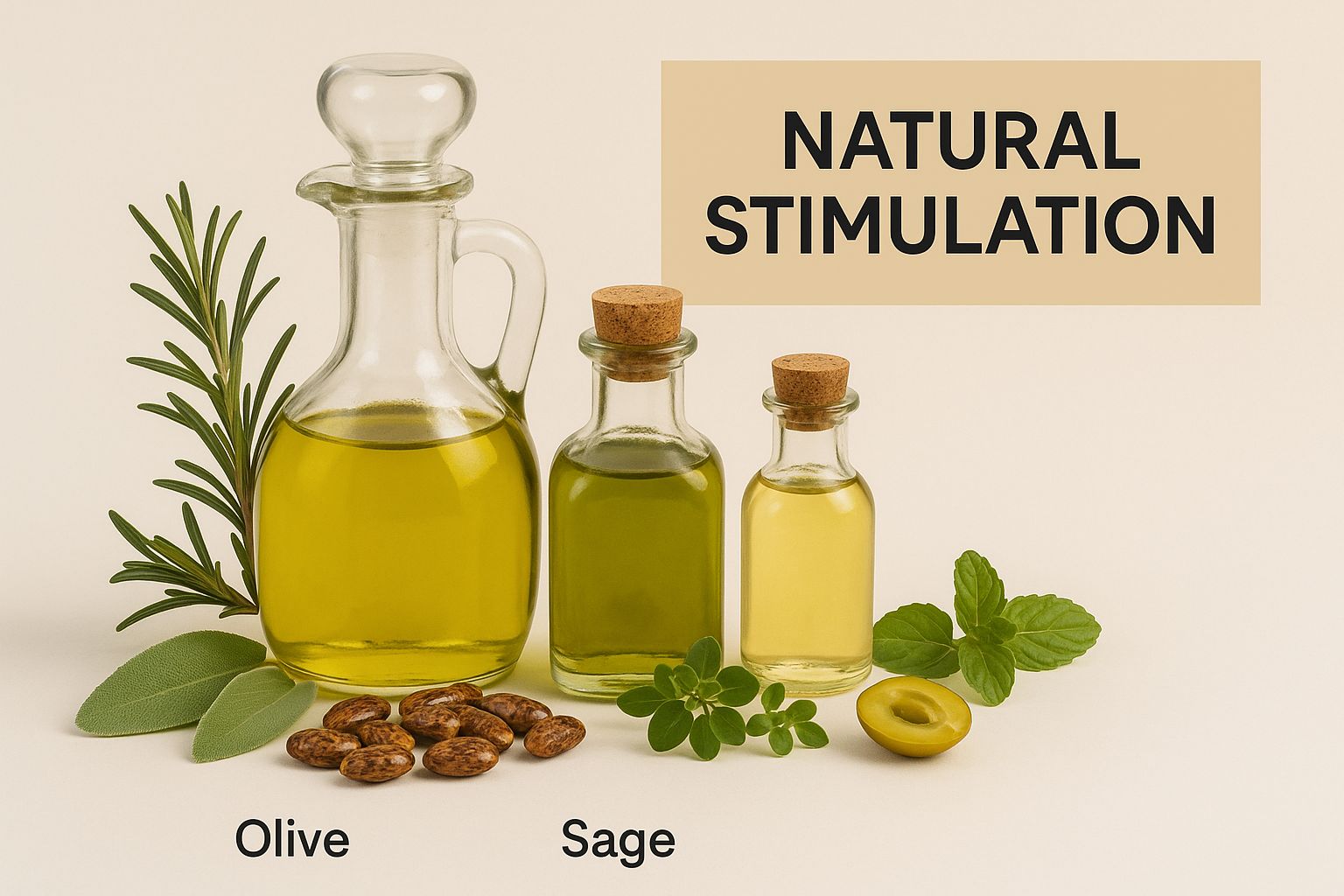
As the image shows, tapping into natural ingredients is a powerful way to create an environment where your hair can flourish.
To help you get started, here's a table breaking down the most important nutrients, what they do for your follicles, and where you can find them.
Essential Nutrients for Hair Follicle Health
| Nutrient | Why It's Important for Follicles | Top Food Sources |
|---|---|---|
| Protein (Keratin) | The fundamental building block of hair strands. | Lean meats, fish, eggs, dairy, lentils, beans |
| Iron | Crucial for oxygen transport to the follicle roots. | Red meat, spinach, lentils, fortified cereals |
| Zinc | Aids in hair tissue growth, repair, and oil gland function. | Oysters, beef, pumpkin seeds, chickpeas, cashews |
| Biotin (B7) | Essential for keratin production. | Eggs (yolk), almonds, sweet potatoes, salmon |
| Vitamin C | An antioxidant that helps produce collagen and aids iron absorption. | Citrus fruits, bell peppers, strawberries, broccoli |
| Vitamin D | Helps create new follicles (the tiny pores where new hair grows). | Fatty fish (salmon, mackerel), fortified milk, sun |
| Vitamin E | A powerful antioxidant that can help prevent oxidative stress. | Sunflower seeds, almonds, spinach, avocados |
Focusing on incorporating these foods into your regular meals can make a significant difference over time.
Smart Supplementation To Fill The Gaps
Let's be realistic—even with the best intentions, our diets aren't always perfect. It can be tough to consistently get optimal levels of every single nutrient. This is where targeted supplementation comes in, acting as a powerful ally to stimulate follicles from within.
The market for hair growth supplements is booming for a reason. Valued at USD 940.1 million in 2025, it's projected to soar to nearly USD 2.58 billion by 2032. This isn't just a fleeting trend; it reflects a growing understanding of how crucial internal nutrition is for hair health.
Smart supplementation isn't about mega-dosing on a single vitamin; it's about providing a consistent, balanced supply of the specific nutrients your hair follicles are hungry for.
For those looking to add a boost, products like Biotin gummies are a popular choice. But before you start anything, it's wise to understand the bigger picture. You can learn more about the most effective vitamins for hair growth in our detailed guide.
And a final piece of advice: always chat with your doctor or a qualified healthcare professional before starting a new supplement routine. They can help you pinpoint any specific deficiencies you might have and create a plan that’s truly tailored to your body's needs.
What You Can Do at Home to Wake Up Your Follicles
Professional treatments and a solid diet are huge, but what you do day-in and day-out at home really sets the stage for healthy hair. These daily rituals aren't about finding a magic bullet; they're about creating the perfect environment for your follicles to get back to work and stay in their growth phase.
One of the easiest and most powerful things you can do is a daily scalp massage. This isn't just for relaxation—it’s a hands-on way to stimulate the cells around your hair follicles and, more importantly, ramp up blood flow. Better circulation means more oxygen and nutrients are getting delivered right to the hair root. That’s exactly what a struggling follicle needs to thrive.
How to Do a Scalp Massage Right
You don’t need any special gadgets to get started. Just use the pads of your fingertips to apply firm but gentle pressure, moving in small circles across your entire scalp. Aim for about five minutes a day. Consistency is everything here. Tie it into a habit you already have, like while you’re shampooing in the shower or just before you go to bed.
If you want to level up your massage, a few drops of a carrier oil like jojoba or coconut oil can make a real difference. It cuts down on friction and moisturizes your scalp at the same time. A lot of guys also swear by using a simple silicone scalp massager to get that even pressure all over. To dive deeper into the best methods, check out our complete guide on scalp massage for hair growth.
Topicals That Actually Work
Walking down the hair care aisle can feel overwhelming, but a couple of options truly stand out with solid science behind them. The most famous is Minoxidil, the active ingredient in Rogaine. It's an FDA-approved vasodilator, which is just a fancy way of saying it widens blood vessels to boost blood flow right where you apply it. It also seems to help push the hair’s growth (anagen) phase into overtime.
For guys who prefer a more natural approach, some essential oils have shown some seriously impressive results. One key study found that rosemary oil performed just as well as 2% minoxidil over a six-month trial—but with less scalp itching as a side effect. Peppermint oil is another great one; its menthol content creates a cooling sensation that also increases circulation. Just remember to always dilute it in a carrier oil first.
The big picture is that both pharmaceutical and natural topicals are trying to do the same thing: make the follicle's immediate environment better for growth. Whether by increasing blood flow or fighting inflammation, the goal is to create prime real estate for your hair.
Build a Healthy Scalp Foundation
None of this matters much if your scalp itself is a mess. A clogged, irritated follicle is never going to produce strong, healthy hair. It’s like trying to grow a garden in bad soil.
Here’s how to keep your scalp in top condition:
- Cleanse Gently: Ditch harsh shampoos loaded with sulfates. They strip your scalp of its protective oils, leading to irritation and dryness. Look for formulas specifically made to support hair and scalp health.
- Exfoliate Regularly: Your scalp needs exfoliation just like your face. Once a week, use a gentle scalp scrub or a chemical exfoliant (like one with salicylic acid) to clear out dead skin, product gunk, and oil that can plug up your follicles.
- Turn Down the Heat: Blasting your head with a hot blow dryer or taking scalding hot showers puts a ton of stress on your hair and scalp. Switch to lukewarm water and use the low-heat setting on your dryer.
Think of these at-home habits as your foundation. They support any other treatments you're trying and give your hair the absolute best shot at growing strong.
Answering Your Questions About Hair Follicle Stimulation
Stepping into the world of hair restoration can feel a little overwhelming. You're hit with a lot of new terms and treatment options, and it’s only natural to have questions. Getting clear, honest answers is the first step toward feeling confident about whatever path you decide to take.
I get asked about this stuff all the time, so let's tackle some of the most common questions about stimulating hair follicles.
The idea here is to cut through the noise and give you the straightforward information you need. Let’s clear up some of those big uncertainties.
How Long Until I Actually See Results?
This is the million-dollar question, and the honest-to-goodness answer is: it depends. Hair growth is a marathon, not a sprint. It's a slow biological process, and your best friend through all of this will be patience. Different methods work on different timelines, and your individual results will hinge on the specific cause and extent of your hair loss.
Here’s a realistic breakdown to help you set some expectations:
- Topical Treatments (like Minoxidil): You’ve got to be consistent for at least 3 to 6 months before you can really expect to see noticeable changes. Those first few months are all about waking the follicles up, so don't get discouraged if you're not seeing sprouts right away.
- Dietary and Lifestyle Changes: This is the long game. While you might feel healthier in just a few weeks, it can easily take 6 months to a year for those nutritional upgrades to translate into stronger, healthier-looking hair.
- In-Clinic Procedures (like PRP): This is where you might see things move a bit faster. Many of my clients start noticing less shedding and even some early signs of new growth within 3 to 4 months of their initial series of treatments.
Can Stimulated Follicles Go Dormant Again?
In a word, yes. This is probably one of the most important things to understand. For common types of hair loss, like androgenetic alopecia (male or female pattern baldness), the underlying factors that put those follicles to sleep are still there.
Think of your treatment plan as an ongoing management strategy, not a one-and-done cure. For instance, if you stop using Minoxidil or skip your PRP maintenance sessions, the follicles will likely return to their previous dormant state over time. The thinning process will pick up right where it left off.
Consistency is the absolute cornerstone of success. Stimulating hair follicles is an active process that requires a sustained, long-term effort to maintain your results.
This is exactly why it’s so critical to choose a regimen you can realistically stick with. The best plan is always the one that fits your life and your budget for the long haul.
Is Follicle Stimulation for Every Type of Hair Loss?
Not always, and this is where a proper diagnosis is key. The effectiveness of any stimulation method depends entirely on the root cause of your hair loss.
These techniques work best when the hair follicle is still alive, just dormant. This is the case for conditions like:
- Androgenetic Alopecia, where hormones are causing the follicle to shrink.
- Telogen Effluvium, which is temporary shedding triggered by stress, illness, or a nutritional gap.
- Traction Alopecia, or hair loss from constant pulling (especially in the early stages).
However, stimulation methods are generally ineffective for cicatricial (scarring) alopecia. In these conditions, the follicle itself is permanently destroyed and replaced by scar tissue. There's simply no viable follicle left to revive. This is precisely why seeing a dermatologist for a proper diagnosis should always be your first move.
At PRP For HairLoss, we're dedicated to providing men with clear, reliable information on tackling hair loss, especially with treatments like Platelet-Rich Plasma. Explore our resources to get the answers you need for your hair restoration journey. https://prpforhairloss.com
 PRP For Hairloss
Leave a comment