Finding clumps of hair on your pillow or seeing a startling amount circle the shower drain can be a genuinely frightening experience. This isn't the slow, gradual thinning you might associate with aging; this is sudden, widespread, and it feels like it's happening all at once.
More often than not, this phenomenon is a temporary condition called telogen effluvium. It’s your body’s way of hitting a big red panic button in response to a major stressor.
Demystifying Sudden Hair Loss
Picture your body as a smart power grid. When a major event demands a huge amount of energy—like recovering from surgery or fighting off a serious illness—the system starts redirecting power. Non-essential functions, like growing hair, get temporarily shut down to conserve resources for critical repairs.
This process pushes a large number of your growing hair follicles into a resting (telogen) phase at the same time. They hang out there for a couple of months before they all shed at once. That's why the hair loss you're seeing today is actually a delayed reaction to a shock that happened two to three months ago.
Understanding the Triggers
So, what kind of shock is powerful enough to disrupt your natural hair cycle? The list is surprisingly long and can usually be traced back to a significant physical or emotional event.
Some of the most common culprits include:
- Major Illness: A high fever, a severe infection like the flu, or even COVID-19 can be enough to trigger it.
- Surgery or Physical Trauma: The body's recovery from a major operation or a serious accident is a massive physical stress.
- Extreme Emotional Stress: Events like the death of a loved one, a divorce, or intense job pressure can be just as impactful as a physical shock.
- Drastic Dieting: Suddenly slashing calories or eliminating entire food groups can deprive your hair follicles of the vital nutrients they need to thrive.
It's crucial to remember that telogen effluvium is almost always temporary. Once the underlying stressor is removed, the excessive shedding typically stops within a few months, and your follicles get back to their normal growth cycle.
While many people experience some form of hair loss in their lifetime—impacting about 85% of men and 33% of women worldwide—most of it is gradual. Sudden shedding is a very different beast, tied directly to an internal disruption.
To get a clearer picture of the different factors that can cause hair loss, take a look at our complete guide on hair loss causes. Identifying the initial shock is the first step toward understanding your hair's recovery timeline.
How Major Health Events Can Trigger Hair Loss
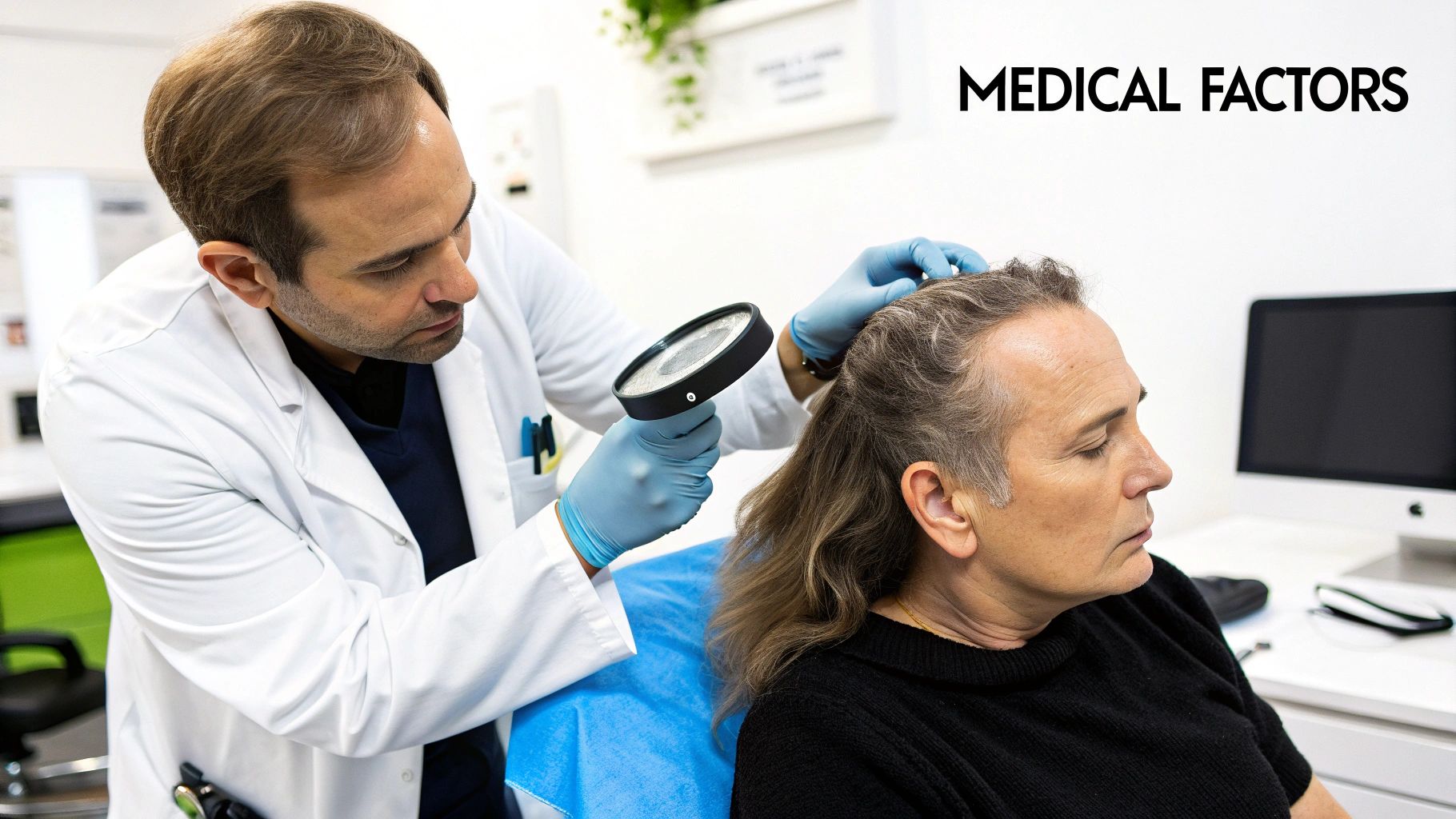
Your body is an incredible survival machine. When it's up against a serious threat—like an illness, a major injury, or even a significant life event—it immediately goes into triage mode. It starts redirecting resources to where they're needed most for healing and recovery.
Think of it like a city government during a natural disaster. All non-essential services get shut down to funnel support to emergency responders.
In this survival scenario, hair growth is definitely a "non-essential service." Your body doesn't see it as critical to keeping you alive, so it pulls energy away from the hair follicles and sends it to your vital organs and immune system. This is one of the biggest reasons behind many sudden hair loss causes.
This survival response can push a huge number of hair follicles into the resting (telogen) phase all at once. The result? A few months down the line, you start to see noticeable, widespread shedding.
The Connection Between Physical Shock and Hair Shedding
Significant physical stress is a classic trigger for this kind of hair loss, often called telogen effluvium. Your body doesn't really care what the source of the stress is; it just knows it needs to conserve energy to get through it.
Several major health events can kickstart this process:
- Major Surgery: The trauma of an operation and the demanding recovery period that follows is a massive shock to your system.
- High Fever or Severe Illness: Fighting off a serious infection like the flu, pneumonia, or even COVID-19 puts an immense strain on your body. It's very common for people to report significant hair shedding about two to three months after getting over a high fever.
- Childbirth: The dramatic hormonal shifts and sheer physical effort of giving birth frequently lead to postpartum hair loss, a perfect example of this phenomenon.
It’s important to understand that the hair you're losing today isn't falling out because of something happening right now. It's a delayed reaction to a physical stressor your body endured several months ago.
When an Underlying Condition Is the Culprit
Sometimes, sudden hair loss isn't a reaction to a single event but a red flag from an ongoing internal problem. In a way, your hair can be an early warning system, letting you know that something is off balance inside. Two of the most common culprits are thyroid issues and autoimmune conditions.
Thyroid Imbalances
Your thyroid gland is the master regulator of your metabolism. When it produces too much hormone (hyperthyroidism) or too little (hypothyroidism), it can throw a wrench into countless bodily functions—including your hair's natural growth cycle. This disruption often shows up as diffuse, all-over thinning on your scalp. For a deeper dive, you can explore the connection between hair loss and hormonal imbalance in our detailed guide.
Autoimmune Responses
In some situations, the body’s own immune system gets confused and starts attacking healthy hair follicles by mistake. This is exactly what happens in alopecia areata, a condition that causes sudden, patchy hair loss. It typically appears as small, round, perfectly smooth bald spots on the scalp or even other parts of the body. While stress is often cited as a trigger, the root cause is a complex issue within the immune system itself.
Getting a handle on these potential connections is the first step toward figuring out what's really going on and finding the right way to address it.
The Hidden Impact of Stress and Diet on Your Hair
Not all sudden hair loss is triggered by a major health event. Sometimes, the cause is far more subtle, building up slowly from the pressures of daily life. Two of the biggest—and most overlooked—culprits are chronic stress and what you eat every day.
Think of your hair follicles as tiny, high-production factories. To run smoothly, they need two things: a calm, stable environment and a consistent supply of quality raw materials. Prolonged stress poisons the environment, and a poor diet cuts off the supply chain.
How Stress Affects Your Hair Cycle
When you’re constantly dealing with pressure from work, money troubles, or personal challenges, your body pumps out the stress hormone cortisol. While a little cortisol is fine for "fight or flight" moments, chronically high levels send alarm signals everywhere.
Your scalp is one of the places that listens. High cortisol can prematurely shove a huge number of your hair follicles from their active growing phase right into a resting (or shedding) phase. This connection is deeply rooted in our physiology, which you can see in how the intricate gut-brain axis links our mental state directly to our physical health.
This type of shedding isn’t an immediate reaction. The hair you see falling out today is likely a result of a stressful period you went through two to three months ago. It’s a classic delayed response characteristic of many sudden hair loss triggers.
This delay often creates a vicious cycle. You see the hair loss, you get stressed about it, and that new stress just adds fuel to the fire. If this sounds familiar, learning more about the patterns of stress-related hair loss is a crucial first step toward getting things back on track.
When Your Diet Is the Culprit
If stress messes with your hair's environment, nutritional gaps cut off its fuel. Hair is made of protein, and growing it requires a whole host of vitamins and minerals. When your body isn't getting enough of these essential nutrients, it has to make tough choices. It will always prioritize keeping your vital organs running over making new hair strands.
This is a common issue for people experiencing:
- Crash Dieting: A sudden, drastic drop in calories sends your body into conservation mode.
- Rapid Weight Loss: Losing weight too quickly, even intentionally, is a major physical stressor that can trigger shedding.
- Nutrient Deficiencies: A diet low in key players like iron, zinc, protein, or certain B vitamins can bring hair production to a screeching halt.
To keep your hair follicles well-fed, it helps to know exactly what they need. This table highlights the key nutrients that are non-negotiable for healthy hair growth.
Essential Nutrients Your Hair Needs to Thrive
| Nutrient | Role in Hair Health | Signs of Deficiency | Common Food Sources |
|---|---|---|---|
| Iron | Carries oxygen to hair roots, crucial for growth. | Thinning, shedding, brittle hair, fatigue. | Red meat, spinach, lentils, fortified cereals. |
| Zinc | Essential for hair tissue growth and repair. | Widespread shedding, slow growth, dandruff. | Oysters, beef, pumpkin seeds, chickpeas. |
| Protein (Keratin) | The literal building block of hair strands. | Weak, brittle hair that breaks easily. | Eggs, chicken, fish, dairy, legumes, tofu. |
| Biotin (B7) | Helps produce keratin. | Hair thinning, skin rashes. | Eggs (yolk), nuts, seeds, sweet potatoes. |
By checking this list against your own diet, you might spot a gap that’s contributing to the problem. Making sure you’re getting enough of these foundational nutrients is one of the most effective ways to support healthy hair from the inside.
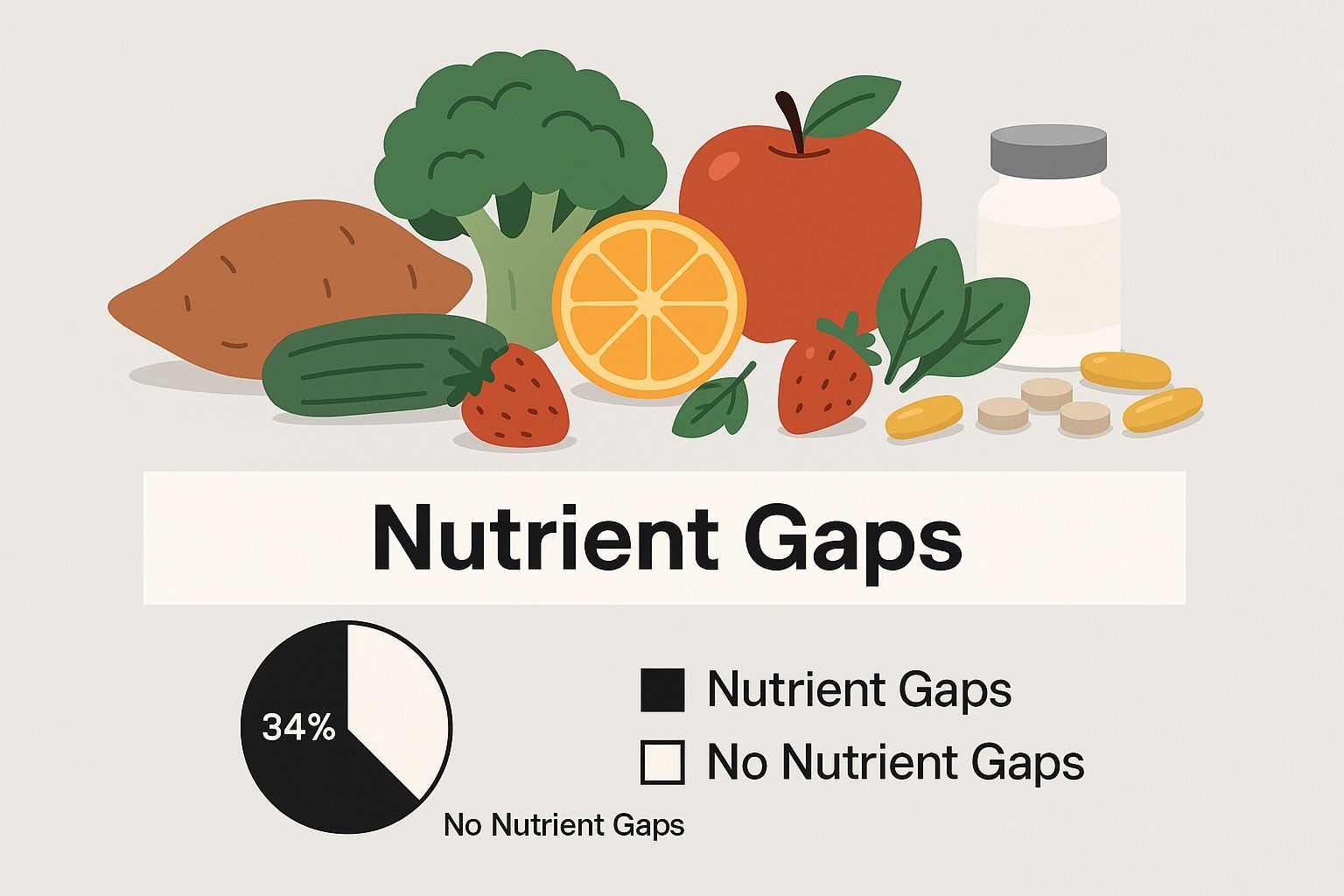
The image above perfectly illustrates how what we eat directly impacts the health of our hair. In fact, modern dietary patterns are increasingly being linked to hair issues around the world. In China, where an estimated 250 million people are dealing with hair loss, studies have even connected the dots between sugary drinks and increased shedding. Ultimately, taking a hard look at both your stress levels and your plate is fundamental to getting to the root of the problem.
When Medications Are the Underlying Cause

It can be really confusing to see more hair in the drain when you feel perfectly healthy. If that’s happening, it might be time to take a closer look at your medicine cabinet. Sometimes, the very medications that help us manage one health issue can have unexpected side effects on our hair.
This is a specific type of hair loss called drug-induced alopecia. It happens when a medication disrupts the hair follicle's natural growth cycle. Think of it like a physical illness—certain drugs can send a shock through your system, prematurely pushing a large number of hairs into the shedding phase.
What makes this one of the trickier sudden hair loss causes to pinpoint is the delay. Just like with other triggers, the shedding often doesn't start until two to three months after you've started a new prescription. That time lag makes it tough to connect the dots.
Common Medications Linked to Hair Shedding
While a huge number of medications could potentially affect your hair, a few types are more notorious for it than others. It's important to know this isn't a guarantee—it's just a known possibility for a small percentage of people.
Some of the key culprits include:
- Blood Thinners (Anticoagulants): Drugs like heparin and warfarin are known to sometimes trigger diffuse shedding across the scalp.
- Blood Pressure Medications: Specific types, namely beta-blockers (like metoprolol) and ACE inhibitors (like lisinopril), have been linked to hair loss.
- Antidepressants and Mood Stabilizers: Some of the most common prescriptions for depression, anxiety, or bipolar disorder can list hair thinning as a possible side effect.
- High Doses of Vitamin A: While we all need Vitamin A, too much of a good thing can be a problem. Excessive intake, often from powerful retinoid drugs used for acne (like isotretinoin), can cause shedding.
It's crucial not to panic or stop your treatment if you notice this. The benefits of your prescribed medication almost always outweigh the side effect of hair thinning, which, in many cases, is only temporary.
What to Do If You Suspect Your Medication Is the Cause
Figuring out that your prescription might be causing your hair loss can be upsetting, but the path forward is simple and should always start with your doctor. Never try to self-diagnose or change your dosage on your own—that can be dangerous.
Here’s the right way to handle it:
- Schedule a Conversation: The first step is to book an appointment with the doctor who originally prescribed the medication. Don't stop taking it before you see them.
- Provide a Timeline: Be ready to explain when you first noticed the hair loss and when you started taking the new drug. This timeline is a critical piece of the puzzle for your doctor.
- Discuss Alternatives: Your doctor is the only one who can determine if the medication is the likely cause. If it is, they might suggest switching to a different drug that works similarly but without the side effect, or they may simply adjust your dose.
Your physician is your best resource here. They can help you find a balance that keeps your primary health condition in check without sacrificing the health of your hair.
Gender-Specific Triggers for Hair Shedding
While many causes of sudden hair loss affect everyone, men and women often have their own unique triggers, mostly thanks to our distinct hormonal wiring. Think of hormones as powerful messengers running the show behind the scenes. Your hair growth cycle is incredibly tuned in to their signals, so even small shifts can knock things out of balance and lead to a frustrating amount of shedding.
Looking at your hair loss through this gender-specific lens can be really insightful. It helps you connect the dots between what’s happening in your life and what you're seeing in the mirror.
Hormonal Shifts in Women
For many women, a sudden increase in hair shedding is almost always tied to a major hormonal event. Our bodies go through some pretty dramatic endocrine rollercoasters during certain life stages, and that can easily send the hair growth cycle into a temporary tailspin.
The most common culprits include:
- Pregnancy and Postpartum: You know that amazing, thick hair many women get during pregnancy? That’s thanks to high estrogen levels keeping hair locked in the growing phase. But after delivery, estrogen takes a nosedive. This sudden drop pushes a huge number of hairs into the shedding phase all at once, leading to what’s known as postpartum telogen effluvium.
- Menopause: As estrogen and progesterone levels decline during menopause, the hair cycle can get disrupted again. For many, this results in a more diffuse, all-over thinning.
- Birth Control Pills: Simply starting, stopping, or even switching your brand of birth control can tweak your hormone levels just enough to trigger a temporary shedding phase.
The link between our hormones and our hair is impossible to ignore. When the body's internal symphony gets out of tune, our hair is often the first to show it, acting as an outward sign of an internal shift.
It's not just anecdotal, either. Female hair loss is on the rise globally. For example, between 2017 and 2021, the percentage of women in mainland China who reported hair loss shot up from 31% to 53%. Over that same time, we saw similar increases in the United States (from 11% to 12%) and Great Britain (from 6% to 9%). It's clearly a growing concern for women everywhere. You can dive deeper into the numbers in the full statistical report on baldness.
A Unique Challenge for Men
For men, a sudden bout of shedding can be especially alarming. It often piles on top of the slow, underlying progression of male pattern baldness (androgenetic alopecia), making it feel like your hair is thinning at an incredible speed.
Here’s a good way to think about it: Imagine you have a tiny, slow leak in a pipe that you haven't really paid much attention to. Then, one day, a sudden pressure surge causes that leak to burst wide open. The sudden shedding is that "burst"—it dramatically calls attention to the "slow leak" of genetic thinning that was already in motion.
This one-two punch can be really disheartening. But understanding that two different things are happening at once is the crucial first step to getting a handle on it.
Knowing When It's Time to See a Professional
Figuring out what might be causing your hair to fall out is a solid first step, but at some point, endless online searches stop being helpful. The real key is knowing when to put down your phone and actually pick it up to call a professional.
Some shedding is temporary and sorts itself out, but other times, your body is sending up a flare. Think of these as red flags that mean it's time to stop just "watching and waiting" and start getting some real answers.
Key Signs to See a Doctor
It’s easy to write off hair loss as "just stress," but you should really book an appointment with your doctor or a dermatologist if you notice any of these things. They often point to something more specific going on under the surface.
- Patchy Hair Loss: Are you finding distinct, smooth, coin-sized bald spots? This is a classic sign of an autoimmune issue like alopecia areata.
- Scalp Irritation: Your scalp shouldn't be in distress. If you're dealing with pain, itching, burning, redness, or a lot of flaking along with the hair loss, that's not normal.
- Shedding That Won't Quit: If you've been losing handfuls of hair for more than six months and it shows no sign of slowing down, it's definitely time for a professional opinion.
- Other Symptoms: Hair loss that comes with a side of fatigue, weird weight changes, or any other new health problems is a major sign that you need a full check-up.
Think of your hair as a barometer for your overall health. When it sends out a warning signal like sudden shedding, listening to it can help you uncover the root of the problem much faster.
To get the most out of your doctor's visit, come prepared. Try to pinpoint when the shedding started and make a quick list of any new medications, recent illnesses, or major life stressors from the past two to three months. This kind of background info is like giving your doctor a head start on solving the mystery.
Common Questions About Sudden Hair Loss
After digging into the causes of sudden hair loss, you probably still have a few questions rolling around in your head. That's completely normal. Let's tackle some of the most common concerns to help you figure out your next steps.
How Long Does This Type of Hair Loss Last?
When a stressful event or illness triggers a shedding phase, the hair loss itself usually doesn't show up right away. You'll typically notice it about two to three months after the event.
The heavy shedding phase can then stick around for up to six months. The good news? This is almost always a temporary problem. Once your body has had a chance to recover and the trigger is gone, the shedding stops, and your hair’s normal growth cycle starts to kick back in.
Will My Hair Grow Back After Sudden Shedding?
For most people, the answer is a big, reassuring yes. Sudden, widespread shedding—what doctors call telogen effluvium—doesn't kill the hair follicle. It just temporarily puts it to sleep.
Think of it like a tree in winter. The leaves fall off, but the tree itself isn't dead. It's just conserving energy until spring arrives. Once your internal "season" changes for the better, your follicles wake up and start producing new hair again.
The key takeaway is that sudden, diffuse shedding is a reaction, not a permanent state. The follicles are resting, not gone, and are capable of producing new hair once the internal balance is restored.
Is This Different From Regular Baldness?
Yes, and this is a really important distinction to make. Confusing a temporary shedding event with genetic hair loss can cause a lot of unnecessary stress.
Here’s the breakdown:
- Sudden Shedding (Telogen Effluvium): This is a reactive, all-over shedding. It's triggered by a shock to your system and doesn't follow a predictable pattern. It's temporary.
- Genetic Hair Loss (Androgenetic Alopecia): This is the slow, progressive thinning you see with a receding hairline or a bald spot on the crown. It's a genetic condition driven by hormones and happens over years, not months.
It's helpful to know the difference because sometimes a major shedding event can "unmask" or speed up genetic thinning that was already happening slowly in the background. If your hair loss looks more like the second type, our guide on hair loss treatment for men has information geared specifically for that.
At PRP For HairLoss, we're committed to providing clear, reliable information to help you navigate your hair health journey. Explore more resources and insights at https://prpforhairloss.com.
 PRP For Hairloss
Leave a comment