Decoding Your Hair's Natural Growth Cycle
Understanding why hair stops growing requires a closer look at the cyclical process of hair growth. This cycle, repeating throughout our lives, comprises three main phases: anagen, catagen, and telogen. Each phase is essential to the life of a hair follicle, and any imbalances can lead to slower or stunted hair growth.
The Anagen (Growth) Phase
The anagen phase is the active growth period. During this time, cells in the hair bulb divide and multiply rapidly. This phase, lasting from two to seven years, is the longest of the three. It's a period of continuous growth where the hair shaft steadily lengthens. The duration of your anagen phase largely determines the maximum length your hair can reach. Genetic factors and individual health can influence this timeframe.
The Catagen (Transition) Phase
Following the anagen phase is the catagen phase, a short transitional period lasting about two to three weeks. In this phase, hair growth slows, and the hair follicle begins to shrink. The hair detaches from its blood supply, becoming what's known as a "club hair".
The Telogen (Resting) Phase
The final stage is the telogen, or resting, phase. This phase lasts for roughly three months. The hair remains attached to the scalp but doesn't grow. It's a period of dormancy before the cycle restarts. At the end of the telogen phase, the old hair sheds, and a new hair begins to grow from the same follicle, pushing out the old one and initiating a new anagen phase.
Several factors, such as stress, genetics, and lifestyle, can impact hair growth. The growing concern around hair health has led to significant growth in the global hair growth products market. Valued at $8.85 billion in 2024, this market is projected to reach $12.09 billion by 2033, growing at a CAGR of 3.51%. Find more detailed statistics here. These figures underscore how common hair growth concerns are.
This continuous cycle of growth, transition, and rest is constantly occurring on our scalps. When hair growth slows down, it typically indicates a disruption in this natural hair cycle. Understanding these phases is crucial for identifying the underlying reasons for any hair growth concerns.
The Genetic Blueprint Behind Your Hair's Growth Limits
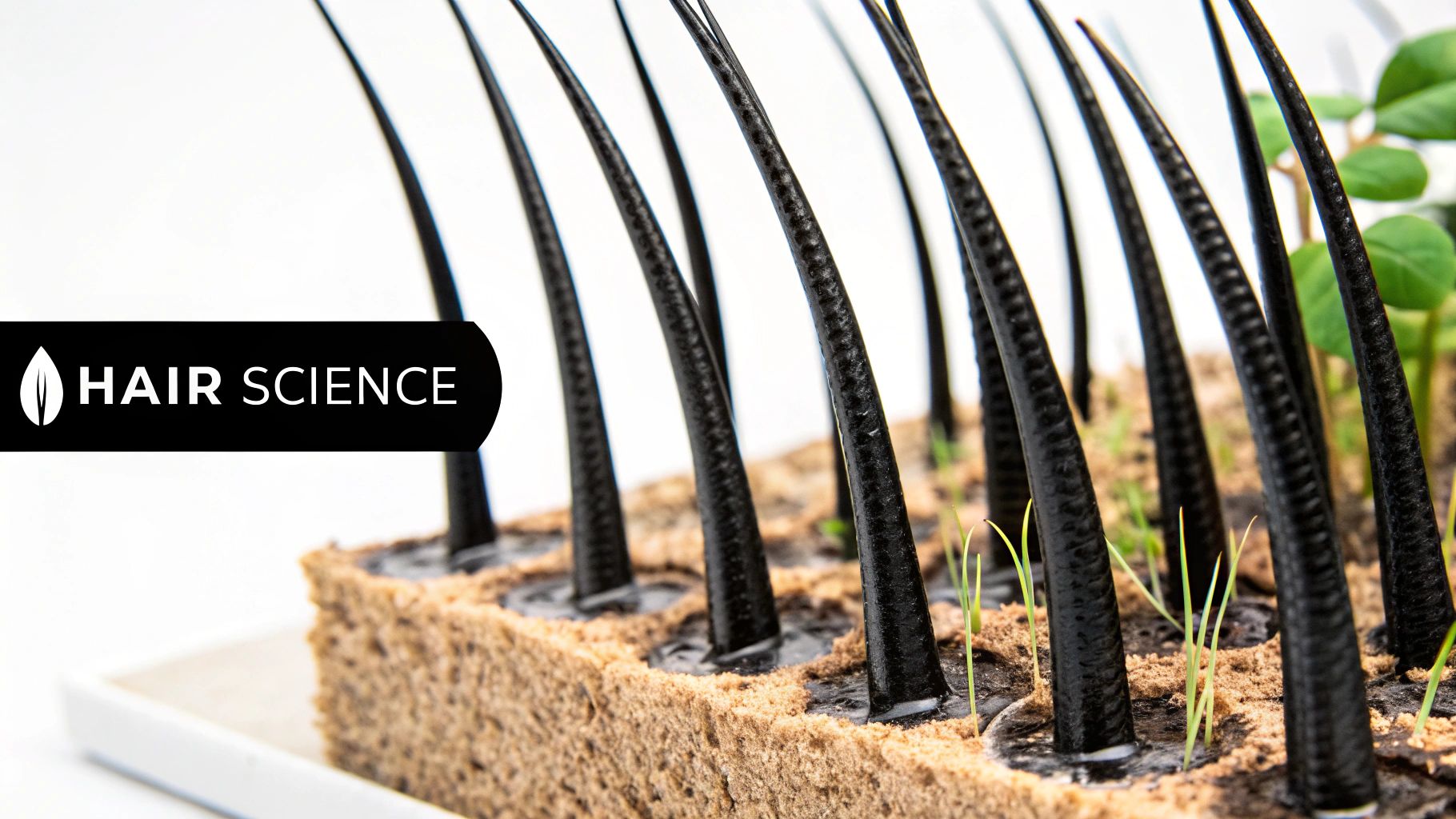
Your genes play a crucial role in determining how long your hair can grow. This predetermined length, known as terminal length, is significantly influenced by your genetic makeup. Just like your height and eye color, your hair's maximum length is largely pre-programmed. Beyond length, genetics also influence hair texture, density, and even growth patterns across your scalp.
The Role of Genetics in Hair Growth Cycles
Genetics primarily affects hair length through the anagen phase, the active growth period of the hair cycle. Individuals with longer anagen phases experience more extended hair growth before the resting phase begins. Those with shorter anagen phases reach their terminal length sooner. This explains the variation in hair length among individuals, some achieving waist-length hair while others struggle to grow it past their shoulders. This difference stems from variations within individual genetic codes.
Genetics also plays a significant role in hair loss. About 85% of men and 33% of women experience hair loss, often due to androgenetic alopecia, a condition with strong genetic links. Find more detailed statistics here. This genetic predisposition to hair loss can considerably impact terminal length, as follicles may prematurely enter the resting phase or miniaturize, leading to thinner, shorter hairs. This is especially noticeable in certain families and populations, highlighting the influence of inherited traits.
To further illustrate how genetic hair loss patterns differ between men and women, let's take a look at the following table:
Genetic Hair Loss Patterns by Gender
This table illustrates how genetic hair loss patterns differ between men and women, showing the typical progression and affected areas
| Gender | Common Pattern | Typical Age of Onset | Affected Areas | Prevalence |
|---|---|---|---|---|
| Male | Receding hairline, thinning crown (vertex) | Late teens to early 20s | Temples, crown, top of the head | Higher |
| Female | Diffuse thinning across the scalp | 30s to 40s, or after menopause | Top and crown of the head, rarely complete baldness | Lower |
As shown in the table, men typically experience a receding hairline and thinning at the crown, while women experience diffuse thinning across the scalp. The age of onset and prevalence also differ between the sexes.
The Interplay of Hormones and Genes
Hormones and genes interact to further influence hair growth. Dihydrotestosterone (DHT), derived from testosterone, plays a critical role in hair loss. Genetic sensitivity to DHT can shrink hair follicles, resulting in shorter, thinner hairs. Even with genes for long hair, high DHT sensitivity can limit growth potential. This underscores the importance of considering both genetic and hormonal factors when understanding hair growth.
Family History as a Guide
Family hair growth patterns can offer clues about your own hair's potential. If your family members have relatively short hair, you might have inherited a similar genetic predisposition. However, hair growth is complex. While genetics set the stage, factors like nutrition, stress, and environment also play a role. Even with a genetic tendency for shorter hair, good hair care and a healthy lifestyle can optimize growth within your genetic boundaries. Understanding your family history helps set realistic expectations and empowers you to make informed choices. Combining knowledge of your genetic blueprint with a comprehensive approach to hair care unlocks your hair's full potential.
Nourishing Your Way to Longer Hair
While genetics play a role in how your hair grows, proper nutrition is essential for supporting that growth. When hair growth stalls, a nutritional deficiency may be a primary cause. Just as a plant needs the right nourishment to thrive, so does your hair. This section explores key nutrients for healthy hair growth and how to address any deficiencies you may have.
Essential Nutrients for Hair Growth
Several nutrients are vital for healthy hair follicles and the production of keratin, the core protein that forms your hair. These include:
-
Iron: Iron deficiency is a common culprit behind hair loss. Iron transports oxygen to your hair follicles. Without sufficient iron, hair growth can slow down or even cease.
-
Biotin: While true biotin deficiencies are rare, adding biotin supplements can enhance hair health, especially if you're not getting enough through your diet. Biotin is a key player in cell growth and the creation of fatty acids.
-
Zinc: Zinc is fundamental for cell growth and division, both of which are vital for healthy hair. A zinc deficiency can result in thinning hair and slower growth.
-
Vitamin D: Vitamin D is important for the hair follicle cycle. Low Vitamin D levels have been associated with hair loss. Ree Drummond's personal experience, documented here, shows how Vitamin D supplementation can have a positive effect on hair growth.
-
Protein: Since hair is primarily made of protein, a low-protein diet can result in weak, brittle hair that’s prone to breakage and slow growth. Similar to Ree’s experience with increased protein, sufficient amounts can bolster hair health.
Identifying and Addressing Deficiencies
Often, identifying a nutritional deficiency related to hair growth involves observing physical symptoms. For instance, iron deficiency can lead to fatigue, pale skin, and brittle nails. Paying close attention to your overall well-being can often reveal clues about potential hair growth issues. However, blood tests remain the most dependable way to determine a deficiency. Consult your doctor to discuss your concerns and determine the right tests for you.
Addressing deficiencies involves incorporating foods rich in these nutrients into your diet. Good sources of iron include red meat, spinach, and lentils. This underscores the importance of a balanced diet for healthy hair. If dietary changes aren't enough, consider supplements. It's crucial to consult a healthcare professional before starting any new supplements, particularly if you have any underlying health conditions.
Optimizing Nutrient Absorption
Even with a nutrient-rich diet, absorption problems can sometimes impede hair growth. Conditions such as celiac disease or inflammatory bowel disease can interfere with nutrient uptake. Addressing any underlying digestive issues is key to maximizing nutrient absorption. Certain medications can also interfere with this process. Talk to your doctor about your medications to understand any potential interactions and adjust your diet or supplements accordingly.
By understanding the connection between nutrition and hair growth, you can take steps to support longer, healthier hair. Addressing nutritional deficiencies with a balanced diet, targeted supplementation, and attention to optimal absorption can significantly revitalize slow hair growth and help you achieve your hair goals.
Stress & Hormones: The Hidden Growth Saboteurs
The mind-body connection plays a significant role in hair health. Stress and hormonal imbalances are often overlooked factors that can contribute to hair growth challenges. This section explores how these factors influence hair growth and offers practical strategies for managing them to achieve healthier hair.
The Impact of Stress on Hair Growth
Chronic stress can disrupt the hair growth cycle. When stressed, the body releases cortisol, a hormone known to interfere with the normal function of hair follicles. High cortisol levels can prematurely push hair follicles into the telogen (resting) phase. This results in hair shedding earlier than expected, leading to thinning and the appearance of stalled growth.
Stress also triggers inflammation, further damaging hair follicles and hindering healthy growth. For example, telogen effluvium, a condition marked by excessive shedding, is often linked to periods of intense stress. Therefore, managing stress is essential for maintaining healthy hair.
Several techniques can help mitigate stress's negative effects on hair:
-
Mindfulness Meditation: Regular meditation can help regulate cortisol levels and promote relaxation.
-
Yoga and Exercise: Physical activity reduces stress hormones and improves scalp circulation, which nourishes hair follicles.
-
Adequate Sleep: Sufficient restful sleep is vital for hormonal balance and overall hair health.
-
Healthy Diet: A balanced diet rich in fruits, vegetables, and lean proteins provides essential nutrients for hair growth and helps counteract stress-related deficiencies.
These lifestyle adjustments can significantly improve the environment for optimal hair growth.
Hormones and Hair Growth: A Delicate Balance
Beyond stress, hormonal fluctuations throughout life can significantly impact hair growth. Life stages like pregnancy, menopause, along with medical conditions such as thyroid disorders and polycystic ovary syndrome (PCOS), can all disrupt the hair growth cycle. These conditions often create imbalances in hormones like estrogen, progesterone, and androgens, which directly influence hair follicle activity.
For instance, during pregnancy, increased estrogen levels can prolong the anagen (growth) phase, leading to thicker, fuller hair. Postpartum, however, estrogen levels decline, causing many women to experience significant hair shedding. While often distressing, this shedding is a normal consequence of hormonal shifts. Similarly, during menopause, reduced estrogen production contributes to thinner, slower-growing hair.
Recognizing Hormonal Imbalances
Recognizing the subtle signs of hormonal imbalance is crucial for addressing hair growth concerns. Some changes, like postpartum shedding, are expected. However, sudden changes in hair texture, unusual hair loss, or excessive facial hair growth might indicate underlying hormonal issues.
If you suspect a hormonal imbalance is impacting your hair growth, consult a medical professional. They can diagnose the specific problem and recommend appropriate treatment options. These might include hormone replacement therapy or medication to manage underlying conditions. Addressing these imbalances is key to restoring healthy hair growth patterns. Collaboration with a healthcare provider is essential for managing hormonal influences and optimizing hair health throughout life.
Environmental Factors Halting Your Hair's Progress
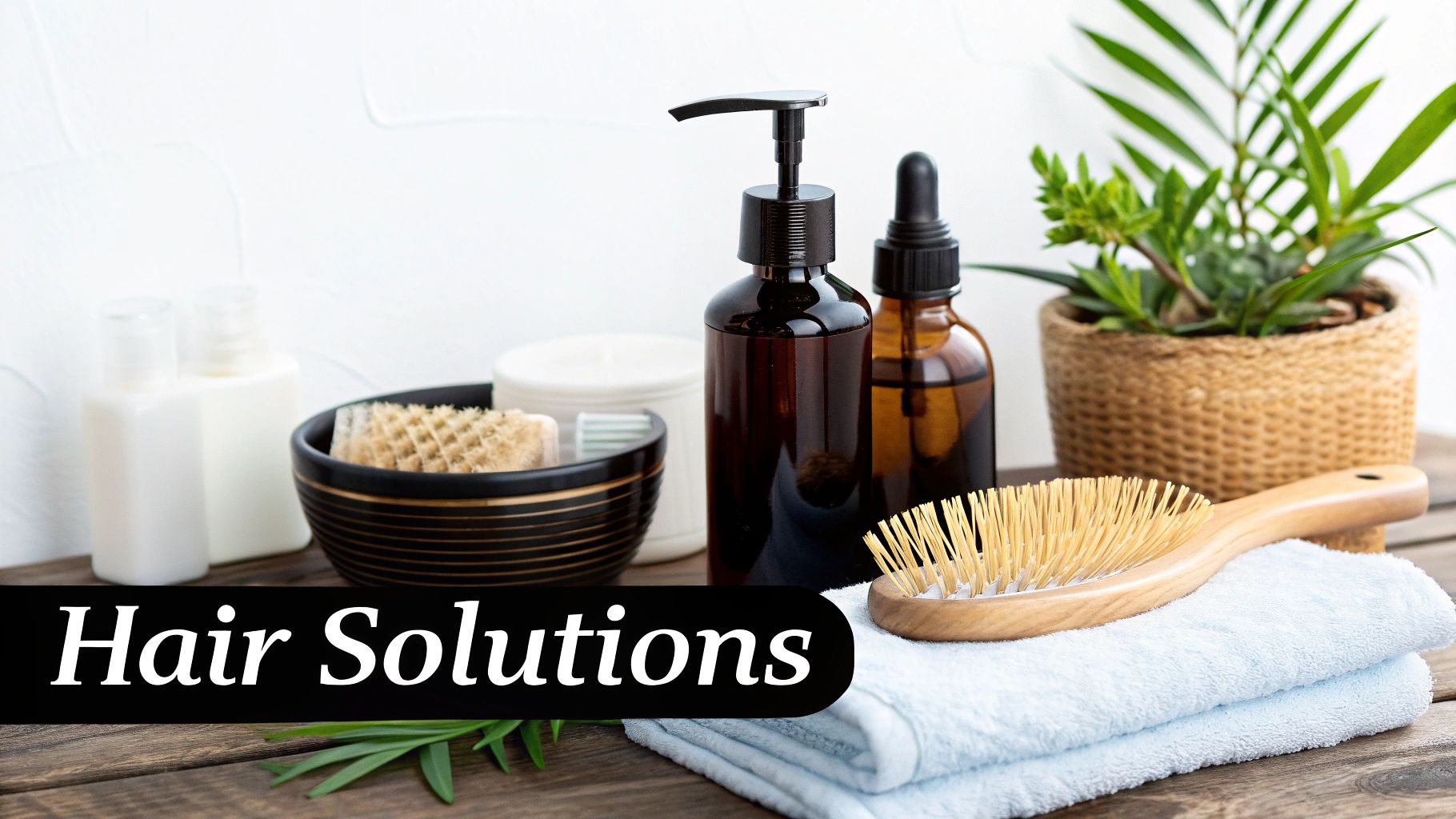
Just as your genes and diet affect hair growth, so too does your environment. Everyday elements can significantly impact your hair’s journey. Sometimes, these elements even halt its progress unexpectedly. This section explores how environmental factors influence your hair's growth cycle and offers practical strategies for protecting your strands.
The Culprits of Environmental Damage
Several environmental aggressors can contribute to stunted hair growth. Let's explore some of the key culprits:
-
Heat Styling: Excessive heat from styling tools like straighteners, curling irons, and even blow dryers can damage the hair cuticle, its protective outer layer. This weakens the hair shaft, making it prone to breakage. Think of it like repeatedly ironing a delicate fabric – eventually, it weakens and frays.
-
Chemical Treatments: Chemical processes, including coloring, perming, and relaxing, alter your hair's structure. This can cause dryness, breakage, and even damage to the follicle itself. Such damage disrupts the hair growth cycle and leads to slower growth.
-
UV Exposure: Just like your skin, your hair is vulnerable to sun damage. Prolonged exposure to UV rays weakens the hair shaft, leading to dryness, brittleness, and breakage.
-
Hard Water: The mineral content in hard water builds up on the scalp and hair. This leads to dryness, breakage, and a dull appearance. The buildup can also clog hair follicles, preventing healthy growth.
-
Pollution: Air pollutants can accumulate on the scalp and hair, mirroring the effects of hard water. These pollutants can also irritate the scalp, potentially disrupting healthy follicle function.
Lifestyle's Impact on Hair Growth
Beyond direct aggressors, lifestyle choices also play a role. Inadequate sleep, for example, disrupts the body's natural repair processes, including those essential for hair growth. This can lead to slower growth and thinner hair.
Regular exercise, on the other hand, improves blood circulation. This delivers vital nutrients to hair follicles, supporting healthy hair growth. Even proper hydration is crucial. Dehydration can make hair dry and brittle, hindering growth and increasing breakage.
Geographical location also presents unique challenges. Different climates introduce various stressors. Arid climates can lead to dry, brittle hair, while humid climates can cause frizz and breakage.
To illustrate these variations, let's take a look at the following table:
Hair Growth Rates Across Ethnic Groups
This table presents comparative data on average hair growth rates by ethnicity, environmental factors, and regional differences.
| Ethnic Group/Region | Average Growth Rate (cm/month) | Relative to Global Average | Notable Environmental Factors |
|---|---|---|---|
| East Asian (e.g., Korean) | 1.3 – 1.4 | 7.43% faster | Lower UV exposure, specific dietary practices |
| Sub-Saharan African | 0.9 – 1.0 | Slower | Higher UV exposure, varied hair care practices |
| Caucasian | 1.2 – 1.3 | Average | Moderate UV exposure, diverse hair care practices |
| South Asian | 1.1 – 1.2 | Slightly slower | Higher UV exposure in some regions, specific hair care traditions |
The table demonstrates how hair growth rates differ based on ethnicity and region. Factors like UV exposure and cultural hair care practices contribute to these differences.
Furthermore, hair growth rates vary across different ethnic groups. Koreans, for example, have hair that grows 7.43% faster than the global average, while South Africans experience slower growth rates. This variation highlights the influence of genetics and environment on hair growth. Environmental pollutants and lifestyle factors in regions like Asia Pacific, which dominates the hair growth products market with over a 46.7% share, can affect hair health. Understanding these regional differences allows for the development of targeted hair growth treatments. Explore this topic further.
Protecting Your Hair: Practical Strategies
Fortunately, you can take simple steps to protect your hair from environmental damage.
-
Heat Protection: Use heat protectant sprays before styling to minimize damage.
-
Gentle Hair Care: Choose sulfate-free shampoos and moisturizing conditioners to protect the hair cuticle.
-
UV Protection: Wear a hat or use hair products with UV protection to shield your hair from the sun.
-
Water Filters: Installing a showerhead filter can help remove minerals from hard water.
-
Scalp Care: Regular scalp massages and exfoliation can remove product buildup and pollutants, creating a healthy scalp environment.
-
Hydration and Diet: Drinking plenty of water and maintaining a balanced diet rich in vitamins and minerals nourishes hair from within.
By incorporating these simple strategies, you can create an environment that supports healthy hair growth. Remember, consistent care and a proactive approach are key to combating environmental damage and achieving your hair goals.
Revitalizing Stalled Hair Growth: What Actually Works
So, you've identified some reasons why your hair might have stopped growing. Now, let's explore solutions that actually work. This isn't about marketing hype; it's about understanding the science behind effective hair growth strategies, both medical and natural. This understanding empowers you to make informed decisions about your hair care journey.
Medical Interventions for Hair Regrowth
Several clinically-proven medical interventions can help revitalize hair growth. Consulting with a dermatologist or trichologist is essential for determining the most suitable option for your individual needs.
-
Minoxidil (Rogaine): This topical treatment is available over the counter and works by prolonging the anagen (growth) phase of the hair cycle. It's effective for both men and women, though results vary.
-
Finasteride (Propecia): This prescription medication is specifically for men. It works by blocking DHT, a hormone that contributes to male pattern baldness. However, it's important to discuss potential side effects with your doctor.
-
PRP Therapy (Platelet-Rich Plasma): This involves injecting concentrated platelets from your own blood into the scalp. PRP contains growth factors that stimulate hair follicle activity. It's a relatively new treatment with promising results for some individuals. More information on PRP therapy can be found at PRP For HairLoss. This website provides valuable information specifically focusing on PRP (Platelet Rich Plasma) treatment for men experiencing hair loss.
-
Low-Level Laser Therapy (LLLT): This uses low-level lasers or LEDs to stimulate hair follicles. It's a non-invasive treatment that can improve hair density and thickness.
Natural Approaches to Boosting Hair Growth
Beyond medical interventions, several natural approaches can support healthy hair growth. While natural approaches can be beneficial, it's important to remember they are not a quick fix. Consistency is key, and results may take time.
-
Essential Oils: Certain essential oils, such as rosemary and peppermint, have shown promise in promoting hair growth. They can be diluted and massaged into the scalp to stimulate circulation and follicle activity.
-
Scalp Massage: Regular scalp massage can increase blood flow to the hair follicles, delivering vital nutrients and promoting growth. Think of it like tending a garden—consistent care yields the best results.
-
Targeted Supplements: Nutritional deficiencies can significantly hinder hair growth. Supplementation with biotin, zinc, iron, or Vitamin D can help address these deficiencies and support healthy hair. Ree Drummond's journey with Vitamin D illustrates how supplementation can positively impact hair growth. You can find more about her experience here. Environmental factors can also impact hair growth. For example, certain foods may have a negative impact. You can read more about the sugar effects on skin.
Combining Approaches for Maximum Impact
Often, a combination of medical and natural approaches delivers the best results. For instance, pairing minoxidil with regular scalp massage and targeted supplements can create a synergistic effect, maximizing your chances of regrowth. This multi-faceted approach addresses hair growth from various angles, boosting overall effectiveness.
Realistic Expectations and Informed Decisions
It's crucial to have realistic expectations about hair growth. There’s no magic bullet. Results vary based on individual factors, including genetics, underlying health conditions, and the specific cause of slowed growth. Consulting with a hair loss specialist helps set achievable goals tailored to your situation.
Understanding why your hair stopped growing is the first step. Armed with this knowledge and a clear understanding of available treatments, you can invest your time and resources wisely. Remember, what works for one person may not work for another. It's about finding the right combination of strategies that address your specific needs and help you achieve your hair growth goals.


Leave a Reply