The journey to healthier, fuller hair begins with understanding the complex cycle of hair growth and the factors that can disrupt it. For many, particularly men experiencing hair thinning or male pattern baldness, finding effective solutions can feel overwhelming. This guide moves beyond generic advice to explore eight powerful, science-backed ways to stimulate hair growth, offering a clear roadmap to not just manage hair loss but actively encourage new, robust strands.
We will delve into a diverse range of methods, ensuring there are actionable options for everyone. This includes foundational practices like targeted nutritional supplementation and stress management, accessible at-home treatments such as scalp microneedling and minoxidil, and advanced clinical procedures like Platelet-Rich Plasma (PRP) therapy.
Each strategy is broken down into practical steps, outlining what it is, how it works, and what to expect. Whether you are just beginning to notice changes in your hair density or are looking to enhance your current regimen, this list provides the detailed, straightforward insights needed to make informed decisions. Consider this your definitive resource for taking control of your hair's future and unlocking its full potential.
1. Scalp Massage with Essential Oils
One of the most accessible and therapeutic ways to stimulate hair growth combines the mechanical action of massage with the potent properties of essential oils. This dual-action technique directly addresses several key factors in hair health, including blood flow, nutrient delivery, and stress reduction. By physically manipulating the scalp, you increase circulation, ensuring hair follicles receive a richer supply of oxygen and vital nutrients needed for robust growth.
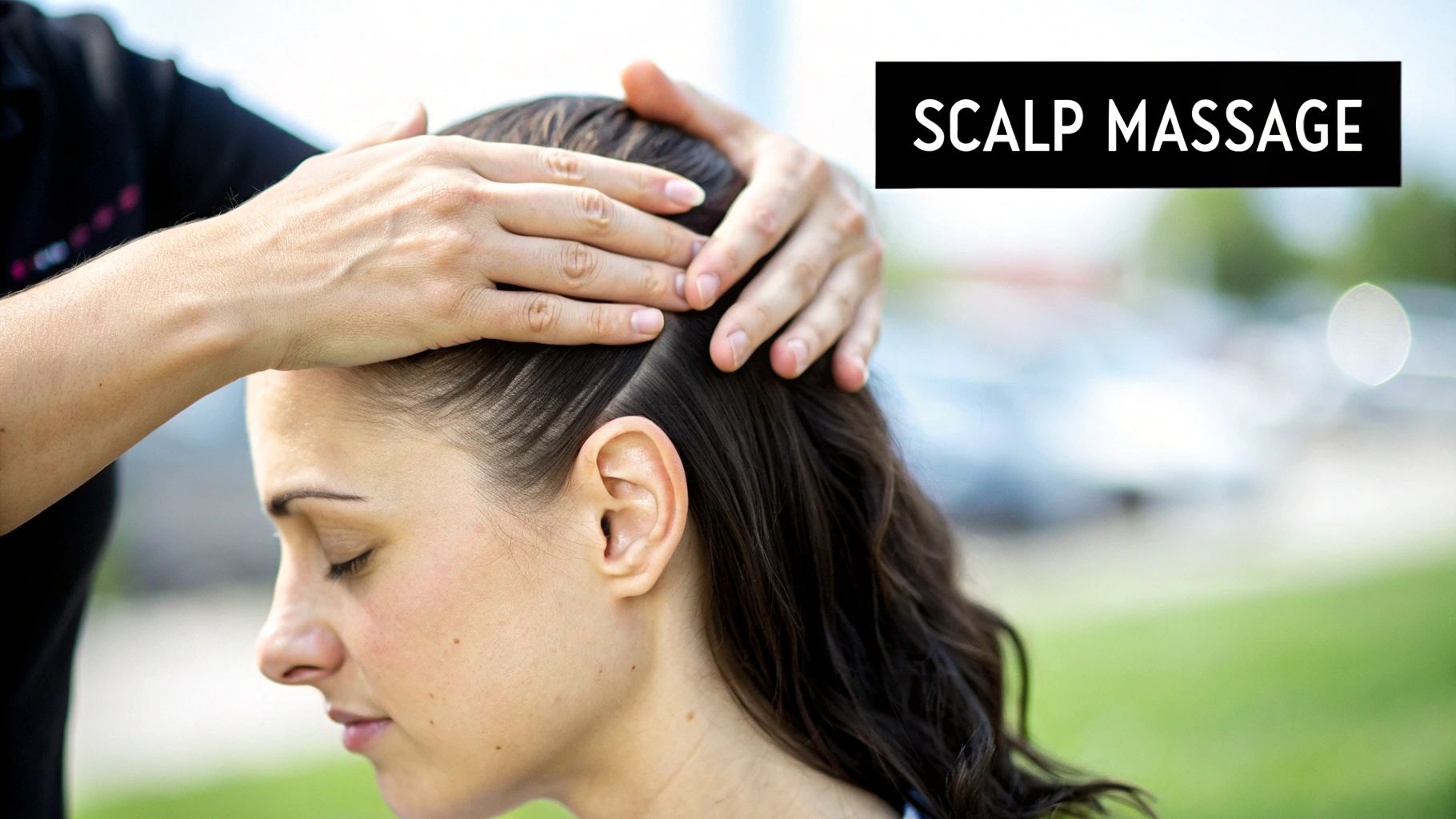
The addition of specific essential oils elevates the massage from a simple physical treatment to a targeted therapy. This method is not just a modern wellness trend; it has deep roots in traditional practices like Ayurvedic medicine and has gained validation through modern scientific research.
Why It Works: Science and Tradition
The effectiveness of this method lies in its two-pronged approach. The massage itself helps to stretch the cells of hair follicles, which stimulates them to produce thicker hair. It also helps to distribute the scalp's natural oils, preventing dryness and flakiness.
Essential oils introduce powerful botanical compounds to the scalp. For example, a landmark 2015 study found that rosemary oil was just as effective as minoxidil (the active ingredient in Rogaine) for reversing hair loss after six months, but with less scalp itching. Similarly, peppermint oil, when applied topically, has been shown in animal studies to significantly increase the number and depth of hair follicles, promoting a rapid transition into the anagen (growth) phase.
How to Implement a Scalp Massage Routine
Consistency is crucial for seeing results. Aim to perform this ritual for at least four to five minutes daily or several times a week.
- Choose Your Oils: Start with a carrier oil like jojoba, coconut, or argan oil. Add 3-5 drops of an essential oil like rosemary, peppermint, or lavender per tablespoon of carrier oil.
- Application Technique: Apply the oil mixture directly to your scalp, focusing on areas where thinning is most noticeable.
- Massage Method: Using the pads of your fingertips (never your nails), apply firm but gentle pressure. Work in small, circular motions across your entire scalp.
- Enhance the Benefits: For a deeper relaxation experience and to combat stress-related hair loss, pair your massage with deep breathing exercises. You can also use a silicone scalp massager for a more vigorous and even stimulation.
2. Minoxidil (Rogaine) Treatment
For those seeking a scientifically-backed and FDA-approved solution, Minoxidil represents one of the most reliable ways to stimulate hair growth. Originally an oral medication for high blood pressure, its hair-growing side effect led to its development as a popular topical treatment, known commercially as Rogaine. It is a cornerstone of dermatological practice for managing androgenetic alopecia (male and female pattern baldness).
This treatment works by acting as a vasodilator, widening blood vessels in the scalp. This action improves blood flow, allowing more oxygen and essential nutrients to nourish the hair follicles. By doing so, it can help revive shrunken follicles and extend the anagen (growth) phase of the hair cycle.
Why It Works: Science and Clinical Evidence
The effectiveness of Minoxidil is not just anecdotal; it is supported by decades of clinical research. Its primary mechanism involves opening potassium channels in the cell membranes of hair follicles. This process is thought to help signal the follicles to enter and remain in the anagen phase, leading to thicker, longer hair shafts over time.
Clinical studies consistently demonstrate its efficacy. Many users see a significant halt in hair loss, and a notable percentage experience regrowth. For example, research often shows that consistent use can lead to a 30-40% improvement in hair count after several months. The widespread success of brands like Rogaine and its affordable generic counterparts, such as Kirkland Signature, have cemented its status as a go-to topical treatment. For comprehensive nutritional support, it's also beneficial to consider how your body absorbs vital nutrients; therefore, exploring options like gut health supplements for optimal nutrient absorption can complement your hair growth regimen.
How to Implement a Minoxidil Routine
Success with Minoxidil hinges on consistent and correct application. It is a long-term commitment, with results typically becoming visible after three to six months of continuous use.
- Choose Your Formulation: Minoxidil is available as a 2% solution, a 5% solution, and a 5% foam. The 5% concentration is generally more effective, especially for men.
- Application Technique: Apply the recommended dose (usually 1 mL) directly to a dry scalp, twice daily. Part your hair in several rows to ensure the product reaches the scalp skin, not just the hair.
- Timing is Key: Allow the solution to fully absorb and dry for at least four hours before washing your hair, swimming, or going to bed.
- Be Patient with Shedding: It is common to experience a temporary increase in shedding during the first few weeks. This is a positive sign that the treatment is working, pushing out old hairs to make way for new, healthier ones.
3. Microneedling (Derma Rolling)
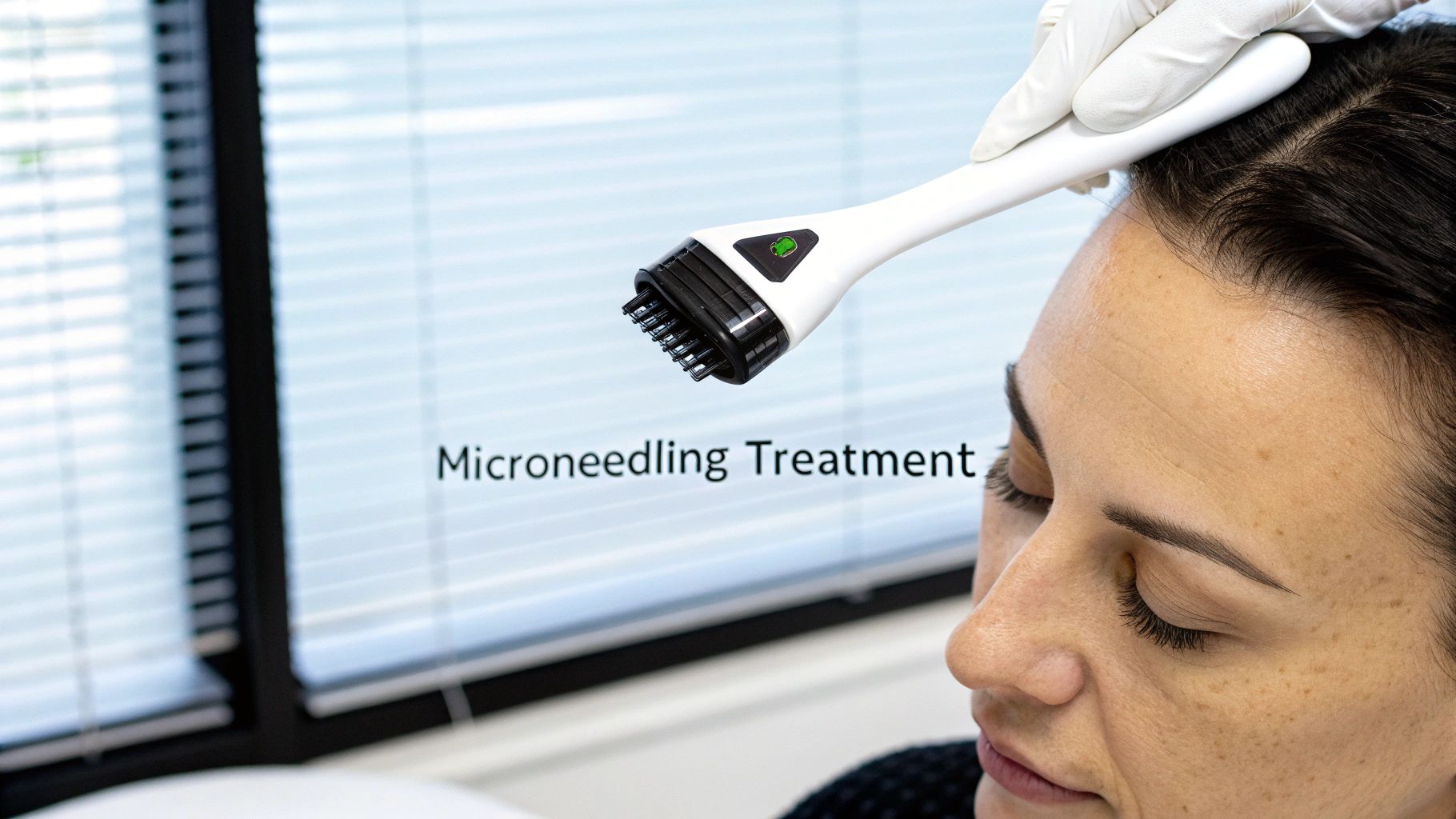
Microneedling, also known as derma rolling when performed at home, is a clinically-backed method that uses a device covered in tiny needles to create controlled micro-injuries on the scalp. This seemingly intensive technique is one of the most effective ways to stimulate hair growth by triggering the body's natural wound-healing process, which boosts collagen production and releases powerful growth factors directly in the hair follicle environment.

This process improves blood circulation to the scalp and significantly enhances the absorption and effectiveness of topical treatments like minoxidil or hair growth serums. The technique, popularized by dermatologists and backed by robust clinical data, offers a potent mechanical stimulation that can awaken dormant follicles.
Why It Works: Science and Tradition
Microneedling’s power lies in its ability to initiate regeneration. The micro-injuries created by the needles stimulate the production of growth factors like platelet-derived growth factor (PDGF) and epidermal growth factor (EGF), which are crucial for hair follicle development. This process also activates stem cells within the hair bulge area, prompting them to transition into a new growth phase.
Scientific evidence strongly supports its efficacy. A landmark study published in the International Journal of Trichology demonstrated that men who combined weekly microneedling with a twice-daily minoxidil lotion saw significantly greater hair growth than those who used minoxidil alone. This synergistic effect makes microneedling a powerful amplifier for other hair growth treatments.
How to Implement a Microneedling Routine
For safety and effectiveness, precision is key. It is often best to start with professional treatments, but at-home derma rolling can be effective when done correctly.
- Choose Your Device: For home use, a derma roller with needle lengths between 0.5mm and 1.0mm is generally recommended for hair growth.
- Sterilization is Non-Negotiable: Always sterilize your device before and after each use by soaking it in 70% isopropyl alcohol for 5-10 minutes.
- Application Technique: On a clean, dry scalp, gently roll the device over the target areas. Roll horizontally, vertically, and diagonally 4-5 times in each direction, applying firm but gentle pressure. Avoid drawing blood.
- Combine with Topicals: For maximum benefit, apply a growth-promoting serum or minoxidil after your session to capitalize on the enhanced absorption.
- Frequency: Limit sessions to once per week or once every two weeks to allow your scalp adequate time to heal and regenerate.
4. Nutritional Supplementation
A foundational approach to stimulating hair growth involves addressing internal health and correcting nutritional gaps that can hinder hair follicle function. This method recognizes that healthy hair is built from within, requiring a steady supply of specific vitamins, minerals, and macronutrients. Deficiencies in key nutrients like biotin, iron, zinc, and vitamin D can disrupt the hair growth cycle and lead to thinning and shedding.
Supplementation provides a targeted way to ensure your body has the raw materials it needs for keratin production and robust follicle activity. Brands like Nutrafol and Viviscal have popularized this comprehensive strategy, backing their formulas with clinical research and endorsements from trichologists.
Why It Works: Science and Tradition
The hair follicle is one of the most metabolically active tissues in the body, making its health highly sensitive to nutrient availability. When the body is deficient, it prioritizes essential life-sustaining functions, shunting resources away from non-essential processes like hair growth.
Scientific evidence strongly supports this link. For example, iron deficiency (anemia) is a well-documented cause of telogen effluvium, a type of diffuse hair shedding. Correcting the deficiency with supplementation can reverse this hair loss. Similarly, biotin is a vital coenzyme for producing keratin, the protein that makes up hair. While true deficiency is rare, supplementing can support hair health. Companies like Viviscal have conducted clinical trials showing their proprietary blend of marine proteins, vitamins, and minerals significantly increases hair count and thickness.
How to Implement a Supplementation Strategy
A smart and safe approach is crucial. Before starting any new supplement regimen, consulting with a healthcare provider is essential.
- Get Blood Work: The most effective strategy begins with identifying specific deficiencies. Ask your doctor for a blood test to check levels of iron (ferritin), vitamin D, and zinc.
- Focus on Key Nutrients: Prioritize supplements that target known hair-growth supporters. This includes biotin, iron, zinc, vitamin D, and marine collagen or a high-quality protein source.
- Choose Comprehensive Formulas: Consider well-researched, multi-ingredient supplements like Nutrafol or Viviscal, which are formulated to address multiple potential causes of hair thinning.
- Take with Food: Many minerals, like iron and zinc, are better absorbed and less likely to cause stomach upset when taken with a meal. Consistency is key, so integrate them into your daily routine.
5. Low-Level Laser Therapy (LLLT)
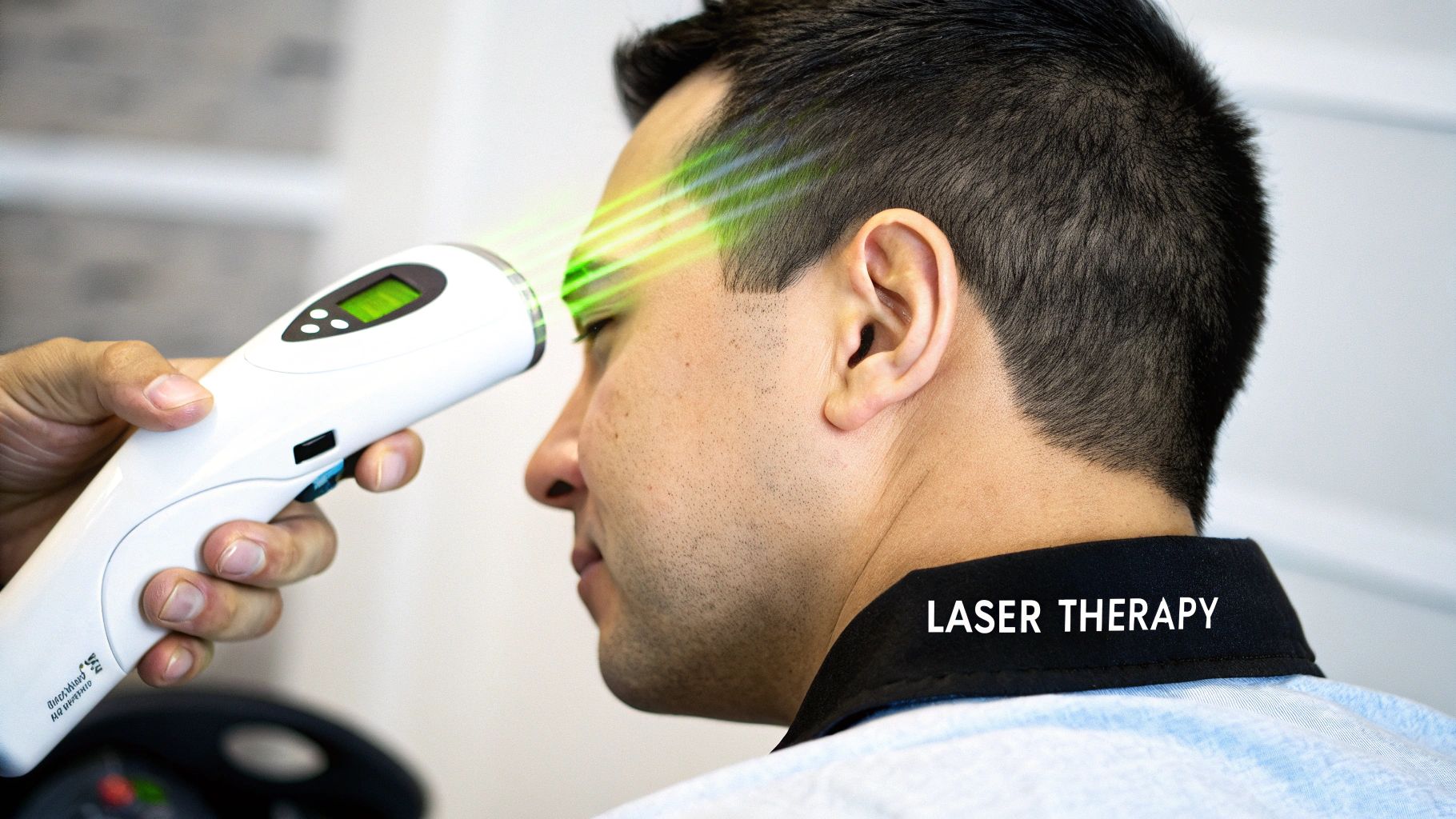
Low-Level Laser Therapy (LLLT) represents a high-tech, non-invasive approach to stimulating hair growth. This method uses specific wavelengths of red light, typically between 650 and 670 nanometers, to energize cellular activity within the hair follicles. Photons of light are absorbed by the cells, which is believed to enhance metabolic processes, boost ATP production (the energy currency of the cell), and prolong the anagen (growth) phase of the hair cycle.
Once limited to professional clinics, LLLT is now widely accessible through at-home devices like caps, combs, and headbands. This technology provides a science-backed, painless, and side-effect-free alternative or supplement to traditional hair loss treatments, making it a powerful tool in the fight against thinning hair.
Why It Works: Science and Tradition
The core principle behind LLLT is photobiomodulation. The targeted light energy is thought to trigger a cascade of biological effects that can revitalize dormant or weakened hair follicles. By improving circulation and cellular respiration, LLLT ensures that follicles receive the oxygen and nutrients necessary for producing thicker, healthier hair shafts.
Scientific validation supports its use as one of the effective ways to stimulate hair growth. Numerous clinical studies have demonstrated its efficacy, with many showing a 20-30% increase in hair density over several months of consistent use. Devices from brands like HairMax and Capillus have received FDA clearance for treating androgenetic alopecia (pattern baldness) in both men and women, confirming their safety and effectiveness.
How to Implement a Low-Level Laser Therapy Routine
Success with LLLT is entirely dependent on consistency and correct usage. At-home devices are designed for convenience, but they require a commitment to a regular schedule.
- Choose Your Device: Select an FDA-cleared device that fits your lifestyle, such as a laser cap for hands-free use or a comb for targeted treatment.
- Follow the Schedule: Most devices recommend use for about 15-30 minutes, three times per week on non-consecutive days. Adhere strictly to the manufacturer's guidelines.
- Ensure Proper Contact: The lasers must be able to reach your scalp. Part your hair if necessary to ensure the light is not blocked and can directly stimulate the follicles.
- Track Your Progress: Take baseline photos of your hair and scalp before you begin treatment. Continue taking photos every month from the same angles and in the same lighting to objectively monitor your results.
6. Platelet-Rich Plasma (PRP) Therapy
Stepping into the realm of regenerative medicine, Platelet-Rich Plasma (PRP) therapy is an advanced, non-surgical procedure that leverages your body's own healing capabilities to stimulate hair growth. This cutting-edge treatment involves drawing a small amount of your blood, processing it to concentrate the platelets, and then injecting this platelet-rich plasma directly into the areas of your scalp experiencing hair loss.
This method harnesses the natural growth factors found within your blood to rejuvenate hair follicles, increase the thickness of the hair shaft, and trigger new growth. Initially popularized in sports medicine for healing injuries, its application has successfully expanded to dermatology and hair restoration.
Why It Works: Science and Tradition
The power of PRP therapy lies in its high concentration of platelets, which are critical components for cell regeneration and healing. When injected into the scalp, these platelets release a multitude of growth factors that act like a powerful signal to dormant or weakening hair follicles. They can stimulate stem cells in the follicle's bulge area, improve blood supply to the follicle, and prolong the anagen (growth) phase of the hair cycle.
Clinical studies have validated its effectiveness, with some research showing a 30% increase in hair count and significant improvements in hair density. The treatment effectively uses the body’s innate regenerative processes, making it a powerful tool against the miniaturization of hair follicles commonly seen in androgenetic alopecia (male pattern baldness).
How to Implement PRP Therapy
As a medical procedure, PRP must be administered by a qualified professional, such as a dermatologist or a hair restoration specialist. A typical treatment course involves a series of sessions spaced about a month apart.
- Choose an Experienced Practitioner: Your results are highly dependent on the practitioner’s skill. Research clinics and choose a provider with a strong track record in PRP for hair loss.
- Prepare for Your Session: It's often recommended to stay well-hydrated and avoid blood-thinning medications or supplements like aspirin, ibuprofen, and fish oil for a week before your appointment.
- Understand the Process: A typical treatment plan starts with an initial series of 3-6 sessions, followed by maintenance treatments every 6-12 months to sustain the results.
- Follow Post-Treatment Care: Your provider will give you specific instructions, which usually involve avoiding harsh chemical hair treatments and excessive sun exposure on the scalp for a few days post-procedure.
7. Lifestyle and Stress Management
While topical treatments and diet are critical, a truly holistic approach to hair health recognizes the profound impact of your internal state. Chronic stress, poor sleep, and unhealthy lifestyle choices can significantly disrupt the hair growth cycle. This method focuses on managing these internal factors to create an optimal environment for your follicles to thrive, representing one of the most foundational ways to stimulate hair growth.
Adopting stress-reducing practices and prioritizing healthy habits is not just about general wellness; it's a direct intervention for your hair. Holistic health practitioners and integrative medicine have long championed this connection, and modern science continues to validate its importance.
Why It Works: Science and Tradition
The primary villain in this scenario is cortisol, the body's main stress hormone. When you experience chronic stress, elevated cortisol levels can push a large number of hair follicles into the telogen (resting) phase prematurely, a condition known as telogen effluvium. This leads to diffuse shedding and thinning several months after a stressful period.
By managing stress through techniques like meditation or yoga, you can help regulate cortisol levels, keeping more follicles in the anagen (growth) phase. Similarly, quality sleep is when the body undertakes most of its repair and regeneration, including producing melatonin, a hormone shown to have a positive effect on hair growth. Regular exercise boosts circulation, delivering more oxygen and nutrients to the scalp.
How to Implement Lifestyle and Stress Management
Integrating these practices into your daily routine is key to mitigating the negative effects of stress on your hair.
- Practice Daily Stress Reduction: Dedicate 10-15 minutes daily to activities like meditation, deep breathing exercises, or journaling. Apps like Headspace or Calm can be excellent guides for beginners.
- Prioritize Quality Sleep: Aim for 7-9 hours of uninterrupted sleep per night. Optimize your sleep environment by keeping it dark, cool, and quiet, and avoid screens for at least an hour before bed.
- Engage in Regular Exercise: Incorporate at least 30 minutes of moderate physical activity, such as brisk walking, jogging, or strength training, most days of the week to improve circulation and reduce cortisol.
- Avoid Extreme Habits: Steer clear of crash diets and rapid, extreme weight loss, as these can be major physiological stressors that trigger hair shedding.
8. Finasteride (Propecia) Treatment
For those seeking a scientifically proven, medical approach, Finasteride (commonly known by the brand name Propecia) stands as one of the most effective ways to stimulate hair growth for men. This FDA-approved oral medication directly targets the hormonal cause of male pattern baldness, also known as androgenetic alopecia. It works internally to alter the body's chemistry in a way that protects and revives vulnerable hair follicles.
Unlike topical treatments that work on the scalp's surface, finasteride addresses the root of the problem systemically. Since its FDA approval in 1997, it has become a cornerstone therapy recommended by dermatologists and hair restoration specialists worldwide for its consistent and powerful results.
Why It Works: Science and Hormones
Finasteride's effectiveness is rooted in its ability to inhibit an enzyme called 5-alpha-reductase. This enzyme is responsible for converting testosterone into a more potent androgen, dihydrotestosterone (DHT). DHT is the primary culprit in male pattern baldness; it binds to receptors in hair follicles, causing them to shrink (a process called miniaturization) and eventually stop producing visible hair.
By blocking the action of 5-alpha-reductase, finasteride can reduce DHT levels in the scalp by as much as 70%. This reduction relieves the hormonal pressure on the follicles, allowing them to return to their normal growth cycle. Landmark clinical trials have shown that approximately 83% of men taking finasteride maintained or increased their hair count, demonstrating its power to both halt hair loss and promote regrowth.
How to Implement Finasteride Treatment
Successfully using finasteride requires a prescription from a healthcare provider and a commitment to consistent, long-term use.
- Consult a Professional: Before starting, you must discuss your hair loss and medical history with a doctor to determine if finasteride is right for you and to understand potential side effects.
- Consistency is Key: The standard dose is one 1mg tablet taken orally once a day. Taking it at the same time each day helps maintain stable levels of the medication in your system.
- Be Patient with Progress: Results are not immediate. It typically takes three to six months of daily use to see a noticeable slowing of hair loss or the first signs of new growth. Keep track of your progress with photos.
- Consider Combination Therapy: For enhanced results, many dermatologists recommend using finasteride in conjunction with topical minoxidil (Rogaine) to attack hair loss from two different pathways.
8 Hair Growth Methods Comparison
| Treatment | Implementation Complexity 🔄 | Resource Requirements ⚡ | Expected Outcomes 📊 | Ideal Use Cases 💡 | Key Advantages ⭐ |
|---|---|---|---|---|---|
| Scalp Massage with Essential Oils | Low (can be home-performed) | Minimal (essential oils, time) | Moderate hair growth; relaxation | Mild hair thinning, stress-related loss | Natural, inexpensive, relaxing |
| Minoxidil (Rogaine) Treatment | Moderate (daily topical application) | Moderate (purchase product) | Clinically proven hair regrowth | Androgenetic alopecia, male/female usage | FDA-approved, effective, OTC available |
| Microneedling (Derma Rolling) | Moderate (device use, sterilization) | Low to moderate (device, serums) | Enhances absorption; follicle stimulation | Enhancing other treatments, follicle activation | Boosts other treatments, low downtime |
| Nutritional Supplementation | Low (oral intake) | Moderate to high (supplements) | Improves hair quality and health | Nutritional deficiencies, systemic causes | Addresses root nutritional causes |
| Low-Level Laser Therapy (LLLT) | Moderate (device use, scheduled sessions) | High (cost of device) | Modest hair density increase | Early to moderate hair thinning | Non-invasive, FDA-cleared, painless |
| Platelet-Rich Plasma (PRP) Therapy | High (medical procedure, injections) | High (clinical visits, equipment) | Significant density and thickness | Advanced hair loss, regeneration seekers | Uses natural growth factors, quick procedure |
| Lifestyle and Stress Management | Low to moderate (behavior changes) | Minimal (time, habit changes) | Hair quality improvement over time | Stress-related and health-related loss | Holistic, sustainable, no side effects |
| Finasteride (Propecia) Treatment | Low (daily oral medication) | Moderate (prescription required) | Highly effective hair loss control | Male pattern baldness (androgenetic alopecia) | Clinically proven, convenient dosing |
Crafting Your Personal Hair Growth Strategy
Embarking on the journey to reclaim your hair can feel overwhelming, but as we've explored, you have a powerful arsenal of tools at your disposal. From foundational lifestyle adjustments to cutting-edge medical treatments, the path to healthier, fuller hair is not about finding a single magic cure. Instead, it’s about building a strategic, personalized plan that addresses your specific needs. The most effective ways to stimulate hair growth often involve combining several approaches for a synergistic effect.
Remember, patience and consistency are your greatest allies. Whether you begin with daily scalp massages and a commitment to better nutrition or decide to incorporate treatments like Minoxidil or microneedling, tracking your progress is key. Take photos, make notes, and stay committed to your chosen routine for at least three to six months to accurately gauge its effectiveness.
Key Takeaways for Your Hair Growth Journey
Let's distill the core principles from the methods we've covered:
- Foundation First: Your hair is a reflection of your overall health. Prioritizing a balanced diet rich in essential vitamins and minerals, managing stress effectively, and adopting gentle haircare practices are non-negotiable first steps. These create the optimal internal and external environment for hair to thrive.
- Targeted Intervention: For many, especially those dealing with male pattern baldness, foundational care needs to be supplemented with proven treatments. FDA-approved options like Minoxidil and Finasteride directly target the mechanisms of hair loss, while therapies like Low-Level Laser Therapy (LLLT) offer a non-invasive way to energize follicles.
- Advanced Solutions: When you're ready for a more potent approach, advanced procedures like Platelet-Rich Plasma (PRP) therapy leverage your body's own healing mechanisms to rejuvenate dormant follicles. These treatments, guided by a professional, represent the forefront of hair restoration science.
Your Actionable Next Steps
The most crucial step you can take right now is to move from information to action. Don't let analysis paralysis stop you. Start by selecting one or two manageable strategies from this guide. Perhaps it's committing to a daily derma rolling session or scheduling a consultation with a dermatologist to discuss medical options.
Consulting with a specialist is invaluable. A professional can help diagnose the root cause of your hair loss, cutting through the guesswork and setting you on the most efficient path. They can help you build a multi-pronged strategy, such as combining Finasteride with PRP therapy, to maximize your results. This expert guidance ensures your efforts are safe, effective, and tailored to you.
Ultimately, taking control of your hair health is an empowering act. It's an investment not just in your appearance, but in your confidence and well-being. Every small, consistent step you take is a move toward the results you desire. Stay informed, remain persistent, and build the strategy that works for you.
If you're considering a scientifically-backed, advanced treatment to supercharge your results, exploring PRP therapy is a logical next step. At PRP For HairLoss, we specialize in using your body's natural growth factors to effectively combat hair loss. Discover how our targeted treatments can become a cornerstone of your hair restoration strategy by visiting PRP For HairLoss.


Leave a Reply