Beyond Surgery: The New Era of Hair Restoration
Hair loss can be a deeply personal and often distressing experience. For many, the prospect of surgery is a significant deterrent. This has led to a surge in demand for effective non-surgical hair restoration treatments. These offer a way to address thinning hair or hair loss without incisions, scarring, or lengthy recovery times. This allows individuals to explore solutions that align with their lifestyle and comfort level.
Understanding the Rise of Non-Surgical Options
Non-surgical hair restoration has evolved significantly from the questionable products of the past. Today, these methods are supported by scientific research and present viable options for various hair loss conditions. For instance, Platelet-Rich Plasma (PRP) therapy and Low-Level Laser Therapy (LLLT) utilize the body's natural mechanisms to stimulate hair growth. This trend toward less invasive procedures reflects a growing preference for treatments with minimal downtime.
Non-surgical hair restoration has experienced a remarkable increase in popularity. Between 2006 and 2008, the number of these procedures performed increased by 34% globally. This growth is attributable to advancements in technology and treatments like PRP and LLLT, offering appealing alternatives to traditional surgical methods. More detailed statistics can be found here: https://www.bernsteinmedical.com/statistics/
Exploring Key Non-Surgical Treatments
Several non-surgical approaches have demonstrated effectiveness in promoting hair growth and enhancing hair density. These treatments often yield the best results when combined with lifestyle adjustments and an emphasis on overall scalp health.
-
PRP Therapy: This involves injecting concentrated platelets derived from the patient's own blood into the scalp. These platelets release growth factors that stimulate inactive hair follicles.
-
LLLT: This therapy employs low-level lasers to energize hair follicles and encourage hair growth. LLLT devices are available for both clinical and at-home use.
-
Medications and Topicals: Certain FDA-approved medications, such as minoxidil and finasteride, can help slow hair loss and, in some cases, promote regrowth. Topical solutions can also offer targeted nourishment to the scalp and hair follicles.
Benefits of Non-Surgical Hair Restoration
Non-surgical hair restoration offers a range of advantages:
-
Minimal Downtime: Most treatments involve minimal downtime, enabling individuals to resume their regular activities almost immediately.
-
No Scarring: Unlike surgical hair restoration, these procedures do not involve any incisions, thereby eliminating the possibility of scarring.
-
Less Invasive: Non-surgical methods are generally less invasive than surgical options, providing a more comfortable experience.
-
Natural-Looking Results: Non-surgical treatments aim to promote natural hair growth, resulting in a seamless blend with existing hair.
Choosing the right non-surgical hair restoration treatment necessitates a consultation with a qualified professional. They can evaluate the individual's specific hair loss pattern and recommend the most suitable approach. Personalized treatment plans, tailored to each person's unique needs and goals, are essential for optimal results.
The Explosive Growth of Non-Surgical Hair Solutions
Something remarkable is happening in the hair restoration world. The non-surgical hair restoration market is experiencing a significant surge, influenced by changing perceptions of hair loss and substantial progress in treatment options. While previously many individuals hesitated to seek treatment, this is changing rapidly. Several factors are converging to make these procedures increasingly appealing to a wider audience.
What's Driving the Demand?
Several key factors contribute to the rise of non-surgical hair restoration:
-
Advanced Technology: Improvements in techniques like PRP (Platelet-Rich Plasma) therapy and laser treatments are producing noticeably better results than previous methods. This has increased consumer confidence and encouraged more people to explore non-surgical options.
-
Accessibility and Affordability: As technology advances, treatments have become more accessible and often more affordable than traditional surgical procedures. This opens up possibilities for a broader range of individuals.
-
Changing Social Attitudes: Open discussions about hair loss are becoming more common, lessening the stigma associated with it. This empowers more individuals to actively seek solutions, including non-surgical treatments.
-
Social Media Influence: Platforms like Instagram and TikTok showcase real-life results and testimonials. This allows prospective patients to visualize the potential outcomes and connect with others undergoing similar treatments. This fosters a sense of community and normalizes seeking help for hair loss.
The Market's Expansion
The rising popularity of non-surgical solutions is evident in market trends. The global hair restoration market, including both surgical and non-surgical methods, reached an estimated value of $6.46 billion in 2023. The demand for effective and less invasive options is fueling projections of substantial growth in the coming years. Non-surgical procedures like PRP therapy are gaining popularity for their ability to stimulate hair growth without surgery. For more detailed market statistics, you can visit: Grand View Research
To better illustrate the growth and regional trends, let's look at the table below:
Global Hair Restoration Market Overview: A breakdown of the hair restoration market showing the growth of non-surgical versus surgical approaches across different regions.
| Region | Market Share (%) | Growth Rate (%) | Most Popular Non-Surgical Method |
|---|---|---|---|
| North America | 35 | 12 | PRP Therapy |
| Europe | 28 | 10 | Laser Therapy |
| Asia Pacific | 22 | 15 | Mesotherapy |
| Rest of World | 15 | 8 | Scalp Micropigmentation |
This table represents illustrative data for demonstration purposes. Actual market figures may vary.
Key takeaways from this overview include the dominance of North America and Europe in the hair restoration market, with the Asia Pacific region showing the fastest growth rate. PRP Therapy remains the most popular non-surgical option across various regions.
Regional Variations and Trends
While the demand for non-surgical hair restoration is growing globally, regional differences are apparent. Certain procedures, such as PRP therapy, are gaining traction faster in some areas. Factors influencing these variations include cultural norms, access to advanced technologies, and economic considerations.
This expanding market presents both opportunities and challenges. As demand increases, finding qualified professionals is crucial. They can provide personalized treatment plans for those experiencing hair loss. Thorough consultations are essential to assess individual needs, evaluate various treatment options, and set realistic expectations for achieving desired results. With the right approach, non-surgical hair restoration can be a valuable tool for regaining confidence and effectively addressing hair loss concerns.
PRP Therapy: Harnessing Your Body's Regenerative Power
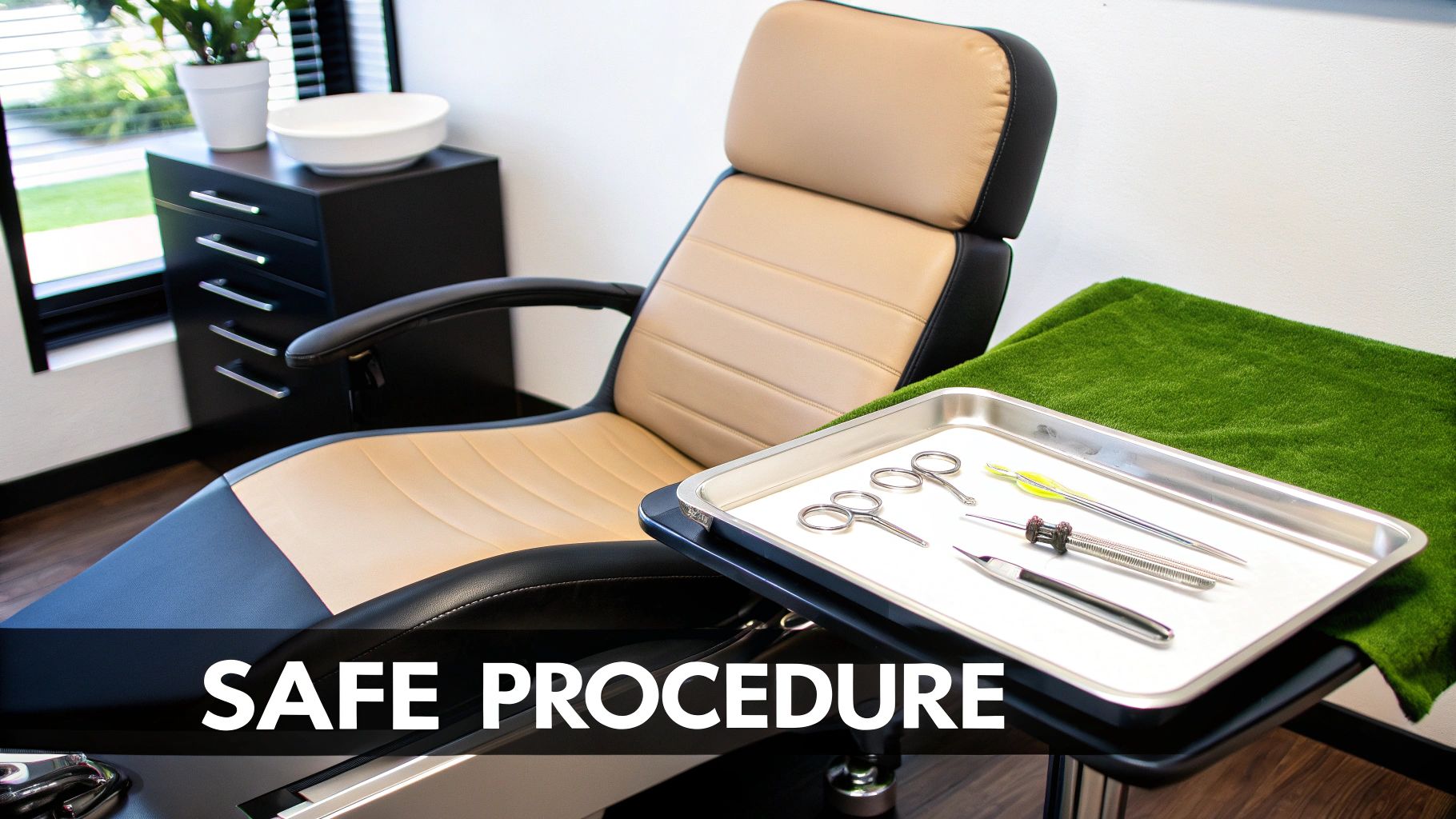
Platelet-Rich Plasma (PRP) therapy is a non-surgical hair restoration technique gaining popularity. It leverages the healing properties within your own blood to potentially rejuvenate dormant hair follicles. This makes it an attractive option for those seeking a less invasive approach to address hair loss.
Understanding the PRP Process
The process begins with a simple blood draw. This blood is then placed in a centrifuge to isolate the platelet-rich plasma from other blood components. This concentrated plasma, brimming with growth factors, is then meticulously injected into targeted areas of the scalp experiencing thinning or hair loss. The procedure is typically completed within an hour in a clinical setting.
How PRP Stimulates Hair Growth
The concentrated platelets within PRP contain a high concentration of growth factors. These growth factors play a vital role in tissue repair and regeneration. When injected into the scalp, they stimulate the body's natural healing processes around the hair follicles. This can potentially reactivate dormant or weakened follicles, leading to new hair growth and increased hair thickness.
What Science Says About PRP's Effectiveness
PRP therapy is a relatively recent development in non-surgical hair restoration. Emerging research, however, suggests its potential benefits, particularly for those experiencing androgenetic alopecia (male or female pattern baldness). While individual results vary, studies indicate that PRP can increase hair density and improve overall hair thickness. This makes PRP a promising non-invasive solution for hair loss.
Realistic Timelines and Expectations
It's important to have realistic expectations when considering PRP therapy. Visible results typically emerge gradually, often several months after the initial treatment. Most patients require multiple treatments spaced several weeks apart, with ongoing maintenance treatments to sustain the results. Your practitioner will tailor a personalized treatment plan based on your specific needs and hair loss pattern.
Maximizing PRP Results with Combination Therapies
PRP therapy can be effective as a standalone treatment. However, combining it with other non-surgical hair restoration techniques may enhance results for some individuals. For instance, combining PRP with low-level laser therapy (LLLT) or topical treatments can create a synergistic effect, potentially amplifying and prolonging results. These combination approaches offer a more comprehensive strategy for managing hair loss. Consult a specialist to determine the most appropriate combination therapy for your individual needs. Choosing a non-surgical hair restoration path requires careful thought and an informed decision. PRP, harnessing the body's natural regenerative abilities, represents an exciting advancement in addressing hair loss.
Laser Therapy: The Science Behind The Light
Laser therapy, once a treatment primarily found in clinics, is now playing a significant role in at-home, non-surgical hair restoration. This approach uses specific light wavelengths to stimulate hair follicles on a cellular level. But what makes this treatment effective, and how can you distinguish quality devices from less effective ones?
Understanding Low-Level Laser Therapy (LLLT)
Low-level laser therapy (LLLT) employs red light wavelengths, typically between 630nm and 670nm, to penetrate the scalp. These wavelengths are absorbed by hair follicles, boosting cellular activity and encouraging hair growth. It's similar to photosynthesis for your hair—the light provides energy that fuels the follicles.
Professional Vs. At-Home Devices
While both professional and at-home LLLT systems operate on the same scientific principles, there are key differences. Professional LLLT systems utilize higher power outputs and are operated by trained technicians. This ensures precise application and tailored treatment plans. For instance, professional treatments might use multiple laser diodes or specialized handheld devices to target specific areas of thinning hair. At-home devices, however, offer greater convenience and affordability.
Choosing The Right Laser Device
The efficacy of laser therapy hinges on selecting the right device. This requires looking beyond marketing claims and understanding the science behind the technology. Wavelength, power output, and treatment protocol are critical factors to consider.
-
Wavelength: Choose devices emitting red light within the 630-670nm range, the optimal spectrum for stimulating hair follicles.
-
Power: While more power isn't necessarily better, adequate energy is required for light to penetrate the scalp and effectively reach the hair follicles.
-
Treatment Protocol: Consistency is paramount for successful laser therapy. Following the manufacturer’s recommended treatment schedule is essential for optimal results.
Caps Vs. Combs: Which Is Right For You?
Laser therapy devices are available in various forms, including caps and combs. Laser caps offer broad scalp coverage, making them suitable for diffuse thinning. Laser combs, conversely, provide targeted treatment for specific areas, such as the hairline or crown. The best choice depends on individual hair loss patterns and personal preferences.
To help you compare available options, let’s examine a detailed overview of different non-surgical methods:
Comparison of Non-Surgical Hair Restoration Methods
A comprehensive comparison of popular non-surgical treatments highlighting their costs, effectiveness, pain levels, and maintenance requirements.
| Treatment Type | Average Cost | Sessions Required | Downtime | Results Timeline | Maintenance Needed |
|---|---|---|---|---|---|
| Low-Level Laser Therapy (LLLT) | $200-$1000+ (device cost) | Varies, typically multiple times per week | None | Several months | Ongoing treatments |
| Scalp Micropigmentation (SMP) | $2000-$4000 | 2-4 sessions | Minimal | Immediate & develops over a few weeks | Touch-ups every few years |
| Platelet-Rich Plasma (PRP) | $500-$1500 per session | Multiple sessions, typically monthly initially | Minimal | Several months | Maintenance sessions every few months |
This table highlights the varying costs and time commitments associated with each method. LLLT offers a lower upfront cost, but ongoing treatments are necessary. SMP provides a quicker, more permanent result, although touch-ups are required. PRP may involve higher session costs and continued maintenance.
Additionally, advancements in technology have broadened the range of non-surgical hair restoration treatments. Scalp Micropigmentation (SMP), for example, is a non-invasive technique that creates the appearance of fuller hair. This method, along with options like PRP therapy, has become attractive due to minimal downtime and the absence of surgical risks. Learn more about this growing trend: Find more detailed statistics here.
Frequency and Treatment Duration
The ideal frequency of laser therapy varies depending on the device and individual requirements. Most at-home devices recommend multiple sessions per week, each lasting 15-30 minutes. Consistency is crucial for achieving optimal results. Laser therapy is often combined with other non-surgical methods like PRP therapy, a form of regenerative medicine focused on utilizing the body’s healing processes to restore function.
By understanding the science behind laser therapy and selecting the appropriate device and treatment plan, individuals can effectively integrate this powerful tool into their hair restoration journey. This can contribute to thicker, healthier hair over time. The future of hair restoration increasingly incorporates advanced, non-surgical approaches like laser therapy, offering promising outcomes with minimal disruption to daily life.
Medications and Topicals That Actually Work
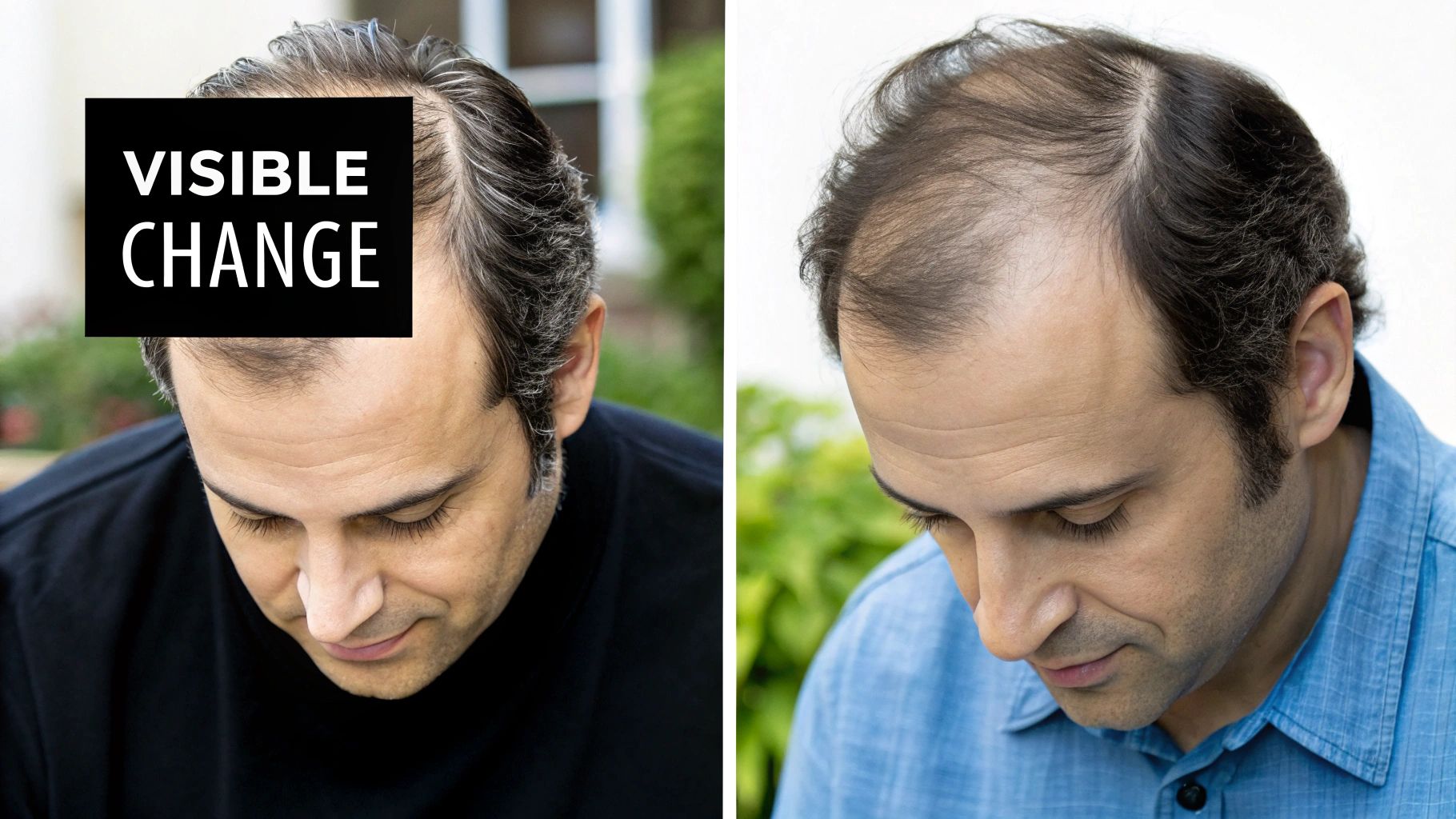
Beyond the hype, several evidence-based medications offer real potential for non-surgical hair restoration. This section explores proven solutions like minoxidil and finasteride, along with other promising therapies.
Understanding Minoxidil: A Topical Solution
Minoxidil, available as a topical solution, is an FDA-approved treatment for hair loss. It works by increasing blood flow to the hair follicles, which can stimulate growth and slow down thinning. This makes minoxidil a valuable option for both men and women experiencing hair loss. It’s available over-the-counter in various strengths.
Finasteride: An Oral Medication for Men
Finasteride, also FDA-approved, is an oral medication specifically for men. It works by blocking the production of dihydrotestosterone (DHT), a hormone linked to male pattern baldness. However, finasteride is not suitable for women and has potential side effects that should be discussed with a doctor.
Emerging Compounds and Research
Research continues to explore new compounds for non-surgical hair restoration. Promising candidates include topical peptides and growth factors that may stimulate hair follicles. These emerging therapies could expand the range of effective treatments available in the future.
Application Techniques and Maximizing Absorption
Proper application of topical treatments is crucial for maximizing their effectiveness. Minoxidil should be applied directly to the scalp, ensuring even distribution across affected areas. A clean, dry scalp before application can enhance absorption.
Potential Side Effects and Monitoring
While effective, these medications can have side effects. Some individuals experience scalp irritation or unwanted hair growth with minoxidil. Finasteride carries more significant potential side effects, including sexual dysfunction. Monitoring and communication with your doctor are crucial for managing any side effects.
Distinguishing Shedding From Adverse Reactions
Some shedding is common during initial treatment. This often signals the treatment is working, as older hairs are shed to make way for new growth. However, it’s important to distinguish normal shedding from adverse reactions. Excessive shedding or other unusual symptoms warrant a consultation with a medical professional.
Synergistic Approaches: Combining Treatments
Combining medication with other non-surgical methods like PRP therapy or laser therapy may enhance results. This synergistic approach targets hair loss from multiple angles. Discuss combination therapies with a hair restoration specialist to create a personalized treatment plan. This ensures the treatments work together effectively to address your specific hair loss concerns. Non-surgical hair restoration offers several promising approaches. By understanding the options and seeking professional guidance, you can choose the best approach for your individual needs and journey toward healthier hair.
Targeted Solutions for Different Hair Loss Types
Hair loss presents itself in various forms, each stemming from different underlying causes. This means that a one-size-fits-all approach to treatment simply won't work. Understanding the specific type of hair loss you're experiencing is the first step towards finding an effective solution.
Matching Treatments to Conditions
Androgenetic alopecia, commonly known as male or female pattern baldness, is often treated with medications like minoxidil and finasteride. Minoxidil can help stimulate regrowth, while Finasteride works to slow down the progression of hair loss. Platelet-rich plasma (PRP) therapy is another promising treatment for androgenetic alopecia, leveraging the growth factors in concentrated platelets to encourage new hair growth.
Temporary hair loss, such as telogen effluvium, which can be triggered by stress, hormonal changes, or even events like postpartum shedding, requires a different strategy. Addressing the root cause, whether it's managing stress or hormonal imbalances, is key. Low-level laser therapy (LLLT) can also be beneficial, supporting follicle recovery and encouraging the hair to re-enter its growth phase.
Challenges and Emerging Therapies for Alopecia Areata
Conditions like alopecia areata, characterized by patchy hair loss, present unique challenges due to their unpredictable nature. Emerging therapies like the 308-nm excimer laser offer new hope. This targeted laser treatment, combined with other non-surgical options, has broadened the available treatments for those who previously struggled to find effective solutions.
The Influence of Age, Hormones, and Scalp Health
Factors like age, hormonal balance, and scalp health significantly impact the success of non-surgical hair restoration. Younger individuals in the early stages of hair loss may respond better to certain treatments compared to those with more advanced hair loss. Hormonal imbalances can also influence hair loss and affect treatment effectiveness. Maintaining a healthy scalp is crucial for optimal follicle function and successful outcomes. Just as healthy soil is vital for a thriving garden, a nourished scalp creates the ideal environment for hair growth.
Identifying Your Hair Loss Type and Advocating for Care
Consulting with a qualified hair restoration specialist is essential for accurate diagnosis and personalized treatment planning. A misdiagnosis can lead to ineffective treatments, wasted time, and unnecessary expense. Don't hesitate to ask questions and actively participate in developing your hair restoration plan. Taking an active role in your journey will empower you to make informed decisions and achieve the best possible results.
Creating Your Non-Surgical Hair Restoration Roadmap

Navigating the often complex world of non-surgical hair restoration can be a daunting task. This section offers a practical guide to developing a personalized plan tailored to your specific needs and goals. A clear roadmap is crucial for achieving satisfying, long-term results.
Evaluating Potential Providers
Selecting the right provider is of utmost importance. During consultations, ask direct questions to assess their expertise. For instance, inquire about their experience with particular hair loss types, the treatment protocols they employ, and their projected outcomes. A knowledgeable provider will thoroughly explain the process, address your concerns, and present customized solutions.
Identifying Red Flags
Beware of providers who make unrealistic promises or utilize high-pressure sales tactics. Guaranteeing specific results or minimizing potential risks are significant warning signs. A lack of transparency about pricing and treatment details should also raise concerns. A reputable provider will prioritize your well-being and provide honest, realistic assessments.
Setting Realistic Timelines
Non-surgical hair restoration demands patience. Visible results typically take several months to appear, even with diligent adherence to the treatment plan. For example, PRP therapy often necessitates multiple sessions spaced weeks apart before noticeable changes occur. Understanding these realistic timelines helps manage expectations and prevent discouragement throughout the process.
Combining Treatments for Synergy
Sometimes, combining different non-surgical treatments can create a synergistic effect, amplifying the results. Using minoxidil in conjunction with PRP therapy is one such example. However, it's important to note that not all treatments are compatible. A qualified provider will recommend the most effective combinations based on your individual requirements and hair loss characteristics.
Documentation and Progress Tracking
Thorough documentation of your hair restoration journey is vital for monitoring progress and making adjustments to your plan as needed. Regular photographs provide a visual record of changes over time. Maintain records of treatments, medications, and any observed side effects. This information becomes invaluable during follow-up appointments with your provider.
Maintaining Realistic Expectations
While non-surgical hair restoration can generate significant improvements, maintaining realistic expectations is essential. These treatments strive to slow or reverse hair loss and stimulate regrowth, but they may not fully restore your original hairline. A reputable provider will openly discuss potential outcomes and establish achievable goals.
By following these steps, you can create a personalized roadmap for your non-surgical hair restoration journey. Finding the right approach involves careful research, transparent communication with your provider, and a commitment to consistent treatment.
Ready to take the next step in your hair restoration journey? Explore the benefits of PRP therapy, a non-surgical treatment, at PRP For HairLoss.


Leave a Reply