Unlocking Natural Hair Growth: Effective DIY Remedies
Dealing with hair loss can be incredibly frustrating. For centuries, people have searched for ways to combat thinning hair and encourage new growth, looking to both traditional remedies and modern science. Long before pharmaceuticals, cultures around the world used natural ingredients to address hair concerns. These practices, passed down for generations, offer a compelling alternative—or addition—to conventional treatments.
What makes a natural hair growth remedy truly effective? The key lies in understanding how these remedies interact with the complex biology of the hair follicle and scalp. Effective remedies optimize scalp health, improve circulation, deliver essential nutrients, and may even influence hormonal factors vital for hair growth.
Exploring Historical Hair Growth Practices
History offers a rich tapestry of natural hair growth remedies. Ancient Egyptians, for example, used a mixture of animal fats and other natural ingredients to stimulate hair growth and prevent baldness. In India, Ayurvedic practices have long incorporated herbs and oils like Amla and Bhringraj for promoting hair health.
The Science Behind Natural Remedies
Modern science provides insights into the effectiveness of these traditional remedies. Many natural ingredients are rich in antioxidants, vitamins, and minerals that support hair follicle health. For instance, ingredients like saw palmetto are believed to block the formation of DHT, a hormone linked to hair loss. Others, such as Rosemary oil, may stimulate blood flow to the scalp, potentially improving nutrient delivery to hair follicles.
DIY Remedies for Hair Growth
Numerous natural ingredients can be readily incorporated into DIY hair treatments. Some popular options include:
- Scalp massage with essential oils: Carrier oils like coconut or jojoba oil, combined with a few drops of stimulating oils like rosemary or peppermint, can improve circulation and promote scalp health.
- Aloe vera gel: Known for its soothing and anti-inflammatory properties, aloe vera can help create a healthy scalp environment for hair growth.
- Onion juice: While the strong odor might be a deterrent for some, onion juice is rich in sulfur, a mineral essential for hair follicle health.
Choosing the Right Remedy
Selecting the right DIY remedy depends on individual needs and hair type. It’s important to research and choose high-quality ingredients. Consistency is also key; natural remedies often take time to show noticeable results. Remember to consult with a healthcare professional before starting any new hair growth regimen, especially if you have underlying health conditions.
Rosemary Oil for Hair Growth
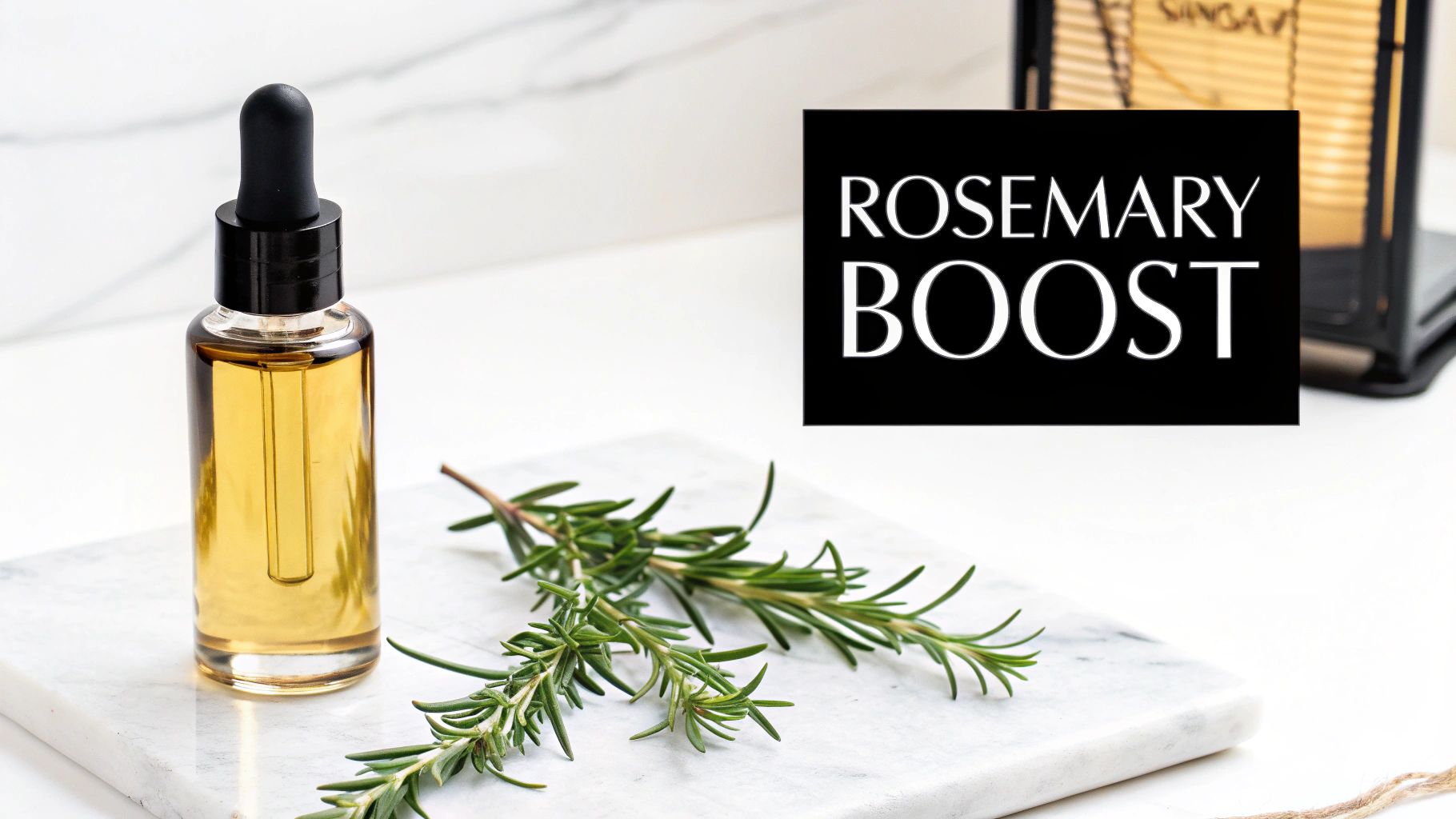
Rosemary oil is a potent natural remedy for hair growth, backed by scientific research. Its effectiveness lies in its ability to stimulate cellular generation and improve blood circulation to the scalp. This creates an ideal environment for hair follicles to flourish, offering a potential solution for men experiencing hair loss, without the side effects often associated with other treatments.
How Rosemary Oil Works
This herbaceous oil contains two key components: ursolic acid and carnosic acid. These compounds boost blood flow to the scalp, delivering essential nutrients and oxygen to hair follicles. This encourages growth and strengthens existing hair. Rosemary oil also acts as a natural DHT blocker. DHT, or dihydrotestosterone, is a hormone linked to male pattern baldness. By inhibiting DHT, rosemary oil can help slow or even reverse hair loss. Its antimicrobial and anti-inflammatory properties further contribute to a healthy scalp, minimizing conditions that hinder hair growth.
Scientific Evidence and Traditional Use
Rosemary oil's efficacy is supported by research. A 2015 study in the SKINmed Journal showed rosemary oil to be as effective as 2% minoxidil (the active ingredient in Rogaine) in treating androgenetic alopecia (male pattern baldness) over six months. This offers compelling evidence for men seeking natural alternatives. Its traditional use for hair thickening in Mediterranean cultures for centuries further strengthens its reputation.
Pros and Cons of Rosemary Oil
Here's a breakdown of the advantages and disadvantages:
Pros:
- Comparable to minoxidil in some clinical studies
- Affordable and easily accessible
- Pleasant, natural scent (though potentially strong)
- Strengthens existing hair while promoting new growth
Cons:
- Requires consistent use (3-6 months) for visible results
- May cause skin irritation for some
- Strong scent may not appeal to everyone
- Can make hair appear greasy if overused
Using Rosemary Oil for Hair
Here are a few practical tips:
- Scalp Massage: Dilute 10-12 drops of rosemary essential oil with a carrier oil like jojoba or coconut oil. Massage into your scalp 2-3 times per week, leaving it on for at least 30 minutes (or overnight) before washing.
- Shampoo Boost: Add 5-10 drops of rosemary oil per ounce of your regular shampoo.
- Patch Test: Always perform a patch test on a small skin area to check for allergic reactions before full application.
Growing Popularity
Rosemary oil's use for hair health has gained significant traction, partly due to the work of herbalists like Jeanne Rose, whose aromatherapy teachings highlighted its benefits. Brands like KLORANE, with their botanical hair care lines, have also contributed to its mainstream appeal, along with endorsements from dermatologists. By understanding the science and following these tips, men can use rosemary oil to combat hair loss and encourage healthy hair growth.
Castor Oil For Hair Growth: A Natural Approach For Men
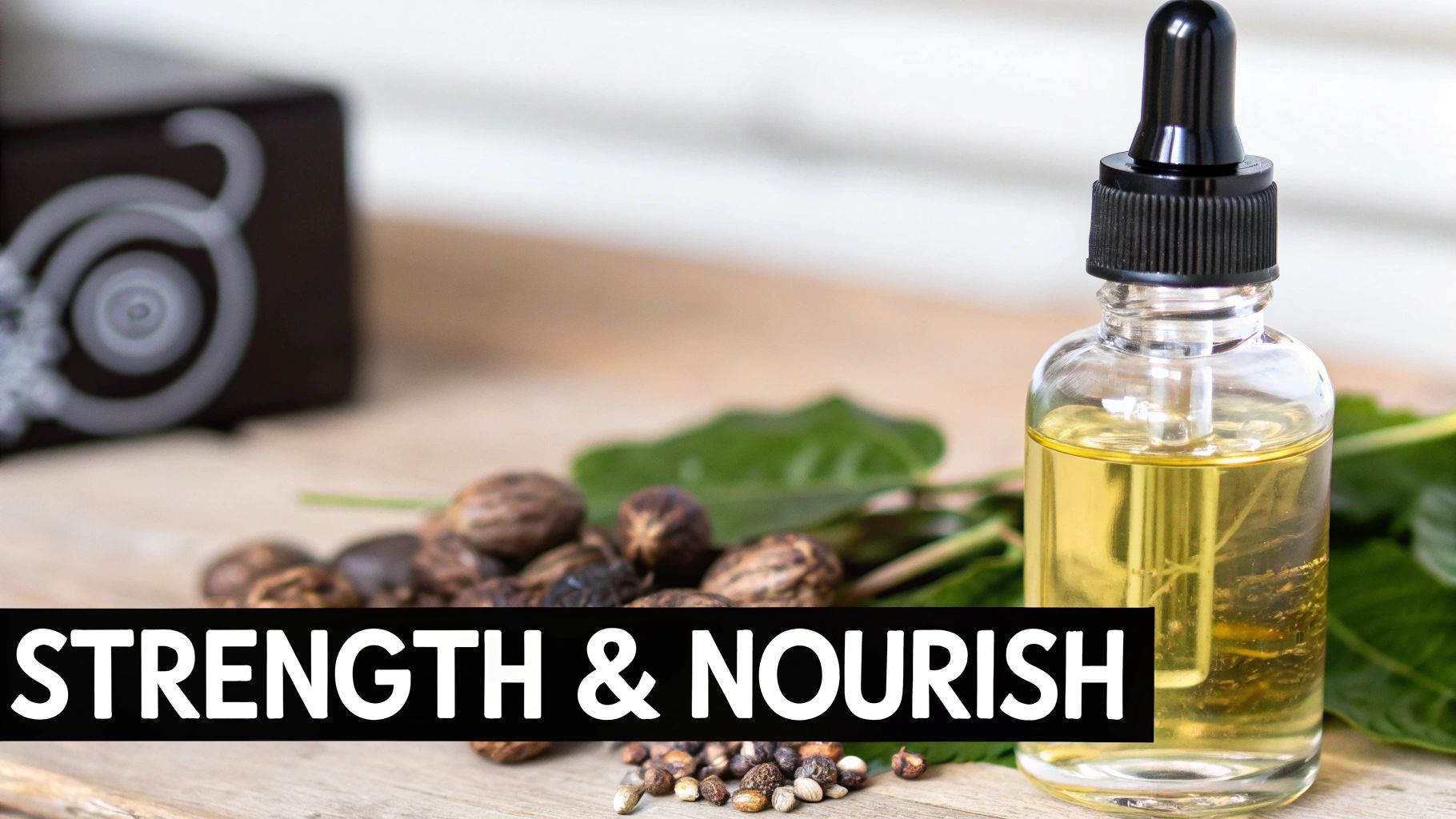
Castor oil is a well-known natural remedy for promoting hair growth, especially for men dealing with hair loss or thinning. The key to its effectiveness lies in its high concentration of ricinoleic acid, a unique fatty acid. This acid penetrates the hair shaft and follicles, nourishing and strengthening hair from within. It also boosts scalp circulation, ensuring the delivery of essential nutrients for healthy hair growth. Additionally, castor oil’s antimicrobial properties combat fungal and bacterial issues that can impede hair growth.
Understanding Ricinoleic Acid
Ricinoleic acid makes up roughly 90% of castor oil. This unusual fatty acid is thought to stimulate the EP3 prostanoid receptor in the scalp, which is linked to hair growth. By activating this receptor, castor oil may encourage the shift from the resting phase of hair growth (telogen) to the growth phase (anagen). This could potentially minimize hair loss and stimulate new hair growth.
Types of Castor Oil
There are two primary types of castor oil available: clear/cold-pressed and Jamaican Black Castor Oil (JBCO). Both contain ricinoleic acid, but JBCO is traditionally made by roasting and ashing castor beans. This process is believed to enhance its potency and alkalinity, making it particularly beneficial for scalp health.
Pros of Castor Oil for Hair Growth
-
Moisturization: Castor oil is a humectant, meaning it attracts and retains moisture in the scalp and hair shaft, preventing dryness and breakage.
-
Reduced Scalp Inflammation: Its anti-inflammatory properties soothe an irritated scalp, reducing inflammation that can contribute to hair loss.
-
Strengthened Hair: By penetrating the hair shaft, castor oil strengthens the hair, potentially minimizing breakage and promoting thicker, healthier-looking hair.
-
Eyebrow and Eyelash Growth: Castor oil's growth-promoting benefits also extend to eyebrows and eyelashes.
-
Affordability and Availability: Castor oil is readily available and relatively inexpensive compared to other hair growth treatments.
Cons to Consider
-
Thick and Sticky Consistency: Castor oil has a thick, sticky consistency, which can make it difficult to apply and wash out.
-
Potential for Folliculitis: For some, castor oil can clog pores and lead to folliculitis, an inflammation of the hair follicles.
-
Unpleasant Smell: Some find the scent of castor oil, particularly JBCO, unpleasant.
Tips for Using Castor Oil
-
Warm It Up: Warm the castor oil slightly before application to improve absorption and spreadability.
-
Scalp Massage: Apply to the scalp using a dropper or fingertips, and massage gently for 5-10 minutes to stimulate blood flow.
-
Less is More: Use 1-3 times per week, not daily, to avoid buildup and potential pore-clogging.
-
Dilute It: Mix castor oil with lighter oils like grapeseed or almond oil to reduce stickiness and make application easier.
-
Deep Treatment: Apply to the scalp, cover with a shower cap, and leave overnight for a deep conditioning treatment.
-
Clarifying Shampoo: Use a clarifying shampoo to completely remove any remaining oil and prevent buildup.
History and Growing Popularity
Castor oil has a long history of use in Caribbean and African hair care routines, passed down through generations. Its efficacy has been further supported by scientific studies, such as one published in the Journal of Cosmetic Science, which highlighted its effectiveness in coating the hair shaft to prevent damage. Brands like Tropic Isle Living (a popular JBCO brand) and Carol’s Daughter have helped popularize its use, alongside natural hair movement influencers like Whitney White (Naptural85).
While castor oil is not a miracle cure for hair loss, it offers a natural, affordable, and potentially effective approach to promoting healthier hair growth. By understanding its properties and following the recommended application tips, men can utilize its benefits to support a fuller, more vibrant head of hair.
Onion Juice For Hair Growth
Onion juice might not be the first thing you consider for hair growth, but it's gaining recognition as a potential remedy for hair loss. This common kitchen ingredient is rich in sulfur, a key component of keratin, the protein forming the structure of our hair. This makes it a popular natural remedy, especially for men experiencing thinning hair.
How Does Onion Juice Work?
Onion juice promotes hair growth in several ways. The high sulfur content stimulates collagen production, essential for strong hair follicles. It also contains quercetin, a potent antioxidant with anti-inflammatory properties that can soothe the scalp and improve follicle health. Additionally, onion juice has antibacterial and antifungal properties, combating scalp infections that can contribute to hair loss. It also promotes the production of catalase, an enzyme preventing premature graying.
Is Onion Juice Scientifically Proven?
Onion juice isn't just a folk remedy; research supports its effectiveness. A 2002 study in the Journal of Dermatology found 74% of participants with alopecia areata (patchy hair loss) experienced significant regrowth after six weeks of onion juice application. A 2018 study in the International Journal of Trichology further confirmed its benefits for female pattern hair loss, suggesting broader applicability for various hair loss types, potentially including male pattern baldness.
Pros and Cons of Using Onion Juice
Pros:
- Affordable and Accessible: Onions are a common household item, making this remedy cost-effective.
- Research-Backed: Studies confirm its effectiveness for certain hair loss conditions.
- Multi-pronged Approach: Addresses various hair loss causes, from poor circulation to infections.
- Improved Scalp Health: Can help manage dandruff and other scalp issues.
Cons:
- Pungent Odor: The strong, lingering smell is a major drawback.
- Eye Irritation: Avoid contact with eyes.
- Preparation Time: Requires fresh onion juicing, which can be time-consuming.
- Skin Sensitivity: May irritate sensitive skin.
How to Use Onion Juice for Hair Growth
- Juice Extraction: Blend or grate a medium onion and strain the juice through cheesecloth or a fine-mesh strainer.
- Application: Apply the juice directly to the scalp, focusing on thinning areas. Massage gently for better absorption.
- Wait Time: Leave on for 15-30 minutes.
- Rinse: Wash thoroughly with a mild shampoo.
- Frequency: Apply 2-3 times per week for optimal results.
Tips for Managing the Smell
- Essential Oils: Add a few drops of lavender or rosemary essential oil to mask the onion scent.
- Apple Cider Vinegar Rinse: A diluted apple cider vinegar rinse (1 tablespoon ACV per cup of water) after shampooing can neutralize the odor.
Onion Juice: From Tradition to Modern Practice
The use of onion juice for hair growth spans generations, from traditional remedies to modern health practices. This blend of historical use and scientific validation highlights onion juice as a potential natural solution for men seeking thicker hair.
Aloe Vera For Hair Growth
Aloe vera, a succulent plant known for soothing skin, also benefits men's hair care, especially for those experiencing hair loss. Its rich composition offers numerous advantages for scalp health and hair growth.
Aloe vera leaves contain proteolytic enzymes. These enzymes break down dead skin cells on the scalp, promoting healthy hair growth. A clean, healthy scalp is vital for optimal follicle function. Aloe vera also moisturizes the scalp, balances pH levels, and delivers essential vitamins and minerals directly to the hair follicles. Its anti-inflammatory properties are especially helpful for men experiencing thinning hair due to scalp irritation, which can disrupt the hair growth cycle.
Key Features and Benefits of Aloe Vera
- Nutrient-Rich: Contains vitamins A, C, E, B12, and folic acid, vital for healthy hair follicles.
- Scalp Cleansing: Natural enzymes cleanse and rebalance the scalp's pH, creating an ideal environment for hair growth.
- Anti-inflammatory and Antimicrobial: Soothes irritation and combats microbial imbalances that can contribute to hair loss.
- Deep Hydration: Its high water content (99%) provides deep hydration, preventing dryness.
- Amino Acid Powerhouse: Contains seven of the eight essential amino acids needed for protein synthesis, the building block of hair.
Pros of Using Aloe Vera
- Gentle and Versatile: Suitable for all hair types, even sensitive scalps.
- Sebum Control: Balances sebum production, preventing oily and dry scalp.
- Easy Absorption: Absorbs quickly without a greasy residue.
- Soothes Scalp Conditions: Helps alleviate conditions like seborrheic dermatitis, a potential cause of hair loss.
Cons of Using Aloe Vera
- Short Shelf Life: Fresh aloe vera gel doesn't last long without preservatives.
- Potential Additives: Commercial products may contain unwanted ingredients.
- Subtle Results: Results may appear gradually.
- Messy Application: Using fresh gel can be messy.
A History of Aloe Vera in Hair Care
Aloe vera's use in hair care spans centuries. Egyptian royalty like Cleopatra and Nefertiti reportedly used it. It's also a traditional ingredient in Mexican hair care. A 2010 study showed a significant reduction in scalp inflammation with regular aloe vera use, supporting its traditional applications.
Practical Tips for Using Aloe Vera
- Fresh Application: Slice an aloe vera leaf, scoop out the gel, apply to the scalp, and massage for 10 minutes. Leave overnight or rinse after 30-60 minutes.
- Boosting Benefits: Mix with coconut or olive oil for extra moisture.
- Storage: Refrigerate fresh gel in an airtight container for up to one week.
- Aromatherapy: Combine with essential oils like rosemary or lavender, known for promoting hair growth.
Aloe Vera's Growing Popularity
Companies like Forever Living Products, a global aloe vera company, have helped popularize aloe vera. Ayurvedic practitioners have long advocated its use, and natural hair influencers like Curly Proverbz have broadened its appeal.
Aloe vera is a natural, gentle, and effective way to improve scalp health and promote hair growth. Its benefits, from cleansing and balancing to providing nutrients and reducing inflammation, make it a valuable option for men seeking natural hair loss solutions.
Pumpkin Seed Oil: A Natural Path to Thicker Hair
Pumpkin seed oil is gaining recognition as a natural remedy for hair growth, especially for men experiencing hair loss. Packed with nutrients, this oil offers a holistic way to support hair health. Its effectiveness comes from its ability to combat DHT, a hormone linked to male pattern baldness, while nourishing the scalp and hair follicles. This dual action makes it a strong contender in the fight against hair loss.
How Pumpkin Seed Oil Works
The benefits of pumpkin seed oil lie in its rich composition:
- Phytosterols: These plant compounds mimic cholesterol, blocking the activity of 5-alpha reductase, the enzyme that converts testosterone to DHT. By reducing DHT, pumpkin seed oil may slow or reverse hair thinning.
- Zinc, Magnesium, and Iron: These minerals are essential for hair growth. Zinc, in particular, is crucial for protein synthesis, necessary for building new hair cells.
- Essential Fatty Acids: Omega-3, omega-6, and omega-9 fatty acids nourish the scalp and follicles, promoting healthy hair growth and shine.
- Tocopherols (Vitamin E): These antioxidants protect hair follicles from free radical damage, leading to stronger, healthier hair.
- Cucurbitin: This amino acid found in pumpkin seeds is believed to be beneficial for hair growth, though more research is needed.
Scientific Evidence and Traditional Use
The effectiveness of pumpkin seed oil is supported by research. A 2014 study in Evidence-Based Complementary and Alternative Medicine found that men with mild to moderate baldness who took 400mg of pumpkin seed oil daily saw a 40% increase in hair count over 24 weeks. Pumpkin seed oil also has a history of use in Native American medicine for hair and scalp issues, demonstrating its traditional value.
Weighing the Pros and Cons
Pros:
- Clinically proven effectiveness for male pattern baldness
- Gentle on the scalp, less likely to cause irritation
- Promotes overall hair and scalp health
- Can be taken orally or applied topically
- Non-greasy compared to other oils
Cons:
- High-quality, cold-pressed oil can be expensive
- The nutty smell may not appeal to everyone
- Best results typically require both internal and topical use
- May interact with some medications, particularly blood thinners. Consult your doctor before use.
Using Pumpkin Seed Oil Effectively
- Internal Use: Take 1000mg of pumpkin seed oil supplements daily with food.
- Topical Use: Warm 2-3 tablespoons of oil and massage into your scalp. Leave on for at least 30 minutes before washing. Apply 2-3 times per week for a minimum of 3 months for noticeable results.
- Storage: Store in a dark bottle away from heat and light.
- Enhancement: Add a few drops of rosemary or peppermint essential oil for added benefits and a more pleasant aroma.
Growing Popularity and Recognition
Pumpkin seed oil’s popularity has risen due to endorsements from figures like Dr. Josh Axe, a functional medicine expert, and brands like Leven Rose. Its roots in Traditional Eastern European folk medicine add to its credibility.
By addressing the root cause of male pattern baldness and providing essential nutrients, pumpkin seed oil offers a natural solution for thicker, healthier hair. Its versatility, combined with scientific and traditional support, solidifies its place as a valuable natural hair growth remedy.
Rice Water for Hair Growth
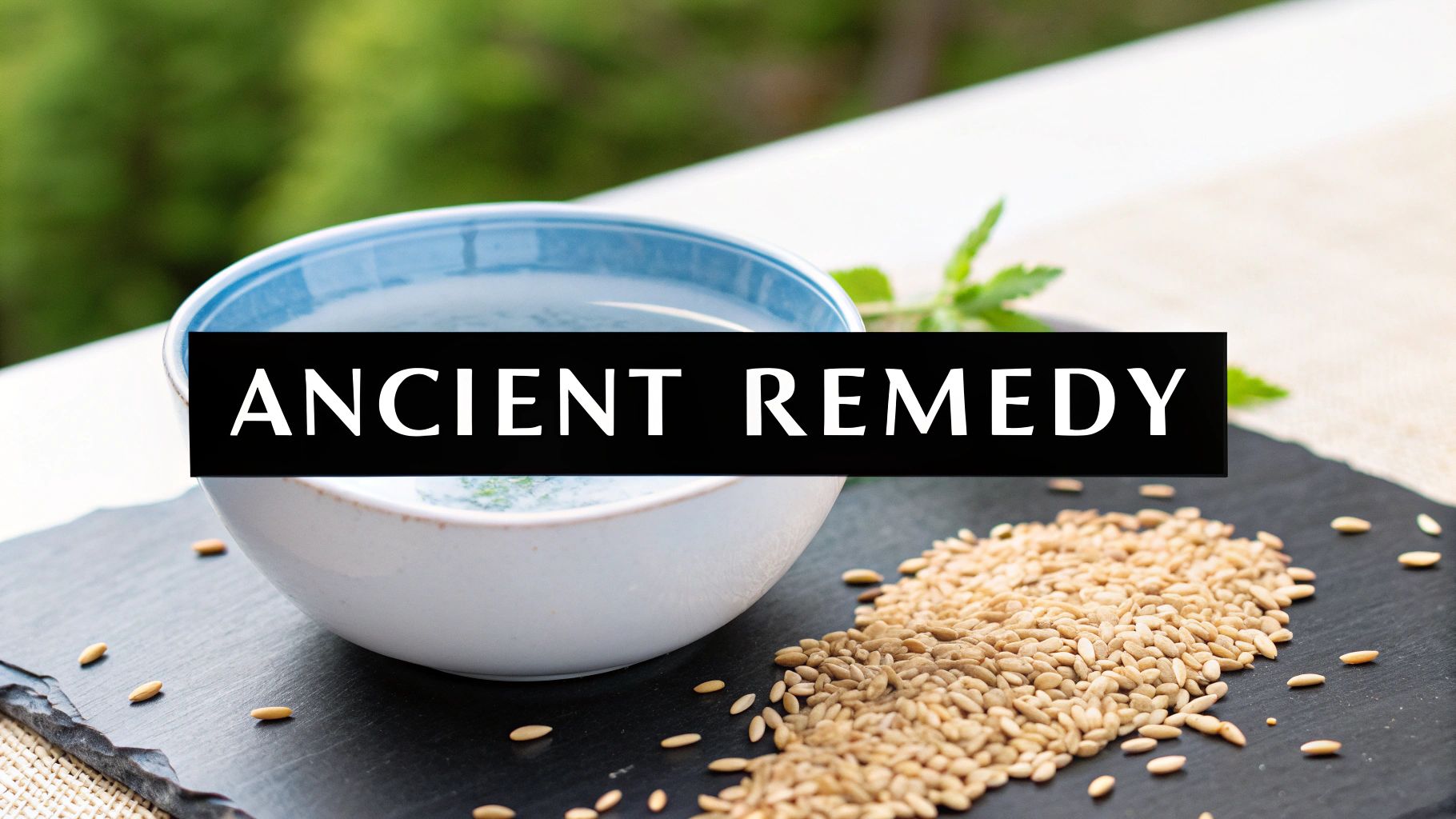
Rice water, a byproduct of cooking or soaking rice, has gained recognition as a natural hair growth remedy. Its rich nutrient profile and centuries of use in Asian hair care routines contribute to its popularity. For men experiencing hair thinning or loss, rice water offers a gentle and cost-effective approach to potentially stimulate growth and improve overall hair health.
What makes rice water so effective? It’s packed with essential nutrients. Vitamins B, C, and E nourish the scalp and hair follicles. Minerals like selenium, magnesium, and potassium play a crucial role in healthy hair growth. Inositol, a carbohydrate found in rice water, is a key ingredient. It penetrates damaged hair shafts, repairing them from the inside and potentially minimizing breakage. The starch in rice water also adds volume and shine.
The Yao women of Huangluo village in China are a testament to the potential benefits of rice water. Known for their incredibly long hair, often reaching 6 feet in length, these women credit their remarkable locks to the regular use of rice water. This centuries-old tradition highlights the long-term potential of this natural remedy. More recently, K-beauty influencers and natural hair YouTubers have brought this ancient practice to a wider audience.
Features and Benefits of Rice Water
- Inositol: Repairs damaged hair, reduces surface friction, and may promote hair growth.
- Amino Acids: Strengthen hair shafts and improve elasticity.
- Vitamins B, C, and E: Nourish the scalp and follicles for healthier hair.
- Minerals: Provide essential nutrients for strong and resilient hair.
- Natural Detangler & Softener: Makes hair easier to manage and style.
Pros and Cons of Using Rice Water
Pros:
- Inexpensive and easy to make at home.
- Gentle enough for regular use.
- May improve hair elasticity and reduce breakage.
- Adds shine and smoothness.
- Beneficial for all hair types, particularly damaged hair.
Cons:
- Can cause protein overload if used excessively.
- Fermented rice water has a strong smell that some find unpleasant.
- Fresh rice water spoils quickly (within 1-2 days).
- May stiffen hair if not diluted properly.
How to Use Rice Water for Hair Growth
- Rinse: Rinse ½ cup of uncooked rice thoroughly.
- Soak: Soak the rinsed rice in 2-3 cups of water for 30 minutes.
- Strain: Strain the rice water into a clean container.
- Ferment (Optional): Leave the rice water at room temperature for 12-24 hours for a more potent version. Be aware of the stronger smell.
- Dilute (If Necessary): Dilute the rice water with plain water if your hair feels stiff after application.
- Apply: After shampooing, pour the rice water over your hair as a final rinse, massaging it into your scalp.
- Wait: Leave on for 5-20 minutes.
- Rinse: Rinse thoroughly with cool water.
- Frequency: Use once or twice weekly, avoid daily use.
While anecdotal evidence and historical practices suggest the benefits of rice water, further scientific research is necessary to fully understand its effects and confirm its efficacy in promoting hair growth. However, its affordability, ease of preparation, and potential advantages make it a valuable addition to any man's hair care regimen, particularly for those experiencing hair loss or thinning.
Scalp Massage With Essential Oils
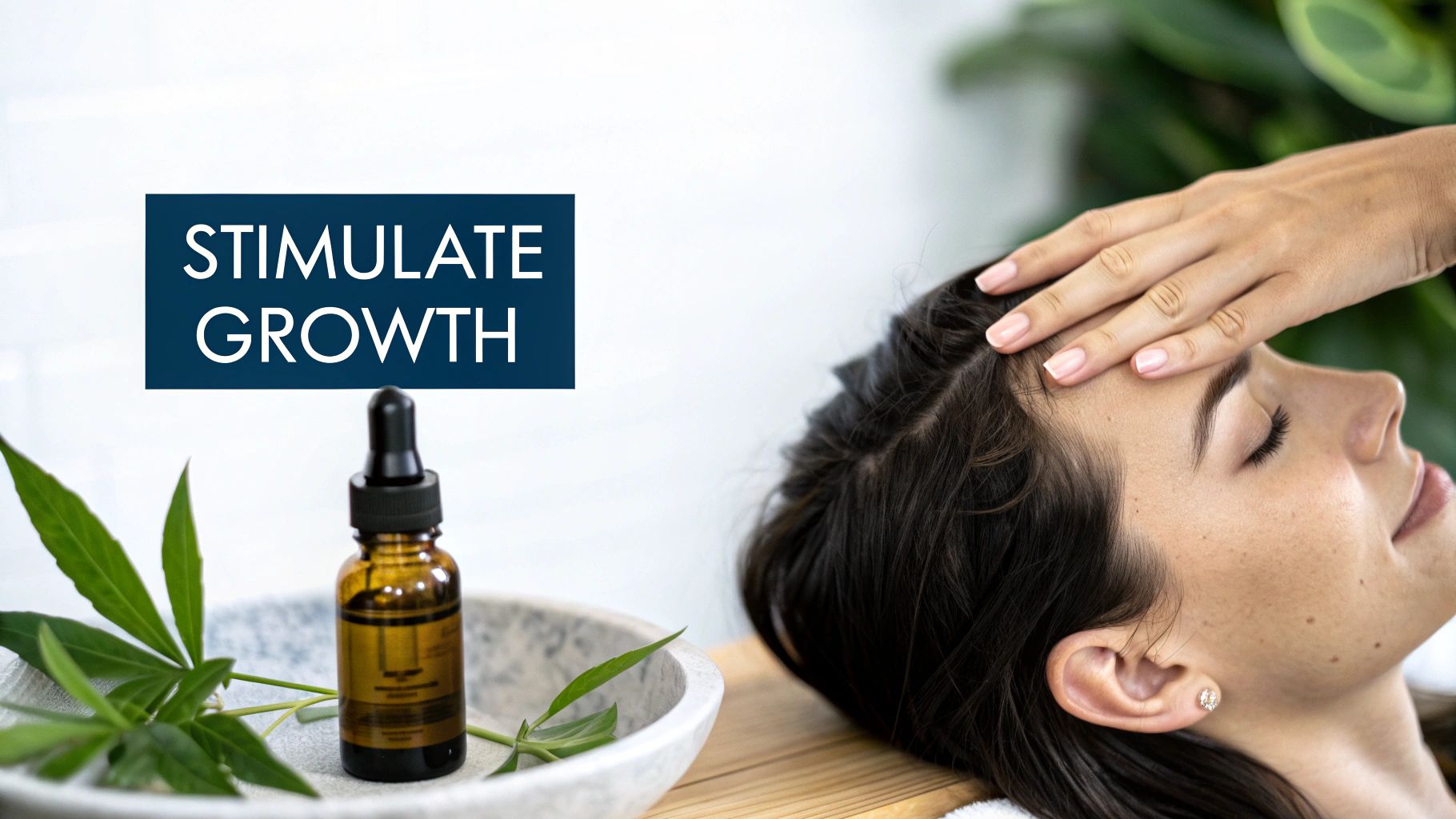
Scalp massage with essential oils is a potent natural remedy for hair growth. It addresses both the physical and chemical aspects of hair growth by combining the stimulation of massage with the therapeutic properties of essential oils. This dual-action approach improves blood circulation to hair follicles and delivers beneficial compounds directly to the roots, making it particularly effective for men experiencing hair loss.
Massage increases blood flow to the scalp, providing nutrients and oxygen to the hair follicles. These are vital for healthy hair growth. Improved circulation also helps remove waste products that can hinder follicle function. Essential oils offer additional benefits depending on the oil used, ranging from antimicrobial properties to combat scalp infections to anti-inflammatory and hormone-balancing effects.
Real-World Evidence & Growing Popularity
Research supports the efficacy of scalp massage for hair growth. A 2016 study in the ePlasty journal showed that daily 4-minute scalp massages resulted in increased hair thickness after 24 weeks. Another study in the Archives of Dermatology highlighted improved hair growth with an essential oil blend of thyme, rosemary, lavender, and cedarwood, specifically targeting hair loss.
Scalp massage with essential oils has roots in ancient traditions, notably Ayurvedic practices, which have long emphasized head massage for holistic health. More recently, the work of aromatherapist Valerie Ann Worwood and the popularity of Japanese head spa treatments have further contributed to its resurgence. Brands like Briogeo and Aveda, with their specialized scalp care products, have also brought this practice into the mainstream.
Practical Tips for Implementation
- Technique: Use your fingertips, not your nails, in circular motions with gentle to moderate pressure, ensuring coverage across the entire scalp.
- Dilution: Always dilute essential oils in a carrier oil such as jojoba, grapeseed, coconut, or argan oil. A safe ratio is 3-5 drops of essential oil per tablespoon of carrier oil.
- Oil Selection: Rosemary, peppermint, lavender, thyme, and cedarwood essential oils are known for their hair growth benefits. Experiment to find your ideal blend.
- Frequency: Aim for 5-10 minutes of massage at least 3 times a week.
- Enhancement: A scalp massage tool or shampoo brush can enhance the massage’s effects.
- Overnight Treatment: Perform the massage before bed and leave the oils on overnight for increased absorption (protect your pillowcase).
Pros & Cons
Pros:
- Requires no special equipment
- Offers therapeutic and aromatherapeutic benefits
- Easily integrates into a hair care routine
- Improves overall scalp health
- Can enhance the effectiveness of other hair treatments
Cons:
- Requires a consistent time commitment
- Essential oils can be costly
- Potential for sensitivity or allergic reactions (always do a patch test)
- Proper dilution is crucial to avoid irritation
- Noticeable results typically take 3+ months
Scalp massage with essential oils provides a natural and accessible approach to potentially stimulate hair growth and improve scalp health. By following these guidelines and maintaining consistency, men can utilize this remedy to achieve healthier, fuller hair.
Fenugreek Seed Treatment For Hair
Fenugreek, a spice commonly found in various cuisines, boasts a potent secret: its ability to stimulate hair growth and enhance overall hair health. This age-old remedy, rooted in tradition and supported by scientific findings, earns its spot as a budget-friendly and natural solution for men dealing with hair loss or thinning. Fenugreek seeds are brimming with proteins, nicotinic acid, and essential vitamins and minerals that contribute to a healthy scalp and stronger, more resilient hair.
How Fenugreek Works
Fenugreek seeds are rich in compounds that address several aspects of hair health. Proteins and nicotinic acid fortify hair follicles, the foundations from which each hair strand grows. The seeds also contain hormone precursors, such as diosgenin, which may combat hormone-related hair loss, a frequent concern for men. Lecithin, a natural emollient, provides deep hydration and conditioning, leaving hair soft, shiny, and manageable. Vitamins A, K, and C nourish the scalp, while folic acid, potassium, and iron support overall hair growth and strength. This multi-pronged approach makes fenugreek a powerful tool in the fight against hair loss.
A History of Hair Care
The use of fenugreek for hair care is not a recent phenomenon. It has deep roots in traditional Ayurvedic medicine, where it has been used for centuries in India to treat hair loss and encourage growth. Its use is also common in Middle Eastern cultures, particularly for postpartum hair recovery. Even ancient Egyptian records mention the use of fenugreek in hair treatments. More recently, natural hair enthusiasts and bloggers like Curly Proverbz and Naptural85, along with Indian haircare brands like Dabur and Biotique, have helped bring the benefits of fenugreek to a wider audience.
Using Fenugreek at Home
Preparing a fenugreek hair treatment is simple, although it requires some time and effort:
-
Soaking: Soak 2-3 tablespoons of fenugreek seeds in water overnight. This softens the seeds and reduces bitterness.
-
Grinding: Grind the soaked seeds into a smooth paste. Adding yogurt can improve application and provide extra conditioning.
-
Application: Apply the paste to your scalp and hair, ensuring full coverage.
-
Waiting: Cover with a shower cap and leave on for 30-45 minutes.
-
Rinsing: Rinse thoroughly and shampoo as usual.
For convenience, you can prepare larger batches and store them in the refrigerator for up to a week. Adding lemon juice or apple cider vinegar can help neutralize the distinct, maple syrup-like aroma that some may find unpleasant. Use the treatment 1-2 times weekly for optimal results.
Weighing the Pros and Cons
Pros:
- Effectively treats dandruff and dry, itchy scalp
- Reduces hair fall and promotes new growth
- Adds natural shine and softness
- Helps maintain natural hair color and may slow premature graying
- Cost-effective
Cons:
- Strong, maple syrup-like scent
- Time-consuming preparation
- Can be messy
- May cause allergic reactions in those sensitive to legumes (always do a patch test)
- Seeds require soaking to reduce bitterness
Fenugreek: A Natural Solution
Fenugreek provides a natural, holistic approach to hair care by addressing various factors that contribute to hair loss and encouraging healthy growth. Its long history of use, combined with its affordability and accessibility, makes it a great option for men looking for a natural solution for their hair loss concerns. While the preparation can be somewhat time-consuming, the potential benefits for hair health make it a worthwhile addition to any hair care regimen. Remember to conduct a patch test before applying it fully to ensure you don't experience an allergic reaction.
8-Point Natural Hair Growth Remedy Comparison
| Remedy | Complexity 🔄 | Resources ⚡ | Outcomes 📊 | Ideal Use Cases 💡 | Advantages ⭐ |
|---|---|---|---|---|---|
| Rosemary Oil | Moderate (mix with carrier oil, patch test) | Affordable and widely available | Stimulates hair growth in 3–6 months; strengthens existing hair | Natural hair growth; sensitive skin alternative | Comparable to minoxidil; antimicrobial; pleasant herbaceous aroma |
| Castor Oil | Moderate (requires warming/mixing) | Thick oil; may need lighter oils for ease | Moisturizes scalp and reduces breakage; promotes brow/eyelash growth | Dry scalp treatments; hair strengthening | Antimicrobial; cost-effective; versatile application |
| Onion Juice | Moderate (time-consuming preparation) | Common kitchen ingredient; low cost | Increases hair thickness and regrowth; combats scalp infections | Hair loss, alopecia, and scalp infections | Sulfur-rich; multi-action benefits; proven by studies |
| Aloe Vera | Easy (direct application or fresh extraction) | Readily available fresh or commercial gel | Hydrates scalp; balances pH; reduces inflammation and irritation | Sensitive scalps; maintenance of scalp health | Gentle; nutrient-rich; soothing and versatile |
| Pumpkin Seed Oil | Moderate (requires regular application) | Premium cold-pressed options can be costly | Clinically proven hair count improvement; DHT blocking effect | Male pattern baldness; hormone-related hair loss | Non-greasy; antioxidant-rich; effective in blocking DHT |
| Rice Water | Easy (simple soaking and straining) | Extremely inexpensive; easily homemade | Adds shine, reduces breakage, and strengthens hair strands | Damaged hair; hair needing volume and smoothness | Budget-friendly; traditional remedy; natural detangler |
| Scalp Massage with Essential Oils | Moderate to High (requires consistent practice and proper dilution) | Essential and carrier oils needed | Increases blood flow; enhances hair thickness over time | Overall scalp health; stress-related hair loss | Dual-action (mechanical and therapeutic); customizable |
| Fenugreek Seed Treatment | Moderate (soaking and paste preparation) | Inexpensive, widely available seeds | Reduces hair fall; improves texture and shine; conditions scalp | Dandruff, dry scalp, and thinning hair | Cost-effective; nutrient-rich; natural conditioning and strengthening |
Embracing Natural Remedies for Healthier Hair
The journey to thicker, healthier hair often begins with exploring natural remedies. Nature offers a variety of options, from the invigorating effects of rosemary and castor oil to the nourishing properties of aloe vera and onion juice. Practices like scalp massages with essential oils and treatments using pumpkin seed oil, rice water, or fenugreek seeds can further enhance your hair’s vitality. Consistency is key when incorporating these natural solutions.
To get the most out of these remedies, select those that best suit your hair type and lifestyle. Before trying any new treatment, always perform a patch test to avoid adverse reactions, especially if you have sensitive skin. Monitor how your hair responds to each remedy and adjust your routine as needed. Natural remedies can be very effective, but they aren’t a quick fix. Patience and persistence are vital.
Staying Informed About Hair Growth
The field of hair growth is constantly evolving, with new research and developments emerging all the time. Stay updated on the latest trends and innovations to refine your approach over time. For persistent hair loss or any underlying scalp conditions, consulting a healthcare professional is essential. They can accurately diagnose the root cause of your hair loss and recommend tailored solutions, possibly including medical interventions.
Key Takeaways for Natural Hair Growth
- Natural remedies can effectively support hair growth. They nourish the scalp and strengthen the hair itself.
- Consistency and patience are crucial for achieving optimal results with natural treatments.
- Personalization is key. Choose remedies that are suited to your specific hair type and lifestyle.
- Patch testing is essential to avoid any potential adverse reactions, particularly for those with sensitive skin.
- Consult a healthcare professional for persistent hair loss or if you have any scalp conditions.
Exploring Advanced Hair Growth Solutions
Ready to take the next step in your hair growth journey? PRP (Platelet Rich Plasma) therapy is an advanced treatment that harnesses your body’s own healing abilities to stimulate hair growth. Learn more about this procedure and its potential benefits. Discover the science behind PRP and how it might help you achieve fuller, thicker hair.


Leave a Reply