The Science Behind Minoxidil Spray for Male Hair Loss
Minoxidil spray for men offers a scientifically-backed approach to combating hair loss. This FDA-approved treatment works by revitalizing dormant hair follicles, encouraging them to re-enter the growth phase. This helps reverse the miniaturization of hair follicles, a key characteristic of male pattern baldness. In this process, follicles shrink and produce thinner hairs, eventually ceasing production altogether. Understanding this mechanism is crucial for appreciating minoxidil's potential benefits.
How Does Minoxidil Work?
Minoxidil's discovery was quite serendipitous. Researchers initially developed it as an oral medication for high blood pressure. However, they observed an intriguing side effect: increased hair growth in patients. This led scientists to investigate minoxidil for treating hair loss, ultimately formulating it as a topical spray. Further research revealed minoxidil is a potassium channel opener, widening blood vessels and increasing blood flow. This allows more oxygen and nutrients to reach hair follicles, promoting growth.
The Role of Minoxidil in the Hair Growth Cycle
Minoxidil primarily targets the anagen phase, the active growth phase of the hair cycle. By extending this phase, minoxidil allows hairs to grow longer and thicker before entering the resting (telogen) phase. It also shortens the telogen phase, meaning new hairs grow sooner after old ones are shed. This manipulation of the hair growth cycle is fundamental to minoxidil's effectiveness.
Different concentrations of minoxidil have become available over time. The 2% solution has been available since the late 1980s, with the 5% solution introduced later, often marketed as Rogaine Extra Strength. The 5% solution has proven more effective than the 2% solution in terms of hair mass and non-vellus hair count. For example, after five months, the 5% group saw a 55% increase in total hair mass, compared to a 25% increase for the 2% group. You can find more detailed statistics here: https://www.aafp.org/pubs/afp/issues/1999/0415/p2189.html. This difference in effectiveness is important when choosing the right concentration for individual needs, considering factors like hair loss severity and individual tolerance.
5% vs 2% Minoxidil Spray for Male Users: The Real Difference

When choosing a minoxidil spray, men often face a choice: 2% or 5%. Both concentrations stimulate hair growth, but the strength difference can significantly impact results. Choosing the right concentration depends on individual factors like hair loss extent, scalp sensitivity, and desired outcomes. Let's explore the key distinctions between the two.
Effectiveness and Speed of Results
The core difference lies in the minoxidil concentration. A 5% solution delivers a higher dose than the 2% solution, potentially leading to greater hair regrowth for some. A 48-week clinical trial with 393 men compared the two concentrations. The study showed the 5% solution resulted in 45% more hair regrowth than the 2% solution. The 5% group also saw results earlier.
Individual responses vary, and a higher concentration isn't a guarantee of faster or more substantial regrowth for everyone.
Potential Side Effects
Greater effectiveness can mean a potential rise in side effects. The higher minoxidil concentration in the 5% solution might increase scalp irritation, such as dryness, itching, and redness. Some might experience unwanted hair growth elsewhere (hypertrichosis). Men with sensitive skin might consider starting with the 2% solution and monitoring for side effects before trying a higher concentration.
Choosing the Right Concentration For You
So, which concentration is right for you? The 2% minoxidil spray is a good starting point for men in the early stages of hair loss or those with sensitive scalps. It balances efficacy and the risk of side effects. For men with advanced hair loss or those who haven't responded well to the 2% solution, the 5% option might be more effective. Consulting a dermatologist is always recommended to discuss your individual hair loss situation.
To help you visualize the key differences, here's a comparison table:
5% vs 2% Minoxidil Comparison for Men
This table compares the key differences between 5% and 2% minoxidil solutions for male pattern baldness treatment.
| Feature | 5% Minoxidil | 2% Minoxidil |
|---|---|---|
| Minoxidil Concentration | 5% | 2% |
| Effectiveness | Higher potential for regrowth | Lower potential for regrowth |
| Speed of Results | Typically faster | Typically slower |
| Side Effects | Higher risk of scalp irritation and hypertrichosis | Lower risk of side effects |
| Recommended For | Advanced hair loss, those who haven't seen results with 2% | Early stages of hair loss, sensitive scalps |
This table highlights the trade-offs between effectiveness and potential side effects. While 5% minoxidil may yield faster, more significant results, it carries a greater risk of side effects. 2% minoxidil offers a milder approach, suitable for those with sensitive skin or in the initial stages of hair loss.
This information is for informational purposes only and does not constitute medical advice. Always seek the advice of a qualified healthcare professional for any questions you may have regarding a medical condition.
Real Results: What Minoxidil Spray for Male Users Actually Delivers
Beyond the marketing, what can men actually expect from minoxidil spray for hair loss? This section explores the real-world results, offering a clearer understanding of the potential outcomes. It's important to remember that individual responses to minoxidil can differ significantly.
The Initial Shedding Phase: A Counterintuitive Sign of Progress
Many men experience increased shedding when they first start using minoxidil spray. This can be concerning, seeming as if the treatment is exacerbating hair loss. However, this initial shedding is often a positive indicator. It suggests that minoxidil is working to reactivate dormant hair follicles. Think of it as making way for new growth by shedding older, weaker hairs. This phase is typically temporary, lasting a few weeks to a couple of months.
Factors Influencing Results: Age, Hair Loss Pattern, and Genetics
Several factors contribute to how effective minoxidil is for each individual. Age can impact hair follicle responsiveness, with younger men potentially experiencing better results. The pattern of hair loss also plays a role. Minoxidil tends to be more effective for hair loss at the crown than a receding hairline. Finally, genetics have a significant influence. Just as genetics contribute to hair loss, they also affect how each person responds to treatment.
To understand the potential timeline for results, let's take a look at the table below:
Minoxidil Effectiveness Timeline
This table shows the typical timeline of results when using minoxidil spray for male pattern baldness.
| Time Period | Expected Results | What's Happening |
|---|---|---|
| 2-8 weeks | Increased shedding | Dormant follicles are reactivated, shedding old hairs. |
| 3-6 months | Noticeable hair growth | New hair begins to grow in the treated areas. |
| 6-12 months | Continued improvement, thicker hair | Hair follicles continue to produce thicker, healthier hair. |
| 12+ months | Maintenance of results, potential further growth | Continued use is essential to maintain achieved results. |
As this timeline indicates, the journey with minoxidil is a gradual one. While shedding may occur initially, consistent use over several months is key to seeing noticeable improvements. It’s crucial to be patient and consistent with your applications.
Studies and Varied Responses to Minoxidil
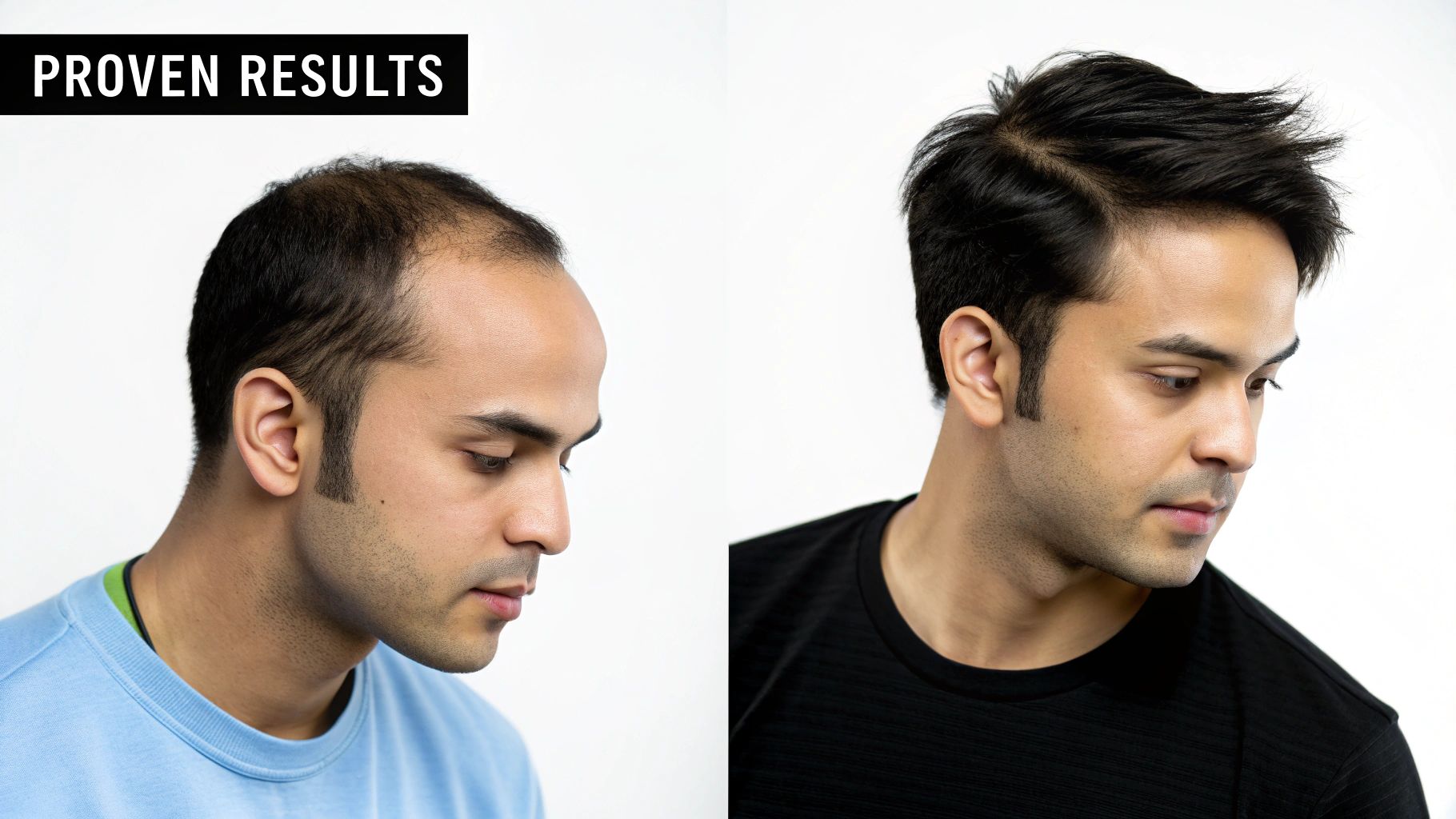
Studies underscore the varying responses to minoxidil. A one-year observational study involving 984 men using 5% minoxidil solution twice daily revealed that 62% experienced a reduction in hair loss areas. However, 35.1% saw no change, and 2.9% observed an increase in hair loss. Of those participants, 15.9% found the treatment very effective, 47.8% effective, 20.6% moderately effective, and 15.7% ineffective. Learn more about this research. This highlights the individual nature of results and the importance of realistic expectations.
Documenting Your Progress: A Visual Journey
Tracking progress is key to evaluating minoxidil's effectiveness. Regularly photographing your scalp from different angles creates a visual record of changes. This helps objectively assess improvements in hair density and coverage. Keeping a journal noting any changes in shedding, hair texture, or side effects is also helpful. This documentation can be beneficial when consulting with a dermatologist, allowing them to monitor your progress and adjust your treatment plan if needed.
Mastering Minoxidil Spray for Male Pattern Baldness Application
Using minoxidil spray effectively goes beyond simply spraying it onto your hair. Small changes in your application technique can significantly impact results. This guide provides the optimal method to ensure the minoxidil reaches your scalp for maximum benefit.
The Precision Application Method
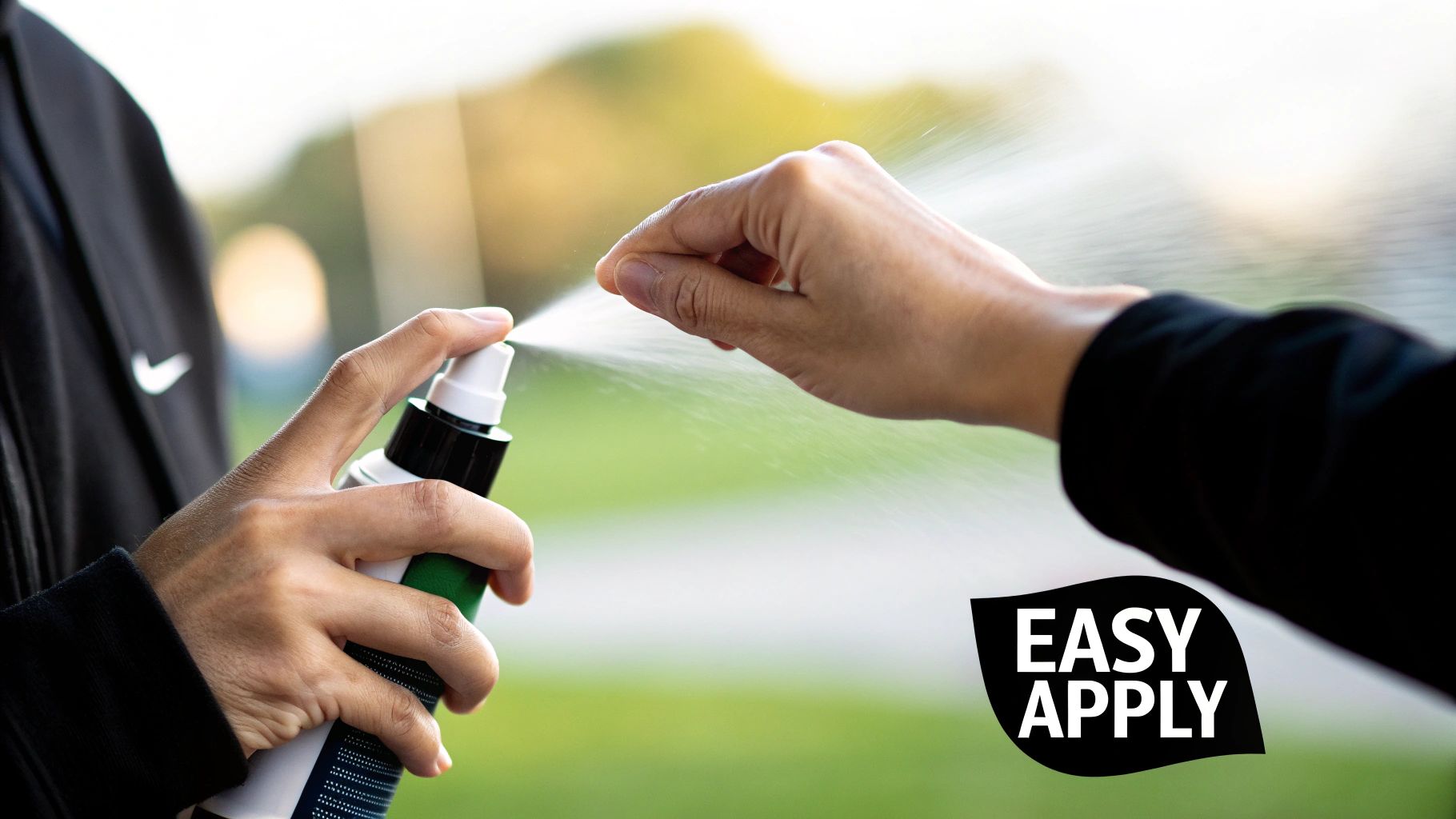
The key is to apply the minoxidil directly to your scalp, not just your hair, for optimal absorption and effectiveness. Begin by parting your hair in the thinning or hair loss areas to expose your scalp. Hold the spray applicator close, but avoid touching your scalp, and apply the prescribed dose. The typical dose for most minoxidil sprays is 1 milliliter (ml), twice a day. Use your fingertips to spread the solution evenly across the affected areas, ensuring comprehensive coverage.
Timing and Incorporation Into Your Routine
Consistency is essential for minoxidil spray treatment. Apply it at the same times each day, ideally once in the morning and once in the evening. Integrating this into your established routine, such as after your morning shower and before bed, promotes consistent application. Ensure your scalp is completely dry before application to maximize absorption.
Optimizing Absorption Based on Hair Type and Density
Adjust your application based on your hair type and density. Thicker hair may require parting in multiple sections for thorough coverage. With finer hair, avoid over-application to prevent product buildup. Experiment to find what works best for you. A dropper applicator can provide more precise application for thicker hair, while the spray is generally suitable for thinner hair.
Troubleshooting Common Mistakes
Several common errors can hinder minoxidil's effectiveness. Over-applying does not accelerate hair growth and may increase side effects. Applying to wet hair dilutes the solution and reduces absorption. Not parting your hair prevents the solution from reaching the scalp, coating only the hair shafts. Avoid these mistakes to optimize your treatment. Patience and consistency are key, but the potential results are well worth the effort. Always wash your hands thoroughly after each application to avoid unintentional transfer to other areas.
Navigating Side Effects of Minoxidil Spray for Male Users
While minoxidil spray can be an effective treatment for male pattern baldness, understanding the potential side effects is crucial. This section explores the range of possible reactions, helping you differentiate between typical adjustments and more serious concerns. We'll also discuss strategies for minimizing discomfort while maximizing the effectiveness of your minoxidil treatment.
Common Side Effects: Irritation and Adjustments
Many men initially experience some scalp irritation. This can include itching, dryness, and redness. This is often due to the alcohol content present in many minoxidil solutions. For example, propylene glycol, used to enhance absorption, can sometimes cause contact dermatitis. This reaction is usually temporary and subsides as your scalp adjusts. However, persistent or severe irritation should be addressed.
Less Common Side Effects: Beyond the Scalp
While less frequent, some men report side effects beyond simple scalp irritation. These can include unwanted hair growth on other parts of the body (hypertrichosis), changes in hair texture or color, dizziness, or even chest pain. While rare, it's important to be aware of these possibilities and seek medical advice if they occur.
Distinguishing Between Normal and Concerning Symptoms
Knowing the difference between expected reactions and more serious symptoms is essential. For instance, some temporary shedding during the first few weeks of treatment is often a positive sign. This indicates that the minoxidil is stimulating the hair follicles. This differs from continued and excessive hair loss, which warrants a medical evaluation. Likewise, mild itching is very different from a severe allergic reaction, characterized by swelling and hives.
Minimizing Irritation While Maintaining Effectiveness
Several strategies can help reduce potential irritation from minoxidil spray. Ensuring your scalp is completely dry before application can significantly lessen the risk. You could also consider a gentler formulation, such as a minoxidil foam, which often contains fewer irritating ingredients. Some dermatologists recommend starting with a 2% minoxidil solution, particularly for sensitive skin, and gradually increasing to 5% if tolerated.
Complementary Products and Practices
Certain products can complement your minoxidil routine and help manage any discomfort. A gentle, moisturizing shampoo and conditioner can soothe a dry, irritated scalp. Some men find that applying a light, non-comedogenic moisturizer before the minoxidil creates a protective barrier. However, always consult a dermatologist before combining minoxidil with other topical products to ensure compatibility and avoid potential negative interactions.
By understanding the potential side effects and employing these strategies, you can manage your minoxidil treatment with confidence and minimize potential discomfort. This allows you to focus on your hair regrowth goals. Remember, this information is for general knowledge and doesn't replace professional medical advice. Always consult with a healthcare provider for any concerns about hair loss or side effects you may experience.
Synergistic Approaches: Combining Minoxidil With Other Treatments
While minoxidil spray can be highly effective for male hair loss on its own, some men achieve even better results by combining it with other treatments. These synergistic approaches tackle hair loss from different angles, potentially leading to improved outcomes. Let's explore some promising combinations.
Minoxidil and Finasteride: A Two-Pronged Attack
Finasteride, an oral medication, blocks the formation of dihydrotestosterone (DHT), a hormone significantly involved in male pattern baldness. Unlike minoxidil, which primarily encourages hair growth, finasteride works to prevent further loss. Combining the two creates a powerful synergy: minoxidil stimulates growth while finasteride preserves existing hair. This approach is often more effective than using either treatment alone.
Minoxidil and Ketoconazole Shampoo: Addressing Scalp Health
Ketoconazole is an antifungal medication with anti-androgenic properties. Available as a shampoo, ketoconazole can improve scalp health, creating a better environment for hair growth. When used with minoxidil, it can potentially boost the treatment's effectiveness. Some men find that using ketoconazole shampoo a few times a week alongside their daily minoxidil application minimizes scalp irritation and promotes overall hair health.
Minoxidil and Microneedling: Boosting Absorption and Stimulation
Microneedling involves using a device with tiny needles to create micro-injuries on the scalp. This stimulates collagen production and may enhance the absorption of topical treatments like minoxidil. While further research is needed, some studies suggest that combining microneedling with minoxidil may improve hair growth compared to using minoxidil alone. Consult a dermatologist about proper microneedling techniques and frequency to avoid complications.
Minoxidil and Nutritional Interventions: Supporting Hair Health From Within
Certain nutritional deficiencies can contribute to hair loss. Ensuring adequate intake of essential vitamins and minerals like biotin, zinc, and iron supports overall hair health. A balanced diet with fruits, vegetables, and lean protein complements minoxidil treatment, providing the building blocks for healthy hair growth. While supplements can address specific deficiencies, it's always best to obtain nutrients from whole foods.
Timing and Sequencing for Optimal Results
The timing and order of treatments can influence their effectiveness. For example, apply minoxidil to a dry scalp and let it absorb fully before using ketoconazole shampoo. If using microneedling, wait a few hours after the procedure before applying minoxidil. A dermatologist or hair restoration specialist can help you develop a personalized treatment plan that optimizes the timing and sequence of different interventions.
Monitoring Progress and Adjustments Over Time
Consistent monitoring is essential for any hair loss treatment. Documenting your progress with photographs and tracking changes in hair density or shedding helps assess the effectiveness of your combined treatment. Regular consultations with your dermatologist are crucial for reviewing progress, addressing concerns, and making adjustments to your regimen. Individual responses vary, so a personalized approach, guided by a healthcare professional, is vital for optimizing results and minimizing potential side effects.
Ready to take a proactive step towards restoring your hair and confidence? Discover the power of PRP therapy. Learn more about how this treatment can revitalize your hair follicles and stimulate natural growth at PRP For HairLoss.


Leave a Reply