Preventing hair loss isn't about finding a single magic bullet. It's about building a consistent, multi-layered strategy that addresses the problem from every angle. Think of it as a combination of smart nutrition, key lifestyle adjustments, and proven treatments designed to protect your hair's natural growth cycle from genetic and environmental threats.
Why Hair Loss Happens and How to Start Fighting It
Seeing more hair in the shower drain or on your pillow can be alarming, but it’s an experience far more common than people let on. The absolute first step in doing something about it is figuring out why it’s happening. After all, you can't effectively treat a problem until you understand its source.
For most of us, thinning hair isn't a sign that something is terribly wrong. It's often just a predictable result of our genes, hormonal shifts, or even lifestyle habits that are unknowingly disrupting our hair's natural rhythm.
Understanding the Hair Growth Cycle
It helps to remember that your hair is constantly in motion. Each strand cycles through three distinct phases:
- Anagen (Growth Phase): This is the main event, where your follicles are actively producing hair. It's a long phase, typically lasting 2 to 7 years.
- Catagen (Transition Phase): A brief pit stop, lasting only a couple of weeks, where the hair follicle shrinks and prepares to rest.
- Telogen (Resting Phase): The follicle takes a break for about 3 months. At the end of this phase, the old hair is shed to make room for a new one to begin its anagen journey.
Noticeable hair loss usually happens when this cycle gets thrown off balance. This could mean the growth phase gets cut short, or a large number of hairs are suddenly pushed into the shedding phase all at once.
The Real Reasons Your Hair Is Thinning
While it’s tempting to point to one single cause, hair loss is rarely that simple. The biggest player by far is Androgenetic Alopecia (AGA), which you probably know as male or female pattern baldness. This is a genetic condition where your hair follicles are sensitive to a hormone called dihydrotestosterone (DHT). Over time, DHT shrinks the follicles, and the hair that grows back becomes finer and shorter until it eventually stops growing altogether.
The numbers are pretty staggering: about 85% of men and 33% of women will experience hair loss at some point. AGA is responsible for up to 95% of those cases. And with genetics being a huge factor—more than 70% of people with hair loss have a family history of it—it’s clear that a one-size-fits-all approach just won't cut it. You can learn more about the prevalence of hair loss and its genetic roots.
My Two Cents: Just because hair loss runs in your family doesn't mean you're destined for it. It just means you have a head start. Knowing your genetic predisposition gives you the power to intervene early with strategies that can slow, stop, or even partially reverse the process.
Beyond your DNA, a few other common culprits can speed up hair shedding:
- Stress: A major life event or chronic stress can trigger telogen effluvium, a condition where a shocking amount of hair enters the shedding phase simultaneously.
- Nutritional Gaps: If you're not getting enough key nutrients like iron, zinc, and B vitamins, you're essentially starving your hair follicles of the fuel they need to grow.
- Hormonal Shifts: Big changes from pregnancy, menopause, or thyroid problems can wreak havoc on your hair density.
Once you start connecting the dots and identifying the likely drivers behind your own hair thinning, you can stop worrying and start taking meaningful action. Here’s a quick overview of the core strategies we'll be diving into.
The Pillars of Hair Loss Prevention
This table gives you a quick look at the core strategies that form an effective hair loss prevention plan. It's a great reference for the key takeaways you'll find throughout this guide.
| Pillar | Primary Focus | Key Actions |
|---|---|---|
| Nutrition | Fueling follicles from within | Prioritizing protein, iron, zinc, and essential vitamins. |
| Lifestyle | Creating a healthy growth environment | Managing stress, improving sleep, and gentle hair care. |
| Topical Solutions | Direct scalp and follicle support | Using proven ingredients like Minoxidil and scalp-health shampoos. |
| Professional Help | Advanced, targeted interventions | Consulting a specialist for treatments like PRP or prescriptions. |
By focusing on these four areas, you can build a comprehensive and proactive defense against hair loss.
Building a Hair-Healthy Diet From the Inside Out

When it comes to preventing hair loss, what you put on your plate is one of the most powerful tools you have. I always tell my clients to think of their hair follicles as tiny factories. If you don't supply them with the right raw materials, production is going to slow down or even stop altogether. This isn’t about a crash diet; it’s about building a long-term nutritional strategy.
Your hair is made almost entirely of a protein called keratin. So, it just makes sense that a diet low in high-quality protein will directly undermine your hair's strength and growth. Your body is incredibly smart—if it's forced to choose between keeping your vital organs running and building strong hair, your hair will lose that battle every single time.
This means making protein a priority is non-negotiable if you're serious about preventing hair loss. By regularly including lean meats, fish, eggs, and legumes in your meals, you give your body a steady stream of amino acids, which are the fundamental building blocks of keratin.
Key Nutrients Your Hair Follicles Crave
Beyond protein, a handful of specific vitamins and minerals play a starring role in the hair growth cycle. In my experience, deficiencies in these key nutrients are a common—and often overlooked—reason for thinning hair.
Try to consciously work these power players into your daily meals:
- Iron: This mineral is absolutely critical for producing hemoglobin, the part of your red blood cells that carries oxygen. That oxygen is needed for cell growth and repair, including the cells that stimulate your hair follicles. It's no surprise that low iron levels, or anemia, are a well-known trigger for hair loss.
- Zinc: Your body needs zinc for hair tissue growth and repair. It also helps keep the oil glands around the follicles working as they should. A zinc deficiency can lead not just to shedding, but also to a dry, flaky scalp.
- Biotin (Vitamin B7): While a true biotin deficiency is rare, it’s a crucial ingredient for producing keratin. Making sure you get enough helps support your hair's underlying structure.
You can find these nutrients in everyday foods like spinach (iron), oysters and pumpkin seeds (zinc), and eggs and nuts (biotin). Building your meals around these ingredients is a simple, practical step toward fortifying your hair from the inside.
The Problem With Sugar and Processed Foods
What you choose to limit is just as important as what you add to your diet. Eating a lot of sugar and highly processed foods can create an inflammatory environment inside your body, which is terrible news for your hair follicles.
A high sugar intake can contribute to insulin resistance, which has been linked to an increased risk of androgenetic alopecia. It essentially puts your whole system under stress, forcing it to divert resources away from "non-essential" functions like growing a full head of hair.
The connection is clearer than ever. Recent research has drawn a direct line between lifestyle choices, like drinking a lot of sugary beverages, and the severity of male pattern baldness. In India, for instance, where 63.2% of men aged 21 to 61 face hair loss, making early dietary changes is one of the most accessible and effective prevention strategies available.
This really highlights the importance of being conscious about your food choices as a frontline defense. It's not just about looking good; it's about creating a biological environment where your hair can actually thrive.
Actionable Meal Ideas for Stronger Hair
Knowing which nutrients you need is one thing, but consistently eating them is the real challenge. The trick is to keep it simple and sustainable. You don’t need to become a gourmet chef to feed your hair what it needs.
Here are a few real-world examples to get you started:
- Power-Packed Breakfast: Kick off your day with scrambled eggs (protein and biotin) and a side of wilted spinach (iron).
- Strategic Lunch: A big salad topped with grilled chicken (protein) and a sprinkle of pumpkin seeds (zinc) is a perfect midday meal.
- Smart Snacking: Instead of grabbing a bag of chips, reach for a handful of almonds or walnuts (biotin, zinc, and healthy fats).
To truly support a hair-healthy diet, weaving nutritious meals into your weekly routine is a must. You can find more inspiration with these quick healthy meal ideas for family dinners. The goal is to make these choices second nature, building a strong nutritional foundation that supports not just your hair, but your overall well-being.
Everyday Habits That Make or Break Your Hair
While a good diet provides the building blocks for healthy hair, your daily routines are what truly determine whether your hair thrives or just… survives. I've seen it time and again: preventing hair loss is as much about managing the world around you as it is about what you eat.
It's easy to dismiss the link between stress and hair, but it's one of the most powerful factors I see in my practice. When you’re constantly stressed, your body pumps out cortisol. This hormone can shock your hair follicles, pushing a startling number of them into the shedding phase all at once.
This is a condition called telogen effluvium. It’s the classic "I'm suddenly losing handfuls of hair" scenario after a really rough patch in life. The good news? It's often temporary. The key is getting a handle on your stress to break the cycle.
Get a Grip on Stress for Better Growth
Learning how to manage your mind is often the first real step in learning how to stop hair loss. When you integrate stress-reduction techniques into your daily life, you're sending a powerful signal to your body that it's safe to focus on things like growing strong hair again.
Here are a few strategies that have genuinely helped my clients:
- Practice Mindfulness: You don't have to become a zen master. Just 10-15 minutes of meditation or focused breathing a day can significantly lower cortisol and calm your nervous system.
- Get Moving: Exercise is a fantastic stress-buster. It also boosts circulation, which means more oxygen and vital nutrients get delivered right to your scalp.
- Don't Skimp on Sleep: Aim for 7 to 9 hours of quality sleep. This is when your body does its most important repair work, and that absolutely includes your hair follicles.
A Quick Tip from Experience: Don't treat stress management like another chore on your to-do list. Find what you actually enjoy. For one person, it’s a morning jog. For another, it’s 20 minutes of quiet time with a book before bed. Consistency is what matters, not perfection.
A great place to start is with your sleep hygiene. Make your bedroom a sanctuary—dark, cool, and quiet. Ditch the phone and other screens for at least an hour before you turn in. These small tweaks can make a massive difference in your body's ability to recover and support healthy hair.
Handle Your Hair With Care
How you physically treat your hair every single day is a huge piece of the puzzle. It can either prevent breakage or cause it. Aggressive brushing, tight hairstyles, and harsh products weaken the hair shaft, making it snap long before its natural lifecycle is over.
The name of the game is gentleness. Your hair is incredibly fragile, especially when wet. Vigorously rubbing it with a towel or yanking a brush through tangles causes real, physical damage that builds up over time and contributes to thinning.
Even if your follicles are growing healthy strands, it won't matter if you're just breaking them off through mistreatment.
Sidestep Chemical and Heat Damage
Think about what high heat from flat irons and blow dryers actually does: it cooks the delicate proteins that make up your hair, leaving it brittle. In the same way, chemical treatments like bleach, perms, and relaxers can strip away your hair’s natural protective layer, leaving it vulnerable.
Here’s how to build a smarter, gentler routine:
- Be a Label Reader: Ditch shampoos with harsh sulfates (like Sodium Lauryl Sulfate) that strip your scalp of its natural, protective oils. Look for formulas that focus on scalp health.
- Lower the Temperature: Let your hair air-dry whenever you can. If you have to use heat, always use a heat protectant spray first and stick to the lowest setting that gets the job done.
- Treat Wet Hair Like Silk: Use a wide-toothed comb or your fingers to detangle wet hair. Start at the ends and work your way up to the roots to prevent snapping and pulling.
- Loosen Up: Constant tension from tight ponytails, buns, and braids can lead to a specific type of hair loss called traction alopecia. If not addressed, this can become permanent. Give your hair a break with looser styles.
By consciously adopting these habits, you dramatically reduce the daily physical stress on your hair. This gives the hair you're working so hard to grow a much better chance of sticking around.
Choosing Topical Treatments That Actually Work
Walking down the hair care aisle can be dizzying. Every bottle seems to promise a miracle cure for thinning hair, but from my experience, real results are rooted in science, not just clever marketing. The secret is learning to spot the ingredients that have been proven to work. It’s the only way to spend your money wisely and give your hair a real fighting chance.
When you're using a topical solution to prevent hair loss, the two most important factors are consistency and proven ingredients. This isn't about an overnight fix. It’s about committing to a daily routine that supports your hair follicles right at the source—your scalp.
The Gold Standard: Minoxidil
If you want a non-prescription treatment backed by decades of solid clinical research, Minoxidil is where you should start. It was originally a blood pressure medication, but researchers stumbled upon a fascinating side effect: it spurred hair growth. Today, it stands as one of the most effective and widely used topical treatments for genetic hair loss.
So, how does it work? Minoxidil helps by extending the hair's anagen (growth) phase and boosting blood flow to the follicles. This allows more hairs to stay in the growth stage for a longer period, gradually leading to better hair count and thickness over time. It’s a frontline defense for good reason.
The molecule you see here is the powerhouse behind Minoxidil's ability to dilate blood vessels, which helps nourish and awaken dormant hair follicles. It's a perfect example of how a well-understood chemical compound can be used to achieve a very specific goal for hair health.
A Quick Heads-Up: Many people experience a temporary increase in shedding around weeks two to four after starting Minoxidil. Don't panic! This is actually a good sign. It means the treatment is pushing out old, resting hairs to clear the way for new, healthier ones. Just stick with it, and this phase should pass in a few weeks.
The most common and effective concentration is a 5% topical solution or foam, which you'll typically apply twice a day. It's crucial to have realistic expectations—you'll likely need about a year of consistent use to see the full results. And remember, this is a commitment. If you stop the treatment, any hair you've gained will likely be lost as your follicles revert to their previous state.
Supportive Ingredients in Shampoos and Serums
While Minoxidil is a fantastic primary treatment, you can create an even healthier scalp environment by incorporating other supportive ingredients into your routine. These won't stop genetic hair loss on their own, but they're excellent complements to your main strategy.
Keep an eye out for products that contain:
- Ketoconazole: This is the active ingredient in some anti-dandruff shampoos. It has anti-androgenic properties, which means it can help lower DHT levels on the scalp.
- Caffeine: When applied topically, caffeine can help stimulate blood flow to the scalp and may counteract some of DHT's suppressive effects on follicles.
- Saw Palmetto: Often considered a "natural" DHT blocker, saw palmetto is thought to inhibit the enzyme that converts testosterone into hair-thinning DHT.
Using a specialized shampoo a few times a week can help keep scalp oil and inflammation in check—both of which can get in the way of healthy hair growth. For a more intensive approach, you might consider multi-ingredient formulas like the Vichy Dercos Aminexil Clinical 5 Anti-Hair Fall Treatment, which combine several active compounds into one targeted solution.
How to Apply Topical Treatments for the Best Results
Getting the application right is just as important as the product you choose. To make sure your treatment is absorbed properly, just follow these simple tips.
First, always start with a completely dry scalp and hair. Then, part your hair in the thinning areas to expose the skin directly. The goal is to get the product onto your scalp, not just your hair strands.
Once applied, use your fingertips to gently massage the solution into the skin. This helps with absorption. Finally, don't forget to wash your hands thoroughly when you're done.
By cutting through the noise and focusing on proven solutions like Minoxidil—while supporting your efforts with a healthy scalp routine—you can build a topical strategy that delivers real, measurable results.
Sometimes, you can do everything right—eat a balanced diet, manage your stress, use the best over-the-counter products—and still find yourself losing more hair than you'd like. If you've been sticking to a solid routine for six months to a year without seeing the results you were hoping for, it’s not a sign of failure. It’s simply a signal that it's time to call in the professionals.
This is a really important moment in your hair loss journey. It's easy to get discouraged, but what's happening is that your hair loss might be driven by something more powerful than lifestyle alone, like a strong genetic link to androgenetic alopecia. Think of this as the next logical step. The best move you can make is to consult with a dermatologist or a trichologist (a specialist in hair and scalp health) to get a real diagnosis and a plan that's built just for you.
Exploring Prescription Medications
When you see a specialist, one of the first things they'll likely discuss is prescription medication. These aren't like the topical treatments you find on a drugstore shelf; they work from the inside out to tackle the hormonal triggers of hair loss.
For men, the go-to oral prescription is often Finasteride. Its job is to block an enzyme called 5-alpha reductase, which turns testosterone into dihydrotestosterone (DHT)—the hormone notorious for shrinking hair follicles. By drastically reducing DHT levels, Finasteride can slow, stop, or sometimes even reverse the thinning process. It’s a game-changer for many.
Another option gaining traction is low-dose oral Minoxidil. You probably know its topical form, but taking it as a pill can be a potent alternative, especially if you find the daily topical application messy or irritating. It's a serious medication that demands a doctor's supervision to monitor for side effects, but for the right person, the results can be remarkable.
A frank discussion with your doctor about the pros and cons of any prescription is non-negotiable. You need to weigh the potential benefits against the risks to make a decision that feels right for your health and your long-term goals.
This visual breakdown really drives home how much our daily habits can stack the deck for or against our hair.
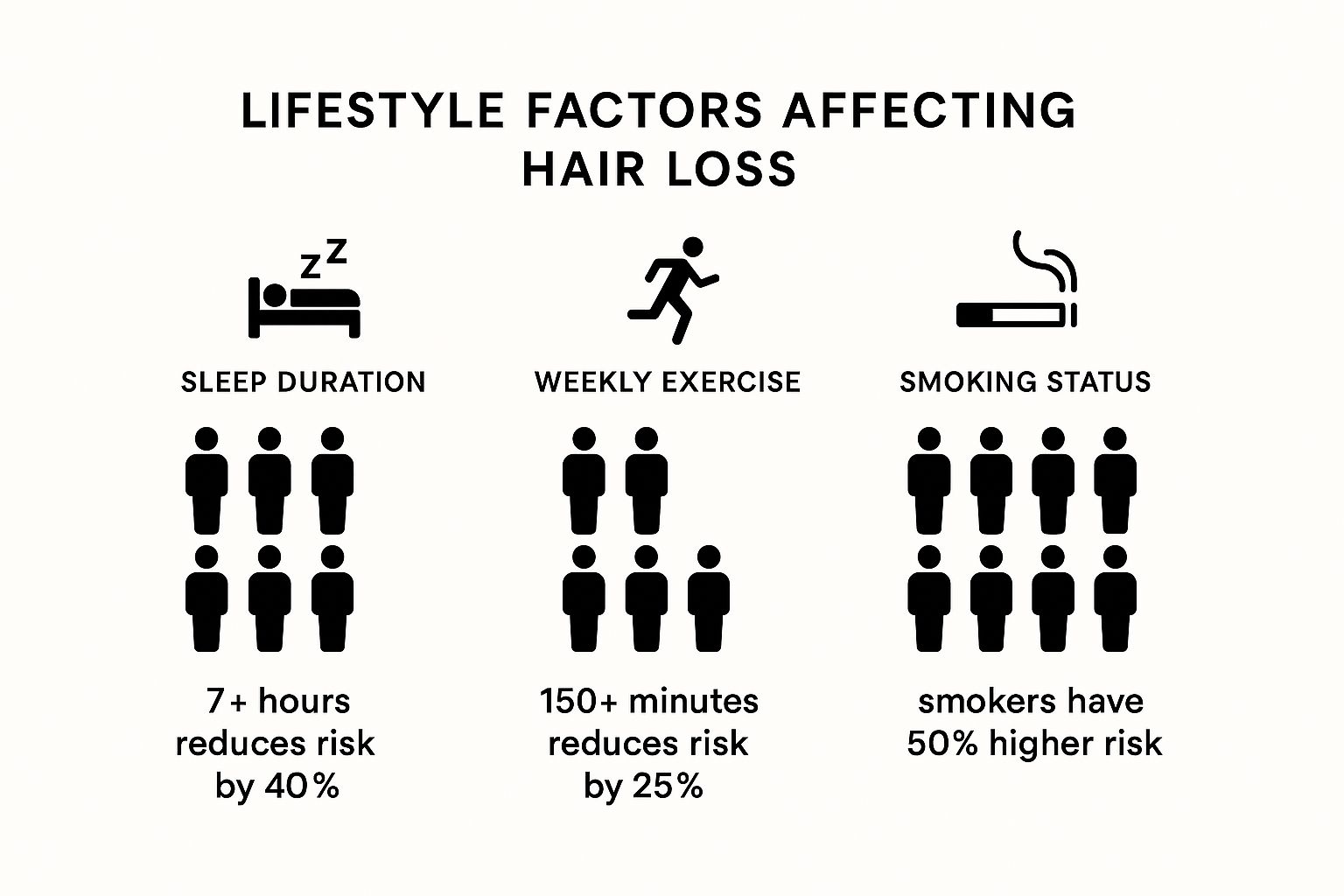
The numbers don't lie. Simple things like getting enough sleep and regular exercise can make a real difference, while habits like smoking can seriously accelerate hair loss.
Understanding Platelet-Rich Plasma (PRP) Therapy
If medication isn't the right path for you, or if you want to add another layer to your treatment, one of the most exciting in-office procedures is Platelet-Rich Plasma (PRP) therapy. This is a non-surgical treatment that cleverly uses your own body’s healing power to rejuvenate thinning hair follicles. It's a direct approach—delivering a potent dose of growth factors exactly where you need them.
The process itself is pretty straightforward:
- A Simple Blood Draw: First, a small sample of your blood is taken, no different than a routine lab test.
- The Centrifuge Step: That blood is then spun in a centrifuge, a machine that separates the blood into its different parts. This step isolates the "liquid gold"—the platelet-rich plasma.
- Precision Injections: Finally, this concentrated PRP, which is teeming with growth factors, is injected into the areas of your scalp where hair is thinning.
The idea is that these growth factors act like a wake-up call for dormant or struggling hair follicles, nudging them back into their active growth phase. From what I’ve seen, PRP can improve blood flow to the follicle and even increase the thickness of the hair shaft itself.
PRP is a fantastic option for people with androgenetic alopecia who prefer a more natural approach or want to boost the effects of their current treatments. A typical protocol involves a series of initial sessions, maybe a month apart, followed by maintenance treatments every 6 to 12 months. Since it's your own biological material, the risk of an allergic reaction is virtually zero.
To help you see how these different strategies stack up, I've put together a quick comparison table. This can give you a clearer picture of what to expect in terms of effort, mechanism, and who each approach is best suited for.
Comparing Hair Loss Prevention Strategies
| Strategy | Best For | Effort Level | Primary Mechanism |
|---|---|---|---|
| Lifestyle & Nutrition | Early-stage thinning or general prevention. | Low to Medium | Reduces scalp inflammation and provides essential nutrients for hair growth. |
| Topical Minoxidil | General thinning, especially at the crown. | Medium (Daily) | Widens blood vessels to increase blood flow to follicles. |
| Prescription Finasteride | Male pattern baldness (androgenetic alopecia). | Low (Daily Pill) | Blocks the conversion of testosterone to DHT, a key hair loss hormone. |
| PRP Therapy | Those seeking a natural, non-surgical option or to enhance other treatments. | High (In-office) | Injects growth factors from your own blood directly into the scalp to stimulate follicles. |
Choosing the right path depends entirely on your specific situation, your goals, and your comfort level. Each of these strategies can be effective, but understanding the differences is the first step toward making an informed decision.
A Targeted Approach to Preventing Female Hair Loss
While we often hear about hair loss in men, it’s a reality for a massive number of women, too. But the experience isn't the same. Female hair loss shows up in different patterns and is often tied directly to specific life events and hormonal shifts, which means prevention has to be much more specific.
Instead of the classic receding hairline, many women first notice that their part seems to be getting wider, or they just feel a general thinning all over. This can be subtle at first, making it easy to miss, but catching it early is key. The first step toward building an effective plan is truly understanding the unique triggers that affect women.
The Impact of Hormonal Fluctuations
Your hormones are powerful messengers, and they have a huge say in your hair's growth cycle. When they get thrown off balance, your hair is often one of the first things to send out a distress signal. For women, a few key moments in life can trigger a major shed.
-
Pregnancy and Postpartum: During pregnancy, a surge in estrogen keeps your hair in its growth phase longer, often leading to a gloriously thick mane. But once the baby arrives, estrogen levels plummet. This sudden drop pushes a ton of hair into the shedding phase all at once, leading to the dramatic postpartum hair loss so many new moms know all too well.
-
Menopause: Menopause brings a similar, though more gradual, drop in estrogen. This shift can shorten the hair's growth cycle and cause the follicles to produce finer, weaker strands, contributing to that feeling of overall thinning.
-
Thyroid Conditions: Your thyroid is the engine of your metabolism, and if it's sputtering, your hair will feel it. Both an overactive (hyperthyroidism) and underactive (hypothyroidism) thyroid can seriously disrupt hair growth. If your hair loss comes with major weight changes, fatigue, or mood swings, it’s definitely time to talk to a doctor about checking your thyroid levels.
Tailored Nutrition and Stress Management
A healthy diet is important for everyone, but women have specific nutritional needs that can directly torpedo hair health if they aren't met. Iron deficiency, for example, is incredibly common in women and is a well-known cause of hair loss. Making sure you’re getting enough iron-rich foods—think spinach, lentils, and red meat—is a must.
Likewise, the connection between chronic stress and hair shedding (a condition called telogen effluvium) is undeniable. For many women juggling a career, family, and everything else, managing stress isn't just a nice idea; it's a critical part of keeping your hair on your head.
A Practical Tip: Never underestimate the power of small, consistent actions. Just 15 minutes of mindfulness or a quiet walk built into your day can help regulate stress hormones like cortisol, creating a much friendlier internal environment for hair growth.
This issue is becoming more and more widespread, calling for better, gender-specific solutions. Between 2017 and 2021, rates of hair loss in women shot up globally. The rate in China jumped from 31% to 53%, with big increases also happening in Brazil and Spain. Even the United States saw a rise from 11% to 12%, highlighting why tailored prevention strategies are so vital. You can dig into these trends by reviewing more detailed baldness statistics.
Gentle Hair Care for Female Hair
Because women's hair is often finer and tends to be styled more frequently, a gentle hair care routine is non-negotiable. Breakage from rough handling, heat, and tight styles can make thinning look so much worse than it actually is.
Your goal here is simple: preserve the hair you have.
This means putting a few ground rules in place:
-
Avoid Tight Hairstyles: That constant pulling from high ponytails, tight buns, or braids can cause a specific type of hair loss called traction alopecia. Whenever you can, opt for looser, more relaxed styles.
-
Minimize Heat Styling: Give the flat irons and curling wands a break. When you absolutely must use them, always use a heat protectant spray first and stick to the lowest temperature that gets the job done.
-
Choose a Milder Shampoo: Look for formulas that are sulfate-free. These will cleanse your hair and scalp without stripping away the natural, protective oils that are essential for healthy hair growth.
By combining an awareness of hormonal triggers with smart nutrition and a gentler approach to hair care, women can build a powerful, proactive defense against thinning hair.
Answering Your Hair Loss Prevention Questions
It's completely normal to have a few lingering questions as you start putting a hair loss prevention plan into action. Even with the best strategies, specific concerns always come up. Let's clear the air on some of the most common ones I hear from people.
A big one is about stress. People often worry if the hair they lost during a tough time is gone for good.
The short answer? Probably not. Hair loss triggered by a major stressor, a condition called telogen effluvium, is almost always temporary. Once you get the stress under control, your hair growth cycle typically resets itself within a few months. The real work is managing that stress so your body has a chance to bounce back.
Another question I get all the time is about the waiting game—how long until you actually see a difference?
How Long Until I See Results?
This is where patience becomes your best friend. Because of how slowly hair grows, you need to commit to any new diet, treatment, or lifestyle shift for at least three to six months before you can expect to see real, visible improvements.
It simply takes that long for your follicles to respond and for new, stronger hair to grow out. Remember, consistency is everything. Sticking with a small, daily habit will always beat trying something intense every once in a while.
Are Natural or DIY Remedies Worth Trying?
It’s tempting to try the "natural" or DIY remedies you see all over the internet. While some things, like certain oils, can be great for moisturizing your scalp, they just don't have the scientific backing to treat the root causes of hair loss, especially when it's genetic or hormonal.
You'll get much better results by building your routine around proven methods.
- A well-rounded, nutrient-dense diet.
- Clinically tested topical treatments, like Minoxidil.
- Guidance from a medical professional who understands hair loss.
Focus on these pillars first. You can think of natural remedies as a supporting cast, but they shouldn't be the main act. Your time and energy are precious, so invest them in strategies that are known to work.
At PRP For HairLoss, our goal is to give you clear, science-backed information to help you understand male pattern baldness and explore effective treatments like Platelet-Rich Plasma therapy. Find out more at the PRP For HairLoss website.


Leave a Reply