Understanding Your Hair Loss Journey
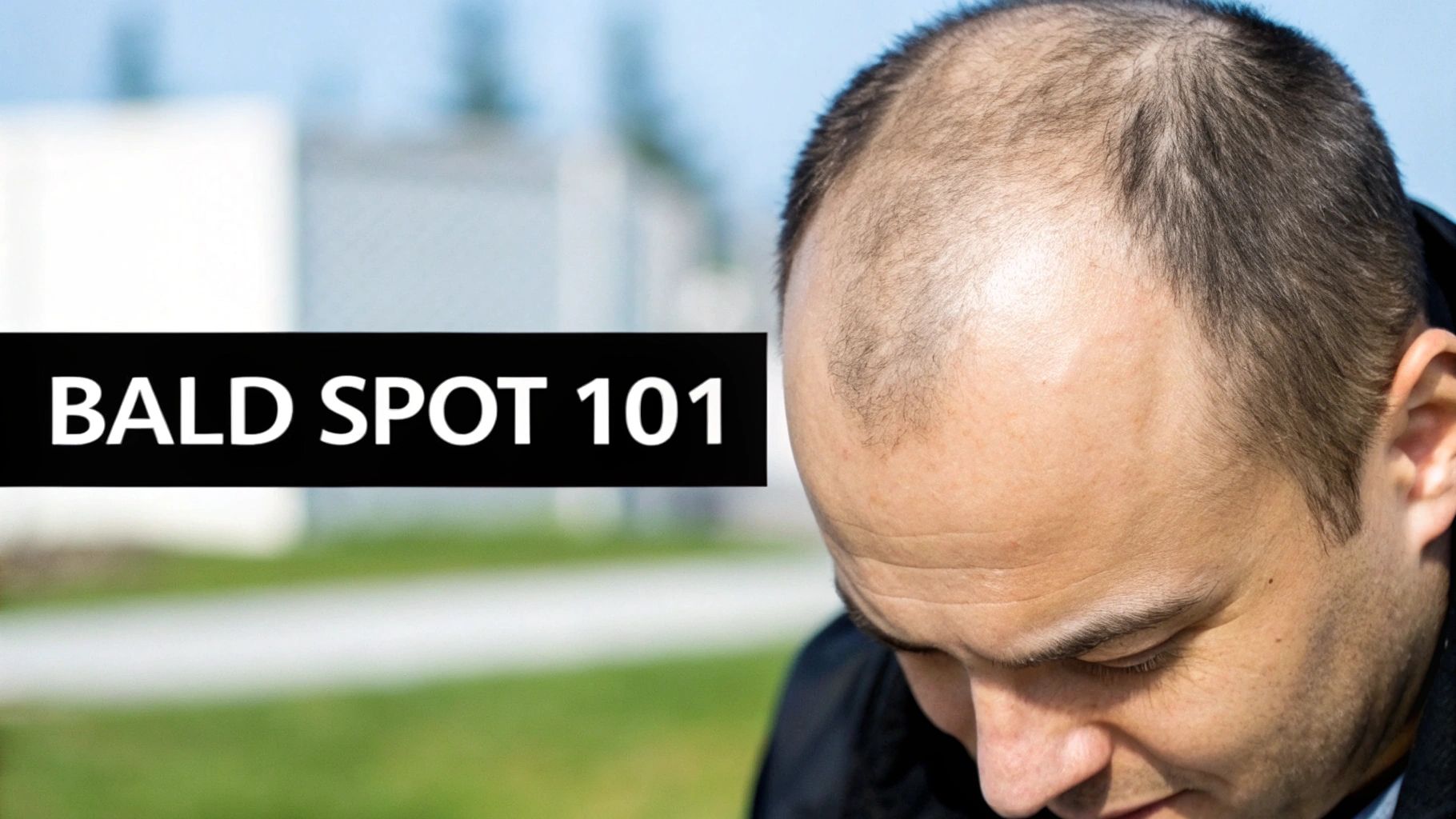
Hair loss can be a deeply personal journey, affecting both your appearance and self-esteem. Understanding the nature of your hair loss is the first step towards effectively addressing it and regaining your confidence. This begins with identifying your specific hair loss pattern.
Identifying Your Hair Loss Pattern
Different types of hair loss require different approaches. Male pattern baldness, for example, typically starts with a receding hairline and thinning at the crown. Female pattern baldness, on the other hand, usually presents as diffuse thinning across the scalp. Recognizing your pattern is crucial for choosing the right solutions. A comb-over might work for early-stage male pattern baldness, but less so for diffuse thinning. Understanding the underlying cause, whether genetic, hormonal, or stress-related, can also inform your overall strategy.
The Emotional Impact of Hair Loss
It's important to acknowledge the emotional impact of hair loss. Feelings of self-consciousness, frustration, and even grief are common. While historically there's been stigma, discussions are now more open. Nearly 40% of women experience hair loss, often due to female pattern baldness. This openness has led to the development of various concealment methods, including hair loss concealers and specific styling techniques. Keratin fibers and root cover-up sprays are popular for temporarily masking thinning areas, offering quick and easy application. This increased acceptance encourages people to seek solutions, from concealers to medical treatments like Minoxidil. Learn more about covering bald spots here: https://www.hair.com/how-to-cover-a-bald-spot.html. Knowing you're not alone can be empowering.
Choosing the Right Concealment Method
Once you understand your hair loss pattern and its emotional impact, you can explore concealment options. These might include strategic styling, hair fibers, color solutions, or even modern hairpieces. The right method depends on factors like the extent of your hair loss, lifestyle, and personal preferences. Finding a solution that fits seamlessly into your routine and boosts your self-esteem is key to navigating your hair loss journey. This understanding helps you choose the right tools and techniques to feel confident.
Strategic Styling: The Barber's Secret Weapons
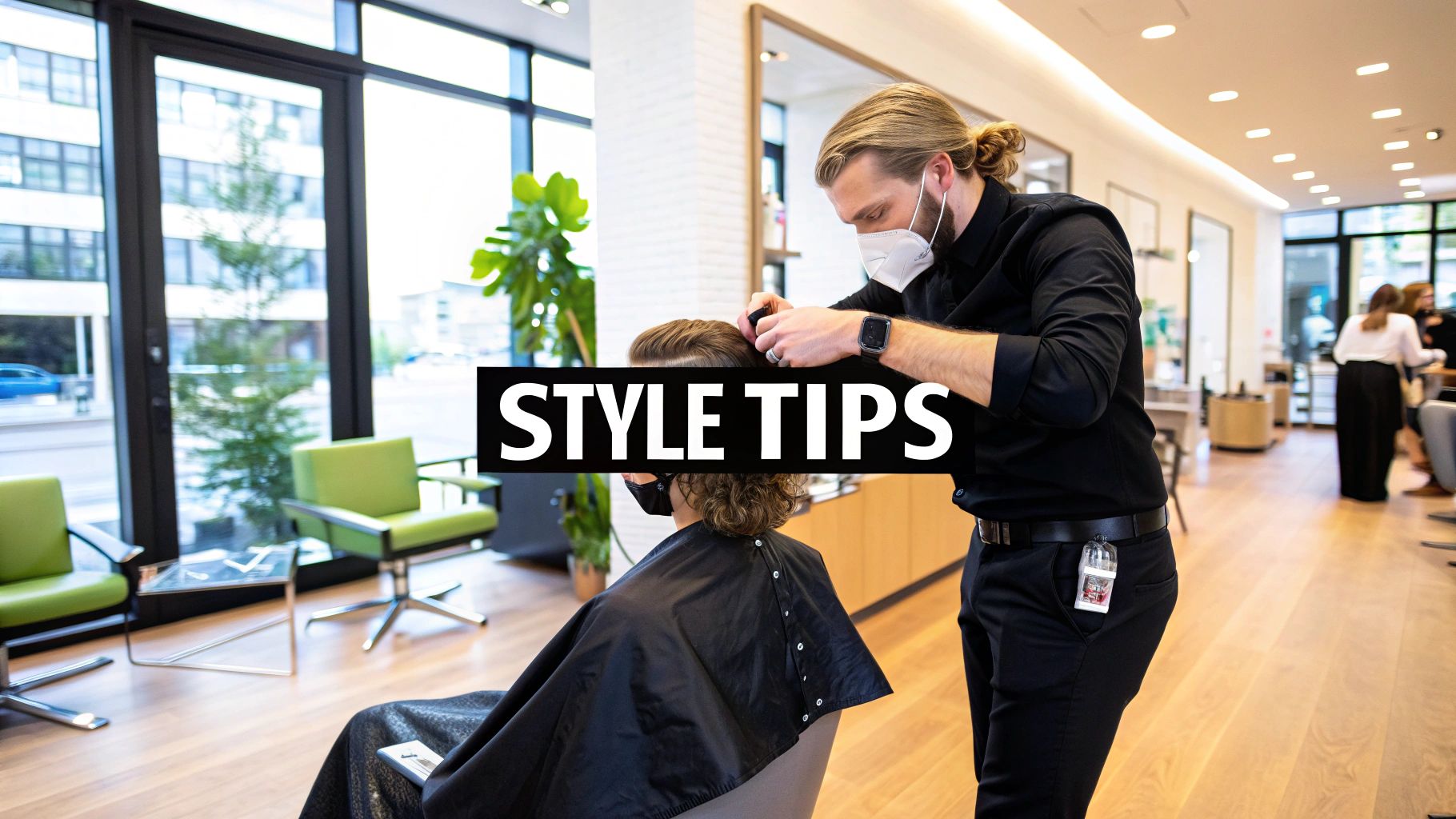
Professional stylists possess a wealth of knowledge on how to disguise thinning hair, often achieving impressive results without concealers. These techniques, perfected over years of practice, use the combined power of cuts, angles, and styling to create an illusion of fullness. Let's explore these barbering secrets.
The Power of the Cut
The right haircut can make a world of difference for thinning hair. Textured cuts, for example, introduce dimension and movement, giving the appearance of denser hair. Short, layered styles can also boost volume and lift, particularly at the crown, effectively camouflaging thinner areas. In contrast, long, one-length cuts can actually accentuate thinning by weighing the hair down and exposing more of the scalp. This emphasizes the importance of open communication with your barber to find a cut that addresses your specific needs.
Layering and Angles: Creating Illusions
Strategic layering is another vital tool in a barber's skillset. By cutting different hair sections at varying lengths, stylists can control how light reflects off the hair, generating depth and the look of fullness. The angle of the cut also plays a crucial role. Specific angles can encourage the hair to stand up more, concealing sparse areas. This precise manipulation of angles and layers acts as a sort of optical illusion, giving the impression of greater volume.
Styling Techniques: Maximizing Coverage
Beyond the cut itself, styling techniques are essential for concealing thinning areas. Blow-drying against the hair's natural growth direction can create significant lift and volume. Using a round brush can enhance this effect, creating the illusion of thicker hair. However, it's crucial to use a low heat setting to avoid damaging already fragile hair. Many professionals also recommend a surprising approach to shampooing: less is more. Over-shampooing can strip the hair of natural oils, leaving it flat and lifeless, which can worsen the appearance of thinning. Reducing shampooing frequency can often lead to improved volume and coverage. Male pattern baldness affects a substantial percentage of men. By age 50, 30% to 50% of men experience some degree of hair loss, including receding hairlines and thinning at the crown. Find more detailed statistics here. This highlights the prevalence of this concern and the value of effective concealing techniques.
Tools of the Trade
Selecting the right styling tools is paramount for maintaining healthy hair and maximizing coverage. Avoid tools that produce excessive heat, as this can weaken thinning hair. Opt for tools designed to gently add volume, such as vent brushes and wide-tooth combs. These tools provide lift and fullness without causing damage.
Hair Fibers: Transform Thinning Areas in Seconds

Hair fibers have become a popular solution for concealing hair loss. These tiny fibers cling to existing hair, creating a fuller look in seconds. But achieving a natural appearance requires proper application.
Understanding Hair Fibers
Hair fibers are usually made of keratin, the same protein as natural hair. This allows them to blend seamlessly. They adhere to the hair shaft using static electricity, offering surprising resistance to wind and light rain. This makes them a practical choice for those concerned about visible thinning. Affordability and ease of use further contribute to their appeal. Keratin fibers are just one type of hair loss concealer available. Learn more about hair loss concealers.
Mastering the Application Technique
The application technique is crucial for a natural look. Begin with clean, dry hair. Gently shake the fibers over thinning areas, ensuring even coverage. Apply in short bursts to build coverage gradually, avoiding a "sprinkled" effect.
Layering for Maximum Staying Power
For increased longevity, consider layering products. A hair fiber holding spray can lock fibers in place, adding resistance to wind, sweat, and rain. This is especially beneficial for active individuals. Even with a holding spray, touch-ups may be needed, particularly in humid or wet conditions.
Addressing Concerns and Practical Tips
Concerns about an unnatural appearance are common. Choosing a color that precisely matches your natural hair and applying the fibers evenly are key. A fiber applicator can improve precision and prevent clumping. Accessories like hats or headbands can further enhance confidence and provide additional camouflage.
Choosing the Right Fiber
Finding the right hair fiber involves considering individual factors like hair type, thinning severity, and lifestyle. Not all fibers are the same. Some are tailored for specific hair types or colors. Experimentation is key to finding the perfect product and application method.
To help you make informed decisions, we've compiled a comparison table showcasing the various types of hair concealers available.
Introduction to Table: The following table provides a detailed comparison of different hair concealer products, highlighting their key features and suitability for various needs.
| Product Type | Application Method | Longevity | Weather Resistance | Best For |
|---|---|---|---|---|
| Keratin Fibers | Shaken onto hair | Several hours, may require touch-ups | Moderate, improved with holding spray | Diffuse thinning, concealing scalp show-through |
| Hair Concealer Spray | Sprayed onto hair and scalp | Variable, depending on product | Moderate | Larger areas of thinning, adding volume |
| Concealer Powder | Applied with a brush or puff | Similar to fibers | Moderate | Targeted coverage, filling in specific areas |
| Scalp Concealer | Applied directly to the scalp | Can last for days | Generally good | Covering bald spots, creating the illusion of hair follicles |
Conclusion of Table: As shown in the table, different hair concealers offer varying levels of coverage, longevity, and weather resistance. Selecting the right product depends on individual needs and preferences. Experimenting with different types can help determine the optimal solution for achieving desired results. Factors like wind and rain can impact longevity. Waterproof options are available for water activities. Others may find regular fibers combined with a holding spray sufficient for daily wear. The right choice depends on individual needs and desired coverage. Careful consideration of product type and application methods is crucial for achieving natural-looking results and boosting confidence.
Color Solutions: Beyond Basic Cover-Ups
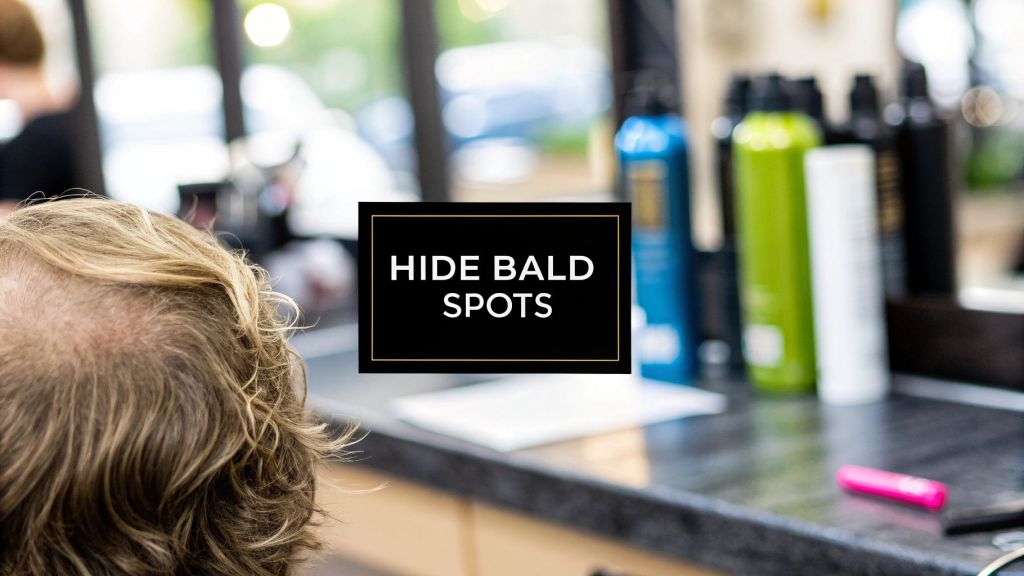
Color-based products offer a powerful way to address hair thinning and bald spots. These products go beyond simple coverage and can create a natural, fuller look. This section explores the nuances of color solutions, from sprays to scalp foundations, guiding you through the best techniques for various situations. Proper color selection and application are key to achieving seamless, undetectable coverage.
Choosing the Right Color
Matching your natural hair color is crucial for a believable look. If you're unsure, opt for a shade slightly lighter than you think you need. This prevents an unnatural, harsh appearance. For those with gray hair, consider using a combination of gray and your original color to mimic the natural blending of gray strands. Many products offer a range of shades to accommodate different hair colors and gray percentages.
Mastering Application Techniques
Different color products require different techniques. Root sprays are excellent for covering exposed scalp along the hairline or part. Hold the spray can a few inches away from your head, applying in short bursts to avoid a dense, unnatural look. Scalp foundations, on the other hand, are applied directly to the scalp with a brush or sponge. These are ideal for larger areas of thinning or for covering the scalp between hair fibers. Interestingly, hair loss concealment methods, including color products, have a rich history. Learn more about the history of hair loss concealment.
Combining Products for Optimal Coverage
Layering products can further enhance coverage and longevity. For example, apply hair fibers first to create a base of fullness. Follow this with a root spray to match your scalp color to the fibers. Finally, set everything with a holding spray to prevent color transfer or smudging. This layered approach provides a more natural and durable solution.
Preventing Color Transfer
Color transfer onto clothing or pillowcases can be a concern. Using a setting powder or a holding spray designed for hair color products can significantly reduce transfer. Allow the products to dry completely before contact with fabrics. A satin pillowcase can also minimize friction and help maintain coverage overnight.
Handling Special Situations
Whether you're dealing with humidity, rain, or intimacy, certain techniques can help ensure your coverage stays put. Waterproof color products are ideal for swimming or exercising. A strong holding spray is essential for humid conditions. For intimate situations, choose smudge-proof and transfer-resistant products for confidence and peace of mind.
Achieving a Natural Look
The ultimate goal of using color solutions is to achieve an undetectable look. This requires practice and attention to detail. Building up coverage gradually is key to avoiding a “painted-on” appearance. Blend the edges of the color seamlessly with your existing hair. Use a small mirror to check your coverage from all angles. These techniques combined can greatly improve your confidence and help you manage hair loss discreetly.
Modern Hairpieces: Not Your Grandfather's Toupee
Today's hairpieces offer a far more natural and undetectable look than the toupees of yesteryear. Significant advancements in materials and construction techniques have made hairpieces a practical solution for many experiencing hair loss. Let's explore the world of modern hairpieces and discover what makes them so different.
Base Construction: The Foundation of Naturalness
The base is the core of any hairpiece, the foundation to which the hair is attached. Modern bases use incredibly fine, breathable materials like lace and monofilament. These materials closely resemble the appearance of the scalp, allowing for a seamless transition from the hairpiece to your natural hair. Lace bases are known for their breathability and natural-looking hairlines, while monofilament offers durability and styling flexibility. This construction makes the hairpiece appear as though the hair is growing directly from your own scalp.
Custom Color Matching: Blending Seamlessly
A natural-looking hairpiece depends heavily on accurate color matching. Reputable hairpiece providers understand this and offer custom color blending. This painstaking process ensures the hairpiece is precisely matched to your natural hair color, including tone and highlights. This personalized approach creates a seamless blend with your existing hair, making the hairpiece practically invisible.
Attachment Methods: Security and Hair Health
Modern attachment methods prioritize both a secure fit and the health of your existing hair. The most common options include clips, tape, and bonding. Clips are a convenient, temporary solution, ideal for occasional wear. Tape and bonding, on the other hand, provide more long-term solutions for daily wear. Each method has its own advantages and disadvantages in terms of longevity, maintenance, and potential impact on your natural hair. The best method for you will depend on your lifestyle and the extent of your hair loss.
Daily Wear and Maintenance: Practical Considerations
Modern hairpieces are designed to be worn every day, allowing you to go about your daily activities with confidence. You can style them, wash them, and even wear them during exercise or intimate moments. However, maintaining your hairpiece is essential for its longevity. Regular cleaning and conditioning are crucial, and periodic re-attachment might be necessary. The cost of hairpieces can vary significantly. Studies indicate men often spend upwards of $10,000 on hair restoration procedures, highlighting the psychological impact of hair loss. For more information on the costs associated with hair loss, visit: https://www.belgraviacentre.com/blog/over-a-quarter-of-men-brush-their-hair-forward-to-hide-hair-loss.
Psychological Adjustment: Embracing Your New Look
Wearing a hairpiece can be a significant change, and it's important to allow yourself time to adjust to your new look. Having realistic expectations is key. For many, wearing a hairpiece significantly boosts their confidence and self-esteem, positively impacting their self-image. Talking openly with friends, family, or a therapist can be extremely helpful during this transition.
Is a Hairpiece Right for You?
Choosing to wear a hairpiece is a personal decision. Understanding the latest advancements in hairpiece technology, considering practical aspects of daily wear and maintenance, and acknowledging the psychological aspects of wearing one will help you decide if it's the right solution for you. Factors like the extent of your hair loss, your budget, and your lifestyle all play a role. It's also wise to research other hair loss solutions, such as scalp micropigmentation and medical treatments.
Advanced Solutions: From Micropigmentation to Treatment
While styling techniques, hair fibers, and color concealers offer convenient ways to address hair thinning quickly, many individuals seek more lasting results. This leads us to explore advanced solutions, such as scalp micropigmentation (SMP) and medical treatments. These options demand a greater commitment but offer the potential for long-term results and address the underlying causes of hair loss.
Scalp Micropigmentation: The Illusion of Fullness
Scalp micropigmentation involves depositing tiny pigments into the scalp to replicate the look of hair follicles. This creates the illusion of a fuller head of hair, especially effective for those with shaved heads or closely cropped styles. SMP can also effectively camouflage scars and fill in thinning areas. While considered semi-permanent, the pigment can fade, requiring periodic touch-ups.
Combining SMP with other concealment methods, like hair fibers, can produce a very natural and convincing appearance. This layered approach offers the combined advantages of immediate and long-term coverage.
Medical Treatments: Addressing the Root Cause
For long-term solutions, addressing the root cause of hair loss is essential. Medical treatments, such as minoxidil and finasteride, can slow or even reverse hair loss for some people. These treatments generally require several months to show visible improvement.
During this time, using concealment techniques like hair fibers or color sprays can be valuable in maintaining a confident appearance. Consulting a dermatologist is crucial to determine the best treatment plan based on individual hair loss type and overall health.
Integrating Concealment with Medical Treatments
Using concealment methods in conjunction with medical treatments requires careful planning. For topical treatments, it's essential to have a clean, dry scalp before applying any concealers. Some products, like heavy waxes or pomades, might interfere with treatment absorption. Conversely, some medical treatments can impact the effectiveness of specific concealers.
It's important to discuss your current concealment routine with your dermatologist. They can offer guidance on product compatibility and application methods to ensure optimal results for both concealment and medical treatment.
To help illustrate the differences between various hair loss concealment approaches, let's look at the following comparison:
Hair Loss Concealment Methods Comparison
This table presents different concealment options based on cost, maintenance requirements, longevity, and naturalness.
| Concealment Method | Initial Cost | Ongoing Maintenance | Longevity | Natural Appearance | Best For |
|---|---|---|---|---|---|
| Styling Techniques | Low | Low | Temporary | Variable | Mild thinning |
| Hair Fibers | Low-Moderate | Moderate | Temporary | Moderate-High | Mild-Moderate thinning |
| Color Sprays | Low-Moderate | Moderate | Temporary | Moderate | Mild-Moderate thinning, gray hair |
| Scalp Micropigmentation (SMP) | Moderate-High | Low (touch-ups) | Semi-Permanent (1-3 years) | High | Moderate-Severe thinning, shaved heads |
| Hair Transplant Surgery | High | Low | Permanent | High | Moderate-Severe thinning, specific hair loss patterns |
As shown in the table, each concealment method offers a different balance of cost, maintenance, and longevity. Choosing the best method depends on individual needs and the extent of hair loss.
The Psychological Impact of Long-Term Solutions
Choosing advanced solutions like SMP or medical treatments can offer significant psychological benefits. The reassurance of a long-term plan can reduce anxiety and increase self-esteem, easing the daily stress of managing hair loss.
However, maintaining realistic expectations is crucial. Even with advanced treatments, some maintenance or touch-ups may be necessary. This is where a holistic strategy, combining long-term solutions with daily concealment methods, becomes particularly effective. By addressing both the immediate appearance and the underlying cause of hair loss, individuals can achieve optimal results for both physical and emotional well-being. This comprehensive approach allows individuals to regain confidence and take charge of their hair loss experience.
Building Confidence Beyond Concealment
This section explores the psychological impact of hair loss and how to build confidence alongside your chosen concealment methods. Truly successful strategies go beyond the physical; they empower you to feel comfortable and secure.
Mindset Shifts for Lasting Confidence
Concealing hair loss isn't just about a physical fix; it's also about mental well-being. Products and techniques can enhance your appearance, but inner confidence is key to feeling truly comfortable. This involves shifting your mindset from insecurity to self-acceptance. For example, instead of seeing hair loss as a flaw, try reframing it as a natural part of life. This can significantly improve satisfaction with concealment results, no matter the method.
Managing Social Situations with Ease
Navigating social situations while conscious of hair loss can be challenging. This is where mental resilience is important. Practical approaches, like preparing responses to potential questions, can help you feel more prepared and less anxious. Focusing on your strengths and positive qualities can also boost your self-esteem and minimize the significance of hair loss in your self-image. Your worth is not defined by your hair.
Handling Unexpected Exposure
Despite your best efforts, your concealment method might be unexpectedly compromised, perhaps due to wind, rain, or even a hug. Instead of panicking, develop a coping strategy. This might involve having a backup plan, like a hat or scarf. Cultivating a sense of humor and self-acceptance can also help you navigate these situations gracefully. Most people are more understanding than we think.
The Power of Self-Acceptance
While concealment methods offer practical solutions, true confidence comes from self-acceptance. Embracing your appearance, including your hair loss, is a powerful step toward self-love. This doesn’t mean giving up on concealment. It means finding a healthy balance between managing your appearance and accepting yourself. This balanced perspective ensures your concealment approach enhances, not restricts, your life and connections.
Seeking Support and Connection
Connecting with others who understand your experience can be invaluable. Support groups, online forums, or conversations with trusted friends and family can provide emotional support and practical advice. Sharing experiences and learning from others normalizes hair loss and reminds you that you're not alone. This sense of community can greatly improve your emotional well-being and empower you to embrace your journey with confidence. Building self-esteem alongside your chosen concealment methods creates a foundation for long-term well-being, regardless of how your hair loss journey unfolds.
Ready to explore a powerful treatment option for hair loss? Discover the potential of PRP therapy for restoring hair growth and boosting your confidence. Learn more at PRP for Hairloss.


Leave a Reply