Understanding How Long PRP Hair Treatment Actually Lasts
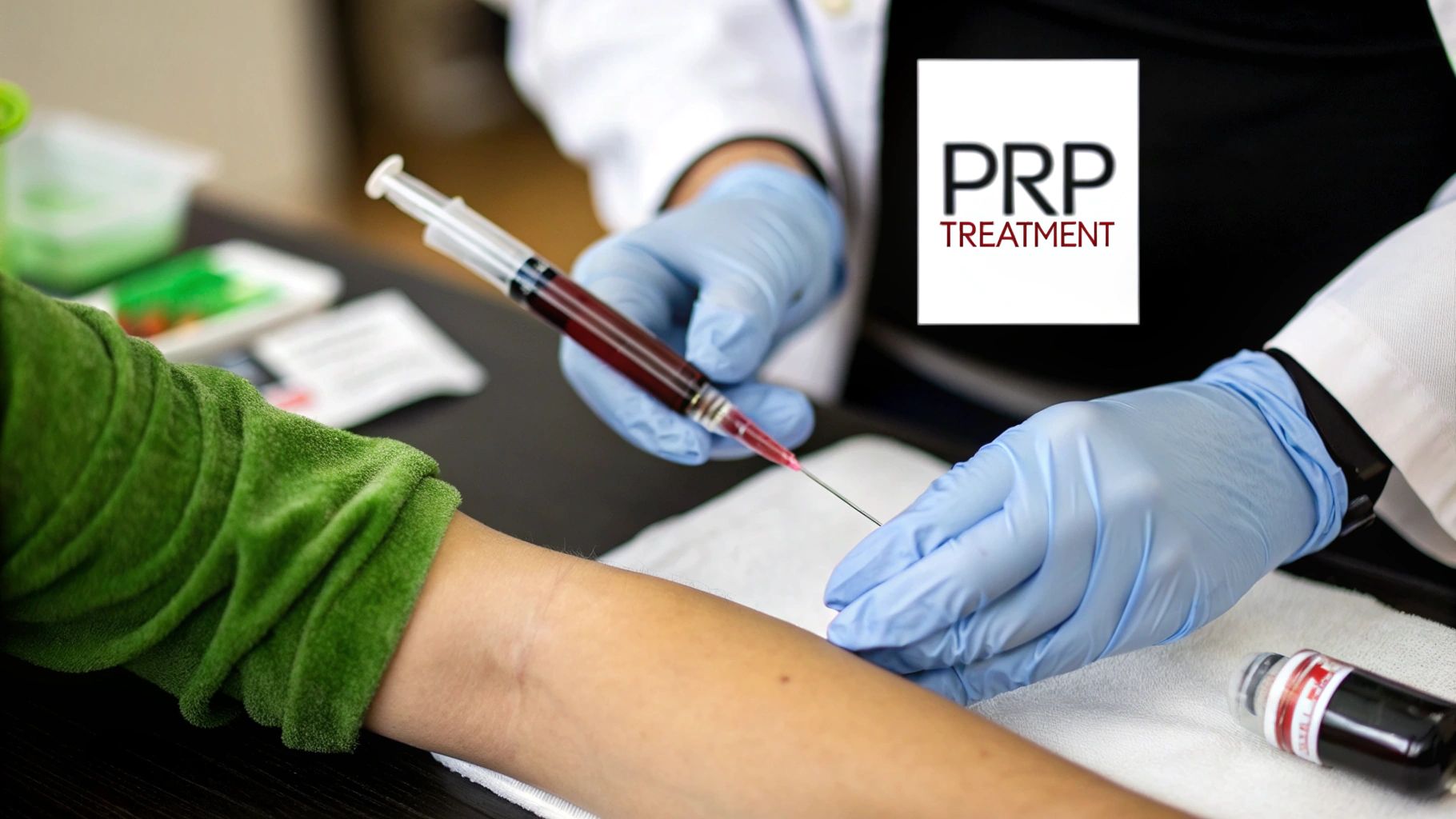
So, you're thinking about PRP hair treatment and wondering how long the results will last. It's a vital question, and one we'll cover in detail here. Knowing the typical timeframe for PRP’s effects helps you set realistic expectations and plan accordingly.
Typical Duration of PRP Hair Treatment Results
Clinical studies and real-world patient experiences show that PRP (Platelet-Rich Plasma) hair treatment results vary in duration. Several peer-reviewed studies have found that noticeable improvements in hair density and thickness typically last between 12 to 18 months after completing a full treatment course. This usually involves 3 to 6 sessions spaced 4 to 6 weeks apart.
Some individuals might see improvements for closer to 18 months, while others may notice a decrease around the 12-month mark. This variation is normal and depends on individual factors like genetics, age, and overall lifestyle. You can explore more on this topic here.
This means PRP isn't a one-time solution but an ongoing treatment requiring maintenance. Much like regular exercise is needed to maintain physical fitness, follow-up treatments are necessary to sustain the results achieved with PRP.
Maintenance and Long-Term Expectations
Understanding maintenance is essential for managing long-term expectations. Initial PRP treatment yields significant improvements, but these gradually diminish over time. This doesn’t mean you're back where you started, though. Maintenance sessions, usually recommended every 6 to 12 months, help boost and prolong the results.
A maintenance session may involve fewer injections than the initial treatments and can be adapted to target specific areas of thinning hair. These sessions act like a “booster shot,” stimulating hair follicles and encouraging continued growth. A healthy lifestyle also contributes to the longevity of PRP treatments. By understanding the progression from initial sessions to ongoing maintenance, you can make informed decisions about your hair restoration journey.
What The Research Actually Says About PRP Duration
PRP hair treatment offers a promising solution for hair loss, but a common question revolves around its longevity. How long does it actually last? To answer this effectively, we need to look beyond marketing claims and delve into the scientific evidence. This section examines the research, providing evidence-based expectations for PRP treatment duration.
Understanding Research Findings
Multiple studies have explored the effectiveness and duration of PRP treatments. These studies, often involving diverse patient populations, provide a more nuanced picture of what you can realistically expect. For instance, a widely cited study from Europe and North America indicates that up to 70-80% of patients see positive outcomes in hair restoration, with some groups reporting success as high as 90%.
In one study focused on male pattern baldness, 93% of participants reported a halt in hair loss just two months after starting PRP. Discover more insights about success rates and longevity of PRP hair treatment.
However, it's crucial to remember that "positive outcomes" encompass a range of improvements, from reduced hair shedding to increased hair density. The degree of improvement and its duration can vary significantly between individuals.
Analyzing Study Methodologies
The methodology of each research study significantly impacts its findings. Factors like the number of PRP sessions, the concentration of platelets used, and the follow-up period all influence the reported duration of results.
For example, studies with longer follow-up periods (e.g., 24 months) provide more valuable insights into long-term effectiveness compared to those with shorter durations. Additionally, the specific type of hair loss being treated (e.g., male pattern baldness versus telogen effluvium) can also affect how long results last.
Long-Term Outcomes: 12, 18, and 24 Months
While initial improvements are often seen within a few months, the true test of PRP's longevity lies in the results observed at the 12, 18, and 24-month markers. Research data suggests that most patients experience noticeable improvements for about 12 to 18 months.
However, the percentage of individuals maintaining those results at the 24-month mark tends to decrease. This underscores the importance of maintenance treatments to sustain long-term benefits. These sessions help to continually stimulate the hair follicles and prolong the initial effects of the PRP treatment. Understanding these long-term trends helps set realistic expectations and plan for ongoing maintenance.
Key Factors That Determine Your Results Duration
Why do some patients enjoy years of thriving results from PRP hair treatment while others seem to require more frequent touch-ups? The duration of your PRP treatment depends on a complex combination of factors, some within your control and others you'll need to discuss with your doctor. This section reveals these crucial variables, empowering you to make informed decisions and optimize your results for the long term.
Understanding the Interplay of Factors
Several key elements contribute to the longevity of your PRP hair treatment. These factors can be broadly classified into two groups: controllable and uncontrollable. This understanding helps you focus your efforts where they will make the most difference.
- Controllable Factors: Diet, lifestyle, and stress management play a significant role. For example, a balanced diet rich in essential nutrients, like those found in fruits, vegetables, and lean proteins, supports hair follicle health, potentially extending the benefits of PRP.
- Uncontrollable Factors: Age, genetics, and the initial severity of hair loss are inherent factors that influence outcome duration. However, even with these factors, optimizing controllable elements can still significantly improve and maintain results.
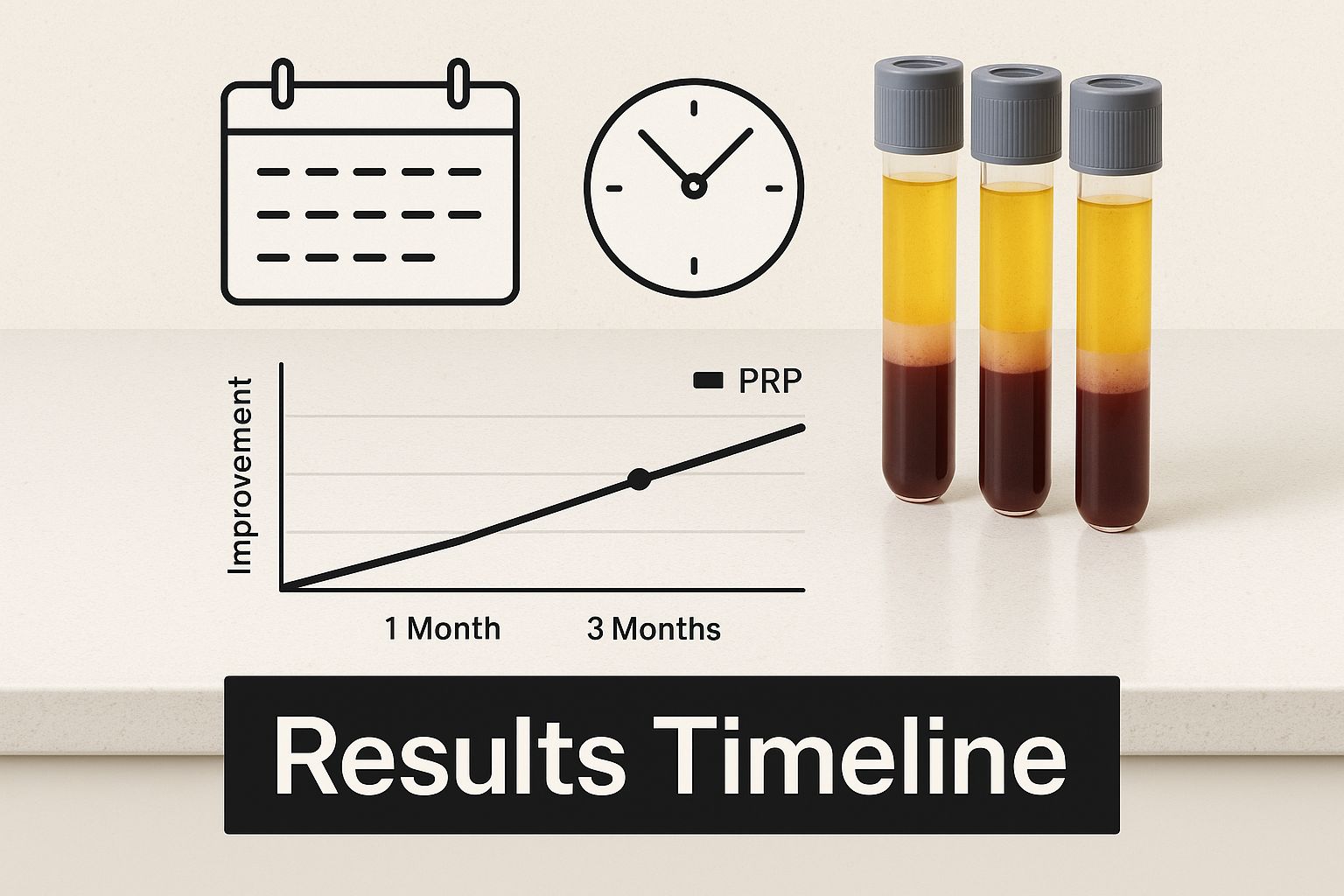
This infographic shows a typical PRP results timeline, illustrating the initial treatment phase and subsequent maintenance sessions. The imagery of the clock and calendar highlight the importance of time and consistent upkeep in maximizing the longevity of PRP treatment. This underscores the importance of understanding both the initial treatment timeframe and the ongoing maintenance required for sustained results.
To further illustrate the factors influencing PRP treatment duration, let's look at the table below. It compares controllable and uncontrollable factors and offers strategies for optimizing those within your control.
| Factor | Impact Level | Patient Control | Optimization Strategy |
|---|---|---|---|
| Age | High | No | N/A |
| Genetics | High | No | N/A |
| Initial Hair Loss Severity | Medium | No | N/A |
| Diet | Medium | Yes | Consume nutrient-rich foods that promote hair growth, such as leafy greens, lean protein, and foods high in Omega-3 fatty acids. |
| Stress Levels | Medium | Yes | Practice stress-reduction techniques like meditation, yoga, or deep breathing exercises. |
| Lifestyle | Medium | Yes | Maintain a healthy lifestyle that includes regular exercise and adequate sleep. |
| Underlying Health Conditions | Medium | Varies | Consult with your doctor to address any underlying health conditions that may be contributing to hair loss. |
| Hormonal Balance | Medium | Varies | Consult with your doctor to address any hormonal imbalances. |
| Scalp Health | Low | Yes | Use gentle hair care products and maintain a healthy scalp by addressing any issues like dandruff or dryness. |
This table demonstrates how various factors, both controllable and uncontrollable, contribute to the duration of PRP treatment results. While some factors cannot be changed, proactive steps can be taken to optimize those that are within your control.
The Influence of Age, Genetics, and Initial Hair Loss Severity
These inherent factors establish the baseline for how your body will respond to PRP therapy. Age affects the natural hair growth cycle, influencing how quickly follicles regenerate. Genetics also plays a crucial role, determining your predisposition to hair loss and how your follicles react to growth stimulation. The severity of your initial hair loss impacts the extent of improvement possible and how long those improvements are likely to last. More severe hair loss might require more frequent maintenance treatments for sustained results.
Lifestyle Factors You Can Control
While genetics and age are predetermined, lifestyle choices significantly influence your PRP outcomes. Proper nutrition is vital, providing essential building blocks for healthy hair growth. Minimizing stress through techniques like meditation or yoga can promote hair growth by reducing inflammation and hormonal imbalances. Regular exercise improves circulation, delivering vital nutrients to hair follicles and enhancing the effectiveness of PRP.
Underlying Health Conditions and Hormonal Changes
Certain underlying health conditions and hormonal fluctuations can also affect the duration of PRP results. Hormonal imbalances can trigger hair shedding, potentially diminishing the benefits of PRP. Some medical conditions can affect hair growth, making it crucial to discuss your complete health history with your medical provider before starting treatment.
The Role of Scalp Characteristics
The unique properties of your scalp contribute to the longevity of PRP results. Scalp health is fundamental for optimal hair growth. Factors like oil production, pH balance, and blood flow all influence how effectively PRP stimulates hair follicles and how long the results last. Understanding these nuances allows for a more personalized approach to PRP, maximizing its effectiveness for your individual scalp type.
The Truth About Maintenance Sessions Nobody Mentions
While initial PRP hair treatment results can be impressive, lasting between 12 to 18 months, maintaining those results requires ongoing care. This isn't always emphasized upfront. Let's discuss the reality of maintenance sessions and the longevity of PRP hair treatment results without them.
Understanding The Need For Maintenance
PRP hair treatment isn’t a permanent solution. Think of it like tending a garden. The initial effort yields vibrant growth, but over time, the soil needs replenishing to maintain its vitality. Similarly, the growth factors in PRP stimulate hair follicles, but this stimulation needs repeating to sustain results.
Typical Maintenance Schedules and Costs
Most practitioners recommend maintenance sessions every 6 to 12 months following the initial treatment. The frequency depends on individual factors like age, genetics, and hair's response to treatment. These sessions typically involve fewer injections than the initial treatments. Understanding the long-term costs is essential.
For example, if each maintenance session costs $500 annually, that's $2,000 over four years, excluding the initial cost. Factoring in ongoing expenses helps budget realistically for long-term hair restoration.
Recognizing Necessary Vs. Unnecessary Maintenance
Some clinics might recommend more frequent maintenance than necessary. It’s important to distinguish between essential maintenance and upselling. One indicator is the reappearance of early hair loss signs, such as increased shedding or thinning. If these signs reappear, a maintenance session is likely warranted.
However, if your hair remains full and healthy, delaying your next session might be acceptable. Open communication with your provider is crucial. Discuss your concerns openly. A reputable clinic will prioritize your individual needs and provide honest advice.
Timing Your Maintenance Sessions
The timing of maintenance sessions can influence their effectiveness. Some practitioners suggest seasonal scheduling, aligning with natural hair shedding cycles. Others recommend timing sessions around significant life events to ensure optimal appearance.
Ultimately, the best timing depends on individual circumstances and your practitioner's advice. Discussing your schedule and expectations with your provider will help create a personalized maintenance plan that fits your lifestyle and budget. This personalized approach maximizes the longevity of your PRP treatment results.
Proven Strategies For Extending Your PRP Results
Maximizing the benefits of your PRP hair treatment goes beyond the initial appointments. The duration of your results depends significantly on the steps you take afterward. This section offers practical strategies to protect and extend your PRP investment, ensuring you achieve the best possible outcome.
Lifestyle Modifications For Sustained Hair Health
A comprehensive approach to hair health is essential for prolonging PRP results. This includes a focus on nutrition, stress management, and getting enough sleep.
-
Nutrition: A well-balanced diet rich in protein, iron, and vitamins is key for supporting healthy hair growth. Incorporate lean meats, leafy greens, and foods with Omega-3 fatty acids.
-
Stress Management: Chronic stress can hinder hair growth. Integrating stress-reducing activities like yoga or meditation into your routine can make a difference.
-
Sleep: Sufficient sleep is fundamental for cell regeneration and overall well-being, including the health of your hair follicles. Aim for 7-9 hours of quality sleep nightly.
These lifestyle changes create a solid base for hair health, amplifying the benefits of PRP and extending its effectiveness.
Complementary Treatments and PRP Synergy
Certain treatments can work in conjunction with PRP to enhance and prolong results.
-
Low-Level Laser Therapy (LLLT): LLLT stimulates hair follicles and improves blood circulation to the scalp, complementing PRP's growth-promoting properties.
-
Microneedling: Microneedling creates micro-channels in the scalp, potentially enhancing PRP absorption and stimulating collagen production for further hair growth.
-
Topical Solutions: Topical solutions containing growth factors or other beneficial ingredients can support hair health and potentially extend the results of your PRP treatment.
Combining these treatments with PRP creates a comprehensive strategy, addressing hair loss from multiple angles for maximum long-term benefits.
Optimizing Timing For Extended Results
Strategic timing of maintenance sessions is crucial for preserving the effects of PRP. Most specialists recommend maintenance treatments every 6-12 months, although individual requirements can differ.
Consult with your provider about your unique circumstances and hair loss progression. They can help create a personalized maintenance schedule to ensure continuous hair growth and minimize regression.
This proactive approach helps maintain the progress made with the initial PRP treatments and extends the overall duration of results. For example, if you observe any renewed thinning, scheduling a maintenance session promptly can help prevent further loss and preserve your desired hair density.
When To Consider Alternative Hair Restoration Options
PRP therapy offers a promising approach to hair restoration, with results typically lasting 12-18 months. However, it's essential to understand that PRP may not be the ideal long-term solution for every individual. This section helps you determine when exploring alternative hair restoration methods might be the best path forward.
Honestly Assessing Your PRP Progress
After your initial PRP treatments and subsequent maintenance sessions, honestly evaluating your progress is critical. Are you happy with the level of hair regrowth and density you've achieved? Has your hair loss stabilized, or do you continue to see thinning despite the therapy? A candid self-assessment, combined with feedback from your practitioner, is crucial for deciding if PRP is truly delivering the desired outcomes.
For example, if you've had several PRP treatments without significant improvement, or if hair loss progresses rapidly, it might be time to consider other options. This doesn't indicate PRP has failed, but rather that it may not be the most effective standalone treatment for your specific situation.
Recognizing Diminishing Returns From PRP
Like many treatments, PRP may reach a point of diminishing returns. While initial sessions can produce noticeable improvements, the benefits may plateau or even decline over time. This is especially true if underlying causes of hair loss, like genetics or hormonal imbalances, aren’t addressed. Recognizing when the cost and effort of PRP outweigh the results is a key step in making informed decisions about your hair restoration journey. This might involve exploring complementary treatments or switching to an alternative primary method.
Exploring Complementary and Alternative Treatments
Before stopping PRP altogether, it’s often wise to explore complementary treatments that might enhance its effectiveness. Microneedling, low-level laser therapy (LLLT), and certain medications can work synergistically with PRP to encourage hair growth. For instance, microneedling creates micro-channels in the scalp, potentially boosting PRP absorption and stimulating collagen production.
However, if these combined approaches still don’t achieve the desired results, several alternative hair restoration options are available, each with its own advantages and disadvantages.
-
Hair Transplant Surgery: More invasive and costly than PRP, hair transplants provide a more permanent solution for hair loss. This procedure involves transplanting hair follicles from a donor area to the recipient area, achieving long-lasting results.
-
Medications: Medications like Finasteride and Minoxidil can slow hair loss and sometimes even promote regrowth. They are often used alongside PRP or other treatments.
-
Other Emerging Technologies: The field of hair restoration is continuously advancing, with newer technologies like stem cell therapy showing potential.
To help you understand the differences between these options, take a look at the comparison table below:
PRP vs. Alternative Hair Restoration Methods
The following table compares various hair restoration treatments, focusing on longevity, cost, and effectiveness:
| Treatment Type | Typical Duration | Maintenance Required | Success Rate | Cost Range |
|---|---|---|---|---|
| PRP Therapy | 12-18 months | Yes, every 6-12 months | Varies, up to 80% | $500-$1500 per session |
| Hair Transplant | Permanent | Minimal | High, up to 95% | $4000-$15,000+ |
| Finasteride | Ongoing, as long as taken | Yes, daily medication | Varies, effective for many | $20-$60 per month |
| Minoxidil | Ongoing, as long as used | Yes, twice daily application | Varies, can help slow hair loss | $10-$30 per month |
As you can see, each method has different durations, maintenance needs, and associated costs.
By objectively assessing your PRP progress, recognizing the potential for diminishing returns, and exploring complementary or alternative treatment approaches, you can actively manage your hair restoration journey and work towards the best possible long-term results.
Essential Takeaways For PRP Treatment Success
Understanding how long PRP hair treatment lasts and how to maximize its effectiveness is crucial for achieving your hair restoration goals. This section provides actionable guidance on treatment duration, maintenance, and optimization strategies, empowering you to make informed decisions and maximize your PRP investment.
Realistic Expectations and Timelines
PRP hair treatment isn't a one-time solution. Results typically last 12-18 months, requiring maintenance sessions every 6-12 months to sustain improvements. Understanding this upfront helps establish realistic expectations and budget accordingly. Anticipating a gradual decline in effectiveness after the initial treatment period is essential for long-term planning.
Individual Factors and Result Duration
The longevity of PRP results depends on individual factors like age, genetics, initial hair loss severity, and overall health. While genetics and age are uncontrollable, optimizing factors like diet, stress levels, and lifestyle can significantly influence how long your results last.
Maintenance Sessions: Essential, Not Optional
Maintenance treatments are vital for preserving your PRP investment. These sessions boost and prolong results by reintroducing growth factors to the scalp. While frequency varies, most experts recommend treatments every 6-12 months following the initial series. Discuss your individual needs and budget with your provider to create a personalized maintenance schedule.
Optimizing Your Results Through Lifestyle
Maximize your PRP results with a holistic approach to hair health. A balanced, nutrient-rich diet, regular exercise, sufficient sleep, and stress management techniques contribute to healthy hair growth. These lifestyle changes can significantly impact the effectiveness and longevity of your PRP treatment.
Red Flags and Essential Questions
Beware of clinics promising unrealistic results or pushing excessive maintenance sessions. A reputable provider offers honest assessments, personalized treatment plans, and transparent pricing. During consultations, ask about typical result durations, maintenance schedules, and factors affecting longevity to ensure informed decision-making. Open communication with your provider is crucial for optimal results.
Alternative Options When PRP Isn't Enough
PRP is effective for many, but it's not a universal solution. If you don't see desired results after several treatments or experience diminishing returns, consider alternatives. Hair transplants, medications like Finasteride or Minoxidil, and emerging technologies offer other pathways to hair restoration. Discuss these with your provider to determine the best course of action based on your individual needs and goals.
Ready to explore PRP for your hair restoration journey? Visit PRP For HairLoss for in-depth information on PRP therapy and its effectiveness in combating hair loss.


Leave a comment