Understanding The Science Behind PRP Hair Restoration
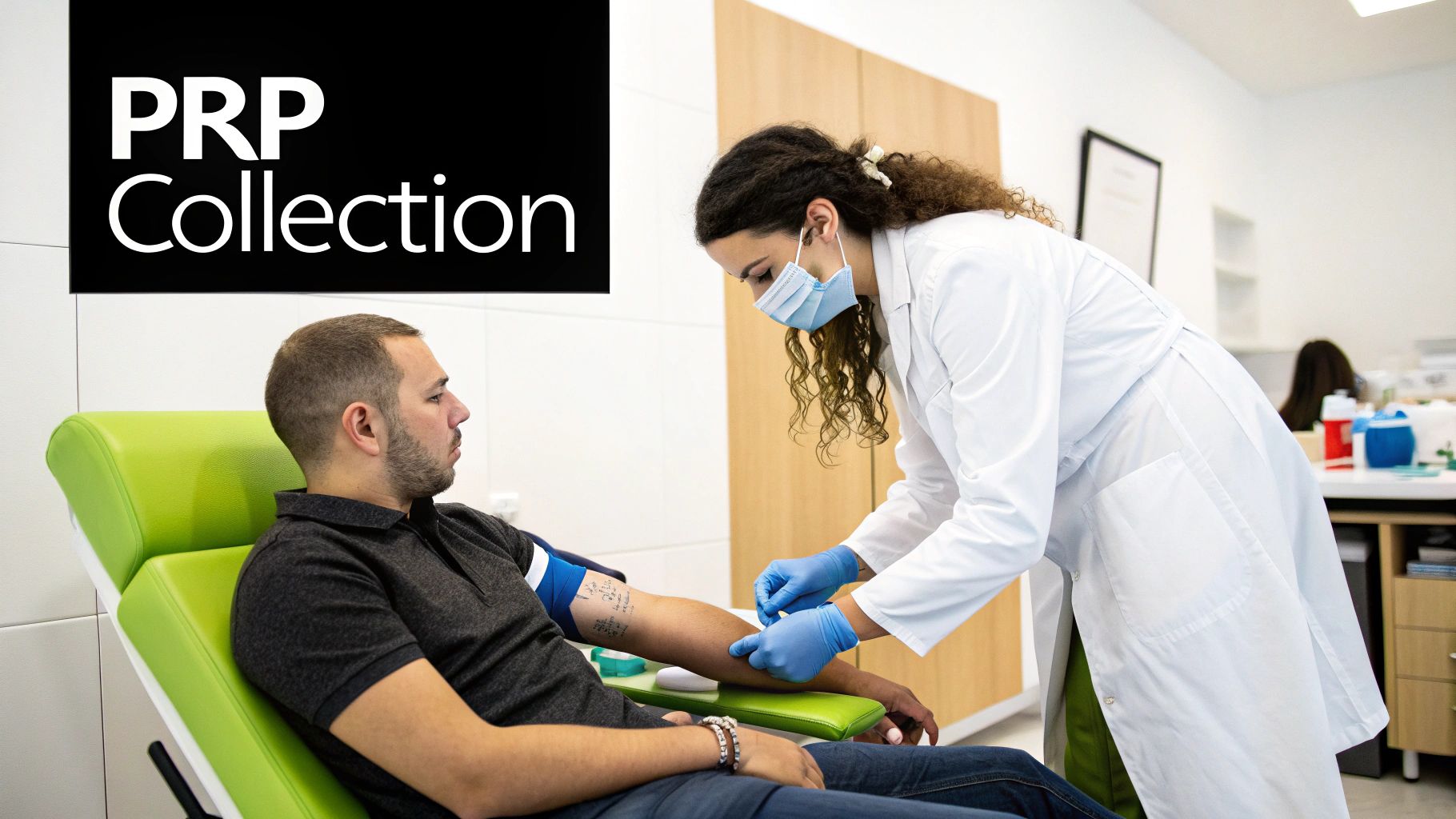
Platelet-Rich Plasma (PRP) therapy offers a natural solution for hair loss by using the body's own healing mechanisms. This medical treatment focuses on platelets – small blood cells that play key roles in clotting and healing. The real power of PRP lies in special proteins called growth factors found within these platelets.
The Power of Growth Factors
When doctors inject PRP into the scalp, platelets release their growth factors directly into hair follicles. These proteins act as natural messengers that wake up inactive follicles and boost the growth of existing ones. The process helps hair enter the anagen phase – the active growth stage of the hair cycle. This leads to thicker hair, better density, and more coverage on the scalp.
PRP's Impact on the Hair Growth Cycle
PRP contains several important growth factors that support hair health. Vascular Endothelial Growth Factor (VEGF) helps create new blood vessels to feed hair follicles with nutrients. Another key protein, Platelet-Derived Growth Factor (PDGF), repairs tissue and triggers cell growth. Together, these factors not only strengthen existing hair but can also stimulate new hair growth.
Why PRP Stands Out
The main advantage of PRP is that it uses the patient's own blood, making it an autologous treatment. This means there's very little risk of allergic reactions or rejection. While results can vary based on individual factors like pattern of hair loss and overall health, research shows PRP can effectively combat hair loss and encourage regrowth. Ongoing clinical studies continue to reveal more about this promising treatment option.
Clinical Evidence: What The Research Really Shows
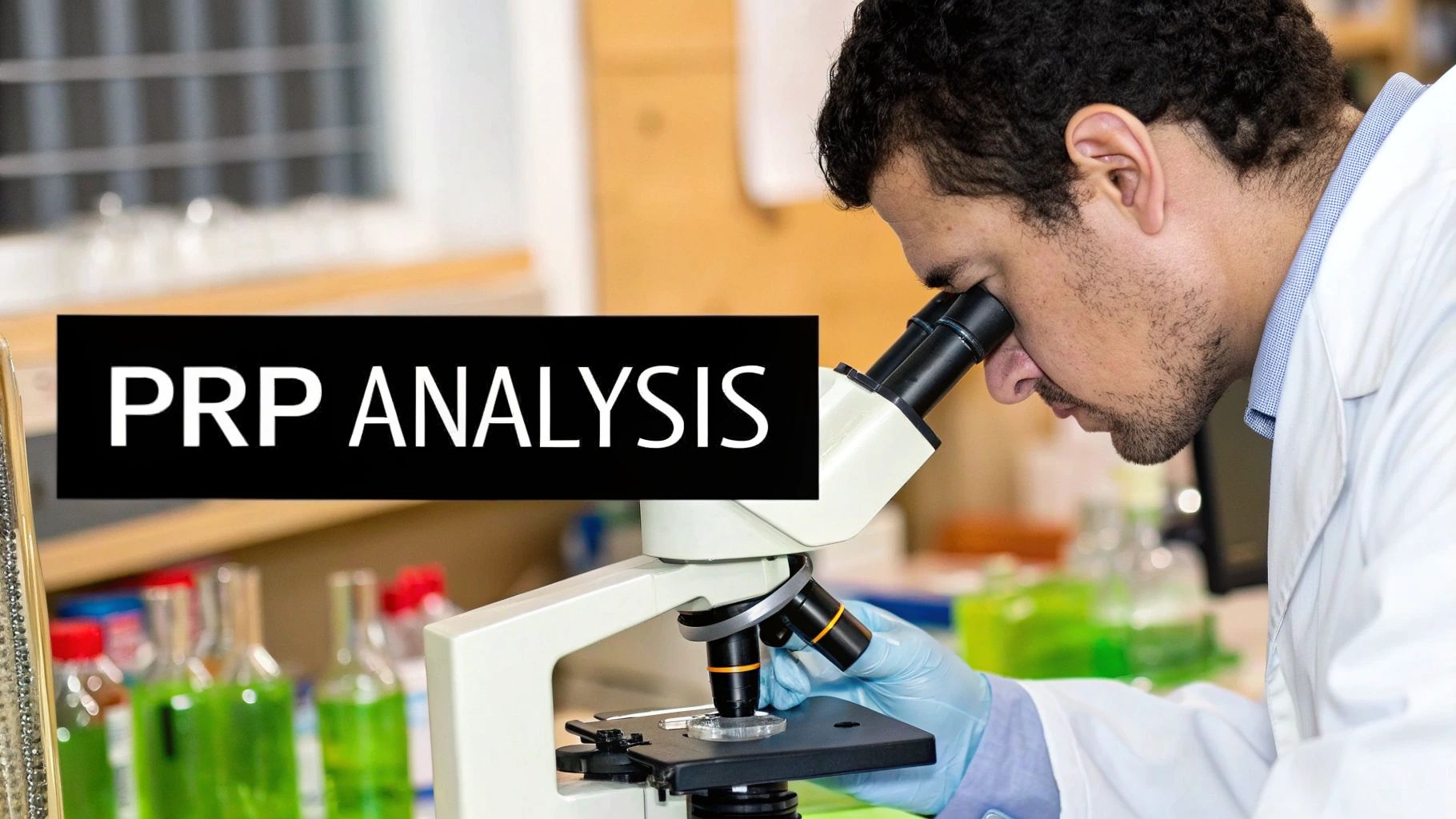
The science behind PRP for hair loss goes well beyond personal success stories. Multiple research studies have examined how well PRP works for different types of hair loss, especially androgenetic alopecia (AGA) – the medical term for male and female pattern baldness. These studies use careful methods like randomized controlled trials to ensure their findings are reliable.
Analyzing Clinical Trial Results
Researchers track progress using specific measurements like hair count, hair thickness, and hair density. These concrete numbers help show exactly how PRP affects hair growth. They also take standardized photos to document visible changes in hair coverage over time.
In one notable study, researchers compared two PRP treatment schedules for AGA patients. The first group received three monthly treatments plus a booster at three months, while the second group had just two treatments spaced three months apart. The results showed that more frequent initial treatments led to significant hair count increases by three months, while the other approach took six months to show major improvement. Read more about this research here: Exploring PRP Treatment Protocols
Factors Influencing PRP Success
The effectiveness of PRP can vary between patients. The stage of hair loss makes a big difference – people who start treatment earlier often see better results. Overall health also matters significantly. For example, people who maintain a healthy diet and exercise regularly may respond more positively to PRP therapy. This shows how hair health connects to overall wellness.
Patient Profiles and Response Variability
Studies show that certain groups of patients tend to respond better to PRP treatment than others. Age, genetic factors, and specific types of hair loss all play a role in treatment success. Medical professionals use this information to create personalized treatment plans that match each patient's needs. This targeted approach helps ensure the best possible results. That's why it's important to work with experienced doctors who can properly evaluate your situation and recommend the most suitable treatment options.
PRP Versus Traditional Hair Loss Solutions: An Honest Comparison
Understanding your hair restoration options is essential for making an informed choice. Let's examine how PRP compares to other established hair loss treatments, looking at the key differences, benefits, and considerations of each approach.
PRP vs. Minoxidil (Rogaine)
Minoxidil, available over-the-counter as Rogaine, requires daily application to the scalp for both men and women. While it can promote hair growth, stopping treatment typically leads to hair loss returning. PRP treatment follows a different schedule with injections spaced several weeks apart, potentially offering more lasting results with less frequent maintenance.
PRP vs. Finasteride (Propecia)
Finasteride, prescribed as Propecia for male pattern baldness, blocks hair loss-causing hormones. Though effective, it can cause side effects like reduced libido and sexual function. PRP offers a hormone-free alternative, though some patients experience mild, temporary injection site effects. A 2019 Mayo Clinic study showed PRP effectively regrew hair with 21% of participants reporting minor side effects like bruising. The research used advanced imaging to measure improvements in hair count and density. Learn more about the Mayo Clinic's PRP research.
PRP vs. Hair Transplantation
Hair transplant surgery moves healthy follicles to thinning areas. While more invasive and costly than PRP, it can deliver permanent results. PRP works well for early hair loss or those not ready for surgery. Many physicians combine PRP with transplants to boost overall results and hair density.
Combination Therapies
Using PRP alongside other treatments like minoxidil or finasteride may enhance outcomes. This multi-treatment approach allows for better results in many cases. However, you should discuss combination therapy with a qualified doctor to ensure it's appropriate for your situation.
Cost-Benefit Analysis and Treatment Timelines
PRP treatment involves multiple sessions over several months, followed by maintenance visits. Though initial costs exceed some alternatives, many find the long-term benefits and reduced need for daily medication make it worthwhile. Understanding the treatment schedule and expenses helps set realistic expectations when choosing this option.
Maximizing Results: Optimal Treatment Protocols Revealed
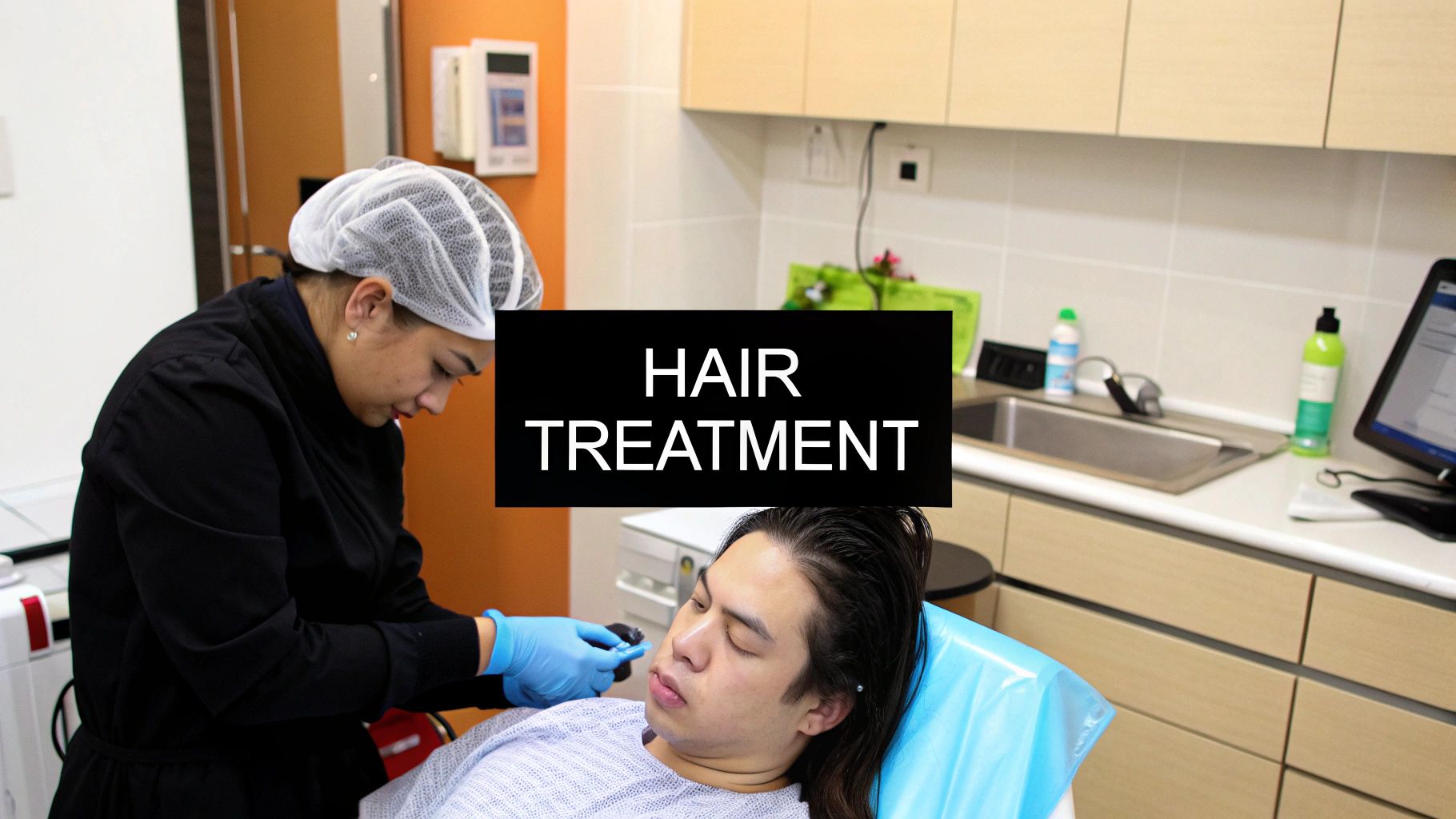
Getting the best results from PRP hair loss treatment requires following specific protocols. Since each person's hair loss situation is unique, the treatment plan needs to be customized. Key factors like proper timing between sessions and following maintenance schedules directly impact how well the treatment works.
The Importance of Timing
Proper scheduling of PRP injections plays a vital role in treatment success. Most effective protocols start with an intensive phase where injections are given one month apart. This regular schedule helps stimulate hair follicles consistently – similar to how regular watering helps plants thrive. The initial phase usually includes three to four treatments. However, the exact timing may need adjustment based on individual factors and hair loss type.
Maintaining Long-Term Success
After completing the initial treatments, ongoing maintenance sessions keep the results going strong. These follow-up treatments typically happen every three to six months. Just as a garden needs regular care to stay healthy, your hair follicles need periodic stimulation to maintain their renewed growth. Your provider will adjust the maintenance schedule based on how well your hair responds to treatment.
Complementary Practices for Enhanced Results
While PRP works well on its own, combining it with other treatments can boost results even further. Many clinics pair PRP with low-level laser therapy (LLLT) or microneedling to improve outcomes. These additional therapies boost scalp health and blood flow while helping the PRP absorb better. Good nutrition and stress management also support overall hair health and help maximize PRP benefits.
Optimizing Your Treatment Journey
Top clinics regularly update their PRP methods based on patient results and new research findings. They know that getting the best outcome means creating a personalized plan that considers your age, genetics, and stage of hair loss. Be sure to have detailed discussions with your provider about your goals and expectations. Working together to develop the right treatment approach, with proper timing and complementary care, sets you up for the best possible results.
The Patient Journey: From Consultation To Results

Getting PRP treatment for hair loss involves several key steps that take you from your first doctor's visit through to seeing actual results. Understanding what happens at each stage helps you know what to expect and how to prepare.
Initial Consultation: Assessing Your Candidacy
Your journey begins with a detailed medical consultation. The doctor examines your hair loss pattern, reviews your health history, and determines if PRP therapy would work for you. They'll look at factors like your type of hair loss, family history, and any medications you take to create a personalized treatment approach.
The PRP Procedure: A Step-by-Step Guide
The treatment starts with drawing blood, just like a standard blood test. Your blood sample goes into a special machine called a centrifuge that separates out the platelet-rich plasma (PRP). This concentrated PRP contains growth factors that help stimulate hair follicles. Before injecting the PRP into thinning areas, the doctor numbs your scalp for comfort. The whole process typically takes about 30 minutes.
Post-Treatment Expectations and Recovery
Most people can return to their normal activities right after treatment. You might notice some mild tenderness or redness where the injections were done, but this usually goes away within a few days. Using a cold compress can help with any discomfort. Your doctor will give you specific care instructions, including when to resume exercise and which hair products to avoid temporarily.
The Timeline to Visible Results and Follow-Up Treatments
PRP results take time to appear. While some notice changes in a few months, the best results usually come after multiple treatments. Most treatment plans start with sessions spaced one month apart, followed by maintenance every three to six months. Success depends on following your treatment schedule and personal factors that affect hair growth. Regular check-ups help track your progress.
Maximizing Your PRP Treatment Effectiveness
You can boost your PRP results through several methods. A balanced diet and regular exercise support healthy hair growth. Some clinics pair PRP with other treatments like microneedling to improve results. Keep talking with your doctor about any changes you notice in your hair – this helps them adjust your treatment plan for the best possible outcome.
(not wrapping in markdown)
Making Your Decision: Is PRP Right For You?
Choosing PRP therapy for hair loss is a significant decision that requires careful thought. Let's explore the key factors to help you determine if this treatment matches your hair restoration goals.
Factors Influencing PRP Success
Your potential results with PRP therapy depend on several important elements:
- Type of Hair Loss: PRP works best for androgenetic alopecia (male or female pattern baldness). Results vary for other hair loss types.
- Stage of Hair Loss: People in the early stages of thinning typically see better results since their follicles are still active.
- Age and Health: Younger people and those with good overall health often respond better to treatment. Your diet, exercise habits, and general wellness matter.
- Cost Considerations: Multiple sessions and maintenance treatments add up. Consider your budget and available payment options.
Evaluating Potential Providers
Find the right medical provider by checking these key points:
- Track Record: Look for providers with proven experience in PRP hair treatments. Ask about their success rates and procedure numbers.
- Individual Assessment: Good providers create custom treatment plans based on your specific hair loss pattern and needs.
- Open Discussion: Your provider should explain everything clearly – from procedure steps to expected outcomes.
- Patient Reviews: Read what other patients say about their experiences and results.
- Clinic Standards: Check that the facility is clean, professional, and uses modern equipment.
Recognizing Red Flags
Watch out for these warning signs:
- Unrealistic Promises: No treatment can guarantee specific results. Be skeptical of absolute promises.
- Hidden Information: Good providers are upfront about costs, side effects, and realistic timelines.
- Pressure Tactics: Quality providers educate and inform – they don't push you into quick decisions.
Making an Informed Decision
Ask yourself these questions:
- Goals: What do you want to achieve? Is it major regrowth or just slowing down hair loss?
- Other Options: Have you considered treatments like minoxidil, finasteride, or hair transplants?
- Time Investment: Can you commit to multiple sessions and follow-up treatments?
Take time to weigh these factors carefully before deciding on PRP therapy. For more detailed information and resources, visit PRP For HairLoss.


Leave a Reply