Reclaiming Your Confidence: A Guide to Hair Restoration
Hair loss can be a deeply personal and distressing experience, affecting self-esteem and overall confidence. For centuries, men have searched for solutions to thinning hair, exploring everything from ancient remedies to modern technological advancements. What once felt like an inevitable part of aging or genetics is now a challenge with a growing number of effective solutions. Understanding these options is the first step in making informed decisions about your own hair restoration journey.
The field of hair restoration has changed significantly over time. Early interventions were often rudimentary and produced inconsistent results. Today, thanks to decades of research and innovation, we now have sophisticated surgical procedures, advanced non-surgical therapies, and effective medical treatments. The success of each approach depends on several factors, including the root cause of the hair loss, individual responses to treatment, and the practitioner's skill. Whether the chosen method involves stimulating inactive follicles, transplanting healthy hair grafts, or concealing thinning areas, the overall objective remains the same: to restore a natural-looking hairline and boost confidence.
This guide explores ten prominent hair restoration treatment options available in 2025, from minimally invasive procedures to innovative medications. By the end of this article, you’ll have a better understanding of the range of hair restoration solutions, allowing you to evaluate the available options and choose the best path toward a fuller, healthier head of hair.
1. Follicular Unit Transplantation (FUT)
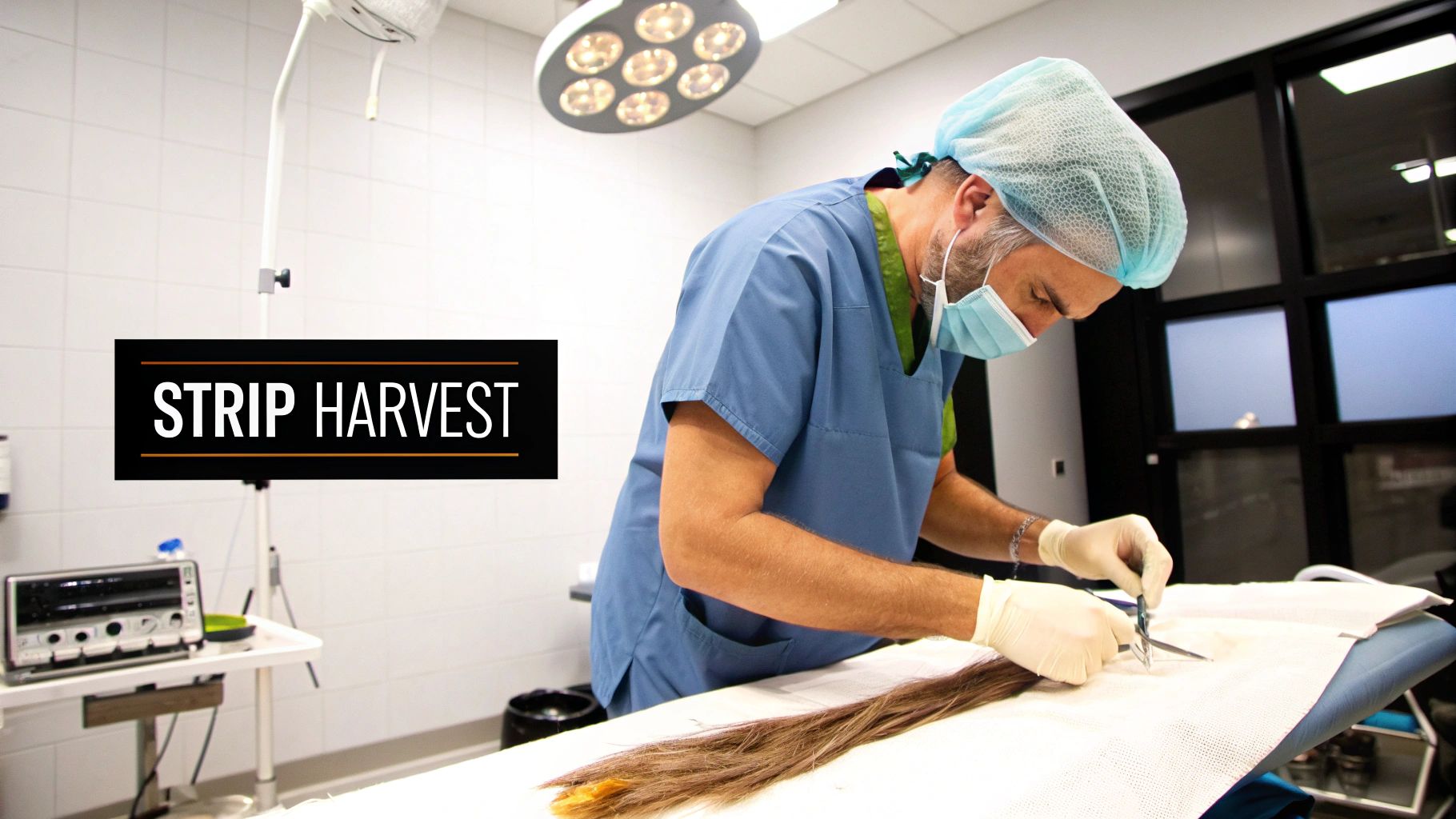
Follicular Unit Transplantation (FUT), also known as the strip harvesting method, is a well-established technique in hair restoration. It's a surgical procedure that restores hair growth in thinning areas by transplanting follicles from a donor area, usually the back of the head. This area is genetically resistant to the hormones that cause male pattern baldness, ensuring lasting results.
FUT involves removing a thin strip of scalp from the donor area. This strip contains thousands of natural follicular units, which are groupings of 1 to 4 hairs. Skilled technicians carefully dissect the strip under a microscope, separating it into these individual units. The grafts are then implanted into tiny incisions in the recipient area, meticulously placed to match the natural hair growth direction and angle for a seamless look.
Why FUT Remains a Relevant Option
FUT allows for the harvesting of a large number of grafts in a single session, making it suitable for significant hair loss. The procedure has a high graft survival rate and typically delivers excellent results. While newer methods exist, FUT's proven track record and cost-effectiveness make it a valuable option.
Features and Benefits
- Strip harvesting technique: Enables efficient extraction of numerous grafts.
- High graft yield: Thousands of grafts can be harvested in one session.
- Permanent results: Transplanted hair resists hair loss hormones.
- Natural-looking outcome: Hair is implanted in natural groupings and growth patterns.
- Cost-effective: Often more affordable than Follicular Unit Extraction (FUE), especially for larger areas.
Pros and Cons of FUT
Pros:
- Generally more cost-effective than FUE per graft.
- Allows for harvesting many grafts in a single session.
- High graft survival rate (95-98% with proper technique).
- Suitable for larger balding areas.
- One-time linear scar, often hidden by hair growth.
Cons:
- Leaves a linear scar at the donor site.
- Longer recovery (typically 2-3 weeks).
- More post-operative discomfort than FUE.
- Not ideal for very short hairstyles.
- More invasive than newer techniques.
History and Popularity of FUT
Pioneered by Dr. Bobby Limmer in the 1990s, FUT significantly changed hair restoration. Clinics like Bosley Medical Group and Hair Club further popularized the technique. While newer techniques like FUE have gained traction, FUT remains a preferred choice for many due to its high graft yield per session. Its enduring relevance is evident even in high-profile cases, such as soccer star Wayne Rooney.
Practical Tips for FUT
- Choose a qualified surgeon: Opt for an International Society of Hair Restoration Surgery (ISHRS) certified surgeon.
- Plan for downtime: Allow 7-10 days for social downtime post-procedure.
- Restrict activity: Avoid strenuous activity for at least 2 weeks after surgery.
- Avoid smoking: Smoking hinders healing and can impact graft survival.
- Multiple sessions: Be prepared for multiple sessions if you have extensive hair loss.
Consulting with a qualified surgeon is crucial to determine if FUT is the right approach for your individual needs and expectations. They can evaluate your hair loss, discuss your goals, and recommend the most suitable treatment plan.
2. Follicular Unit Extraction (FUE)
Follicular Unit Extraction (FUE) has quickly become a popular hair restoration technique. It offers a minimally invasive solution for men experiencing hair loss. Unlike older methods, FUE extracts individual follicular units (natural hair groupings) directly from the donor area (typically the back and sides of the head). This is done using a specialized micro-punch tool. These units are then transplanted to recipient areas experiencing thinning or baldness.
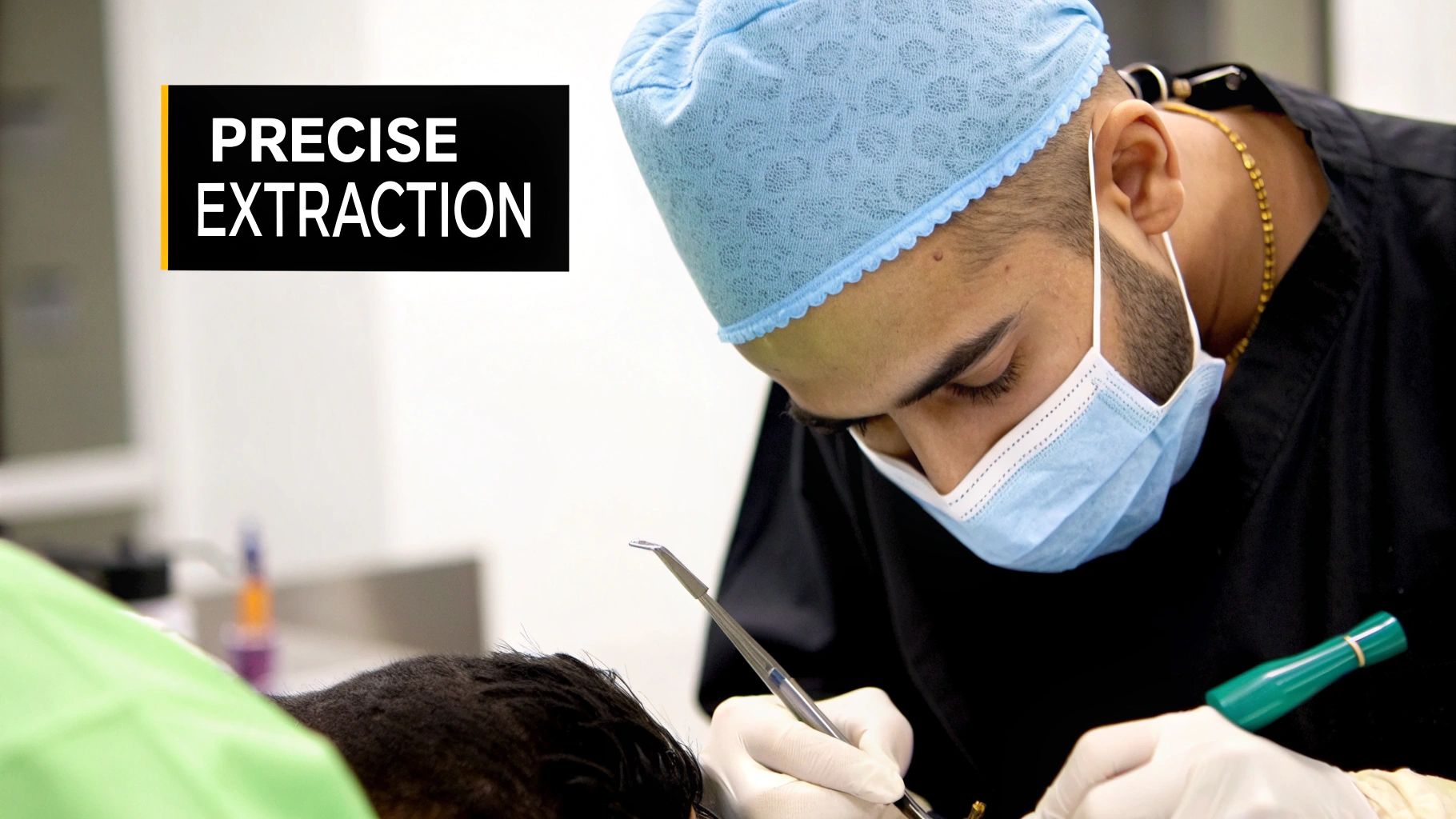
This precise approach minimizes scarring and allows for faster recovery, making it an attractive option for many.
How FUE Works & Why It’s Popular
The individual follicle extraction technique is central to FUE. Instead of a linear incision, like with Follicular Unit Transplantation (FUT), FUE uses a tiny punch. This creates minuscule, circular scars around each extracted follicle. These scars are typically less than 1mm in diameter. They become virtually invisible once healed, allowing patients to wear their hair short without revealing the procedure.
FUE’s popularity has grown due to its minimally invasive nature and the resulting benefits. The recovery time is significantly faster than FUT, usually 7-10 days, with less post-operative pain. This is a major advantage for those with busy schedules.
Features and Benefits
- Individual follicle extraction: This precise method minimizes damage to surrounding hair.
- No linear incision or stitches: This results in minimal scarring.
- Tiny circular scars: These are virtually invisible after healing.
- Body hair as donor source: Body hair can sometimes be used if scalp hair is insufficient.
- Multiple donor areas: Harvesting from various areas is possible if needed.
Pros and Cons of FUE
Here’s a table summarizing the advantages and disadvantages of FUE:
| Pros | Cons |
|---|---|
| Minimal scarring compared to FUT | Generally more expensive than FUT |
| Faster recovery time (7-10 days) | May require multiple sessions for large areas |
| Less post-operative pain | Limited by daily graft harvest capacity |
| Suitable for short hairstyles | Higher risk of follicle damage during extraction (minimized with skilled surgeons) |
| Multiple donor area harvesting | Requires shaving of donor area in most cases ("no-shave" options emerging) |
Real-World Examples
The effects of FUE can be seen in many public figures. Elon Musk's hair transformation is often attributed to FUE. Other examples include footballer David Silva’s hairline restoration and actor Matthew McConaughey’s hair rejuvenation.
Evolution and Popularization
Pioneered by surgeons like Dr. William Rassman and Dr. Robert Bernstein, FUE has significantly evolved. The introduction of robotic systems like ARTAS and automated systems like NeoGraft has further refined the procedure, improving precision and consistency.
Tips for Choosing FUE
- Research: Thoroughly research surgeons specializing in FUE with proven track records.
- Consider advanced technology: Robotic or automated FUE systems can improve consistency.
- Plan for recovery: Allow 3-4 days for recovery before returning to non-strenuous work.
- View before/after photos: Assess results by viewing photos of the surgeon’s actual patients.
- Multiple sessions: Be prepared for multiple sessions spaced 6-12 months apart for larger areas.
FUE's minimally invasive nature, quick recovery, and natural-looking results have made it a leading hair restoration treatment. While more expensive than FUT, the benefits often outweigh the cost for those seeking minimal scarring and a faster return to their normal routine.
3. Platelet-Rich Plasma (PRP) Therapy
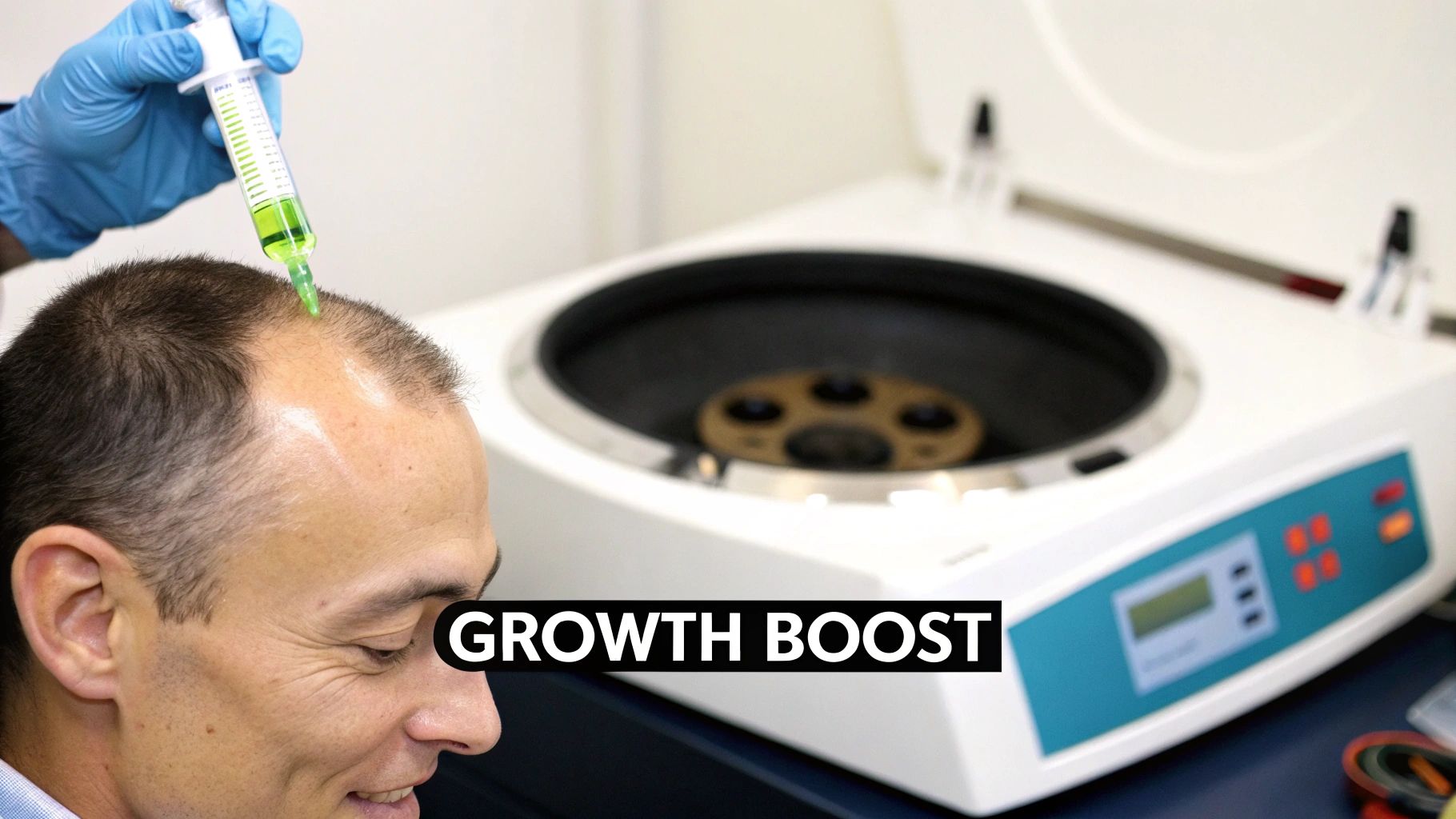
Platelet-Rich Plasma (PRP) therapy is a non-surgical option for men experiencing hair loss. It uses your body's own healing mechanisms to stimulate hair growth. This makes it a compelling treatment for hair restoration. The therapy involves extracting a small amount of your blood, processing it to concentrate the platelets, and then injecting this platelet-rich plasma into your scalp.
Why platelets? These tiny blood cells are full of growth factors that play a crucial role in tissue repair and regeneration. When injected into the scalp, these growth factors can improve blood supply to the hair follicles. This can potentially reverse the miniaturization process associated with androgenetic alopecia (male pattern baldness). PRP can also strengthen existing hair, leading to increased thickness and a fuller appearance.
How PRP Works
PRP therapy is a minimally invasive outpatient procedure, typically lasting 30-60 minutes. Because it uses your own blood components (autologous treatment), the risk of allergic reactions or rejection is minimal.
Advantages and Disadvantages of PRP
Here's a breakdown of the pros and cons of PRP therapy:
Pros:
- Minimal Downtime: Return to normal activities immediately.
- Safe: Using your own blood minimizes risks.
- Effective for Existing Hair: Strengthens and thickens existing hair.
- Potential for Slowing Hair Loss: May slow or stop progressive hair loss.
- Versatile: Suitable for both men and women.
Cons:
- Maintenance Required: Ongoing treatments are necessary.
- Variable Effectiveness: Individual results may differ.
- Multiple Sessions: Requires initial and maintenance treatments.
- Not for Complete Baldness: Ineffective in areas with complete hair loss.
- Delayed Results: Noticeable results take 3-6 months.
History and Development of PRP
While Dr. Charles Runels popularized PRP facials (the "vampire facial"), its use extends beyond aesthetics. Athletes like Tiger Woods have used PRP for sports injuries. Dr. Jeffrey Rapaport pioneered PRP protocols specifically for hair loss. The development of specialized centrifuge systems like EmCyte and Magellan PRP further refined the process, optimizing platelet concentration for hair regrowth.
PRP in Practice: Results and Recommendations
Kim Kardashian's public documentation of her PRP facial brought PRP into the mainstream. Clinical studies have shown a 30-40% increase in hair count in responsive patients undergoing PRP for hair loss. PRP is often used as a complementary treatment after hair transplantation to enhance results.
Here are some tips for maximizing PRP effectiveness:
- Avoid blood thinners like aspirin for two weeks before treatment.
- Plan treatments every 4-6 weeks initially, then every 4-6 months for maintenance.
- Combining PRP with microneedling can enhance effectiveness.
- PRP yields the best results in patients with early-stage hair loss.
- Choose a provider with centrifuge systems optimized for PRP preparation.
PRP therapy offers a compelling option for men seeking a non-surgical approach to hair restoration. While not a quick fix or a cure for complete baldness, it provides a valuable tool for strengthening existing hair, potentially slowing hair loss, and improving overall hair density. It's a safe and minimally invasive way to use your body's regenerative power to combat hair loss.
4. Low-Level Laser Therapy (LLLT)

Low-Level Laser Therapy (LLLT), also known as photobiomodulation, offers a non-invasive and painless approach to combating hair loss. Its proven efficacy, convenience, and lack of serious side effects make it a viable option for men seeking to restore their hair. LLLT uses specific red light wavelengths (typically 630-670 nanometers) to stimulate hair follicles at a cellular level.
This process increases blood flow to the scalp and revitalizes dormant hair follicles stuck in the catagen or telogen (resting) phases. It encourages them to re-enter the anagen (growth) phase.
LLLT’s popularity has grown considerably since the introduction of at-home devices. Initially, the therapy was primarily available in specialized clinics. However, advancements in technology led to the development of handheld combs, brushes, caps, and helmets. These devices allow men to conveniently administer the treatment themselves.
HairMax, a pioneer in consumer LLLT devices, paved the way with the HairMax LaserComb, the first FDA-cleared LLLT device for home use. This breakthrough significantly broadened access to the therapy and propelled its rise in popularity.
How LLLT Works
The red light emitted by LLLT devices penetrates the scalp and is absorbed by the hair follicles. This light energy converts into cellular energy, stimulating metabolic processes within the follicles. This increased cellular activity promotes hair growth in several ways.
- Improves blood circulation
- Reduces inflammation
- Encourages the transition of follicles back into the growth phase
Features and Benefits
- Non-invasive and Painless: The treatment involves simply wearing or using the LLLT device.
- No Recovery Time: Integrate LLLT seamlessly into your daily routine.
- Home-Use Options: Several FDA-cleared devices are available for convenient at-home use.
- Effective for Androgenetic Alopecia: LLLT is clinically proven to treat androgenetic alopecia, the most common type of hair loss in men.
- Suitable for Both Men and Women: The therapy is effective for both genders experiencing hair thinning or loss.
Pros and Cons
Pros:
- No known serious side effects
- Convenient home-use options
- Can be used with other hair loss treatments (like minoxidil or finasteride)
- Works for both men and women
- No chemicals or medications involved
Cons:
- Requires consistent long-term use (typically 3+ times per week)
- Results appear gradually over 3-6 months
- Effectiveness varies between individuals
- Not effective for completely bald areas
- Quality devices can be expensive
Real-World Examples and Case Studies
- HairMax LaserComb: The first FDA-cleared LLLT device for home use.
- Capillus: Clinical trials have shown a 51% increase in hair count over 17 weeks in some studies.
- Theradome LH80 PRO: Company studies have shown hair loss stabilization in 98% of users.
Tips for Implementation
- Consistency is Key: Follow the recommended treatment schedule.
- Clean, Dry Hair: Use the device on clean, dry hair.
- Combination Therapy: Consider combining LLLT with minoxidil or finasteride for potentially enhanced results. Consult a doctor before combining treatments.
- Device Quality: Look for devices with proper documentation.
- Patience is Important: Results typically appear after 3-4 months of regular use.
LLLT represents a promising option for men experiencing hair loss. By understanding its mechanism of action, benefits, and limitations, individuals can make informed decisions about incorporating this therapy into their hair restoration journey.
5. Minoxidil (Topical)
Minoxidil is a cornerstone of non-surgical hair loss treatment. It's a popular choice for men experiencing thinning hair or a receding hairline. Its FDA approval, over-the-counter availability, and proven effectiveness make it an accessible option for combating hair loss. Originally an oral medication for high blood pressure, minoxidil's surprising hair growth side effect led to its topical formulation for androgenetic alopecia (male pattern baldness).
How Minoxidil Works
Minoxidil primarily works as a vasodilator. This means it widens blood vessels, increasing blood flow to the hair follicles. This improved circulation delivers vital nutrients and oxygen, encouraging hair growth. Beyond vasodilation, minoxidil also prolongs the anagen (growth) phase of the hair cycle. This leads to longer and thicker hairs. It may also stimulate dormant follicles back into an active growth phase.
Features and Benefits
- Over-the-Counter Availability: No prescription is needed.
- Easy Application: Applied twice daily as a liquid or foam.
- Varied Strengths: Available in different concentrations (2% and 5%). 5% is generally recommended for men.
- Affordable: A less expensive option compared to other treatments.
Pros
- Clinically Proven: Studies demonstrate its effectiveness. Approximately 40% of men experience moderate to dense hair regrowth after 3-6 months of use.
- Non-invasive: Avoids the risks of surgical procedures.
- Few Systemic Side Effects: Rare when used as directed.
Cons
- Continued Use Required: Hair loss resumes if treatment stops.
- Initial Shedding (Dread Shed): Increased shedding in the first few weeks is normal.
- Potential Side Effects: Scalp irritation, dryness, or unwanted facial hair.
- Not Universally Effective: Efficacy varies and doesn't work for all hair loss types.
Real-World Examples and Popularity
Rogaine, the original brand, remains a market leader. Many generic versions are available, like Kirkland Signature, offering cost savings. Direct-to-consumer brands like Hims and Keeps have also popularized minoxidil. Online communities further contribute to its adoption.
Tips for Effective Application
- Dry Scalp Application: Apply to a dry scalp for maximum absorption.
- Avoid Washing/Swimming: Wait at least 4 hours after applying.
- Proper Dosage: Use the provided measuring tools.
- Be Patient: Results can take 4-6 months.
- Consider Foam: Try the foam version for potential irritation from the liquid.
Why Minoxidil Deserves its Place
Minoxidil earns its place due to its proven track record, accessibility, and affordability. While not a cure, it offers a viable, non-invasive option for managing hair loss and potentially regrowing hair. Its ease of use makes it a practical first-line treatment for many experiencing male pattern baldness.
6. Finasteride (Oral)
Finasteride is a cornerstone of modern male pattern baldness treatment. Its proven effectiveness and convenient oral administration have earned it a prominent place among hair loss solutions. This FDA-approved prescription medication addresses the hormonal root of hair loss. It does this by inhibiting 5-alpha-reductase, the enzyme that converts testosterone into dihydrotestosterone (DHT).
DHT is the primary androgen responsible for miniaturizing hair follicles, leading to thinning and eventual hair loss on the scalp. By reducing DHT levels by up to 70%, finasteride helps prevent further miniaturization and can even stimulate regrowth in some men.
How It Works and What to Expect
Finasteride is typically prescribed as a 1mg daily pill. It’s most effective for hair loss at the crown (vertex) and less so for a receding frontal hairline. Results vary, but most men see noticeable changes within 3-6 months of consistent use. Clinical trials have demonstrated its efficacy. For instance, studies have shown that 83% of men maintained their hair count after two years on finasteride compared to just 28% on a placebo.
Features and Benefits
- Prescription-only oral medication: Easy to integrate into a daily routine.
- Targets DHT: Directly addresses the underlying hormonal cause of male pattern baldness.
- Proven effectiveness: Clinically proven to prevent further hair loss in 85-90% of men. It also promotes regrowth in approximately 65%.
- Often more effective than minoxidil: For male pattern baldness, finasteride frequently yields superior results.
Pros
- Convenient once-daily dosage
- Significant prevention of further hair loss
- Potential for hair regrowth
- Strong clinical evidence supporting efficacy
Cons
- Potential Sexual Side Effects: A small percentage (2-4%) of men experience side effects such as reduced libido or erectile dysfunction. These often subside with continued use or upon discontinuation.
- Not for Women: Finasteride is contraindicated for women, especially during pregnancy.
- Reversible Results: Hair loss typically resumes within 6-12 months if treatment is stopped.
- Potential for Other Side Effects: Some users report mood changes or depression. There is ongoing debate regarding a slightly increased risk of high-grade prostate cancer.
Real-World Examples and Popularity
Propecia (1mg finasteride), manufactured by Merck, was the first FDA-approved medication specifically for male pattern hair loss. Proscar (5mg finasteride), intended for prostate issues, is sometimes prescribed off-label and divided for hair loss treatment. The rise of telehealth platforms like Hims, Keeps, and Roman has made finasteride more accessible.
Practical Tips for Implementation
- Consult a Physician: Discuss your medical history and any potential side effects with a doctor before starting finasteride.
- Baseline PSA Test: Get a prostate-specific antigen (PSA) test before starting finasteride as a baseline for monitoring prostate health.
- Consider Starting Slow: A 3-day-per-week dosing schedule can help assess your tolerance.
- Combination Therapy: Combining finasteride with minoxidil can enhance results.
- Patience is Key: Allow at least 12 months for the medication to show its full effects.
Finasteride is a powerful tool in the fight against male pattern baldness. By understanding its benefits, drawbacks, and proper usage, you can make an informed decision about whether it’s the right treatment option. Always consult with a medical professional for personalized advice.
7. Hair Mesotherapy
Hair Mesotherapy is a non-surgical treatment for hair thinning and promoting hair growth. It involves injecting a customized mixture of nutrients directly into the scalp's middle layer (mesoderm). This nourishes hair follicles and can potentially stimulate dormant ones. The goal is to improve blood circulation, neutralize excess DHT (a hormone linked to hair loss), strengthen existing hair, and slow down further hair loss. Its minimally invasive nature and targeted approach make it an attractive option for men looking to restore their hair.
How It Works
Hair mesotherapy involves a series of shallow injections using very fine needles. The injected solution is tailored to individual needs and typically includes vitamins (like biotin and B vitamins), minerals (such as zinc and copper), amino acids, nucleic acids, and coenzymes. These ingredients work together to revitalize hair follicles and create a healthier scalp environment. The procedure typically takes 30-60 minutes and is performed in an outpatient setting. While some manual injection techniques exist, specialized injection devices are becoming more common, offering greater precision and potentially less discomfort.
Why It's on the List
Mesotherapy provides a more direct approach to hair follicle nourishment than topical treatments. By delivering nutrients directly to the affected area, it avoids potential barriers and ensures maximum absorption. This targeted delivery, combined with its potential to address several factors contributing to hair loss (like poor circulation and DHT), makes it a noteworthy hair restoration option.
Pros and Cons
Pros:
- Targeted nutrient delivery directly to hair follicles
- Minimal downtime, with occasional redness for 12-24 hours
- Addresses multiple factors contributing to hair loss
- Suitable for both men and women
- Can be combined with other treatments like PRP (Platelet-Rich Plasma) for enhanced results
Cons:
- Limited large-scale clinical studies demonstrating long-term effectiveness
- Results are temporary, requiring maintenance sessions every few months
- Inconsistent formulations and protocols across different providers
- Can be uncomfortable or mildly painful during injections
- Multiple sessions (usually 8-10 initially) are required for noticeable results
Evolution and Popularity
Mesotherapy was developed in the 1950s by French physician Dr. Michel Pistor. Initially used for pain management and other medical conditions, its use expanded to cosmetic dermatology, including hair restoration. Dr. Lionel Bissoon later popularized mesotherapy in the United States. It gained popularity in European and South American medical spas and dermatology clinics, where protocols developed by institutions like F.C.E.AD (French Center for Aesthetic Dermatology) are often used. While before-and-after studies have shown promising results, such as increased hair diameter in some patients, more robust clinical trials are needed.
Tips for Implementation
- Thorough Consultation: Discuss the specific ingredients in the mesotherapy cocktail and the reasoning behind the formulation with your provider.
- Treatment Plan: Expect a series of weekly or bi-weekly sessions initially, followed by monthly maintenance treatments.
- Combination Therapy: Consider combining mesotherapy with dermarolling or microneedling between sessions to potentially improve nutrient absorption and stimulate collagen production.
- Injection Technique: Seek providers using the Nappage technique, which involves rapid, shallow injections.
- Post-Treatment Care: Avoid washing your hair for 24 hours after treatment.
Real-World Examples
While individual results vary, anecdotal evidence and some smaller studies suggest that mesotherapy can improve hair density and thickness. Some before-and-after photos from European clinics show increased hair diameter and improved scalp coverage in patients treated with mesotherapy. However, it's important to have realistic expectations and understand that results are generally gradual and require ongoing maintenance. The lack of standardized protocols and varying cocktail formulations makes it difficult to compare results across different providers. Choosing a reputable and experienced practitioner is crucial.
8. Scalp Micropigmentation (SMP)
Scalp micropigmentation (SMP) is a non-surgical cosmetic tattooing procedure. It offers a solution for men experiencing hair loss, thinning hair, or scarring. The procedure uses specialized microneedles to deposit pigment into the scalp's dermal layer. This mimics the appearance of tiny hair follicles or stubble, creating the illusion of a fuller head of hair.
Unlike traditional tattoos, SMP uses specific techniques, equipment, and pigments designed for the scalp. This ensures a natural and realistic look. SMP offers immediate and lasting results, making it a highly effective, non-invasive hair restoration option. It addresses various stages of hair loss, from receding hairlines to complete baldness.
How SMP Works and Its Evolution
SMP creates thousands of tiny pigmented dots that replicate natural hair follicles. This detailed approach allows practitioners to customize the density and hairline design for each client. Pioneered by HIS Hair Clinic in the UK, SMP has evolved significantly. Advancements in pigment formulation, equipment precision, and artistic techniques have enhanced the procedure.
Clinics like Scalp Aesthetics in the US and Vinci Hair Clinic internationally have further popularized SMP. Celebrity endorsements have also contributed to its rise. For example, Dwayne "The Rock" Johnson and Vin Diesel have subtly enhanced their buzz-cut looks with SMP. Its effectiveness in camouflaging linear scars from FUT hair transplants has also made it a sought-after solution. Professional athletes with receding hairlines also frequently opt for SMP.
Pros and Cons of SMP
Pros:
- Immediate, visible results: Noticeable difference after the first session.
- Low maintenance: Occasional touch-ups every few years; no special products required.
- Versatile application: Effective for all hair loss stages and scar camouflage.
- No downtime: Return to normal activities immediately.
Cons:
- Not real hair: Creates the illusion of hair, but doesn't offer the texture or length of natural hair growth.
- Requires touch-ups: Pigment fades over time, requiring touch-ups every 4-6 years.
- Limited flexibility: Changing hairstyle or hair color after SMP can be difficult.
- Practitioner skill is crucial: Finding a skilled and experienced SMP artist is essential.
- Potential for pigment change: Low-quality pigments can discolor over time.
Tips for Choosing and Implementing SMP
- Thorough research: Investigate practitioners, examine portfolios, and read client testimonials.
- Specialized equipment and pigments: Confirm the practitioner uses specialized SMP equipment and high-quality pigments.
- Hairline design consultation: Discuss your desired hairline in detail. A natural, slightly irregular hairline is often best.
- Gradual pigment application: Start with lighter pigmentation and build density gradually over multiple sessions.
- Sun protection: Use strong SPF protection (30 or higher) daily to prevent fading and discoloration.
By carefully considering these factors, men considering SMP can make informed decisions. While SMP isn't a replacement for natural hair growth, it's a valuable solution. It provides a non-surgical, low-maintenance option for restoring confidence and achieving a fuller appearance.
9. Microneedling With Growth Factors
Microneedling with growth factors is a non-surgical hair restoration treatment. It combines physical stimulation with the regenerative properties of growth factors. This approach targets the root causes of hair thinning and promotes natural hair regrowth, making it an attractive option for men experiencing hair loss.
The treatment uses a dermaroller or dermapen, devices containing tiny needles (0.5-1.5mm in length). These needles create controlled micro-injuries on the scalp. These micro-injuries stimulate the body's natural healing process, increasing blood flow and the production of collagen and elastin, essential for healthy hair follicles.
Growth factors, peptides, or exosomes are applied directly to the micro-channels. This enhances their absorption and effectiveness. The growth factors signal hair follicle cells to multiply and revitalize, potentially reversing the miniaturization process linked to androgenetic alopecia (male pattern baldness).
Why Microneedling With Growth Factors Is Effective
This treatment provides a less invasive and less expensive alternative to surgical hair restoration, like transplants. This makes it a viable option for a wider range of men. The minimal downtime (24-48 hours of mild redness) is another key benefit. Microneedling can increase product absorption by up to 3000%, ensuring growth factors effectively reach their target.
Features and Benefits:
- Minimally invasive procedure with minimal downtime
- Increased absorption of growth factors, peptides, and exosomes
- Stimulation of natural healing and hair growth
- Suitable for various hair loss types
- Can be combined with other treatments like PRP or light therapy
Pros:
- Less invasive and expensive than surgery
- Minimal downtime
- Natural approach using the body's own repair processes
- Improved product absorption
- Suitable for a wide range of men
Cons:
- Multiple sessions needed for optimal results
- Ineffective for completely bald areas
- Variability in growth factor quality and source
- Temporary discomfort during treatment
- Lack of standardized protocols and products
Real-World Results
Clinical studies have shown promising results, with some indicating 100% of participants experiencing hair count improvement after six sessions. Its growing popularity, especially as post-transplant maintenance therapy, highlights its efficacy.
Growth and Recognition
Companies like AnteAGE MD and BENEV Company, along with experts like Dr. Lance Setterfield, have helped popularize this treatment. FDA-cleared devices like the SkinPen have also contributed to its wider adoption.
Practical Tips
- Use a dedicated scalp microneedling device to prevent contamination.
- Choose professional treatments for better results and access to high-quality growth factors.
- Thoroughly research providers and ask about the source and quality of their growth factors.
- Avoid hair products, especially those containing alcohol, for 24 hours post-treatment.
- Consider using minoxidil daily between microneedling sessions for potentially better results.
Microneedling with growth factors is a promising hair restoration treatment, but it’s important to have realistic expectations. Results develop gradually and require consistent treatment. Consulting a qualified dermatologist or hair restoration specialist is vital to determine suitability and create a personalized plan.
10. Dutasteride (Oral)
Dutasteride is a potent oral medication for male pattern hair loss. Unlike Finasteride, which primarily blocks type II 5-alpha-reductase (the enzyme converting testosterone to dihydrotestosterone, or DHT), dutasteride inhibits both type I and type II. This dual inhibition significantly reduces DHT in the scalp and serum – up to 90% compared to finasteride's 70%. This makes it a strong option for men with significant hair loss or those who haven't responded well to finasteride.
How Dutasteride Works
Dutasteride drastically reduces DHT levels. DHT is the primary hormone that miniaturizes hair follicles in male pattern baldness. By blocking the enzyme that creates DHT, dutasteride helps stop this miniaturization, allowing follicles to recover and potentially regrow thicker, healthier hair. Its longer half-life (4-6 weeks) compared to finasteride's (6-8 hours) provides more consistent DHT suppression, even if a dose is occasionally missed.
Features and Benefits
- Potent DHT Suppression: Dutasteride offers superior DHT blocking compared to finasteride.
- Improved Hair Regrowth: Studies show dutasteride may produce greater hair count increases than finasteride. Some comparative studies have shown dutasteride resulting in 1.5x more hair count increases than finasteride.
- Convenient Dosing: A once-daily 0.5mg capsule and the long half-life allows for flexible dosing.
- Effective for Vertex and Crown Hair Loss: Dutasteride has shown particular efficacy in treating hair loss at the crown of the head.
Pros and Cons
Pros:
- More effective DHT suppression than finasteride.
- Potentially better hair regrowth.
- Convenient once-daily dose.
- May be effective for those who don't respond to finasteride.
Cons:
- Higher risk of sexual side effects (5-7% vs. 2-4% for finasteride). These can include decreased libido, erectile dysfunction, and ejaculatory problems.
- Not FDA-approved specifically for hair loss in the US (used off-label).
- More expensive than generic finasteride.
- Contraindicated for women, especially during pregnancy (risk of birth defects).
- Requires consistent use for 6-12 months to see full effects.
Real-World Application and Popularity
While FDA-approved for benign prostatic hyperplasia (BPH), dutasteride is used off-label for hair loss in many countries. It's particularly popular in South Korea and Japan, where it is approved for this purpose. Research from figures like Dr. Jerry Shapiro has highlighted the medication’s efficacy, contributing to its growing popularity in the hair loss community and online forums. Avodart, manufactured by GlaxoSmithKline (GSK), is the primary brand name.
Practical Tips for Use
- Start with Finasteride: Many physicians recommend beginning with finasteride to assess tolerance and effectiveness before trying dutasteride.
- Consider Lower Doses: Some doctors prescribe 0.5mg of dutasteride two to three times per week, rather than daily, to minimize potential side effects.
- Blood Donation Restrictions: Blood donation is prohibited while taking dutasteride and for six months after stopping.
- Prostate Health Monitoring: Baseline PSA testing is crucial for men considering dutasteride, as it can influence PSA levels. Regular monitoring is important.
- Patience is Key: It can take six to twelve months to observe the full effects of dutasteride on hair growth.
Dutasteride offers a more powerful option for men addressing hair loss, especially for those who haven't had success with finasteride. While potential side effects require careful consideration and consultation with a physician, its effectiveness in reducing DHT and promoting hair regrowth makes it a useful tool in combating male pattern baldness.
Hair Restoration Treatments: 10-Point Comparison
| Treatment Option | Process Complexity (🔄) | Time/Resource Investment (⚡) | Outcome/Effectiveness (📊) | Advantages & Use Cases (⭐ 💡) |
|---|---|---|---|---|
| Follicular Unit Transplantation (FUT) | High surgical complexity (strip harvesting) | 4-8 hrs/session; ~2-3 weeks recovery; cost $4K-$15K | Permanent, natural regrowth; visible in 6-12 months | Cost-effective for large areas; one-time linear scar |
| Follicular Unit Extraction (FUE) | Moderate complexity with individual follicle extraction | 4-8 hrs/session; ~7-10 days recovery; cost $5K-$20K | Natural appearance with minimal scarring; may require multiple sessions | Ideal for short hairstyles; less invasive |
| Platelet-Rich Plasma (PRP) Therapy | Low complexity; simple blood draw and injections | 30-60 mins/session; multiple sessions needed; cost ~$500-$2,500 per session | Gradual hair thickening with results in 3-6 months | Non-surgical; minimal risk; effective as a complementary treatment |
| Low-Level Laser Therapy (LLLT) | Low complexity; non-invasive light therapy | Requires consistent use (3+ times/week); device cost ranges from $300 to $3,000 | Gradual improvement over 3-6 months; no downtime | Versatile home use; minimal side effects; can be combined with other treatments |
| Minoxidil (Topical) | Very low complexity; easy daily application | Twice-daily use; visible results in 4-6 months; cost ~$15-$60 per month | Clinically proven moderate regrowth; initial shedding is possible | Over-the-counter; user-friendly; suitable for both men and women |
| Finasteride (Oral) | Low complexity; once-daily oral dosing | 3-6 months for noticeable effects; monthly cost ~$10-$70 | Effective DHT reduction; maintains and regrows hair in the crown region | High efficacy for male pattern baldness; convenient dosing |
| Hair Mesotherapy | Moderate complexity; multiple targeted microinjections | 30-60 mins/session; typically 8-10 initial sessions; cost ~$150-$500 per session | Delivers nutrients directly; gradual improvement in hair strength | Customizable treatment; can be combined with PRP or others; minimally invasive |
| Scalp Micropigmentation (SMP) | Moderate complexity; specialized cosmetic tattooing | 2-4 sessions; immediate visual improvement; cost $2,000-$5,000; no downtime | Creates an illusion of density; lasts 4-6 years | Ideal for camouflaging scars or complete baldness; long-lasting cosmetic solution |
| Microneedling with Growth Factors | Moderate complexity; combines needling with growth factor application | 3-6 sessions (every 3-4 weeks); cost ~$250-$800 per session | Gradual hair improvement; enhances product absorption up to 3000% | Less invasive; stimulates natural repair; effective as ongoing maintenance |
| Dutasteride (Oral) | Low complexity; similar to oral medications | 6-12 months for full effects; monthly cost ~$30-$250 | Superior DHT suppression; potent regrowth especially in the crown area | Ideal for patients unresponsive to finasteride; once-daily dosing with higher potency |
Choosing Your Best Path to Hair Restoration
The journey to hair restoration is a deeply personal one, with several effective options to consider. These range from surgical procedures like Follicular Unit Transplantation (FUT) and Follicular Unit Extraction (FUE) to non-surgical treatments. Non-surgical options include Platelet-Rich Plasma (PRP) therapy, Low-Level Laser Therapy (LLLT), minoxidil, finasteride, hair mesotherapy, scalp micropigmentation, microneedling, and dutasteride. The best choice depends on individual factors.
These factors include the extent of hair loss, budget, lifestyle, and personal preferences. Understanding the core principles of each treatment is essential for making an informed decision. Surgical options like FUT and FUE offer permanent solutions by transplanting hair follicles.
Non-surgical treatments, however, focus on stimulating existing hair follicles or creating the illusion of fuller hair. Some treatments, like minoxidil and finasteride, require ongoing use to maintain results.
Assessing Your Needs and Goals
Applying these concepts to your own situation requires a thorough assessment of your current hair loss stage and your desired outcome. Consulting with a qualified dermatologist or hair restoration specialist is crucial. They can accurately diagnose the cause of your hair loss and recommend suitable treatments. They can also tailor a plan to achieve your specific hair regrowth goals.
Because hair loss can be a progressive condition, your chosen treatment path might need adjustments over time. Regular monitoring of your progress and open communication with your specialist will allow for adapting and optimizing your treatment plan. Staying informed about ongoing trends and future developments in hair restoration can also help you make proactive decisions about your hair health.
Key Takeaways
- Personalized Approach: Your hair restoration journey is unique. It requires a tailored approach based on individual factors.
- Professional Guidance: Consulting a specialist is essential for accurate diagnosis and personalized treatment recommendations.
- Informed Decisions: Understanding the principles of each treatment empowers you to make the best choice for your needs.
- Adaptation and Monitoring: Ongoing assessment and adaptation of your treatment plan are crucial for optimal results.
Are you ready to take control of your hair loss and explore the potential of PRP therapy? Learn more about Platelet-Rich Plasma for hair restoration and discover how it can help you regain a fuller, healthier head of hair. Visit PRP For HairLoss for comprehensive information and resources on this treatment option.


Leave a comment