Losing hair can feel like a solitary struggle, but the reality is you are far from alone, and effective solutions are more accessible than ever. The modern landscape of hair loss treatment options is vast, encompassing everything from over-the-counter topical solutions to sophisticated clinical procedures. Making an informed decision requires understanding the science, cost, and commitment level behind each choice, which is the crucial first step toward reclaiming control and confidence.
This definitive guide is designed to cut through the marketing hype and misinformation. We will provide a clear, evidence-based roundup of the most effective hair loss treatment options available for men today. Inside, we'll break down the mechanisms, pros, cons, and practical steps for implementing each method.
Our goal is to empower you with the knowledge needed for a productive conversation with your doctor or dermatologist. By exploring everything from medications like Finasteride to surgical interventions and supportive therapies like PRP, you can strategically select the path that aligns with your specific pattern of hair loss, personal goals, lifestyle, and budget. Whether you're just noticing thinning at the temples or are ready for a comprehensive intervention, this is your starting point for building a successful hair restoration plan.
1. Minoxidil (Rogaine)
Minoxidil is one of the most accessible and widely recognized hair loss treatment options available over-the-counter. Originally developed as a medication for high blood pressure, its hair-growing side effect led to its reinvention as a topical treatment. It works by revitalizing and enlarging shrunken hair follicles and extending your hair's natural growth phase, leading to thicker, fuller-looking hair over time.
How to Use Minoxidil Effectively
Consistency is paramount when using Minoxidil. For best results, it must be applied directly to a completely dry scalp twice daily, every day. Many users, like those in clinical trials for the Rogaine brand which showed high user satisfaction, see it as a foundational part of their daily routine. Cost-effective versions, such as the Kirkland Signature brand, offer the same active ingredient, making long-term use more affordable.
Pro Tip: Apply Minoxidil at least 2-4 hours before bed. This allows it to fully absorb into the scalp and prevents the solution from rubbing off onto your pillow, ensuring maximum effectiveness.
To help you understand the key metrics at a glance, here is a quick reference summary.
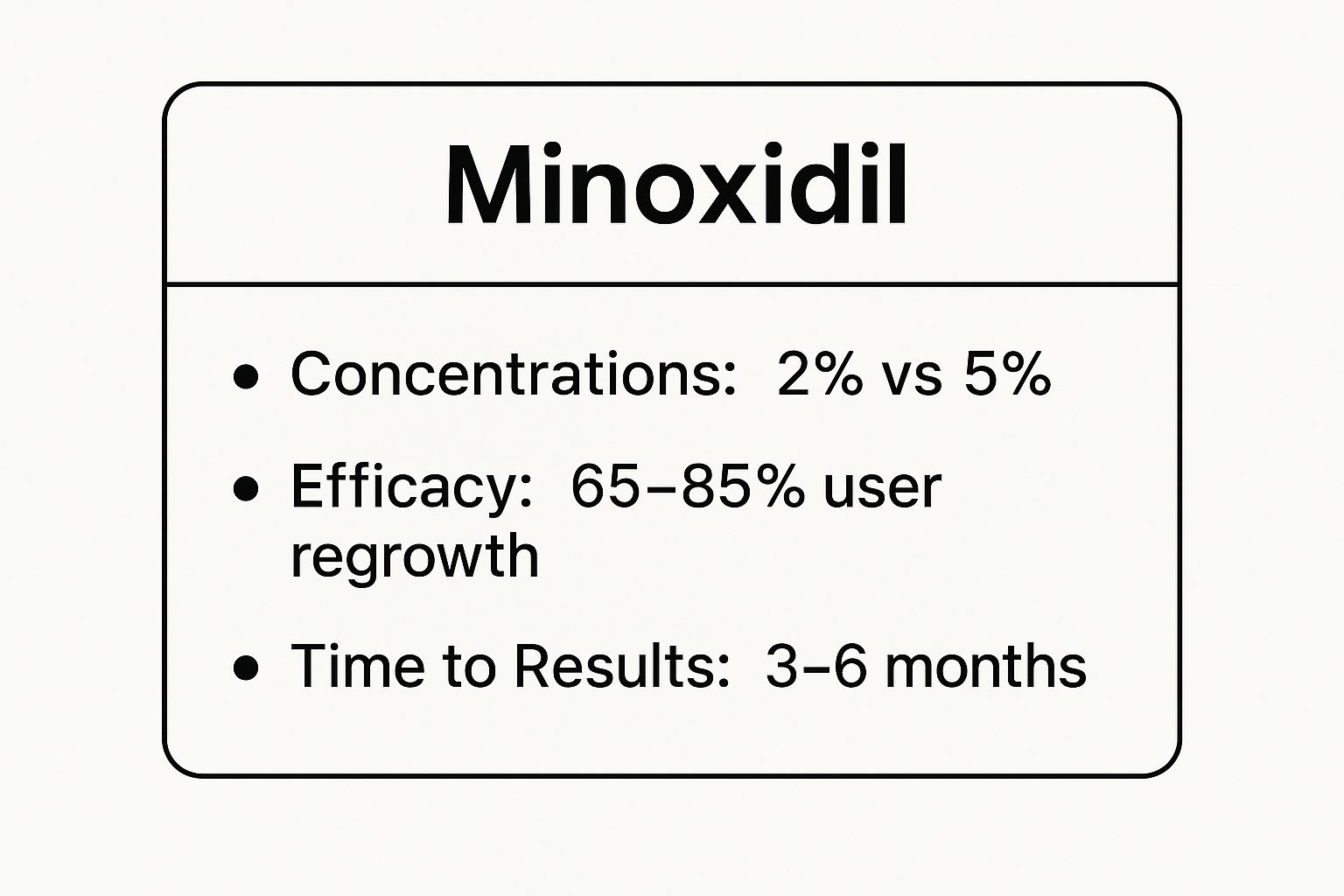
This data highlights that while the 5% concentration is generally more effective, results require a commitment of at least three to six months. If you decide to try this treatment, patience is essential, as any new growth will be shed if you discontinue use.
2. Finasteride (Propecia)
Finasteride is an oral prescription medication often considered a cornerstone among hair loss treatment options for men. It works systemically by inhibiting the enzyme 5-alpha reductase, which is responsible for converting testosterone into dihydrotestosterone (DHT). Since DHT is the primary hormone that shrinks hair follicles and causes male pattern baldness, reducing its levels can effectively halt hair loss and, in many cases, stimulate regrowth.
How to Use Finasteride Effectively
Consistency is the key to success with Finasteride. It is a daily pill that should be taken at the same time each day to maintain stable hormone levels. Clinical trials for the brand-name version, Propecia, demonstrated that it stopped hair loss in nearly 90% of men. For those concerned about cost, generic finasteride offers the same efficacy at a more accessible price point. Combining it with a topical treatment like minoxidil is also a popular strategy shown to produce enhanced results.
Pro Tip: Have an open conversation with your healthcare provider about potential side effects before starting treatment. Regular follow-up appointments are crucial to monitor your progress and address any concerns, ensuring the treatment remains safe and effective for you.
To help you understand the key metrics at a glance, here is a quick reference summary.
This data underscores the importance of patience, as noticeable improvements typically take between six and twelve months. It is critical to remember that Finasteride is a long-term commitment; discontinuing the medication will result in the reversal of any progress made.
3. Hair Transplant Surgery (FUE/FUT)
For those seeking a permanent solution, hair transplant surgery stands out as one of the most definitive hair loss treatment options. This surgical procedure involves relocating healthy, genetically-resistant hair follicles from a donor site, usually the back or sides of the head, to the balding or thinning areas. The two primary methods are Follicular Unit Transplantation (FUT), which removes a strip of scalp, and Follicular Unit Extraction (FUE), which harvests individual follicles directly.
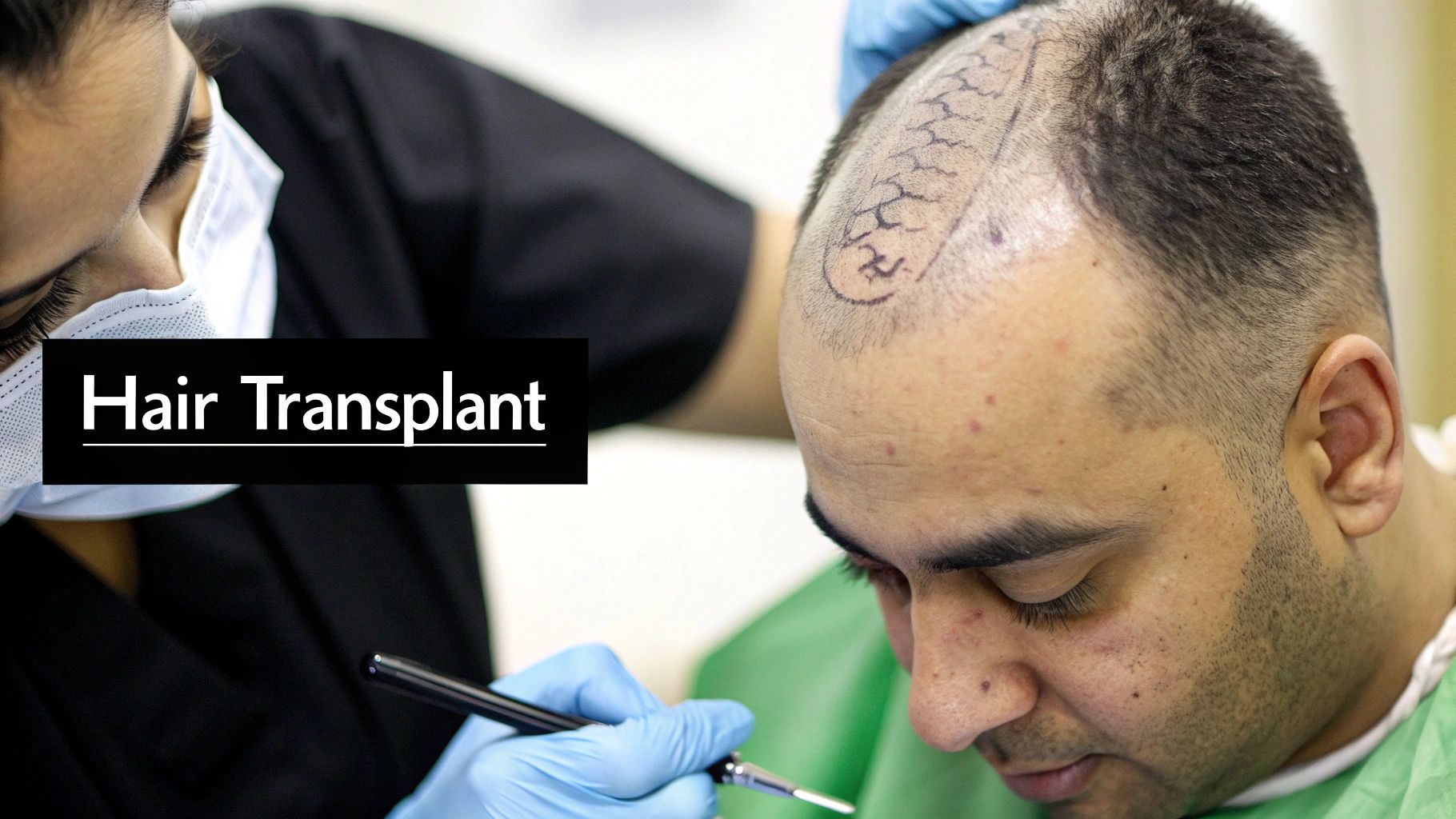
The result is your own natural hair growing in previously thin spots. Renowned clinics like Bosley have performed hundreds of thousands of procedures, and pioneers like Dr. Robert Bernstein have advanced the field with celebrity transformations. The rise of medical tourism, particularly to Turkish clinics, has also made these procedures more accessible.
How to Approach Hair Transplant Surgery
Success heavily depends on the surgeon's skill and your pre-operative planning. It is crucial to thoroughly research potential surgeons, examining their credentials and extensive before-and-after portfolios of actual patients. Understanding the key differences between FUE (less scarring, longer procedure) and FUT (larger yield, linear scar) will help you make an informed decision with your doctor.
Pro Tip: Don't rush the process. Consider a conservative, gradual approach with multiple smaller sessions. This can create a more natural-looking hairline over time and may be easier to manage financially and during recovery.
Be prepared for a recovery period of one to two weeks, and know that final results can take up to a year to fully mature.
This video provides a visual overview of what the FUE procedure entails. While it is an investment, a hair transplant offers a lasting and natural-looking restoration for those with sufficient donor hair.
4. Platelet-Rich Plasma (PRP) Therapy
Platelet-Rich Plasma (PRP) therapy is an innovative hair loss treatment option that uses your body's own natural healing abilities to stimulate hair growth. The procedure involves drawing a small sample of your blood, processing it to concentrate the platelets, and then injecting this platelet-rich plasma into areas of the scalp with thinning hair. These platelets are rich in growth factors that promote cell repair and regeneration, effectively awakening dormant hair follicles and encouraging new growth.
How to Approach PRP Therapy Effectively
Selecting a qualified practitioner is the most critical step for a successful outcome. The technique has gained significant mainstream attention, partly due to its use by professional athletes for injury recovery and public figures for aesthetic treatments. For optimal results, a series of 3-4 initial sessions spaced about a month apart is typically recommended, followed by maintenance treatments every six months to a year.
Pro Tip: For a few days before your appointment, avoid taking anti-inflammatory medications like ibuprofen or aspirin, as they can interfere with platelet function. Hydrating well before your session can also make the blood draw smoother.
To help you understand the key metrics at a glance, here is a quick reference summary.
This data shows that PRP is a process, not an instant fix. Results appear gradually over three to six months as follicles are stimulated and new hair cycles begin. Combining PRP with other treatments, like Minoxidil or Finasteride, can often produce synergistic effects, leading to more significant and lasting improvement in hair density.
5. Low-Level Laser Therapy (LLLT)
Low-Level Laser Therapy (LLLT) is an innovative, non-invasive hair loss treatment option that uses medical-grade lasers to stimulate hair follicles. The therapy employs specific red light wavelengths, typically around 650nm, which are absorbed by scalp cells. This process is thought to boost cellular energy and blood flow to the follicles, extending the hair's anagen (growth) phase and encouraging thicker, healthier hair growth over time.
How to Use LLLT Effectively
Consistency and proper device selection are key to seeing results with LLLT. Leading brands like Capillus and HairMax have devices that are FDA-cleared, a critical benchmark for safety and efficacy. For instance, clinical studies on the Capillus laser cap demonstrated visible hair growth and increased density in participants who used the device consistently. Users often integrate this treatment into their routine by wearing a laser cap or using a comb for short sessions several times per week.
Pro Tip: For optimal results, use your LLLT device after showering on a clean, dry scalp. Removing any buildup from styling products or oils ensures the laser light can penetrate the scalp and reach the hair follicles without obstruction.
To help you understand the key metrics at a glance, here is a quick reference summary.
This data shows that while LLLT is a convenient and painless method, commitment is essential. Users can typically expect to see initial results within four to six months of consistent use. Combining it with other treatments like minoxidil or finasteride may also enhance its overall effectiveness.
6. Dutasteride (Avodart)
Dutasteride is a powerful oral medication and one of the more potent hair loss treatment options for androgenetic alopecia. It functions similarly to finasteride but more comprehensively, blocking both Type I and Type II 5-alpha reductase enzymes. This dual-action mechanism leads to a more significant reduction in scalp and serum DHT levels, often resulting in superior hair regrowth compared to finasteride.
While not officially FDA-approved for hair loss in the United States, it is approved for this use in other countries like South Korea and is widely prescribed off-label by hair loss specialists. Clinical studies have consistently shown it to be more effective than finasteride in increasing hair count and thickness, making it a viable alternative for men who haven't achieved their desired results with other treatments.
How to Use Dutasteride Effectively
Dutasteride is a prescription-only medication that requires careful medical supervision. It is typically considered when finasteride has proven ineffective or when a more aggressive approach is warranted. Due to its longer half-life, the commitment to this treatment is significant, and any potential side effects must be monitored closely with your doctor.
Pro Tip: Because of its potency and longer-lasting effects, it's crucial to have a thorough discussion with a healthcare provider who specializes in hair loss. They can help you weigh the enhanced efficacy against the potential side effect profile and determine if it's the right choice for you.
To help you understand the key metrics at a glance, here is a quick reference summary.
| Metric | Details |
|---|---|
| Primary Mechanism | Blocks Type I & Type II 5-alpha reductase to lower DHT |
| Typical Efficacy | Considered more effective than finasteride; significant hair regrowth in 6-12 months |
| How to Access | Prescription-only; often prescribed off-label in the U.S. |
| Key Consideration | Higher potency may come with a different side effect profile; requires medical supervision |
This data underscores that Dutasteride is a stronger intervention. If you are considering this path, a detailed consultation with a knowledgeable physician is a non-negotiable first step to ensure it aligns with your health profile and treatment goals.
7. Microneedling (Dermarolling)
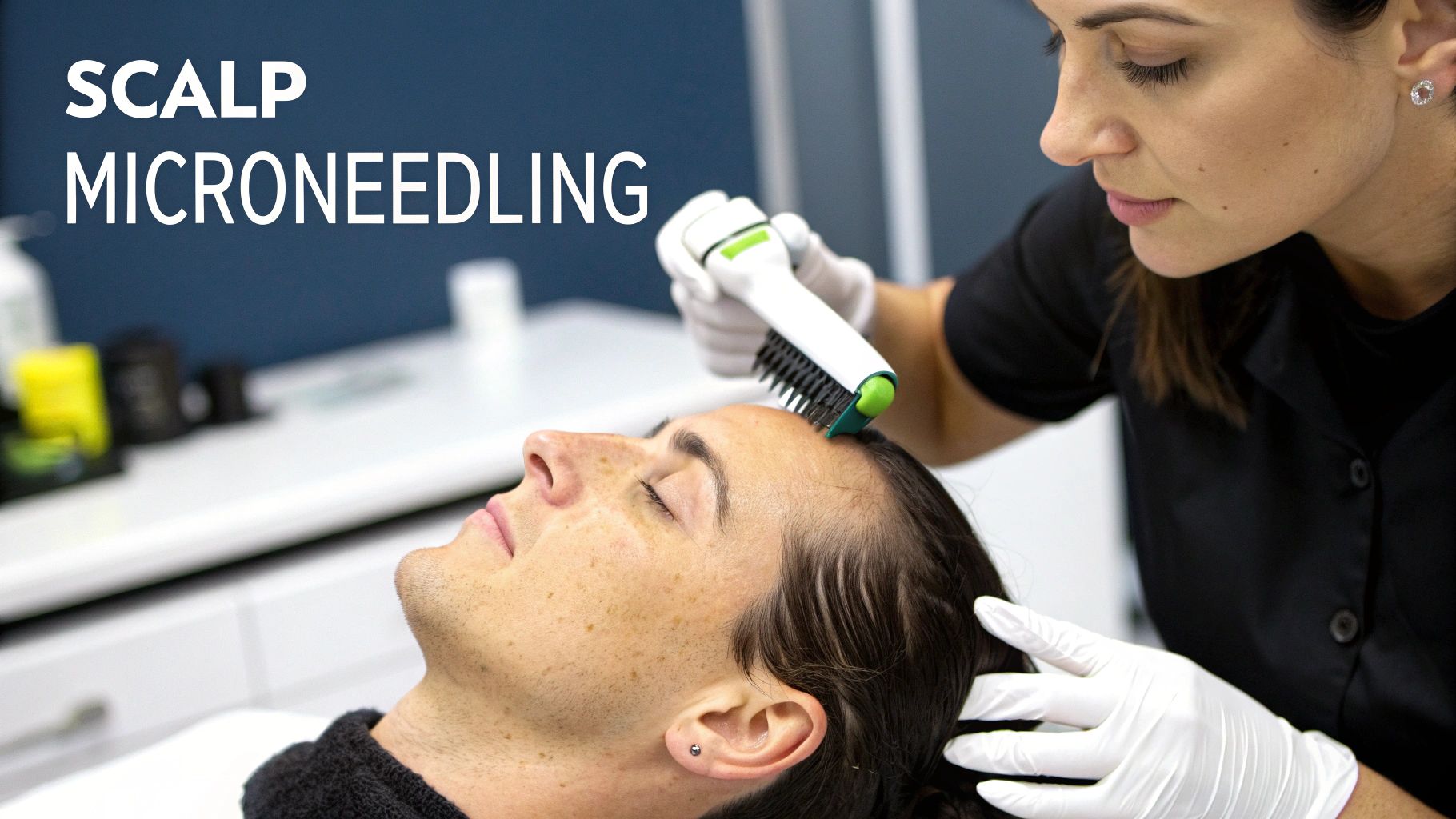
Microneedling, also known as dermarolling, is a unique and effective hair loss treatment option that involves creating controlled micro-injuries in the scalp. Using a device covered in fine needles, this process stimulates the body's natural wound-healing response. This in turn boosts blood flow and collagen production, creating a healthier environment for hair growth and rejuvenating dormant follicles.
How to Use Microneedling Effectively
The primary benefit of microneedling is its ability to significantly enhance the absorption and effectiveness of topical treatments. For instance, a landmark study pioneered by Dr. Rachita Dhurat showed that combining weekly microneedling with daily minoxidil application resulted in four times greater hair growth compared to using minoxidil alone. This synergistic effect has made it a popular strategy in online hair loss communities, with many tutorials demonstrating the technique.
Pro Tip: For scalp treatment, use a dermaroller or microneedling pen with a needle length of 1.0mm to 1.5mm. Always sterilize the device before each session, use gentle pressure, and perform the treatment a maximum of once per week to allow for proper scalp healing.
To help you understand the key metrics at a glance, here is a quick reference summary.
| Metric | Recommendation |
|---|---|
| Needle Length | 1.0mm – 1.5mm for scalp |
| Frequency | Once per week (maximum) |
| Pressure | Gentle, even pressure |
| Combined Use | Wait 24 hours after microneedling before applying topical treatments like minoxidil |
| Key Benefit | Significantly enhances topical treatment absorption and stimulates growth factors |
This data emphasizes the importance of proper technique and frequency. When performed correctly, microneedling can be a powerful addition to your hair restoration regimen, especially when paired with other proven treatments.
8. Scalp Micropigmentation (SMP)
Scalp Micropigmentation, or SMP, is a non-surgical cosmetic procedure that offers a unique approach among hair loss treatment options. It involves depositing specialized pigment into the dermal layer of the scalp, meticulously replicating the appearance of individual hair follicles. This technique creates an illusion of density for thinning hair or crafts a realistic-looking "buzzed" hairstyle for those with more extensive baldness.
How to Approach SMP Effectively
Success with SMP hinges on finding a highly skilled practitioner. Renowned providers like His Hair Clinic and Scalp Micro USA showcase extensive portfolios demonstrating the artistry required for a natural result. The procedure typically requires two to three sessions to build up the color and density gradually, ensuring it blends seamlessly with any existing hair and suits your skin tone.
Pro Tip: Before committing, schedule consultations with multiple technicians. Closely examine their before-and-after photos, paying special attention to hairlines and how they blend pigment for clients with similar hair color and skin tones to your own.
To help you understand the key metrics at a glance, here is a quick reference summary.
This data highlights that SMP provides an immediate, guaranteed result that is low-maintenance, though it doesn't treat the underlying hair loss. Proper aftercare, especially diligent sun protection, is crucial to prevent the pigment from fading over time and maintain the look for years to come.
9. Topical Finasteride
Topical finasteride offers a modern approach to one of the most effective hair loss treatment options, delivering the DHT-blocking power of finasteride directly to the scalp. This formulation aims to reduce the risk of systemic side effects associated with the oral version by localizing the drug's action. It works by inhibiting the 5-alpha reductase enzyme in the hair follicles, preventing testosterone from converting to DHT and thus protecting follicles from miniaturization.
How to Use Topical Finasteride Effectively
This treatment is typically available through compounding pharmacies or specialized brands, often combined with minoxidil for a synergistic effect, as seen in popular formulations like Morr-F. To start, it's crucial to consult a healthcare provider who can prescribe the appropriate concentration and formulation. Application is similar to minoxidil, requiring a consistent, once-daily application to a dry scalp for optimal results.
Pro Tip: When starting topical finasteride, apply a small amount to a test area first to check for any local skin irritation or reaction. If no issues arise after 24 hours, you can proceed with the full application as prescribed by your doctor.
To help you understand the key metrics at a glance, here is a quick reference summary.
The data indicates that topical finasteride can significantly reduce scalp DHT with minimal impact on serum DHT levels, making it a compelling alternative for those concerned about the side effects of the oral pill. Like other treatments, it requires long-term commitment, with visible improvements often taking six months or more.
10. Lifestyle and Nutritional Approaches
Adopting a holistic lifestyle approach is a powerful, foundational strategy among the various hair loss treatment options. This method focuses on creating an optimal internal and external environment for hair growth by addressing underlying factors like nutritional deficiencies, chronic stress, and poor scalp health. Rather than targeting one specific mechanism, it supports overall wellness, which in turn can enhance the efficacy of other medical treatments.
How to Implement Lifestyle Changes Effectively
Success with this approach hinges on consistency and a multi-faceted plan. Studies on the Mediterranean diet, rich in raw vegetables and fresh herbs, have shown a reduced risk of androgenetic alopecia. Similarly, clinical trials for supplements like Viviscal, which contains a proprietary marine complex, demonstrate significant improvements in hair thickness and number. The key is to integrate several positive changes simultaneously for a synergistic effect. Managing stress through daily meditation or regular exercise can also lower cortisol levels, a hormone linked to hair shedding.
Pro Tip: Focus on incorporating key nutrients known for hair health. Ensure your diet is rich in protein, iron (from sources like spinach and lean red meat), and B-vitamins. Avoid tight hairstyles that cause traction alopecia and use gentle, sulfate-free hair care products.
Beyond clinical treatments, many individuals look to complementary products for daily hair care. You can find comprehensive guidance on choosing effective shampoos specifically formulated for hair loss. Combining a supportive diet with targeted scalp care creates a robust defense against hair thinning, making this a crucial component of any hair restoration journey.
Top 10 Hair Loss Treatments Comparison
| Treatment | Implementation Complexity 🔄 | Resource Requirements ⚡ | Expected Outcomes 📊 | Ideal Use Cases 💡 | Key Advantages ⭐ |
|---|---|---|---|---|---|
| Minoxidil (Rogaine) | Moderate: daily topical application | Low: OTC foam/liquid, minimal tools | 65-85% users see hair loss reduction/regrowth in 3-6 months | Androgenetic alopecia for men & women | FDA-approved, non-prescription, effective |
| Finasteride (Propecia) | Low: once daily oral tablet | Moderate: prescription medication | Stops hair loss in 90%, regrowth in 65%, results in 6-12 months | Male pattern baldness | Highly effective, convenient oral dosing |
| Hair Transplant Surgery (FUE/FUT) | High: surgical procedure, recovery | High: skilled surgeon, costly surgery | 90-95% follicle survival, permanent natural results | Permanent restoration, advanced hair loss | Permanent, natural looking, no ongoing meds |
| Platelet-Rich Plasma (PRP) Therapy | Moderate: injections, multiple sessions | High: clinical visits, costly per session | Variable; gradual results over 3-6 months | Natural stimulation, combined therapy | Natural, minimal side effects, biocompatible |
| Low-Level Laser Therapy (LLLT) | Low: regular home use sessions | Moderate-high: device purchase | Results in 4-12 months; stimulates follicles | Early to moderate hair loss, men & women | FDA-cleared, painless, no side effects |
| Dutasteride (Avodart) | Low: once daily oral tablet | Moderate: prescription, more costly | Blocks 95% DHT, more effective than finasteride, longer time | Resistant androgenetic alopecia cases | Potent DHT suppression, once daily dosing |
| Microneedling (Dermarolling) | Moderate: weekly sessions, technique | Low: device purchase, home or clinic | Enhances other treatments, variable hair growth improvement | Enhancing topical treatments, natural stimulation | Inexpensive, enhances absorption, minimal side effects |
| Scalp Micropigmentation (SMP) | Moderate: multiple tattooing sessions | High: skilled technician, costly | Immediate visual improvement, semi-permanent illusion | Cosmetic camouflage for various hair loss stages | Instant results, no ongoing maintenance |
| Topical Finasteride | Moderate: daily topical application | Moderate-high: compounded, less available | Similar to oral finasteride but potentially fewer side effects | Those sensitive to oral finasteride side effects | Localized DHT targeting, combines with minoxidil |
| Lifestyle & Nutritional Approaches | Low: ongoing habits and supplementation | Low: diet, supplements, minimal cost | Slow results, supports overall hair and health | Supportive/adjunct approach, prevention | Addresses root causes, no side effects |
Crafting Your Personal Hair Restoration Strategy
Navigating the landscape of hair loss treatment options can feel overwhelming, but it's also empowering. We've explored a comprehensive array of solutions, from foundational FDA-approved medications like Finasteride and Minoxidil to advanced surgical interventions like FUE and FUT hair transplants. Each path offers a unique set of benefits, considerations, and potential outcomes tailored to different stages and types of androgenetic alopecia.
The journey to reclaiming your hairline is not about finding a single magic bullet. Instead, it’s about building a strategic, multi-faceted approach. The most successful and sustainable results often arise from combining treatments that work synergistically. For example, using Finasteride to block the DHT that causes hair loss, while simultaneously using Minoxidil to stimulate follicular growth, is a classic and powerful combination.
Key Takeaways for Building Your Plan
Understanding the core principles behind each treatment is crucial. Remember that consistency is non-negotiable, especially with medications and therapies like LLLT, which require months of dedicated use before results become visible. Patience is your greatest ally in this process.
Furthermore, consider the value of complementary therapies. Microneedling can significantly boost the absorption and effectiveness of topical treatments like Minoxidil, while lifestyle adjustments-such as a nutrient-rich diet and stress management-create a healthier internal environment that supports hair growth from the inside out. These supportive actions can amplify the results of your primary treatments.
Crucial Insight: The most effective hair restoration plans are rarely static. They evolve as you see results, as new research emerges, and as your personal goals change. Regular consultation with a specialist is key to adapting your strategy for long-term success.
Your Actionable Next Steps
Armed with this information, your path forward is clear. It's time to move from research to action.
- Self-Assessment: Honestly evaluate your current stage of hair loss, your budget, and the level of commitment you can realistically maintain. Are you looking for a low-maintenance daily pill, a hands-on topical routine, or a one-time surgical solution?
- Create a Shortlist: Based on your self-assessment, select two or three promising hair loss treatment options from our list that align with your needs. Perhaps you're leaning towards a combination of topical Finasteride and microneedling, or maybe you're considering PRP therapy as a primary regenerative approach.
- Schedule a Professional Consultation: This is the most critical step. Book an appointment with a board-certified dermatologist or a hair loss specialist. They can provide an accurate diagnosis (confirming male pattern baldness and ruling out other causes), assess your scalp health, and help you finalize a safe and effective treatment plan.
Embarking on this journey is a proactive investment in yourself. By taking control and creating a personalized strategy, you are not just addressing hair loss; you are boosting your confidence and well-being for years to come. The proactive choices you make today will build the foundation for the healthier, fuller head of hair you envision for your future.
If you're exploring regenerative and non-surgical hair loss treatment options, consider the powerful benefits of Platelet-Rich Plasma. PRP For HairLoss specializes in this advanced therapy, using your body's own growth factors to stimulate dormant hair follicles and promote natural, robust growth. Visit PRP For HairLoss to learn how our tailored treatments can become a cornerstone of your hair restoration strategy.


Leave a Reply