Why Dermatologists Are Your Hair Loss Allies
Losing your hair can be a distressing experience, affecting both your appearance and self-confidence. While your family doctor can offer some initial guidance, a dermatologist specializing in hair loss brings a level of expertise that's essential for accurate diagnosis and effective treatment. Their specialized training gives them a much deeper understanding of hair and scalp health. This allows them to distinguish between temporary shedding and permanent hair loss, a crucial step in determining the best course of action.
For instance, a dermatologist can differentiate between telogen effluvium, a temporary hair shedding often brought on by stress or illness, and androgenetic alopecia, the most prevalent type of permanent hair loss. They can also identify underlying medical conditions, such as thyroid imbalances or autoimmune diseases, that might be contributing to your hair loss. This comprehensive approach ensures your treatment plan addresses the root cause of your hair loss, not just the symptoms.
Dermatologists use a range of diagnostic methods to pinpoint the precise cause of your hair loss. These can include scalp biopsies, blood tests, and trichoscopy, a specialized examination of the hair and scalp with a magnifying instrument. This helps them identify inflammatory issues, fungal infections, and other scalp disorders that may contribute to thinning or loss. Accurate diagnosis is key to developing a successful treatment plan. Hair loss is a surprisingly common concern, with an estimated 35 million men and 21 million women in the United States experiencing hair loss or thinning. Find more detailed statistics here.
The Benefits of Specialized Care
Seeing a dermatologist who specializes in hair loss offers several important advantages:
- Accurate Diagnosis: They can pinpoint the specific type of hair loss you're experiencing, essential for creating a personalized treatment strategy.
- Comprehensive Treatment: Dermatologists provide a wider array of treatment options, ranging from medications and topical solutions to advanced procedures such as Platelet-Rich Plasma (PRP) Therapy.
- Early Intervention: Early diagnosis and treatment can help minimize hair loss and maximize the potential for regrowth.
- Long-Term Management: Dermatologists provide ongoing support and can adjust your treatment plan as needed for long-term hair loss management.

What to Expect at Your Appointment
Your initial appointment with a dermatologist will involve a detailed review of your medical history, including current medications and any family history of hair loss. The dermatologist will also conduct a physical exam of your scalp and hair. This may involve a gentle hair pull test to evaluate the degree of shedding. Be ready to discuss your lifestyle, diet, and recent stress, all of which can be contributing factors. This thorough assessment enables the dermatologist to gain a complete understanding of your hair health and recommend the most suitable treatment path. Taking these steps can significantly improve your chances of successful hair restoration.
Hair Loss Conditions Only Specialists Can Tackle
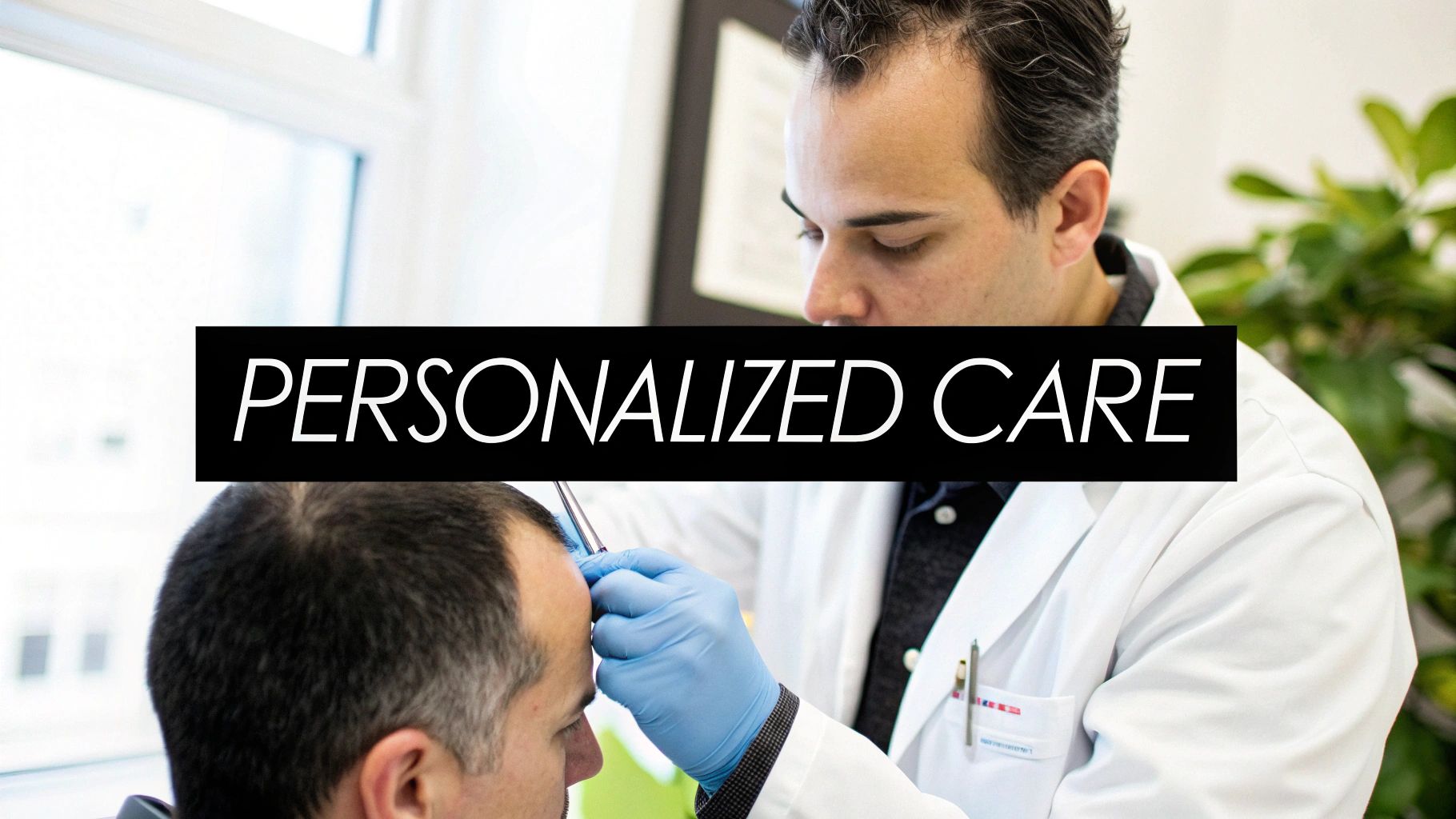
While temporary hair shedding is a normal occurrence, certain hair loss conditions necessitate the expertise of a dermatologist specializing in hair loss. These specialists possess the knowledge to differentiate between common shedding and more complex disorders, a distinction crucial for effective treatment. Seeking expert advice is paramount when confronted with persistent thinning.
To better understand the complexities of hair loss, let's explore some specific conditions that dermatologists commonly address. The following table provides a comparative overview of these conditions, highlighting their key symptoms, affected demographics, and standard treatment approaches.
To help clarify the different types of hair loss, here's a table summarizing key information:
Types of Hair Loss and Their Characteristics
| Condition | Key Symptoms | Who It Affects | Common Treatments |
|---|---|---|---|
| Androgenetic Alopecia | Receding hairline (men), diffuse thinning (women) | Both men and women, genetically predisposed individuals | Topical minoxidil, Oral finasteride (men), Hair transplant surgery |
| Telogen Effluvium | Widespread shedding a few months after a stressful event | Individuals experiencing significant stress (e.g., surgery, childbirth, trauma) | Addressing the underlying stressor, sometimes minoxidil |
| Traction Alopecia | Thinning and eventual scarring in areas of prolonged tension | Individuals who wear tight hairstyles (e.g., braids, extensions) | Changing hairstyling practices, sometimes hair transplant surgery |
| Seborrheic Dermatitis | Itching, scaling, and inflammation of the scalp | Individuals with oily skin, genetic predisposition | Medicated shampoos, topical corticosteroids |
| Psoriasis | Red, scaly patches on the scalp, sometimes with hair loss | Individuals with a genetic predisposition to psoriasis | Topical corticosteroids, other anti-inflammatory medications |
| Alopecia Areata | Patchy hair loss, ranging from small spots to complete hair loss | About 2% of people worldwide, impacting roughly 160 million individuals globally, with approximately 6.7 million in the U.S. experiencing it | Corticosteroids, other immunomodulatory agents |
This table helps visualize the diverse nature of hair loss conditions and the importance of a proper diagnosis. Now, let's delve deeper into each of these conditions.
Androgenetic Alopecia: More Than Just "Male Pattern Baldness"
Androgenetic alopecia, often referred to as male or female pattern baldness, is the most prevalent type of hair loss. In men, it typically manifests as a receding hairline and thinning at the crown. Women experience this condition as well, often characterized by diffuse thinning across the scalp. Genetic and hormonal factors drive androgenetic alopecia. A dermatologist can accurately diagnose it through examination and review of family history.
Telogen Effluvium: The Silent Thief After Stressful Events
Telogen effluvium is a type of hair loss often triggered by significant stress. This can include major surgery, childbirth, or emotional trauma. The condition causes hair follicles to enter a resting phase prematurely, leading to widespread shedding a few months after the stressful event. Although frequently temporary, telogen effluvium can be concerning. A dermatologist's evaluation is essential to exclude other conditions and suggest management strategies.
Traction Alopecia: When Hairstyles Harm
Hairstyles that exert prolonged tension on the hair, such as tight braids and extensions, can cause traction alopecia. Over time, this damages hair follicles, leading to thinning and potential scarring. A dermatologist can diagnose traction alopecia through examination and suggest changes in hairstyling practices to prevent further damage. Early intervention is vital to minimize the risk of permanent hair loss.
Inflammatory Scalp Conditions: Beyond Dandruff
Scalp inflammation often gets dismissed as simple dandruff. However, certain inflammatory conditions can contribute significantly to hair loss. Seborrheic dermatitis and psoriasis can cause itching, scaling, and inflammation that disrupt hair growth. A dermatologist can diagnose these conditions and recommend targeted treatments, such as medicated shampoos and topical medications, to manage inflammation and promote healthy hair growth.
Autoimmune Conditions: The Mystery of Patchy Hair Loss
In some cases, the body's immune system mistakenly attacks hair follicles, leading to alopecia areata. This autoimmune condition causes patchy hair loss, which can range from small, coin-sized spots to total hair loss on the scalp or body. Alopecia areata affects about 2% of people worldwide, which translates to roughly 160 million individuals globally. Approximately 6.7 million people in the U.S. will experience it at some point. Dermatologists play a vital role in managing this condition, often using treatments like corticosteroids to encourage hair regrowth. Learn more about this statistic. Early diagnosis is essential for improved treatment outcomes and potentially preventing permanent scarring.
Addressing these varied and complex hair loss conditions requires specialized knowledge and a tailored treatment approach. A dermatologist for hair loss provides the advanced diagnostics and personalized strategies needed for successful hair restoration and improved well-being.
Navigating Your First Dermatologist Visit

Visiting a dermatologist for hair loss can feel intimidating. Understanding the process can ease your concerns and help you prepare for a productive appointment. This first visit is the initial step in understanding and addressing your hair loss.
What to Expect During Your Consultation
Your initial consultation will focus on a comprehensive review of your medical history. The dermatologist will ask about your family history of hair loss, current medications, and general lifestyle. This helps them identify potential underlying causes or contributing factors. Be prepared to discuss your diet, stress levels, and any recent illnesses to provide a holistic view of your health.
The Physical Examination: A Closer Look
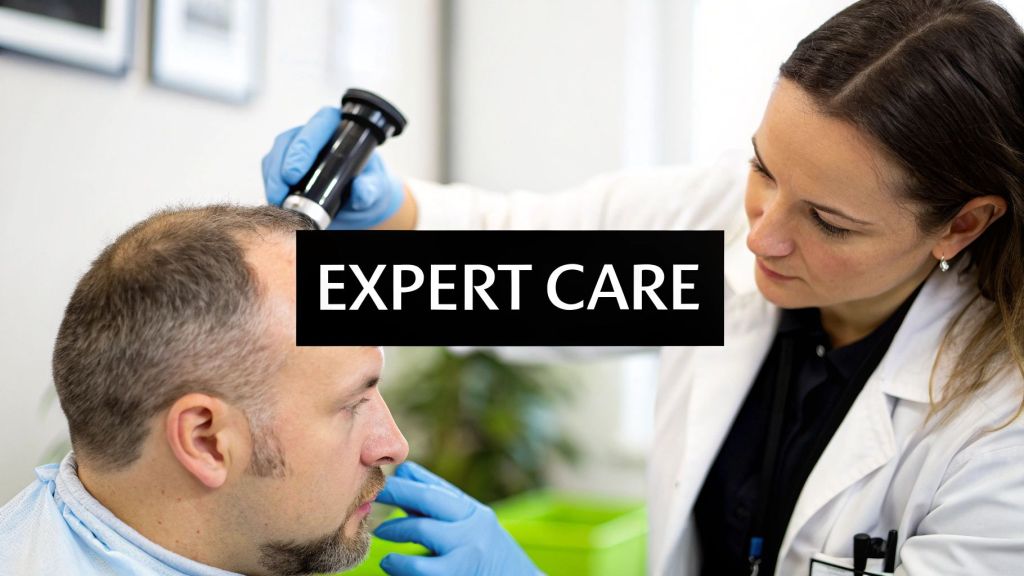
After gathering your history, the dermatologist will examine your scalp and hair. This often includes a hair pull test, gently pulling a few hairs to assess shedding. They may also use a dermoscope, a handheld device magnifying the scalp to view hair follicles and surrounding skin in detail. This can reveal conditions like inflammation or fungal infections not visible to the naked eye.
Additional Tests: Getting to the Root of the Problem
Based on the initial assessment, your dermatologist might recommend further tests. Blood tests can identify hormonal imbalances, nutritional deficiencies, or other conditions contributing to hair loss, such as thyroid issues or iron deficiency. These tests provide crucial information for making informed treatment decisions.
Bringing the Right Information: Empowering Your Diagnosis
Preparing in advance can optimize your visit. Photos documenting your hair loss progression over time are extremely helpful. A clear timeline of when you noticed thinning, texture changes, and related events (like illness or stress) provides valuable context. This detail can significantly improve diagnostic accuracy and lead to a more effective treatment plan.
Asking the Right Questions: Taking Control of Your Hair Health
Your appointment is a two-way street. Ask questions about potential causes, available treatments, and expected effectiveness. Discuss potential side effects and realistic expectations for regrowth. Don't hesitate to inquire about the dermatologist's experience with similar cases. Open communication ensures you're actively involved in your treatment. By preparing and engaging fully, you'll be well-equipped to address your hair loss concerns with professional guidance.
Treatment Breakthroughs You Need to Know About
Beyond the initial consultation and diagnosis, a dermatologist specializing in hair loss offers a variety of treatment options. These treatments go beyond basic over-the-counter remedies and explore advanced, evidence-based therapies designed to address a range of hair loss conditions. Finding the right treatment is crucial for restoring both your hair and your confidence.
Medical Treatments: Targeting the Root Cause
For conditions like androgenetic alopecia, dermatologists might prescribe medications like minoxidil (a topical solution) or finasteride (an oral medication specifically for men). Minoxidil works by increasing blood flow to the hair follicles, which can potentially stimulate hair growth. Finasteride, conversely, blocks the production of a hormone associated with male pattern baldness. Both medications can be effective in slowing hair loss and encouraging regrowth.
For alopecia areata, an autoimmune disorder, dermatologists often use corticosteroid injections administered directly into the affected areas. These injections help to suppress the immune system's attack on the hair follicles, allowing hair to regrow. This localized approach can be highly effective for addressing patchy hair loss.
Hair loss can significantly impact self-esteem and identity. By age 30, 25% of men and 12% of women experience noticeable hair loss. This underscores the need for a comprehensive approach to treatment. For more detailed statistics, visit: https://www.unitedcareclinic.com/blog/hair-loss-statistics-facts/
The following table compares several common hair loss treatments:
Hair Loss Treatment Comparison
This table compares different hair loss treatments offered by dermatologists, including effectiveness, time to results, and important considerations.
| Treatment | Effectiveness | Time to See Results | Best For | Considerations |
|---|---|---|---|---|
| Minoxidil | Can slow hair loss and promote regrowth | Several months | Androgenetic alopecia | Topical solution, needs to be applied consistently |
| Finasteride | Can slow hair loss and promote regrowth | Several months | Male pattern baldness | Oral medication for men only, potential side effects |
| Corticosteroid Injections | Can suppress immune response and promote regrowth | Several weeks | Alopecia areata | Injections can be uncomfortable, may need repeated treatments |
| Platelet-Rich Plasma (PRP) | Can stimulate hair follicle activity | Several months | Androgenetic alopecia, some cases of alopecia areata | Requires multiple sessions, can be expensive |
| Hair Transplant Surgery | Can permanently restore hair | Several months to a year | Advanced hair loss | Surgical procedure, requires recovery time |
| Low-Level Laser Therapy (LLLT) | May stimulate cellular activity and encourage growth | Several months | Certain types of hair loss | Still under research, effectiveness varies |
| Microneedling | May promote collagen production and improve blood flow | Several months | Potential treatment for various types of hair loss | Requires multiple sessions, may cause minor skin irritation |
This table highlights the variety of options available and the importance of discussing individual needs with a dermatologist.
Advanced Procedures: Stimulating Growth and Restoration
Beyond medication, several in-office procedures offer promising results. Platelet-Rich Plasma (PRP) therapy involves injecting concentrated platelets from the patient's own blood into the scalp. This treatment aims to stimulate hair follicle activity and encourage new growth. PRP is particularly effective for androgenetic alopecia.
Hair transplant surgery is a surgical intervention option for those experiencing significant hair loss. Dermatologists can discuss various transplant techniques, such as Follicular Unit Transplantation (FUT) and Follicular Unit Extraction (FUE), and help determine the best approach for individual needs.
Emerging Therapies: Exploring New Frontiers
The field of hair loss treatment continues to evolve. Low-Level Laser Therapy (LLLT) uses red light therapy to stimulate cellular activity and promote hair growth. While more research is needed, LLLT shows promise. Microneedling, a procedure involving tiny punctures in the scalp to stimulate collagen production and blood flow, is also gaining recognition.
Choosing the Right Treatment: A Personalized Approach
A dermatologist specializing in hair loss will create a personalized treatment plan. This plan considers the specific condition, its severity, and the patient's overall health. The dermatologist will discuss the benefits and risks of each option, empowering patients to make informed decisions. This personalized approach ensures the most effective treatment for each unique situation.
Finding Your Hair Loss Champion
Finding the right dermatologist for hair loss can feel overwhelming. Not all dermatologists have the same level of expertise in this area. Choosing a hair loss specialist is key to achieving the best possible results. This guide will help you navigate the process of finding the right expert for your needs.
Credentials and Qualifications: Identifying the Experts
When researching dermatologists, look for specific credentials and training focused on hair restoration. Board certification in dermatology is a must. However, further specialization in trichology, the study of hair and scalp disorders, is a strong indicator of a deeper understanding of hair loss. These specialists have invested additional time in studying hair and scalp health, giving them the skills to diagnose and manage complex cases.
Experience and Approach: Asking the Right Questions
Don’t be afraid to ask about the dermatologist’s experience with your particular type of hair loss. Inquire about their case experience, their treatment philosophies, and their success rates. A dermatologist who openly discusses these topics demonstrates both transparency and confidence. If you’re experiencing traction alopecia, for instance, ask how many patients with this condition they have treated and what their typical treatment plan involves. This helps ensure they possess the right expertise for your specific needs.
Evaluating Before-and-After Results and Testimonials
Looking at before-and-after photos of previous patients can offer valuable insights into the dermatologist’s skill and the potential outcomes you can expect. Aim to find consistent, natural-looking results. Patient testimonials can also be helpful, providing a glimpse into the doctor-patient relationship and the overall patient experience. These personal accounts often reveal important details, such as communication styles and the dermatologist’s ability to connect with patients on an individual level.
The Importance of the Initial Consultation
The initial consultation is crucial for evaluating the dermatologist’s communication style and approach. Do they listen carefully to your concerns? Do they explain things clearly and thoroughly answer your questions? A strong doctor-patient relationship, built on trust and open communication, is essential for a positive experience. This first meeting sets the stage for your entire hair restoration journey. Consider how comfortable you feel discussing your concerns and whether the dermatologist offers a genuinely personalized approach.
Practical Considerations: Insurance and Second Opinions
Before committing to any treatment, it's important to understand the financial aspects. Ask about insurance coverage for different procedures and medications. Knowing the costs upfront empowers you to make informed decisions. Also, getting a second opinion, particularly for complicated hair loss situations, is not only acceptable but often advisable. Different dermatologists may have different perspectives and treatment approaches. Getting multiple opinions helps ensure you’re considering all options and making the best decision for your unique circumstances. Taking this proactive step underscores your commitment to finding the most effective solution.
Healing Both Hair and Mind
Hair loss can be a deeply personal and often distressing experience. Whether it's a gradual thinning or the appearance of sudden patches, its impact goes far beyond the cosmetic. It can significantly affect emotional well-being and self-image. Therefore, addressing the psychological effects of hair loss is just as crucial as treating the physical symptoms. Dermatologists who specialize in hair loss recognize this vital connection and are dedicated to providing holistic care that supports both hair and mind.
The Emotional Journey of Hair Loss
The emotional impact of hair loss is a unique journey for each individual. Factors such as age, gender, and cultural background all play a role in shaping this experience. For some, hair loss can trigger feelings of self-consciousness, anxiety, or even depression. A young woman might worry about her perceived attractiveness, while an older man might see it as a symbol of aging and declining health. This highlights the critical need for sensitive and individualized support.
The Dermatologist’s Role in Emotional Support
Dermatologists specializing in hair loss serve as a vital source of emotional support, in addition to providing medical treatment. They understand the profound emotional toll hair loss can take. By offering a compassionate ear, validating patients' feelings, and setting realistic expectations about treatment outcomes, they can significantly alleviate anxiety and instill hope. Clearly explaining the causes of hair loss and the range of treatment options empowers patients to actively participate in their care, reducing feelings of helplessness.
Support Resources and Coping Strategies
A wide array of support resources extends beyond the dermatologist's office to help individuals cope with hair loss. Support groups, both online and in-person, offer a valuable platform for connecting with others facing similar challenges. Sharing experiences and coping strategies can be incredibly beneficial. Cognitive techniques, like reframing negative thoughts and focusing on positive self-attributes, can help rebuild confidence. This inner strength and resilience complements the medical treatments provided by a dermatologist.
Measuring Treatment Success Beyond Hair Regrowth
True success in hair loss treatment encompasses more than just measurable hair regrowth. It also includes improvements in the patient's overall quality of life, encompassing emotional well-being and self-esteem. A positive outcome means not only thicker hair, but also a renewed sense of confidence and a more positive self-image. Dermatologists who adopt a holistic approach recognize this and prioritize emotional well-being as a key indicator of successful treatment.
Integrating Psychological Support into Treatment Protocols
By integrating psychological support into their treatment protocols, dermatologists can effectively help patients navigate the emotional challenges of hair loss. This may involve referring patients to mental health professionals or incorporating coping strategies into treatment plans. This holistic approach acknowledges that healing both the hair and the mind leads to more comprehensive and lasting results. Through a combination of medical expertise and emotional support, dermatologists can help patients regain not only their hair, but also their sense of self.
Are you struggling with hair loss and its emotional impact? Visit PRP for Hair Loss to discover a treatment focused on restoring both your hair and your confidence.


Leave a Reply