The Hair-Nutrition Connection: Science Behind the Strands
Your diet plays a crucial role in hair health. Just as plants need the right nutrients to flourish, so does your hair. Each strand goes through a complex growth cycle, relying on vitamins and minerals. When these essential building blocks are missing, it can disrupt this process and lead to hair loss. Understanding this connection is vital for maintaining healthy hair.
How Vitamin Deficiencies Affect Hair Growth
Hair follicles are incredibly active, requiring specific nutrients for optimal function. Vitamin D, for example, is key in initiating new hair follicle growth. Adequate iron levels ensure sufficient oxygen reaches the scalp and roots, supporting healthy growth. Without these, follicles can weaken, leading to thinning and shedding. The specific deficiency will determine how this manifests.
Certain deficiencies also disrupt the normal hair growth cycle. A lack of biotin, for instance, can impact keratin production, a key structural protein in hair. This can result in weaker, brittle hair prone to breakage. This demonstrates how even minor nutritional gaps can significantly impact hair health and appearance.
The link between vitamin deficiencies and hair loss has been extensively studied, particularly concerning vitamins D, A, and E, and minerals like iron and zinc. Vitamin D deficiency, affecting over 1 billion people globally, has been linked to various hair loss types, including alopecia areata, female pattern hair loss, and telogen effluvium. Two case reports showed significant hair loss improvement in patients with severe vitamin D deficiency after supplementation. A survey of 50 young men with early-onset androgenetic alopecia found a correlation between vitamin D deficiency and hair loss severity. These findings highlight the potential of vitamin D supplementation in addressing deficiency-related hair loss. Explore this further here.
Why Some Individuals Are More Susceptible
While anyone can be affected by vitamin deficiencies, some are more susceptible to hair loss as a result. Factors include genetics, underlying health conditions, and dietary restrictions. Individuals with digestive issues may struggle to absorb nutrients, increasing their deficiency risk. Restrictive diets might inadvertently limit the intake of essential vitamins and minerals crucial for healthy hair.
Hormonal changes, stress, and certain medications can also influence nutrient utilization, potentially worsening the impact of vitamin deficiency on hair growth. Therefore, a personalized approach to nutrition and hair health is important, considering individual needs and circumstances.
Essential Nutrients Your Hair Is Desperately Craving
Just as a flourishing garden requires the right nutrients, so too does your hair. A balanced diet plays a vital role in maintaining healthy, vibrant hair. But can vitamin deficiencies actually cause hair loss? The answer is a resounding yes. Let's explore the key nutrients your hair needs to thrive and how deficiencies can impact its health.
The Vital Role of Vitamin D
Vitamin D plays a crucial role in the hair growth cycle. It's involved in initiating new hair follicle growth, essentially activating dormant follicles. This is vital for maintaining hair density and preventing thinning. Studies have shown a link between low vitamin D levels and conditions like alopecia areata, which is characterized by patchy hair loss.
Biotin: Beyond the Hype
Biotin, a B vitamin, is often marketed as a miracle cure for hair growth. While it is essential for producing keratin, a key structural protein in hair, its benefits are often overstated. A true biotin deficiency can indeed cause hair loss. However, if you're not deficient, taking extra biotin supplements likely won't yield dramatic results. This means that if your biotin levels are already adequate, additional supplementation won’t necessarily lead to thicker or faster-growing hair.
Iron: The Unsung Hero
Even without noticeable symptoms like fatigue, iron deficiency can significantly impact hair health. Iron is crucial for carrying oxygen to hair follicles, fueling their growth and strength. Insufficient iron can starve follicles, leading to thinning and shedding. Addressing an underlying iron deficiency can be particularly important for men experiencing male pattern baldness, supporting the effectiveness of other treatments like PRP. PRP For Hairloss offers further information on these treatments.
Other Essential Nutrients
Beyond vitamin D, biotin, and iron, several other nutrients contribute to healthy hair:
- Zinc: Similar to vitamin D, zinc plays a vital role in hair follicle development and growth. It also helps regulate hormone levels, which can influence hair loss.
- Vitamin A: This vitamin is essential for cell growth, including hair cells. However, excessive vitamin A intake can ironically cause hair loss, highlighting the importance of a balanced approach.
- Vitamin E: This powerful antioxidant protects hair follicles from damage. It also improves scalp circulation, enhancing nutrient delivery to the follicles.
- Vitamin C: This vitamin is critical for collagen production, which strengthens hair and supports healthy follicles. It also aids in iron absorption, maximizing its benefits for hair growth.
To provide a more detailed overview, the table below summarizes the key nutrients for hair health, their functions, deficiency symptoms, and recommended food sources.
Essential Nutrients for Hair Health
| Nutrient | Function in Hair Health | Deficiency Symptoms | Recommended Food Sources |
|---|---|---|---|
| Vitamin D | Regulates hair follicle cycling, promotes growth | Hair thinning, alopecia areata | Fatty fish, fortified foods, sun exposure |
| Biotin | Produces keratin, a key hair protein | Hair loss, brittle nails | Eggs, nuts, seeds, sweet potatoes |
| Iron | Carries oxygen to hair follicles, supports growth and strength | Hair thinning, shedding, fatigue | Red meat, spinach, lentils, beans |
| Zinc | Supports hair follicle development and growth, regulates hormones | Hair loss, slow wound healing | Oysters, beef, pumpkin seeds, chickpeas |
| Vitamin A | Supports cell growth, including hair cells | Hair loss (in excess), dry skin | Liver, sweet potatoes, carrots, spinach |
| Vitamin E | Protects hair follicles from damage, improves scalp circulation | Hair loss, dry scalp | Nuts, seeds, spinach, avocado |
| Vitamin C | Produces collagen, strengthens hair, aids iron absorption | Hair breakage, slow wound healing | Citrus fruits, berries, peppers, broccoli |
This table provides a quick reference for understanding the crucial roles different nutrients play in maintaining healthy hair. Remember, a balanced diet is key.
Recognizing and Addressing Deficiencies
Suspect a nutrient deficiency? Certain signs can point towards nutritional gaps impacting your hair:
- Diffuse thinning: This overall thinning can indicate deficiencies in key nutrients like vitamin D or iron.
- Brittle hair: This fragility might suggest a lack of biotin or other nutrients crucial for keratin production.
- Excessive shedding: While some shedding is normal, a sudden increase can be a warning sign of nutritional deficiencies.
Addressing these deficiencies requires a multifaceted approach. Prioritize incorporating nutrient-rich foods into your diet. While supplements can be helpful, always consult a healthcare professional first. They can assess your individual needs, determine if a deficiency exists, and recommend the appropriate dosage and type of supplement. Remember, more isn't always better, as some vitamins can have adverse effects in high doses. At PRP For Hairloss, we emphasize the connection between nutrition and hair health. We encourage you to explore our resources for more information on achieving optimal hair health through a balanced, holistic approach.
Protein Matters: The Building Blocks Your Hair Can't Live Without
Your hair is primarily made of keratin, a type of protein. This makes adequate protein intake vital for healthy hair growth and preventing hair loss. While vitamins and minerals are important, protein provides the essential building blocks for your hair. Without enough protein, your body simply can't produce the keratin needed for strong, healthy hair.
The Importance of Amino Acids
Amino acids are the components of protein, and they are crucial for hair growth. Think of amino acids as the bricks that build your hair. Just as a house needs bricks for its structure, your hair relies on amino acids. Hemp oil and other oils may also play a supporting role in hair health. A deficiency in certain amino acids can weaken hair, increase shedding, and even change hair texture. Maintaining a balanced intake of amino acids is therefore critical for your overall hair health.
Nutritional deficiencies, especially those relating to essential amino acids, are often found in individuals experiencing hair loss. One study revealed significant deficiencies in amino acids like histidine and leucine among participants with hair loss. Over 90% of those with androgenic alopecia were deficient in histidine, while 98.15% of those with telogen effluvium lacked sufficient leucine. Furthermore, deficiencies in non-essential amino acids like alanine were observed in a substantial number of participants with different types of alopecia. These findings highlight the importance of a balanced diet for combating hair loss. You can learn more about this important connection here.
Protein Intake and Hair Loss
A consistently low protein intake can significantly contribute to hair loss. This is especially relevant for those following vegetarian or vegan diets, where careful meal planning is necessary to ensure sufficient protein consumption. When your body lacks protein, it prioritizes essential bodily functions over hair growth, reducing keratin production and ultimately causing hair loss. Addressing protein deficiency is therefore crucial for anyone experiencing hair thinning or shedding.
Protein Timing and Quality
The amount of protein you consume isn't the only factor; the timing and quality are also important. Distributing your protein intake throughout the day, rather than consuming it all in one meal, helps optimize its use for hair growth. Choosing high-quality protein sources, like lean meats, fish, eggs, and legumes, provides a better balance of essential amino acids. This combined approach of timing and quality ensures your body has a consistent supply of the necessary building blocks for strong, healthy hair.
Collagen Supplements and Hair Health
Collagen, another type of protein, is often praised for its benefits for hair, skin, and nails. While it can support overall hair health, it's essential to remember that collagen alone isn't a complete solution. Addressing underlying nutritional deficiencies and ensuring a balanced intake of all essential amino acids is key for optimal hair growth and strength. This more holistic approach ensures you're giving your body everything it needs for truly healthy hair.
Identifying Your Hair Loss Pattern: What Your Scalp Is Telling You
The way your hair is thinning can offer valuable clues about potential nutritional deficiencies. Think of your scalp as a map; the pattern of hair loss can point to what nutrients you might be missing. Understanding this connection empowers you to address the root cause of your hair loss, not just the symptoms.
Diffuse Thinning Vs. Patchy Loss: Decoding the Signals
Diffuse thinning, a general reduction in hair density all over the scalp, often signals deficiencies in essential nutrients like vitamin D or iron. It's like a garden where all the plants are slightly wilting from a lack of water. This type of thinning suggests a systemic issue affecting the entire scalp.
In contrast, patchy hair loss, concentrated in specific areas, might indicate different nutritional imbalances or other underlying conditions. This pattern resembles a garden where only certain patches are struggling, possibly due to localized issues.
The shedding cycle also provides clues. A sudden increase in shedding, even if the hair appears healthy, could point toward a recent nutritional deficiency. This is similar to a tree shedding its leaves in response to sudden environmental stress. Identifying the specific deficiency requires further investigation, considering your diet and overall health.
Connecting the Dots: Hair Loss Patterns and Nutrient Gaps
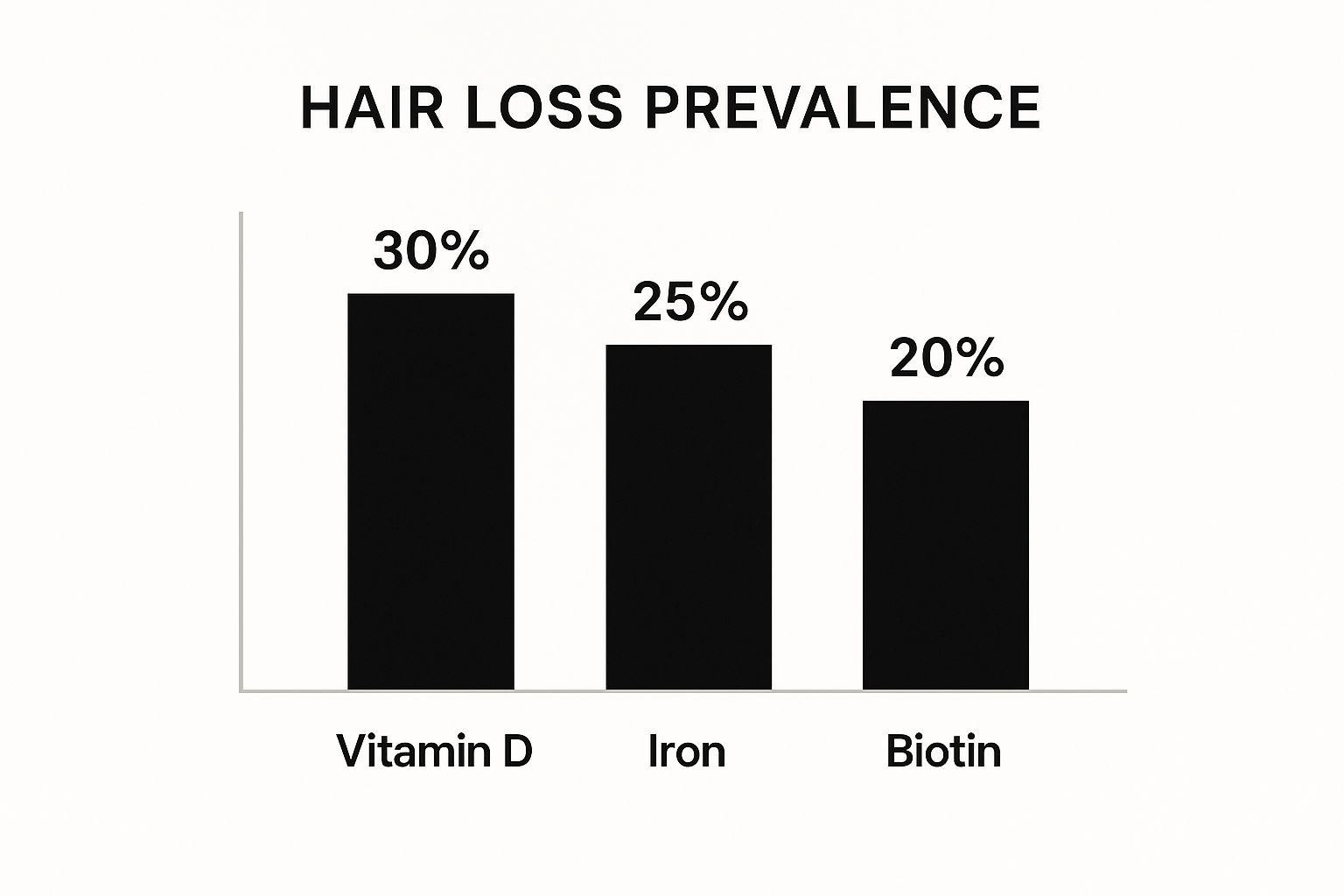
This infographic illustrates the prevalence of hair loss associated with vitamin D, iron, and biotin deficiencies. Vitamin D deficiency contributes to hair loss in 30% of cases, followed by iron at 25%, and biotin at 20. These statistics underscore the important role these nutrients play in hair health.
Protein is also essential for hair health. If you're looking for a clean protein source, consider a protein powder without artificial sweeteners. Addressing potential protein deficiencies through proper supplementation can support healthy hair growth.
To further understand the link between hair loss and nutrient deficiencies, take a look at the table below:
Hair Loss Types and Associated Deficiencies: A comparison of different hair loss conditions and their relationship to specific vitamin and mineral deficiencies.
| Hair Loss Type | Primary Deficiencies | Secondary Factors | Recovery Timeline |
|---|---|---|---|
| Diffuse Thinning | Vitamin D, Iron, Biotin | Stress, hormonal changes, medications | 3-6 months with supplementation and dietary changes |
| Patchy Hair Loss (Alopecia Areata) | Zinc, Iron, Vitamin D | Autoimmune conditions, genetics | Varies; may require medical intervention |
| Telogen Effluvium (Sudden Shedding) | Iron, Biotin, Zinc | Stress, childbirth, illness, rapid weight loss | 6-12 months after the triggering event is resolved |
| Androgenic Alopecia (Male/Female Pattern Baldness) | Typically not related to vitamin deficiencies, though some studies suggest a link to low iron or vitamin D | Genetics, hormonal changes (DHT sensitivity) | Typically requires medical treatment such as minoxidil or finasteride |
This table summarizes common hair loss types and their potential link to nutritional deficiencies. Note that other factors can contribute to these conditions, and consulting a healthcare professional is crucial for proper diagnosis and treatment.
Recognizing Vitamin-Related Hair Loss
Distinguishing vitamin-related hair loss from other causes is essential for effective treatment. If your hair loss is accompanied by other symptoms like fatigue, brittle nails, or skin changes, a nutritional deficiency might be the culprit. This is because many nutrients essential for hair health also play roles in other bodily functions.
For instance, iron deficiency often leads to fatigue, while biotin deficiency can cause brittle nails. These accompanying symptoms can help pinpoint the underlying nutritional issue. The speed of hair loss can also provide hints. Rapid, significant shedding might suggest a more acute deficiency.
Gradual thinning could indicate a long-standing nutritional imbalance. Observing these patterns allows for a more targeted approach to diagnosis and treatment. How quickly might you expect improvement after addressing deficiencies? This varies depending on the specific nutrient and the severity of the deficiency.
However, with consistent nutritional improvements, you might see positive changes within a few months. Visual indicators like decreased shedding, increased hair density, and improved hair texture signal that your nutritional strategy is working. These visible changes offer tangible evidence of your progress.
The Supplementation Sweet Spot: Finding Your Perfect Balance
Achieving healthy hair often involves finding the right balance with vitamin supplementation. More isn't always better. Overdoing certain vitamins can actually be counterproductive, even harmful. This section explores the fine line between addressing deficiencies and avoiding the pitfalls of over-supplementation.
The Risks of Megadose
While some vitamins are water-soluble, allowing your body to flush out any excess, others are fat-soluble and can accumulate, potentially leading to toxicity. Taking too much vitamin A, for example, can cause hypervitaminosis A. Ironically, this condition can cause hair loss, mirroring the effects of isotretinoin, a vitamin A derivative. This emphasizes the importance of adhering to recommended dosages.
Another example is biotin megadosing. Excessively high doses of biotin can interfere with certain lab tests, possibly masking serious health conditions. This interference can lead to delayed diagnoses and potentially dangerous consequences. Consulting with a healthcare professional is crucial before starting any new supplement, especially at high doses.
Vitamin deficiencies can impact hair health in various complex ways. For instance, deficiencies in vitamins like A, E, and biotin can contribute to hair loss. However, excessive intake of these same vitamins can also have adverse effects. Hypervitaminosis A, as mentioned, is known to cause hair loss, similar to the effects seen with isotretinoin, a vitamin A derivative. While biotin deficiency can cause hair loss, supplementing with biotin doesn't guarantee hair growth and may interfere with lab tests. Understanding these nuances is essential for both preventing and addressing hair loss related to vitamin deficiencies. Learn more about this important topic here.
Nutrient Interactions and Timing
When you take your supplements can also affect their efficacy. Some nutrients absorb best with food, while others are better on an empty stomach. Furthermore, certain nutrients can interact, either boosting or hindering absorption. Vitamin C, for instance, improves iron absorption, while calcium can inhibit it. This highlights the importance of understanding nutrient interactions and timing your supplement intake accordingly.
Identifying Quality Supplements
The supplement market is overflowing with products making various claims. However, the quality of supplements varies significantly. Choosing high-quality supplements from reputable brands is essential. Look for brands that conduct third-party testing. This testing verifies the purity and potency of the ingredients, ensuring you receive what you paid for. Certifications from organizations like NSF International or USP indicate that the supplement meets established quality standards and contains the listed ingredients.
Testing Your Nutritional Status
Understanding your individual nutritional needs is paramount for effective supplementation. While some direct-to-consumer tests may not be reliable, consulting with a healthcare professional for appropriate testing can identify any underlying deficiencies. This personalized approach ensures you address your specific needs, avoid unnecessary supplementation, and optimize your hair health from within. At PRP For Hairloss (https://prpforhairloss.com), we promote a holistic approach to hair health, recognizing the vital role of proper nutrition. We provide guidance and resources to help you navigate the complexities of vitamin supplementation and achieve optimal hair health.
Your Hair-Saving Nutrition Blueprint: Practical Daily Strategies
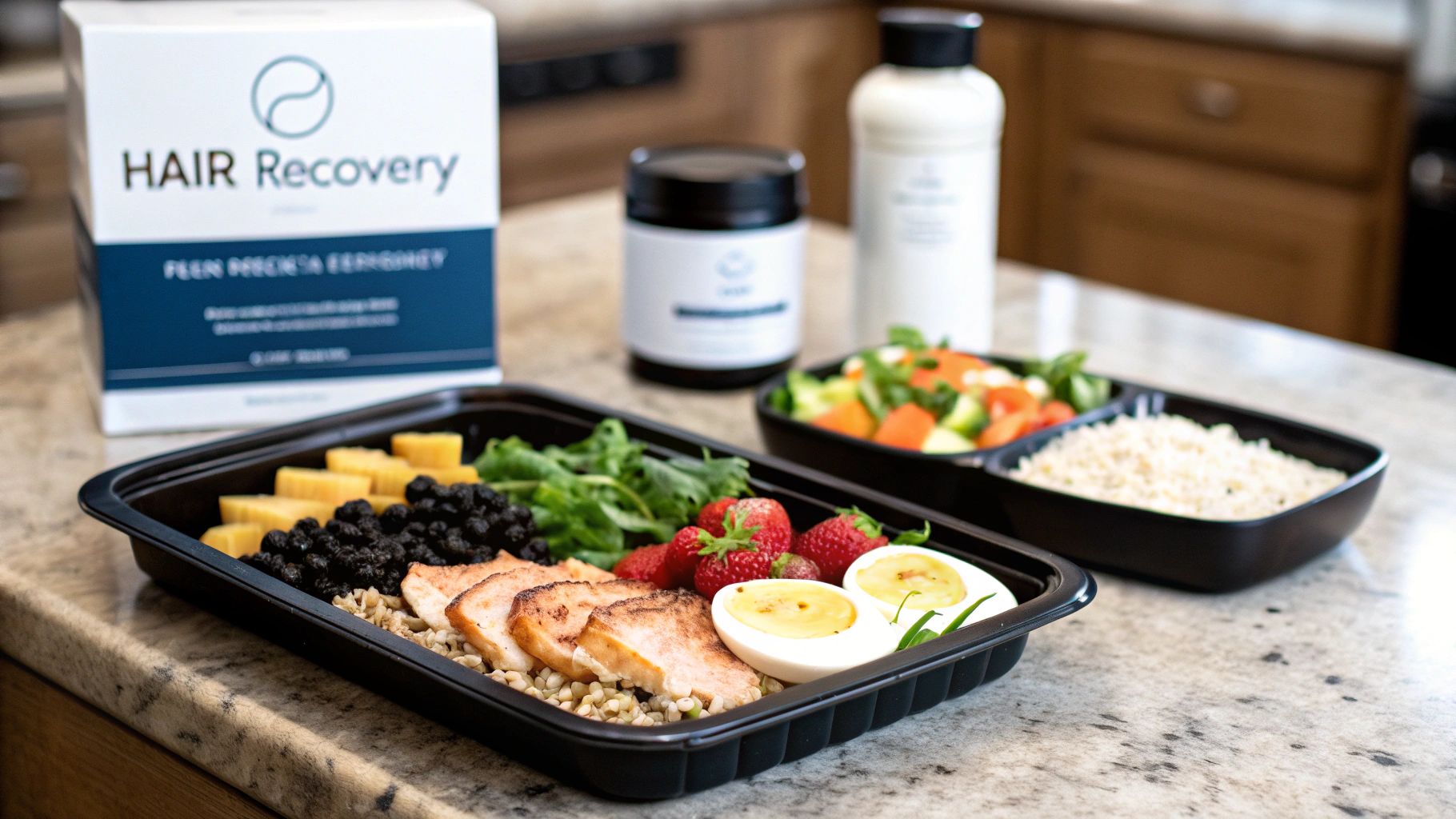
This section translates the science of hair nutrition into actionable daily strategies. You've learned about the link between vitamin deficiencies and hair loss. Now, discover how to combat these deficiencies through smart food choices and mindful meal planning. This nutritional blueprint, developed with expert input from dietitians specializing in hair health, offers practical ways to nourish your hair from within.
Meal Planning For Hair Health: Targeting Multiple Nutrients
Creating a hair-healthy diet doesn't require unusual ingredients or costly supplements. The key is strategically combining everyday foods to maximize nutrient absorption and tackle multiple deficiencies at once. For example, combining iron-rich spinach with vitamin C-rich bell peppers in a salad boosts iron absorption.
Additionally, incorporating foods rich in both vitamin D and calcium, such as salmon and fortified milk, supports not just healthy hair but also overall bone health. This interconnected approach recognizes the synergy between different nutrients and their impact on your hair's well-being.
Budget-Friendly Food Combinations and Time-Saving Prep
Healthy hair doesn't have to mean an empty wallet or endless hours in the kitchen. Many nutrient-rich foods, including lentils, beans, and eggs, are both affordable and versatile. Batch cooking these staples over the weekend can save valuable time during the week.
This allows you to quickly add them to a variety of meals, such as salads, soups, or stir-fries. Freezing pre-chopped vegetables or pre-portioned meals further simplifies the process, making healthy eating a sustainable part of your routine. These strategies remove common obstacles and empower you to prioritize hair health despite a busy schedule.
Adapting to Dietary Restrictions
This nutrition blueprint is adaptable to various dietary requirements. Whether you follow a vegetarian, vegan, or gluten-free diet, you can still achieve optimal hair nutrition. Vegetarians and vegans, for example, can source iron from plant-based options like lentils and tofu, while ensuring sufficient vitamin B12 intake through fortified foods or supplements.
Those with gluten sensitivities can substitute wheat-based products with gluten-free alternatives rich in essential nutrients. Adapting this blueprint to individual dietary restrictions ensures effective management of potential vitamin deficiencies, regardless of your food preferences.
Cooking Methods: Preserving Nutrient Integrity
How you cook your food significantly impacts its nutritional content. Some cooking methods, like boiling, can deplete vegetables of water-soluble vitamins. Steaming or roasting, however, helps preserve these crucial nutrients. Steaming broccoli, for instance, retains more of its vitamin C compared to boiling.
Understanding these nuances lets you maximize the nutritional benefits of your food choices and support optimal hair health. It's not simply about what you consume, but also how you prepare it.
Incorporating Superfoods For Hair Health
Certain "superfoods" provide exceptional advantages for hair health. Chia seeds, rich in omega-3 fatty acids and protein, nourish the scalp and promote hair growth. Similarly, berries, packed with antioxidants, protect hair follicles from damage.
These nutrient-dense additions enhance your overall nutritional profile, contributing to stronger, healthier hair. Think of them as a nutritional boost for your hair-saving diet.
Maintaining Consistency For Long-Term Results
Consistency is key to any successful nutritional plan. Sustainable habits are more effective than short-term, drastic changes. Start by incorporating small, manageable adjustments into your daily routine, gradually working towards a more comprehensive hair-healthy diet.
This could involve switching from sugary drinks to water, including a handful of nuts with breakfast, or opting for a salad instead of processed snacks. These small, consistent changes, implemented over time, can lead to significant improvements in your hair health. This approach is a long-term investment in your overall well-being, resulting in noticeable improvements in hair strength and vitality. At PRP For Hairloss, we advocate this sustainable, holistic approach. We believe that nourishing your body from within is crucial for achieving optimal hair growth and addressing vitamin deficiencies related to hair loss.
Beyond DIY: When To Seek Professional Hair Loss Help
Addressing vitamin deficiencies through diet and supplements can significantly improve hair health. However, knowing when to seek professional help is crucial for achieving optimal results. Sometimes, hair loss signals a deeper issue than simple nutritional gaps. This section explores the signs indicating you might need expert intervention.
Recognizing When Professional Help Is Necessary
While nutritional strategies can be effective, some hair loss situations require medical intervention. Rapid and significant shedding, especially if accompanied by other symptoms like scalp pain, itching, or redness, warrants a visit to a dermatologist or trichologist. These signs could indicate an underlying medical condition requiring specific treatment.
Additionally, if you’ve addressed potential vitamin deficiencies through diet and supplements and haven't seen improvement within a reasonable timeframe (typically 3-6 months), it’s time to seek professional guidance. This prolonged lack of response suggests the hair loss might stem from factors beyond nutritional deficiencies.
Identifying Meaningful Blood Tests for Hair Health
Not all blood tests offer relevant information regarding hair loss. A standard complete blood count (CBC) can reveal iron deficiency anemia, a common contributor to hair shedding. Furthermore, checking vitamin D levels is often recommended, as vitamin D plays a vital role in hair follicle cycling.
However, testing for every vitamin and mineral is usually unnecessary and can be expensive. A healthcare professional can recommend specific tests based on your individual symptoms and hair loss pattern. This targeted approach avoids unnecessary costs and focuses on gathering the most pertinent data.
Finding Specialists Who Value Nutritional Approaches
When seeking professional help for hair loss, finding a specialist who considers nutritional factors is essential. Many dermatologists and trichologists recognize the importance of a holistic approach, combining medical treatments with nutritional guidance.
When consulting with a specialist, inquire about their views on the role of nutrition in hair health. A healthcare provider who dismisses nutritional factors might not offer the most comprehensive treatment plan. A practitioner who understands the connection between nutrition and hair health can provide more well-rounded and effective care.
Combining Professional Treatments and Nutrition
Nutritional strategies and medical treatments can work together synergistically to combat hair loss. For instance, if you’re undergoing PRP (Platelet-Rich Plasma) therapy for hair loss, ensuring adequate protein intake can support the healing process and maximize treatment effectiveness.
Similarly, addressing iron deficiency while using topical minoxidil can enhance the results. This combined approach leverages the benefits of both medical interventions and nutritional optimization for a more complete and effective treatment strategy.
Realistic Timelines for Improvement and Red Flags
When beginning any hair loss treatment, having realistic expectations is crucial. While some individuals might see improvements within a few months, others might require a longer period. The speed of recovery depends on factors like the underlying cause of hair loss, individual overall health, and the chosen treatments.
Certain red flags signal that your hair loss might have a non-nutritional cause. Sudden, patchy hair loss, especially with smooth, round patches on the scalp, could indicate alopecia areata, an autoimmune condition.
Similarly, a receding hairline or thinning at the crown, particularly in men, might point towards androgenetic alopecia (male pattern baldness), primarily driven by genetics and hormonal factors. Recognizing these red flags allows for a prompt diagnosis and suitable medical intervention.
Advocating for Yourself During Treatment
Active participation in your hair loss treatment is essential. Don’t hesitate to ask questions, express concerns, and seek second opinions if needed. If you suspect a nutritional deficiency contributes to your hair loss, discuss this with your healthcare provider and request appropriate testing.
It’s your right to be fully informed about your condition and the available treatment options. By advocating for yourself, you ensure you receive the most appropriate and effective care tailored to your specific needs.
For a comprehensive and holistic approach to hair loss, visit PRP For Hairloss. We offer expert guidance and personalized treatments to help you regain your confidence and achieve healthy hair growth.


Leave a Reply