Finasteride has been a go-to for fighting male pattern hair loss for years, but it's certainly not the only player on the field. Concerns about potential side effects, from sexual dysfunction to mood changes, have a lot of guys looking for effective alternatives to finasteride. The good news? The world of hair restoration has come a long way, offering up some innovative, evidence-backed options that work in entirely different ways. Whether you're interested in topical solutions, natural approaches, or cutting-edge regenerative treatments, there's a powerful toolkit waiting for you.
This isn't about chasing a single magic bullet; it's about understanding the full landscape of options to build a personal strategy that fits your body, budget, and goals. To get a bigger picture of the non-finasteride solutions out there, it's worth exploring a guide to modern receding hairline treatment options, which covers a variety of approaches. This article will dive deep into the most promising alternatives to finasteride, giving you a clear, no-nonsense breakdown of what actually works.
We're going to dissect the top 10 options, explaining how each one functions, the results you can realistically expect, and how it stacks up against powerful regenerative treatments like PRP therapy. From over-the-counter mainstays like minoxidil to advanced clinical procedures and supportive lifestyle changes, you'll get the specific, actionable info you need to take control of your hair restoration journey. Think of this as your complete game plan for exploring what lies beyond finasteride.
1. Minoxidil (Rogaine)
Minoxidil, which most people know by the brand name Rogaine, is one of the most established and scientifically-backed alternatives to finasteride. It actually started as an oral medication for high blood pressure, but researchers noticed a surprising side effect: it made hair grow. This happy accident led to its reinvention as a topical solution and foam that you apply directly to your scalp to fight androgenetic alopecia, or male pattern baldness.
Unlike finasteride, which blocks the hormone DHT, minoxidil is a vasodilator. It works by widening the blood vessels in your scalp, which is thought to improve blood flow to the hair follicles. This boost in circulation delivers more oxygen and nutrients, which can potentially wake up dormant follicles and extend the anagen (growth) phase of the hair cycle.
How It Compares to Finasteride & PRP
Minoxidil doesn't tackle the hormonal root of hair loss (DHT) the way finasteride does, so its mechanism is totally different. This is exactly why many guys use both treatments together for a one-two punch. Compared to PRP therapy, minoxidil is a more accessible, at-home daily treatment, while PRP involves a series of in-office procedures that use your body’s own growth factors to stimulate follicles. Some of the best results are seen when you combine minoxidil with a PRP treatment schedule, as the two approaches can work together beautifully.
Actionable Tips for Using Minoxidil
To get the most out of it and minimize any potential irritation, stick to a consistent routine:
- Apply Twice Daily: For the best results, apply 1ml of the solution or half a capful of foam to a dry scalp every morning and every night.
- Stay Consistent: This is key. Results depend entirely on consistent, long-term use. You should plan on using it for at least 4-6 months before you judge how well it's working. To get a better handle on the timeline, you can read more on how soon you might see results from Rogaine.
- Choose Foam for Sensitivity: If you notice any scalp irritation, itching, or dandruff from the liquid version (often caused by an ingredient called propylene glycol), switch to the foam. It's generally much better tolerated.
- Wait Before Washing: Let the product fully absorb for at least four hours before you shower, go swimming, or use a hairdryer on your scalp.
2. PRP (Platelet Rich Plasma) Therapy
PRP (Platelet Rich Plasma) therapy is a cutting-edge, non-surgical treatment that uses your body's own healing powers to fight hair loss. The process is pretty straightforward: a small sample of your blood is drawn, spun in a centrifuge to separate and concentrate the platelet-rich plasma, and then this liquid gold—a serum packed with growth factors—is injected directly into the areas of your scalp that need it most. These growth factors are thought to stimulate dormant hair follicles, boost blood supply, and encourage new, healthier hair to grow.
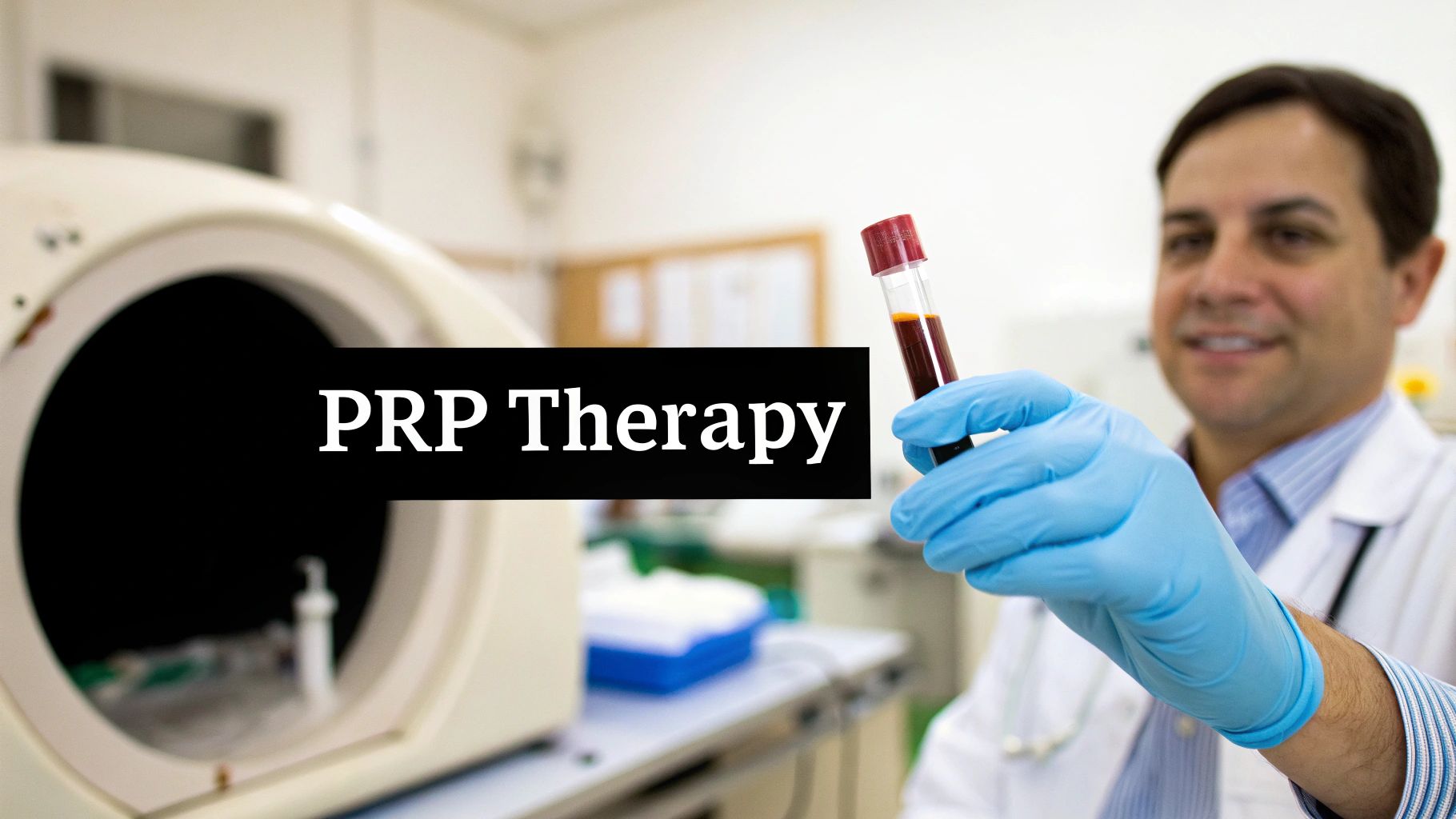
Unlike finasteride, which systemically changes your hormone levels, PRP therapy works locally right at the scalp level to revitalize follicles without those hormonal side effects. It’s a powerful regenerative approach that focuses on healing and regrowth from the inside out, making it one of the most compelling alternatives to finasteride for men looking for a more natural solution. For a deeper look at the science, you can understand more about how PRP works to combat thinning hair.
How It Compares to Finasteride & Minoxidil
PRP has a clear advantage over finasteride because it avoids hormonal manipulation, which completely eliminates the risk of systemic side effects. It directly targets follicular health by stimulating them with growth factors. When you compare it to minoxidil, PRP is a clinical procedure that kickstarts a regenerative response, whereas minoxidil is a daily topical treatment that mainly improves blood flow. Many clinics find that combining PRP with daily minoxidil use creates a powerful synergistic effect, as minoxidil can prep the scalp environment for the growth factors from PRP to do their best work.
Actionable Tips for Undergoing PRP Therapy
To get the most out of your PRP treatments and achieve the best results possible, think about these practical steps:
- Choose an Experienced Provider: Find a qualified clinician who has a proven track record specifically in PRP for hair restoration, not just general aesthetics. This is not the time to bargain hunt.
- Follow the Treatment Schedule: Consistency is everything. Stick to the recommended schedule, which usually involves a series of initial treatments followed by maintenance sessions every 6-12 months.
- Prepare for Your Session: For at least a week before your appointment, avoid blood-thinning medications and supplements like aspirin, ibuprofen, and fish oil to minimize any potential bruising.
- Combine with a Healthy Lifestyle: You can support the treatment by eating a balanced diet rich in hair-healthy vitamins and minerals, keeping stress in check, and getting enough quality sleep.
3. Low-Level Laser Therapy (LLLT) / Red Light Therapy
Low-Level Laser Therapy (LLLT), also known as red light therapy, is a non-invasive, drug-free alternative to finasteride for stimulating hair growth. This technology uses specific wavelengths of light, typically between 650nm and 850nm, delivered through devices like combs, caps, or helmets. The basic idea is that these photons of light get absorbed by the mitochondria inside hair follicle cells, which boosts the production of adenosine triphosphate (ATP)—the main energy currency for all cellular activity.
This surge of cellular energy is thought to revitalize dormant follicles, improve blood circulation, and lengthen the anagen (growth) phase of the hair cycle. Unlike finasteride, which messes with your hormone levels, LLLT works directly at a cellular level to enhance follicle function without any systemic side effects. This makes it a popular choice for anyone looking for a less chemical-based approach.
How It Compares to Finasteride & PRP
LLLT works on a completely different biological pathway than finasteride. While finasteride reduces DHT to stop follicles from shrinking, LLLT is all about energizing the existing follicles to improve their health and productivity. When you compare it to PRP therapy, both treatments aim to stimulate follicles, but LLLT is an at-home, frequent treatment, while PRP is a more intense, in-office procedure that uses your body’s own growth factors. The two are often combined, as LLLT can complement and potentially boost the regenerative effects of a PRP treatment schedule.
Actionable Tips for Using LLLT
To get the most out of this technology, a consistent and correct approach is vital:
- Choose FDA-Cleared Devices: Invest in a device that has received FDA clearance for safety and efficacy, like those from brands such as HairMax or Theradome. This ensures it's delivering the right wavelength and energy density.
- Be Consistent: Treatment schedules usually require using the device for 15-30 minutes, three to four times a week. You have to stick with it, as using it sporadically just won't produce results.
- Ensure Full Scalp Coverage: If you're using a comb or a band, make sure to part your hair in different sections during each session so the light can actually reach all the thinning areas of your scalp.
- Manage Expectations: LLLT is a long game. You need to commit to at least six months of consistent use before you can really tell if it's making a difference in your hair density and shedding. You can read more on how red light therapy helps hair to better understand the process.
4. Hair Transplant Surgery (FUE and FUT)
For guys with more advanced hair loss, a hair transplant is the most permanent and dramatic solution out there. This surgical procedure involves physically moving hair follicles from a donor area—usually the back and sides of your head where hair is genetically programmed to resist balding—to the thinning or bald spots on the top and front. The two main techniques are Follicular Unit Transplantation (FUT), which removes a strip of scalp, and Follicular Unit Extraction (FUE), which extracts individual follicular units one by one.
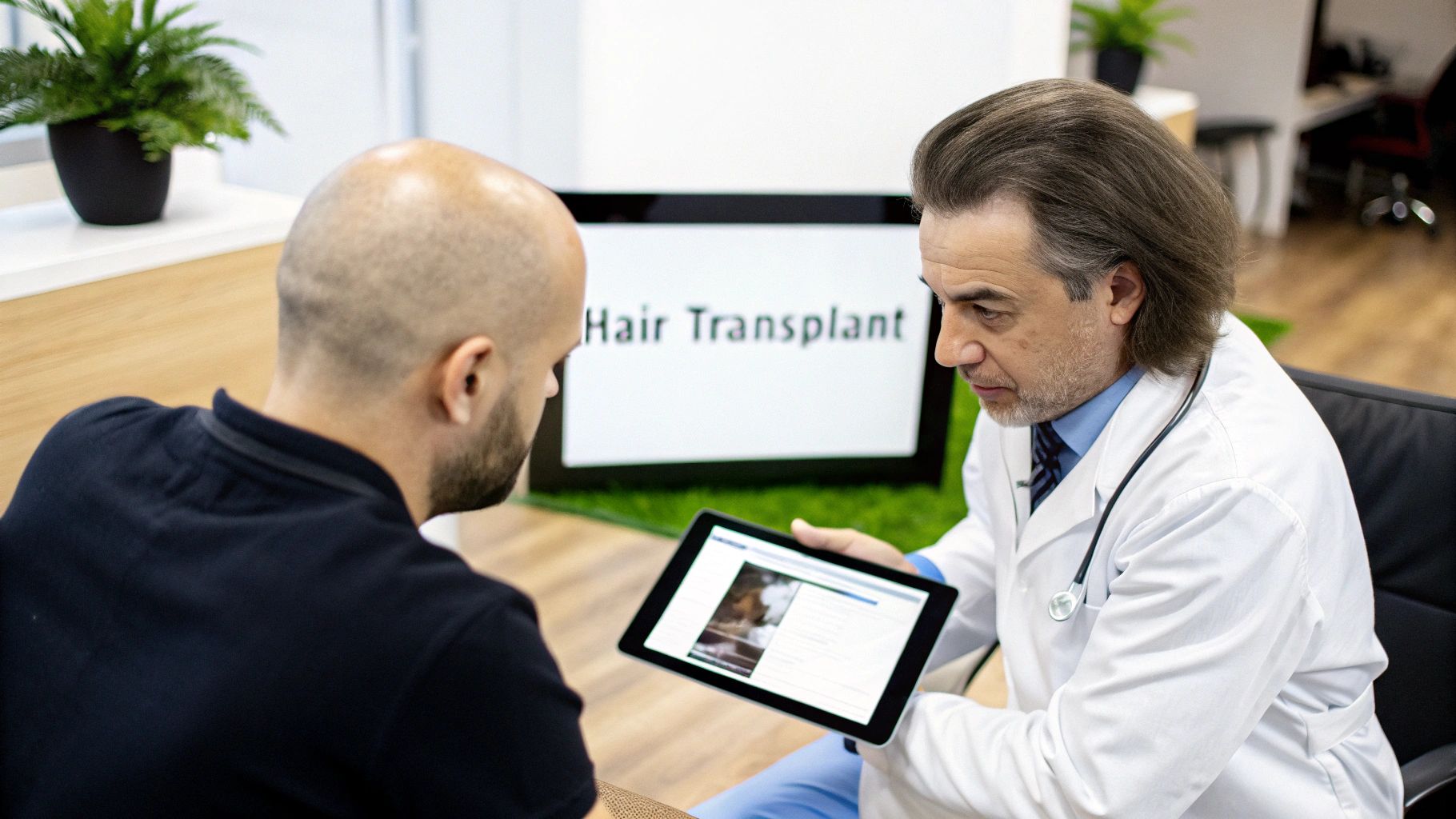
While finasteride works to preserve the hair you have, a transplant actually restores hair that's already gone. The transplanted hair is permanent and will continue to grow naturally for the rest of your life. This direct approach gives you a definitive cosmetic improvement by rebuilding your hairline and adding density where it vanished, making it one of the most effective alternatives to finasteride for significant hair restoration.
How It Compares to Finasteride & PRP
A hair transplant is a restorative procedure, while finasteride is a preventative one. Finasteride stops more hair from falling out but won't regrow hair on a completely bald area; a transplant physically fills in that area. Many surgeons actually recommend using finasteride after surgery to protect the non-transplanted native hair from thinning in the future. Compared to PRP, a transplant provides a much more drastic and targeted result for bald spots. However, PRP is often used alongside a transplant to improve graft survival, speed up healing, and thicken the surrounding native hair, creating a powerful one-two punch.
Actionable Tips for Considering a Hair Transplant
This is a major medical procedure, so doing your homework is essential:
- Thoroughly Vet Your Surgeon: Look for board-certified surgeons who specialize in hair restoration. Scrutinize their before-and-after portfolios to make sure their artistic style matches what you're looking for.
- Get Multiple Opinions: Consult with at least two or three different clinics. This helps you compare approaches, costs, and get a feel for the surgeon and their team before you commit.
- Budget Accordingly: This is not a cheap procedure. Make sure you understand the full cost, including any post-op medications, and ask about the potential need for future touch-up sessions down the road.
- Be Patient with Results: The final result isn't immediate. It takes a full 12 to 18 months for the transplanted hair to fully mature and reach its final look. If you want to understand the process in more detail, you can get a full overview of what a hair transplant involves.
5. Nutrition and Dietary Supplements
Making sure your body has the right nutrients offers a foundational approach to hair health, tackling the internal deficiencies that can speed up or contribute to hair loss. While it's not a direct replacement for finasteride's hormonal action, optimizing your diet and using specific supplements can create a much healthier environment for your hair follicles to thrive. It can serve as a powerful complementary strategy or even a standalone one for some people. This method is all about giving your body the essential building blocks it needs for strong hair growth.
Key nutrients like biotin, zinc, iron, and vitamin D are absolutely crucial for the hair growth cycle. A deficiency in any of these can lead to thinning and shedding. Specialized supplements, like those from brands like Nutrafol or Viviscal, take it a step further by combining these vitamins and minerals with botanical compounds like saw palmetto and marine collagen, which aim to support follicle health and fight thinning from the inside out.
How It Compares to Finasteride & PRP
Unlike finasteride, which blocks DHT, nutritional strategies work by correcting underlying deficiencies and reducing inflammation, which supports overall follicular function. This makes it an excellent non-pharmaceutical alternative for men worried about finasteride's potential side effects. Compared to PRP, which uses concentrated growth factors to directly stimulate the scalp, supplements work systematically from the inside. Combining a nutrient-rich diet with a PRP treatment plan can be incredibly effective—PRP provides the direct stimulus while your diet provides the raw materials for growth.
Actionable Tips for Using Supplements
To get the most from a nutritional approach, you need to be strategic and patient:
- Get Bloodwork Done: Before you start popping pills, ask your doctor for blood tests to check for specific deficiencies in iron, vitamin D, zinc, and B vitamins. This lets you supplement intelligently instead of just guessing.
- Prioritize Key Nutrients: Focus on biotin for keratin production, zinc for hair tissue repair, iron to prevent anemia-related shedding, and vitamin D to help create new follicles.
- Stay Consistent for 6+ Months: Nutritional changes take a while to show up in your hair. You have to take supplements consistently for at least six months to really see what impact they're having on your hair growth and thickness. You can explore the best vitamins for hair growth to build a more targeted plan.
- Ensure Adequate Protein Intake: Your hair is made mostly of a protein called keratin. Make sure your diet includes plenty of lean protein from sources like chicken, fish, eggs, and legumes to support hair synthesis.
6. Scalp Micropigmentation (SMP)
Scalp Micropigmentation (SMP) is a non-surgical, cosmetic procedure that presents a unique alternative to finasteride by tackling the appearance of hair loss rather than its biological cause. It involves using highly specialized needles to deposit tiny dots of pigment into the top layer of the scalp. This technique meticulously mimics the look of natural hair follicles, creating the illusion of a full, closely-shaved head of hair or adding density to thinning areas.
Unlike a regular tattoo, SMP uses specific pigments and application depths to avoid turning blue or green over time and to achieve a really natural look. It doesn't actually grow any hair, but it serves as a powerful camouflage, instantly restoring the look of a defined hairline and covering up bald or thinning spots. This makes it an excellent option for men who want immediate cosmetic improvement without medication or surgery.
How It Compares to Finasteride & PRP
SMP works on a completely different level than finasteride and PRP. While finasteride and PRP are biological treatments aimed at stopping hair loss and regrowing hair, SMP is a cosmetic solution that conceals it. It provides an immediate visual result, whereas treatments like PRP can take months of sessions to show noticeable regrowth.
However, SMP can be an amazing complementary procedure to PRP. Many guys use SMP to create an appearance of density while they wait for their PRP treatments to fully kick in. For example, an athlete might get SMP to have a confident look during their season while undergoing a PRP schedule for long-term regrowth.
Actionable Tips for Considering SMP
To make sure you get a natural, high-quality result, careful planning is a must:
- Find a Specialist: Don't go to a standard tattoo artist for this. Seek out a practitioner who exclusively specializes in scalp micropigmentation and has an extensive portfolio of before-and-after photos.
- Match the Pigment: A skilled artist will work with you to choose a pigment that perfectly matches your natural hair color and skin tone to avoid an unnatural, "pluggy" look.
- Plan for Multiple Sessions: A complete SMP treatment usually takes 2-4 sessions spaced a few weeks apart to build up density and create a layered, realistic effect.
- Follow Aftercare Rules: Protect your investment. Avoid direct sun exposure and intense sweating for the first 10 days or so after each procedure to let the pigment settle properly.
7. Topical Growth Factor Serums and Peptides
Stepping into the world of advanced skincare science, topical growth factor serums and peptide-based solutions are emerging as some seriously sophisticated alternatives to finasteride. These high-tech formulas are applied right to the scalp and are designed to work at a cellular level, delivering powerful biological signals to rejuvenate hair follicles without the systemic side effects that can come with oral medications.
Unlike traditional treatments, these serums use growth factors, which are naturally occurring proteins that tell cells to heal, grow, and regenerate. In a similar way, specific biomimetic peptides can mimic these natural signals, encouraging hair follicles to re-enter and stay in the anagen (growth) phase longer. This direct approach nourishes the scalp environment and supports follicle function from the outside in.
How It Compares to Finasteride & PRP
Topical serums and peptides offer a non-hormonal path to hair growth, which sets them apart from finasteride's DHT-blocking action. They focus instead on cellular regeneration and follicle stimulation. This mechanism is conceptually similar to PRP therapy, as both aim to give the scalp a high concentration of growth factors. The big difference is that serums provide a convenient, at-home daily application, whereas PRP is an in-office procedure. Many men find success using these serums to complement and boost the results between their scheduled PRP treatments.
Actionable Tips for Using These Serums
To get the most out of these advanced topical treatments, precision and consistency are everything:
- Research Is Crucial: Before you buy, check the product's claims against published studies or clinical data. Look for specific growth factors (like VEGF or KGF) or peptide complexes named in the ingredients list.
- Apply to a Clean Scalp: For the best absorption, apply the serum to a clean, dry scalp, ideally after a shower when your pores are more open. Gently massage it in to stimulate circulation.
- Commit to Long-Term Use: Changes at the cellular level take time. You have to commit to consistent daily application for at least six months before you can really judge the results accurately.
- Source from Reputable Brands: Stick to products from established dermatological or biotech companies known for their research and quality control. This helps ensure you're getting a formula that's both potent and safe.
8. Stress Management and Lifestyle Optimization
While it's not a direct fix for the genetic cause of male pattern baldness, optimizing your lifestyle and managing stress is a crucial foundational strategy that can have a huge impact on your hair's health. Chronic stress jacks up your cortisol levels, which can disrupt the natural hair growth cycle and push more follicles into the telogen (shedding) phase. This condition, known as telogen effluvium, can make androgenetic alopecia appear to be happening much faster.
Lifestyle factors like poor sleep, smoking, and excessive alcohol consumption create systemic inflammation and oxidative stress, which further harm your hair follicles. By getting these core wellness pillars in order, you create an optimal internal environment for your hair to thrive. This makes it a powerful, supportive alternative to finasteride that can enhance the effectiveness of any other treatments you're doing.
How It Compares to Finasteride & PRP
Unlike finasteride, which directly targets the DHT hormone, lifestyle optimization works by reducing the physiological stressors that make hair loss worse from every angle. It won't stop the genetic process of pattern baldness on its own, but it can slow down the rate of shedding and improve the overall quality of the hair you still have.
Compared to PRP, which delivers a concentrated dose of growth factors right to the scalp, a healthy lifestyle ensures your body is consistently producing and delivering its own nourishing supply of blood, oxygen, and nutrients to the follicles. Combining PRP treatments with a real commitment to stress management and wellness creates a powerful synergy—PRP can work much more effectively in a body that isn't constantly fighting off chronic inflammation and stress.
Actionable Tips for Lifestyle Optimization
To support your hair health through lifestyle changes, focus on building sustainable habits:
- Prioritize Sleep: Aim for a consistent 7-9 hours of quality sleep per night. This is when your body does its most critical repair work, including the processes that support hair follicle health.
- Implement Stress Reduction: Incorporate daily mindfulness or meditation practices, even if it's just for 10-20 minutes. Activities like yoga, deep breathing exercises, or just spending time in nature can significantly lower your cortisol levels.
- Move Your Body: Get in at least 150 minutes of moderate-intensity aerobic exercise, like brisk walking or cycling, each week. Exercise improves circulation throughout your entire body, including to your scalp.
- Eliminate Smoking: Smoking constricts blood vessels, which impairs circulation to the hair follicles, and it introduces toxins that create oxidative stress, directly damaging your hair's growth potential. It's a no-brainer to quit.
9. DHT-Blocking Natural Compounds
For those looking for plant-based alternatives to finasteride, certain natural compounds offer a way to target DHT without using synthetic drugs. Ingredients like saw palmetto, pumpkin seed oil, and pygeum africanum are believed to contain phytosterols and fatty acids that naturally inhibit the 5-alpha reductase enzyme—the very same enzyme that finasteride targets to lower DHT levels.
These herbal compounds provide a milder, more natural form of DHT modulation. While their effect is generally considered less potent than pharmaceutical options, they really appeal to men who are wary of potential systemic side effects. For instance, saw palmetto has a long history in herbal medicine for prostate health, which is also linked to DHT activity, and that's how it found its way into hair loss protocols.
How It Compares to Finasteride & PRP
Natural DHT blockers work on the same hormonal pathway as finasteride, but with a much weaker and more localized effect. This results in a lower risk of side effects, but also more modest results. They're often seen as a first-line natural defense or a complementary addition to a routine. Compared to PRP, these compounds are an oral, at-home daily supplement, while PRP is a targeted in-office procedure that stimulates follicles with growth factors. Combining natural DHT blockers with PRP can be a powerful, dual-action strategy, tackling both the hormonal and growth-factor pathways.
Actionable Tips for Using Natural Compounds
To effectively integrate these natural alternatives to finasteride into your routine, consistency and quality are essential:
- Choose Standardized Extracts: Opt for supplements with standardized extracts to ensure you're getting a consistent, potent dose. For example, look for saw palmetto that's standardized to 85-95% fatty acids.
- Follow Recommended Dosages: Common starting points are 320mg of saw palmetto daily, 400mg of pumpkin seed oil daily, or 50-100mg of pygeum africanum twice a day.
- Commit for the Long Haul: Natural compounds work slowly. You have to stay consistent for at least six months before you can properly judge how well they're working for you.
- Source Reputably: Buy from well-regarded manufacturers that use third-party testing to verify the purity and potency of their ingredients.
10. Combination Therapy (Integrative Multi-Modality Approach)
Instead of banking on a single treatment, a combination therapy approach harnesses the power of multiple treatments working together in harmony. This integrative strategy attacks male pattern hair loss from several angles at once, creating a synergistic effect that often blows the results of any one treatment out of the water. By combining different mechanisms of action, you can build a comprehensive defense against hair thinning and promote a healthier environment for regrowth.
This multi-pronged plan typically uses a cornerstone treatment like PRP or minoxidil and then layers on complementary therapies. For instance, combining a vasodilator like minoxidil with a growth-factor-rich treatment like PRP, while also addressing potential nutritional gaps with supplements and reducing inflammatory stress through lifestyle changes, creates a powerful, holistic protocol. It's one of the most effective alternatives to finasteride because it’s personalized and attacks the problem from all sides.
How It Compares to Finasteride & PRP
A combination approach is fundamentally different from a single-molecule drug like finasteride. While finasteride targets one specific pathway (DHT production), a multi-modality plan addresses various contributing factors, from blood flow and growth factor signaling to nutrition and inflammation. Compared to using PRP alone, a combination strategy uses PRP as a powerful foundation and then adds daily support from other treatments like minoxidil or LLLT to maintain and amplify the results between sessions. This integrated system maximizes your potential for hanging onto your hair and even regrowing some.
Actionable Tips for Combination Therapy
To build an effective and sustainable combination protocol, a structured approach is best:
- Establish a Foundation: Start with two scientifically-backed treatments that work differently, such as PRP (to stimulate follicles with growth factors) and daily minoxidil (to improve blood flow).
- Layer in Support: Add targeted supplements like biotin or saw palmetto if you have specific deficiencies or want to address the DHT angle naturally. Lifestyle changes like stress management and a balanced diet should be implemented right away, as they support all your other efforts.
- Be Patient and Consistent: Commit to your chosen protocol for at least six months before making any changes. Consistent application across all your chosen therapies is crucial for seeing meaningful results.
- Track Your Progress: Take clear photos of your hair every month in the same lighting to objectively see how you're responding. This helps you and your specialist figure out which parts of your protocol are most effective and where you might need to make adjustments.
10 Finasteride Alternatives: Comparison
| Treatment | 🔄 Implementation Complexity | ⚡ Resource & Time Requirements | ⭐📊 Expected Effectiveness & Timeframe | 💡 Ideal Use Cases | Key Advantages |
|---|---|---|---|---|---|
| Minoxidil (Rogaine) | Low 🔄 — topical application twice daily | Low ⚡ — OTC, affordable; continuous lifelong use; results in 3–6 months | ⭐⭐📊 — moderate effectiveness; visible regrowth in 3–6 months; variable by person | Early-stage male pattern baldness; adjunct to other therapies | Proven in studies; OTC access; minimal systemic effects |
| PRP (Platelet Rich Plasma) Therapy | Moderate 🔄 — clinic-based injections; multiple sessions | High ⚡ — 3–4 sessions + maintenance; higher upfront cost; appointments over months | ⭐⭐⭐📊 — moderate–high; studies report ~25–60% hair-count improvement over 6–12 months | Patients seeking biologic, non-pharmaceutical approach; complement to minoxidil | Autologous treatment; low systemic risk; synergizes with other modalities |
| Low-Level Laser Therapy (LLLT) / Red Light | Low–Moderate 🔄 — device use at home or in-clinic; consistent schedule | Moderate ⚡ — device purchase or clinic fees; regular 3–6× weekly use; months to see change | ⭐⭐📊 — modest improvements; slow (6+ months); maintenance required | Non-invasive adjunct; users preferring at-home therapy | Non-invasive; no systemic side effects; FDA-cleared devices available |
| Hair Transplant Surgery (FUE / FUT) | High 🔄 — surgical planning, skilled operator, recovery | Very High ⚡ — $4k–$15k+; surgical time and recovery; results in 6–12 months | ⭐⭐⭐⭐📊 — high effectiveness; permanent, dramatic visual results after 6–12 months | Advanced/large-area loss; those seeking permanent restoration | Permanent natural hair growth; no ongoing meds; dramatic results when well-performed |
| Nutrition & Dietary Supplements | Low 🔄 — oral supplementation; guided by bloodwork | Low ⚡ — affordable ongoing cost; months (6+); depends on deficiency testing | ⭐⭐📊 — variable; effective if correcting specific deficiencies; slow onset (6+ months) | Confirmed nutritional deficiencies; adjunct to other treatments; general health support | Addresses root deficiencies; safe; supports overall health |
| Scalp Micropigmentation (SMP) | Moderate 🔄 — cosmetic tattoo procedure; multiple sessions | Moderate ⚡ — $1.5k–$4k; 2–4 sessions; touch-ups every 4–6+ years | ⭐⭐📊 — immediate visual density; no biological regrowth; durable 4–6+ years | Immediate cosmetic improvement; shaved-head or density illusion solutions | Immediate dramatic appearance; lower cost than transplant; minimal ongoing care |
| Topical Growth Factor Serums & Peptides | Low–Moderate 🔄 — daily topical use; product selection matters | Moderate ⚡ — higher product cost; daily application; limited long-term data; months | ⭐⭐📊 — promising but limited evidence; modest results over 3–6+ months | Patients seeking topical alternatives; adjunct to PRP/minoxidil | Targets follicles locally; low systemic risk; complementary mechanisms |
| Stress Management & Lifestyle Optimization | Low 🔄 — behavioral changes, consistent habits | Low ⚡ — low monetary cost; requires time/consistency; measurable in 3–6 months | ⭐⭐📊 — supportive effects; reverses telogen effluvium; enhances other treatments | Stress-related shedding; anyone as adjunct to medical approaches | No side effects; improves overall health; sustainable long-term benefits |
| DHT-Blocking Natural Compounds | Low 🔄 — oral/topical herbal extracts; standardized extract choice | Low–Moderate ⚡ — affordable; variable potency; consistent use for 6+ months | ⭐⭐📊 — modest benefit (≈20–30% in some studies); weaker than finasteride | Individuals avoiding prescription DHT blockers; adjunct therapy | Natural alternative with low systemic risk; accessible without prescription |
| Combination Therapy (Integrative Multi-Modality) | High 🔄 — coordinated multi-treatment plan; individualized | High ⚡ — cumulative cost/time; requires provider coordination; months to 1+ year | ⭐⭐⭐⭐📊 — superior outcomes vs monotherapy; multi-pathway benefits over 6–12+ months | Moderate to advanced loss seeking optimal, sustainable results | Synergistic effects; customizable; better long-term sustainability and outcomes |
Crafting Your Personalized Hair Restoration Protocol
Navigating the world of male pattern hair loss can feel overwhelming, but as we've explored, the landscape is far more diverse than a single prescription. The journey to reclaim your hairline is no longer a one-size-fits-all path dictated by finasteride. The crucial takeaway from our deep dive into these ten powerful options is this: you are in control, and you have a wealth of effective tools at your disposal.
The era of relying on a single "magic bullet" is giving way to a more sophisticated, personalized approach. Your ideal strategy isn't about finding the one perfect replacement for finasteride; it's about building a multi-faceted protocol that attacks hair loss from several angles simultaneously. This is where the true power lies.
The Synergy of a Combined Approach
Think of your hair restoration plan like a well-balanced diet. Just as you need a variety of nutrients for optimal health, your hair follicles benefit from a combination of different therapeutic signals. A standalone treatment might slow down the thinning process, but an integrated strategy can create an environment where hair doesn't just survive, it actively thrives.
Consider this powerful, synergistic model:
- Foundation: A regenerative treatment like Platelet-Rich Plasma (PRP) Therapy works at the cellular level, stimulating dormant follicles and improving scalp health from within.
- Daily Support: A topical vasodilator like Minoxidil enhances blood flow and nutrient delivery directly to the follicle, complementing the regenerative effects of PRP.
- Environmental Optimization: Incorporating Low-Level Laser Therapy (LLLT) reduces inflammation and boosts cellular energy (ATP), creating a more favorable scalp environment for growth.
- Nutritional Bedrock: A diet rich in biotin, zinc, iron, and protein, supplemented where necessary, ensures your body has the raw materials needed to construct strong, healthy hair shafts.
This multi-pronged attack creates a compounding effect. Each component makes the others more effective, yielding results that often surpass what any single treatment could achieve alone. This is the modern, intelligent way to approach hair restoration and a core principle behind the most successful alternatives to finasteride.
Your Actionable Path Forward
So, where do you go from here? The information can seem daunting, but your next steps are clear and manageable. It's time to move from research to action.
- Self-Assessment: Review the options we've discussed. Which ones resonate most with your lifestyle, budget, and personal health philosophy? Are you looking for a non-invasive daily routine (Minoxidil, LLLT), a powerful clinical intervention (PRP, Hair Transplant), or a foundational lifestyle shift (Nutrition, Stress Management)? Be honest about what you can consistently commit to.
- Professional Consultation: This step is non-negotiable. Schedule an appointment with a dermatologist, trichologist, or a hair restoration specialist. Armed with the knowledge from this article, you can have a more informed, productive conversation. Discuss your specific pattern of loss, your health history, and which alternatives to finasteride they recommend for your unique situation.
- Commitment and Patience: Regardless of the path you choose, consistency is king. Hair growth is a slow, biological process. Whether it's applying a topical serum daily, showing up for your scheduled PRP sessions, or making lasting dietary changes, your dedication over the first 6-12 months will be the primary determinant of your success. Track your progress with photos to stay motivated.
Your journey toward a fuller head of hair is a marathon, not a sprint. By embracing a personalized, multi-modal strategy, you're not just fighting hair loss; you're proactively investing in your long-term confidence and well-being. The power to build your ideal protocol is in your hands.
Ready to build the powerful foundation of your new hair restoration protocol? At PRP For HairLoss, we specialize in leveraging your body's own regenerative power to stimulate natural hair growth, making it one of the most effective and scientifically-backed alternatives to finasteride. Explore how our advanced PRP For HairLoss treatments can become the cornerstone of your personalized plan today.
 PRP For Hairloss
Leave a comment