Looking for ways to get a fuller, healthier head of hair can feel like a maze. There are countless products out there promising miracle cures, often overnight. But here’s the thing: real, lasting hair health isn't about finding a single magic potion. It's about building a solid strategy that tackles hair growth from every angle, using science and good habits instead of hype. Sustainable improvement comes from caring for your hair both inside and out, from what you eat to how you treat your scalp.
This guide is designed to cut through the noise and give you a clear, actionable plan. We’re going to dive into the real science of what makes hair follicles happy. Instead of just listing things to do, I'll explain why and how these ten powerful ways to increase hair growth naturally actually work. You’ll get practical steps and realistic timelines, making it easy to weave these methods into your everyday life.
We'll look at smart nutritional choices, scalp care routines that create the perfect environment for growth, and supplements that can fill in any gaps. From simple home treatments like using rosemary oil to lifestyle tweaks that lower stress and boost circulation, each point is a piece of a bigger, holistic puzzle. Think of this as your go-to guide for building a strong foundation for healthier hair by working with your body's own amazing ability to heal and grow. Let’s get to it.
1. Scalp Massage
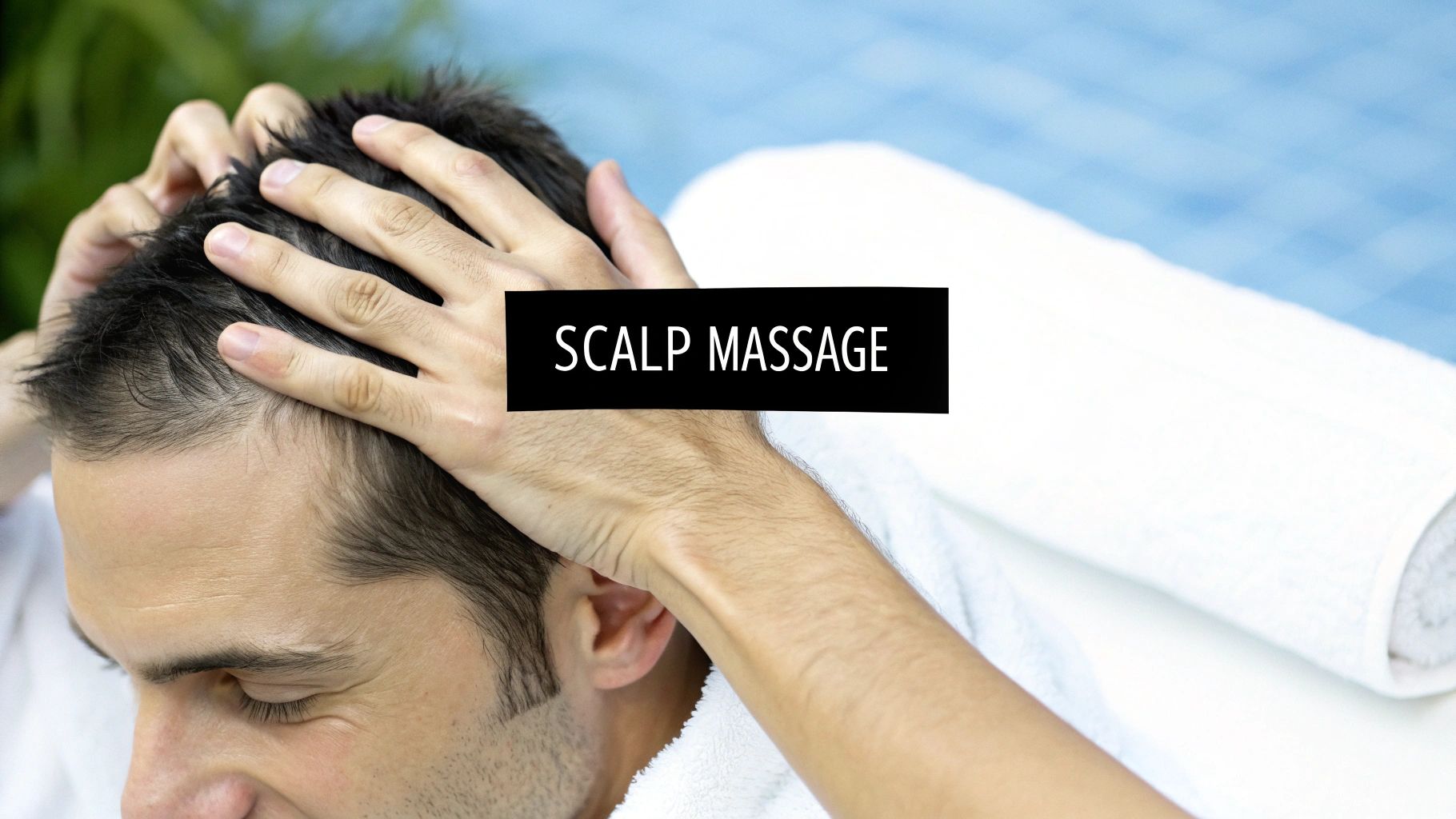
It might sound simple, but one of the best things you can do to encourage hair growth naturally is to give yourself regular scalp massages. All it takes is using your fingertips (or a special tool) to gently work the skin on your head. This simple action boosts blood flow to your hair follicles, which is a big deal. More blood flow means more oxygen and nutrients getting to the roots of your hair, creating a much better environment for it to grow.
And it’s not just an old wives' tale; science backs this up. The gentle, consistent pressure can actually wake up the cells in your hair follicles. This can lead to thicker hair strands and might even help your hair stay in its growth phase (the anagen phase) for longer.
Why It Works: Evidence and Benefits
A really interesting study from 2019, published in Dermatology and Therapy, showed some compelling results. Participants who did a standardized scalp massage for 24 weeks saw a noticeable increase in their hair's thickness. This suggests that the physical stimulation of a massage wakes up the dermal papilla cells, which are key players in telling your hair when to grow. It’s no wonder this practice is a cornerstone of routines like Japanese head spas, which are famous for promoting thick, luscious hair.
Beyond just the hair benefits, there’s another huge plus: stress reduction. We know that high levels of the stress hormone cortisol are linked to hair shedding. Taking a few minutes each day to massage your scalp can feel incredibly relaxing, helping to lower that stress and protect your hair in the process.
How to Implement Scalp Massage Effectively
To get real results from this, you’ve got to stick with it. Try to make it a daily habit.
- Technique: Use the pads of your fingertips, not your nails. Apply firm but gentle pressure and move in small circles. Make sure you cover your whole scalp, from the front hairline all the way to the back of your neck.
- Duration: A solid 5 to 10 minutes each day is the sweet spot. It's enough to stimulate blood flow without irritating your skin.
- Enhancements: You can do this on a dry scalp, or you can level it up by using hair-friendly oils. Rosemary oil is a fantastic choice; studies have even shown it can be as effective as minoxidil for hair growth.
- Patience: Natural methods are a marathon, not a sprint. You'll likely start to see real improvements in hair texture and thickness after about 3 to 6 months of doing this every day.
For a great visual guide on how to do it right, this video is super helpful:
2. Biotin Supplementation
Another fantastic way to boost your hair growth from the inside out is through nutrition, and biotin is usually at the top of that list. Also known as Vitamin B7, biotin is a key player in your body’s production of keratin. Since your hair is made almost entirely of keratin, getting enough biotin is non-negotiable for building strong, healthy hair strands.
While a serious biotin deficiency isn't very common, even having slightly low levels can affect your hair's quality. Taking a biotin supplement can help strengthen your hair's natural infrastructure, leading to thicker strands and a healthier growth rate. It’s a great first step for anyone looking to give their hair a nutritional boost.
Why It Works: Evidence and Benefits
Research has consistently shown biotin's importance for hair, especially if you’re dealing with thinning. In one well-known study, women with thinning hair who took a supplement with biotin saw significant improvements in hair thickness and volume after just 90 days. Other studies have found similar results, with people reporting fuller hair after consistent use.
It all comes down to its role in creating keratin. By helping this process along, biotin ensures that the hair you grow is structurally sound. It also plays a role in your overall metabolism, which indirectly helps create a better internal environment for your hair follicles to do their job.
How to Implement Biotin Supplementation Effectively
To get the most out of biotin, you need a smart and consistent strategy.
- Dosage: A common dose for supporting hair growth is between 2.5 and 5 milligrams (mg) per day. Taking it with a meal can help your body absorb it better.
- Pairing: Think about taking a B-complex vitamin or a multivitamin that already includes biotin. B vitamins tend to work together, so this can make it even more effective.
- Hydration: Biotin is a water-soluble vitamin, which means your body needs water to absorb and move it around. Make sure you're drinking plenty of water all day.
- Patience: Remember, hair grows slowly. You'll need to take it consistently for about 3 to 6 months before you start seeing a real difference in new growth and overall thickness.
Before you start any new supplement, it's always a good idea to chat with a dermatologist to make sure it’s the right move for you.
3. Rosemary Oil Treatment
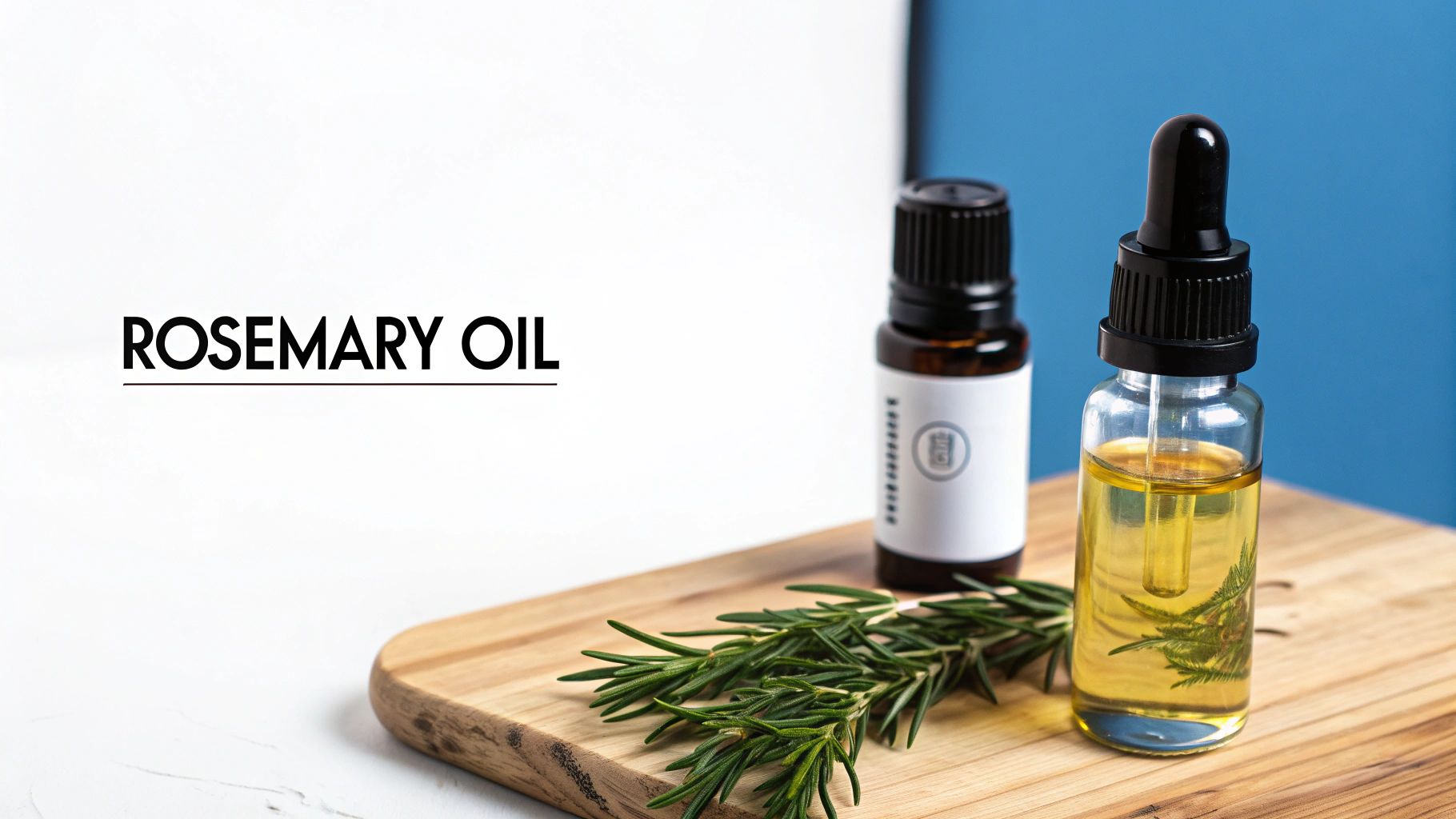
Sometimes the best solutions come from nature, and rosemary essential oil is a perfect example. This fragrant herb is a powerhouse when it comes to getting thicker hair. It's not just for cooking; people have used it for centuries to stimulate hair growth. It works its magic by improving circulation to the scalp and fighting inflammation, which creates the perfect setting for your follicles to get to work.
The science behind it is pretty cool. Rosemary oil can help block an enzyme linked to DHT, a hormone that plays a big role in male pattern baldness. At the same time, it boosts blood flow to deliver more nutrients right where they're needed. This one-two punch makes it one of the most respected natural ways to increase hair growth.
Why It Works: Evidence and Benefits
Rosemary oil isn't just hype; it’s backed by solid research. A landmark 2015 study actually compared rosemary oil directly to minoxidil (the active ingredient in Rogaine). After six months, the group using rosemary oil saw a significant increase in hair count, on par with the minoxidil group, but with a bonus—they experienced less scalp itching.
This supports what Mediterranean cultures have known for years, where the herb is treasured for its ability to strengthen hair. The biggest benefit of rosemary oil is that it offers a natural alternative to chemical treatments that really works. Its active ingredients, like carnosic acid, are thought to help heal nerve endings in the scalp, which might even help rejuvenate follicles that have gone dormant.
How to Implement Rosemary Oil Treatment Effectively
Adding this potent oil to your routine is easy, but you have to do it right for it to be safe and effective.
- Dilution is Key: You should never put pure essential oil right on your scalp. Mix about 10-15 drops of rosemary oil with an ounce (30 ml) of a carrier oil like jojoba, argan, or coconut oil.
- Application: Part your hair and use a dropper or your fingers to apply the mix directly to your scalp, paying extra attention to areas that are thinning. Gently massage it in for about 5 minutes to help it absorb.
- Frequency and Duration: Do this treatment 2-3 times a week. You can leave it on for as little as 30 minutes before you wash your hair, or for a deeper treatment, leave it in overnight.
- Patience: Like any natural remedy, this takes time. You’ll need to use it consistently for at least six months to see a real improvement in your hair's density and growth.
If you're curious about other botanical options, you can discover more about the best essential oils for hair growth.
4. Protein-Rich Diet
At its core, your hair is made of protein—specifically, a tough protein called keratin. This means that getting enough protein in your diet is one of the most direct ways to naturally boost hair growth. If your body isn't getting enough protein, it starts to ration it. Non-essential functions, like making hair, get put on the back burner so the protein can be used for vital organs. This can lead to weaker hair and even shedding.
A diet rich in protein gives your body the amino acids it needs—the very building blocks for creating strong, healthy keratin. Making sure you have a steady supply of these building blocks is the bedrock of any good hair growth plan.
Why It Works: Evidence and Benefits
The link between protein and hair is well-established. Study after study has shown that serious protein deficiencies, like those from very restrictive diets, are directly tied to major hair loss (a condition called telogen effluvium). The good news is that when protein intake is brought back to normal, hair growth usually starts up again.
But it’s not just about preventing loss. A high-protein diet also supports the strength of your hair. It’s not uncommon for athletes and people on high-protein meal plans to notice their hair getting stronger as a side benefit. Their bodies simply have plenty of amino acids to spare for keratin production. To get the most out of it, understanding complete protein sources can really help optimize your diet.
How to Implement a Protein-Rich Diet Effectively
It's not just about eating more protein; it's about being smart about it. For a deeper look, check out our guide to the best foods for hair growth on prpforhairloss.com.
- Technique: Try to include a good source of protein with every single meal. Spreading it out through the day gives your body a constant supply of amino acids to work with.
- Target Intake: A good rule of thumb is to aim for 25-30 grams of protein per meal. This helps you meet your daily needs for muscle repair, hormone production, and, of course, hair growth.
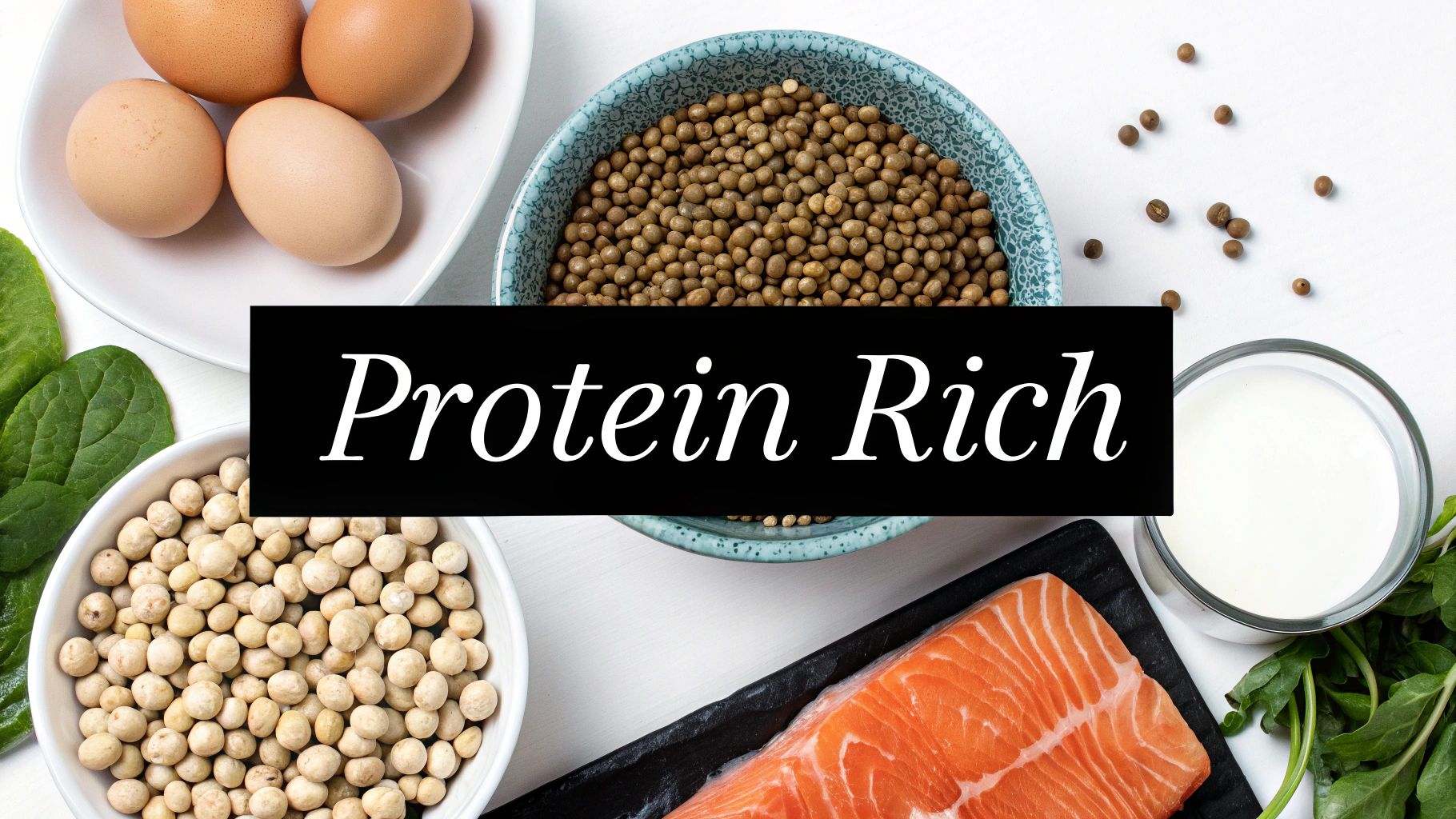
- Best Sources: Focus on high-quality options. Lean chicken, fish (salmon is great for its omega-3s), eggs, and Greek yogurt are all fantastic. If you’re plant-based, lentils, chickpeas, quinoa, and tofu are your friends.
- Synergy: Pair your protein with foods rich in iron and zinc, since these minerals are also vital for hair. A meal like salmon with a side of spinach is a true hair-health powerhouse.
5. Iron and Zinc Supplementation
Beyond the big stuff like protein, certain minerals are absolutely essential for the hair growth cycle. If you're low on them, it can lead directly to shedding. Iron and zinc are two of the most important micronutrients for your hair. Iron helps produce hemoglobin, which carries oxygen to all your cells, including your hair follicles. Zinc is a key player in hair tissue growth and repair, and it helps the oil glands around your follicles work properly.
Being deficient in either of these is a known cause of telogen effluvium, which is a fancy way of saying widespread hair shedding. When your body is low on iron or zinc, it sends its limited supply to critical life-support functions, which means things like hair growth get left behind. Fixing these deficiencies is a powerful, science-backed way to get your hair growth back on track.
Why It Works: Evidence and Benefits
The evidence linking these minerals to hair loss is strong. A study in the Journal of Korean Medical Science found a clear connection between iron deficiency and female pattern hair loss, and they saw regrowth once the women started taking iron supplements. Likewise, zinc deficiency has been repeatedly linked to different types of alopecia.
The main benefit here is that you’re fixing a direct, physical cause of hair loss. By getting your levels back to normal, you’re giving your hair follicles the raw materials they need to maintain a healthy growth phase. You can learn more about the connection by reading up on whether low ferritin can cause hair loss.
How to Implement Supplementation Effectively
Taking supplements without knowing if you need them won't help and could even be harmful. So, always start with a blood test.
- Get Tested First: Before you start popping any pills, ask your doctor for a blood test to check your ferritin (your stored iron) and zinc levels. It’s the only way to know for sure if you're deficient.
- Correct Dosage: If you are deficient, follow your doctor’s advice. General recommendations are around 8 mg of iron and 11 mg of zinc for men, but if you're deficient, your doctor will likely prescribe a higher therapeutic dose.
- Smart Supplementing: Take your iron supplement with a source of vitamin C, like a glass of orange juice, to seriously boost absorption. Try to avoid taking zinc at the same time as calcium or iron, as they can compete with each other.
- Patience: It can take a good 3 to 6 months for your mineral levels to get back to normal and for you to see a real reduction in shedding and new hair starting to grow. Sticking with it is key.
6. Silica Supplementation
While vitamins and protein get most of the attention, certain trace minerals are the unsung heroes of strong, healthy hair. Silica, also known as silicon dioxide, is one of those minerals. It’s essential for strengthening our connective tissues, and that includes our hair. It works by helping our bodies produce collagen, the protein that gives hair its structure and elasticity, making it a key player in any natural hair growth strategy.
Silica's main job is to make your hair stronger from the inside out, which means less brittleness and breakage. By boosting collagen and improving how nutrients are delivered to the scalp, silica helps create thicker, more resilient hair that can stand up to daily wear and tear. It’s a powerful, though often overlooked, tool for improving both the quality and density of your hair.
Why It Works: Evidence and Benefits
There's solid science to back up silica's role in hair health. A 2007 study in the Archives of Dermatological Research looked at women with fine hair who took a silica supplement for 9 months. They saw significant improvements in their hair's thickness and elasticity. The participants said their hair was less brittle and had more volume, showing the mineral's direct impact.
Besides helping your hair directly, silica's role in collagen production has another great benefit: improved scalp health. A healthy scalp is the foundation for great hair. By strengthening the dermal layer of the scalp, silica helps anchor your hair follicles securely and ensures they get a good supply of nutrients, which is crucial for a healthy hair growth cycle.
How to Implement Silica Supplementation Effectively
To get real results from silica, you need to be consistent and take the right amount. Adding it to your daily routine can help fortify your hair over time.
- Dosage: Aim for about 10-40 mg of silica per day, but always stick to the instructions on your supplement's label.
- Natural Sources: If you'd rather get it from food, the herb horsetail is one of the richest natural sources of silica. You can take it as a tea or in a capsule.
- Enhancements: Try taking your silica supplement with a source of vitamin C. Vitamin C is essential for collagen production, so taking them together can really amplify the benefits for your hair.
- Patience: The first thing you'll likely notice is that your hair feels stronger and less brittle. You can expect to see these changes within 4 to 8 weeks of consistent use, with more visible growth benefits showing up after a few months.
7. Scalp Health and Cleansing Routine
You can't have healthy hair without a healthy scalp—it's that simple. Setting up a good cleansing routine is one of the most basic but important ways to encourage hair growth naturally. It's all about creating the perfect environment for your follicles to thrive. This means getting rid of buildup from products, excess oil, and pollution that can clog follicles and cause inflammation, which is a major roadblock to hair growth.
The goal here isn't just to be clean; it's to be balanced. Washing too much can strip your scalp's natural protective oils, but not washing enough lets buildup and microbes accumulate. A balanced routine keeps your follicles clear, keeps inflammation down, and makes sure blood can flow freely to deliver nutrients.
Why It Works: Evidence and Benefits
Science totally backs up the importance of a clean, happy scalp. Dermatologists often link scalp issues like dandruff, seborrheic dermatitis, and folliculitis directly to hair thinning and shedding. By keeping your scalp’s microbiome in check and reducing inflammation, a good cleansing routine gets to the root causes of poor follicle health.
The biggest benefit is that you're preventing follicular miniaturization from inflammation and gunk. When follicles get clogged, they can get inflamed and slowly shrink over time, which means they start producing thinner, weaker hair. A consistent, correct cleansing routine stops this cycle. Plus, it makes any topical treatments you're using, like rosemary oil, work even better because they can be absorbed more easily.
How to Implement an Effective Cleansing Routine
It’s more about having a smart routine than just washing your hair more often. The right products and consistency are everything.
- Choose Wisely: Go for shampoos that are sulfate-free and pH-balanced. Sulfates can be really harsh and strip away the natural oils your scalp needs to stay healthy.
- Find Your Frequency: For most guys, washing 2 to 4 times a week is about right. Washing every day can lead to dryness, while washing too little lets buildup happen. You might need to adjust based on your scalp and lifestyle.
- Technique Matters: Use lukewarm water, not hot. Hot water can strip oils and irritate your scalp. Put shampoo on your scalp and gently massage it in with your fingertips for a minute or two to boost circulation. When you use conditioner, focus on the middle and ends of your hair, keeping it away from your scalp to avoid clogging pores.
- Monthly Reset: Once a month, use a clarifying shampoo or a gentle scalp scrub to really get rid of any stubborn product residue and dead skin. Think of it as a deep clean for your follicles.
8. Saw Palmetto
If you're looking for a natural ally against male pattern baldness, saw palmetto is a name you should know. It's an herbal extract from the berries of the American dwarf palm tree and has become one of the most promising natural ways to promote hair growth. It works by targeting the hormonal cause of this type of hair loss. Specifically, it helps block an enzyme called 5-alpha-reductase, which is what turns testosterone into dihydrotestosterone (DHT)—the hormone that makes hair follicles shrink.
By slowing down this conversion, saw palmetto can help lower the amount of DHT on your scalp. This can slow down hair loss and create a much better environment for your hair follicles to grow. Its action is similar to the prescription drug finasteride, which is why it's a popular natural alternative for those who want to avoid pharmaceuticals.
Why It Works: Evidence and Benefits
Clinical research has shown that saw palmetto can be effective. A 2012 study found that nearly 40% of men with male pattern baldness saw an increase in hair growth after taking a daily saw palmetto supplement for two years. It's also been used for ages in traditional and Ayurvedic medicine for promoting healthy hair and scalp.
Beyond just blocking DHT, saw palmetto has another great benefit: supporting prostate health. The same hormonal pathways that affect your hair also affect your prostate, so many men find it to be a great supplement for their overall health. This dual benefit makes it a really compelling option.
How to Implement Saw Palmetto Effectively
To use saw palmetto safely and see results, you need to be consistent and take the right dosage.
- Technique: You can take saw palmetto as a pill or apply it topically in shampoos and serums. Taking it orally is the method that’s been studied the most for hair growth.
- Dosage: The standard dose used in research is typically 160-320 mg of a standardized extract per day. Look for products that state they contain 85-95% fatty acids and sterols.
- Enhancements: For a more powerful approach, think about combining saw palmetto with other natural strategies from this list, like scalp massage with rosemary oil or eating a nutrient-packed diet.
- Patience: Natural DHT blockers need time to do their thing. You should plan on using it consistently for at least 6 months before you can really tell if it's working for you. As always, it’s a good idea to talk to your doctor before starting any new supplement.
9. Vitamin D and Sunshine Exposure
Vitamin D often gets overlooked when we talk about hair, but it’s incredibly important. This nutrient plays a huge role in creating new hair follicles—the tiny pores where new hair grows. If you're deficient in this "sunshine vitamin," it can directly slow down this process, leading to thinning hair and loss. Getting some natural sunlight is the best way for your body to make Vitamin D, making it a simple and powerful tool for your hair growth journey.
The connection lies in how Vitamin D helps with cell growth and immune function. It helps regulate the hair follicle cycle, encouraging it to move from the resting (telogen) phase to the growth (anagen) phase. When your levels are low, this cycle can get thrown off, leaving more follicles dormant and making your hair look thinner overall.
Why It Works: Evidence and Benefits
Research has repeatedly found a link between low Vitamin D and various types of hair loss, including male pattern baldness and alopecia areata. A study in the International Journal of Trichology discovered that men with male pattern baldness had significantly lower Vitamin D levels than men with a full head of hair. This suggests that keeping your levels optimal is a big factor in holding onto your hair.
Have you ever heard of "seasonal alopecia"? It's a real thing where hair shedding increases in the fall and winter. This often lines up with when we get less sun exposure and our Vitamin D levels drop. By making sure your levels are good all year round, you can help fight off seasonal shedding and keep your hair growing consistently.
How to Implement Vitamin D Effectively
A smart approach combines safe sun exposure, diet, and supplements if needed.
- Technique: Try to get 10-30 minutes of midday sun on your arms, legs, or back, 3 to 4 times a week, without sunscreen. The exact time you need depends on your skin tone; lighter skin needs less time than darker skin.
- Duration: Keep your sun sessions short and sweet. After that brief period, put on a broad-spectrum sunscreen with at least SPF 30 to protect your skin from UV damage.
- Enhancements: Eat more Vitamin D-rich foods like fatty fish (salmon, mackerel), egg yolks, and fortified foods. If you live somewhere with long winters, you might want to consider a supplement.
- Patience: Before you start taking a supplement, get a blood test to see if you're actually deficient. A typical dose is 1,000-2,000 IU a day, but your doctor will tell you what's right for you. It can take a few months to get your levels back up, with noticeable improvements in shedding and density showing up within 3 to 6 months.
10. Stress Reduction and Sleep Optimization
Taking care of your internal state is just as important as any cream or oil you put on your scalp. Chronic stress and a lack of good sleep are major disruptors to your body's balance, and they can have a direct impact on your hair. High stress leads to high levels of cortisol, a hormone that can push your hair follicles out of their growth phase and into the shedding phase way too early. This condition is called telogen effluvium.
Likewise, quality sleep is when your body does most of its repair work, and that includes repairing the cells in your hair follicles. By making stress management and good sleep a priority, you create the stable internal environment your hair needs to go through its growth cycle without any hormonal shocks.
Why It Works: Evidence and Benefits
The link between stress, sleep, and hair loss is very well-established. When you're constantly stressed, your body diverts energy and resources away from things like hair growth to deal with what it thinks is a threat. By using relaxation techniques to lower your cortisol levels, you allow your body to get back to a state of balance, which lets your hair follicles stay in their growth phase.
Beyond just preventing stress-related shedding, deep sleep is when your body releases growth hormones and when protein synthesis is at its peak—both are crucial for building strong hair. It's not uncommon for people to notice their hair looks fuller after a relaxing vacation. That's a direct reflection of the powerful connection between your mental state and your hair's health. You can dive deeper into how lack of sleep contributes to hair loss to really understand this.
How to Implement Stress Reduction and Sleep Optimization Effectively
The key is to make these practices a regular part of your life, not just something you do once in a while.
- Stress Management Techniques: Set aside 15-20 minutes every day for activities like meditation, deep breathing exercises, or just writing in a journal. Regular exercise (30 minutes, 4-5 times a week) is also a fantastic way to lower cortisol.
- Establish a Sleep Routine: Try to get 7-9 hours of solid, uninterrupted sleep a night. Go to bed and wake up around the same time every day, even on weekends. This helps regulate your body's internal clock.
- Create a Restful Environment: Make your bedroom a sanctuary for sleep. It should be dark, quiet, and cool. Stay away from screens like your phone or TV for at least an hour before bed—the blue light can mess with your body's melatonin production.
- Patience: Just like the other natural methods, you won't see benefits overnight. It can take a few months of consistent practice before you notice less shedding and better hair density as your hair cycle gets back to normal.
Top 10 Natural Hair-Growth Methods Comparison
| Method | 🔄 Implementation complexity | ⚡ Resource requirements | ⭐ Expected outcomes | 📊 Ideal use cases | 💡 Key advantages |
|---|---|---|---|---|---|
| Scalp Massage | Low — simple technique, daily 5–10 min | Minimal — fingertips or inexpensive tools | ⭐⭐⭐ — improved thickness; visible in 3–6 months | Tension-related thinning; maintenance; non-pharmacologic users | Cost-effective; reduces stress; evidence-backed; easy to combine |
| Biotin Supplementation | Low — oral dosing daily | Low — OTC supplements; occasional medical consult | ⭐⭐ — effective mainly if deficient; 3–6 months | Confirmed/suspected biotin deficiency; brittle hair/nails | Strengthens hair/nails; safe; affordable; synergizes with nutrients |
| Rosemary Oil Treatment | Low — topical application 2–3× weekly; dilution needed | Low — essential oil + carrier oil; patch test | ⭐⭐⭐ — comparable to minoxidil for some; 3–6 months | Natural topical alternative; inflammation or DHT-related thinning | Natural, anti-inflammatory, research-backed; pleasant scent |
| Protein-Rich Diet | Medium — dietary planning and consistency | Moderate — quality protein sources; meal prep | ⭐⭐⭐⭐ — foundational for growth; visible in 3–4 months | Low dietary protein, overall poor nutrition, athletes | Systemic health benefits; supports keratin; relatively fast visible improvement |
| Iron & Zinc Supplementation | Medium — requires testing and monitoring | Moderate — blood tests + supplements; medical guidance | ⭐⭐⭐⭐ — high impact if deficient; 2–3 months | Anemia/deficiency-related hair loss; vegetarians/vegans | Corrects root cause; clinically proven; broader health benefits |
| Silica Supplementation | Low — oral supplements or dietary sources | Low — OTC supplements or horsetail; dietary changes | ⭐⭐⭐ — improves strength/elasticity in weeks; slower growth | Brittle, breaking hair; aim to improve hair quality | Improves hair/nail quality; generally safe; supports collagen |
| Scalp Health & Cleansing Routine | Low–Medium — tune routine to hair type | Low — pH-balanced shampoos, clarifiers, brushes | ⭐⭐⭐⭐ — visible scalp/texture improvements within weeks | Buildup, dandruff, seborrheic issues; foundation for treatments | Prevents scalp conditions; enhances absorption of treatments |
| Saw Palmetto | Low — oral or topical daily | Low — supplements; choose reputable brands | ⭐⭐⭐ — slows androgenetic loss; 3–6 months | Hormonal (androgenetic) hair loss; men seeking natural DHT blocker | Targets DHT; well-tolerated; natural alternative to meds |
| Vitamin D & Sunshine Exposure | Low–Medium — sun habits + possible supplementation | Low — sun exposure, supplements, blood test | ⭐⭐⭐ — helps follicle cycling if deficient; 2–3 months | Seasonal deficiency; low sun exposure; immune-related hair loss | Broad health benefits; natural production; inexpensive testing/supplementation |
| Stress Reduction & Sleep Optimization | Medium–High — lifestyle changes, consistent practice | Low — time investment; possible therapy or classes | ⭐⭐⭐⭐ — reduces shedding in 4–8 weeks; systemic benefits | Telogen effluvium; stress-induced hair loss; long-term maintenance | Addresses root cause; no-cost practices; synergizes with all methods |
Your Next Steps: Consistency, Patience, and Knowing When to Seek Help
After digging into all these different options, one thing is clear: the path to fuller, healthier hair isn't about finding one quick fix. It's about building a solid system that supports your body from the inside out. We've talked about everything from the power of protein, iron, and zinc to using rosemary oil and the critical importance of a clean scalp. Every piece of this puzzle is essential for creating the best possible environment for your hair to grow.
But the real secret to making these ways to increase hair growth naturally work for you isn't just knowing about them; it's committing to them. Think of it less like a temporary solution and more like a lifestyle upgrade. Your hair's health is a direct reflection of your overall health, and the habits you start today are what will give you the results you want to see a few months down the road.
The Twin Pillars: Consistency and Patience
If you take away just one thing from this guide, let it be these two words: consistency and patience. A single week of scalp massages or popping a few biotin pills isn't going to change your life. Hair growth is a slow process, with your follicles cycling through phases of growth, transition, and rest.
- Consistency is Your Superpower: You have to make these habits part of your daily and weekly routine. It’s non-negotiable. Commit to a daily scalp massage while you're watching TV. Make a protein-packed breakfast your new norm. Schedule your rosemary oil treatments twice a week like any other important appointment. Small, consistent actions add up to big results over time.
- Patience is Your Virtue: It usually takes at least three to six months to see real, tangible changes in your hair's thickness or new growth. I know that can feel like a long time, but it's just how our bodies work. To keep yourself motivated, take clear, well-lit pictures of your hair and scalp from the same angles every month. This visual diary will help you see the subtle progress you might otherwise miss and give you the encouragement you need to keep going.
Synthesizing Your Personal Action Plan
Alright, it's time to go from reading to doing. Let’s build a personalized action plan. You don't have to do everything at once. Start with a couple of manageable changes that feel right for you and build from there.
- Foundational Tier (Non-Negotiables): Start here. Focus on getting enough protein, iron, and zinc in your diet. Make getting 7-8 hours of quality sleep a priority to keep stress hormones in check.
- Scalp Care Tier (Daily/Weekly Habits): Add a 5-minute daily scalp massage to your routine. Get your cleansing routine dialed in so your scalp is clean but not stripped of its natural oils.
- Targeted Boosts Tier (Add-ons): Start using a rosemary oil treatment 2-3 times a week. Think about trying evidence-backed supplements like Saw Palmetto or Vitamin D after talking with your doctor.
Knowing When to Escalate: The Role of Professional Guidance
Natural strategies are an excellent first line of defense and a must-have part of any hair health routine. They can seriously slow down hair loss and, in many cases, encourage new growth. But it’s also important to be realistic about their limits and know when it’s time to call in a professional.
If you’ve been diligent with these natural methods for six to nine months and you’re still not seeing the results you want, or if your hair loss is happening fast, it might be time for a different approach. A dermatologist or a trichologist can give you a proper diagnosis, rule out any underlying health issues, or identify more aggressive forms of hair loss.
In those cases, it might be time to look into treatments that work on a more clinical level. If natural methods aren't cutting it, you might want to investigate professional treatments like PRP for hair loss, which uses your body's own platelet-rich plasma to give dormant hair follicles a powerful wake-up call. This isn't a sign that the natural approach failed; it's the logical next step in a complete strategy, combining the best of both worlds to get you the best possible outcome.
Ready to take a clinically proven step to amplify your natural efforts? The team at PRP For HairLoss specializes in advanced regenerative treatments that work in harmony with a healthy lifestyle to restore hair density. Explore how our targeted PRP therapy can supercharge your hair growth journey at PRP For HairLoss.

 PRP For Hairloss
Leave a comment