So, you're looking in the mirror and wondering, "Can my thinning hair actually grow back?" Let me cut to the chase: in many cases, the answer is a resounding yes. It all comes down to figuring out what's causing the thinning in the first place.
The most important thing to remember is that your hair follicles are probably not gone for good. Think of them as being dormant, not dead. They're just waiting for the right conditions to start growing again.
Understanding Your Hair Regrowth Potential
I like to use a garden analogy here. If your plants start to look a little sad and droopy, you don't just give up on them. You check the soil, maybe give them a bit more sun, or adjust how much you're watering them. It’s the same idea with your hair. The potential for new growth is completely tied to the health of your hair follicles and whatever's causing them to struggle.
For a lot of people, hair thinning is a temporary reaction to some kind of trigger. These triggers can knock your hair's natural growth cycle out of whack, pushing more follicles than usual into the resting (and then shedding) phase. The great news? Once you deal with that trigger, the cycle often resets itself, and new growth can begin.
Common Triggers and Regrowth
Figuring out the "why" behind the thinning is always the most critical first step. The good news is that hair loss from many of the most common culprits is often reversible. For a much deeper dive, our guide on whether hair loss is reversible is a fantastic resource.
Here are a few of the usual suspects:
- Stress: I’m not just talking about a rough day at work. I mean high levels of chronic stress, which can trigger a condition called telogen effluvium. This is when a shocking amount of hair suddenly enters the shedding phase. It's almost always temporary.
- Hormonal Changes: This is a big one. An imbalance in hormones, especially dihydrotestosterone (DHT), is the main driver behind genetic hair loss. But other hormonal shifts from pregnancy or thyroid issues can also cause temporary thinning.
- Nutritional Deficiencies: Your hair is hungry for certain vitamins and minerals. If you're low on essentials like iron, biotin, or zinc, your body might slow down or stop hair production to conserve resources for more vital functions.
- Medical Conditions or Medications: Certain illnesses or drugs (like anabolic steroids, for example) can throw a wrench in your hair growth cycle. Growth often bounces back once the medication is stopped or the underlying health issue is managed.
If you take just one thing away, let it be this: not all hair loss is permanent. So many types are treatable, especially if you catch them early. By getting to the root of the problem, you give your follicles a real fighting chance to wake up and get back to work.
Hair Thinning Causes and Regrowth Potential
To make things a bit clearer, here's a quick look at common hair thinning triggers and the general likelihood of regrowth.
| Cause of Thinning | Regrowth Potential | Best First Step |
|---|---|---|
| Nutritional Deficiency | High | Blood test to check vitamin/mineral levels. |
| High Stress (Telogen Effluvium) | High | Stress management techniques and time. |
| Post-Pregnancy Hormones | High | Usually resolves on its own within a year. |
| Medication Side Effect | High | Consult your doctor about alternatives. |
| Androgenetic Alopecia | Moderate | Early intervention with treatments like PRP or Minoxidil. |
| Autoimmune (Alopecia Areata) | Varies | See a dermatologist for targeted treatments. |
This table is just a starting point, of course. Everyone's situation is unique, but it shows that in many cases, regrowth isn't just a possibility—it's a probability, as long as you take the right steps.
Why Your Hair Is Thin in the First Place
Before we can even talk about regrowth, we have to get to the root of the problem: what’s making your hair thin? The best way to think about it is that every single hair on your head goes through its own lifecycle. It has a growing season (anagen), a transitional period (catagen), and a resting phase (telogen) before it falls out and a new hair begins its journey.
On a healthy scalp, about 90% of your hair is actively growing at any given time. Hair thinning happens when this delicate balance gets thrown off. Maybe too many follicles get pushed into the resting and shedding phases at once, or perhaps the growing phase itself gets cut short. The result is the same—hair is falling out faster than it can be replaced, leading to that loss of volume and density.
This infographic lays out the common culprits that can mess with your hair's natural growth rhythm.
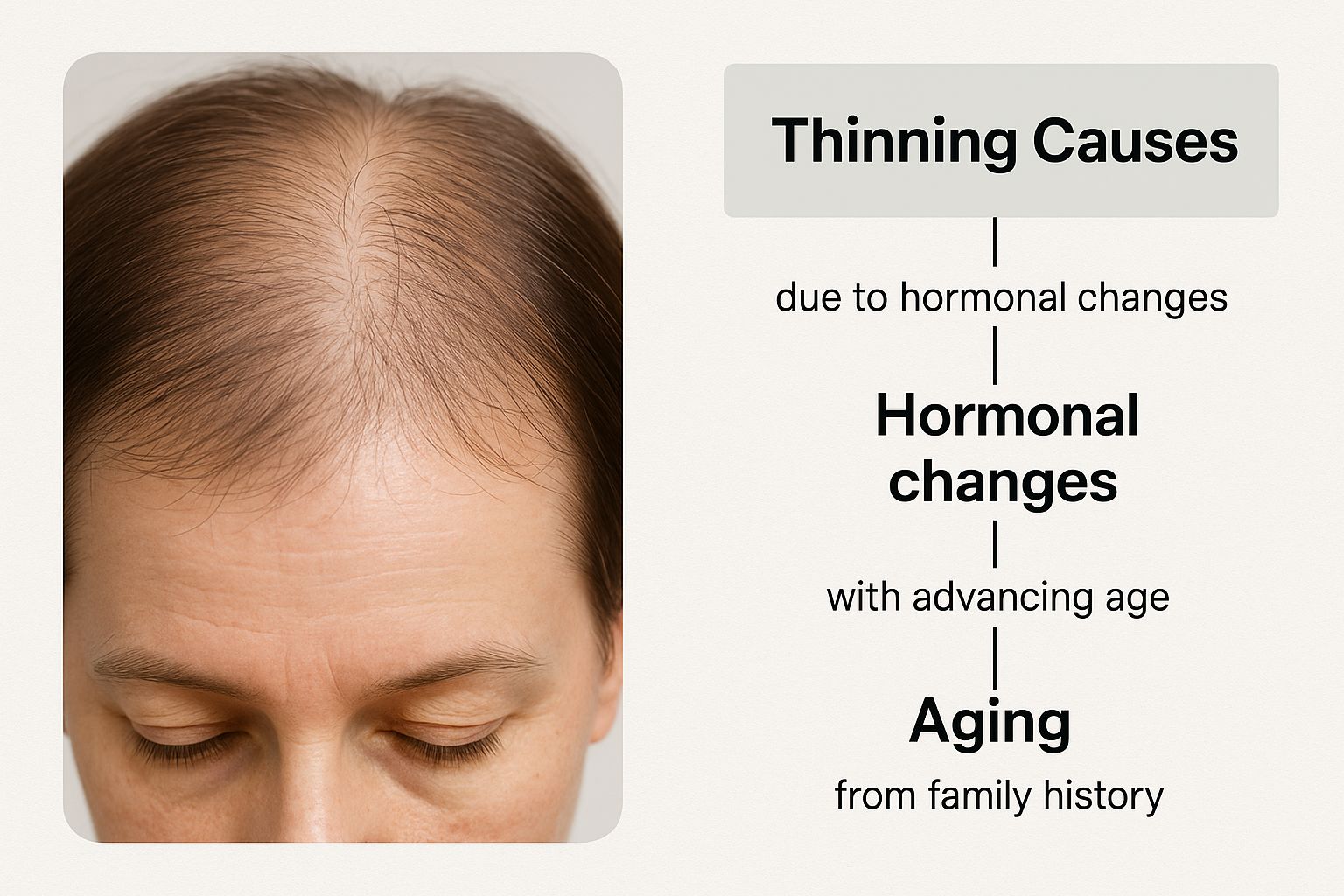
As you can see, the reasons for thinning hair are all over the map, from the DNA you were born with to the stress you're dealing with today.
The Major Causes of Hair Thinning
While the list of potential triggers is long, a few common culprits are behind most cases of thinning hair. Pinpointing which one applies to you is the first real step toward finding a solution that actually works.
- Genetics (Androgenetic Alopecia) This is, by far, the most common reason. You might know it as male or female pattern baldness. It all boils down to a genetic sensitivity to a hormone called dihydrotestosterone (DHT), which gradually shrinks hair follicles until they can no longer produce healthy hair.
- Stress (Telogen Effluvium) A major life event—like surgery, a serious illness, or an intensely stressful period at work—can send a shockwave through your system. This can prematurely push a large chunk of your hair straight into the shedding phase, causing a sudden, noticeable thinning.
- Hormonal Shifts It's not just about DHT. Other hormonal changes can throw your hair for a loop. An underactive or overactive thyroid, for instance, is notorious for disrupting the growth cycle and causing hair to thin out.
- Lifestyle and Diet Your hair follicles are like tiny factories that need a steady supply of fuel. If your diet is missing crucial nutrients like iron, zinc, or key vitamins, you're essentially starving them of the building blocks they need to produce strong, healthy hair.
The most important thing to understand is that most of these causes don't actually kill the hair follicle. They just push it into a dormant or unproductive state. That’s why figuring out the trigger is so critical—it’s the key to waking those sleeping follicles back up.
If you want to dig deeper into any of these factors, our guide that explains what causes hair loss is a great resource. Getting a handle on your specific "why" is the most powerful move you can make on your journey back to thicker, fuller hair.
Proven Treatments for Getting Your Hair Back
Alright, now that we have a better handle on why your hair might be thinning, let's get into the "how." How do we get it back? The path to answering "can thinning hair grow back?" usually leads to a handful of effective, science-backed treatments. It's not about feeling overwhelmed with options; it's about finding the right tool for your specific situation.
Many people start with what's easy to get, and for good reason. These over-the-counter solutions are often the first line of defense a professional will recommend.
Great First Steps You Can Take
One of the biggest names out there is Minoxidil, which you probably know as Rogaine. Think of it as a gentle wake-up call for sleepy hair follicles. It's a topical solution that you apply right to your scalp, and it works by boosting blood flow and nudging more of those follicles back into their active growth phase. It’s not an overnight miracle, but with consistent use, it can absolutely slow down thinning and even get some new growth going.
Another major player, this one by prescription, is Finasteride (also known as Propecia). This is an oral medication that tackles the problem from the inside out. It works by blocking the enzyme that turns testosterone into DHT—the hormone that's the main culprit behind male pattern baldness. By lowering the DHT levels in your scalp, Finasteride helps protect your follicles from shrinking further, which can lead to noticeably thicker, healthier hair.
More Advanced Clinical Options
Sometimes, the standard stuff isn't quite enough, or maybe you're just looking for a more powerful, direct approach. That’s where advanced clinical procedures come into play. These are treatments done by a specialist and are designed for more targeted, powerful results.
One of the most exciting non-surgical options getting a lot of attention is Platelet-Rich Plasma (PRP) therapy. It might sound complex, but the idea is simple. A small sample of your own blood is taken and spun in a centrifuge to separate and concentrate the platelets—the tiny powerhouses of healing in your blood. This golden, platelet-rich plasma is then injected right back into your scalp where you need it most.
Think of it like this: you're taking a super-concentrated, all-natural fertilizer from your own body and applying it directly to the roots of your hair. These growth factors get to work healing damaged follicles and waking up dormant ones.
The science behind treatments like this is constantly evolving, driven by huge demand. After all, about 85% of men and 33% of women worldwide will deal with some form of hair loss. New research into technologies like fractional radiofrequency (FRF) therapy is showing incredible promise, with studies reporting a 31.6% increase in hair counts and an 18% boost in hair shaft thickness after just a few sessions.
How to Choose What's Right for You
The best treatment for you really comes down to the root cause and severity of your hair thinning.
- Minoxidil: This is a fantastic starting point for general thinning or if you're in the early stages of pattern hair loss.
- Finasteride: A go-to for men with confirmed DHT-related hair loss who are comfortable with taking a daily pill.
- PRP Therapy: This is a great choice if you're looking for a more natural approach that uses your body's own healing abilities to get your follicles back in shape. You can explore a variety of non-surgical hair loss treatments to see how they all stack up.
Honestly, the most important first step is to sit down with a dermatologist or a hair loss specialist. They can give you a proper diagnosis, get to the bottom of your specific issue, and build a plan that gives you the best shot at seeing the results you want.
Why You're Not Alone in Seeking Solutions
If you’re starting to research how to reverse thinning hair, it's easy to feel like you’re the only one going through it. But the truth is, you've just joined a massive global community asking the exact same questions. This isn't some niche problem—it’s a widespread issue that has attracted incredible scientific and medical investment.
The sheer scale of the hair restoration industry is probably the most powerful reminder of how common this is. We're not just talking about a few people buying a special shampoo. This is a huge global market driven by millions of people who want effective, reliable solutions.
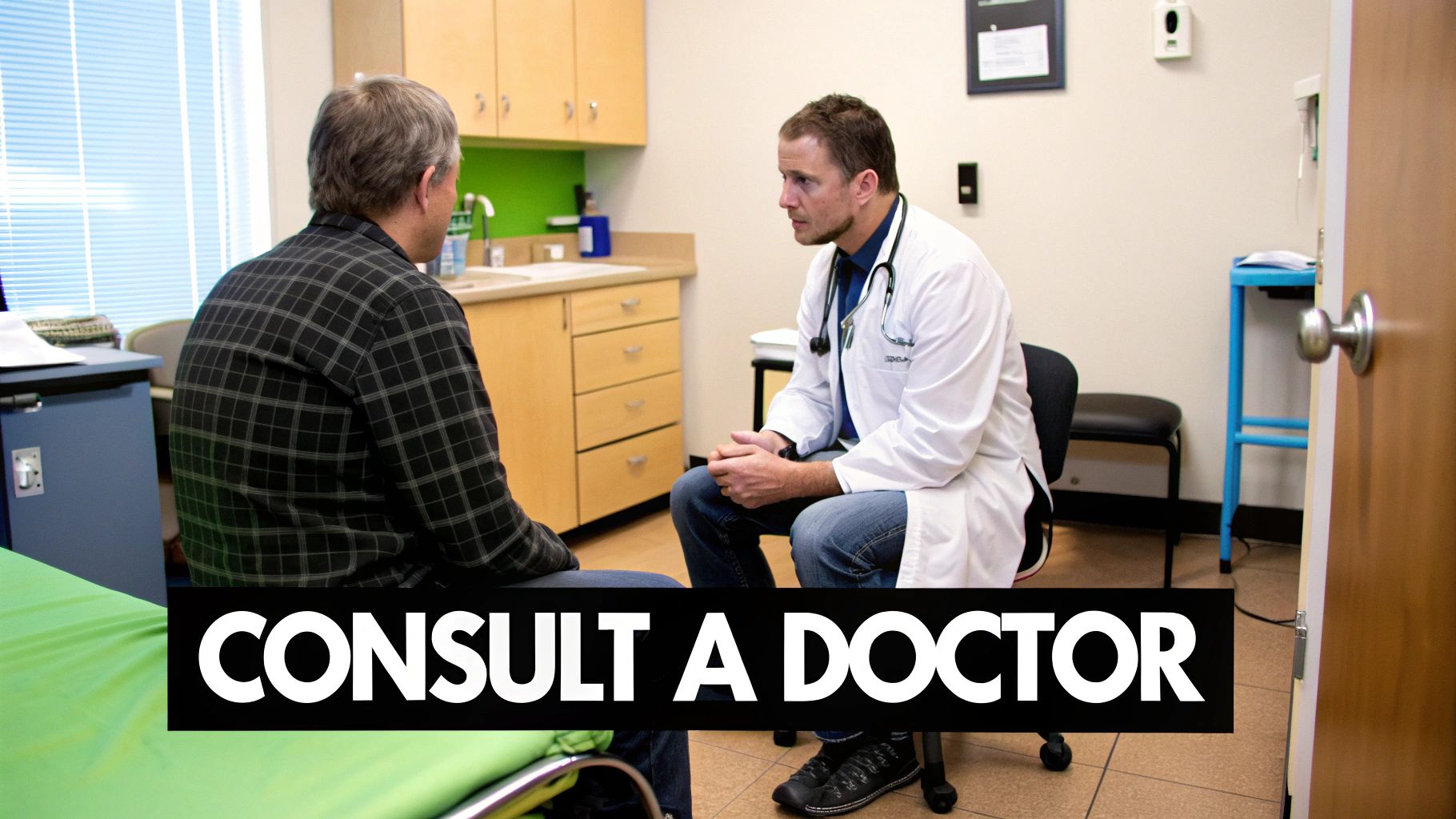
That kind of demand is what fuels constant innovation. Every day, researchers, doctors, and scientists are working to find better ways to awaken dormant follicles and bring back that lost density. The more people who look for answers, the more resources get poured into research—and that benefits everyone.
A Growing Market Means More (and Better) Options
The amount of money being invested into hair regrowth is truly staggering, and it points to a clear trend: treatments are becoming more advanced and accessible than ever before.
According to a detailed analysis of the hair regrowth treatments market, the industry was valued at an estimated $7.8 billion in 2025. It’s projected to more than double, hitting a massive $16.9 billion by 2035. Even established topical treatments like minoxidil are expected to make up around 41.2% of the U.S. market share in 2025, which shows a healthy mix of trusted solutions and new breakthroughs.
This isn't just about business; it’s about validation. These numbers represent a worldwide effort to solve hair thinning, confirming that it’s a legitimate medical and wellness issue with a growing toolkit of effective solutions.
Ultimately, seeing this immense focus on finding answers should be incredibly encouraging. It proves that thinning hair is a common, treatable condition, and the medical community is actively working on it. You are far from alone, and the options available to you are only getting better.
Your Foundation for Healthy Hair Growth
Hair loss treatments can work wonders, but they don't operate in a vacuum. To give them the best possible shot at success, you have to create an environment where your hair wants to grow. Think of it like preparing fertile soil before planting a seed—you're laying down the daily habits that nourish follicles from the inside out.
It's all about controlling the factors you can. You would be amazed at how much of a difference this makes in how your body responds to a targeted treatment. Answering "can thinning hair grow back?" is just as much about your lifestyle as it is about any medical procedure. This is your supportive care plan, and you can start today.
Fueling Your Follicles From Within
Your hair is made almost entirely of a protein called keratin, and your body uses a lot of energy to produce it. When you're running low on key nutrients, guess what's one of the first non-essential systems to get short-changed? Hair production. Your body will always prioritize keeping your heart beating over growing a new strand of hair.
This is why a balanced diet, packed with specific vitamins and minerals, is completely non-negotiable for healthy hair. Some of the most crucial building blocks include:
- Protein: Since hair is protein, getting enough from sources like lean meats, eggs, fish, and legumes is fundamental for building strong strands.
- Iron: This mineral is a workhorse for producing hemoglobin, which carries oxygen to all your cells for growth and repair—including the ones that power your hair follicles.
- Biotin: This is probably the most famous B-vitamin for hair, and for good reason. It plays a direct role in making keratin, and deficiencies are closely linked to hair thinning.
Getting these nutrients into your diet is easier than you might think. For a detailed list of what to add to your grocery cart, check out our guide on the best foods for hair growth.
You just can't build a strong house with flimsy materials, and the exact same principle applies to your hair. What you eat literally becomes the raw material for every new strand that grows.
Taming the Impact of Stress
Chronic stress is a well-known saboteur of healthy hair. When you're constantly on edge, your body pumps out higher levels of the stress hormone cortisol. This can seriously mess with the natural hair growth cycle, prematurely pushing more of your follicles into the shedding phase.
This is exactly why stress management has to be part of your hair care routine. Finding ways to bring your cortisol levels back down to earth can help restore balance to your entire system, and by extension, your scalp. You don't need a massive life overhaul; simple, consistent practices can make a world of difference.
This connection between stress, wellness, and hair is so significant that it has fueled a massive industry. The global hair thinning market was valued at an incredible USD 1.51 billion in 2024. It’s projected to climb to USD 2.75 billion by 2030, with women currently making up about 58% of the market. You can explore more on this trend in the full report.
Setting Realistic Expectations for Your Regrowth Journey
Starting a hair regrowth plan requires a major shift in mindset. Think of it less like a sprint and more like a marathon. The first question is always, "Can my thinning hair grow back?" But the follow-up, "How fast?" is just as important. Getting a handle on the timeline is the key to staying motivated for the long haul.

Patience and consistency will be your best friends on this journey. Hair growth is a slow, biological process that simply can't be rushed, no matter which treatment you're using. Results won't pop up overnight, so you have to commit to your routine to see real change. It's also helpful to ground yourself in facts by debunking common misconceptions about hair growth that can lead to frustration.
Understanding the Timeline
Every treatment follows its own schedule, and of course, your personal results will vary. That said, we can map out some general timelines to give you a better idea of what to expect.
- Topical Treatments (like Minoxidil): You might start noticing the first soft, new hairs within 3-6 months. For more noticeable results, you’ll likely need up to a year of consistent, daily application. You can get a clearer picture by learning more about how soon Rogaine works.
- Oral Medications (like Finasteride): The timeline here is pretty similar to topicals. Initial changes can become visible around the 3-4 month mark, but the full effect often takes a year or more to really show.
- PRP Therapy: Patients typically report less shedding first. Then, early signs of regrowth and increased hair thickness start to appear around 3-6 months after the initial series of sessions.
Here's something that might surprise you: one of the first signs that a treatment is working is often an increase in shedding. Don't panic! This is actually a good thing. It means the treatment is pushing out old, weak hairs to make way for new, stronger ones.
Ultimately, the best way to move forward is to get a professional diagnosis. Talking to a dermatologist or a trichologist is more than just a good idea—it’s the most direct path to a plan that’s built for you. They can pinpoint the root cause of your thinning hair and recommend a strategy that gives you the best shot at achieving lasting results.
Your Hair Regrowth Questions, Answered
If you're noticing your hair is thinning, you've probably got a million questions running through your mind. That's completely normal. Getting straight answers can make all the difference, helping you figure out your next steps with confidence.
Let's dive into some of the most common concerns we hear every day. One of the big ones is about hair loss from anabolic steroids. Can that hair ever come back? The short answer is: maybe. Steroids crank up your body's DHT levels, which can put genetic hair loss into hyperdrive. The good news is that if you stop using them before the follicles are permanently damaged, you have a solid chance of seeing regrowth over the next few months.
People also wonder if their daily habits—like smoking or drinking—are really that bad for their hair. The honest truth is yes, they absolutely can be. These habits throw your body's systems out of whack and can accelerate the aging process of your hair follicles. Think of it this way: building a healthy lifestyle creates a better foundation for healthy hair to grow.
Can My Hair Grow Back After Stopping Steroids?
For a lot of guys, the answer is yes, but patience is the name of the game. When you cut out anabolic steroids, you give your hormones a chance to find their natural balance again.
- Recovery Timeline: Don't expect an overnight miracle. You're likely looking at three to six months before you see the first hints of new hair coming in.
- Full Regrowth Potential: If the follicles are healthy enough to recover fully, it could take a year or even longer. It’s a slow and steady process.
- The Genetic Element: If male pattern baldness already runs in your family, the hair loss might be more aggressive and stubborn. This is where getting on top of it early with proven treatments becomes critical.
The bottom line is this: while steroid-induced hair loss is scary, it doesn't have to be a life sentence. Stopping the steroids is the single most important thing you can do to give your hair a fighting chance to return.
At the end of the day, every person's situation is different. Understanding what's happening on your own scalp is the key to finding a solution that actually works for you.
At PRP For HairLoss, our goal is to give you clear, reliable information so you can make the best choice for your hair. To see how PRP therapy might fit into your restoration plan, you can learn more on our website.
 PRP For Hairloss
Leave a comment