Losing your hair can be a major blow to your confidence, but surgery is far from your only option. The world of non surgical hair loss treatments has expanded significantly, offering scientifically-backed, effective solutions that can help you reclaim your hairline without going under the knife. Whether you're just noticing thinning at the crown or are looking for a powerful way to combat male pattern baldness, understanding your choices is the first and most critical step.
This guide is your comprehensive resource, created to break down the seven leading non-surgical treatments available for men today. We will move beyond surface-level descriptions to provide a detailed, actionable game plan. You will learn precisely how each method works, who it's best for, the real-world costs involved, and the specific pros and cons you need to weigh before making a decision.
We will explore the full spectrum of options, from well-known FDA-approved medications like Minoxidil and Finasteride to advanced regenerative therapies such as Platelet-Rich Plasma (PRP). The list also covers innovative approaches like Low-Level Laser Therapy (LLLT) and aesthetic solutions like Scalp Micropigmentation (SMP), ensuring you have a complete picture of what's possible. Our goal is to equip you with the knowledge to select the most suitable strategy for your specific hair loss pattern, lifestyle, and budget. Forget the generic advice; this is an in-depth look at the science-backed strategies that can help you fight hair loss and stimulate new growth.
1. Minoxidil (Rogaine)
When exploring non surgical hair loss treatments, Minoxidil is often the first and most accessible option men encounter. Originally developed as an oral medication for high blood pressure, researchers serendipitously discovered its powerful side effect: hair growth. This led to its reformulation as a topical solution, and today, it stands as the only FDA-approved over-the-counter treatment for androgenetic alopecia (male pattern baldness).
Minoxidil is a vasodilator, meaning it works by widening blood vessels and opening potassium channels. When applied to the scalp, this action increases blood flow, delivering more oxygen and essential nutrients directly to hair follicles. This process helps to revitalize shrunken follicles, extend the anagen (growth) phase of the hair cycle, and can even reverse the miniaturization process that characterizes genetic hair loss.
Mechanism and Efficacy
The primary function of Minoxidil is not to stop hair loss entirely, but rather to stimulate regrowth and slow down the thinning process. It’s most effective for men experiencing hair loss at the vertex (crown) of the head.
Clinical evidence supports its effectiveness. For example, pivotal studies have shown that a significant percentage of men experience moderate to dense regrowth. Johnson & Johnson, the company behind the popular Rogaine brand, reports that over 30 million people worldwide have used their product. For a more budget-friendly alternative, brands like Kirkland offer a generic version with the same active ingredient at a lower cost.
The infographic below highlights the essential data points you need to know about this treatment.
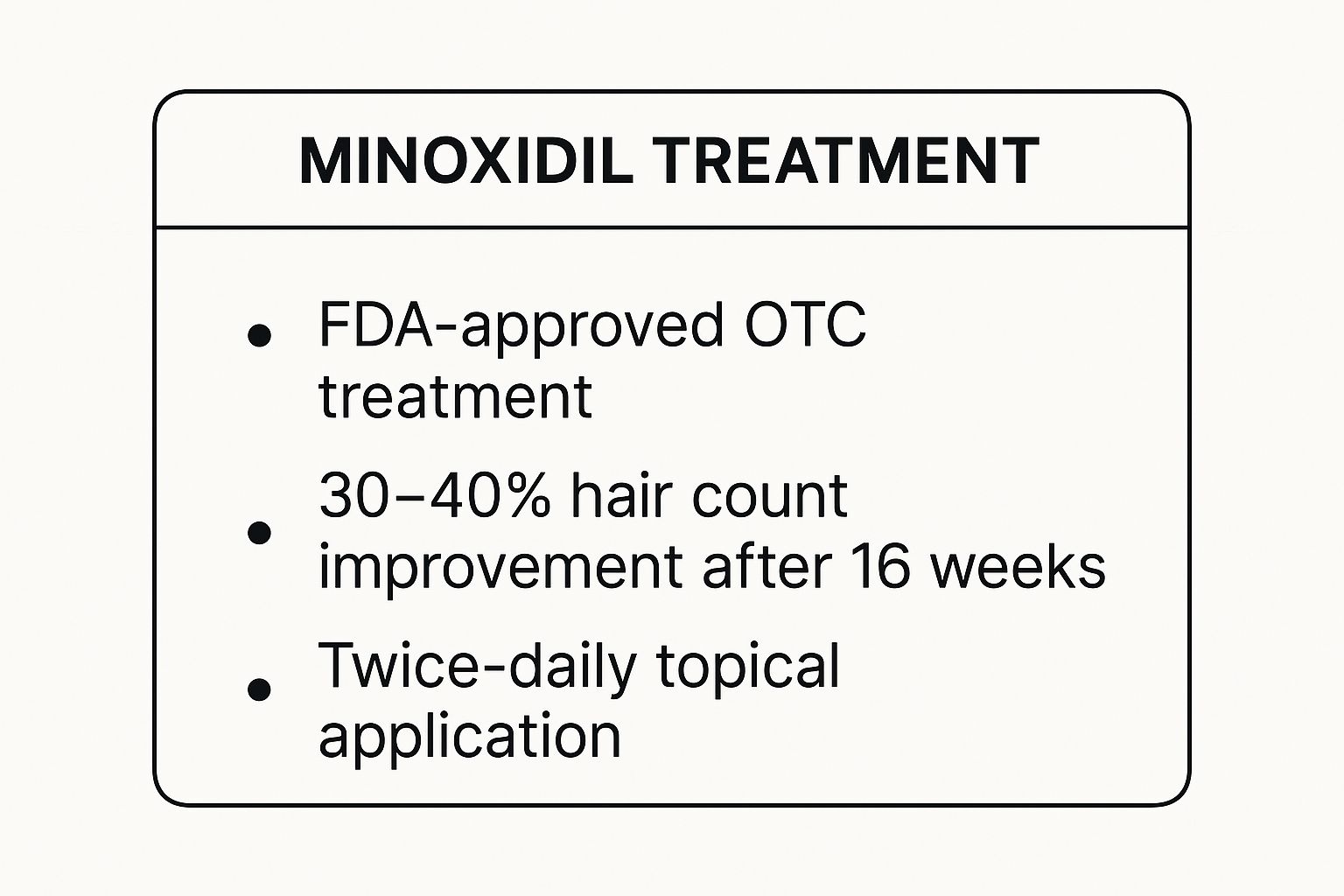
As the data shows, Minoxidil's strength lies in its proven, accessible, and regulated status, making it a reliable starting point for many. Its over-the-counter availability removes a significant barrier to entry compared to prescription-only treatments.
How to Use Minoxidil for Best Results
Consistency is the single most important factor for success with Minoxidil. It requires a long-term commitment, as any results will cease if you stop using the product.
Key Insight: Think of Minoxidil like a gym routine for your hair follicles. Sporadic use won't yield results; daily, consistent application is necessary to see and maintain growth.
To maximize its potential, follow these actionable tips:
- Start with the 5% Concentration: This is the standard strength recommended for men and is proven to be more effective than the lower 2% concentration.
- Apply to a Dry Scalp: Ensure your scalp and hair are completely dry before application. Moisture can dilute the product and hinder proper absorption.
- Be Consistent: Apply the recommended dose (typically 1ml) twice daily, once in the morning and once at night. Set reminders to build this into your routine.
- Allow for Absorption Time: Do not wash your hair or use a hairdryer for at least four hours after application to allow the medication to fully penetrate the scalp.
- Choose Foam Over Liquid: Many users find the foam formulation less greasy and less likely to cause scalp irritation or dandruff compared to the alcohol-based liquid solution.
2. Finasteride (Propecia)
While Minoxidil stimulates growth topically, Finasteride targets the root hormonal cause of male pattern baldness from within, making it a powerful pillar among non surgical hair loss treatments. Originally developed by Merck & Co. to treat enlarged prostates, its profound effect on hair preservation was quickly identified. Today, it is an FDA-approved oral prescription medication specifically for treating androgenetic alopecia in men.
Finasteride is a 5-alpha reductase inhibitor. It works by blocking the action of the 5-alpha reductase enzyme, which is responsible for converting testosterone into dihydrotestosterone (DHT). DHT is the primary androgen that binds to receptors in scalp follicles, causing them to shrink (miniaturize) and eventually stop producing hair. By systemically lowering DHT levels, Finasteride protects follicles from this hormonal assault, halting hair loss and often leading to significant regrowth.
Mechanism and Efficacy
Unlike treatments that only stimulate follicles, Finasteride's core function is to prevent further hair loss by addressing the underlying hormonal trigger. It is highly effective for men with hair loss at the crown and mid-scalp and serves as a foundational defense against the progression of baldness.
The clinical data powerfully supports its role. Landmark studies have shown that Finasteride stops hair loss in approximately 90% of men over a five-year period. Furthermore, about 65% of users experience a noticeable increase in hair count and density. With the availability of generic versions, this highly effective prescription treatment has become far more affordable and accessible, solidifying its place as a go-to medical therapy.
How to Use Finasteride for Best Results
Like Minoxidil, success with Finasteride hinges on unwavering consistency. It's a long-term strategy that requires a daily commitment to maintain its protective effects on your hair.
Key Insight: Think of Finasteride as a shield for your hair follicles. You must keep the shield up every day to defend against the DHT that causes hair loss. Lowering it leaves your follicles vulnerable again.
To get the most out of your treatment, adhere to these actionable guidelines:
- Standardize Your Dosage: The standard dose is a 1mg tablet taken once daily. Taking it at the same time each day helps maintain stable DHT suppression and makes it easier to remember.
- Be Patient and Consistent: The effects are not immediate. It typically takes at least three to four months to see a reduction in hair shedding and up to 6-12 months to observe noticeable regrowth.
- Have an Open Dialogue with Your Doctor: This is a prescription medication. Discuss the potential for side effects openly with your healthcare provider. They can help you weigh the pros and cons for your specific situation.
- Combine with Minoxidil: Many physicians recommend using Finasteride and Minoxidil together. This "shock and awe" approach tackles hair loss from two different angles: Finasteride protects follicles from DHT, while Minoxidil stimulates them to grow.
- Consider a Lower Dose: If you are concerned about side effects, some studies suggest that lower doses (e.g., 0.5mg per day) can still offer significant benefits with a potentially lower risk profile. Discuss this possibility with your doctor.
3. Low-Level Laser Therapy (LLLT)
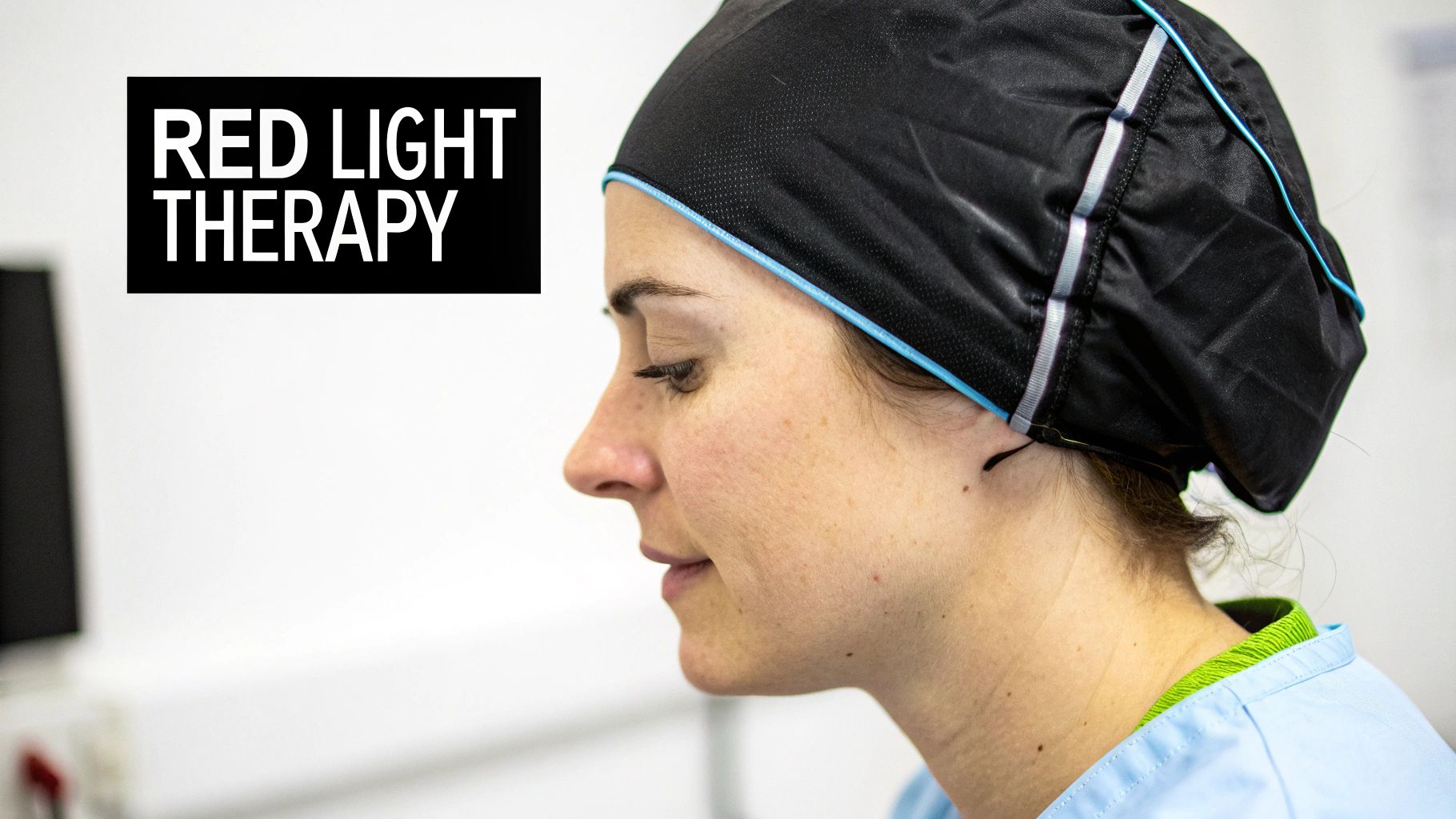
Low-Level Laser Therapy (LLLT) represents a high-tech approach among non surgical hair loss treatments, harnessing the power of light to rejuvenate dormant hair follicles. Also known as red light therapy or photobiomodulation, this method uses specific, low-energy laser wavelengths (typically between 630-670nm) delivered directly to the scalp via caps, bands, or combs. Unlike surgical lasers, LLLT does not burn or cut tissue; instead, it provides a gentle, cool therapeutic light.
The core principle behind LLLT is its ability to stimulate cellular activity within the hair follicles. The light energy is absorbed by the mitochondria, the powerhouses of cells, which boosts the production of adenosine triphosphate (ATP). This increased cellular energy helps to improve blood circulation, reduce scalp inflammation, and kick-start follicles from the resting (telogen) phase back into the active growth (anagen) phase, promoting thicker, healthier hair.
Mechanism and Efficacy
LLLT works by enhancing metabolic function at a cellular level, creating a better environment for hair growth. It’s particularly suited for men with diffuse thinning or androgenetic alopecia who are looking for a non-chemical, pain-free treatment. Its convenience as a home-use device has made it an increasingly popular choice.
The efficacy of LLLT is supported by clinical evidence and regulatory clearance. The HairMax LaserComb was the first device to receive FDA clearance back in 2007 for treating male pattern baldness. A landmark clinical study demonstrated that consistent use led to a 35% increase in hair density over a 26-week period. Today, brands like Capillus and iRestore offer advanced laser caps and systems, making this technology more accessible than ever. While professional treatments are available in dermatology clinics, at-home devices offer a practical and cost-effective long-term solution.
How to Use LLLT for Best Results
Like other treatments, success with LLLT hinges on regular and long-term application. The therapy needs to be performed consistently to awaken follicles and maintain the results.
Key Insight: Consider LLLT as a form of "light-based nutrition" for your scalp. Just as your body needs consistent nutrients, your hair follicles benefit from a regular supply of therapeutic light energy to thrive.
To get the most out of your LLLT device, follow these actionable tips:
- Look for FDA-Cleared Devices: This clearance ensures the device has been reviewed for safety and effectiveness, providing a crucial layer of consumer protection.
- Be Consistent with Sessions: Most devices recommend usage for 15-25 minutes, three to four times per week. Adhering to this schedule is non-negotiable for seeing results.
- Ensure Adequate Coverage: Choose a device with a sufficient number of medical-grade lasers (as opposed to just LEDs) to ensure the entire balding area receives adequate light energy.
- Prep Your Scalp: Use the device on a clean, dry scalp free from heavy styling products. This allows for optimal light penetration directly to the follicles.
- Combine for a Synergistic Effect: LLLT can be safely used with topical treatments like Minoxidil. Many experts believe this combination creates a powerful, multi-pronged attack on hair loss.
4. Platelet-Rich Plasma (PRP) Therapy
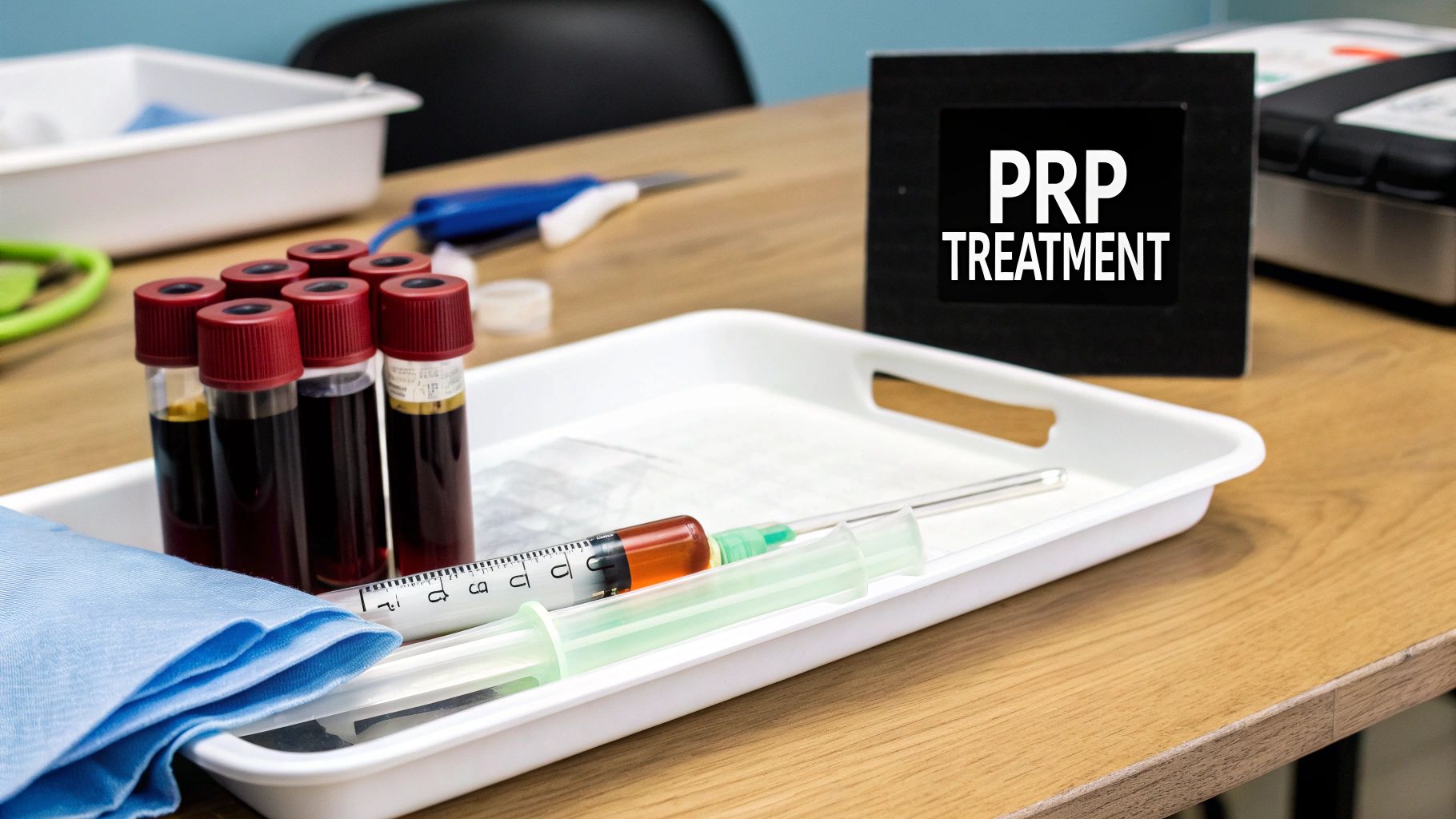
Harnessing the body's own healing capabilities, Platelet-Rich Plasma (PRP) Therapy is a cutting-edge regenerative treatment gaining significant traction among non surgical hair loss treatments. This medical procedure involves drawing a small amount of the patient's own blood, processing it in a centrifuge to isolate and concentrate the platelets, and then strategically injecting this platelet-rich plasma back into the scalp in areas of thinning.
The core principle behind PRP is that platelets are rich in growth factors, which are proteins that play a vital role in tissue repair and regeneration. When injected into the scalp, these growth factors are believed to stimulate dormant or shrinking hair follicles, improve blood supply, and encourage thicker, healthier hair growth. For those interested in the regenerative science behind this treatment, understanding effective cell regeneration methods can provide valuable insights into how the body heals itself.
Mechanism and Efficacy
PRP therapy works by creating a super-concentrated dose of natural growth factors delivered directly to the hair follicles. These factors, such as Platelet-Derived Growth Factor (PDGF) and Vascular Endothelial Growth Factor (VEGF), signal follicular stem cells to shift from a dormant state into an active growth phase. This can result in increased hair density, thickness, and overall scalp health.
Evidence for its effectiveness is growing. One notable study published in the Journal of Cutaneous and Aesthetic Surgery found that patients receiving PRP injections experienced a significant increase in hair count, with an average gain of nearly 30% in hair density after a three-month treatment protocol. Prominent hair restoration specialists like Dr. Carlos Wesley have helped popularize the procedure, and it is now a staple offering in dermatology and aesthetic clinics worldwide.
The video below offers a visual guide to the PRP process and what patients can expect.
Because it uses the patient's own biological material, the risk of allergic reactions or side effects is extremely low, making it a safe option for many men who are hesitant to use synthetic chemicals or medications.
How to Use PRP for Best Results
Maximizing the benefits of PRP requires careful planning and adherence to your practitioner's guidelines. The quality of the treatment and your pre- and post-procedure care are crucial for success.
Key Insight: Think of PRP as fertilizing the soil for your hair. You are providing a potent, natural nutrient boost directly where it's needed most, but the "seeds" (follicles) need the right conditions to sprout and thrive.
To get the most out of your PRP sessions, follow these actionable tips:
- Choose an Experienced Practitioner: Ensure your provider uses high-quality, FDA-cleared centrifuge equipment (like Eclipse or EmCyte systems) to achieve the optimal platelet concentration.
- Prepare for Your Appointment: Stay well-hydrated in the days leading up to your session and avoid blood-thinning medications and supplements like aspirin, ibuprofen, and fish oil for at least a week prior, as instructed by your doctor.
- Follow Post-Treatment Care: Do not wash your hair or use harsh chemical products on your scalp for at least 24 hours after the procedure to allow the growth factors to work undisturbed.
- Be Patient and Consistent: PRP is not an overnight fix. A typical protocol involves an initial series of 3-4 treatments spaced 4-6 weeks apart, with maintenance sessions every 6-12 months. Visible results often take 3-6 months to appear.
5. Scalp Micropigmentation (SMP)
For men seeking an immediate and visual solution to hair loss, Scalp Micropigmentation (SMP) offers a compelling non surgical hair loss treatment. Unlike treatments that aim to regrow hair, SMP is a sophisticated cosmetic tattoo that creates the illusion of density. It involves depositing specialized pigment into the upper dermis of the scalp, meticulously replicating the appearance of individual hair follicles. This camouflages thinning areas, restores receding hairlines, and can create the look of a full, closely-shaved "buzz cut" head of hair.
SMP is not a hair growth solution but a masterful camouflage technique. Skilled practitioners use micro-needles to layer thousands of tiny dots of pigment, matching the color and density of your existing hair. The result is a natural-looking simulation of follicles that effectively conceals baldness, whether it's diffuse thinning, a receding hairline, or complete hair loss from conditions like alopecia areata.
Mechanism and Efficacy
The primary function of SMP is cosmetic concealment. It works by reducing the contrast between the scalp and hair, which is what makes hair loss noticeable. By adding pigment to the scalp, the thinned-out areas blend seamlessly with the surrounding hair, creating an appearance of uniform fullness. It’s an ideal solution for men who prefer a short hairstyle or want to add visual density to thinning longer hair.
The effectiveness is almost entirely dependent on the skill of the practitioner. Leading providers like Vinci Hair Clinic and His Hair Clinic have performed tens of thousands of successful procedures, with extensive before-and-after galleries showcasing dramatic transformations. For many men, especially those who are not candidates for other treatments or who want guaranteed results, SMP provides a significant and immediate boost in confidence.
How to Use SMP for Best Results
Achieving a hyper-realistic outcome with SMP requires careful planning and a commitment to proper aftercare. The quality of your results hinges on finding a reputable artist and following their guidance.
Key Insight: Think of SMP as a permanent cosmetic enhancement, not a temporary fix. The initial investment in a highly skilled practitioner will pay dividends for years, preventing the need for costly corrections or removal.
To ensure a successful SMP journey, follow these actionable tips:
- Research Practitioners Extensively: This is the most critical step. Scrutinize portfolios, read reviews, and look for artists who specialize in the style you want. Ask to see healed results, not just freshly done work.
- Choose the Right Pigment: A skilled artist will help you select a pigment that matches your natural hair color and complements your skin tone. It’s often better to start slightly lighter and darken it in subsequent sessions.
- Protect Your Scalp from the Sun: UV exposure is the biggest enemy of SMP, as it can cause the pigment to fade and change color over time. Wear a hat or use a high-SPF sunscreen on your scalp whenever you are outdoors.
- Follow Aftercare Instructions: During the healing process, you must avoid washing your scalp, sweating excessively, or scratching the treated area. Proper aftercare ensures the pigment settles correctly for long-lasting results.
- Plan for Touch-Ups: While considered permanent, SMP will naturally fade slightly over time. Expect to need a touch-up session every 3 to 6 years to keep it looking sharp and fresh.
6. Dutasteride (Avodart)
For men seeking a more powerful option in the realm of non surgical hair loss treatments, Dutasteride represents a significant step up from Finasteride. Originally developed and FDA-approved under the brand name Avodart to treat benign prostatic hyperplasia (BPH), its potent effect on the hormone responsible for male pattern baldness made it a compelling off-label treatment. While not yet FDA-approved specifically for hair loss in the United States, it is approved for this use in other countries, including South Korea and Japan, and is increasingly prescribed by hair loss specialists worldwide.
Dutasteride is a 5-alpha reductase inhibitor, similar to Finasteride, but with a crucial difference. It blocks both Type I and Type II isoenzymes of 5-alpha reductase, whereas Finasteride primarily targets the Type II enzyme. This dual-inhibition mechanism makes Dutasteride approximately three times more potent at suppressing serum DHT and significantly more effective at increasing scalp hair counts, making it a powerful tool against advanced androgenetic alopecia.
Mechanism and Efficacy
Dutasteride's primary function is to drastically reduce the production of Dihydrotestosterone (DHT), the key hormone that causes hair follicles to miniaturize and eventually stop growing. By inhibiting a broader range of enzymes responsible for converting testosterone to DHT, it provides a more comprehensive blockade than Finasteride.
Clinical evidence strongly supports its superior efficacy. A landmark study published in the Journal of the American Academy of Dermatology directly compared Dutasteride, Finasteride, and a placebo. The results showed that men taking a 0.5mg daily dose of Dutasteride had a significantly greater increase in target area hair count after 24 weeks compared to those on Finasteride. This has led physicians like Dr. Bessam Farjo and other leading hair restoration surgeons to consider it for patients who have not responded adequately to Finasteride.
How to Use Dutasteride for Best Results
Given its potency and off-label status for hair loss in some regions, a strategic and medically supervised approach is essential. Dutasteride is a prescription-only medication that requires careful consideration.
Key Insight: Think of Dutasteride as the specialist's choice for hair loss. It’s a targeted, high-strength intervention best reserved for cases where standard treatments like Finasteride have proven insufficient.
To ensure safe and effective use, follow these actionable tips:
- Consult an Experienced Doctor: Only pursue Dutasteride under the guidance of a dermatologist or hair loss specialist who understands its risk-benefit profile.
- Consider it a Second-Line Treatment: It is often recommended for men who have used Finasteride for at least a year without achieving their desired results.
- Be Patient with Results: Due to its mechanism and potency, it can take 6 to 12 months of consistent daily use to see noticeable improvement in hair density and thickness.
- Monitor for Side Effects: While the risk is low, be vigilant for the same potential side effects as Finasteride and report any concerns to your doctor. The risk profile is considered slightly higher due to its greater DHT suppression.
- Do Not Donate Blood: You must not donate blood while taking Dutasteride and for at least six months after your last dose, as your blood could be given to a pregnant woman.
7. Topical Anti-Androgens
For men looking for powerful, targeted non surgical hair loss treatments without the systemic risks of oral medications, topical anti-androgens are a compelling and modern solution. These treatments involve applying compounds that block the hormone dihydrotestosterone (DHT) directly to the scalp. The goal is to inhibit DHT's damaging effect on hair follicles locally, thereby reducing the risk of side effects associated with oral anti-androgens that affect the entire body.
This category includes prescription-strength compounds like topical finasteride and dutasteride, as well as experimental research chemicals like RU58841. By delivering the active ingredient right where it's needed, these formulations aim to provide the hair-preserving benefits of DHT suppression while minimizing absorption into the bloodstream. This approach has gained significant traction in hair loss research communities and among progressive dermatologists.
Mechanism and Efficacy
Topical anti-androgens work by occupying and blocking androgen receptors in the scalp's hair follicles or by inhibiting the 5-alpha reductase enzyme that converts testosterone into DHT. This localized action prevents DHT from binding to follicles and triggering the miniaturization process that defines androgenetic alopecia.
The efficacy is promising. For instance, studies on topical finasteride have shown it can reduce scalp DHT levels significantly, with an efficacy comparable to the oral version but with a much lower impact on serum (blood) DHT levels. This translates to a lower incidence of systemic side effects. Brands like Hims and Keeps now offer topical finasteride and minoxidil combination sprays, making this approach more accessible. Similarly, RU58841 is a popular non-steroidal anti-androgen in online forums, praised for its potent local effects, though it remains a research chemical without official FDA approval.
How to Use Topical Anti-Androgens for Best Results
Proper sourcing and application are critical for both safety and effectiveness when using these potent compounds. Unlike over-the-counter options, these treatments require more diligence and often a doctor's guidance.
Key Insight: Think of topical anti-androgens as a precision strike against hair loss. The goal is maximum impact on the scalp with minimal collateral effects on the rest of your body, but this requires careful sourcing and consistent application.
To maximize the potential of this treatment, follow these actionable tips:
- Source from Reputable Providers: Obtain prescription topicals like finasteride from a licensed dermatologist or a reputable telehealth service. For research compounds, source from labs that provide third-party testing verification.
- Start with a Low Concentration: Begin with the lowest effective concentration recommended by your doctor or research guidelines. This allows you to assess your scalp's tolerance and minimize potential side effects.
- Apply to a Clean, Dry Scalp: For optimal absorption, apply the solution after washing and completely drying your hair and scalp. This removes sebum and residue that could block penetration.
- Be Consistent and Patient: Just like other treatments, daily application is necessary. It can take six months or more to see noticeable results, so long-term commitment is essential.
- Monitor for Side Effects: Pay close attention to any scalp irritation, redness, or itching. While systemic side effects are less common, remain vigilant and report any unusual symptoms to your doctor immediately.
Non-Surgical Hair Loss Treatments Comparison
| Treatment | Implementation Complexity 🔄 | Resource Requirements ⚡ | Expected Outcomes 📊 | Ideal Use Cases 💡 | Key Advantages ⭐ |
|---|---|---|---|---|---|
| Minoxidil (Rogaine) | Moderate: Twice-daily topical use | Low: OTC product, affordable | 30-40% hair count improvement after 3-6 months | Early-stage hair thinning, both men & women | FDA-approved, accessible, minimal side effects |
| Finasteride (Propecia) | Low: Once-daily oral tablet | Moderate: Prescription medication | Prevents hair loss in 90%, regrowth in 65% | Men with androgenetic alopecia | Direct hormonal action, well-studied |
| Low-Level Laser Therapy | Moderate: Frequent 20-30 min sessions | High: Upfront device cost | Modest hair density increase (~35%) after months | Non-invasive option, men and women | No side effects, combines well with others |
| Platelet-Rich Plasma (PRP) | High: Multiple clinic sessions | High: Expensive per session | Variable results; ~30% density increase in some | Patients preferring natural regenerative methods | Uses patient's own growth factors |
| Scalp Micropigmentation | Moderate: 2-4 tattooing sessions | High: Initial cost expensive | Immediate visual improvement, no actual regrowth | Severe hair loss or cosmetic camouflage | Instant results, low maintenance |
| Dutasteride (Avodart) | Low: Once-daily oral tablet | Moderate-High: Prescription only | Superior DHT suppression; potentially better regrowth | Finasteride non-responders, advanced cases | More potent DHT inhibitor than finasteride |
| Topical Anti-Androgens | Moderate: Daily topical application | Moderate-High: Compounded drugs | Promising localized DHT suppression; limited data | Those intolerant to oral meds, customized use | Reduced systemic side effects, customizable |
Choosing Your Path to Fuller Hair
Navigating the landscape of non surgical hair loss treatments can feel like an intricate journey, but it is one filled with more hope and scientifically-backed options than ever before. As we have explored, the path to regaining fuller hair is not about finding a single magic bullet. Instead, it is about understanding your unique situation and building a strategic, personalized plan that addresses the root cause of your hair loss, most commonly androgenetic alopecia.
The key takeaway from our in-depth look at treatments like Minoxidil, Finasteride, LLLT, and PRP is that you have a powerful arsenal at your disposal. You are no longer limited to watching and waiting. The most effective strategies often involve a multi-faceted approach, combining foundational, preventative treatments with regenerative therapies to create a synergistic effect that maximizes results.
Synthesizing Your Strategy: The Power of Combination Therapy
One of the most crucial insights for any man facing hair thinning is the concept of combination therapy. Relying on a single treatment can yield results, but combining them often unlocks a new level of efficacy. Think of it as building a comprehensive defense system for your hair follicles.
-
The Foundation: FDA-approved treatments like Finasteride (or Dutasteride) and Minoxidil serve as the cornerstone of many successful regimens. Finasteride works internally to block the DHT hormone responsible for shrinking follicles, while Minoxidil works topically to stimulate blood flow and prolong the hair's growth phase. Using them together tackles the problem from two different, complementary angles.
-
The Regenerative Boost: This is where therapies like Platelet-Rich Plasma (PRP) and Low-Level Laser Therapy (LLLT) come into play. These are not preventative measures but rather powerful regenerative tools. PRP uses your body’s own growth factors to heal and reactivate dormant follicles, while LLLT uses specific light wavelengths to enhance cellular energy and function within the follicles. Adding one of these to your foundational regimen can significantly accelerate and enhance your results.
-
The Cosmetic Solution: For those seeking immediate visual density or a solution for more advanced hair loss, Scalp Micropigmentation (SMP) offers an incredible, non-invasive option. It doesn't regrow hair but expertly replicates the look of hair follicles, creating a clean, full appearance. SMP can be used alone or in conjunction with other treatments to camouflage thinning areas while the therapies take effect.
Your Actionable Next Steps
Knowledge is only powerful when acted upon. Sitting on the sidelines will not change the trajectory of your hair loss. The time to build your plan is now.
-
Seek Professional Diagnosis: This is your non-negotiable first step. Before you purchase any product or book any procedure, consult a dermatologist or a hair loss specialist. They can confirm the cause of your hair loss (e.g., androgenetic alopecia, telogen effluvium) and rule out other underlying medical conditions. This professional guidance is essential for crafting a safe and effective plan.
-
Define Your Goals and Budget: Be realistic about what you want to achieve. Are you looking to maintain what you have, regrow hair in thinning areas, or simply create the appearance of more density? Your goals, alongside your budget, will help determine if your ideal plan centers on at-home topicals, in-office procedures, or a combination of both.
-
Embrace Patience and Consistency: This is perhaps the most important principle. Non surgical hair loss treatments require a long-term commitment. Whether you are applying Minoxidil daily, taking a pill, or scheduling regular PRP sessions, consistency is what drives results. It typically takes 3 to 6 months to see initial changes and up to a year or more to see the full effect. Track your progress with photos to stay motivated.
Taking proactive control of your hair loss is an empowering act. It is not about vanity; it is about reclaiming a part of your identity and feeling confident in your appearance. By understanding the mechanisms, pros, and cons of the leading non surgical hair loss treatments, you are now equipped to have an informed conversation with a specialist and embark on a path that is right for you. Your journey to fuller, healthier hair starts with the decision to act today.
Ready to explore one of the most powerful regenerative options available? If you're looking to harness your body's natural healing abilities to stimulate hair growth, consider the advanced treatments offered by PRP For HairLoss. As a leader in this cutting-edge field, PRP For HairLoss provides specialized protocols designed to rejuvenate dormant hair follicles and enhance hair density, making it an excellent addition to any comprehensive hair restoration plan.

 PRP For Hairloss
Leave a comment