Facing hair loss can be a significant concern, but it doesn't have to be an inevitable fate. While genetics play a role, a proactive approach incorporating natural methods can make a substantial difference in preserving your hair's health and density. This guide moves beyond generic advice to offer a comprehensive, science-backed roadmap specifically tailored for men seeking to maintain a strong hairline.
We will explore seven distinct and powerful strategies that address the root causes of hair thinning, from nutrient deficiencies and stress hormones to scalp health and daily habits. Each method detailed here is a building block toward a stronger, healthier head of hair. This article provides a foundational routine that is your first and most crucial step in hair preservation.
Forget vague tips; this is a practical manual. You will learn specific techniques, from performing effective scalp massages with essential oils to optimizing your diet with hair-supporting foods. We will cover actionable stress management, the strategic use of herbal supplements, and gentle hair care routines. Let’s dive into the concrete, natural ways to prevent hair loss and empower you to take control of your hair's future, one practical step at a time.
1. Scalp Massage with Essential Oils
One of the most effective and therapeutic natural ways to prevent hair loss involves a dedicated scalp massage routine using potent essential oils. This practice is more than just a relaxing ritual; it's a direct intervention that stimulates blood flow to the scalp. Increased circulation delivers vital oxygen and nutrients to your hair follicles, creating an optimal environment for strong, sustained growth and helping to counteract the miniaturization process often seen in male pattern baldness.
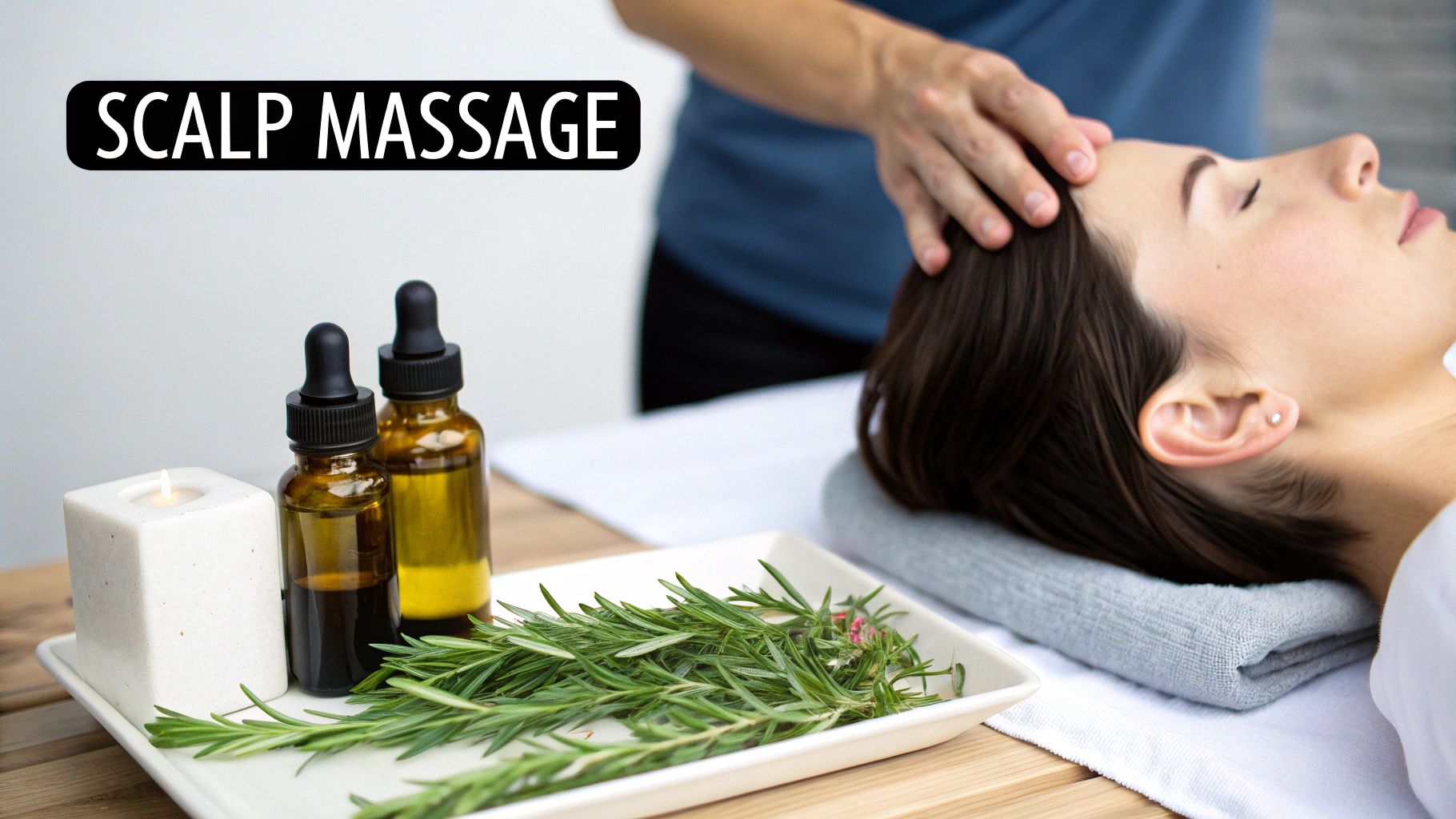
Why It Works: The Science Behind the Massage
The power of this technique lies in its dual-action approach. The physical act of massaging the scalp gently stretches the cells of hair follicles, which in turn stimulates them to produce thicker hair. When you add specific essential oils, you introduce powerful botanical compounds that have been studied for their hair-boosting properties.
- Rosemary Oil: This is a standout performer. A 2015 clinical study found that rosemary oil was just as effective as 2% minoxidil (the active ingredient in Rogaine) for reversing hair loss after six months, but with less scalp itching.
- Peppermint Oil: Research on mice showed that peppermint oil significantly increased the number and depth of hair follicles, leading to a 92% increase in hair growth over four weeks. Its menthol content is thought to boost circulation.
- Lavender Oil: Known for its calming properties, lavender oil also has antimicrobial qualities that can improve scalp health and has been shown in animal studies to generate faster hair growth.
To complement your scalp massage with essential oils, consider learning more about the specific advantages of using natural oils such as the benefits of rosemary oil for hair.
How to Implement Your Scalp Massage Routine
Consistency is key to seeing results with this natural method. Aim to perform this massage 2-3 times per week.
- Dilute Your Oil: Never apply essential oils directly to your scalp. Mix 3-5 drops of your chosen essential oil (like rosemary or peppermint) with a tablespoon of a carrier oil like jojoba, melted coconut, or argan oil.
- Perform a Patch Test: Before your first full application, apply a small amount of the diluted mixture to a discreet area of skin, like behind your ear, to check for any allergic reaction.
- Apply and Massage: Using your fingertips (not your nails), apply the oil mixture directly to your scalp. Massage gently in slow, circular motions for 5-10 minutes, ensuring you cover the entire scalp area.
- Let It Absorb: For maximum benefit, leave the oil treatment in for at least 30 minutes, or even overnight, before washing your hair as usual.
2. Nutrient-Dense Diet with Hair-Supporting Foods
While topical treatments are crucial, what you put inside your body is equally, if not more, important for long-term hair health. Adopting a nutrient-dense diet is a foundational natural way to prevent hair loss by tackling the problem from the inside out. This approach ensures your hair follicles receive a steady supply of the essential building blocks they need to construct strong, resilient hair strands and anchor them firmly in your scalp.
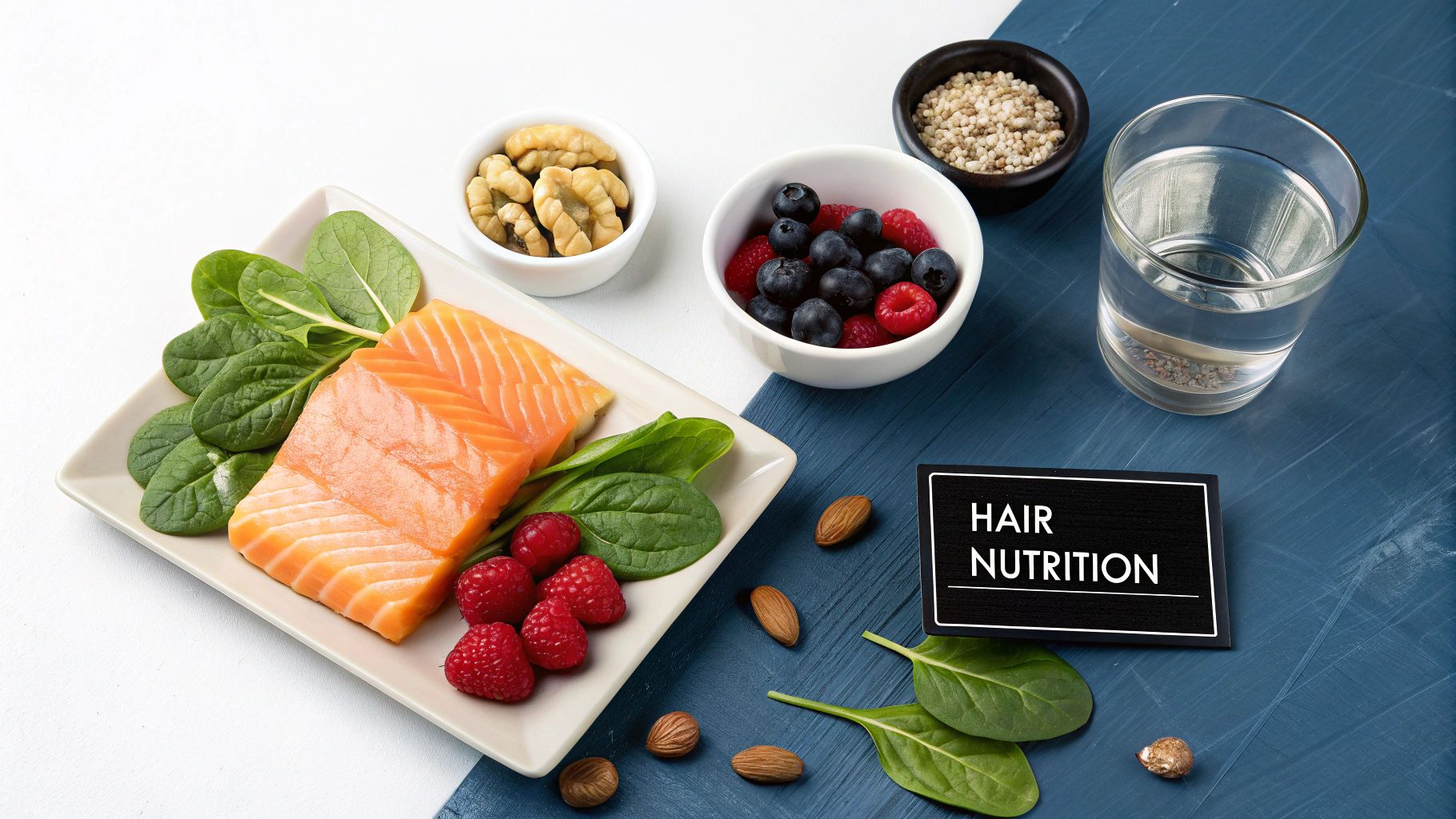
Why It Works: The Science Behind the Sustenance
Hair follicles are among the most metabolically active cells in the body, and nutritional deficiencies are a well-documented cause of hair thinning and shedding. A diet lacking in key vitamins and minerals disrupts the hair growth cycle, pushing follicles into the resting (telogen) phase prematurely. By focusing on specific hair-supporting foods, you directly nourish these follicles.
- Protein and Iron: Hair itself is made almost entirely of protein (keratin). A lack of protein and iron can lead to significant hair loss. Foods like lean meats, fish, eggs, and legumes provide these essential components.
- Biotin and Zinc: These are vital for keratin production. A deficiency in either can lead to brittle hair and shedding. Nuts, seeds, and whole grains are excellent sources of both.
- Vitamins A, C, D, & E: These vitamins play critical roles. Vitamin C helps with iron absorption and collagen production, Vitamin A supports sebum production to moisturize the scalp, and Vitamin E is a powerful antioxidant that reduces oxidative stress on the follicles.
Beyond general nutrition, specific nutrient deficiencies can significantly impact hair health. For instance, you might benefit from learning more about understanding and optimizing your ferritin levels, as iron deficiency is a common contributor to hair loss.
How to Implement Your Hair-Healthy Diet
Integrating these foods into your daily meals is a sustainable strategy. Think of it as an investment in your hair's future.
- Prioritize Lean Protein: Aim to include a source of lean protein like chicken, fish, eggs, or legumes with every meal to provide a constant supply of amino acids for hair growth.
- Eat the Rainbow: Consume a wide variety of colorful fruits and vegetables. Spinach and sweet potatoes are great for Vitamin A, while citrus fruits and bell peppers are packed with Vitamin C.
- Boost Healthy Fats and Zinc: Snack on nuts and seeds like almonds, walnuts, and pumpkin seeds. Include fatty fish like salmon in your diet at least twice a week for omega-3 fatty acids.
- Limit Processed Foods: Reduce your intake of sugar, refined grains, and heavily processed foods, which can contribute to inflammation and negatively impact overall health, including that of your hair.
3. Stress Management Through Meditation and Yoga
Chronic stress is a well-documented catalyst for hair loss, so incorporating mind-body practices into your daily life is one of the most powerful natural ways to prevent hair loss. When you are under constant stress, your body produces high levels of the hormone cortisol, which can disrupt the natural hair growth cycle. This can trigger a condition called telogen effluvium, where a significant number of hair follicles are prematurely pushed into the shedding phase, leading to noticeable thinning.
Why It Works: The Science Behind Relaxation
The effectiveness of meditation and yoga lies in their ability to directly counteract the physiological effects of stress. These practices are proven to lower cortisol levels, reduce inflammation, and calm the nervous system. By creating a state of relaxation, you help restore hormonal balance and improve blood circulation throughout the body, including to the scalp, which supports a healthy environment for your hair follicles to thrive.
- Mindfulness Meditation: Pioneered by figures like Jon Kabat-Zinn, mindfulness teaches you to observe your thoughts without judgment, reducing the mental and physical toll of anxiety. Regular practice can lower cortisol and has been linked to improved outcomes in stress-related conditions, including hair loss.
- Yoga: Popularized by instructors like Adriene Mishler, yoga combines physical postures with deep breathing and meditation. Certain poses, like Downward Dog or Headstand, specifically increase blood flow to the head and scalp, delivering more oxygen and nutrients to the follicles.
- Breathing Exercises (Pranayama): Simple deep breathing techniques can instantly activate the body's relaxation response, making them a practical tool to manage acute stress and prevent the hormonal spikes that harm hair health.
Consistent practice is the cornerstone of managing stress-induced hair loss. Integrating these techniques can create resilience against the daily pressures that negatively impact your hair.
How to Implement Your Stress Management Routine
Making these practices a non-negotiable part of your daily schedule is crucial for seeing a difference. The goal is to build a buffer against stress before it impacts your health.
- Daily Meditation: Start with just 10-20 minutes of guided meditation each day. Use apps like Headspace or Calm to learn the basics of mindfulness and stay consistent.
- Incorporate Yoga: Dedicate 2-3 sessions per week to a yoga practice. Focus on routines that include inverted poses to boost circulation to the scalp.
- Use Tactical Breathing: When you feel stress rising during the day, pause for a moment. Practice a simple box breathing exercise: inhale for 4 seconds, hold for 4, exhale for 4, and hold for 4. Repeat several times.
- Prioritize Sleep: Stress and poor sleep are a vicious cycle. Aim for a consistent 7-9 hours of quality sleep per night to allow your body, and your hair follicles, to repair and regenerate.
4. Herbal Supplements and Adaptogens
Tapping into the power of plant-based medicine offers a potent, internal approach to combating hair loss. Herbal supplements and adaptogens work systemically to fortify your body against common hair loss triggers. These natural compounds can help balance hormones, reduce chronic inflammation, and mitigate the damaging effects of stress, all of which are crucial for maintaining a healthy head of hair.
Why It Works: The Science Behind the Herbs
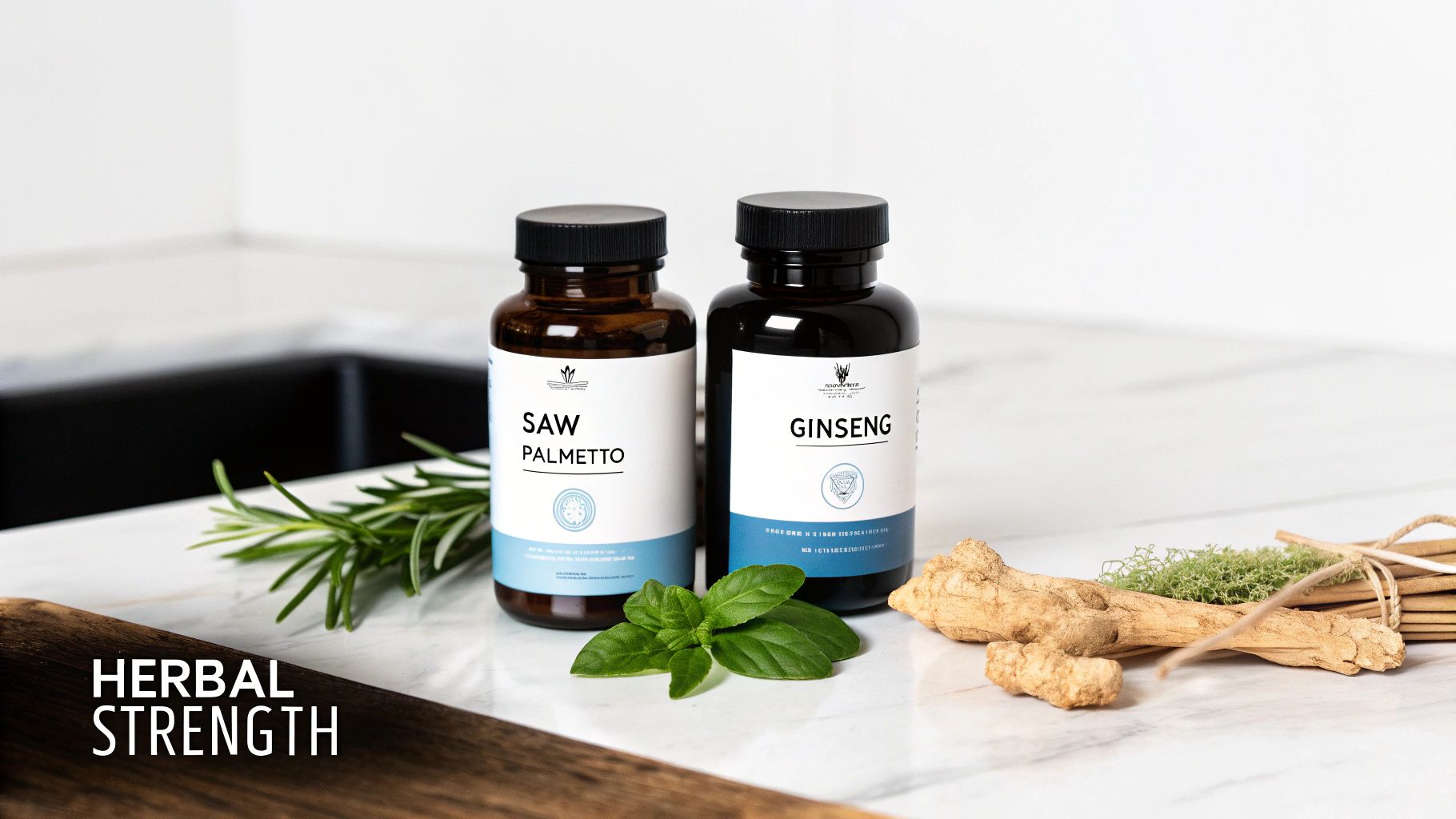
Herbal remedies provide targeted support by addressing the root biochemical causes of hair thinning. Certain plants contain powerful bioactive compounds that can inhibit the hormone DHT, a primary culprit in male pattern baldness, while adaptogens help regulate your body's stress response, preventing hair loss linked to high cortisol levels. When exploring targeted natural remedies, consider valuable insights on the top supplements for energy, anti-aging, and hair loss to understand how they fit into a holistic health strategy.
- Saw Palmetto: A well-studied herb, saw palmetto is believed to work by blocking 5-alpha-reductase, the enzyme that converts testosterone to DHT. A clinical study showed that men taking saw palmetto experienced a 38% improvement in hair growth.
- Ashwagandha: This powerful adaptogen is prized for its ability to lower cortisol levels. By managing the body's stress response, it helps prevent telogen effluvium, a type of stress-induced hair shedding.
- Ginseng: Containing active components called ginsenosides, ginseng has been shown in human studies to promote the proliferation of dermal papilla cells, which are critical for regulating hair follicle growth and development.
- Green Tea Extract: Rich in a polyphenol known as EGCG (epigallocatechin gallate), green tea extract can help stimulate hair follicles and prevent damage from DHT, supporting longer and healthier hair growth phases.
How to Implement Herbal Supplements
Adding supplements to your routine requires careful consideration and patience to see results. This is one of the natural ways to prevent hair loss that works from the inside out.
- Choose High-Quality Products: Opt for supplements with standardized extracts from reputable brands to ensure you're getting a consistent and effective dose.
- Start Low and Go Slow: Begin with the lowest recommended dose on the product label to see how your body tolerates it before considering any increase.
- Consult a Professional: Always speak with your healthcare provider before starting any new supplement, especially if you have underlying health conditions or are taking other medications.
- Be Consistent and Patient: Herbal remedies are not a quick fix. You must take them consistently for at least 3 to 6 months to properly evaluate their effectiveness on your hair growth cycle.
5. Proper Hair Care Routine and Gentle Handling
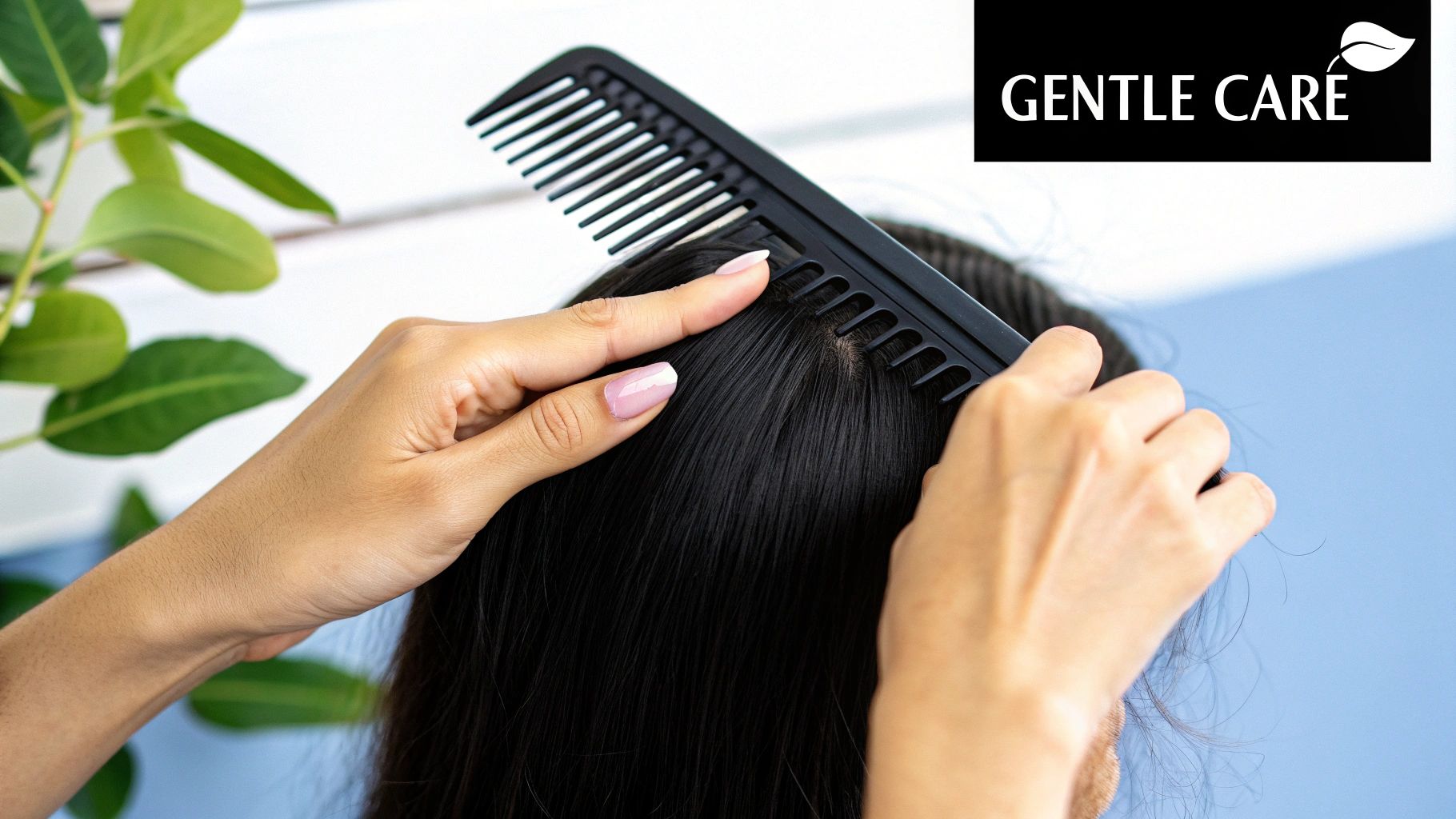
Adopting a proper hair care routine focused on gentle handling is a foundational yet often overlooked natural way to prevent hair loss. This approach minimizes the physical stress and mechanical damage that contributes to breakage and shedding. By treating your hair with care, you preserve the strands you have, reduce unnecessary loss from harsh practices, and create an optimal environment for healthy, resilient growth.
Why It Works: The Science Behind Gentle Handling
Your hair is at its most vulnerable when wet and is susceptible to damage from heat, friction, and harsh chemicals. Aggressive washing, vigorous towel-drying, and tight hairstyles can all cause traction alopecia or weaken the hair shaft, leading to breakage that can be mistaken for hair loss from the root. Gentle handling preserves the integrity of the hair cuticle and reduces stress on the follicle.
- Minimizing Mechanical Stress: Using a wide-tooth comb on damp hair, as opposed to a brush, prevents the tearing and snapping of tangled strands. Similarly, sleeping on a satin or silk pillowcase reduces the friction that can rough up the hair cuticle and cause breakage overnight.
- Preserving Natural Oils: Over-washing, especially with harsh sulfate-based shampoos and hot water, strips the scalp of its natural protective oils (sebum). This can lead to a dry, irritated scalp or trigger an overproduction of oil, both of which are poor conditions for healthy hair growth.
- Avoiding Chemical and Heat Damage: Frequent use of high heat styling tools and chemical treatments like dyes or relaxers can damage the protein structure of your hair, making it brittle and prone to breaking off. A gentler routine avoids these stressors.
Specialized techniques like the Curly Girl Method, which emphasizes co-washing (washing with conditioner) and avoiding harsh ingredients, have proven highly effective in reducing breakage for those with textured hair. Similarly, hair care pioneers like trichologist Philip Kingsley have long advocated for a holistic and gentle approach to scalp and hair health.
How to Implement a Gentle Hair Care Routine
Integrating these habits is simple and can have a significant impact on your hair's density and strength. The goal is to be mindful of how you interact with your hair daily.
- Wash Less and With Cooler Water: Aim to wash your hair a maximum of 2-3 times per week. Use lukewarm water, as hot water can strip essential oils and dehydrate your hair and scalp.
- Choose the Right Products: Opt for a sulfate-free, gentle shampoo. Always follow with a conditioner, applying it primarily from the mid-lengths to the ends to moisturize without weighing down the roots.
- Handle Wet Hair with Extreme Care: After washing, gently squeeze out excess water instead of rubbing aggressively with a towel. Use a wide-tooth comb or your fingers to detangle, starting from the ends and working your way up to the roots.
- Air Dry Whenever Possible: Limit the use of blow dryers. If you must use one, apply a heat protectant spray first and use the lowest heat and speed setting. This simple step is one of the most effective natural ways to prevent hair loss caused by heat damage.
6. Onion Juice and Natural Topical Treatments
Harnessing the power of common household ingredients, the application of fresh onion juice to the scalp is a traditional yet surprisingly potent natural way to prevent hair loss. This remedy, rooted in Ayurvedic and Middle Eastern hair care practices, leverages the high sulfur content of onions to directly nourish and stimulate hair follicles. The sulfur helps improve blood circulation and provides the building blocks for keratin, the protein that makes up most of your hair.
Why It Works: The Science Behind the Juice
The effectiveness of onion juice goes beyond its sulfur content. It possesses antimicrobial properties that can help clear scalp infections which might contribute to hair loss. Most notably, its application has been shown to be effective for specific conditions like alopecia areata, a patchy form of hair loss.
- Sulfur and Keratin: Sulfur is a vital component of keratin. By providing this element topically, you support the hair’s structural integrity, promoting strength and resilience.
- Antioxidant Power: Onions contain antioxidants like quercetin, which can help fight the free radical damage and inflammation that may accelerate hair thinning.
- Clinical Evidence: A compelling study published in the Journal of Dermatology found that after six weeks of applying crude onion juice twice daily, 86.9% of patients with alopecia areata observed hair regrowth, significantly higher than the control group.
Modern hair care brands have taken notice, with companies like WOW Skin Science incorporating red onion seed oil extract into their popular shampoos and oils, making this traditional remedy more accessible.
How to Implement an Onion Juice Treatment
While the pungent odor can be a drawback, the potential benefits make it worth a try. Aim to use this treatment 2-3 times per week for best results.
- Prepare the Juice: Peel and chop one to two onions. Blend them into a paste and then strain the mixture through a cheesecloth or fine sieve to extract the pure juice.
- Apply to the Scalp: Using a cotton ball or your fingertips, carefully apply the onion juice directly to your scalp, focusing on the roots and any areas with noticeable thinning.
- Let It Penetrate: Gently massage the juice into your scalp for a few minutes to boost absorption and circulation. Leave the treatment on for at least 30 to 60 minutes.
- Wash Thoroughly: Rinse the juice out completely and follow with a gentle shampoo to remove any lingering odor. Mixing a few drops of peppermint or rosemary essential oil into the juice can help mask the smell.
7. Adequate Sleep and Circadian Rhythm Optimization
One of the most overlooked yet fundamentally important natural ways to prevent hair loss is optimizing your sleep. Beyond simply feeling rested, deep and consistent sleep is when your body undertakes its most critical repair processes. This includes the regeneration of stem cells in hair follicles and the regulation of key hormones that directly influence the hair growth cycle, making quality rest a non-negotiable for maintaining a healthy head of hair.
Why It Works: The Science Behind Sleep and Hair Health
The connection between sleep and hair is rooted in cellular repair and hormonal balance. When you sleep, your body's production of human growth hormone (HGH) peaks, which plays a vital role in cell reproduction, including the cells within your hair follicles. Conversely, sleep deprivation increases cortisol, the "stress hormone," which can push hair follicles into a premature resting (telogen) phase, leading to noticeable shedding and thinning.
- Hormone Regulation: Adequate sleep helps balance hormones like melatonin, which has been shown to promote hair growth, and cortisol, which can trigger hair loss when chronically elevated.
- Cellular Repair: During deep sleep, blood flow to the skin and scalp increases, facilitating the delivery of nutrients and oxygen necessary for follicle repair and growth.
- Reduced Inflammation: Chronic sleep loss can lead to systemic inflammation, a condition that can negatively impact hair follicles and contribute to various forms of alopecia.
Studies on shift workers, who often have disrupted circadian rhythms, have shown a correlation with higher rates of hair loss, reinforcing the importance of a stable sleep-wake cycle.
How to Implement Your Sleep Optimization Routine
Prioritizing your sleep hygiene is a powerful step towards safeguarding your hair. The goal is to create a consistent routine that signals to your body it's time to wind down and repair.
- Maintain a Strict Schedule: Go to bed and wake up at the same time every day, even on weekends. This stabilizes your body's internal clock, or circadian rhythm, optimizing hormonal cycles for hair growth.
- Engineer Your Sleep Environment: Your bedroom should be a sanctuary for rest. Make it completely dark, cool (around 65°F or 18°C), and quiet. Use blackout curtains, an eye mask, or a white noise machine if necessary.
- Implement a Digital Sunset: The blue light from phones, tablets, and computers suppresses melatonin production. Stop using all screens at least 60-90 minutes before your scheduled bedtime.
- Mind Your Consumption: Avoid caffeine after 2 PM, as its stimulating effects can last for many hours. Limit alcohol in the evening, as it can disrupt the quality of your sleep later in the night.
7 Natural Hair Loss Prevention Methods Comparison
| Method | Implementation Complexity 🔄 | Resource Requirements ⚡ | Expected Outcomes 📊 | Ideal Use Cases 💡 | Key Advantages ⭐ |
|---|---|---|---|---|---|
| Scalp Massage with Essential Oils | Moderate – requires technique and regular application | Low – essential and carrier oils, time | Visible results in 3-6 months; improved circulation and relaxation | Stress-related hair loss; home therapy | Immediate relaxation; multi-benefit; low cost |
| Nutrient-Dense Diet with Hair-Supporting Foods | Moderate – significant dietary adjustments needed | Medium – access to diverse nutrient-rich foods | Results in 3-6 months; improves follicle health from within | Nutritional deficiencies causing hair loss | Addresses root cause; sustainable; overall health boost |
| Stress Management Through Meditation and Yoga | Moderate – learning techniques; daily practice | Very low – space and minimal equipment needed | Gradual hair improvement; reduced stress-related loss | Stress-induced hair loss; mental well-being | Free/low cost; holistic health benefits; anywhere practice |
| Herbal Supplements and Adaptogens | Moderate – selecting quality products, consistent intake | Low to Medium – cost of supplements | Results in 3-6 months; hormone balance and inflammation reduction | Hormonal and stress-related hair loss | Natural alternative; multi-target action; fewer side effects |
| Proper Hair Care Routine and Gentle Handling | Low to Moderate – changes in habits and products | Low to Medium – investment in suitable products | Prevents damage; preserves existing hair | All hair types; prevention-focused care | Cost-effective; reduces breakage; scalp health |
| Onion Juice and Natural Topical Treatments | Moderate to High – preparation and consistent use | Low – common ingredients but time intensive | Results in 3-6 months; effective for alopecia areata | Alopecia areata; natural topical stimulation | Clinically supported; inexpensive; antimicrobial properties |
| Adequate Sleep and Circadian Rhythm Optimization | Low to Moderate – lifestyle adjustments | Very low – no equipment needed | Gradual improvement; supports natural growth cycles | Hair loss linked to poor sleep and stress | No cost; enhances other treatments; overall health benefit |
Building Your Personal Hair Preservation Strategy
We have explored a comprehensive toolkit of seven powerful, natural ways to prevent hair loss. From the revitalizing practice of scalp massage with essential oils to the foundational importance of a nutrient-rich diet, each strategy offers a unique pathway to support and strengthen your hair from the inside out. The journey to healthier hair is not about finding a single, miraculous cure. Instead, it is about building a sustainable, multi-faceted strategy tailored to your individual needs and lifestyle.
Think of these methods not as a checklist to be completed, but as building blocks for your personal hair preservation fortress. The key takeaway is synergy. The stress-reducing benefits of meditation amplify the positive effects of a balanced diet, just as a gentle hair care routine protects the new growth you stimulate through topical treatments like onion juice. Your efforts in one area create a ripple effect, enhancing the results of all the others. This holistic approach is the most effective defense against hair thinning.
Your Actionable Blueprint for Healthier Hair
Taking the first step is often the most challenging part. To avoid feeling overwhelmed, begin by implementing just one or two of these strategies.
- Start Small: Choose the path of least resistance. If you're already focused on fitness, integrating hair-healthy foods into your existing meal plan might be a seamless addition. If you need to decompress after a long day, a five-minute scalp massage before bed could be your ideal starting point.
- Embrace Consistency: Lasting results in hair health are a product of consistent effort, not sporadic intensity. Commit to your chosen practices for at least three to six months to give your hair follicles time to respond. Patience is a critical ingredient in any natural wellness journey.
- Track Your Progress: Take a photo of your hair or hairline at the beginning of your journey. Revisit it every few months. Seeing tangible, albeit gradual, improvements can be a powerful motivator to stay the course.
Mastering these natural ways to prevent hair loss is about more than just aesthetics; it is an act of taking proactive control over your health and well-being. By nourishing your body, managing stress, and adopting mindful routines, you are not only fostering a healthier scalp but also promoting overall vitality. The confidence that comes from actively addressing your hair concerns and seeing positive change is invaluable. You are investing in a future with healthier, more resilient hair and a greater sense of command over your personal wellness.
For those seeking to amplify the results of these natural strategies, especially when dealing with more advanced thinning or male pattern baldness, combining them with a clinically proven regenerative treatment can be a game-changer. At PRP For HairLoss, we specialize in Platelet-Rich Plasma (PRP) therapy, a procedure that uses your body's own natural growth factors to rejuvenate dormant hair follicles and stimulate new growth. Explore how our advanced PRP For HairLoss treatments can complement your holistic approach and help you achieve your hair restoration goals.

 PRP For Hairloss
Leave a comment