Understanding Why Your Hairline Is Actually Receding
Seeing your hairline change can be a personal and often isolating experience. It’s a familiar story for many: a quick look in the mirror or an old photograph reveals that the landscape of your forehead has changed. This isn't about vanity; it's about noticing a shift in yourself, and it's a journey millions of men share. Getting to the bottom of what's happening is the first and most important step toward feeling in control again.
The emotional impact of frontal hair thinning in males can feel more significant than losing hair elsewhere. While a thinning crown can be concealed for a while, a receding hairline changes the frame of your face—the one you show the world daily. It serves as a constant, visible sign that a biological process is taking place, which can deeply affect confidence. This high visibility is exactly why it drives so many men to look for solutions.
From Normal Shedding to Pattern Baldness
First, it’s important to tell the difference between normal, everyday hair fall and a more persistent problem. Everyone sheds hair—losing around 50 to 100 hairs per day is perfectly normal. Picture it as a natural cycle, like old leaves falling off a tree to let new ones grow. True pattern baldness, however, works differently. It’s not just about the hair you lose, but about the new hair growing back weaker, finer, and shorter with each cycle.
This condition is known as male androgenetic alopecia (MAA), or male pattern baldness, and it's the leading cause of hair loss in men. It's incredibly common, affecting approximately 30-50% of men by the time they turn 50. The process follows a recognizable pattern, usually starting with thinning at the frontal hairline and the crown, which creates the classic M-shaped recession. You can learn more about the prevalence and features of male pattern baldness.
Why the Frontal Area Is a Key Battleground
The reason the frontal hairline is so susceptible isn't a coincidence; it comes down to genetics. The hair follicles in this specific region are often more sensitive to the hormonal shifts that cause male pattern baldness. Because of this heightened sensitivity, the hairline and temples are usually the first places to show signs of thinning.
Catching this change early can make a huge difference. When you take action before the hair follicles have completely stopped producing hair, you have a much stronger chance of slowing the process down or even strengthening weakened hairs. Just as crucial as the science is addressing the emotional side of this experience. By seeing it for what it is—a common and treatable medical condition—you can shift from a place of worry to one of proactive problem-solving.
The Hidden Biology Behind Frontal Hair Loss
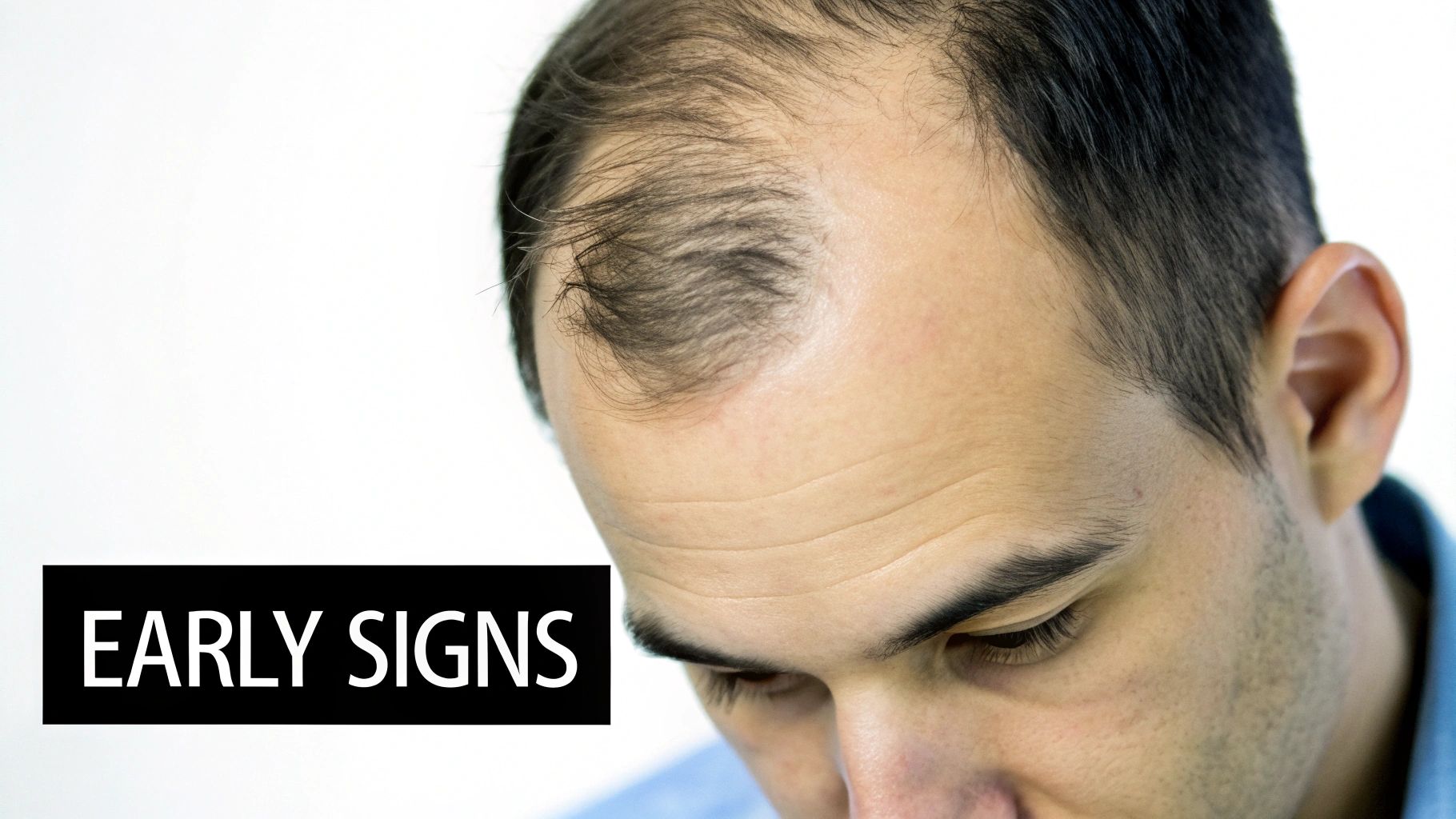
To figure out why frontal hair thinning in males occurs, we need to look beyond the mirror and into the science of hormones and genetics. The main reason for this common issue is a powerful hormone called dihydrotestosterone (DHT). Think of testosterone as a key. In most of your body, this key works as intended. But in the scalp, an enzyme called 5-alpha reductase can alter that key, turning testosterone into the more potent DHT.
For men who are genetically prone to hair loss, the follicles at the hairline are especially sensitive to DHT. When DHT connects with these follicles, it doesn't make hair fall out all at once. Instead, it starts a slow process called miniaturization, gradually weakening the hair's foundation.
The Shrinking Process: How Strong Hairs Vanish
Miniaturization is a stealthy attack on your hair's natural life cycle. Picture a healthy hair follicle as a deep, strong tree root that produces a thick trunk. DHT interrupts this process by shortening the follicle's growth phase and shrinking the root itself. This is how the cycle unfolds:
- Healthy Stage: A strong, terminal hair grows, falls out, and is replaced by an equally strong new hair.
- DHT Interference: As DHT gets involved, each new replacement hair grows back a little thinner and weaker than the one before.
- Progressive Thinning: Over time, these hairs become finer, shorter, and lighter in color. They eventually turn into "vellus" hairs—the soft, nearly invisible fuzz found on other parts of your body.
Ultimately, the follicle can shrink so much that it stops producing hair entirely. This is why addressing the issue early is so important; it's far easier to protect a shrinking follicle than to reactivate a dormant one. This shrinking process is the reason frontal thinning often looks like a slow fade instead of a sudden loss.
Genetics Loads the Gun, Lifestyle Pulls the Trigger
While your genes are the primary factor that determines how sensitive your follicles are to DHT, they don't tell the full story. Other elements can affect how quickly and severely you experience hair loss. Imagine your genetic code is the blueprint for a car; how you maintain and drive it has a big impact on its performance.
- Stress: High levels of cortisol, the body's stress hormone, can throw the hair growth cycle out of balance and potentially speed up thinning.
- Diet: A lack of essential nutrients, especially iron, zinc, and biotin, can deprive your hair follicles of the resources they need to grow strong.
- Scalp Health: Poor blood flow to the scalp can restrict the delivery of oxygen and nutrients to follicles, leaving them more susceptible to DHT's negative effects.
Understanding the role of hormones is central to addressing hair health. Some men find success with natural methods to balance hormone levels. To learn more, you can read about how to increase testosterone naturally and its potential influence. By recognizing that frontal hair thinning male is a problem with multiple causes—rooted in genetics but shaped by lifestyle—you can take a more well-rounded approach to protecting your hair.
Spotting The Early Warning Signs Before It's Too Late

Many men only take notice of frontal hair thinning once it becomes obvious, but the first clues often appear months or even years earlier. Learning to spot these subtle signals is like becoming a detective for your own hair, allowing you to act when treatments are most effective. The initial step is to understand the difference between types of hair fall. For instance, a sudden increase in shedding might be due to stress or a temporary condition like telogen effluvium, where hair loss is widespread and often reversible.
In contrast, androgenetic alopecia—more commonly known as male pattern baldness—is a slow, steady thinning that targets genetically sensitive areas, especially the hairline. This isn't a sudden event; it's a gradual process.
From Mature Hairline to Active Recession
A frequent point of confusion is distinguishing between a normal, maturing hairline and the beginning of active hair loss. Most men see their hairline recede slightly after puberty as their juvenile hairline settles into its adult shape. This is typically a minor shift, moving back about half an inch to an inch.
Active recession from male pattern baldness is different. It's a more aggressive and continuous retreat of the hairline, often creating a distinct ‘M’ shape as the temples pull back faster than the center. This isn't a one-time change; it's an ongoing process. You might notice the hair at your temples becoming finer, shorter, and less dense than the hair just behind it. This change in texture is a key sign that follicle miniaturization has begun.
To help you track these changes, here is a guide to the different stages of frontal hair thinning.
| Stage | Description | Visual Signs | Action Recommended |
|---|---|---|---|
| Early Thinning | The hairline begins a slight, often unnoticeable, retreat. Hair at the temples starts to feel finer than the rest. | A slight "V" or "M" shape starts to form. Density at the very front may look reduced in harsh lighting or when wet. | Begin monitoring with photos. Research preventive measures and consider consulting a specialist to establish a baseline. |
| Noticeable Recession | The "M" shape becomes more defined. Thinning is visible even when hair is dry and styled. | The hairline has clearly receded at the temples, often by more than an inch. The frontal forelock may appear isolated. | This is a critical stage to start treatment. Options like PRP, minoxidil, or finasteride are most effective here. |
| Advanced Thinning | The frontal area and temples have significant hair loss, and the thinning may start connecting to the crown. | The frontal hairline is significantly set back. The remaining frontal hair is sparse and fine. | Advanced treatments, including hair transplants combined with medical therapies, may be necessary to restore density. |
This table provides a simple framework for identifying where you might be in the process. Early and accurate identification is crucial for successful intervention.
Simple Home Assessment Techniques
You don’t need specialized equipment to start monitoring your hairline. Consistent observation at home is a powerful tool. Here are a few practical methods to track changes:
- The Photo Test: Take a clear, well-lit photo of your hairline once a month. Keep the angle, lighting, and hair position (pulled back) consistent. Over 3 to 6 months, this visual diary will provide clear evidence of any progression, making it easy to see if your frontal hair thinning is getting worse.
- The Wet Hair Check: Thinning becomes much more obvious when your hair is wet. After showering, comb your hair straight back and look closely at your hairline's shape and the density at the temples. This reveals the true structure without any styling tricks that might hide early thinning.
- The Shedding Test: Keep an eye on the hair you see on your pillow, in the shower drain, or on your comb. While losing some hair daily is normal (around 50-100 hairs), a steady increase in shedding—especially if the lost hairs are finer and shorter—points toward active miniaturization.
By regularly performing these checks and keeping records, you build a valuable timeline of your hair loss. This personal data is incredibly helpful when you see a specialist, as it helps them accurately diagnose the stage and speed of your hair loss, leading to a much more effective treatment plan.
Treatment Options That Actually Deliver Results
Trying to find a hair loss treatment can feel like walking through a maze of products all promising a miracle. To see a real difference in frontal hair thinning in males, we need to cut through the noise and focus on methods backed by solid evidence. The aim isn't just to pause hair loss, but to find a reliable plan that brings noticeable improvement. This means looking at everything from approved medications and new therapies to surgical options.
The infographic below offers a visual comparison of the success rates for some of the most popular treatments for frontal hair thinning in men.
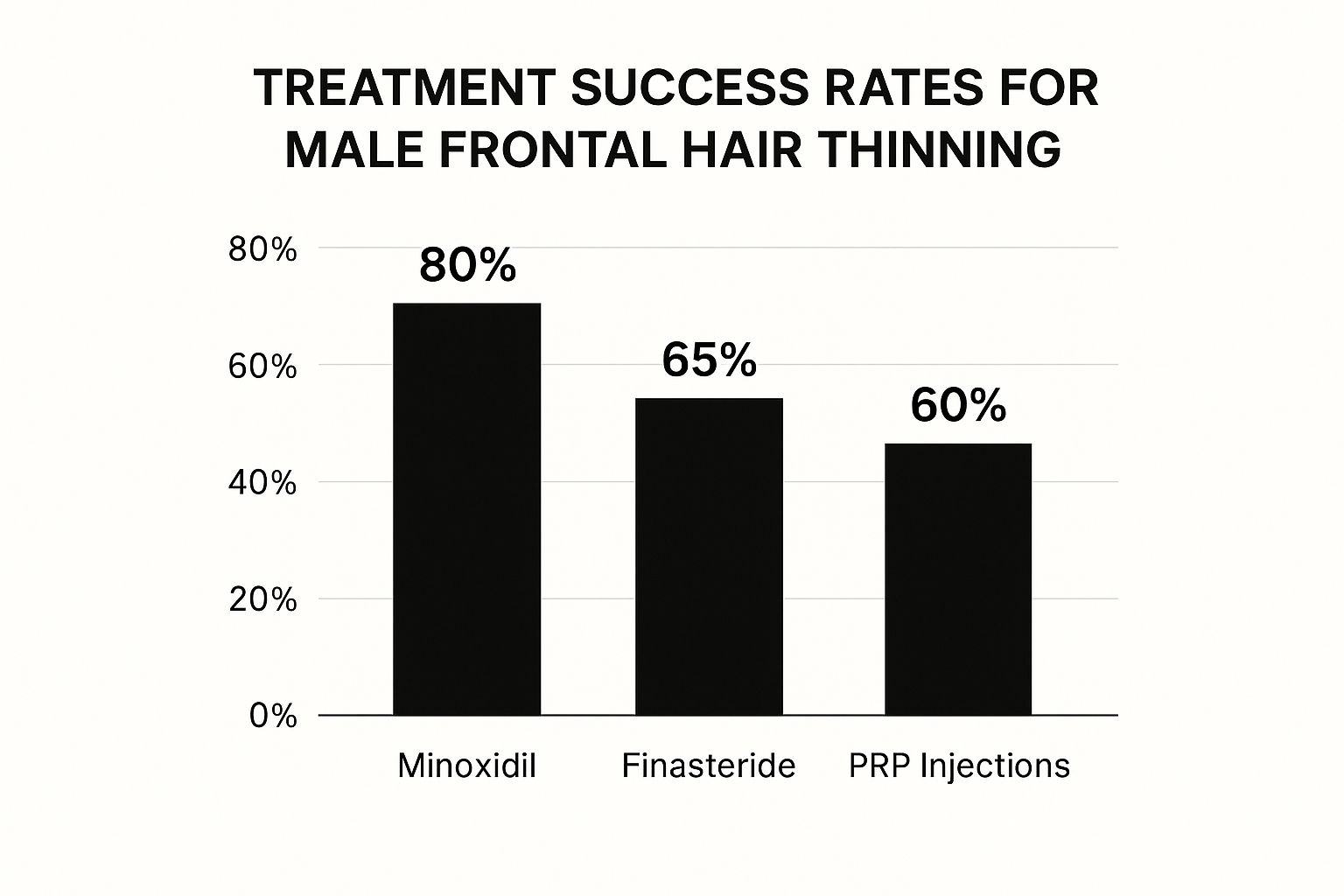
As the data illustrates, while options like Minoxidil have a high effectiveness rate, other treatments such as Finasteride and PRP injections also yield significant results for many individuals.
To help you understand your choices better, here is a detailed comparison of common treatments, outlining their effectiveness, costs, and how long it typically takes to see changes.
Treatment Effectiveness Comparison for Frontal Hair Thinning
| Treatment | Effectiveness Rate | Time to Results | Average Cost | Side Effects |
|---|---|---|---|---|
| Finasteride (Oral) | ~65% success for frontal area | 3-6 months | $20 – $70 per month | Low risk of sexual side effects, dizziness |
| Minoxidil (Topical) | ~60% effectiveness | 4-6 months | $20 – $50 per month | Scalp irritation, dryness, unwanted hair growth |
| PRP Injections | ~70-80% see improvement | 3-6 months | $500 – $1,500 per session | Minor pain, swelling at injection site, low risk of infection |
| LLLT | ~40-50% see improvement | 4-6 months | $600 – $3,000 (one-time device cost) | Rare skin irritation |
| Hair Transplant (FUE/DHI) | >95% graft survival rate | 6-12 months | $5,000 – $15,000+ | Temporary swelling, scarring, infection risk |
This table shows that while a hair transplant offers the most permanent solution, non-surgical options like Finasteride and PRP provide substantial, evidence-backed results at a lower initial cost. The best approach often involves combining therapies to attack hair loss from multiple angles.
Proven Medications: The First Line of Defense
When it comes to non-surgical treatments, two medications are recognized as the primary defense against hair loss, both with extensive track records and regulatory approval.
-
Finasteride: This oral pill is a DHT blocker. Think of it as a gatekeeper that prevents testosterone from converting into DHT, the hormone responsible for shrinking hair follicles. By reducing DHT levels in your scalp, Finasteride can stop the thinning process and even encourage some regrowth. Studies confirm it has a 65% success rate for maintaining or improving density in the frontal region. It's a long-term commitment; if you stop taking it, hair loss will likely return.
-
Minoxidil (Rogaine): This is a topical solution that works quite differently. It acts as a vasodilator, which means it widens the blood vessels. Picture it as opening up more delivery lanes to your hair follicles, boosting the flow of blood, oxygen, and vital nutrients. This process can help wake up dormant follicles and prolong their growth phase. It is often used with other treatments and requires consistent, twice-a-day application to be effective.
Emerging and Supportive Therapies
Beyond the two main medications, other treatments are gaining traction and can be powerful additions to any hair restoration strategy.
- Low-Level Laser Therapy (LLLT): This non-invasive option uses special caps or combs that emit red light. The light energy is thought to stimulate cellular activity in the follicles, much like sunlight helps a plant grow. Over time, it can lead to improved hair density and thickness.
- Microneedling: This technique involves using a device covered in tiny needles to create controlled micro-injuries on the scalp. This action triggers the body's natural healing cascade, boosting blood flow and releasing growth factors. When paired with topical minoxidil, microneedling can significantly improve its absorption and overall impact.
Surgical Solutions: The Hair Transplant
For men experiencing more significant frontal thinning, a hair transplant is often the most direct path to restoring a natural-looking hairline. Modern techniques like Follicular Unit Extraction (FUE) and Direct Hair Implantation (DHI) move healthy, DHT-resistant hair follicles from the back and sides of the head to the thinning areas up front.
It's crucial to understand that a frontal hairline transplant is as much an art as it is a science. A skilled surgeon must carefully place each individual follicle to replicate natural growth patterns, angles, and density. This is a far more delicate task than filling in a thinning crown. While there isn't a single "best" age, candidates over 21 whose hair loss has stabilized and who have a good supply of donor hair typically achieve the best results. A consultation with a qualified specialist is the only way to know if this permanent solution is right for you.
PRP Therapy: Your Blood As Hair Loss Medicine
Beyond the usual medications and surgical options, an interesting approach called Platelet-Rich Plasma (PRP) therapy is getting a lot of attention for treating frontal hair thinning in males. This method uses your body's own healing power to combat hair loss. Instead of using external chemicals, PRP uses a concentrated formula made directly from your own blood to help wake up dormant hair follicles.
The idea behind it is straightforward yet effective. Think of your blood as having a specialized team of first responders called platelets. Whenever you get a cut, these platelets rush to the scene to stop the bleeding and kickstart the repair process by releasing potent substances known as growth factors. PRP therapy isolates these platelets and their growth factors, creating a powerful serum that can be injected right where the hair is thinning on the scalp.
Imagine delivering a highly concentrated dose of your body's natural repair crew directly to the weakening follicles along your hairline. This direct approach aims to counteract the hair miniaturization process caused by DHT.
The PRP Treatment Journey: From Blood Draw to Hair Growth
The entire PRP process is usually completed in about an hour and follows a clear, simple series of steps. Knowing what to expect can make the treatment feel less mysterious and help you set realistic goals.
- Step 1: The Blood Draw: It all starts just like a regular blood test. A small sample of blood is drawn from your arm in a quick and simple procedure.
- Step 2: The Centrifuge Process: The blood sample is then placed into a machine called a centrifuge. This device spins the blood at very high speeds, separating it into its different parts: red blood cells, plasma, and platelets.
- Step 3: Isolating the Platelet-Rich Plasma: Once separated, the platelet-rich part of the plasma is carefully collected. This golden liquid is now supercharged with a much higher concentration of platelets—often 3 to 5 times the normal amount found in your blood.
- Step 4: Scalp Injections: Finally, this concentrated PRP is injected into the thinning areas of your scalp, like the frontal hairline and temples. A very fine needle is used for multiple small injections across the target area, making sure the growth factors get right to the base of the hair follicles.
While the thought of scalp injections might seem a bit daunting, most people say the discomfort is minimal, often describing it as just a series of quick, small pinches.
What Results Can You Realistically Expect?
PRP isn't an overnight fix; it's a regenerative process that takes time and patience. Results appear gradually as the growth factors get to work improving blood flow, calming inflammation, and stimulating the follicles. Most treatment plans start with an initial series of 3 to 4 sessions, scheduled about a month apart. After that, maintenance sessions are usually recommended every 4 to 6 months to keep up the results.
Many people first notice a reduction in hair shedding within the first few months. Around the 3 to 6-month mark, you might start seeing visible improvements in hair thickness and density. The most noticeable results often show up after 6 to 12 months of consistent treatment.
Studies and clinical experience indicate that a large portion of individuals see positive changes. Some research suggests up to 70-80% of patients experience a clear improvement in hair health and density. This makes PRP a very attractive option, especially when combined with other treatments like minoxidil or finasteride to create a strong, multi-pronged strategy for restoring a thicker, healthier hairline.
Prevention Strategies Beyond Your Genetic Code
While your genetic makeup provides the primary blueprint for frontal hair thinning in a male, it doesn't have the final say on your hair's future. You hold considerable power over the environment your hair follicles operate in. Think of your genes as the stage setup, but your daily habits and choices direct the performance. By applying practical, proven strategies, you can create a healthier setting for your hair, potentially slowing down the thinning process and strengthening the hair you have.
These are not overnight fixes but rather sustainable lifestyle adjustments. When applied with consistency, they give your hair its best defense against its genetic programming. It’s all about building a strong support system from both the inside and the outside.
Fueling Your Follicles from Within
Your diet is one of the most effective tools you have. Hair follicles are like tiny, high-energy factories that need a constant stream of specific nutrients to build strong hair. If your diet is lacking, your body will send those vital resources to more critical functions, leaving your hair to struggle. This isn't about chasing exotic "superfoods," but ensuring a steady supply of fundamental nutrients.
- Iron: This mineral is vital for producing hemoglobin, the part of your blood that carries oxygen. Without enough oxygen, your follicles can't work at their peak.
- Zinc: A key element in hair tissue growth and repair, zinc also ensures the oil glands around the follicles function correctly. Research has connected zinc deficiency with hair loss.
- Protein: Hair is almost entirely made of a protein called keratin. A diet low in protein can result in weaker, more brittle hair that is susceptible to breaking.
- Biotin (Vitamin B7): Although its benefits are sometimes overstated, biotin is essential for producing keratin. A genuine deficiency is uncommon but can affect hair health.
By focusing on a balanced diet full of lean meats, fish, nuts, beans, and leafy greens, you can provide these essential building blocks naturally.
The Scalp Health and Stress Connection
Your lifestyle choices have a direct line to your scalp's health and your body's hormonal state. Two major areas you can influence are scalp care and stress levels. Persistent stress raises cortisol, a hormone that can interfere with the hair growth cycle and push more follicles into the shedding phase.
Adopting consistent stress management practices—like regular exercise, meditation, or making sure you get 7-8 hours of quality sleep per night—can help keep cortisol in check and foster a better hormonal environment for hair growth. At the same time, boosting scalp circulation is crucial. A simple scalp massage for a few minutes each day can improve blood flow, bringing more oxygen and nutrients directly to the vulnerable follicles at your hairline. It’s a simple, free habit that strengthens your hair's foundation.
Finally, pay attention to your grooming routine. Steer clear of harsh chemical treatments, excessive heat styling, and tight hairstyles that pull on the hairline, which can cause a condition called traction alopecia. Opt for gentle shampoos and conditioners, and handle your hair with care, especially when it’s wet and at its most fragile. By improving your diet, managing stress, and practicing smart hair care, you create a powerful buffer against the progression of frontal hair thinning in males.
Living With Confidence Despite Hair Loss
Experiencing frontal hair thinning is a common part of many men's lives, but it doesn't have to dictate your confidence or how you live. Real self-assurance is about how you present yourself to the world, not the density of your hair. This is your chance to pivot your focus from what you might be losing to what you can gain and control. The path forward involves finding strategies that complement your changing hair, boosting your overall appearance, and cultivating a strong sense of self.
This isn't an isolated issue; it's a shared experience. In the United States alone, an estimated 35 million men are navigating some degree of hair loss, joining a broader group of 56 million people affected by thinning hair. The silver lining to these numbers is that they have opened up the conversation, leading to greater social acceptance and understanding. You can find more information about the widespread nature of hair loss and its related statistics.
Strategic Styling and Grooming
Instead of attempting to conceal thinning areas, a more powerful approach is to work with them. A well-chosen haircut can make a significant impact. Shorter styles like a classic buzz cut, a sharp high and tight, or a textured crop top can visually reduce the contrast between thicker and thinner patches, resulting in a more balanced and intentional look. These hairstyles naturally draw attention to your facial features rather than your hairline.
Beyond the haircut, specific styling products can offer a substantial boost to your look.
- Volumizing Mousses or Sprays: These products are lightweight and work by lifting hair from the root. This creates the illusion of more volume without the heavy, weighed-down feeling.
- Fiber Sprays or Powders: Ideal for targeting specific spots, these products use statically charged microfibers that bind to your existing hair strands. The result is an instant appearance of greater thickness and density.
- Matte-Finish Pomades or Clays: Unlike shiny gels that can cause hair to clump and reveal more scalp, matte products offer texture and hold. They absorb light, which helps diminish the visibility of thinning areas.
A polished appearance goes beyond just your hair. A consistent skincare routine, neatly maintained facial hair (if you have it), and dressing well all contribute to a sharp, confident image. When you feel good about your overall look, hair naturally becomes a smaller piece of the puzzle.
Embracing Your Path with Self-Assurance
Walking into social events, dating, or professional settings with hair loss can feel daunting, but confidence is your most effective tool. Many men discover that taking ownership of their look—whether it's a new haircut, fully embracing baldness, or trying out non-surgical hair systems—is incredibly liberating. The most important thing is to choose a path that feels true to you.
Being open with partners or trusted friends can also lift a heavy emotional weight. Remember, the people who truly matter care about you as a person, not about your hair. Whether you opt for treatment, concealment, or acceptance, the end goal is to live your life to the fullest and chase your goals without letting hair loss hold you back.
At PRPforHairloss.com, we believe knowledge is empowering. Understanding all your options, from medical treatments like PRP to simple lifestyle adjustments, helps you make decisions for your hair and your life with confidence. Explore our resources to learn more about managing hair loss with confidence.
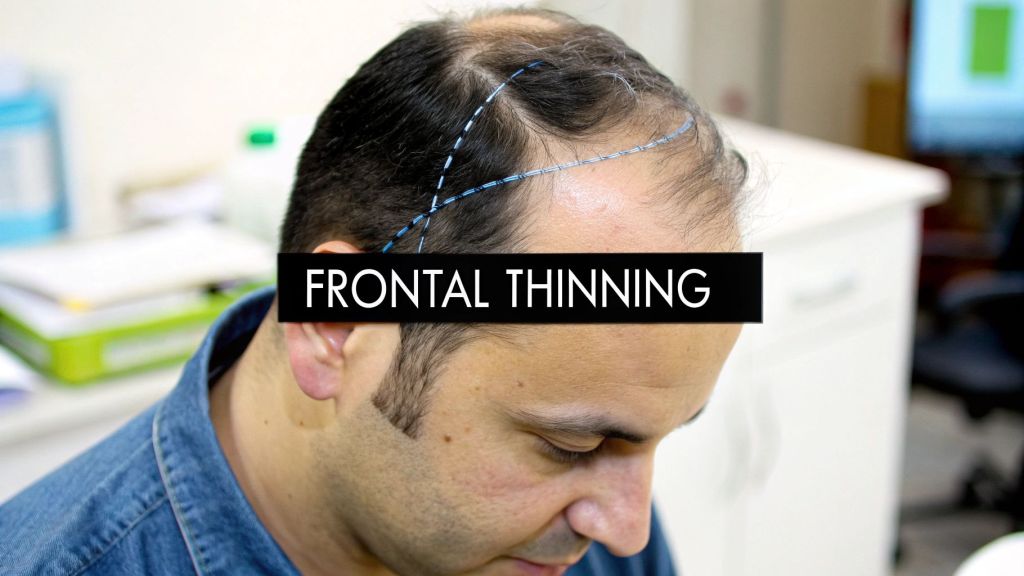
 PRP For Hairloss
Leave a comment