The Honest Truth About PRP Injection Discomfort
Imagine you're about to jump into a cold pool. Often, the anticipation is far worse than the actual plunge. PRP injections are similar. The truth is, they involve a noticeable sensation, a combination of having your blood drawn and receiving a deeper injection, like a vaccination. But they're generally not unbearable. Many patients build up the experience in their minds, so let's break down each step to ease your worries.
From the initial blood draw (which is often surprisingly comfortable) to the injection itself, the process is manageable. We've talked to many patients, and their stories reveal the discomfort typically lasts only a few seconds. They often describe it more as "intense pressure" than sharp, stabbing pain.
Understanding the Sensation
The discomfort isn't really about the platelet-rich plasma (PRP) itself, but more about the process of injecting it. Think of it like trying to add fluid to an already full container – there's naturally going to be some pressure. This sensation primarily comes from the needle, the volume being injected, and your body's normal response.
Now, PRP injections themselves have been widely studied for their effectiveness in treating various conditions, including osteoarthritis. Some studies show PRP can reduce pain and improve function, while others have yielded mixed results. A recent meta-analysis even found that exogenously activated PRP appears more effective than non-activated PRP. Discover more insights about PRP and osteoarthritis.
Interestingly, research specifically focusing on PRP injection pain is less common. However, the general consensus is that it's tolerable, with discomfort primarily stemming from the injection procedure itself. Understanding this helps shift your perspective from "painful procedure" to "therapeutic process." Knowledge is power, transforming anxiety into informed preparation.
Why PRP Injections Create The Sensations You Feel
Let's talk about why PRP injections sometimes cause discomfort. It’s a common question, and understanding the "why" can make the whole experience less intimidating. Surprisingly, the discomfort isn't mainly from the PRP itself. It's more about what happens mechanically during the injection and how your body reacts.
Think of your joints like a well-organized ecosystem. Introducing extra fluid, even beneficial fluid like PRP, causes temporary pressure changes. It's like adding extra water to a perfectly balanced fish tank—it's going to shift things around a bit. This pressure change is a big reason why people search for "prp injections painful."
Factors Influencing Discomfort
Several factors play a role in the sensations you experience. First, there's the needle itself. As it passes through skin, muscle, and other tissues, you'll feel a prick and perhaps some pressure. Then there's the fluid volume being injected. This can create a feeling of fullness or even a slight aching sensation. Finally, your body naturally responds to this little "intrusion" with a bit of inflammation, which can contribute to some soreness.
Injection Site Variations
Where you get the injection also makes a difference. A knee injection, for example, will feel different than a shoulder injection. This is due to differences in nerve density and the types of tissues surrounding the joint. The knee joint, for example, is a more confined space with more nerve endings compared to the shoulder.
Let's look at a table summarizing typical experiences:
Pain Levels by PRP Injection Site
Comparison of typical discomfort levels across different treatment areas
| Injection Site | Average Pain Level (1-10) | Duration of Discomfort | Common Sensations |
|---|---|---|---|
| Knee | 4-6 | 1-3 days | Pressure, aching, stiffness |
| Shoulder | 3-5 | 1-2 days | Fullness, mild soreness |
| Hip | 5-7 | 2-4 days | Deep aching, pressure |
| Elbow | 3-4 | 1-2 days | Mild soreness, stiffness |
As you can see, pain levels and the types of sensations experienced vary based on location. While hip injections tend to be more intense, elbow injections are generally less bothersome. This is just a general guide, and individual experiences can differ.
The Practitioner's Role
Besides location, the needle size (or gauge) matters too. Smaller gauge needles generally cause less initial pain, but sometimes a larger gauge is needed for thicker PRP solutions. And, of course, the skill of the practitioner makes a big difference! Experienced injectors are experts at precise placement and smooth delivery, which reduces tissue trauma and makes the whole process more comfortable.
Ultimately, understanding these factors can help you see PRP injections not as something to be feared, but as a manageable therapeutic procedure.
Personal Factors That Shape Your PRP Experience
Ever wonder why some people sail through PRP injections while others find them a bit more intense? It's a fascinating mix of personal elements that shape how each of us experiences pain. Think of it like taste buds – some crave spicy foods, others prefer milder flavors. Pain perception works similarly, with individual sensitivities varying greatly.
Past Experiences and Anxiety
Our previous encounters with medical procedures often set the tone for future ones. If needles and injections have generally been a comfortable experience, you're more likely to approach PRP with a sense of ease.
But if past procedures haven't been so smooth, it's natural to feel a bit more apprehensive. This anxiety can actually heighten your sensitivity during PRP, making the experience feel more intense than it might otherwise be.
Imagine holding a muscle tense for a long time – even a light touch can feel uncomfortable. Similarly, if you're already stressed, normal sensations during the PRP injection might seem amplified. Managing this pre-treatment anxiety is key to a more comfortable experience.
Everyday Factors and Health Conditions
Surprisingly, even everyday factors like hydration, sleep, and whether you've eaten recently can subtly influence your comfort level during PRP. Being dehydrated, for example, can make your tissues a bit more sensitive.
Your overall health also plays a role. For those living with chronic pain, PRP injections can sometimes feel less painful than expected, perhaps because their baseline pain level is already higher.
Certain medications can also impact sensitivity, so it's always a good idea to discuss your current medications with your practitioner. And finally, the connection you have with your healthcare provider makes a difference. A strong, trusting relationship fosters a more relaxed atmosphere, reducing anxiety and improving your perception of the procedure.
Evidence-Based Strategies That Reduce PRP Discomfort
Let's dive into some proven ways to make PRP injections more comfortable. One common and effective method is using topical numbing agents. Think of it like applying a primer before painting. The primer creates a smooth, even surface for the paint, just like the numbing cream creates a less sensitive area for the injection. Timing matters here: applying it 20-30 minutes beforehand is far more effective than a quick five-minute application.
Another surprisingly important factor is positioning. Just like threading a needle, the right angle can make all the difference. Careful positioning allows the needle to slide in smoothly, reducing tissue resistance and discomfort.
Breathing and Vibration Therapy
Believe it or not, the same breathing techniques used in childbirth preparation can help with PRP injections. Deep, controlled breaths help calm the nervous system and relax muscles, similar to how controlled exhalation releases tension when blowing up a balloon. This can significantly reduce anxiety and discomfort during the procedure.
Vibration therapy is another useful tool. It works by disrupting pain signals, much like static on a radio frequency. A small vibrating device placed near the injection site can confuse the nerves, reducing the intensity of the needle prick.
Ice, Technique, and Medication
Ice therapy, both before and after the injection, can provide natural numbing and reduce inflammation. It works just like icing a sore muscle, soothing the treated area and minimizing swelling.
Your provider's injection technique is also crucial. A skilled practitioner with steady, confident movements will cause less discomfort than hesitant or rushed injections.
Speaking of effectiveness, studies show varied results for PRP pain reduction. For example, research on knee osteoarthritis showed promising outcomes with pain and function improvements lasting up to 18 months. The VAS (Visual Analog Scale) scores, a measure of pain intensity, decreased significantly. However, other studies have shown less dramatic results, some even comparable to placebo. Read the full research here.
Finally, over-the-counter medications can offer additional pain relief. Discussing these options with your provider can help determine the best approach for you. By combining these evidence-based strategies, PRP injections can become a much more comfortable experience.
Your Complete PRP Treatment Day Experience
Knowledge is power, right? And when it comes to medical procedures, knowing what to expect can really ease your mind. So, let's walk through a typical PRP treatment day, step by step, so you can feel prepared and comfortable.
Your appointment usually begins with some paperwork and a consultation with your practitioner. Think of this as your chance to settle in, ask any lingering questions, and address any concerns you might have about the procedure, especially regarding pain. It's perfectly normal to wonder if PRP injections are painful, and this is the perfect time to discuss it.
Next comes the blood draw, a process very similar to routine lab work. Most patients find this quite comfortable. It's a quick, familiar procedure.
While your blood is being processed in a centrifuge (which takes about 10-15 minutes), you’ll have some downtime to mentally prepare for the injection phase. You can listen to music, read, or simply relax.
The actual injection itself is surprisingly quick, often lasting only seconds to a few minutes depending on the treatment area and your practitioner's technique.
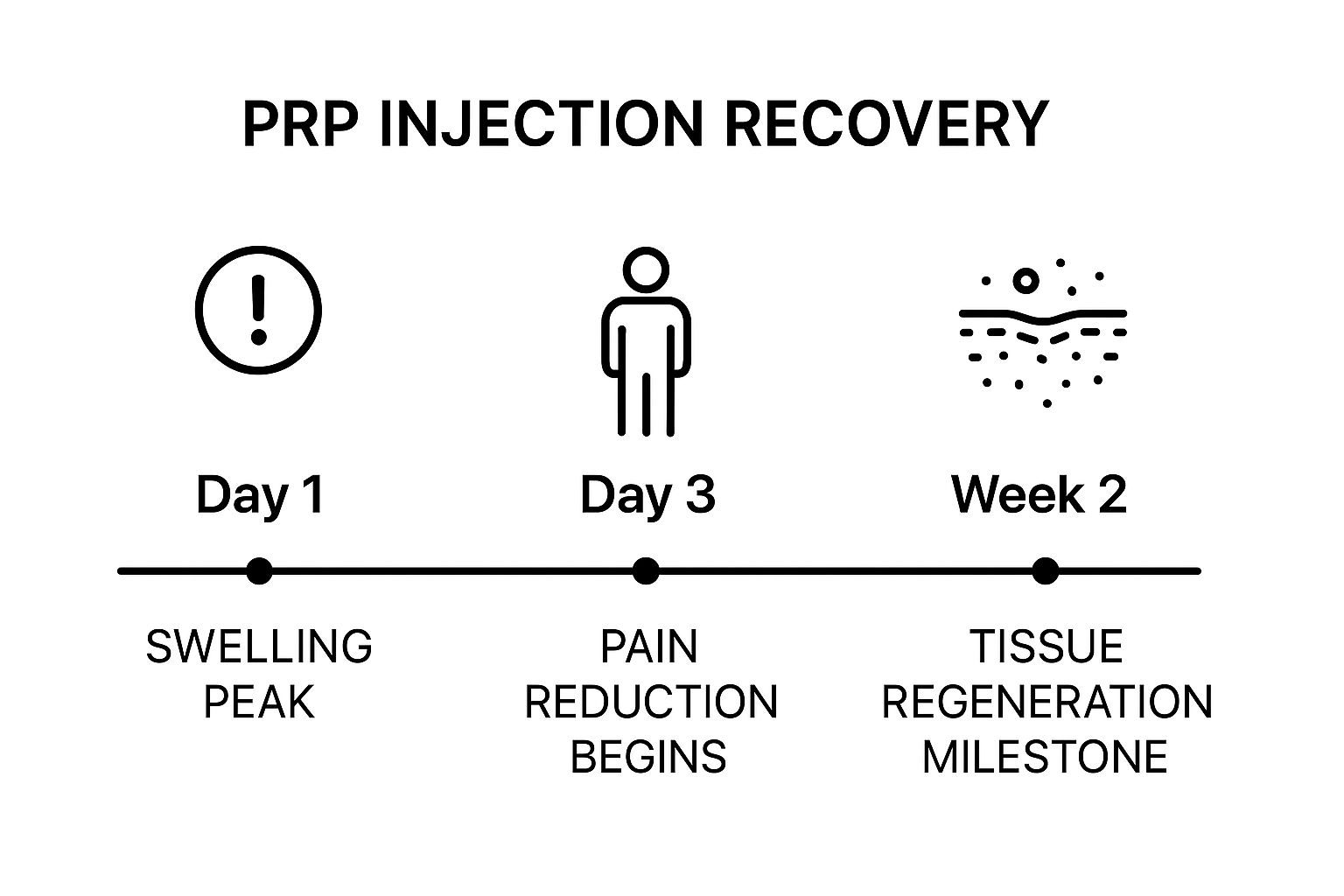
This infographic shows a typical recovery timeline after a PRP injection. Notice the peak swelling on Day 1, with initial pain reduction starting around Day 3, and significant tissue regeneration by Week 2. This visual representation helps illustrate that while some initial discomfort is expected, you'll begin to see noticeable improvement relatively quickly. For additional post-treatment care and pain management, therapies like sports massage can be beneficial.
Post-Injection and Recovery
After the injection, there's a brief monitoring period, followed by detailed aftercare instructions from your practitioner. You might feel some pressure or fullness in the treatment area. This is entirely normal and usually subsides within a few hours.
You'll also receive practical advice on everyday activities, such as driving (which is generally fine unless you've taken anxiety medication), returning to work, and which activities to avoid for the next 24-48 hours.
To help you visualize the entire process, take a look at this helpful table:
PRP Treatment Timeline and Pain Management
This table provides an hour-by-hour guide to what you can expect in terms of pain levels and recommended management strategies throughout your PRP treatment day. Think of it as your personalized roadmap.
| Time Period | What's Happening | Expected Discomfort Level | Recommended Actions |
|---|---|---|---|
| Arrival & Check-in | Completing paperwork, initial consultation | Minimal | Discuss any concerns about pain with your practitioner. |
| Blood Draw | Small blood sample taken (like a lab test) | Minimal | Relax and breathe deeply. |
| Processing | Blood is spun in a centrifuge | None | Relax, read, or listen to music. |
| Injection | PRP injected into the treatment area | Low to Moderate | Communicate with your practitioner about any discomfort. |
| Post-Injection Monitoring | Observation and aftercare instructions provided | Minimal | Ask any remaining questions. |
| Going Home | Minimal | Follow your aftercare instructions carefully. | |
| Next 24-48 Hours | Initial swelling and potential discomfort | Low to Moderate | Ice, elevate, and rest the treated area as directed. Avoid strenuous activity. |
This table summarizes the key stages of your PRP treatment day, along with expected discomfort levels and helpful tips for managing any pain. Knowing what to expect at each step allows you to approach the procedure with confidence and reduces anxiety surrounding the question of PRP injection pain. Remember, open communication with your practitioner throughout the process is key to a comfortable and successful experience.
Red Flags: When PRP Pain Requires Medical Attention
A little discomfort after PRP injections is perfectly normal. Think of it like a cozy campfire – you expect a little warmth. A normal amount of soreness might feel like stiff muscles or a light bruise, gradually fading with each passing day.
But how do you know when that campfire has turned into a raging inferno – a sign of a real problem? Concerning pain is different. It might be sharp, throbbing, or come with significant swelling, redness, or warmth at the injection site.
Distinguishing Normal Discomfort From Potential Complications
Knowing the difference between normal and concerning pain is key. It helps distinguish the expected inflammatory response (which is actually part of PRP’s healing magic) from signs of potential complications, like an infection.
Timing plays a big role. Pain that gets worse after 48 hours, instead of gradually getting better, warrants a call to your practitioner. Fever, chills, or redness that spreads beyond the injection site are serious red flags requiring immediate attention.
Interestingly, while the use of PRP injections has grown globally in fields like orthopedics and dermatology, research into their effectiveness, especially regarding pain management, is ongoing. One study even showed PRP didn't significantly outperform a placebo in reducing knee pain after 12 months. Learn more about PRP research here.
Realistic Healing Timelines
Just like you wouldn’t expect a seed to sprout overnight, healing takes time. We'll explore realistic healing timelines for different injection sites so you can understand when discomfort crosses the line from “normal” to “something’s not right.” This knowledge empowers you to take action if needed.
When and How to Contact Your Provider
If you're concerned about your pain, knowing how to effectively communicate with your healthcare provider is essential. Think of it like preparing for an important meeting: having the necessary information readily available allows for efficient and effective problem-solving.
This section offers guidelines on how to contact your provider, what information they’ll need, and practical tips for documenting your symptoms. This proactive approach ensures you get the right care and support during your recovery journey.
Making Your PRP Decision With Realistic Expectations
Now that we've talked about what PRP injections feel like, you're better equipped to decide if it's right for you. Think honestly about your pain tolerance. If you’re generally unfazed by needles and typical medical procedures, PRP probably won’t be a big deal. If you tend to experience medical anxiety, that doesn't rule out PRP, but it does suggest you might want to plan ahead and perhaps consider some anxiety management techniques.
Questions to Ask Your Practitioner
Don't be shy! Ask potential practitioners about their approach to pain management, their success rates, and what their patients typically say about the experience. Ask about numbing creams, the size of needles they use, and their specific injection technique. A practitioner who truly cares about patient comfort will be more than happy to discuss these details with you. It's also worth talking about any stress or anxiety you feel about the procedure itself, as these can heighten your perception of pain. Managing any pre-existing mental health concerns can really make a difference in your overall experience, much like how it impacts overall well-being, as discussed on dad mental health.
Considering the Bigger Picture
When weighing the pros and cons of PRP, think beyond just the financial cost. Consider the time commitment, any limitations on your activities afterward, and the emotional energy involved. It’s wise to explore other treatment options as well. They might offer a different balance of risks and benefits that aligns better with your individual needs and preferences.
The Psychology of Comfort
Fear of discomfort is understandable, but it shouldn't automatically prevent you from considering a potentially beneficial treatment. Comfort during medical procedures is a valid concern. It's all about finding the right balance – recognizing the potential upsides while also respecting your personal comfort level. PRP injections, while they might cause some temporary discomfort, offer a minimally invasive way to address a variety of conditions.
Ultimately, making a truly informed decision about PRP involves understanding the sensations you might experience, having realistic expectations, and keeping your overall well-being front and center. If you’re ready to learn more about this treatment, visit PRP For HairLoss to explore how PRP could help you achieve your hair restoration goals.
 PRP For Hairloss
Leave a comment