PRP Hairline Transformations: Unveiling the Possibilities
This listicle showcases six real PRP hairline before and after results, demonstrating the potential of this increasingly popular treatment. We'll analyze specific PRP protocols and outcomes for various hair loss concerns. Understand how PRP can address everything from temple recession and frontal thinning to crown restoration and even post-hair transplant enhancement. We'll also cover PRP for eyebrow reconstruction and female pattern hair loss. By examining these diverse applications, you'll gain practical insights into whether PRP might be right for you. A healthy lifestyle can complement any hair restoration journey. If you're also looking at lifestyle factors to support your PRP treatment, consider strategies to increase energy naturally. This in-depth analysis goes beyond simple before and after pictures. We delve into the why behind the results, providing actionable takeaways to help you navigate your own hair restoration journey. This listicle analyzes examples like a strategist breaking down successful campaigns and focusing on replicable strategies and methods. Learn from the successes, understand the nuances, and discover the potential of PRP for achieving your hair goals. We’ll cover these key areas:
- Temple Recession Restoration
- Frontal Hairline Densification
- Crown and Vertex Restoration
- Eyebrow Reconstruction with PRP
- Post-Hair Transplant PRP Enhancement
- Female Pattern Hair Loss Treatment
1. Temple Recession Restoration
Temple recession, often one of the earliest and most noticeable signs of androgenetic alopecia, can significantly impact one's appearance and self-confidence. PRP therapy offers a promising solution for restoring hair density and reshaping the hairline in these crucial temporal areas. This non-surgical treatment utilizes the growth factors present in your own blood to stimulate dormant hair follicles and promote new hair growth. The process involves drawing a small blood sample, processing it to concentrate the platelets (which contain the growth factors), and then injecting the PRP directly into the scalp at the receding temples.
How PRP Works for Temple Recession
PRP works by leveraging the body's natural healing mechanisms. The concentrated growth factors in PRP signal the hair follicles to enter the growth phase (anagen), leading to increased hair production, thicker hair shafts, and improved overall hair density. This targeted approach makes PRP especially effective for addressing temple recession, where hair follicles often miniaturize and become dormant due to genetic predisposition or hormonal changes.
Real-World Success Stories
PRP's efficacy in treating temple recession is backed by numerous success stories. One example involves a 25-year-old male with a Norwood II pattern who achieved a remarkable 40% density improvement after a series of PRP treatments. Another case showcases a professional athlete experiencing stress-related temple thinning who achieved full restoration. Even women experiencing post-pregnancy hormonal hair loss have seen significant regrowth in their temporal regions thanks to PRP. These diverse examples highlight the versatility of PRP in addressing temple recession across various demographics and underlying causes.
Actionable Tips for Optimal Results
Maximizing the benefits of PRP for temple recession involves a combination of proactive measures and post-treatment care. Here are some key tips:
- Early Intervention: Start treatment at the first signs of recession for optimal results. Early intervention can help prevent further hair loss and maximize regrowth potential.
- Nutritional Support: Maintain a healthy diet rich in iron and protein to support hair growth. These nutrients are crucial for building strong and healthy hair.
- Pre-Treatment Preparation: Avoid blood thinners 48 hours before treatment to minimize bruising and bleeding. Consult with your doctor regarding any medications you're taking.
- Post-Treatment Care: Use gentle, sulfate-free shampoos post-treatment to avoid irritating the scalp. Gentle cleansing helps maintain a healthy scalp environment for optimal hair growth.
The following infographic summarizes the key data points for temple recession restoration with PRP therapy. It visualizes the typical treatment protocol, expected timeline, and potential density increase.
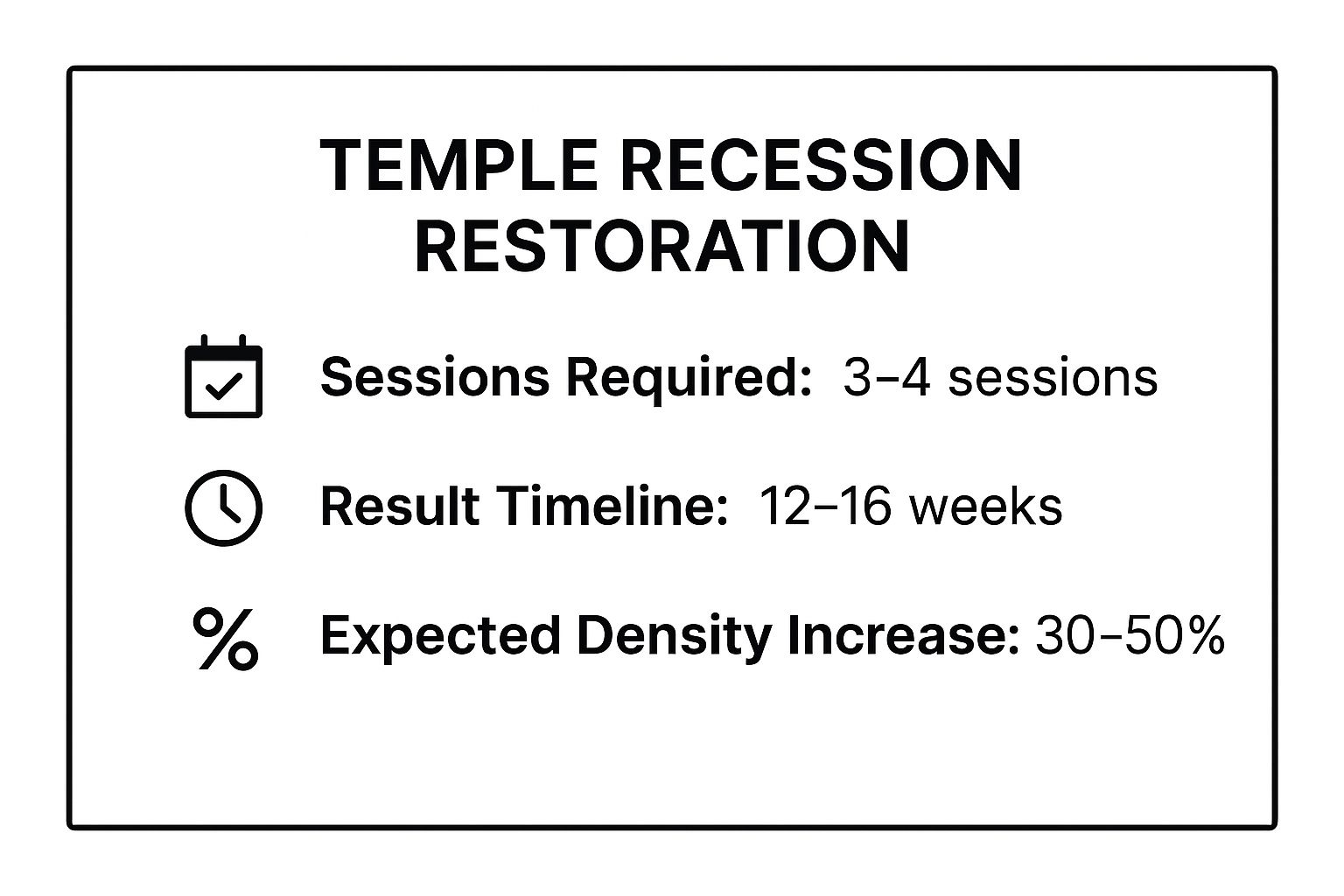
As the infographic illustrates, noticeable improvements are typically seen within 3-4 sessions, spread over 12-16 weeks, with a potential density increase of 30-50%. These figures demonstrate the effectiveness of PRP as a non-surgical hair restoration option for temple recession. PRP offers a compelling alternative to traditional hair transplants, especially for individuals in the early stages of hair loss or those seeking a less invasive approach. The popularity of PRP therapy has surged, championed by specialists like Dr. Jerry Cooley and recognized by organizations like the International Society of Hair Restoration Surgery, solidifying its place as a valuable treatment option for those looking to regain their hairline and confidence.
2. Frontal Hairline Densification
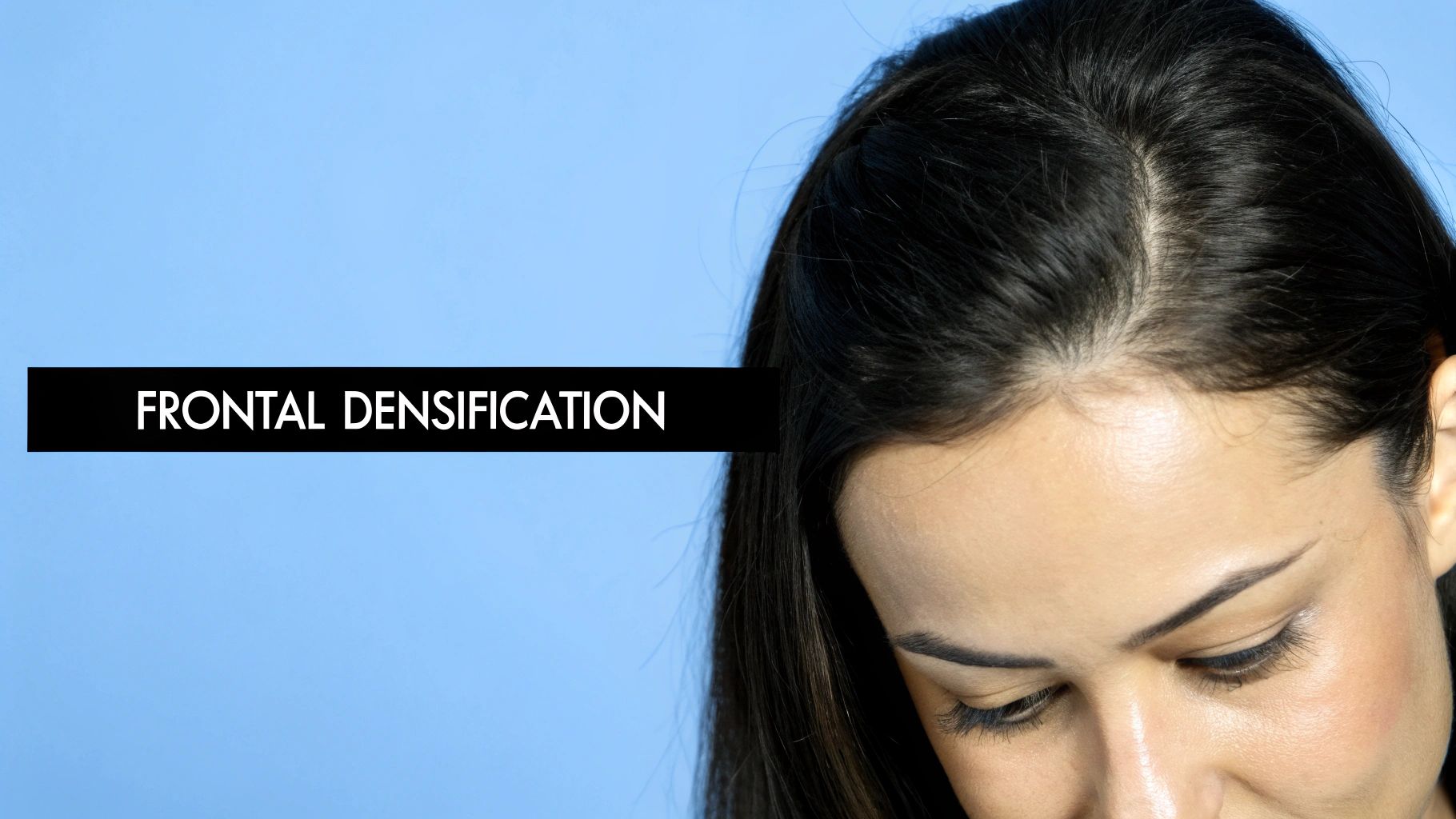
Frontal hairline densification using PRP targets the forefront of the scalp, aiming to create a fuller, more defined hairline. This area is often one of the first to show signs of thinning, significantly impacting one's perceived age and overall appearance. PRP therapy offers a non-surgical solution to rejuvenate the frontal hairline by stimulating existing follicles and promoting new hair growth. The process involves injecting concentrated platelets, rich in growth factors, directly into the scalp along the hairline. This triggers the body's natural healing processes, encouraging dormant hair follicles to re-enter the growth phase.
How PRP Works for Frontal Hairline Densification
PRP harnesses the power of growth factors found within the patient's own blood. These growth factors play a crucial role in tissue repair and regeneration. When injected into the scalp, they stimulate the hair follicles, leading to increased blood flow, nutrient delivery, and ultimately, hair growth. This process not only increases hair density but also improves hair caliber, making existing hairs thicker and less prone to breakage. This dual action of stimulating growth and improving hair thickness is what makes PRP so effective for frontal hairline densification.
Real-World Success Stories
PRP's impact on frontal hairlines is evident in numerous successful cases. A 30-year-old woman experiencing diffuse frontal thinning achieved a remarkable 45% increase in hair density after a series of PRP treatments, regaining a youthful, full hairline. In another case, a male patient with early-stage male pattern baldness experienced significant hairline restoration, achieving a natural-looking result without the need for surgery. Furthermore, individuals recovering from chemotherapy have seen accelerated hair regrowth along the frontal hairline with the aid of PRP, demonstrating its versatility in addressing various hair loss concerns.
Actionable Tips for Optimal Results
Optimizing PRP treatment for frontal hairline densification requires a proactive approach. Consistent photographic documentation allows for precise tracking of progress and treatment adjustments. Combining PRP with low-level laser therapy can further enhance results by providing additional follicular stimulation. Proper hydration before and after procedures is crucial for overall health and can contribute to better treatment outcomes. Avoiding alcohol for at least 24 hours before treatment minimizes bleeding and bruising, promoting a smoother recovery process.
PRP for frontal hairline densification offers a compelling alternative to surgical hair restoration. It effectively combats thinning hair and receding hairlines by boosting hair density and thickness, making the scalp less visible. This minimally invasive approach is suitable for both men and women experiencing various types of hair loss, including early-stage male pattern baldness, diffuse thinning, and post-chemotherapy hair loss. The growing popularity of PRP, pioneered by experts like Dr. Alan Bauman and recognized by organizations like the European Society of Hair Restoration Surgery, reinforces its position as a valuable treatment option for those seeking prp hairline before and after results and desiring a fuller, more youthful hairline.
3. Crown and Vertex Restoration
Crown and vertex thinning, often a hallmark of advanced male pattern baldness, presents a unique challenge in hair restoration. Unlike receding temples, crown thinning creates a circular pattern of hair loss at the top of the head, increasing scalp visibility and impacting overall hair density. PRP therapy offers a promising solution, stimulating dormant follicles in this area to promote regrowth and improve coverage. The process mirrors PRP treatments for other areas: drawing blood, isolating the platelet-rich plasma, and injecting it directly into the scalp at the crown and vertex.
How PRP Works for Crown and Vertex Restoration
PRP leverages the power of growth factors to revitalize weakened hair follicles in the crown and vertex. These growth factors signal the follicles to enter the anagen (growth) phase, leading to increased hair production and thicker hair shafts. This targeted approach addresses the specific needs of the crown, where hair follicles are often significantly miniaturized and less responsive to other treatments. By stimulating these dormant follicles, PRP aims to restore lost density and reduce scalp visibility.
Real-World Success Stories
Several success stories demonstrate the potential of PRP for crown and vertex restoration. A 45-year-old executive with a Norwood V pattern experienced significant crown filling after a series of PRP treatments, regaining substantial hair density. In another case, a woman with central scalp thinning achieved a remarkable 50% density improvement, dramatically reducing scalp show-through. Even individuals experiencing early-stage crown thinning have seen complete reversal after six months of consistent PRP treatments. These cases highlight PRP's efficacy across different stages and types of crown thinning.
Actionable Tips for Optimal Results
Optimizing PRP results for crown and vertex restoration requires a proactive approach and consistent aftercare. Parting your hair in different directions helps assess true progress and identify areas needing additional attention. Using volumizing products can enhance the appearance of existing hair during treatment, creating a fuller look while awaiting new growth. Protecting the scalp from sun exposure post-treatment is crucial for maintaining scalp health and promoting optimal healing. Consider adding biotin and collagen supplements to support overall hair health and potentially enhance the effects of PRP. Showcasing your results also means perfecting your online presence, starting with your photo profil LinkedIn for a professional and polished image. Source: Photo profil LinkedIn : Conseils pour une image percutante from Photocube
When and Why to Choose PRP for Crown Restoration
PRP therapy for crown and vertex restoration is particularly effective for individuals experiencing diffuse thinning in these areas, regardless of gender or the underlying cause. It's a viable option for those seeking a non-surgical solution to improve hair density and reduce scalp visibility. Early intervention is key, as addressing crown thinning in its early stages maximizes the potential for regrowth and prevents further progression. PRP offers a less invasive alternative to hair transplantation, especially for those not yet ready for surgery or with diffuse thinning that may not be suitable for transplantation.
The popularity of PRP for crown restoration has surged due to its effectiveness and minimal downtime. Championed by experts like Dr. William Rassman and recognized by organizations like the American Board of Hair Restoration Surgery, PRP's credibility is further solidified by clinical studies from institutions like Harvard Medical School. These endorsements highlight the growing acceptance of PRP as a valuable tool in the fight against hair loss, specifically for crown and vertex thinning. PRP offers a compelling option for individuals looking to restore their hair's fullness and regain their confidence.
4. Eyebrow Reconstruction with PRP
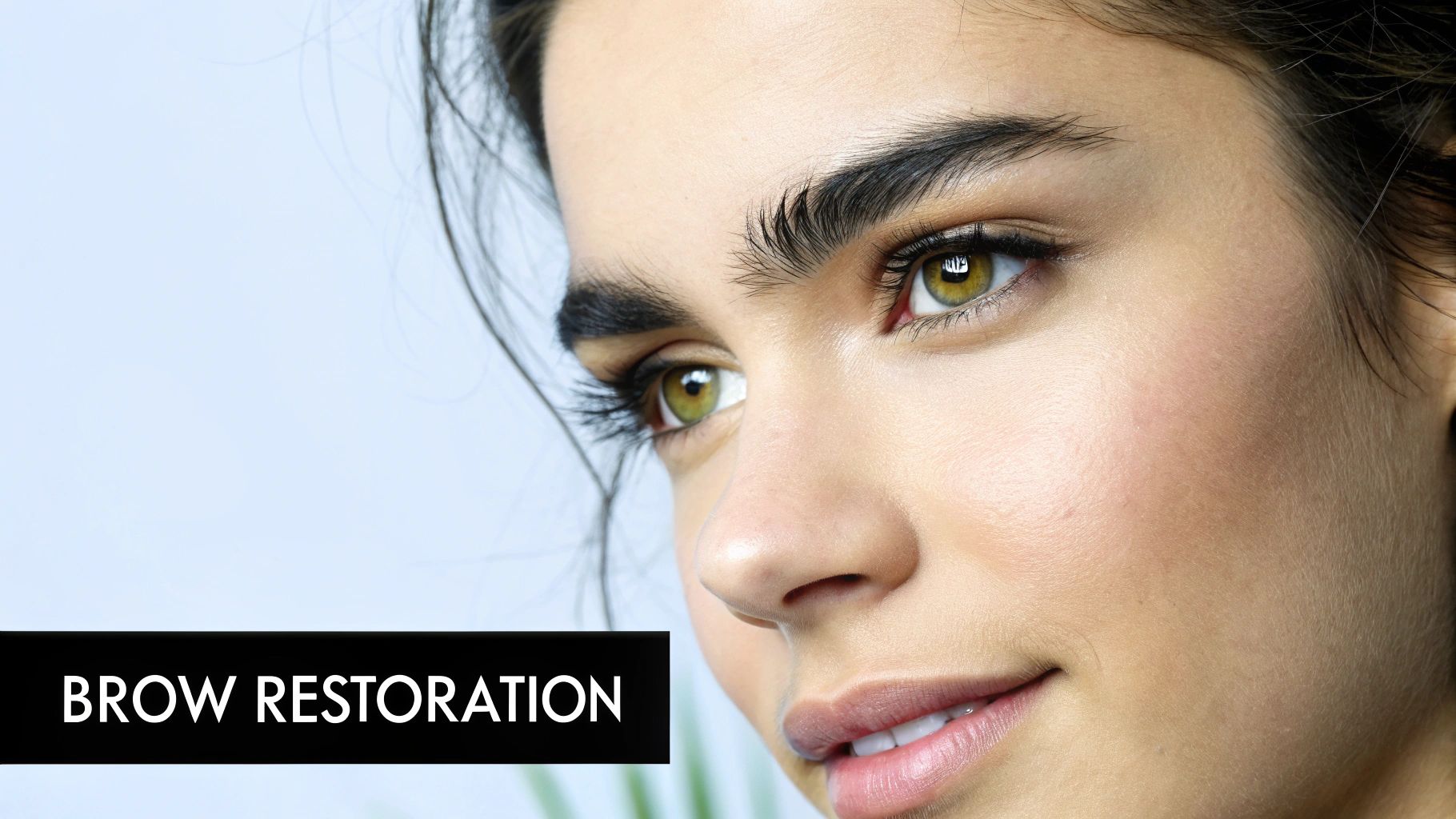
Eyebrow thinning, whether due to over-plucking, medical treatments like chemotherapy, or simply the natural aging process, can significantly impact facial aesthetics and self-confidence. PRP therapy offers a powerful solution for eyebrow reconstruction, stimulating dormant follicles and promoting the growth of fuller, more defined eyebrows. This specialized PRP treatment involves precise injections into the eyebrow area to deliver concentrated growth factors directly to the hair follicles.
How PRP Works for Eyebrow Reconstruction
Similar to its application for scalp hair, PRP utilizes the body's own healing mechanisms to stimulate eyebrow hair growth. The concentrated platelets in PRP contain a rich array of growth factors that signal the eyebrow follicles to enter the anagen (growth) phase. This targeted delivery of growth factors promotes increased hair production, thicker hair shafts, and improved overall eyebrow density. The minimally invasive nature of the procedure makes it an attractive option for those seeking a natural-looking eyebrow enhancement.
Real-World Success Stories
The efficacy of PRP for eyebrow reconstruction is demonstrated through compelling real-world examples. One such case involves a cancer survivor who experienced significant eyebrow hair loss following chemotherapy. After a series of PRP treatments, she achieved remarkable eyebrow regrowth, restoring her facial features and boosting her self-esteem. Another success story involves an individual who suffered from over-plucked eyebrows for years. PRP therapy helped them achieve full eyebrow restoration, giving them the shape and fullness they had always desired. Even individuals experiencing age-related eyebrow thinning have seen positive results with PRP, regaining a more youthful and vibrant appearance.
Actionable Tips for Optimal Results
To maximize the results of PRP for eyebrow reconstruction, several key tips should be followed:
- Mapping: Work with your practitioner to map out your desired eyebrow shape before treatment. This ensures precise injections and optimal aesthetic outcomes.
- Post-Treatment Care: Avoid touching or rubbing the treated area for 24 hours post-treatment to minimize irritation and allow for proper healing.
- Growth Serums: Consider using growth serums between PRP sessions to further enhance hair growth and maintain results.
- Maintenance: Book touch-up sessions every 2-3 months as needed to sustain eyebrow fullness and shape.
PRP for eyebrow reconstruction offers a compelling alternative to traditional methods like microblading or eyebrow transplants. It allows for natural eyebrow regrowth, creating fuller, more defined eyebrows that enhance facial features and restore confidence. Championed by experts like Dr. Shino Bay Aguilera and recognized by organizations like the International Association of Trichologists, PRP eyebrow reconstruction is gaining popularity as a safe and effective treatment option for those seeking natural and lasting eyebrow enhancement. The before-and-after photos showcasing dramatic improvements in eyebrow fullness and shape definition provide compelling evidence of PRP's efficacy in this specialized application of the therapy. This approach can be a valuable option for anyone looking to restore their eyebrows and reclaim a sense of self-assuredness, particularly for those concerned with "prp hairline before and after" results in a broader sense of facial rejuvenation.
5. Post-Hair Transplant PRP Enhancement
Post-hair transplant PRP enhancement represents a significant advancement in hair restoration. It involves using PRP therapy as a complementary treatment following a hair transplant procedure. This combined approach aims to improve graft survival rates, accelerate healing, and enhance the overall results of the transplant. Before-and-after comparisons often reveal improved transplant density and faster recovery compared to transplants performed without PRP. This makes it a valuable consideration for anyone undergoing hair transplant surgery.
How PRP Enhances Hair Transplants
PRP works synergistically with hair transplants by creating an optimal environment for graft integration. The growth factors in PRP stimulate the blood supply to the transplanted follicles, promoting faster healing and reducing the risk of graft failure. This targeted delivery of growth factors can also enhance hair thickness and overall density in the transplanted area. The process typically involves PRP injections immediately after the transplant surgery and sometimes in subsequent sessions.
Real-World Success Stories
Several compelling cases demonstrate the effectiveness of post-transplant PRP enhancement. One study documented a patient achieving a 95% graft survival rate with PRP, compared to the average 85% seen in transplants without PRP. Another case featured a celebrity hair transplant patient who experienced significantly accelerated recovery and reduced scarring thanks to PRP. Furthermore, medical studies comparing transplant results with and without PRP consistently show improved outcomes in the PRP group. This further validates its benefits as a complementary therapy.
Actionable Tips for Optimal Results
To maximize the benefits of post-transplant PRP enhancement, consider the following:
- Choose Experienced Surgeons: Select a surgeon with extensive experience in both hair transplantation and PRP therapy. Their expertise is crucial for optimal results.
- Follow Post-Operative Protocols: Adhere strictly to all post-operative PRP protocols provided by your surgeon. This will ensure proper healing and minimize complications.
- Plan for Additional Recovery Time: Account for additional recovery time associated with the PRP sessions. While PRP speeds up overall healing, it still adds to the immediate post-operative period.
- Maintain Proper Nutrition: A healthy diet rich in protein, vitamins, and minerals is essential for optimal healing and hair growth. This supports the body's natural regenerative processes.
Pioneered by experts like Dr. Robert Leonard and supported by organizations such as the International Society of Hair Restoration Surgery, post-transplant PRP enhancement has become an increasingly popular technique. Many Turkish hair transplant clinics have also been at the forefront of integrating PRP into their transplant procedures, showcasing the global adoption of this innovative approach. This approach offers a promising way to further enhance the outcomes of hair transplant surgery, leading to improved graft survival, faster healing, and ultimately, a more natural and fuller head of hair. This makes it an excellent option for those seeking the best possible results from their hair restoration journey. By combining the proven benefits of hair transplantation with the regenerative power of PRP, patients can achieve truly transformative results and regain their confidence.
6. Female Pattern Hair Loss Treatment
Female pattern hair loss (FPHL), characterized by diffuse thinning across the scalp, often presents a unique challenge. Unlike male pattern baldness, FPHL rarely leads to complete baldness but can significantly impact a woman's self-esteem. PRP therapy offers a promising solution for restoring hair density and addressing the underlying causes of this common condition. This non-surgical treatment harnesses the regenerative power of platelets found in your own blood to stimulate dormant follicles and encourage new hair growth. The process involves drawing a small blood sample, processing it to isolate the platelet-rich plasma (PRP), and then injecting it directly into the thinning areas of the scalp.
How PRP Works for Female Pattern Hair Loss
PRP therapy works by delivering a concentrated dose of growth factors directly to the hair follicles. These growth factors promote cell regeneration, stimulate the hair growth cycle (anagen phase), and improve blood circulation to the scalp. This targeted approach makes PRP particularly effective for treating FPHL, which is often caused by a combination of hormonal imbalances, genetic predisposition, and environmental factors. By addressing the underlying causes and stimulating the follicles, PRP helps to reverse the thinning process and promote thicker, healthier hair growth.
Real-World Success Stories
The effectiveness of PRP in treating FPHL is demonstrated through various success stories. A postmenopausal woman experiencing significant hair thinning achieved a remarkable 60% density improvement after a series of PRP treatments. In another case, a patient with Polycystic Ovary Syndrome (PCOS), a common hormonal disorder linked to hair loss, saw substantial regrowth and improved hair texture. Even new mothers struggling with postpartum hair loss have experienced noticeable improvements in hair density and overall scalp health thanks to PRP. These diverse cases highlight PRP's versatility in addressing FPHL across various demographics and underlying causes.
Actionable Tips for Optimal Results
Maximizing the benefits of PRP for FPHL requires a holistic approach. Here are some key tips:
- Hormonal Balance: Address any underlying hormonal imbalances concurrently with PRP treatments. Consult with a healthcare professional to determine the appropriate course of action.
- Gentle Hair Care: Use sulfate-free and paraben-free shampoos and conditioners to avoid irritating the scalp during and after treatment. A healthy scalp environment is crucial for optimal hair growth.
- Nutritional Support: Consider iron and vitamin D supplementation, as deficiencies in these nutrients can contribute to hair loss. Consult with your doctor to assess your individual needs.
- Cycle Timing: If applicable, consider coordinating PRP treatments with your menstrual cycle. Some studies suggest that treatment during specific phases may enhance results, although further research is needed.
PRP offers a compelling non-surgical alternative for women experiencing FPHL. The treatment's rising popularity, championed by specialists like Dr. Sharon Keene and recognized by organizations such as the International Association of Trichologists, solidifies its place as a valuable treatment option for women seeking to regain their hair density and confidence. While individual results may vary, PRP therapy provides a promising path towards restoring a fuller, healthier head of hair for women affected by FPHL. By targeting the underlying causes of hair loss and stimulating natural growth processes, PRP offers a safe and effective way to achieve noticeable improvements in hair density and overall scalp health, providing women with a long-term solution for their hair loss concerns. When considering PRP for FPHL, it's essential to consult with a qualified medical professional to determine if the treatment is right for you and to develop a personalized treatment plan based on your individual needs and goals. They can assess your specific hair loss pattern, medical history, and any underlying conditions to provide the most effective treatment approach.
PRP Hairline Treatment: 6 Case Comparisons
| Treatment Type | Implementation Complexity 🔄 | Resource Requirements ⚡ | Expected Outcomes 📊 | Ideal Use Cases 💡 | Key Advantages ⭐ |
|---|---|---|---|---|---|
| Temple Recession Restoration | Moderate: 3-4 sessions over 3-4 months | Moderate PRP volume, combined with microneedling | 30-50% hair density increase, 60-80% satisfaction | Early-stage temple recession, Norwood II pattern | High success rate, minimal downtime, natural look |
| Frontal Hairline Densification | High: Multiple sessions (4-6), precise micro-injections | Higher cost and frequent sessions | 45% density improvement, gradual fuller hairline | Diffuse frontal thinning, post-chemotherapy recovery | Strengthens weak follicles, improves hair thickness |
| Crown and Vertex Restoration | Moderate to High: Larger treatment area, radial injections | Larger PRP volume, longer treatment timeline | 50% density improvement, 75-85% patient satisfaction | Crown balding with circular thinning pattern | Good scalp coverage, prevents progression |
| Eyebrow Reconstruction with PRP | Moderate: Precise micro-injections, multiple short sessions | High concentration PRP, skilled practitioner | Dramatic eyebrow fullness, results in 4-6 months | Over-plucked, chemotherapy-related, or thin eyebrows | Quick treatment, natural hair growth pattern |
| Post-Hair Transplant PRP Enhancement | Moderate: Coordinated post-surgical application with follow-ups | Extra PRP and scheduling with surgery | 15-25% better graft survival and density | Adjunct to hair transplant surgery | Accelerates healing, improves graft survival |
| Female Pattern Hair Loss Treatment | Moderate to High: Tailored injection patterns, hormonal coordination | Larger treatment areas, hormonal assessments | 60%+ density improvement, 70-80% success rate | Diffuse female hair thinning, hormonal hair loss | Addresses hormonal factors, safe for most life stages |
Charting Your Course to a Fuller Hairline with PRP
This article explored various PRP hairline before and after results, demonstrating the potential of PRP therapy for diverse hair loss situations. We examined cases ranging from temple recession restoration and frontal hairline densification to crown restoration and even eyebrow reconstruction. Each example showcased the potential of PRP, emphasizing the importance of tailored treatment protocols.
Key Takeaways for PRP Hair Restoration
- Individualized Treatment: PRP therapy isn't a one-size-fits-all solution. The examples highlighted the necessity of personalized treatment plans based on the specific area of hair loss, its severity, and individual patient characteristics.
- Combination Therapy: In some cases, combining PRP with other hair restoration methods, such as hair transplants, can amplify results. This synergistic approach can lead to more comprehensive and lasting improvements.
- The Importance of a Qualified Practitioner: Selecting an experienced and knowledgeable medical professional specializing in hair restoration is paramount for successful PRP therapy. Their expertise ensures proper diagnosis, tailored treatment plans, and optimal outcomes.
Actionable Next Steps on Your PRP Journey
Understanding your specific hair loss condition is the first step. Consult with a hair restoration specialist to discuss if PRP therapy aligns with your needs and goals. They can evaluate your hair loss pattern, discuss potential treatment protocols, and provide realistic expectations regarding PRP hairline before and after outcomes. For women experiencing hair loss, there are a variety of solutions. Consider exploring some effective remedies: Remedios Caida Pelo Mujer Soluciones Efectivas Hoy from mirik beauty.
The Value of Informed Decision-Making
Empowering yourself with knowledge about PRP therapy and understanding the nuances of PRP hairline before and after scenarios allows for more informed decision-making. This proactive approach can significantly impact your hair restoration journey and increase the likelihood of achieving desired results.
Embracing a Proactive Approach to Hair Health
Addressing hair loss proactively can significantly impact self-confidence and overall well-being. PRP therapy presents a potential solution, and by understanding the factors contributing to its success, you can navigate your hair restoration journey with greater clarity and confidence.
Are you ready to explore the potential of PRP therapy for hair restoration? PRP For HairLoss provides comprehensive information about PRP treatments, helping you understand the process and discover if it’s the right solution for achieving your hair goals. Learn more about how PRP For HairLoss can help you understand those "prp hairline before and after" photos you've been searching for.
 PRP For Hairloss
Leave a comment