Understanding What You're Actually Paying For With PRP
When considering PRP therapy for hair loss, it’s easy to get fixated on the sticker price. However, the advertised cost often only tells part of the story. The true investment in PRP goes beyond the initial consultation and represents a commitment to a specific process, one that can vary dramatically between clinics. Let’s unpack what truly constitutes a quality PRP treatment and how those variations impact your overall spend.
A critical factor affecting both cost and efficacy is the PRP preparation protocol. The concentration of platelets within the injected plasma is paramount. Clinics employing advanced centrifuge techniques, such as double spinning, yield a higher concentration of platelets, delivering a more potent dose of growth factors to the hair follicles. This meticulous approach comes at a higher cost, while clinics using simpler centrifugation may offer lower prices but potentially compromise results.
The image below depicts the appearance of PRP after centrifugation.
The visible yellowish PRP layer, nestled between other blood components, contains the crucial growth factors. The quality and concentration of this PRP layer, and therefore the treatment’s effectiveness, is directly linked to the sophistication of the centrifugation process.
Another key cost variable lies in the injection technique. The skill and experience of the practitioner matter significantly. Precise injections, strategically targeting the affected areas of the scalp, optimize follicle stimulation. This level of expertise typically commands a higher fee. While less experienced technicians may offer lower rates, the risk of uneven results or suboptimal follicle coverage increases.
Beyond the core PRP procedure, consider the influence of supplementary therapies. Some clinics integrate microneedling or LED light therapy alongside PRP injections. These additions can enhance results but also increase the overall cost of the treatment plan.
So, when weighing the value of PRP, look beyond the initial price tag. A higher cost might signal a commitment to superior PRP preparation, a more refined injection technique, and the inclusion of beneficial supplementary treatments. Conversely, a significantly lower price could indicate compromises in these areas, ultimately impacting the effectiveness of the treatment. Understanding these nuances allows for informed decision-making, ensuring you’re investing in a quality treatment and not just a discounted price.
The Success Rate Reality Check: What Actually Works
Is Platelet-rich plasma (PRP) therapy worth it for hair loss? It's a complex question without a simple answer. While enticing marketing campaigns often showcase impressive success rates, the reality is far more nuanced. To set realistic expectations, you need to understand the intricacies of what makes PRP effective, going beyond generic statistics and examining the specific factors influencing individual outcomes.
One crucial factor is the severity of your hair loss. Those in the early stages of thinning typically experience more noticeable improvements compared to those with advanced hair loss. Imagine fertilizing a thinning lawn versus trying to revive a barren patch of dirt – you'll see more impact where there’s still life to nurture. Age also plays a significant role. Younger patients generally possess a stronger regenerative capacity, which can potentially contribute to better results.
Beyond the individual, the treatment protocol itself has a substantial impact. The concentration of platelets within the injected plasma, the precision of the injection technique, and the frequency of treatments all contribute to the overall efficacy. A higher concentration of platelets provides a more powerful dose of growth factors. Accurate injections, targeting the affected hair follicles precisely, are essential. Finally, a consistent treatment schedule, personalized to your individual needs, will maximize your potential for regrowth. PRP therapy has shown promise in other areas like osteoarthritis and sports injuries, boasting success rates as high as 90% for conditions like knee osteoarthritis, resulting in significant pain reduction and improved function. Learn more about PRP success rates here.
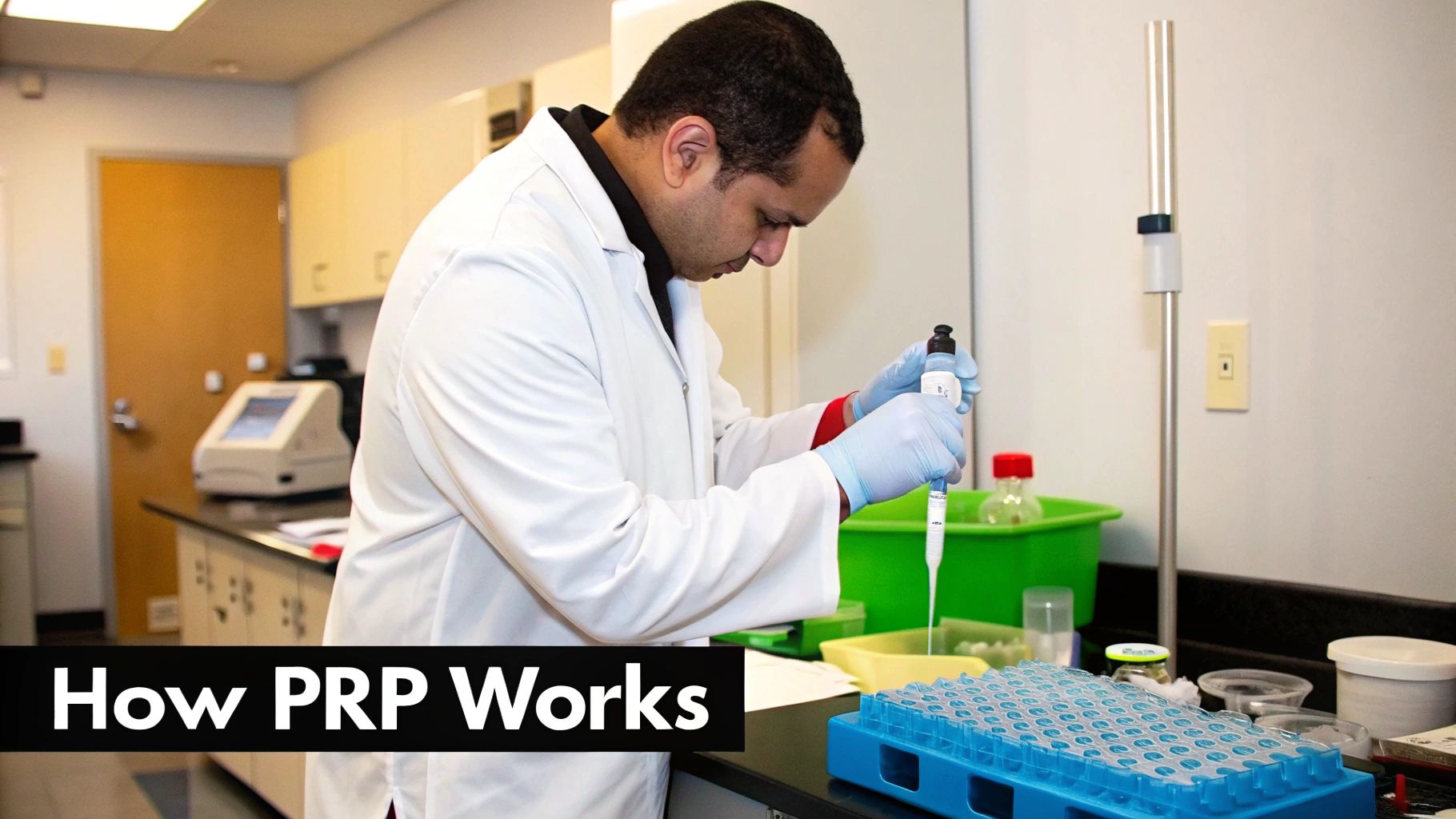
It's also essential to acknowledge the variations found within research studies. Some studies report striking improvements, while others reveal more moderate outcomes. This inconsistency often arises from differences in study methods, patient demographics, and variations in treatment protocols. This underscores the importance of consulting with a qualified medical professional. They can assess your unique situation and help you decide if PRP is the right path for you.
A qualified professional will guide you through the complexities of the research and create a personalized treatment plan tailored to your specific needs and desired outcomes. This individualized approach is key to maximizing your chances of a successful outcome and definitively answering whether PRP is “worth it” for you.
PRP Success Rates by Treatment Area
The following table provides a comparison of documented success rates for PRP therapy across various medical conditions and treatment areas. This data offers a general overview and individual results can vary. Consult with a medical professional for personalized assessments.
| Treatment Area | Success Rate Range | Duration of Benefits | Patient Satisfaction |
|---|---|---|---|
| Hair Loss | 60-80% | 12-24 months | Moderately High |
| Knee Osteoarthritis | 70-90% | 6-12 months | High |
| Sports Injuries (Tendons/Ligaments) | 65-85% | Variable, depending on injury | Moderately High |
This table highlights the variable nature of PRP success rates, depending heavily on the specific condition being treated. While hair loss treatments demonstrate a respectable success rate, other applications like knee osteoarthritis tend to show higher percentages. Patient satisfaction also varies, suggesting the importance of managing expectations and understanding the potential limitations of PRP therapy.
The Long-Term Commitment: Duration and Maintenance Reality
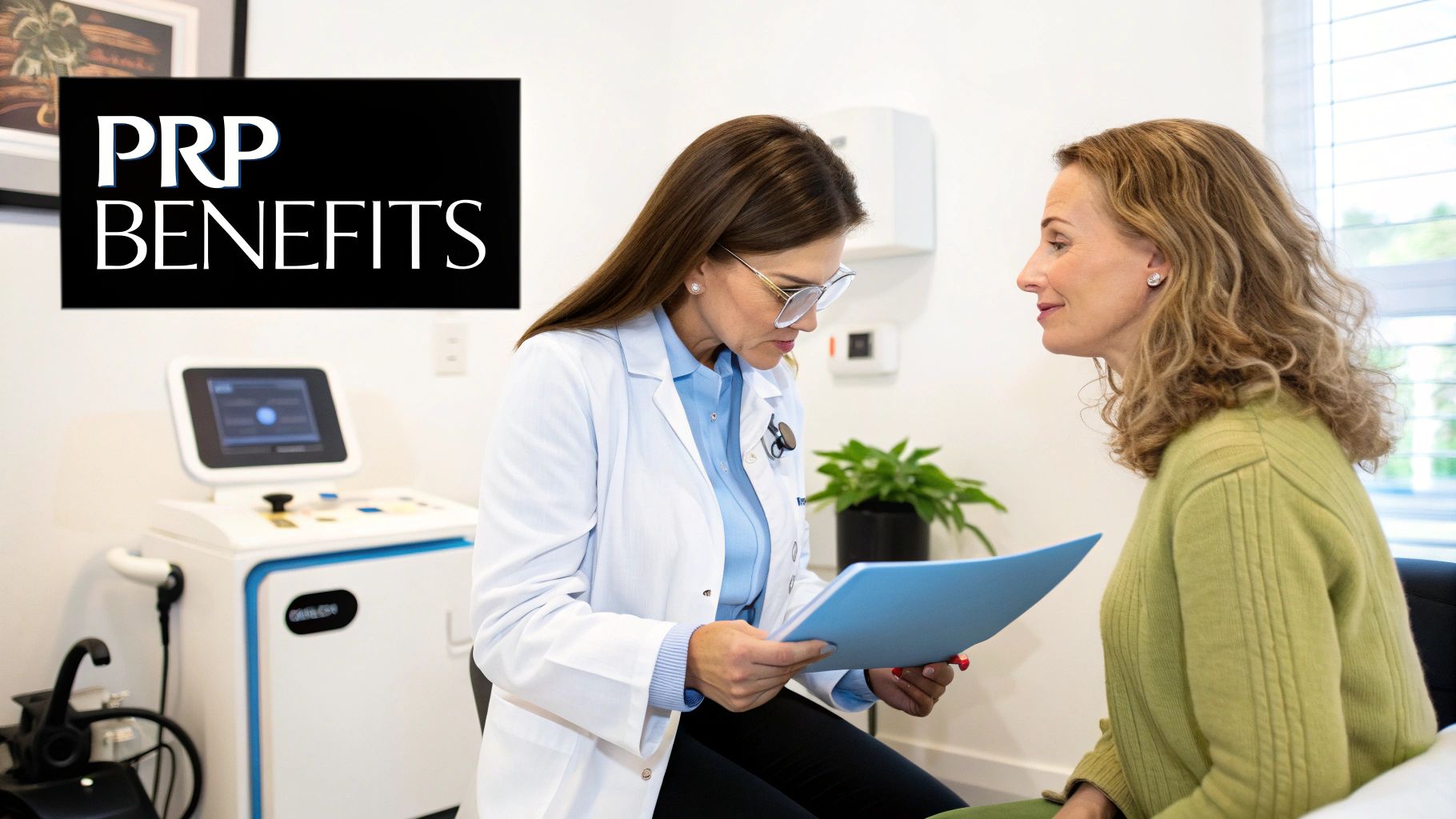
When considering PRP therapy for hair loss, the question of "is it worth it?" often hinges on understanding the long-term commitment involved. While the initial cost is a factor, maintaining the achieved results requires ongoing treatments, a recurring expense many underestimate. The overall time investment for sustained benefits is also a critical aspect to consider. Let's examine the maintenance reality of PRP for hair loss.
The duration of PRP's effects varies considerably among individuals. Some see benefits lasting over a year, while others may need treatments every six months. Several factors influence this variability: the patient's age, the severity of their hair loss, and the specific PRP protocol employed. Generally, younger patients and those with early-stage hair loss tend to see longer-lasting results.
More refined techniques, such as higher platelet concentrations and precise injection techniques, can also contribute to extended efficacy. However, even with a successful initial treatment, consistent maintenance is typically essential for long-term improvement. This means budgeting for future treatments and scheduling them as part of your ongoing hair loss management strategy.
Maintenance and Frequency
Many clinics recommend an initial series of treatments spaced four to six weeks apart, followed by maintenance treatments every six to twelve months. This frequency ensures consistent delivery of growth factors to the stimulated hair follicles. Individual needs vary, however, and what works for one person may not be ideal for another.
The duration of benefits can also be seen in other applications of PRP therapy. For example, in knee osteoarthritis, PRP injections often provide pain relief for 6 to 12 months. This extended relief is valuable for patients seeking alternatives to more invasive procedures or those wishing to avoid continuous medication. For more insights on this, you can explore this resource from the Mayo Clinic. This highlights how a personalized approach is vital. A discussion with your healthcare provider about a tailored maintenance plan is crucial for determining the best course of action for your specific situation.
Discontinuation and Long-Term Value
Another key factor to consider is what happens if PRP treatments are discontinued. The benefits typically diminish gradually, and hair loss may revert to its previous pattern. This underscores the important point that PRP is not a one-time solution but an ongoing process requiring commitment.
Factoring in both the frequency and cost of maintenance treatments is essential for accurately assessing the long-term value of PRP. This realistic assessment allows you to determine if the therapy aligns with your budget and overall hair restoration goals.
PRP vs. Your Other Options: When Each Treatment Shines
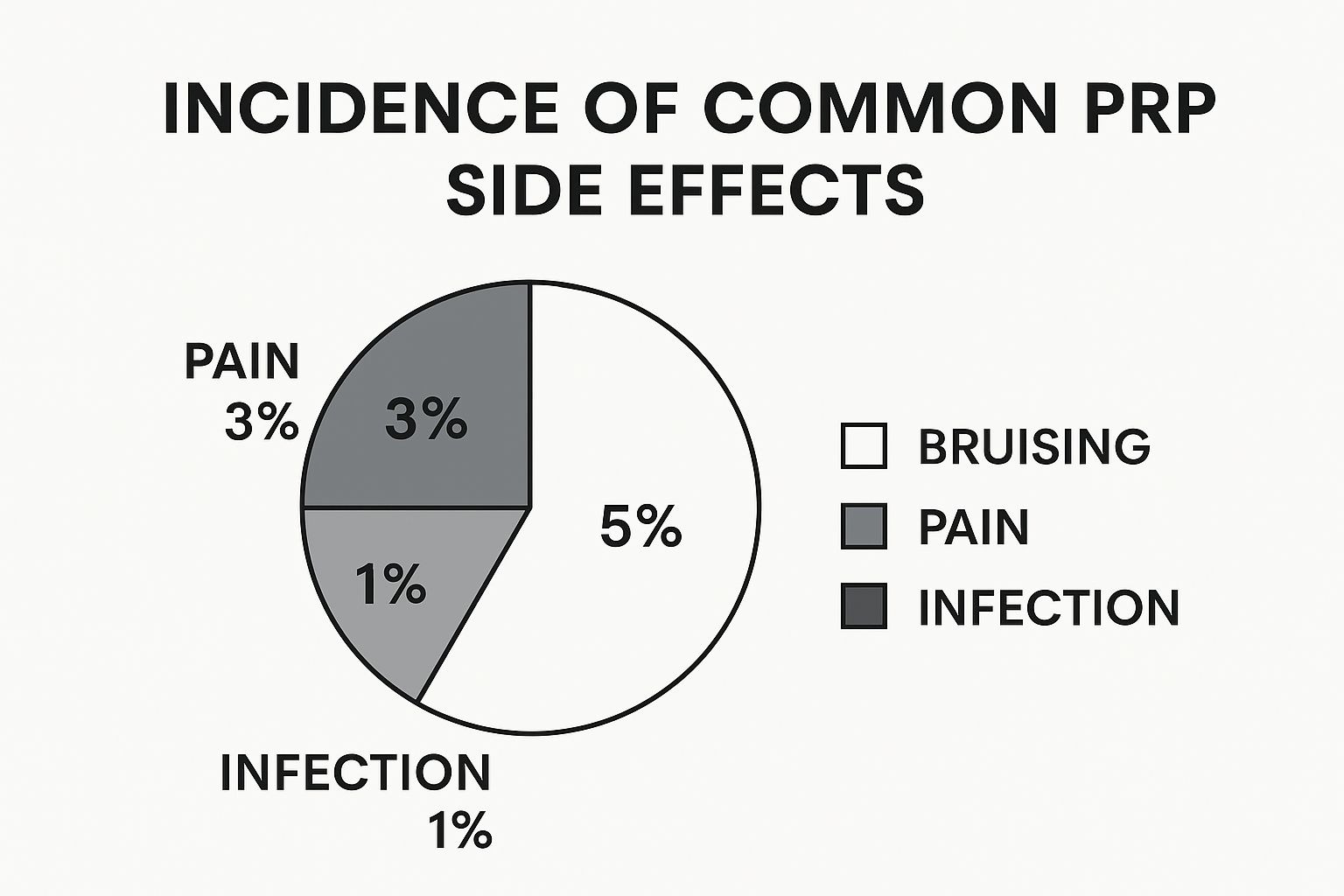
This infographic illustrates the incidence of common PRP side effects: 5% for bruising, 3% for pain, and just 1% for infection. These low numbers suggest a generally safe procedure, particularly when performed by experienced practitioners. Side effects are possible, but they are usually mild and infrequent. The real question remains: does PRP fit your specific situation better than other options?
Let's consider two different scenarios. First, imagine a man in his early thirties noticing his hair starting to thin. Minoxidil hasn't been effective, and he's wary of finasteride’s potential side effects. PRP could be an ideal middle ground – minimally invasive with a good success rate for early hair loss. It’s a potential bridge between topical solutions and stronger pharmaceuticals.
Now, picture a man in his fifties with substantial hair loss wanting to regain density up front. A hair transplant might be the more impactful, immediate choice here. While PRP can be beneficial after a transplant, it likely won’t achieve the desired regrowth alone in advanced hair loss.
PRP in a Broader Context
Interestingly, PRP is proving effective in other areas, like osteoarthritis. Studies show it can outperform hyaluronic acid (HA) in pain reduction and improved function. Combining PRP with HA might offer even better results, improving pain, function, and stiffness more than HA alone. Though promising, it's important to acknowledge that current research varies in methodology and potential bias. For more, check out this research on PRP for osteoarthritis: Platelet-Rich Plasma for Osteoarthritis in 2024.
Individualized Approaches to Hair Restoration
PRP can be especially effective for those who haven’t responded well to other treatments. Someone who saw no results with finasteride, for example, might find PRP significantly beneficial. It offers a different path to hair restoration, a valuable option when others fail.
To help you make the best decision, let's compare PRP against other common hair loss treatments:
To help you make a more informed decision, the table below summarizes the key features of PRP against other popular hair loss treatments:
Treatment Comparison Matrix: Comprehensive comparison of PRP against major alternative treatments including costs, effectiveness, and recovery requirements
| Treatment Type | Average Cost | Treatment Sessions | Recovery Time | Effectiveness Rating |
|---|---|---|---|---|
| PRP Therapy | $500-$2,000 per session | 3-6 initial sessions, maintenance thereafter | Minimal, typically 1-2 days | Moderate to High (for early-stage hair loss) |
| Hair Transplant | $4,000-$15,000+ | Typically 1-2 sessions | 1-2 weeks | High (for significant hair loss) |
| Finasteride | $20-$50 per month | Ongoing | N/A (oral medication) | Moderate to High (can vary significantly) |
| Minoxidil | $20-$60 per month | Ongoing | N/A (topical solution) | Low to Moderate |
| Low-Level Laser Therapy (LLLT) | $200-$600 for at-home devices, $30-$50 per session professionally | Varies depending on device and usage | N/A | Low to Moderate |
This table provides a general overview. Costs and effectiveness can vary widely based on individual factors and the provider.
The table highlights key considerations like cost, required sessions, and expected recovery time. Remember, these are general ranges and your specific experience might differ. Consulting a qualified professional is essential for personalized guidance.
Ultimately, the best choice depends on a personalized assessment. Discuss your needs with a qualified professional. They can help you navigate the available options, including PRP, medication, and surgery, to create a treatment plan tailored to your specific situation. PRP isn’t a miracle cure, but it can be a very effective tool when applied correctly and at the right time.
The Hidden Costs: Your Complete Financial Picture
When considering PRP therapy for hair loss, the initial price often dominates the conversation. But the true cost extends beyond that first quote. A comprehensive understanding of the potential expenses is essential for informed decision-making and realistic budgeting.
One frequently overlooked factor is the cost of additional consultations. While the initial consultation might be bundled with the treatment price, subsequent appointments to monitor progress or modify the plan can incur separate fees. In contrast, alternatives like a Micro Needle Derma Roller might appear cheaper upfront, but the device itself represents an added expense. Furthermore, clinics often recommend supplementary treatments to enhance PRP's effectiveness, such as microneedling or specialized shampoos, increasing the total investment.
Another hidden cost is lost work time. PRP typically involves multiple sessions scheduled weeks apart. Each appointment necessitates time away from work, potentially impacting income and adding to the financial burden. Consider, too, the travel time to and from the clinic, especially if specialized PRP providers aren't readily accessible.

This screenshot from healthcare.gov illustrates the concept of out-of-pocket costs, highlighting expenses paid directly by the patient. With PRP, these costs frequently extend beyond the treatment itself to encompass follow-up consultations, supplementary products, and even lost wages. Over time, these seemingly small expenses can accumulate significantly.
Finally, weigh the financial implications of ineffective treatments. While PRP has a respectable success rate, it offers no guarantees. If the treatment doesn't deliver the desired results, the financial investment becomes a sunk cost with no tangible return. This reinforces the importance of realistic expectations, thorough provider research, and frank discussions about potential outcomes with your chosen clinic.
Managing Your PRP Investment
Several strategies can help optimize your PRP investment.
- Request a comprehensive cost breakdown from your provider upfront. This should include details on consultations, supplementary treatments, and the anticipated number of sessions.
- Explore financing options or payment plans to make the treatment more manageable financially.
- Inquire about insurance coverage, though PRP for hair loss is generally not covered by most plans.
By understanding the full financial scope of PRP therapy, you can make a truly informed decision about whether it aligns with your individual circumstances and budget. This requires honest conversations about expected costs and the long-term commitment involved. Ultimately, the question of PRP's value is a personal one, with an answer that depends on your specific needs and financial priorities.
Who Gets the Best Results: Matching Treatment to Patient
PRP therapy for hair loss isn't a guaranteed solution. Its effectiveness varies considerably based on individual factors. Knowing who truly benefits is crucial in deciding if it's right for you. Let's explore the nuances that influence outcomes and why some patients swear by PRP, while others are left wanting.
One key factor is the stage of hair loss. Early-stage thinning often yields more visible improvements. Imagine revitalizing a slightly neglected lawn versus regrowing a barren patch of earth. Existing follicles are simply more receptive to PRP's growth-stimulating properties. Those with more advanced hair loss may see less dramatic results. Understanding the associated costs is essential, so be sure to investigate the pricing beforehand.
Age also matters. Younger patients often exhibit stronger regenerative abilities, potentially leading to better outcomes. This doesn't exclude older individuals, but the degree of improvement can vary. A patient in their thirties might see significant regrowth, while someone in their fifties might experience stabilization and slower progression of loss.
Beyond these biological factors, overall health and lifestyle play a significant role. Patients in good health with balanced diets and healthy habits often see better results. Their bodies are better equipped to utilize the growth factors in PRP. Smoking, excessive alcohol, and poor nutrition can hinder the body’s natural healing processes, potentially impacting PRP effectiveness.
Analyzing Success and Disappointment
Patient feedback reveals telling patterns. Satisfied patients often share these traits:
- Realistic expectations
- Understanding of the gradual nature of PRP
- Commitment to the recommended treatment schedule
They see PRP as a long-term investment in hair health, not a quick fix.
Conversely, disappointed patients sometimes have unrealistic expectations, hoping for a rapid reversal. They might also underestimate the importance of the treatment protocol and maintenance. This highlights the crucial need for clear communication between patient and provider about expected outcomes and the commitment involved.
Finally, genetic predisposition plays a part. While PRP can stimulate growth, it can't entirely override genetics. Understanding your family history of hair loss helps set realistic expectations for your own PRP journey. By considering these factors, you can better assess your likelihood of success with PRP and determine if it's the right path for you.
Making Your Decision: A Practical Framework For Choosing
For men considering PRP for hair loss, the question "is it worth it?" looms large. The answer isn't a simple yes or no, but rather depends on a nuanced understanding of your personal situation, goals, and expectations. Think of this process as a personalized consultation, weighing the various factors to arrive at the best decision for you.
Defining Your Hair Restoration Goals
First, define your objectives. Are you trying to regain significant lost ground, slow down the progression of thinning, or maintain your existing hair? PRP isn't a magic bullet for baldness, but it can be effective in stimulating growth in areas where thinning is occurring. Being realistic about the potential outcomes is crucial.
Setting a realistic budget is equally important. PRP is an investment, often involving multiple sessions and possibly ongoing maintenance. Factor in the cost of consultations and any supplemental treatments your provider recommends. Make sure this fits comfortably within your finances.
Comparing PRP With Other Hair Loss Solutions
Next, compare PRP with alternatives like finasteride, minoxidil, and hair transplants. Each has its own profile of benefits and drawbacks. Finasteride and minoxidil, for example, are generally less expensive per month but require continuous use. Finasteride and Minoxidil offer different approaches to hair loss treatment. Hair transplants offer potentially more dramatic changes but come with higher upfront costs and a longer recovery period. Your comfort level with medication, surgery, and the long-term commitment required for each option will play a significant role.
The best choice depends on your individual needs and preferences. If the idea of daily medication doesn't appeal to you, PRP might be a better fit. If you're looking for substantial regrowth quickly, a hair transplant might be more suitable. For those in the earlier stages of hair loss, PRP can be a worthwhile intervention.
Selecting The Right PRP Provider
The expertise of your provider is paramount. Look for practitioners with a demonstrated history of successful PRP hair restoration. Research their credentials, read patient reviews, and review before-and-after photos. Consulting with several providers allows you to compare their methods, pricing, and overall experience.
During these consultations, ask specific questions about their PRP protocol, the platelet concentration they achieve, and their injection technique. A reputable provider will be open about their process and willing to address any concerns you may have. Be cautious of clinics that overpromise or pressure you into a hasty decision.
Making An Informed Choice
Deciding on PRP involves carefully weighing your personal situation, goals, and resources. By understanding the realities of the treatment, exploring the alternatives, and selecting a qualified provider, you can make an informed decision that aligns with your needs and expectations.
Ready to delve deeper into PRP? Learn more about PRP for hair loss. This comprehensive resource provides in-depth information for men experiencing hair loss, empowering you to make the best decision for your hair restoration journey.

 PRP For Hairloss
Leave a comment