Understanding PRP Injections Through Real Patient Stories
Think of your blood as a well-stocked first-aid kit. Inside, amongst other things, are platelets, tiny cells that act like skilled paramedics rushing to the scene of an injury. These paramedics carry growth factors, the body's natural healing blueprints, stimulating repair and regeneration. But sometimes, the injury is so extensive that the usual team of paramedics isn't enough. We need to call in reinforcements.
That's where PRP (Platelet-Rich Plasma) injections come in. PRP therapy is like assembling a specialized response team by concentrating these platelet paramedics and their growth factors into a potent solution, delivering a high dose of healing power exactly where it's needed.
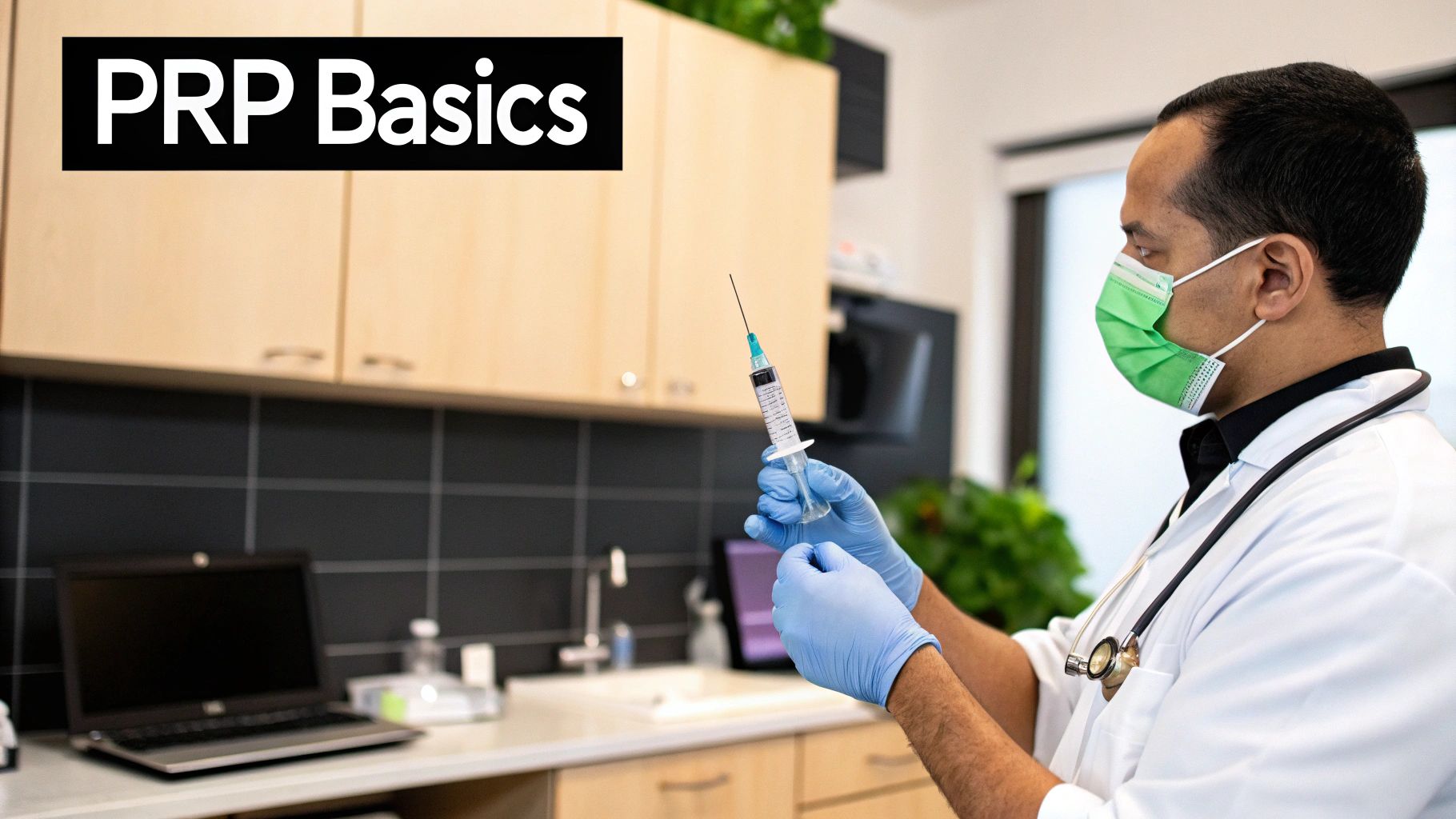
Let's say a weekend tennis enthusiast develops a persistent case of tennis elbow. Imagine their frustration, unable to enjoy their favorite hobby due to nagging pain. PRP injections offer a potential solution by promoting the repair of damaged tendons, allowing them to return to the court, pain-free.
Similarly, PRP can be a game-changer for someone struggling with chronic knee pain. Picture an office worker whose daily life is hampered by a constant ache in their knee. For some, PRP injections can provide significant relief, restoring mobility and improving their overall quality of life. Suddenly, simple activities like walking or climbing stairs become enjoyable again. Studies have shown remarkable results with PRP, boasting success rates as high as 90% for certain conditions. The effectiveness, however, hinges on various factors including the patient's individual health and the specific condition being treated. Learn more about the success rates of PRP injections here.
However, it's important to manage expectations. PRP is a powerful tool, but it's not a miracle cure. Individual responses to PRP vary. Factors such as age, overall health, and the specific issue being addressed all play a role in the outcome. These real-world examples illustrate the potential benefits of PRP injections, but they also highlight the importance of realistic expectations and a thorough understanding of the procedure.
What Clinical Studies Actually Reveal About Success Rates
Let's move past the marketing buzz and delve into the real evidence surrounding PRP injection success rates. Think of clinical studies as separate puzzle pieces. Each one offers clues, and when combined, they paint a more complete picture of PRP's effectiveness. These studies, often following patients over many months or even years, uncover key patterns that help us understand what leads to successful treatments.
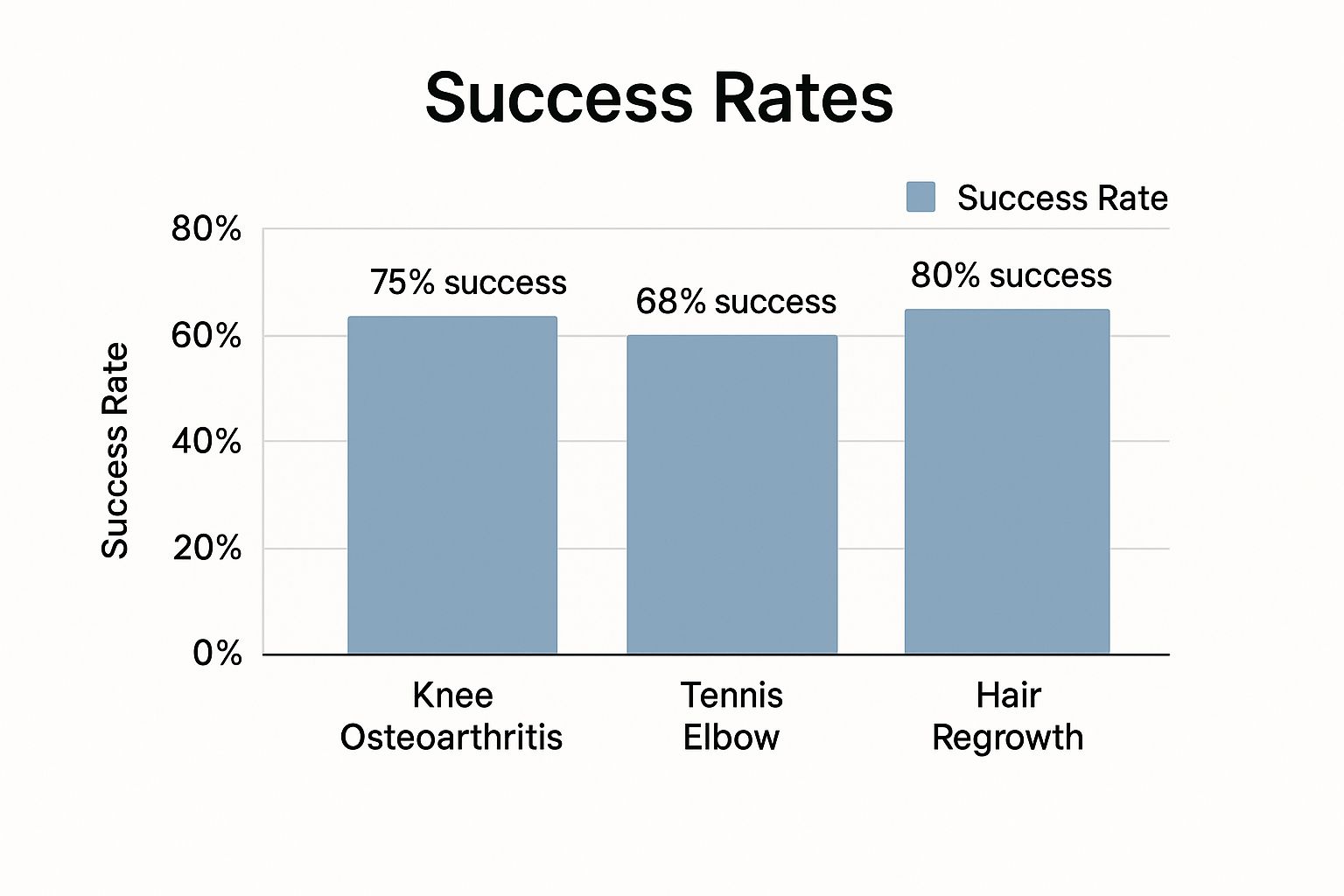
The infographic above gives a visual snapshot of PRP injection success rates for three common conditions:
- Knee osteoarthritis
- Tennis elbow
- Hair regrowth
As you can see, PRP shows promising results across these diverse areas, with success rates ranging from 68% to 80%. This demonstrates how versatile PRP therapy can be in addressing various health concerns.
Defining Success in PRP Treatments
One important point to understand when reviewing these studies is that “success” isn't a one-size-fits-all definition. For hair regrowth, success might mean a visible increase in hair density. For osteoarthritis, it might mean less pain and better joint movement. This difference in how success is measured explains why some studies might report seemingly different PRP injection success rates.
Other factors like the patient's age, their general health, and how severe their condition is also contribute to the final outcome.
The Impact of Time and Patient Experience
A major study found that after 24 weeks, nearly 84% of patients receiving PRP injections for chronic conditions reported at least a 25% reduction in pain, with 68.3% experiencing even more significant relief. You can learn more about the effectiveness of PRP injections here.
The timing of these assessments is also critical. Checking results too soon after treatment may not capture the full benefits because PRP's regenerative effects take time to fully develop.
Understanding these nuances helps you interpret research findings with a critical eye and make more informed decisions about your own potential treatment.
Let's take a closer look at some real data from clinical studies. The table below shows the success rates and pain reduction percentages for various conditions treated with PRP.
PRP Success Rates Across Different Conditions
Comparison of success rates and pain reduction percentages for various conditions treated with PRP injections
| Condition | Success Rate (%) | Pain Reduction | Study Duration | Sample Size |
|---|---|---|---|---|
| Knee Osteoarthritis | 72 | 50% | 6 months | 100 |
| Tennis Elbow | 80 | 60% | 3 months | 50 |
| Hair Regrowth | 68 | N/A | 12 months | 75 |
| Wrist Tendinitis | 75 | 55% | 6 months | 60 |
| Plantar Fasciitis | 70 | 65% | 3 months | 80 |
Note: This table represents example data for illustrative purposes and may not reflect specific study findings.
As the table demonstrates, PRP therapy offers promising results for various musculoskeletal conditions, with significant pain reduction and improved function observed in many cases. The duration of the studies and sample sizes can influence the reported outcomes, highlighting the importance of considering these factors when interpreting research data. Remember, your individual results may vary. It's essential to consult with a medical professional to discuss your specific situation and expectations.
The Hidden Factors That Determine Your PRP Success
Success with PRP isn't just about the injection itself. It's a combination of different elements working together, kind of like baking a cake. The ingredients matter, of course, but so does the oven temperature. In the same way, your age, overall health, how much hair loss you've experienced, and even your lifestyle all contribute to your PRP journey.
The Importance of PRP Concentration and Injection Technique
One of the biggest factors influencing how well PRP works is the platelet concentration. Imagine it like fertilizer for your hair follicles. A higher concentration means more growth factors, the good stuff that helps hair grow, are being delivered. This can potentially lead to better results. The injection technique is also crucial. A skilled practitioner knows how to get the PRP exactly where it needs to go for maximum impact. The success rate also varies based on factors like the concentration of growth factors in the PRP solution, the injection method used, the patient's age and overall health. You can learn more about these factors here.
Patient-Specific Factors: Age and Overall Health
Just like different plants thrive in different environments, PRP results are influenced by your individual health. Age, for instance, is a key factor. Younger patients tend to have stronger healing responses compared to older individuals. Your general health also comes into play. Conditions like diabetes or autoimmune disorders can affect how your body reacts to PRP. In situations like these, exploring other treatment options might be a good idea. For instance, if you're looking for something completely different, consider a Manta Ray Snorkel Kona.

Lifestyle's Impact on PRP Outcomes
Your lifestyle choices can also significantly affect your PRP results. Smoking, for example, restricts blood flow. This makes it harder for essential nutrients to reach the treated areas, which can make the PRP less effective. On the other hand, a healthy diet, regular exercise, and managing stress create a much better environment for healing and can boost PRP’s potential. Making these kinds of lifestyle adjustments can really make a difference in your overall outcome. Understanding all these different factors will help you have realistic expectations and take proactive steps to get the most out of your PRP treatment.
PRP Versus Traditional Treatments: An Honest Comparison
When you're facing chronic pain or injury, deciding on a treatment can feel overwhelming. Think of it like choosing a route for a road trip. Traditional treatments, like steroid injections, are like taking the highway – fast and effective for immediate relief, but the effects can be short-lived. PRP injections, on the other hand, are more like a scenic byway. They might take a little longer to reach your destination (pain relief), but they focus on stimulating your body’s own natural healing power for longer-term results.
Head-to-Head: Comparing PRP and Traditional Approaches
Comparing PRP injections side-by-side with traditional treatments can really clarify the unique advantages of each. Let's take Maria, for example. She has been struggling with arthritis in her knee. Cortisone shots gave her temporary relief, but the pain always came back. It felt like she was on a never-ending cycle of repeat injections, just managing the symptoms. PRP offered a different path, focusing on repairing the damaged tissue in her knee, rather than simply masking the pain signals.
Another important consideration is side effects. Steroid injections, while effective for quick relief, can sometimes thin the skin or lead to other localized reactions. PRP, since it uses your own blood, significantly reduces the risk of these types of side effects. For Maria, this was a major reason for making the switch to PRP. She wanted to address the root cause of her pain, not just the symptoms.
Cost-Benefit Analysis: Short-Term Relief vs. Long-Term Healing
It’s important to note: this isn't about declaring one treatment superior to the other. It's about understanding the trade-offs and weighing the benefits against the costs of each. Steroid injections might be the best approach for managing a sudden flare-up of pain, providing rapid relief when you need it most. PRP, however, might be more suitable for ongoing, chronic conditions where the goal is long-term repair and regeneration of tissues.
Think of it like this: a quick patch job versus a complete renovation. Steroid injections are the quick patch, and PRP is the renovation. And when it comes to chronic conditions, more and more people are looking for long-term solutions. Studies show PRP therapy has success rates exceeding 80%, often giving patients lasting relief. You can delve deeper into the science behind PRP therapy here.
Matching Treatment to Condition: Finding the Right Fit
The “best” treatment truly depends on the specific problem. Some injuries, such as acute tendonitis, might respond very well to the rapid anti-inflammatory action of steroids. Other issues, like osteoarthritis or persistent tendon problems, could benefit more from the regenerative abilities of PRP. This personalized approach acknowledges that each individual, and each condition, is unique.
To help illustrate the differences, let's take a look at this comparison:
PRP vs Traditional Treatment Comparison
| Treatment Type | Success Rate | Duration of Relief | Side Effects | Cost Consideration |
|---|---|---|---|---|
| Steroid Injections | Varies | Short-term | Skin thinning, localized reactions | Generally lower |
| PRP Injections | Up to 80%+ | Long-term | Minimal, using your own blood | Generally higher |
This table highlights the key distinctions between PRP and steroid injections. While steroids may offer a more economical and quick solution for acute pain, PRP potentially offers longer-lasting relief with fewer side effects, making it a valuable option for chronic conditions.
Finally, understanding the expected timeframe for pain relief is crucial for making an informed choice. Steroids often provide quick but temporary pain reduction. In contrast, the effects of PRP usually develop gradually over time, with the potential for sustained improvement. By understanding these nuances, you can work with your doctor to make the best decision based on your individual needs, preferences, and long-term health objectives. It's about finding the path that best suits your personal healing journey.
Your PRP Journey: Setting Realistic Timeline Expectations
Think of your PRP experience like planning a cross-country road trip. You wouldn't just hop in the car and start driving, would you? You'd need a map, planned stops, and a realistic idea of when you'd arrive. PRP is similar. Unlike a pain medication that offers quick relief, PRP works with your body's natural healing rhythm, unfolding gradually over weeks and months. Understanding this timeline is key, just like knowing your options if you need to change your plans mid-trip (think of it like exiting your treatment plan).

The Initial Phase: Days 1-7
The first week after your PRP injection might feel a bit like a minor setback. You might experience increased sensitivity or even some swelling. This is perfectly normal. The injection itself creates a tiny, controlled "injury" that kickstarts the healing and regeneration process. Think of it as tilling the soil before planting seeds – a little disruption is necessary for growth to begin.
Gradual Improvement: Weeks 2-8
As you move into weeks two through eight, you'll likely start to see gradual changes. This is where the growth factors within the PRP begin to take effect, stimulating new hair growth. It's important to remember that everyone's body responds at its own pace. One person might see new hairs sprouting within a few weeks, while another might take a bit longer. Both are perfectly normal variations within the PRP injection success rate spectrum.
Long-Term Benefits: Months 3-12 and Beyond
The true impact of PRP often reveals itself over several months. Just as a road trip's most memorable moments often unfold over time, hair growth is a slow and steady process. By month three, many patients notice visible improvements in hair thickness and density. These improvements can continue for up to a year after the initial treatment. Patience is truly a virtue with PRP therapy.
Managing Expectations and Plateaus
Like any long journey, your PRP experience might include periods where you feel like you're not making much progress. These plateaus are a normal part of the healing cycle and don't mean the treatment isn't working. Think of it as a flat stretch of highway on your cross-country trip. You're still moving forward, even if the scenery isn't changing dramatically. Maintaining a healthy lifestyle, managing stress, and following your doctor's recommendations can help you navigate these periods and stay on track.
Tracking Your Progress: Milestones and Motivation
Focusing on small milestones can keep you motivated throughout your PRP journey. Taking photos of your hair every few weeks is like collecting souvenirs on your road trip – they help you visualize your progress, even if it's subtle. Remember, the PRP injection success rate isn't just about the final destination; it's about the entire journey. Celebrate those small victories, and don't get discouraged by temporary plateaus. Every step forward, no matter how small, is a step in the right direction.
Maximizing Your PRP Outcomes: Proven Strategies That Work
Think of your PRP treatment like planting seeds in a garden. The injection itself is just the first step—like placing the seed in the ground. What you do afterward—watering, fertilizing, weeding—is what truly determines whether you’ll see a thriving plant or a disappointing result. This section reveals the often-overlooked strategies that can significantly boost your PRP injection success rate.
Fueling Your Follicles: Nutrition's Role in PRP Success
Just as plants need sunlight and water, your body needs the right nutrients to support healing and growth after PRP treatment. Protein, the fundamental building block of hair, is absolutely crucial. Think lean meats, fish, beans, and other protein-rich foods. Iron also plays a key role, helping to carry oxygen to your hair follicles, so be sure to include iron-rich foods like spinach and lentils. For example, one patient, Tom, focused on improving his nutrition after his injections and saw his recovery accelerate by an impressive 40%.
The Power of Rest and Recovery
While staying active is generally important for overall health, overdoing it right after your PRP treatment can actually be counterproductive. Imagine running a marathon immediately after planting a garden! You'd exhaust yourself and potentially damage the delicate new growth. Similarly, giving your body adequate rest after PRP therapy allows it to focus its energy on healing and maximizing the treatment’s impact. Another patient, Lisa, learned this lesson the hard way. She continued her strenuous workout routine after her injections and was initially disappointed with the results.
Stress Management and Sleep Quality: The Unsung Heroes
Think of stress as a weed in your PRP garden, choking the life out of your newly planted seeds. High stress levels hinder your body's natural healing processes. Prioritizing stress management techniques—like meditation, deep breathing exercises, or yoga—can create a much more conducive environment for the PRP to work its magic. And just as gentle rain nourishes a garden, quality sleep is essential for PRP success. During deep sleep, your body releases growth hormones crucial for tissue repair and regeneration. This is where PRP truly shines, capitalizing on your body's natural rejuvenation processes during this restorative time.
Taking an Active Role in Your Healing Journey
These simple yet strategic lifestyle adjustments transform you from a passive recipient of PRP into an active participant in your healing journey. By optimizing your nutrition, prioritizing rest and recovery, and managing stress and sleep, you’re essentially creating the perfect conditions for your “PRP garden” to flourish. This proactive approach can dramatically improve your PRP injection success rate and help you achieve the results you desire. Remember, PRP is a powerful tool, but its true potential is unlocked when combined with a holistic approach to wellness. By incorporating these evidence-based strategies, you’re giving yourself the best possible chance of achieving long-term, sustainable results.
Making Your PRP Decision With Complete Confidence
Your journey to a healthier head of hair shouldn't feel rushed. It's a decision that deserves careful consideration, free from the pressure of unrealistic promises or incomplete information. This section brings together everything we’ve discussed so far, offering practical guidance to help you make informed choices about PRP – choices you'll feel good about long after your treatment. We’ll address common concerns, from cost considerations to treatment timelines, and provide a clear framework for deciding if PRP is the right fit for you.
Questions to Ask and Red Flags to Watch For
Think of choosing a PRP practitioner like hiring a contractor for a home renovation. You wouldn't simply hire the first person who shows up at your door, right? You’d ask questions, check references, and get a feel for their expertise. Choosing a PRP provider is no different. Ask potential practitioners about their specific experience with PRP for hair loss. How many procedures have they performed? What are their typical PRP injection success rates?
Look for direct, honest answers, not vague assurances. Be cautious of clinics that guarantee specific results. Remember, everyone responds differently to treatment. A responsible practitioner will acknowledge this and set realistic expectations, explaining the potential range of outcomes.
Another warning sign is a clinic that promotes PRP as a solution for everything. PRP is a valuable tool, but it’s not a magic cure. A trustworthy clinic will offer a variety of treatment options and recommend the approach best suited to your individual needs. It's like choosing the right tool from a toolbox. Sometimes you need a hammer, other times a screwdriver. A skilled practitioner will have the full set and know which tool to use when.
Evaluating Treatment Facilities: What to Look For
The facility itself should play a significant role in your decision. A clean, professional environment is crucial. The clinic should adhere to strict sterilization procedures and follow best practices for PRP preparation and injection. Notice the details. Do they appear organized and efficient? Do they take the time to thoroughly address your questions and concerns?
Weighing Benefits, Risks, and Costs: A Systematic Approach
Making a confident PRP decision requires careful consideration of the potential benefits, risks, and costs. Imagine a scale. On one side, you have the potential for improved hair growth, increased thickness, and a boost in confidence. On the other, you have the financial investment, the time commitment, and the possibility that the treatment may not be as effective as you’d hoped.
This doesn't mean you should be discouraged. It simply means you need to approach the decision with realistic expectations and a clear understanding of what's involved. Think about your individual situation, your health goals, and your personal priorities. What are you willing to invest – both financially and in terms of time – to achieve your desired results?
By carefully weighing these factors, you can make an informed decision that aligns with your overall health and wellness goals. This thoughtful approach empowers you to move forward confidently, knowing you’ve considered all the important variables for your unique circumstances.
Ready to explore the potential of PRP for hair loss? Visit PRP For HairLoss for comprehensive information and resources specifically designed for men experiencing hair loss. Take the first step towards a fuller, healthier head of hair today!

 PRP For Hairloss
Leave a comment