Understanding PRP and Its Potential Side Effects
Considering PRP for hair loss? This listicle covers six potential PRP for hair side effects you should know before starting treatment. Understanding these side effects, including pain at the injection site, scalp swelling, and temporary hair shedding (shock loss), helps manage expectations and allows you to make informed decisions about your hair restoration journey. While PRP is generally considered safe, being aware of potential issues like bruising, headaches, and infection risk ensures a smoother experience. Learn more below.
1. Pain and Discomfort at Injection Site
Experiencing some level of pain or discomfort at the injection site is the most common side effect of PRP (Platelet-Rich Plasma) hair treatment. This is an unavoidable aspect of the procedure, as it involves multiple needle injections directly into the scalp to deliver the PRP to the hair follicles. While the sensation can be unsettling, understanding why it happens and how to manage it can significantly improve your treatment experience. This side effect is a normal part of the process and should not cause undue alarm.
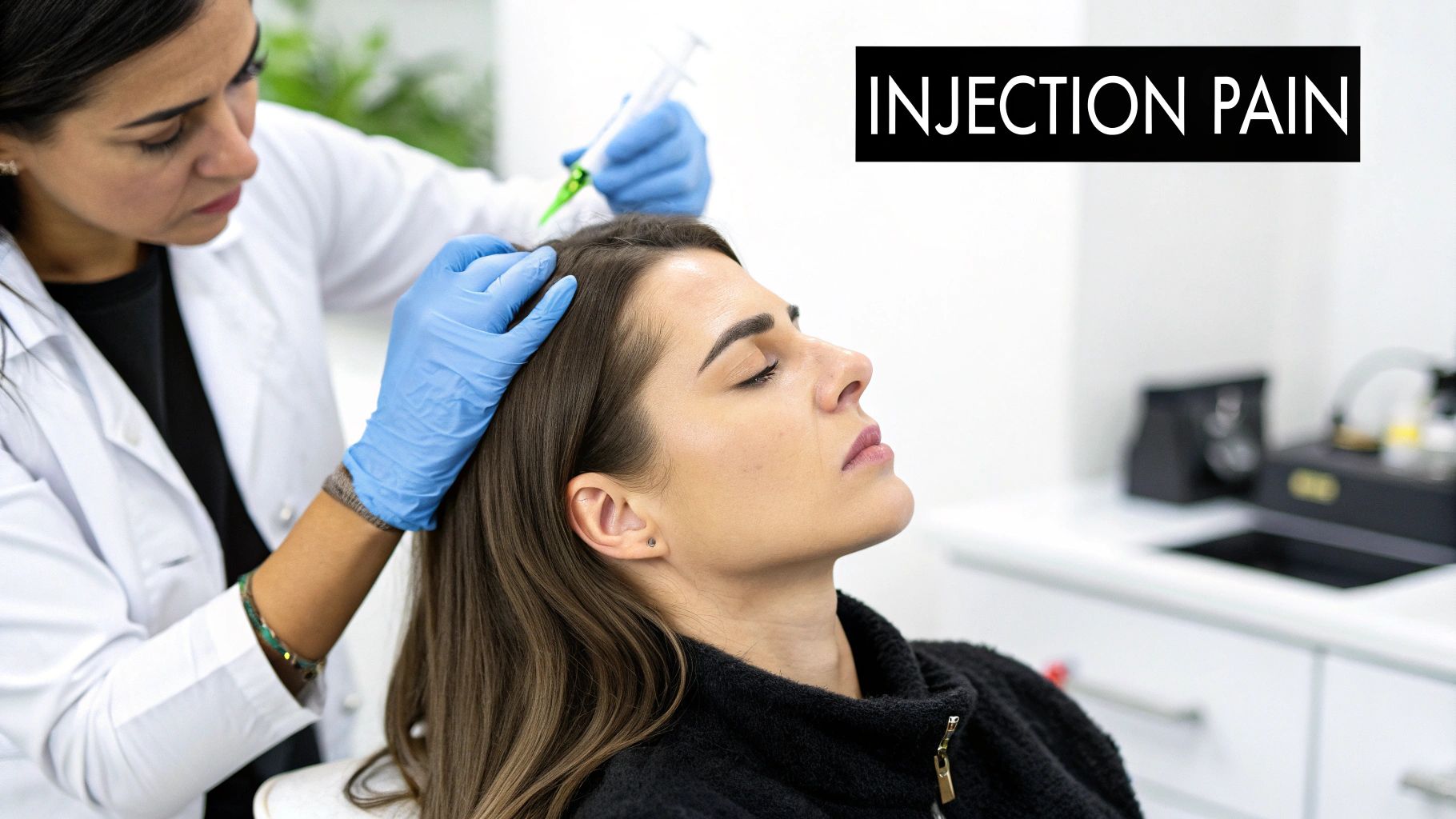
The discomfort, typically described as a mild to moderate prickling or aching sensation, stems from the physical act of the needle penetrating the skin and the distribution of the PRP solution within the scalp tissue. The intensity of the pain varies significantly based on individual pain tolerance, with some men experiencing only minimal discomfort, while others find it more noticeable. This variance is entirely normal and does not indicate a problem with the treatment itself. In fact, the presence of some discomfort can actually be a positive sign, confirming that the PRP is being delivered precisely to the targeted hair follicles.
This localized pain or discomfort typically subsides within 24-48 hours post-treatment, though some individuals may experience mild sensitivity for a slightly longer period. It's crucial to understand that this is a temporary side effect and should not deter you from considering PRP therapy as a viable option for addressing hair loss. Studies indicate that approximately 80-90% of patients experience some degree of discomfort at the injection site, reinforcing that this is a standard part of the procedure. Moreover, various strategies can be employed to minimize discomfort both before and after the treatment.
Successful implementation of PRP therapy often involves pre-emptive measures to minimize discomfort. Many clinics offer topical numbing creams that can be applied to the scalp prior to the injections, significantly reducing the sensation of the needles. Discussing pain management options with your provider beforehand is highly recommended, especially if you have a low pain tolerance or are anxious about needles.
Actionable Tips for Managing Discomfort:
- Pre-treatment: Request a topical numbing cream from your provider to be applied before the procedure begins. This can drastically reduce the sensation of the needle injections.
- Post-treatment: Apply ice packs to the treated area for 10-15 minute intervals. This can help to numb the area and reduce any swelling or inflammation.
- Pain Relief: Over-the-counter pain relievers, such as ibuprofen or acetaminophen, can be taken as directed by your provider to manage any lingering discomfort.
- Hands Off: Avoid touching or massaging the treated area for at least 24 hours post-treatment to minimize the risk of irritation or infection.
PRP for hair side effects are generally mild and temporary, with pain and discomfort at the injection site being the most prevalent. While this is a normal part of the treatment process, it's important to be aware of it and to understand the available management strategies. This side effect, though common, should not dissuade men experiencing hair loss from considering PRP therapy. By addressing the discomfort proactively and understanding its temporary nature, you can focus on the potential long-term benefits of PRP for hair restoration. For men seeking a non-surgical solution to hair loss, PRP therapy offers a promising avenue, and managing this common side effect is a small price to pay for the potential rewards. Always consult with a qualified medical professional to discuss your individual needs and determine if PRP therapy is the right option for you.
2. Scalp Swelling and Inflammation
One of the most common side effects after PRP for hair restoration is scalp swelling and inflammation. This is a natural bodily response to the micro-injections involved in the procedure and shouldn't cause alarm. Understanding why this happens, how long it typically lasts, and what you can do to manage it is crucial for a comfortable post-treatment experience. This side effect, while temporary, can be noticeable and deserves its place on this list due to its high occurrence rate among patients undergoing PRP for hair loss.

PRP therapy involves injecting concentrated platelets from your own blood into your scalp. These platelets contain growth factors that stimulate hair follicle regeneration and promote hair growth. However, the injection process itself creates micro-traumas in the scalp tissue. Your body reacts to these micro-injections as it would any minor injury, initiating an inflammatory response. This inflammatory response is characterized by swelling, redness, and sometimes warmth in the treated area. Think of it like a tiny, localized bruise – it's evidence that your body is actively working to repair and heal the affected area. This inflammation is actually a positive sign, indicating that the PRP is stimulating cellular activity and initiating the healing cascade necessary for hair growth.
Studies show that approximately 60-70% of men experience some degree of scalp swelling after PRP for hair loss treatment. The swelling is generally most noticeable within the first 24 hours post-treatment, peaking around this time, and gradually subsides over the next few days. While the swelling typically resolves quickly, usually within 3-7 days with proper care, it can sometimes cause temporary changes in facial appearance, particularly if the injections are concentrated around the hairline or forehead. This can result in a puffy forehead or a slightly altered hairline, which might be a concern for men with upcoming social or work engagements. In some individuals, particularly those with sensitive skin, the swelling might be more pronounced and could be accompanied by a feeling of tightness in the scalp.
The good news is that this swelling, although sometimes visually noticeable, is a temporary side effect of PRP for hair and signals that the treatment is working. It indicates an active healing response and demonstrates that the PRP is effectively stimulating cellular activity in the scalp, laying the groundwork for future hair growth. Numerous successful implementations of PRP therapy have shown its effectiveness in promoting hair regrowth, with many men experiencing significant improvements in hair density and thickness. While individual results may vary, the temporary inconvenience of scalp swelling is often outweighed by the long-term benefits of hair restoration.
Here are some actionable tips to manage scalp swelling and inflammation after PRP treatment:
- Elevate your head: Sleep with your head elevated on an extra pillow for the first two nights after the procedure. This helps to reduce blood flow to the scalp and minimize swelling.
- Cold compresses: Apply a cold compress (wrapped in a thin cloth to avoid direct ice contact) to the affected areas for 15 minutes every 2 hours on the first day post-treatment. This helps to constrict blood vessels and reduce inflammation.
- Avoid strenuous exercise: Refrain from strenuous exercise for at least 48 hours after treatment. Increased blood flow during exercise can exacerbate swelling.
- Stay hydrated: Drinking plenty of water helps to flush out toxins and reduce inflammation throughout the body, including the scalp.
- Avoid touching or rubbing the scalp: This can introduce bacteria and further irritate the treated area.
PRP for hair restoration offers a promising solution for men experiencing hair loss, and while scalp swelling is a common side effect, it's generally mild, temporary, and manageable with proper care. Understanding the reasons behind this side effect and following these simple tips can help minimize discomfort and ensure a smoother recovery. If you're considering PRP treatment, discussing your concerns and expectations with a qualified practitioner is essential for a positive and informed experience. They can assess your individual situation, advise on the potential for side effects like scalp swelling, and guide you through the recovery process.
3. Temporary Hair Shedding (Shock Loss)
One of the potential side effects of PRP for hair restoration that can initially seem counterintuitive is temporary hair shedding, often referred to as "shock loss." This phenomenon, occurring in approximately 15-25% of patients, typically begins 2-4 weeks after the treatment and primarily affects weak, miniaturized hairs. While the increased shedding can be alarming, it's frequently a positive indicator that the PRP treatment is effectively stimulating the hair follicles. Essentially, the treatment triggers the follicles to enter a new growth cycle, pushing out the older, weaker hairs to make way for new, healthier growth. This explains why shock loss is often considered a paradoxical side effect – it signifies progress despite temporarily mimicking worsened hair loss. Understanding this process can help alleviate anxiety and manage expectations during the initial weeks following a PRP treatment.

PRP therapy aims to revitalize dormant or underperforming hair follicles by injecting platelet-rich plasma derived from your own blood into the scalp. This plasma contains a concentrated dose of growth factors that stimulate cellular activity, promoting hair growth. However, this stimulation can sometimes lead to the shedding of existing weak hairs before the new, stronger hairs have a chance to emerge. Think of it as clearing out the old to make room for the new. The shedding phase usually lasts for a few weeks, with new growth typically appearing 3-6 months after the treatment. It’s important to remember that this shedding is temporary and usually resolves on its own as the treatment takes effect. PRP for hair side effects like shock loss are generally mild and temporary, with the long-term benefits often outweighing the initial concerns.
For men experiencing hair loss, particularly androgenetic alopecia (male pattern baldness), witnessing increased shedding after PRP treatment can be particularly distressing. However, understanding that this is a potential, and often positive, part of the process is crucial. Consider this example: A man in his late 30s undergoing PRP for androgenetic alopecia noticed increased shedding approximately three weeks after his first treatment. While initially worried, he continued with the prescribed treatment plan. By month six, he observed significant improvement in hair density and thickness, demonstrating the effectiveness of the treatment despite the initial shedding. Similarly, women experiencing female pattern hair loss might also observe temporary thinning before significant regrowth becomes noticeable. For instance, a woman in her 40s undergoing PRP for thinning hair experienced a period of increased shedding a few weeks after her treatment. While concerning at the time, she persevered, and within a few months, she noted visible improvements in hair volume and overall hair health. These examples highlight the temporary nature of shock loss and the potential for significant hair regrowth following the shedding phase.
If you're considering or undergoing PRP therapy for hair loss, here are some actionable tips to navigate the potential for shock loss:
- Continue your treatment plan: Even if you experience shedding, it's crucial to adhere to the treatment plan prescribed by your provider. Stopping treatment prematurely can hinder the overall effectiveness of the therapy.
- Document your progress: Take photos of your hair regularly to track changes. This visual documentation can help alleviate anxiety by providing concrete evidence of progress over time and also assist your provider in monitoring your response to the treatment.
- Be gentle with your hair: Avoid harsh hair treatments, such as chemical dyes, perms, or excessive heat styling, during the shedding phase. These treatments can further stress already weakened hair follicles.
- Communicate with your provider: If you're experiencing significant shedding or have concerns about your progress, don’t hesitate to communicate with your provider. They can address your concerns, provide reassurance, and adjust the treatment plan if necessary.
While shock loss can be a concerning side effect of PRP for hair, it's essential to remember that it's often a sign that the treatment is working and paving the way for healthier, stronger hair growth. By understanding this process, managing expectations, and following the tips provided, men experiencing hair loss can navigate this temporary phase and maximize the benefits of PRP therapy.
4. Bruising and Bleeding
Bruising and bleeding are common side effects of PRP (Platelet-Rich Plasma) therapy for hair loss. This occurs because the treatment involves injecting your own platelet-rich plasma into your scalp. The process necessitates multiple injections using a fine needle, which can cause trauma to the small blood vessels within the scalp. Since the scalp has a particularly rich blood supply to nourish hair follicles, it's more susceptible to bleeding and bruising compared to other areas of the body where PRP might be injected, such as joints or facial skin. While generally harmless and temporary, these side effects can be a cosmetic concern, especially for men with lighter skin tones or thinning hair where bruising is more noticeable. Understanding this common side effect of PRP for hair loss is essential for managing expectations and taking steps to minimize its impact.
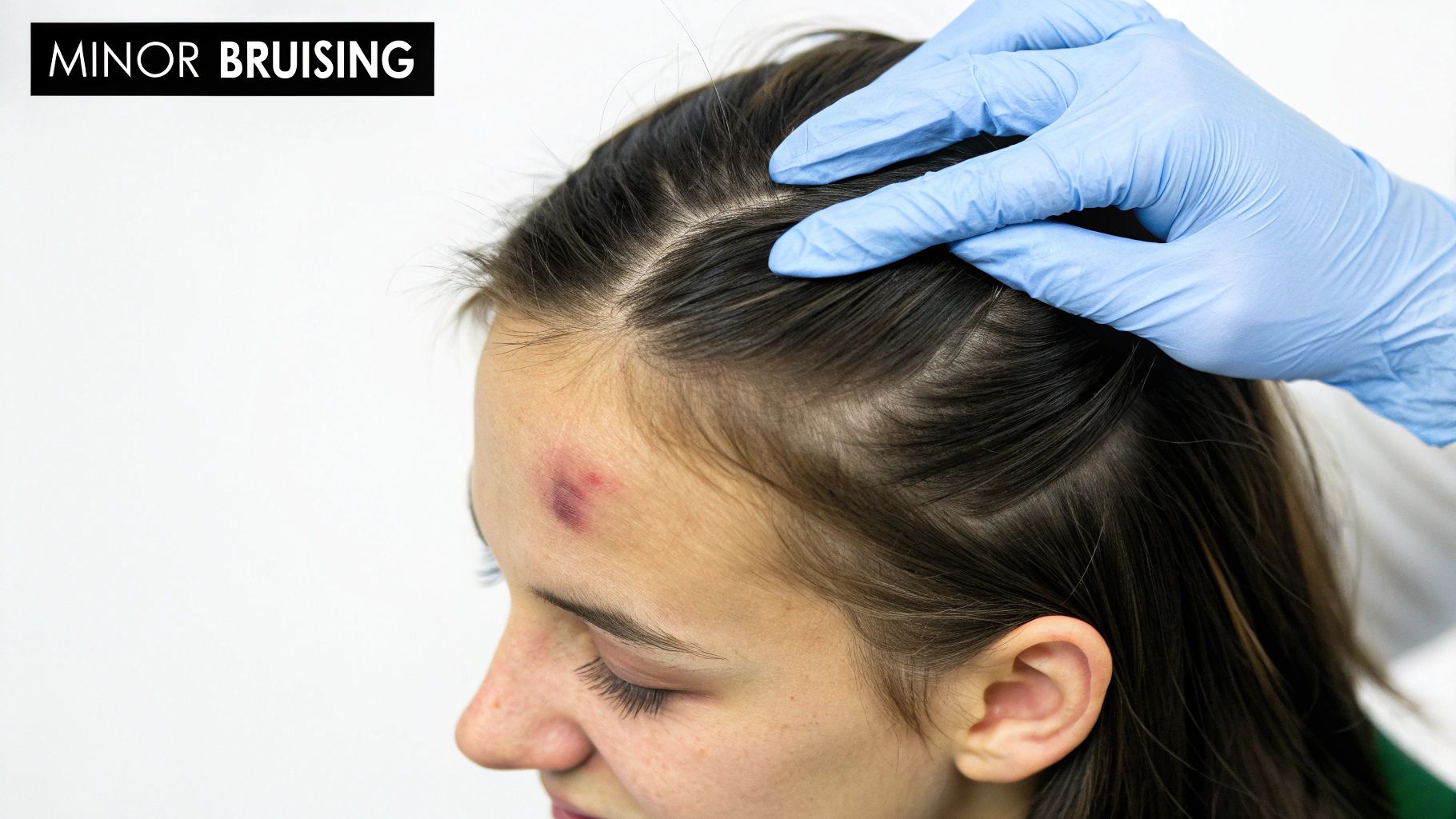
Studies show that bruising and minor bleeding at the injection sites affect approximately 40-50% of patients undergoing PRP for hair restoration. This is a normal physiological response to the needles used during the procedure. The bruising typically appears as purple or blue marks initially, gradually fading to yellow over several days as the body reabsorbs the blood. Bleeding usually stops within minutes of the injections as the body's natural clotting mechanisms take effect. While most men experience only minor bruising, the extent and duration can vary depending on individual factors like skin type, medication use, and the specific injection technique. For example, men taking blood-thinning medications are more prone to experiencing more pronounced bruising.
One of the positive aspects of experiencing some minor bleeding during the procedure is that it indicates good blood supply to the treated area. This rich blood flow is essential for delivering the growth factors contained within the PRP to the hair follicles, promoting tissue repair and stimulating hair growth. So, while bruising might be visually undesirable, it indirectly signals that the PRP is reaching its intended target. The bruising itself is usually cosmetic only and resolves naturally without requiring any specific medical intervention.
Despite being a temporary side effect, bruising can be a cosmetic concern for some men, especially in professional or social settings. Bruises can last up to two weeks in some cases, although most resolve sooner. This is why understanding how to manage and minimize bruising is an important part of the PRP treatment process. Men using certain medications, especially anticoagulants or blood thinners, are likely to experience more pronounced and longer-lasting bruising. It's crucial to discuss your medication history with your doctor before undergoing PRP treatment to assess the potential risks and adjust your medication regimen if necessary under their supervision.
To minimize the risk and severity of bruising and bleeding after PRP for hair loss, consider the following tips:
- Consult your doctor about medications: If you are taking any blood-thinning medications (including over-the-counter pain relievers like aspirin or ibuprofen), discuss them with your doctor at least one week before your scheduled PRP treatment. Your doctor can advise you on whether it's safe to temporarily discontinue these medications to minimize bleeding and bruising. Never stop taking prescribed medication without your doctor's explicit consent.
- Apply gentle pressure: Immediately after the injections, your practitioner will likely apply gentle pressure to the injection sites to help stop any bleeding. You can continue this practice at home for a few minutes if needed.
- Use concealer or styling products: If bruising is visible, you can use concealer or styling products like hair fibers to camouflage the affected areas until the bruising fades.
- Avoid alcohol: Alcohol can thin the blood and increase the risk of bleeding. It's generally recommended to avoid alcohol for at least 24 hours before and after your PRP treatment.
- Ice the area: Applying ice packs wrapped in a thin cloth to the treated area can help reduce swelling and minimize the appearance of bruising.
Bruising and bleeding, while a common side effect of PRP for hair, are typically temporary and manageable. By understanding the reasons behind this side effect and implementing the tips provided, men considering or undergoing PRP treatment can approach the procedure with realistic expectations and minimize any cosmetic concerns. This ensures that the focus remains on the potential benefits of PRP for hair restoration—namely, thicker, healthier hair growth.
5. Headaches
Headaches are a recognized side effect of PRP (Platelet-Rich Plasma) therapy for hair loss, experienced by an estimated 20-30% of patients. While generally mild and temporary, understanding their potential causes and management can help you prepare for your treatment and minimize any discomfort. This information is crucial for men considering PRP for hair loss, as it allows them to weigh the benefits of the treatment against the potential for this common side effect. Knowing what to expect and how to manage potential headaches can significantly improve your overall experience with PRP therapy.
PRP therapy involves extracting a small sample of your blood, processing it to concentrate the platelets, and then injecting this platelet-rich plasma into your scalp. Platelets are rich in growth factors that are believed to stimulate hair follicle activity and promote hair growth. While the procedure is minimally invasive, the injections themselves, along with other contributing factors, can trigger headaches in some individuals. This isn't a sign that anything is wrong with the treatment itself, but rather a normal physiological response that can occur.
Several factors can contribute to headaches after PRP for hair:
- Injection Trauma: The multiple injections involved in delivering the PRP to the scalp can cause minor trauma to the tissues, leading to localized pain that can radiate and be perceived as a headache. This is similar to the mild discomfort you might experience after any injection.
- Scalp Tension from Swelling: The injection sites may experience mild swelling as part of the body's natural healing response. This swelling can create tension in the scalp, contributing to a headache, especially if the swelling is more pronounced.
- Stress from the Procedure: The anticipation and experience of the procedure itself can induce stress and anxiety, which are known triggers for headaches in many individuals. Even for those who aren't typically prone to stress-related headaches, the novelty and slight discomfort of the procedure can be enough to trigger one.
- Changes in Blood Flow Patterns: PRP therapy is designed to increase blood flow to the hair follicles, which is crucial for hair growth. This alteration in blood flow patterns in the scalp can sometimes contribute to headaches, particularly in the immediate aftermath of the treatment.
The headaches reported after PRP hair restoration are typically tension-type headaches. These are characterized by a dull, aching pain that feels like a tight band around the head. They are often accompanied by tenderness in the scalp and neck muscles. Unlike migraines, tension headaches are typically not associated with nausea, vomiting, or sensitivity to light and sound.
Fortunately, these post-PRP headaches are usually mild and easily managed. They typically respond well to over-the-counter pain relievers such as acetaminophen (Tylenol) or ibuprofen (Advil, Motrin). Most headaches resolve within 24 hours, allowing you to resume your normal activities without significant disruption.
Here are some tips to minimize the risk and severity of headaches after PRP treatment:
- Hydration: Staying well-hydrated before and after your treatment is essential. Dehydration can exacerbate headaches, so make sure to drink plenty of water.
- Relaxation Techniques: Practicing relaxation techniques, such as deep breathing or meditation, during the procedure can help manage stress and anxiety, potentially reducing the likelihood of a stress-induced headache.
- Pain Relief: If a headache develops, take acetaminophen or ibuprofen as directed on the packaging. Discuss any pre-existing medical conditions or medication allergies with your doctor beforehand to ensure you're taking the appropriate pain reliever.
- Rest: If your headache persists or is bothersome, rest in a quiet, dark room. This can help alleviate the pain and promote relaxation.
While the potential for headaches is a consideration with PRP hair treatment, it's important to put it into perspective. The vast majority of patients experience mild or no headaches, and those that do occur are typically short-lived and readily managed. The potential for improved hair growth and restoration often outweighs this temporary discomfort for many men experiencing hair loss. If you are prone to headaches, discuss your concerns with your doctor before the procedure. They can offer personalized advice and reassurance to help you make an informed decision. While PRP therapy can be a highly effective treatment for hair loss, understanding the potential side effects, including headaches, empowers you to manage your expectations and optimize your treatment experience.
6. Infection Risk
While Platelet-Rich Plasma (PRP) therapy for hair loss is generally considered a safe and effective treatment, like any medical procedure involving injections, it carries a potential risk of infection. Understanding this risk, though small, and knowing how to minimize it is crucial for anyone considering PRP for hair restoration. This is why infection risk deserves a prominent place on the list of potential PRP for hair side effects.
Infection at the injection sites represents the most serious, albeit rare, potential complication of PRP hair treatment. This side effect occurs in less than 1% of cases when proper protocols are followed. The reason infection is possible is due to the nature of the procedure. PRP therapy involves drawing a patient's blood, processing it to concentrate the platelets, and then injecting this platelet-rich plasma into the scalp. This creates multiple micro-wounds, which, while typically healing quickly, can provide an entry point for bacteria if sterile techniques aren't meticulously maintained.
Several factors can increase the risk of infection following PRP for hair loss. These include improper sterile technique during the blood draw, PRP preparation, or injection process. Contaminated equipment, such as needles or vials, can also introduce bacteria. Finally, poor post-treatment care by the patient, such as not keeping the injection sites clean, can significantly increase the risk.
The severity of infection can range from a localized skin infection at the injection site, resembling a small pimple, to more serious complications like cellulitis, a deeper skin infection. For example, a superficial bacterial infection might manifest as increased redness and slight tenderness at a few injection points, often treatable with topical antibiotics. In extremely rare cases, cellulitis could develop, characterized by spreading redness, warmth, and pain, requiring oral antibiotic treatment. While extremely rare with appropriate sterile techniques, these potential complications underscore the importance of choosing a reputable provider.
Prevention is Key:
Fortunately, infection following PRP for hair is largely preventable. The most critical step is selecting a certified, reputable clinic with a strong emphasis on sterile protocols. Observe the clinic environment during your consultation. Do they adhere to strict hygiene practices? Do they use disposable equipment? These are important questions to ask.
Thorough aftercare plays an equally vital role in minimizing infection risk. Patients should meticulously follow all post-treatment instructions provided by their clinic. These instructions typically involve keeping the injection sites clean and dry for at least 24 hours, avoiding touching the treated areas with unclean hands, and refraining from swimming or excessive sweating for a few days.
Recognizing and Addressing Infection:
It's important to be vigilant for any signs of infection after PRP treatment. While some redness and minor swelling are normal immediately following the injections, these should subside within a few days. Signs of a potential infection include increased redness, warmth, pus formation, red streaking extending from the injection site, fever, or worsening pain after the initial healing period. If you experience any of these symptoms, contact your PRP provider immediately. Prompt medical attention is crucial to prevent the infection from spreading and potentially impacting your hair growth results.
Pros and Cons of Considering Infection Risk:
Pros:
- Extremely Rare: Infection is exceptionally rare when proper medical protocols are followed.
- Preventable: Adherence to sterile techniques and diligent aftercare can virtually eliminate the risk.
- Treatable: Infections, when caught early, are typically easily treatable with antibiotics.
Cons:
- Can be Serious: If left untreated, infections can become serious and potentially impact hair growth outcomes.
- May Require Antibiotic Treatment: While usually effective, antibiotics can sometimes have side effects.
- Could Potentially Affect Hair Growth Results: Severe infections could theoretically disrupt the healing process and affect the final results of the PRP treatment.
Tips for Minimizing Infection Risk:
- Choose a board-certified dermatologist or plastic surgeon experienced in performing PRP for hair.
- Ensure the clinic adheres to strict sterile protocols.
- Follow all post-treatment care instructions meticulously.
- Keep injection sites clean and dry for at least 24 hours post-treatment.
- Avoid touching the treated areas with unclean hands.
- Watch for signs of infection and contact your provider immediately if you have any concerns.
By understanding the potential for infection, taking preventative measures, and seeking prompt treatment if necessary, men experiencing hair loss can safely and effectively harness the benefits of PRP therapy to achieve their hair restoration goals.
6 Key Side Effects of PRP for Hair
| Side Effect | 🔄 Implementation Complexity | 💡 Resource Requirements | ⚡ Expected Outcomes | 📊 Ideal Use Cases | ⭐ Key Advantages |
|---|---|---|---|---|---|
| Pain and Discomfort at Injection Site | Low – common during injection process | Topical anesthetics, pain relievers | Mild to Moderate pain lasting hours to 2 days | All PRP hair treatments involving injections | Indicates correct needle placement; manageable and temporary |
| Scalp Swelling and Inflammation | Low – natural inflammatory response | Cold compresses, anti-inflammatories | Mild to Moderate swelling lasting 1-3 days | Patients expecting active healing | Shows active healing process; resolves quickly |
| Temporary Hair Shedding (Shock Loss) | Moderate – delayed response 2-4 weeks post-treatment | Patient monitoring and communication | Moderate psychological distress lasting 2-8 weeks | Cases with follicle stimulation focus | Sign of successful follicle activation; leads to stronger hair growth |
| Bruising and Bleeding | Low – injection trauma to blood vessels | pressure application, concealers | Mild bruising and minor bleeding lasting 3-14 days | Patients without bleeding disorders | Minor, self-healing; indicates good blood flow |
| Headaches | Low – possible tension from procedure | Hydration, OTC pain relievers | Mild to Moderate headaches lasting up to 24 hours | Sensitive or anxious patients | Easily managed and usually brief |
| Infection Risk | High – requires strict sterile protocol | Sterile technique, medical care | Rare but potentially serious infections | Clinics with strict hygiene standards | Preventable and treatable if detected early |
Making Informed Decisions About PRP
Understanding the potential PRP for hair side effects is crucial for making an informed decision about this hair restoration treatment. As we've discussed, common side effects like pain at the injection site, scalp swelling, temporary hair shedding (shock loss), bruising, headaches, and a small risk of infection are typically temporary and manageable. These can be minimized by choosing a qualified and experienced provider who prioritizes safety and hygiene. Knowing what to expect, both in terms of potential side effects and the overall PRP process, empowers you to take control of your hair restoration journey. Mastering these concepts allows you to weigh the benefits of PRP therapy against the potential risks, enabling you to make a confident choice about whether it's the right path for you to pursue thicker, healthier hair.
Reclaiming your hair can significantly impact your confidence and self-esteem. Take the next step towards a fuller head of hair by exploring the possibilities of PRP therapy. Want to learn more about minimizing PRP for hair side effects and ensuring a safe and effective treatment? Visit PRP For HairLoss for comprehensive information and resources to guide your decision-making process. This resource provides valuable insights into best practices and can help connect you with qualified providers.
 PRP For Hairloss
Leave a comment