Understanding The Science Behind PRP Hair Restoration
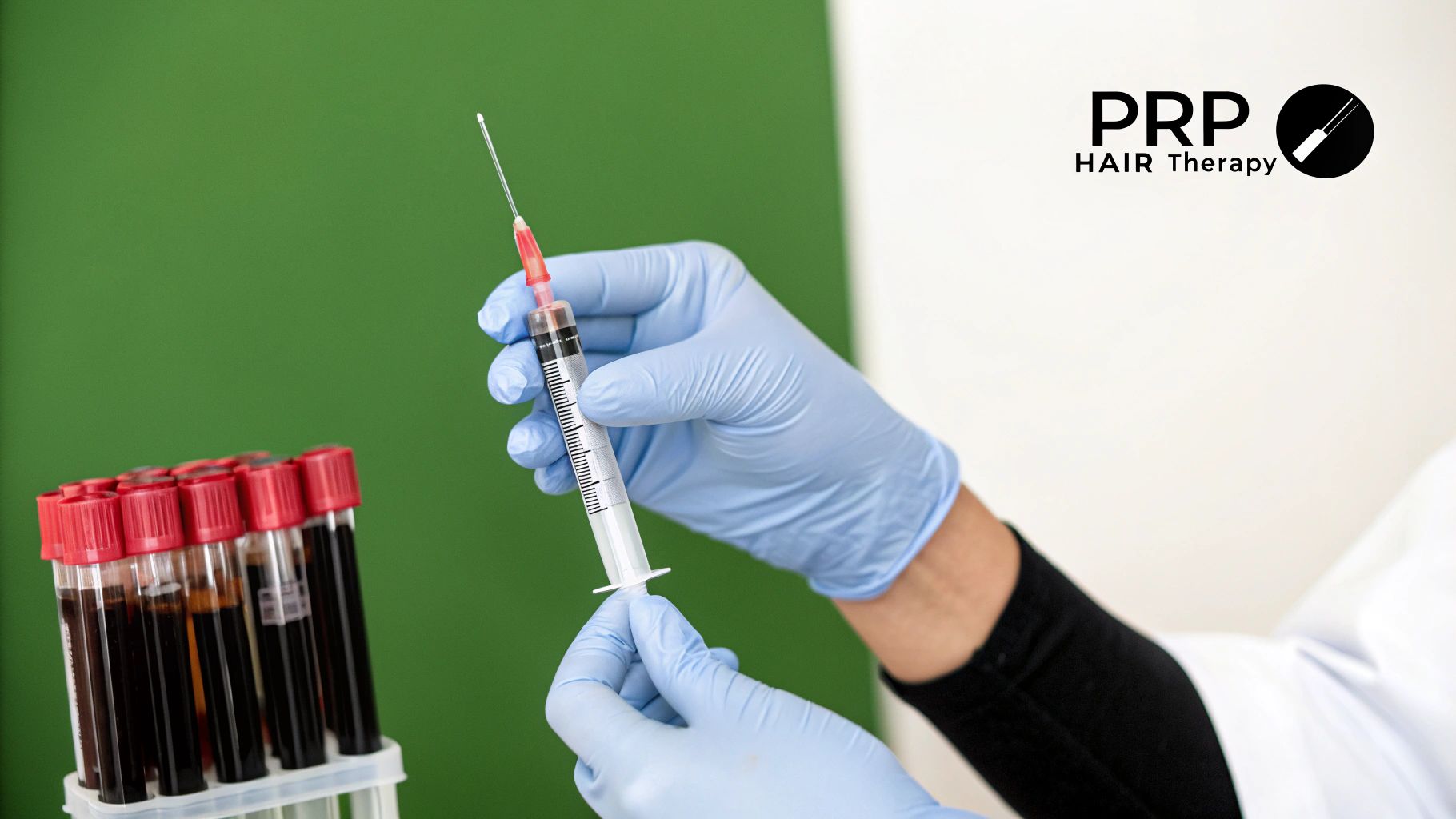
Platelet-Rich Plasma (PRP) therapy for hair loss is a popular treatment. But how effective is it? To understand its potential, let's explore the science behind PRP and how it utilizes the body's natural healing mechanisms to encourage hair growth.
What Exactly Is PRP?
PRP therapy begins with a sample of your own blood. This sample is then placed in a centrifuge. A centrifuge is a laboratory device that spins at high speed, separating components based on density. This process isolates the platelets, vital for blood clotting and healing, from other blood components. The resulting concentrated solution is Platelet-Rich Plasma, or PRP. This PRP is packed with growth factors, proteins that signal cells to regenerate and repair tissue. These growth factors are central to PRP's potential for hair restoration.
How Does PRP Affect Hair Follicles?
When injected into the scalp, PRP delivers a concentrated dose of growth factors directly to the hair follicles. These growth factors are thought to interact with the hair follicles in several ways. They may stimulate dormant or weakened follicles to re-enter the growth phase, potentially counteracting hair thinning. Growth factors may also enhance blood circulation to the scalp, nourishing the follicles. This process can strengthen existing hair and potentially encourage new growth. PRP could therefore address both hair loss progression and stimulate new hair development.
PRP vs. Other Treatments: A Different Approach
Unlike topical treatments like minoxidil, which primarily focus on increasing blood flow to the scalp, PRP targets hair loss at the cellular level. It works by directly stimulating hair follicle activity. This key difference is why many consider PRP a more comprehensive approach to hair restoration. The goal isn't just maintaining existing hair but potentially revitalizing the follicles themselves. However, it’s important to note that individual results may vary.
The Role of Growth Factors in Hair Regeneration
The concentrated growth factors in PRP are the key to its potential benefits. These include Vascular Endothelial Growth Factor (VEGF) and Platelet-Derived Growth Factor (PDGF), both essential for tissue repair and regeneration throughout the body. In the scalp, these growth factors may promote new blood vessel formation, improving blood supply to the follicles. They may also stimulate cell division and differentiation within the follicle, crucial for new hair production. This makes PRP a promising therapy for those seeking a natural approach, using the body's own resources to combat hair loss. More research is still needed to fully understand the complex interactions of these growth factors and their long-term impact on hair growth.
Clinical Evidence: What Medical Studies Actually Reveal

Beyond anecdotal accounts, scientific research plays a vital role in understanding the effectiveness of PRP (Platelet-Rich Plasma) therapy for hair loss. This exploration helps separate fact from fiction and determine if PRP truly delivers on its potential. Numerous studies provide valuable data on this increasingly popular treatment.
For instance, research has shown improvements in both hair count and hair density after PRP injections. Discover more insights about PRP for hair loss. Some studies suggest a 60-80% success rate with PRP in stimulating hair regrowth for individuals experiencing androgenetic alopecia. This success rate is notably higher than that observed with traditional treatments like minoxidil.
How Researchers Measure PRP's Success
Scientists use several key metrics to gauge the effectiveness of PRP treatments, providing a comprehensive evaluation that goes beyond simple visual comparisons.
- Hair Density: This measurement quantifies the number of hairs per square centimeter on the scalp, offering precise data on changes in hair thickness.
- Hair Shaft Diameter: Analyzing the thickness of individual hairs provides insights into whether PRP strengthens existing hair strands.
- Hair Growth Cycle: Assessing the proportion of hairs actively growing helps determine PRP's impact on hair follicle activity and overall hair growth.
- Patient-Reported Outcomes: Gathering subjective feedback from patients offers valuable perspectives on their perceived improvement and satisfaction with the treatment.
Analyzing Clinical Trial Data
Numerous clinical trials have investigated PRP for hair loss, with each study contributing to a deeper understanding of its potential benefits. These trials often employ a controlled design, with some participants receiving PRP while others receive a placebo or an alternative treatment. This method helps isolate the specific effects of PRP.
By comparing hair growth, density, and scalp health in both groups, researchers can identify statistically significant differences directly attributable to PRP. It's important to note that not all studies yield identical results. This underscores the need to understand the various factors that can influence PRP's effectiveness.
Factors Influencing PRP Effectiveness
The variability in study outcomes reflects the complexity of hair loss and its treatment. Several factors can influence how well PRP works for a given individual:
- Patient Demographics: Individual characteristics like age, gender, and overall health can play a role in a person's response to PRP therapy.
- Stage of Hair Loss: Early intervention with PRP may yield better results than treatment initiated during more advanced stages of hair loss.
- PRP Preparation Techniques: Differences in how PRP is prepared, including variations in concentration methods, might influence its potency and efficacy.
- Injection Technique: The precise placement and depth of injections can significantly impact the treatment's success.
Understanding these variables empowers patients to engage in informed discussions with their healthcare providers. This enables realistic expectations and facilitates the development of an optimized treatment strategy. Further research is crucial to fully understand these factors and refine PRP protocols for optimal outcomes.
Breaking Down PRP Success Rates By Patient Type
Does PRP work for hair loss for everyone? The success of Platelet-Rich Plasma (PRP) therapy isn't uniform across all patients. Several factors influence the outcome, making it essential to understand how patient type affects results. This knowledge will help you set realistic expectations for your hair restoration journey.
The Impact of Age, Gender, and Hair Loss Stage
Age plays a significant role in PRP's efficacy. Younger patients with early stages of hair loss tend to respond better than older individuals with more extensive thinning. This is likely because younger scalps have more active hair follicles capable of being stimulated by growth factors. Additionally, the underlying causes of hair loss can vary with age, influencing the effectiveness of PRP.
Gender also contributes to variations in success rates. While PRP is effective for both men and women, some studies suggest slight differences in outcomes. This might be related to hormonal influences on hair growth, which differ between the sexes.
The stage of hair loss is perhaps the most crucial factor. Patients experiencing early stages of thinning or recession often see better results than those with advanced hair loss. This is because PRP works by stimulating existing follicles. Once a follicle is completely dormant, it's more challenging to reactivate.
Defining Success: Stopping Loss Vs. New Growth
It’s important to define what “success” means in PRP therapy. For some, simply halting further hair loss is a significant victory. Others seek noticeable new hair growth. PRP can achieve both, but the likelihood of each depends on the individual’s circumstances.
Patients with early-stage hair loss are more likely to experience new growth, while those with advanced thinning may find that PRP primarily stabilizes further loss. A study showed that 93% of male pattern baldness patients reported a halt in hair loss as early as two months after starting PRP treatment. Explore this topic further. This distinction underscores the importance of managing expectations. Have an honest conversation with your provider about achievable outcomes.
Short-Term Vs. Long-Term Outcomes
PRP’s effects unfold over time. Some patients notice a reduction in shedding within the first few months. However, significant improvements in hair density and thickness usually take longer.
Short-term results might include reduced shedding and stabilized thinning. Long-term outcomes, often visible after a year or more of consistent treatments, can involve noticeable new hair growth and increased hair density. This emphasizes the need for patience and a commitment to multiple treatment sessions.
The initial sessions lay the groundwork for follicle stimulation. Subsequent treatments build upon this, gradually leading to more pronounced results.
Success Rates for Different Hair Loss Types
Different types of hair loss respond differently to PRP. Androgenetic alopecia, the most common type, generally responds well to PRP, particularly in its earlier stages.
Other types, like alopecia areata, an autoimmune condition causing patchy hair loss, may also benefit from PRP. However, research on its efficacy for these conditions is still evolving. Understanding your specific type of hair loss is crucial for setting realistic expectations.
This highlights the importance of proper diagnosis before starting treatment. A qualified provider can accurately assess the cause of your hair loss and recommend the most suitable treatment strategy, whether it’s PRP alone or combined with other therapies.
To help illustrate the varying success rates and outcomes based on treatment timeline, let's examine the following table:
PRP Success Rates by Treatment Timeline
| Timeline | Success Rate | Primary Outcome | Patient Population |
|---|---|---|---|
| 2 Months | Up to 93% | Halt in hair loss progression | Men with androgenetic alopecia |
| 6 Months | Varies | Reduced shedding, stabilized thinning | Early-stage hair loss patients |
| 1 Year+ | Varies | Noticeable new hair growth, increased density | Patients with consistent treatments |
As shown in the table, the primary outcome and success rate can vary significantly depending on the treatment timeline and the specific patient population. While a significant percentage of men with androgenetic alopecia may see a halt in hair loss within the first two months, noticeable new hair growth and increased density often require a longer treatment period and consistent sessions. It's essential to consult with a qualified provider to understand the potential outcomes and timelines based on your individual circumstances and type of hair loss.
Measuring Real Results: Hair Density and Growth Changes
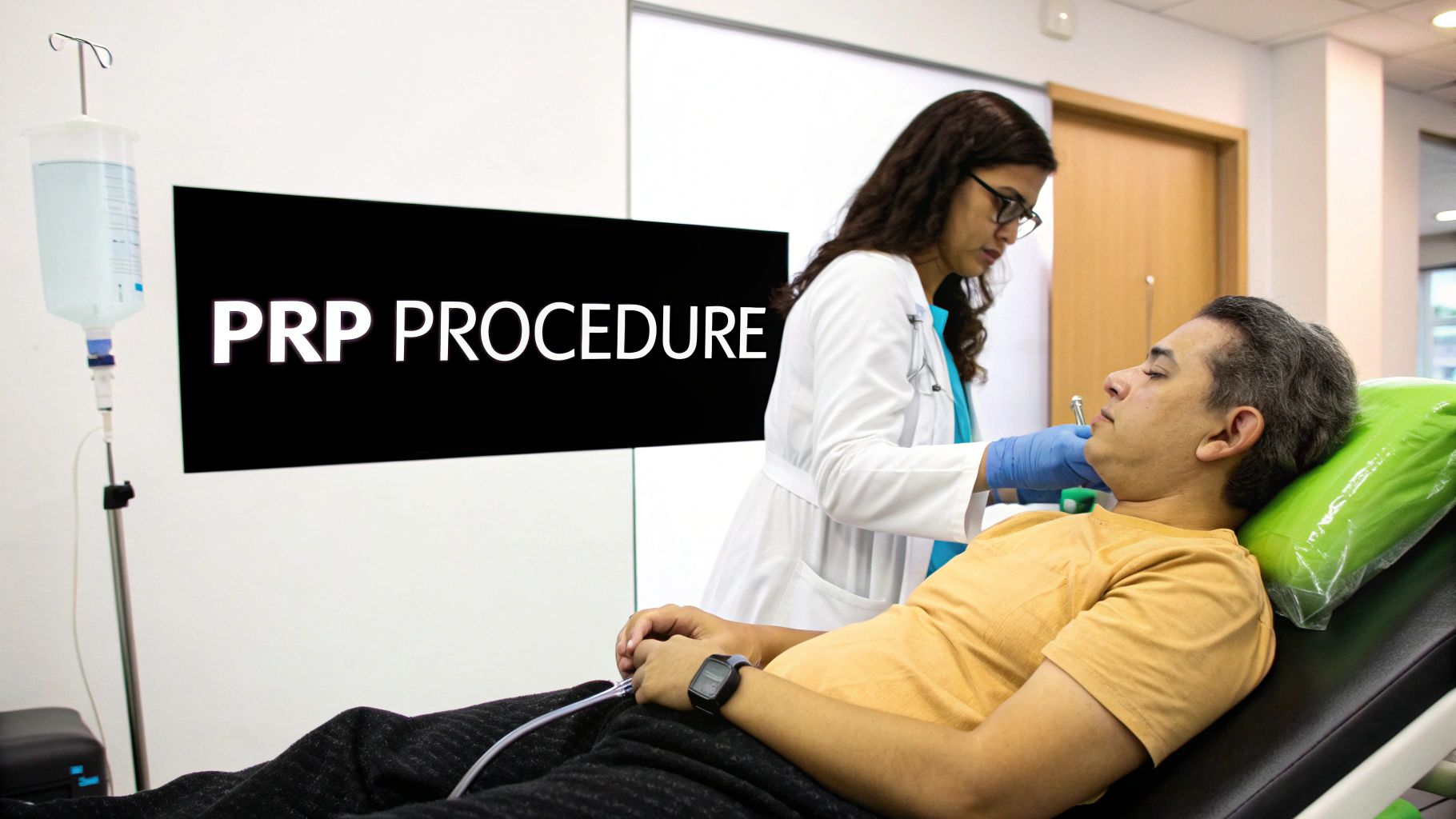
So, does PRP work for hair loss? While anecdotal evidence and before-and-after photos can be intriguing, truly grasping its effectiveness requires objective measurement. How can we move past subjective impressions and quantify actual hair growth changes? This involves analyzing several key indicators.
Objective Measurements of PRP's Impact
One primary method for measuring PRP's success is through hair density assessments. This involves counting the number of hairs within a specific scalp area, typically one square centimeter. An increase in hair density after PRP treatment provides solid evidence of improvement.
Additionally, analyzing hair strand thickness offers valuable insights. It reveals whether PRP strengthens existing hair, making it appear fuller and healthier.
Finally, scalp health assessments, focusing on factors like inflammation and blood flow, can further illuminate PRP’s effects. These objective metrics combine to create a clearer picture of the treatment's effectiveness.
Consider a farmer evaluating crop health. They wouldn't rely solely on visual inspection. They would measure plants per acre, fruit size, and soil quality. Similarly, measuring hair density, strand thickness, and scalp health provides concrete data about PRP's efficacy.
Understanding the Variability in PRP Results
It's important to acknowledge that PRP results can vary significantly among individuals. A key effectiveness indicator is the improvement in hair density. One study revealed a 13% increase in hair density after PRP treatment, highlighting the wide range of possible outcomes. PRP has also been recognized as highly effective for female hair loss, considerably improving hair density and thickness with minimal side effects. Find more detailed statistics here.
This variation stems from factors like age, hair loss stage, overall health, and even the specific PRP preparation and injection techniques. Just as some plants thrive under specific conditions while others struggle, individual responses to PRP can differ significantly.
Timeline for Seeing Results and Tracking Progress
Understanding the typical PRP results timeline helps manage expectations. Some individuals notice reduced shedding within a few months. However, significant changes in hair density and thickness usually take longer, often six months to a year or more.
This is because hair follicles follow a natural growth cycle, and PRP works by stimulating these cycles. Think of planting a seed – you won't see a full-grown plant overnight. Consistent treatment and patience are crucial for optimal results.
Realistic Expectations Based on Your Hair Loss Pattern
Your hair loss type and pattern also influence PRP therapy outcomes. Individuals with early-stage hair loss tend to experience more dramatic improvements compared to those with advanced thinning. This is because PRP is most effective when there are still active follicles to stimulate.
For individuals with advanced hair loss, PRP may help stabilize further loss, even if substantial regrowth isn't achieved. Having realistic expectations based on your individual hair loss pattern is essential. This requires open communication with your provider to define clear treatment goals and expectations.
Tracking progress through photos, hair density measurements, and regular provider assessments is vital for monitoring PRP’s effectiveness and allows adjustments to your treatment plan as needed. Understanding these factors empowers you to make informed decisions about PRP and establish realistic expectations for your hair restoration journey.
PRP Versus Traditional Hair Loss Treatments: An Honest Comparison
Considering PRP for hair loss? It's wise to compare Platelet-Rich Plasma (PRP) therapy with established treatments like minoxidil, finasteride, and hair transplant surgery. This comparison will help you determine the best path forward for your individual hair loss situation.
Effectiveness and Outcomes
A primary concern is each treatment's success rate. PRP shows promise, with studies indicating a 60-80% success rate for androgenetic alopecia. Traditional treatments also have a proven history. Minoxidil, a topical solution, can slow or stop hair loss for many. Finasteride, an oral medication, can be particularly effective for male pattern baldness. Hair transplant surgery offers a more permanent solution with follicle relocation, but it's more invasive. Individual results can vary based on factors like age, hair loss stage, and overall health.
Side Effects and Risks
Each treatment carries potential side effects. PRP, using the patient's own blood, generally has minimal risks. Some experience temporary pain, bruising, or swelling at the injection site. Minoxidil might cause scalp irritation or unwanted hair growth. Finasteride may have more significant, albeit uncommon, side effects, including sexual dysfunction. Hair transplant surgery, a surgical procedure, carries risks like infection, scarring, and a recovery period. The infographic below visualizes potential PRP side effects:
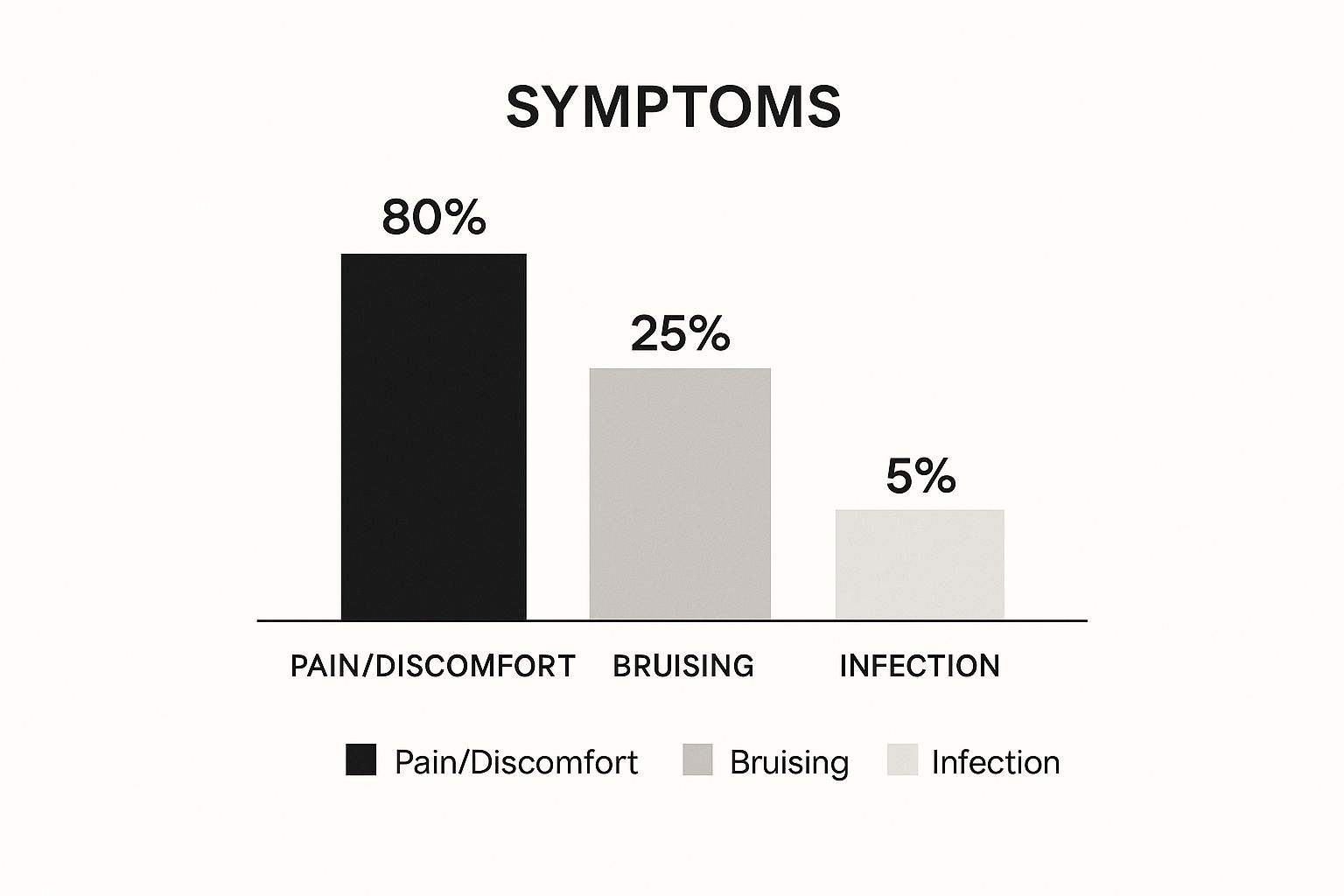
As shown, pain or discomfort at the injection site is relatively common (up to 80% of patients), while bruising occurs less frequently (around 25%), and infection risk is relatively low (approximately 5%). Always discuss potential side effects with your doctor before starting any treatment.
Cost and Long-Term Maintenance
Cost is a crucial factor. PRP therapy often involves multiple sessions, increasing overall expenses. Minoxidil and finasteride require ongoing use, representing a recurring cost. Hair transplant surgery, the most expensive option upfront, is typically a one-time procedure.
To illustrate the cost and other key differences, let's look at a comparison table:
Treatment Comparison: PRP vs Traditional Hair Loss Options
Side-by-side comparison of effectiveness, costs, and considerations for different hair loss treatments
| Treatment | Success Rate | Potential Side Effects | Cost Range | Treatment Frequency |
|---|---|---|---|---|
| PRP | 60-80% (androgenetic alopecia) | Pain, bruising, swelling | Varies based on sessions | Multiple sessions, typically spaced weeks apart |
| Minoxidil | Varies, can slow or stop hair loss | Scalp irritation, unwanted hair growth | Lower cost per month | Daily application |
| Finasteride | Effective for male pattern baldness | Sexual dysfunction (uncommon) | Moderate monthly cost | Daily oral medication |
| Hair Transplant | Permanent solution | Infection, scarring, recovery period | Highest upfront cost | One-time procedure |
This table provides a brief overview. Consult a medical professional for personalized advice and accurate cost estimates.
Combination Approaches and Choosing the Right Treatment
PRP can complement other treatments. Some combine PRP with minoxidil or finasteride to potentially boost results. Others opt for PRP after a hair transplant to aid healing and growth. The best strategy depends on individual hair loss type, stage, and goals.
A qualified hair restoration specialist can assess your specific situation and recommend the best course of action. Consider PRP, especially in early hair loss stages, as a potentially less invasive option to stimulate natural growth. Traditional treatments might suit others, particularly those with advanced hair loss or specific medical conditions. Honest self-assessment and realistic expectations are crucial for successful hair restoration.
Identifying Ideal Candidates For PRP Success
Not everyone experiences the same results with Platelet-Rich Plasma (PRP) therapy for hair loss. This section explores which patients see exceptional results and who might experience minimal improvement. Understanding these factors helps set realistic expectations and determine if PRP is the right choice for you.
Optimal Timing and Stage of Hair Loss
Timing is crucial when considering PRP for hair loss. Early intervention often yields the best results. This is because PRP works by stimulating existing hair follicles. Those in the early stages of thinning or recession have a greater number of active follicles capable of responding to the growth factors in PRP.
Think of it like tending a garden. Watering a young plant is more effective than trying to revive one that's completely withered. Similarly, PRP is more likely to stimulate growth in follicles that are still somewhat active. In more advanced stages of hair loss, where follicles have become dormant, the potential for regrowth diminishes.
Factors Influencing Treatment Success: Age, Health, and Expectations
Several factors beyond the stage of hair loss influence how well a patient responds to PRP. Age can be a factor, with younger patients often experiencing more robust results. This may be due to overall better scalp health and a higher concentration of active hair follicles.
Overall health plays a crucial role as well. Conditions like chronic illnesses or nutritional deficiencies can hinder the body's natural healing processes, including hair growth. For example, patients with underlying health issues that compromise blood circulation may experience less effective PRP results. Addressing these underlying health concerns may be beneficial before considering PRP therapy.
Finally, having realistic expectations is paramount. PRP isn't a magic bullet for hair loss. While some patients achieve substantial regrowth, others see primarily stabilization of hair loss progression. Understanding this distinction is essential for avoiding disappointment. Open communication with your provider about achievable outcomes based on your individual circumstances is key.
Contraindications and Alternative Approaches
Certain factors may make you unsuitable for PRP therapy. These contraindications might include bleeding disorders, certain skin conditions, or active infections in the scalp. These conditions could increase the risk of complications or reduce the effectiveness of PRP.
If you are not an ideal candidate for PRP, alternative approaches are available. These might include topical medications like minoxidil, oral medications like finasteride, or hair transplant surgery. For example, minoxidil can be beneficial for slowing hair loss progression, while hair transplant surgery offers a more permanent solution by relocating existing hair follicles.
Choosing the right approach depends on your specific hair loss type, stage, and overall health. A qualified hair restoration specialist can help evaluate your unique needs and recommend the most suitable treatment plan, whether it’s PRP or an alternative option.
Maximizing Your Chances of Positive Outcomes
While individual responses to PRP vary, several steps can maximize your chances of positive outcomes. Maintaining a healthy lifestyle, including a balanced diet and stress management techniques, can support overall hair health. Regular exercise and adequate sleep also contribute to the body's natural healing and regenerative abilities.
Following your provider's recommended treatment schedule and attending all sessions consistently is essential for maximizing effectiveness. Additionally, open communication with your provider about your progress, concerns, and expectations is crucial for adjusting your treatment plan as needed.
Just as a coach guides an athlete to peak performance, working closely with your provider ensures your PRP treatment is tailored to your individual needs and goals. This collaborative approach enhances the likelihood of success and sets the stage for a positive experience with PRP therapy. Through informed decision-making and realistic expectations, PRP can be a valuable tool in addressing hair loss.
Key Takeaways For Your Hair Restoration Decision
Making a decision about hair restoration requires careful consideration, especially when it comes to Platelet-Rich Plasma (PRP) therapy. This section offers key takeaways to guide your decision-making process, giving you the knowledge to decide if PRP aligns with your hair loss goals.
Realistic Timeline Expectations for PRP
PRP isn't a quick fix. While some see less shedding within a few months, significant improvements usually take six months to a year, sometimes longer. This gradual change occurs because PRP stimulates the natural hair growth cycle, a process that takes time. It's much like nurturing a plant; it requires patience and consistent care for it to truly flourish.
Key Questions to Ask Your PRP Provider
Selecting a qualified and experienced provider is crucial. Don't hesitate to ask potential providers about their PRP preparation techniques, injection protocols, and the expected results for your specific hair loss situation. Ask about their experience with similar cases and ask to see before-and-after photos of their patients. This careful research will empower you to make informed decisions.
Measuring Your PRP Progress: Indicators of Success
Go beyond simply looking in the mirror. Track your PRP progress with objective measurements. Discuss with your provider how they will monitor your hair density, strand thickness, and overall scalp health. Regular assessments, including photos and standardized measurements, will give you concrete evidence of your progress. These indicators will help you and your provider evaluate the treatment's effectiveness and make adjustments as needed.
Warning Signs of Substandard PRP Treatment
Be wary of providers who promise unrealistic results or use high-pressure sales tactics. Substandard PRP treatments might involve improper preparation techniques, incorrect injection methods, or insufficient follow-up care. If a deal seems too good to be true, it probably is. Research potential providers thoroughly, get multiple opinions, and prioritize quality over cost to ensure safe and effective treatment.
Considering Alternatives: When PRP Might Not Be the Best Option
PRP isn't a universal solution. While effective for many, it's not the best option for everyone. If you have advanced hair loss with few active follicles, or health conditions that affect healing, alternative treatments like minoxidil, finasteride, or hair transplant surgery might be more suitable. A qualified hair restoration specialist can help determine the most appropriate treatment based on your individual circumstances. For example, if your hair loss stems from a hormonal imbalance, addressing the underlying hormonal issue could be more effective than PRP alone.
Making Your Informed Decision: Personalizing Your Approach
The decision to pursue PRP therapy is a personal one. Consider your hair loss pattern, treatment goals, budget, and risk tolerance. Weigh the potential benefits against the potential risks and costs. Communicate openly with your provider, ask questions, and actively participate in developing a personalized treatment plan. By considering these factors, you can make an informed decision that meets your needs and expectations.
Ready to learn more about your hair restoration options? Explore the resources and expert insights at PRP For HairLoss to learn more about PRP therapy and other hair loss solutions. Empower yourself with knowledge and make a confident decision about your hair restoration future.
 PRP For Hairloss
Leave a comment