Beyond the Transplant: Exploring Hair Loss Solutions
Losing your hair? A hair transplant isn't your only option. This article explores six powerful alternatives to hair transplant surgery, ranging from non-invasive procedures like scalp micropigmentation (SMP) and low-level laser therapy (LLLT) to topical solutions and even modern hair systems. Discover effective treatments like platelet-rich plasma (PRP) therapy, explore the potential of nutritional supplements, and learn about the latest advancements in hair systems and wigs. Find the best alternative to hair transplant procedures that fits your needs and budget.
1. Scalp Micropigmentation (SMP)
For men seeking alternatives to hair transplant surgery, scalp micropigmentation (SMP) offers a compelling non-surgical solution. This innovative cosmetic tattooing technique creates the illusion of hair follicles by depositing tiny dots of pigment into the scalp. It’s a game-changer for those looking to replicate the look of a closely shaved head, add density to thinning areas, or camouflage scarring from previous hair transplant procedures. This makes SMP a worthy contender on the list of viable alternatives to hair transplant.
SMP addresses hair loss concerns without the invasiveness of surgery, making it suitable for various stages of hair loss. The procedure utilizes specialized needles and pigments designed specifically for scalp tissue. Through a meticulous pointillism technique, skilled practitioners create a remarkably realistic appearance of hair follicles. Unlike other hair loss solutions, SMP offers immediate visible results upon completion and works effectively on all skin types and ethnicities. This provides an immediate visual improvement that can significantly boost confidence.
The success of SMP is evident in its diverse range of applications. Professional athletes, often needing to maintain a consistent appearance during demanding seasons, find SMP a practical and effective solution. Cancer survivors experiencing treatment-related hair loss can regain a sense of normalcy and control over their appearance through SMP. For men experiencing male pattern baldness, SMP provides the sought-after "buzz cut" look, restoring a youthful and stylish appearance. Women, too, benefit from SMP, using it to add density to thinning crown areas and achieve a fuller look.
To better understand the core aspects of SMP, let's take a look at some key data points visualized in the infographic below:
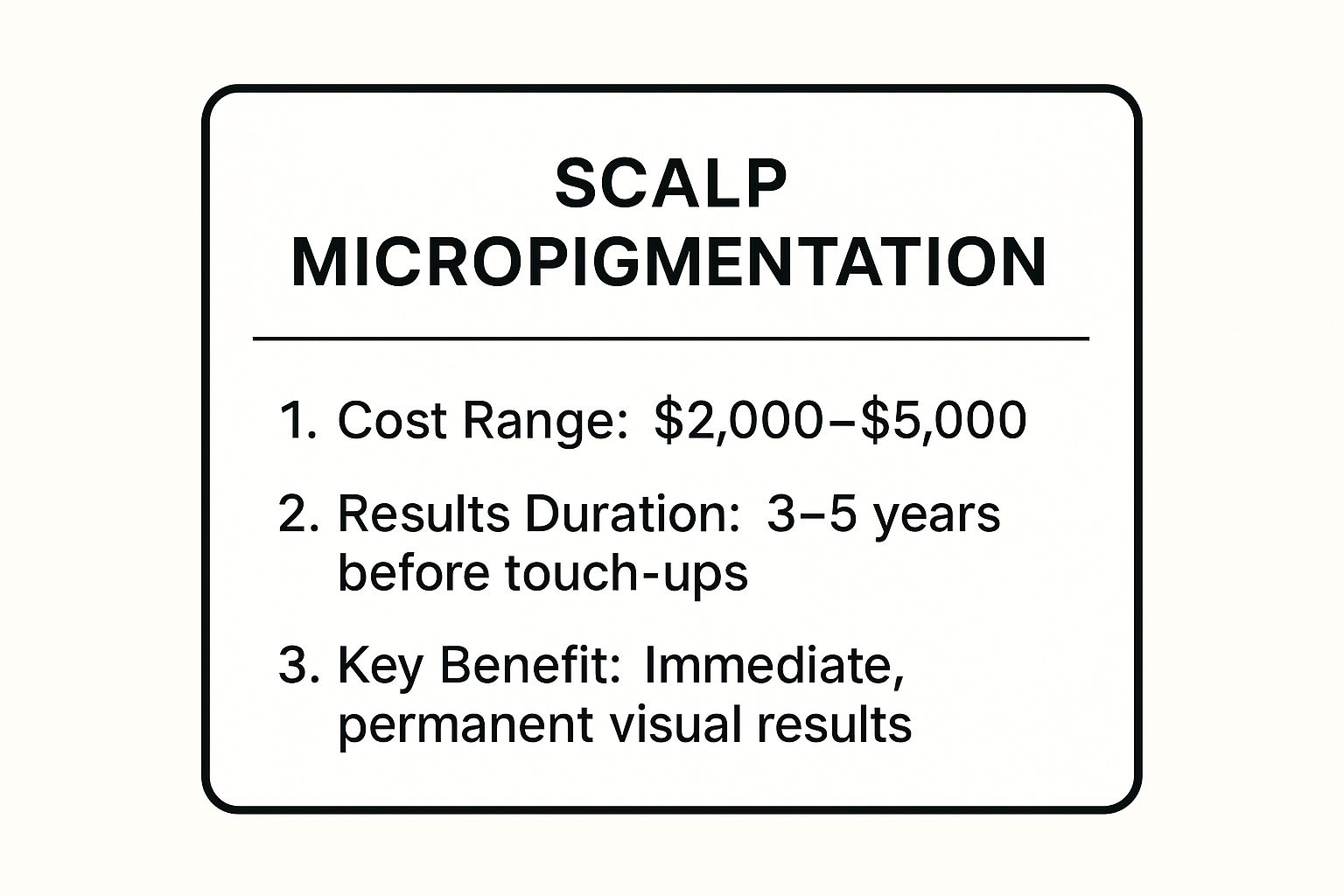
This infographic summarizes the cost range, result duration, and key benefit of SMP. As you can see, SMP offers immediate and visually permanent results, though touch-ups might be required every 3-5 years, making it a relatively low-maintenance solution compared to other alternatives. The cost, while a significant investment, is often less than multiple hair transplant sessions, presenting a more budget-friendly option in the long run.
Now, if you’re considering SMP, here are some actionable tips to ensure a successful outcome:
- Research Practitioners Extensively: Look for experienced practitioners with a strong portfolio showcasing before-and-after results. This is crucial for ensuring natural-looking results.
- Schedule a Consultation: A consultation allows the practitioner to assess your hair loss, discuss your goals, and match the pigment to your natural hair color for a seamless blend.
- Plan for Multiple Sessions: Optimal results are typically achieved through 2-3 sessions spaced several weeks apart. This allows for gradual pigment layering and adjustments.
- Protect Your Scalp: Avoid sun exposure during the healing process to prevent fading and ensure proper pigment settling.
- Start Small: Consider starting with a smaller area to test your satisfaction before committing to a full scalp treatment.
SMP offers numerous advantages as an alternative to hair transplant. The immediate and permanent visual results, combined with the absence of surgical risks and recovery time, make it an attractive option. Furthermore, the cost-effectiveness compared to multiple hair transplant sessions and the ability to camouflage transplant scars add to its appeal. However, it’s crucial to acknowledge the limitations: SMP doesn’t provide actual hair growth, may fade over time requiring touch-ups, and offers limited styling options. Choosing a skilled practitioner is paramount for achieving natural and satisfying results, as the procedure is difficult to reverse if you're unhappy with the outcome.
Clinics like Vinci Hair Clinic, HIS Hair Clinic, and Scalp Micro USA, along with endorsements from various celebrities in sports and entertainment, have helped popularize SMP, solidifying its position as a viable alternative to hair transplant surgery. For men seeking a non-surgical, relatively low-maintenance, and visually impactful solution for hair loss, SMP offers a promising pathway to restoring confidence and achieving a desired look.
2. Low-Level Laser Therapy (LLLT)
For men exploring alternatives to hair transplant surgery, Low-Level Laser Therapy (LLLT) presents a non-invasive and potentially effective option for combating hair loss. This FDA-cleared treatment utilizes specific wavelengths of red light, typically in the 630-670nm range, to stimulate cellular activity within hair follicles. This process aims to revitalize the follicles by increasing blood circulation, reducing inflammation, and potentially reversing miniaturization – the shrinking of hair follicles that leads to thinner, weaker hair and eventual hair loss. LLLT works by energizing cellular metabolism in the follicles, promoting healthier hair growth. This approach provides a welcome alternative for those seeking less invasive solutions to hair restoration. As a viable alternative to hair transplant, LLLT allows men to address hair thinning and loss without the need for surgery or potentially harmful medications.
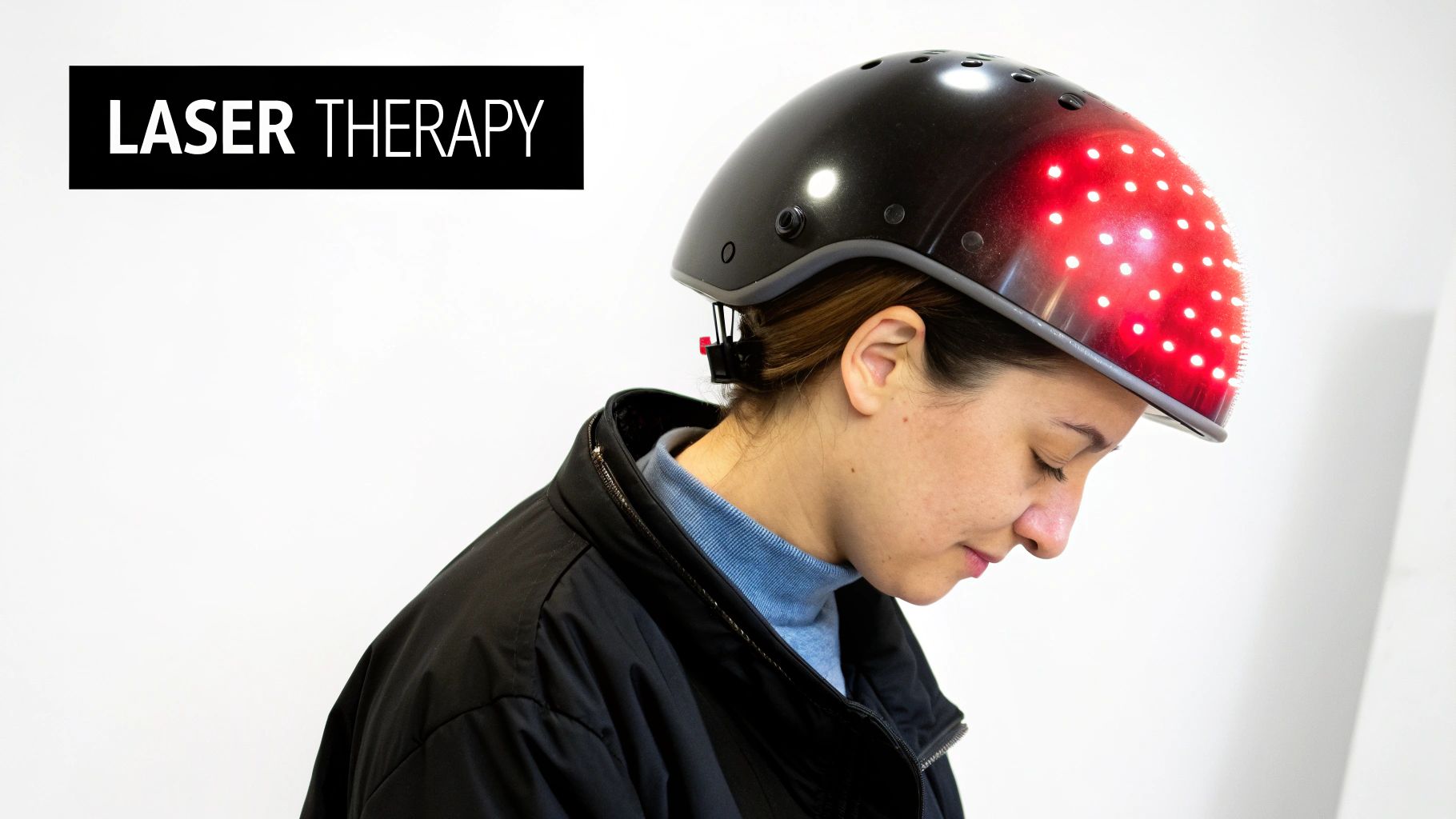
LLLT is available in various formats, catering to both clinical settings and at-home use. Professional LLLT treatments are often offered in dermatology clinics and specialized hair restoration centers, often incorporated into comprehensive treatment programs that may include other therapies. For the convenience of men seeking at-home solutions, numerous FDA-cleared LLLT devices are readily available, such as laser combs, helmets, and caps. These devices offer the flexibility of incorporating treatments into your daily routine without requiring frequent clinic visits. Whether you choose professional treatments or a home-use device, LLLT generally involves sessions lasting 20-30 minutes.
One of the key benefits of LLLT is its proven safety profile, backed by FDA clearance for both safety and efficacy in treating hair loss. Unlike some hair loss medications, LLLT has no reported side effects or drug interactions, making it a suitable option for a wide range of men. Studies, such as those conducted by HairMax, a pioneer in consumer LLLT devices, have demonstrated a significant increase in hair count, with one clinical trial showing a 35% increase. Furthermore, anecdotal evidence from home users often reports improved hair texture and a reduction in shedding. This combination of clinical results and positive user experiences solidifies LLLT's position as a strong alternative to hair transplant surgery.
While LLLT offers a promising avenue for hair restoration, it's crucial to understand both its advantages and limitations.
Pros:
- FDA-cleared for safety and efficacy
- No side effects or drug interactions
- Can be used by both men and women
- Convenient home-use options available
- May improve hair quality and thickness
Cons:
- Results can take 4-6 months to become visible, requiring patience and consistent effort.
- Long-term and consistent use is necessary to maintain results.
- LLLT is generally more effective for thinning hair than for areas of complete baldness.
- High-quality LLLT devices can be expensive, representing a considerable investment.
- Individual results can vary significantly.
To maximize the benefits of LLLT, consider these tips:
- Consistency is Key: Use your LLLT device consistently, at least 3 times per week for a minimum of 6 months, to see optimal results.
- Choose Quality: Opt for FDA-cleared devices to ensure they meet specific safety and performance standards.
- Track Progress: Take monthly progress photos in consistent lighting to monitor your hair growth journey effectively.
- Boost Circulation: Combine LLLT with scalp massage to potentially enhance blood flow to the hair follicles.
- Early Intervention: Starting LLLT treatment in the early stages of hair loss generally yields the best results.
LLLT stands as a compelling alternative to hair transplant surgery, providing a non-invasive, safe, and potentially effective solution for men experiencing hair loss. By understanding how LLLT works, its benefits and limitations, and by following the tips for optimal use, men can make informed decisions about incorporating this therapy into their hair restoration journey. For men seeking to restore their hair naturally and without surgery, LLLT presents a valuable option deserving of consideration.
3. Platelet-Rich Plasma (PRP) Therapy
For men seeking alternatives to hair transplant surgery, Platelet-Rich Plasma (PRP) therapy offers a promising non-surgical option for combating hair loss. This regenerative medicine treatment harnesses the healing power of your own blood to stimulate hair follicles and encourage natural hair growth. PRP deserves its place on this list as a less invasive, natural approach to addressing hair thinning and promoting thicker, healthier hair.
PRP therapy works by utilizing the growth factors and healing proteins found within your blood platelets. The process begins with a simple blood draw, much like a routine blood test. This blood sample is then placed in a centrifuge, a specialized machine that spins rapidly to separate the blood components. This process isolates the platelet-rich plasma, which contains a concentrated dose of growth factors crucial for tissue repair and regeneration. This concentrated PRP is then carefully injected into specific areas of your scalp experiencing hair loss. These growth factors work to revitalize dormant hair follicles, strengthen existing hair strands, and promote new hair growth.
The use of your own blood eliminates the risk of allergic reactions or rejection, a significant advantage over other hair loss treatments. The procedure itself is minimally invasive and performed on an outpatient basis, meaning no lengthy hospital stays or extended recovery periods. Most patients experience minimal discomfort during the injections, which may feel like tiny pinpricks. Any soreness or redness at the injection sites typically subsides quickly.
PRP therapy can be further enhanced when combined with other hair restoration techniques like microneedling or the addition of ACell matrix, a biomaterial that supports tissue regeneration. Microneedling creates tiny punctures in the scalp, which can enhance the absorption and effectiveness of the PRP.
Why Choose PRP as an Alternative to Hair Transplant?
PRP offers several compelling advantages as an alternative to hair transplant surgery:
- Natural Treatment: PRP utilizes your body's own healing mechanisms, eliminating the need for synthetic medications or invasive surgical procedures.
- Safety: The use of your own blood minimizes the risk of allergic reactions, infections, or rejection.
- Minimal Downtime: PRP therapy requires minimal downtime. You can typically resume your normal activities immediately after the procedure.
- Improved Hair Thickness and Growth: PRP can stimulate hair follicle activity, leading to increased hair thickness, density, and growth rate.
- Combinable with Other Treatments: PRP can be effectively combined with other hair restoration methods like microneedling for enhanced results.
PRP: Pros and Cons:
Like any medical procedure, PRP therapy has both pros and cons to consider:
Pros:
- Natural treatment using the body's own healing factors
- No risk of allergic reactions or rejection
- Can improve hair thickness and growth rate
- Minimal downtime and side effects
- Can be combined with other treatments
Cons:
- Requires multiple sessions for optimal results (typically 3-4 treatments spaced 4-6 weeks apart).
- Can be expensive without insurance coverage.
- Results vary depending on individual factors like platelet quality and the extent of hair loss.
- May cause temporary soreness at injection sites.
- Not effective for treating areas of complete baldness. It's most effective in early stages of hair loss or for improving hair thinning.
Examples of PRP Success:
The effectiveness of PRP in promoting hair growth is supported by both anecdotal evidence and clinical observations. Professional athletes have used PRP therapy for faster injury recovery, and this technology has been adapted for hair loss treatment with positive results. Dermatology clinics report patient satisfaction rates of 60-70% for hair restoration with PRP. Combination treatments with microneedling have shown particularly enhanced results. Women experiencing androgenetic alopecia, a common form of female hair loss, have also seen improvements in hair density after undergoing PRP treatments.
Tips for Maximizing PRP Results:
- Avoid blood-thinning medications for a week prior to your treatment.
- Stay well-hydrated in the days leading up to your appointment to improve blood quality.
- Plan for a series of 3-4 treatments spaced 4-6 weeks apart for optimal results.
- Avoid washing your hair for at least 24 hours after treatment.
- Maintain realistic expectations. Visible results typically appear 3-6 months after the initial treatment.
PRP therapy provides a viable alternative to hair transplant surgery, especially for those in the early stages of hair loss. By leveraging the body's own healing potential, PRP can help men achieve thicker, healthier hair without the need for invasive surgery. However, it's crucial to consult with a qualified medical professional specializing in hair restoration to determine if PRP is the right treatment option for your specific needs and expectations.
4. Topical Hair Growth Formulations
For men seeking alternatives to hair transplants, topical hair growth formulations offer a non-invasive and often cost-effective solution to combatting hair loss and stimulating regrowth. These scientifically-formulated solutions contain active ingredients that are applied directly to the scalp, targeting the affected areas without the need for surgery. This makes them a viable alternative to hair transplant for those seeking less invasive options, or as a complementary treatment.
Topical treatments work through several mechanisms. Some, like minoxidil, improve blood circulation to the hair follicles, ensuring they receive the necessary nutrients for growth. Others, such as finasteride, block the production of dihydrotestosterone (DHT), a hormone known to contribute to male pattern baldness. Additionally, some formulations incorporate natural compounds that nourish hair follicles directly. This localized approach minimizes systemic exposure, reducing the risk of side effects compared to oral medications.
These formulations come in various concentrations and formats, including solutions, foams, and specialized compounds. They can include both over-the-counter ingredients like minoxidil, and prescription-strength medications like finasteride, allowing for personalized treatment strategies. Custom compound pharmacies can even create bespoke formulations tailored to an individual's specific needs and hair loss profile, offering another layer of customization within the realm of alternatives to hair transplant.
One of the most well-known examples of a topical hair growth formulation is Rogaine, which contains minoxidil as its active ingredient. Clinical trials have shown Rogaine to be effective in promoting hair regrowth in approximately 65% of users. Other notable examples include Spectral DNC-N, which combines multiple active ingredients for a synergistic effect, and the increasing use of 2% minoxidil by women experiencing female pattern baldness. The availability of these varied formulations highlights the versatility of topical treatments as an alternative to hair transplant.
While genetics largely determine hair loss patterns, factors like stress and diet also influence hair health and even the graying process. For more details on the science behind gray hair, check out why hair turns gray. Addressing these lifestyle factors in conjunction with topical treatments can further enhance results.
Topical hair growth formulations offer several advantages as alternatives to hair transplant. They are generally less expensive than surgical procedures, making them a more accessible long-term treatment option. The direct application to the scalp allows for targeted treatment, maximizing the effectiveness of the active ingredients. Many formulations are available over-the-counter, providing immediate access to treatment without a prescription. Furthermore, topical treatments can be readily combined with other hair loss therapies, offering a comprehensive approach to addressing hair loss.
However, topical solutions also have some drawbacks. Consistent daily application is crucial for sustained benefits, and results typically plateau after 12-18 months. If treatment is discontinued, hair loss will likely resume. Some individuals, particularly those with sensitive skin, may experience scalp irritation. The application process itself can be messy and time-consuming, requiring diligence and patience.
For men considering topical hair growth formulations as alternatives to hair transplant, the following tips can help maximize effectiveness and minimize potential issues:
- Apply to a completely dry scalp: This ensures optimal absorption of the active ingredients.
- Start with lower concentrations: This allows you to assess your scalp's sensitivity and tolerance to the treatment.
- Maintain consistency: Apply the solution at the same time each day for optimal results.
- Avoid washing your hair for at least 4 hours after application: This allows the treatment ample time to penetrate the scalp.
- Track your progress: Take monthly photos to monitor improvements and adjust your treatment plan as needed.
The popularity of topical hair growth formulations has been fueled by companies like Johnson & Johnson (with their Rogaine brand), telemedicine platforms like Keeps and Hims, and research and development efforts by companies like DS Laboratories. Compounding pharmacies also play a crucial role by offering customized solutions tailored to individual needs. These advancements have solidified topical treatments as a valuable alternative to hair transplant, offering a non-surgical path towards achieving a fuller, healthier head of hair.
5. Hair Systems and Modern Wigs
For men seeking alternatives to hair transplants, hair systems and modern wigs offer a compelling non-surgical solution to hair loss. These aren't the wigs of yesteryear; today's systems are sophisticated, virtually undetectable, and capable of delivering a full head of natural-looking hair instantly. They provide a viable alternative to surgery, allowing men to regain their confidence and desired hairstyle without the commitment, cost, and potential side effects associated with a transplant. This makes them a worthy contender on the list of hair loss solutions. They leverage advanced technology and high-quality materials to create a remarkably natural appearance, offering a transformative experience for those experiencing hair thinning or significant loss.
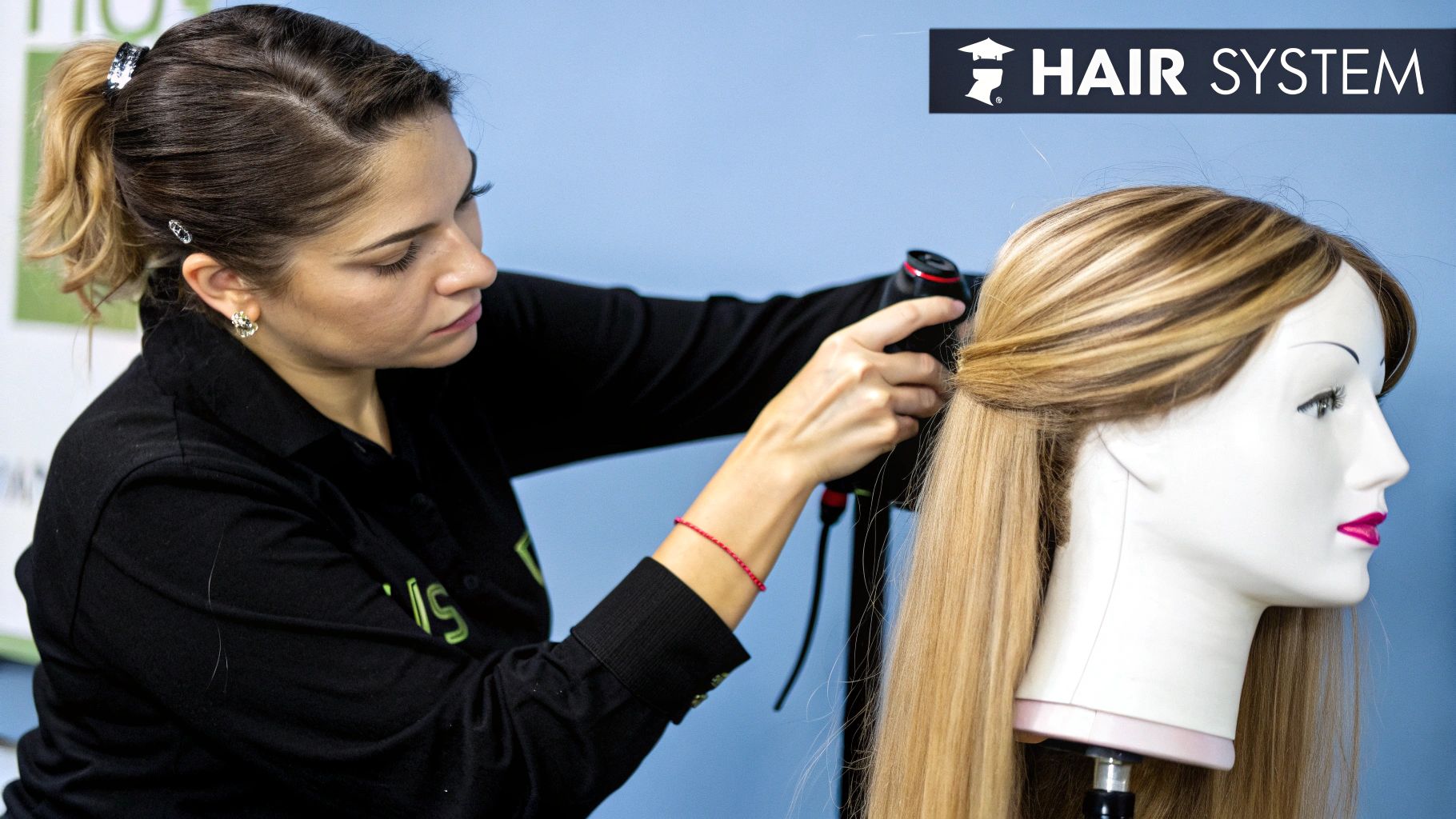
These systems consist of high-quality human or synthetic hair meticulously attached to a thin, breathable base designed to blend seamlessly with the existing hair and scalp. The bases themselves are crafted from a variety of materials, including ultra-thin lace, skin-like polyurethane, or a combination of both (hybrid systems). This variety allows for customization based on individual needs and preferences, ensuring a comfortable and secure fit. The hair is then meticulously hand-tied or injected into the base, mimicking natural hair growth patterns.
Hair systems can be customized to match your exact hair color, density, and desired hairstyle. They can cover partial hair loss, thinning areas, or even provide a full head of hair for those experiencing complete baldness. Attachment methods vary from temporary clips, allowing for easy removal and reapplication, to more semi-permanent medical-grade adhesives that provide a secure hold for weeks at a time. This flexibility is a key advantage, catering to different lifestyles and levels of commitment.
The benefits of modern hair systems are numerous. They offer an immediate and dramatic transformation, eliminating the waiting period associated with hair transplants and other restorative treatments. There are no surgical procedures involved, meaning no incisions, scarring, or potential side effects. They empower you to achieve virtually any desired hairstyle or length, providing a level of control and versatility that can be immensely satisfying. Furthermore, hair systems are reversible. If you decide they're not for you, you can simply remove the system. This reversibility offers peace of mind, especially compared to the permanence of a surgical hair transplant.
However, it’s important to consider the practicalities. Hair systems require ongoing maintenance and professional servicing, typically on a monthly basis. This includes cleaning, re-attachment, and occasional replacement of the unit, contributing to a recurring cost. While modern systems are designed for durability, certain activities, such as swimming or vigorous exercise, might require extra care to prevent detachment or damage. There can also be a psychological adjustment period as you adapt to wearing a hair system.
Examples of successful implementation abound. Many Hollywood actors utilize hair systems for consistent on-screen appearances, demonstrating the remarkable realism achievable with these systems. Business professionals also rely on them to maintain a polished and confident image. For individuals experiencing hair loss due to medical treatments like chemotherapy, hair systems offer a valuable tool for transitioning back to a sense of normalcy during recovery. Even young people with alopecia can benefit from age-appropriate styles that boost self-esteem and confidence.
To maximize your success with a hair system, consider the following tips. Invest in a professional consultation and fitting. A skilled stylist can help you select the right system, customize it to your specifications, and ensure a secure and natural-looking attachment. Having multiple units allows for rotation during maintenance and cleaning, extending the lifespan of each system. Learn proper care and maintenance techniques to keep your system looking its best. This includes using recommended cleaning products and avoiding harsh chemicals that can damage the hair or base. Finally, schedule regular professional maintenance appointments to ensure the longevity and optimal performance of your hair system.
Companies like Lordhair and LaVivid Hair are leading providers of custom hair systems, contributing to the increasing popularity and accessibility of this alternative to hair transplant. Furthermore, the normalization of hair systems by social media influencers and the high standards set by Hollywood hair departments are helping to destigmatize hair loss solutions and empower men to explore all available options.
6. Nutritional and Supplement Interventions
Hair loss can be a distressing experience for many men, often leading to a search for effective solutions. While hair transplants offer a direct approach, they can be costly and invasive. For those exploring alternatives to hair transplant surgery, nutritional and supplement interventions present a promising avenue to support hair growth from within. This method focuses on optimizing internal health to nourish hair follicles and address underlying deficiencies that may be contributing to hair thinning or loss. It’s a holistic approach that recognizes the connection between overall well-being and healthy hair.
This approach works by providing the body with the essential building blocks for hair growth, including vitamins, minerals, and specific herbal extracts known to support hair health. Hair follicles require a consistent supply of nutrients to produce strong, healthy hair shafts. Deficiencies in key nutrients like iron, biotin, zinc, and certain vitamins can disrupt the hair growth cycle, leading to thinning, breakage, and even hair loss. By replenishing these nutrients through targeted supplementation, you can create an optimal internal environment for hair follicle function.
Beyond addressing specific deficiencies, nutritional interventions also consider the impact of hormonal imbalances and inflammation on hair health. Certain supplements can help regulate hormone levels, such as DHT (dihydrotestosterone), which is implicated in male pattern baldness. Others possess anti-inflammatory properties that can help soothe the scalp and reduce inflammation around hair follicles, creating a healthier environment for hair growth. This comprehensive approach, targeting multiple pathways affecting hair health, makes nutritional intervention a compelling alternative to hair transplant for some individuals.
Viviscal and Nutrafol are prime examples of successful implementations of this approach. Viviscal, backed by clinical trials, has shown improvements in hair count and thickness. Nutrafol takes a comprehensive approach, targeting multiple factors contributing to hair loss with its blend of vitamins, minerals, and botanical extracts. Furthermore, correcting iron deficiency has been shown to reverse hair loss in anemic individuals, highlighting the importance of addressing underlying nutritional deficiencies. Similarly, biotin supplementation can improve hair quality in individuals deficient in this vital nutrient. These examples underscore the potential of nutritional interventions as a viable alternative to hair transplant.
Actionable Tips for Optimizing Your Nutritional Approach to Hair Growth:
- Get Blood Work: Identifying specific deficiencies through blood tests is crucial. This allows for a personalized approach, targeting the specific nutrients your body needs.
- Choose Quality Supplements: Opt for third-party tested supplements to ensure quality and purity. This helps avoid potentially harmful ingredients and guarantees the stated dosage of active compounds.
- Improve Absorption: Take supplements with food to enhance absorption. Certain nutrients are better absorbed in the presence of fats or other nutrients.
- Consistency is Key: Be consistent with timing and dosage. Set reminders to ensure you take your supplements regularly as directed.
- Track Your Progress: Document your journey by taking photos and measuring hair diameter. This provides tangible evidence of your progress and helps you adjust your approach if needed.
When and Why to Consider Nutritional and Supplement Interventions:
This approach is particularly suitable for individuals in the early stages of hair loss or those experiencing thinning hair due to nutritional deficiencies, hormonal imbalances, or stress. It’s also an excellent preventative measure for those with a family history of hair loss. While it may not be as effective for advanced hair loss where follicle damage is extensive, it can be a valuable complementary therapy alongside other treatments, even as an alternative to hair transplant in certain cases. The benefits extend beyond hair growth, contributing to overall health improvement. Furthermore, it offers a cost-effective long-term approach compared to the significant upfront investment of a hair transplant.
However, it's important to be aware of the potential drawbacks. Results typically take 3-6 months to become noticeable, requiring patience and consistent daily compliance. The quality of supplements can vary significantly, so careful selection is essential. Additionally, certain supplements can interact with medications, so consulting with a healthcare professional is crucial, especially if you have pre-existing health conditions or are taking other medications. Despite these considerations, the potential benefits of nutritional and supplement interventions, coupled with their relatively low risk profile when implemented correctly, make them a worthwhile exploration for men seeking alternatives to hair transplant procedures and desiring a more holistic approach to hair health.
6 Alternatives to Hair Transplant Compared
| Treatment | Core Features/Characteristics | User Experience/Quality ★★★★☆ | Value Proposition 💰 | Target Audience 👥 | Unique Selling Points ✨ |
|---|---|---|---|---|---|
| Scalp Micropigmentation (SMP) | Cosmetic tattoo mimicking hair follicles; immediate visual results; lasts 3-5 years | ★★★★☆ Immediate, permanent look; no downtime | 💰 $2,000–$5,000 one-time | Men & women with thinning or scars | ✨ Permanent visual density; camouflages scars |
| Low-Level Laser Therapy (LLLT) | FDA-cleared red light stimulates follicles; non-invasive; home & clinical use | ★★★☆☆ Takes 4-6 months; consistent long-term use needed | 💰 $200–$3,000 device cost | Early hair loss, men & women | ✨ FDA-approved; safe, drug-free stimulation |
| PRP Therapy | Uses patient’s blood platelets; growth factor injection; minimally invasive | ★★★★☆ Natural stimulation; multiple sessions required | 💰 $500–$1,500 per session | Men & women with thinning hair | ✨ Natural autologous growth factor treatment |
| Topical Hair Growth Formulations | Active ingredients (minoxidil, finasteride); applied daily; OTC & prescription | ★★★☆☆ Results in 4-6 months; daily regimen | 💰 $20–$100/month | Early hair loss; DIY users | ✨ Widely available; customizable formulations |
| Hair Systems & Modern Wigs | Non-surgical hairpieces; custom fit; various attachment methods | ★★★★☆ Immediate, versatile style; regular maintenance | 💰 $300–$3,000 plus monthly upkeep | Anyone seeking instant transformation | ✨ Virtually undetectable; reversible styling |
| Nutritional & Supplement Interventions | Vitamins, minerals, herbal extracts; addresses deficiencies | ★★★☆☆ Takes 3-6 months; long-term compliance needed | 💰 $30–$150/month | Health-conscious; early thinning | ✨ Targets root causes; overall health benefits |
Making Informed Choices for Your Hair
Hair loss can be a challenging experience, but thankfully, advancements in hair restoration offer a variety of alternatives to hair transplant surgery. This article explored six key options: Scalp Micropigmentation (SMP), Low-Level Laser Therapy (LLLT), Platelet-Rich Plasma (PRP) Therapy, topical hair growth formulations, hair systems and modern wigs, and nutritional and supplement interventions. Each of these alternatives to hair transplant presents unique benefits and considerations, catering to different needs and budgets. Understanding these options empowers you to make informed decisions about your hair restoration journey.
The most important takeaway is that a personalized approach is crucial. What works for one person might not be the best solution for another. By carefully evaluating your individual hair loss situation, lifestyle, and desired outcomes, you can narrow down the alternatives to hair transplant that best align with your goals. Consulting with a qualified medical professional is essential for accurate diagnosis and guidance on the most suitable treatment plan. Mastering these concepts – understanding the pros and cons of each alternative to hair transplant – is invaluable for achieving satisfying, long-term results and regaining your confidence.
Remember, reclaiming a fuller head of hair is a journey, and various paths can lead you there. Empower yourself with knowledge, seek expert advice, and choose the path that best suits your individual needs. For those interested in exploring PRP further, a promising alternative to hair transplant, PRP For HairLoss offers comprehensive information on this innovative treatment. This resource can provide valuable insights into how PRP therapy can stimulate hair growth and potentially reverse hair loss, giving you a fuller, healthier head of hair without surgery.

 PRP For Hairloss
Leave a comment