Confronting the Retreat: Your Guide to a Fuller Hairline
A receding hairline can be distressing, but effective solutions exist. This listicle presents six proven ways to fix your receding hairline. Learn about finasteride, minoxidil, hair transplants, scalp micropigmentation, laser therapy, and PRP therapy. We'll cover each method's benefits, drawbacks, and expected results timeline so you can make an informed decision about reclaiming your hairline and your confidence.
1. Finasteride (Propecia) Treatment
Receding hairlines can be a source of significant insecurity for many men. If you're looking for a clinically proven way to fix a receding hairline, finasteride (commonly known by the brand name Propecia) is a prominent treatment option worth considering. Finasteride is an FDA-approved oral medication specifically designed to combat male pattern baldness, a hereditary condition affecting millions. It works by targeting the root cause of this type of hair loss: dihydrotestosterone (DHT).
DHT is a hormone derived from testosterone. While crucial for male development during puberty, DHT can have adverse effects on hair follicles in genetically predisposed individuals. It miniaturizes these follicles, shortening their growth cycle and eventually leading to thinner, shorter hairs that are barely visible. Finasteride acts as a 5-alpha-reductase inhibitor, effectively blocking the enzyme that converts testosterone to DHT. By reducing scalp DHT levels by 60-70%, finasteride helps prevent further miniaturization of hair follicles and can even encourage the regrowth of lost hair, particularly at the hairline and crown.

Finasteride is administered as a once-daily 1mg tablet. Its effectiveness has been demonstrated in numerous clinical trials. For instance, one study showed that 83% of men taking finasteride maintained or increased their hair count after two years. Another study indicated that approximately 65% of men experienced visible hair regrowth after consistent use. Long-term studies spanning over 10 years confirm the sustained benefits of finasteride in combating hair loss. These studies solidify finasteride's position as a leading treatment for fixing receding hairlines.
The key features of finasteride include its convenient once-daily dosage, its targeted action on the Type II 5-alpha-reductase enzyme, and its proven ability to significantly reduce scalp DHT levels. The fact that it's FDA-approved for male pattern baldness provides further assurance of its safety and efficacy when used as prescribed. Generic versions of finasteride are also available, making it a more accessible option for many.
One of the significant advantages of finasteride is its clinically proven effectiveness in a high percentage of users (80-90%). It not only halts the progression of hair loss but can also stimulate new hair growth. The simple daily pill format makes it easy to incorporate into your routine. Furthermore, the extensive research supporting finasteride's benefits offers reassurance to those considering this treatment.
However, like any medication, finasteride has potential side effects. The most commonly reported side effects are sexual in nature, occurring in about 2-4% of users. These may include decreased libido, erectile dysfunction, and ejaculatory problems. It's crucial to discuss any concerns about side effects with your doctor. It's also important to note that finasteride must be taken continuously to maintain results. Stopping the medication will typically lead to a resumption of hair loss within a year. Finally, it's essential to be patient, as it can take 6-12 months to see noticeable results. Some individuals even experience temporary hair shedding initially, which is a normal part of the process.
To maximize the benefits of finasteride, consider these tips: take the medication at the same time each day for consistency, be patient and allow sufficient time for results to appear, discuss any side effect concerns with your physician, consider starting treatment early in the hair loss process for optimal results, and monitor your progress by taking photos every 3 months.
Finasteride was originally developed by Merck & Co. and has been popularized through research by prominent figures in the hair loss field like Dr. Jerry Shapiro. It has also received endorsements from organizations such as the American Hair Loss Association, further bolstering its credibility as an effective treatment for fixing receding hairlines. If you’re a man experiencing hair loss and looking for a proven solution, finasteride may be the answer you’ve been searching for. Consult with your doctor to determine if finasteride is right for you and to develop a personalized treatment plan.
2. Minoxidil (Rogaine) Topical Application
Receding hairlines can be a source of significant concern for many men, impacting self-esteem and confidence. Fortunately, there are effective treatments available to combat this common issue. Minoxidil, commonly known by the brand name Rogaine, stands as a prominent and readily accessible solution for those seeking to fix a receding hairline. This topical medication works by stimulating hair follicles and promoting hair growth directly at the application site. It's an FDA-approved treatment, providing reassurance of its safety and efficacy.
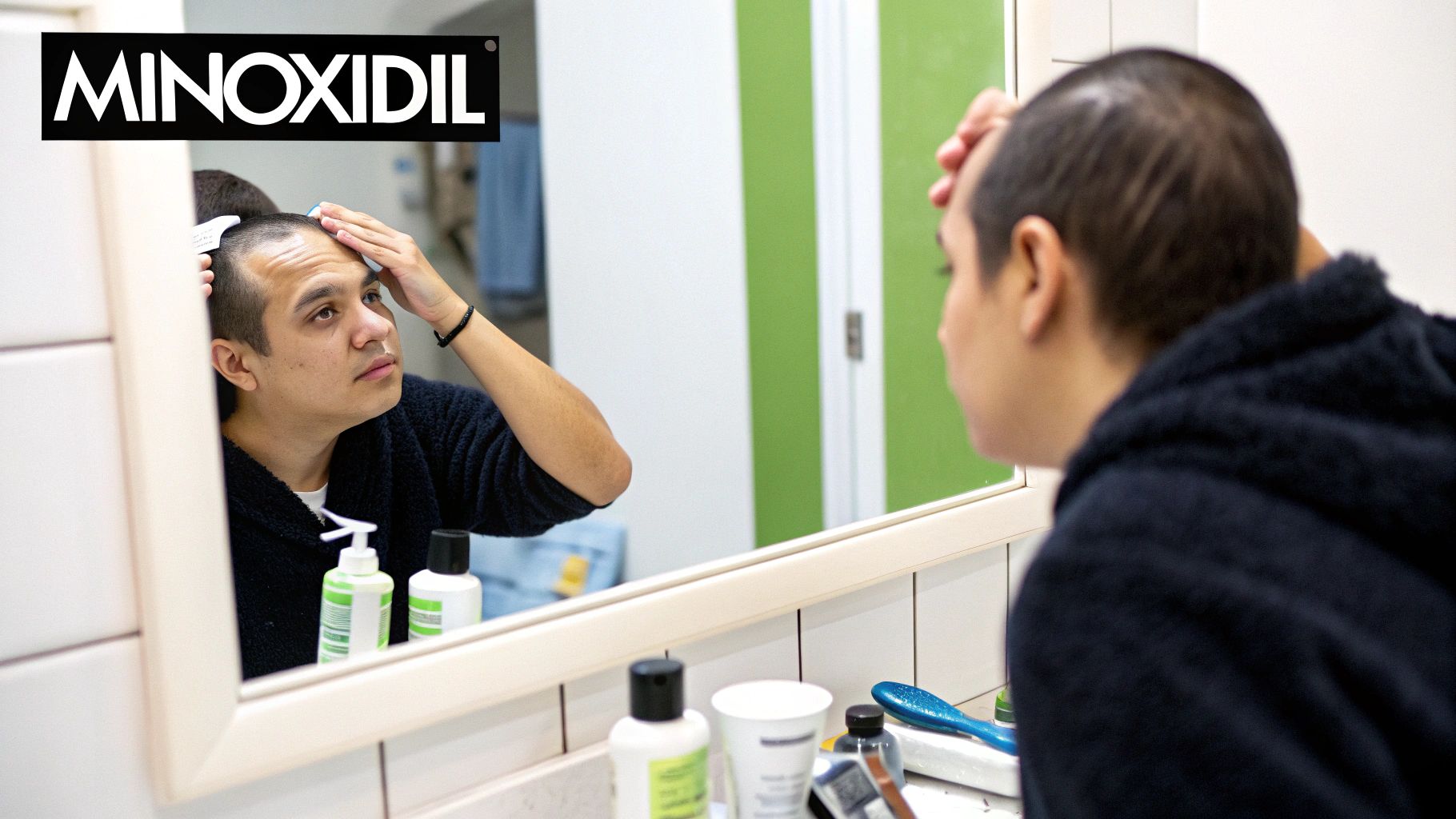
Minoxidil's mechanism of action involves widening blood vessels, a process known as vasodilation. This increased blood flow to the scalp delivers more oxygen and nutrients to hair follicles, essentially revitalizing them. Furthermore, minoxidil prolongs the anagen phase, which is the active growth phase of the hair cycle. This allows hairs to grow longer and thicker before entering the resting and shedding phases. Originally developed to treat high blood pressure, the discovery of minoxidil's hair growth-promoting effects was a welcome surprise, leading to its widespread use as a hair loss treatment.
Minoxidil is available over-the-counter in both liquid and foam formulations, typically in 2% and 5% concentrations. The 5% concentration is generally recommended for men, while the 2% is often preferred by women or those with sensitive scalps. Applying minoxidil is a straightforward process involving direct application to the affected areas of the scalp twice daily, typically once in the morning and again in the evening. The consistency of application is crucial for optimal results, as the medication needs time to work its magic on the hair follicles.
This approach deserves a place on this list because it offers a non-invasive, readily available solution with proven effectiveness. It doesn’t require a prescription, making it convenient for men to access and incorporate into their daily routine. The decades of safety data surrounding minoxidil further solidify its position as a reliable treatment option.
Studies have demonstrated the efficacy of minoxidil in promoting hair regrowth. For men, clinical trials have shown that approximately 40% experience moderate to dense regrowth after several months of consistent use. When combined with other hair loss treatments, such as finasteride, the results can be even more pronounced. This makes minoxidil a versatile tool in the fight against hair loss, offering both standalone benefits and the potential for synergistic effects when used in conjunction with other therapies.
While minoxidil offers a promising solution for many men, it's essential to be aware of potential drawbacks. Some users experience scalp irritation or dryness, particularly with the liquid formulation. This can often be mitigated by switching to the foam version or adjusting the application frequency. Another crucial point to consider is that hair loss resumes if treatment is discontinued. Minoxidil works by stimulating existing hair follicles, and once the stimulation stops, the hair growth cycle returns to its previous state. Furthermore, minoxidil tends to be less effective for advanced hair loss, meaning it's more beneficial for those in the earlier stages of receding hairlines. Finally, some individuals may experience initial hair shedding, which is often a temporary side effect as the hair follicles prepare for new growth.
Actionable tips for using Minoxidil:
- Apply to a dry scalp: This ensures better absorption of the medication into the hair follicles.
- Start with the lower concentration: If you have sensitive skin, begin with the 2% concentration to assess your tolerance before increasing to 5%.
- Consider the foam: If the liquid solution causes irritation, the foam version may be a gentler alternative.
- Apply before bedtime: This avoids potential styling issues and allows the medication to work overnight.
- Massage gently into the scalp: This can help distribute the medication evenly and promote better absorption.
Minoxidil provides a practical and effective solution for men looking to fix their receding hairline. While it requires consistent application and may not be a miracle cure for everyone, its proven track record, over-the-counter availability, and potential for significant improvement make it a valuable option to explore. If you're experiencing hair loss, incorporating minoxidil into your routine might be a step towards regaining a fuller, healthier head of hair. Always consult with a dermatologist or healthcare professional to discuss the best course of action for your specific situation. They can provide personalized advice and address any underlying medical conditions that may be contributing to your hair loss.
3. Hair Transplant Surgery (FUE/FUT)
Hair transplant surgery offers a permanent solution for a receding hairline by relocating healthy hair follicles from the back of your head (the donor area) to the thinning or balding areas on top. This method tackles hair loss head-on, providing natural-looking results using your existing hair. While other solutions may temporarily mask the issue, hair transplants address the root cause by transplanting actively growing follicles. This is why it deserves a top spot on the list of solutions for fixing a receding hairline.
Two primary techniques exist: Follicular Unit Extraction (FUE) and Follicular Unit Transplantation (FUT). Understanding the difference between them is crucial for choosing the best approach for your individual needs. FUE involves extracting individual hair follicles one by one, leaving minimal scarring. FUT, also known as the strip method, involves removing a strip of scalp from the donor area, which contains multiple hair follicles. While FUT can yield a larger number of grafts in a single session, it leaves a linear scar. Both procedures are performed under local anesthesia and are considered outpatient procedures. Modern techniques employed by skilled surgeons can achieve remarkably natural-looking hairlines, restoring significant hair density.
FUE vs. FUT: A Detailed Comparison
-
FUE (Follicular Unit Extraction): This method is ideal for individuals who prefer minimal scarring and often wear their hair short. Because individual follicles are extracted, the recovery time is generally shorter, and the scarring is less noticeable. However, this meticulous process can be more time-consuming and potentially more expensive than FUT.
-
FUT (Follicular Unit Transplantation): FUT is often preferred when a larger number of grafts are required to achieve the desired density. While it leaves a linear scar, it can be easily concealed with longer hairstyles. FUT is generally less expensive per graft than FUE.
Choosing the Right Technique: Consider Your Needs and Priorities
The decision between FUE and FUT hinges on several factors, including the extent of hair loss, desired density, budget, and personal preferences regarding scarring. Consulting with a qualified hair restoration surgeon is essential to determine the most suitable method for your specific case.
Benefits of Hair Transplant Surgery:
- Permanence: Transplanted hair follicles continue to grow naturally for life.
- Natural Appearance: Skilled surgeons can create a hairline that looks and feels entirely natural.
- Self-Sufficiency: Uses your own hair follicles, eliminating the need for ongoing medications or treatments.
- Density Restoration: Can restore significant hair density in balding or thinning areas.
- Advanced Techniques: Modern FUE and FUT techniques minimize scarring and maximize graft survival rates.
Drawbacks of Hair Transplant Surgery:
- Cost: Hair transplants can be expensive, ranging from $4,000 to $20,000 or more depending on the extent of the procedure.
- Surgical Procedure: Requires a surgical procedure and associated downtime for recovery.
- Multiple Sessions: May require multiple sessions for extensive hair loss or desired density.
- Risks: Carries potential risks of infection, poor healing, or unsatisfactory results.
- Donor Hair Limitation: Limited by the availability of donor hair.
Success Stories and Examples:
Celebrity hair transformations, such as those undergone by Wayne Rooney and Elon Musk, have brought increased attention to the effectiveness of hair transplant surgery. Modern FUE techniques boast graft survival rates exceeding 95%, and advancements in robotic systems like ARTAS are improving the precision and efficiency of the procedure. Turkey has also emerged as a popular destination for medical tourism, offering competitive pricing for hair transplant procedures.
Tips for a Successful Hair Transplant:
- Thorough Research: Research surgeon credentials, experience, and before-and-after photos.
- Consultations: Consult with multiple surgeons to discuss your options and expectations.
- Recovery Planning: Plan for 7-14 days of recovery time.
- Post-Operative Care: Strictly adhere to post-operative care instructions for optimal healing and graft survival.
- Realistic Expectations: Maintain realistic expectations about density and the timeline for achieving full results.
The infographic below illustrates the decision-making process for choosing between FUE and FUT based on donor hair availability and scar preference.
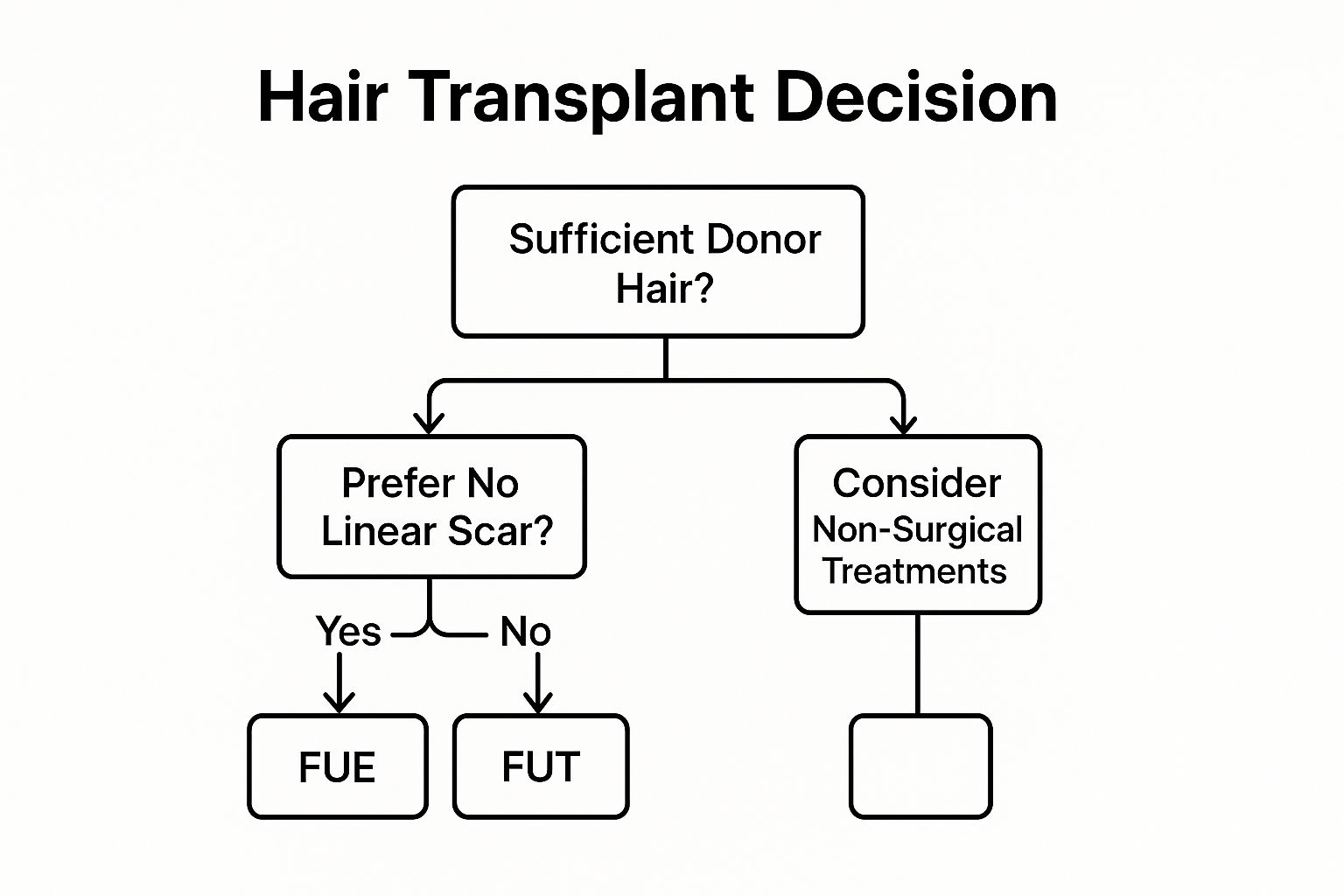
As the infographic demonstrates, sufficient donor hair is a primary requirement for a successful transplant. If donor hair is limited, non-surgical options may be more appropriate. For those with sufficient donor hair, the decision then hinges on scar preference, guiding patients toward either FUE (no linear scar) or FUT (potential linear scar).
By carefully considering these factors and following the advice provided, individuals experiencing hair loss can make informed decisions about whether or not hair transplant surgery is the right solution for them to fix their receding hairline. Pioneering work by figures like Dr. Robert Bernstein (FUE pioneer), the International Society of Hair Restoration Surgery, and Dr. William Rassman (modern techniques) continues to advance the field, offering hope and effective solutions for those seeking to restore their hair.
4. Scalp Micropigmentation (SMP)
Receding hairlines can be a significant source of insecurity for many men. While various solutions exist, from medications to hair transplants, one increasingly popular option is Scalp Micropigmentation (SMP). This innovative, non-surgical procedure offers a compelling alternative for those seeking a less invasive and immediately impactful way to address hair loss and fix a receding hairline. SMP uses specialized needles to deposit pigment into the scalp, mimicking the natural appearance of hair follicles. This meticulous technique creates the illusion of a fuller hairline, adds density to thinning areas, and can even camouflage scars from previous hair transplant procedures. It's a versatile solution that can be tailored to individual needs, offering a highly realistic and lasting improvement.
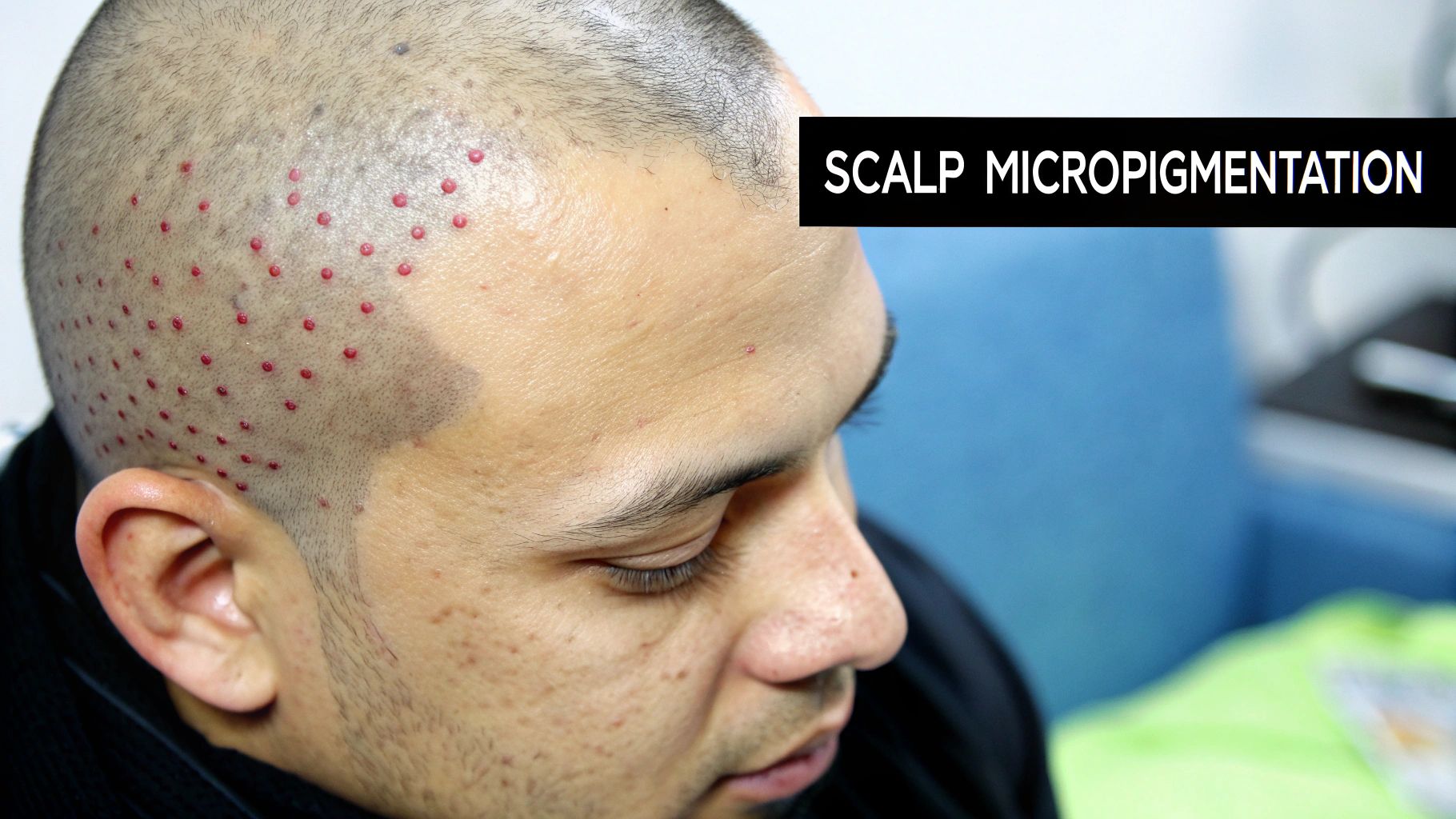
SMP works by creating thousands of tiny pigment deposits, strategically placed to replicate the look of closely shaved hair. The specialized pigments used are designed specifically for the scalp, ensuring a natural look and minimizing the risk of allergic reactions. The procedure is typically performed in multiple sessions, allowing for a gradual build-up of pigment and a more natural, refined result. This phased approach allows the practitioner to carefully assess the pigment's integration with the skin and make adjustments as needed. This technique can replicate various hair colors and densities, making it suitable for a wide range of individuals, regardless of their natural hair color or skin tone. Importantly, SMP works on all skin types and colors, offering a solution for men of diverse backgrounds.
The benefits of SMP are numerous. Perhaps the most significant advantage is the immediate visual improvement. After the first session, you'll notice a significant difference in the appearance of your hairline. This instant gratification makes SMP an attractive option for those seeking quick results. Unlike other hair loss treatments, SMP requires no ongoing maintenance, aside from occasional touch-ups every few years as the pigment naturally fades. This makes it a convenient and hassle-free solution for busy individuals. Significantly, SMP works regardless of the severity of hair loss, from early-stage receding hairlines to advanced baldness. It can also complement hair transplants, camouflaging scars and creating a more uniform appearance. From a medical standpoint, SMP is minimally invasive and carries no risk of rejection or side effects commonly associated with surgical procedures.
While SMP offers many advantages, it's essential to be aware of its limitations. Firstly, it doesn't provide actual hair growth. It’s a cosmetic procedure that creates the illusion of hair, not a treatment for the underlying cause of hair loss. While the pigment is long-lasting, it may fade over 3-5 years, requiring touch-up sessions to maintain the desired look. SMP also limits styling options. It works best with a buzzed or shaved head aesthetic. While longer hair can be styled over the micropigmentation, the effect is most impactful with shorter hairstyles. Finally, the cost can be significant, ranging from $2,000 to $5,000, depending on the practitioner and the extent of the treatment area. Achieving natural-looking results requires a skilled practitioner, so thorough research is crucial.
The growing popularity of SMP is evident in its adoption by athletes, celebrities preparing for red carpet appearances, and everyday individuals seeking a confident, stylish solution to hair loss. Its increasing acceptance in mainstream hair loss treatment speaks to its efficacy and appeal. SMP is particularly popular among men who prefer a shaved head aesthetic, providing a clean, defined look. It’s also often combined with hair transplant procedures to enhance the overall result.
If you’re considering SMP, here are some essential tips: Choose experienced practitioners with extensive portfolios; review before-and-after photos to gauge their skill and artistic eye. Start with lighter pigmentation – you can always go darker in subsequent sessions. Plan for 2-3 sessions spaced weeks apart to allow for proper healing and pigment settling. Avoid sun exposure during the healing period to prevent premature fading. Finally, research pigment quality and longevity to ensure lasting results. While companies like Scalp Micro USA, HIS Hair Clinic, and Vinci Hair Clinic have popularized the procedure, be sure to research local practitioners and choose one who meets your specific needs and expectations. SMP offers a powerful solution for those seeking to fix a receding hairline and regain their confidence, providing a realistic and lasting improvement to their appearance.
5. Low-Level Laser Therapy (LLLT)
Receding hairlines can be a significant source of anxiety for many men. While there's no magic bullet, Low-Level Laser Therapy (LLLT) offers a non-invasive, drug-free approach to potentially stimulate hair growth and combat a retreating hairline. If you’re looking for a way to fix your receding hairline without resorting to medications or surgery, LLLT might be a worthwhile option to explore.
LLLT, also known as photobiomodulation, utilizes specific wavelengths of red light (typically in the 650-670nm range) to energize the cells within hair follicles. This process is theorized to work by increasing blood flow to the scalp, reducing inflammation, and stimulating the anagen (growth) phase of the hair cycle. Imagine it like giving your hair follicles a gentle boost of energy to encourage them to produce thicker, healthier hair.
So, how does this translate to fixing a receding hairline? By stimulating cellular activity in the affected areas, LLLT aims to revitalize dormant or weakened hair follicles, potentially leading to new hair growth and thickening of existing hair. This can help to fill in thinning areas along the hairline and create a fuller, more youthful appearance.
Several FDA-cleared LLLT devices are available for both home use and professional treatments. These devices come in various forms, including caps, helmets, and handheld combs, offering flexibility in how you receive the therapy. Popular brands like HairMax (a pioneer in consumer LLLT devices), Theradome (known for their helmet-style devices), and iRestore (offering clinical-grade home systems) have paved the way for accessible and convenient LLLT treatments. While I cannot provide specific website links, a quick online search for these brands will provide you with access to their product information and research.
Clinical studies, such as those showcasing HairMax laser devices, have demonstrated promising results, including a reported 35% increase in hair density in some users. LLLT is also increasingly being incorporated into professional hair transplant recovery protocols, aiding in faster healing and improved graft survival rates. Professional clinic treatments often combine in-office sessions with at-home device usage for optimal results.
Pros of LLLT:
- No Side Effects or Drug Interactions: Unlike some medications for hair loss, LLLT is generally considered safe and free of significant side effects, making it a viable option for those sensitive to medications or seeking a drug-free approach.
- Home-Based Convenience: Portable LLLT devices allow you to treat your receding hairline in the comfort and privacy of your home, fitting easily into your routine.
- Suitable for Both Men and Women: While this article focuses on men's hair loss, LLLT is a unisex treatment option.
- Complementary Therapy: LLLT can be used alongside other hair loss treatments, such as topical minoxidil or finasteride, potentially enhancing their effectiveness.
- FDA-Cleared: The FDA clearance of many LLLT devices provides reassurance regarding their safety and potential efficacy.
Cons of LLLT:
- Modest Results Compared to Medications: While LLLT can provide noticeable improvements, the results are generally less dramatic than those achieved with medications like finasteride or minoxidil.
- Requires Consistency and Patience: LLLT is not a quick fix. It requires consistent use over several months to see optimal results.
- Cost of Devices: LLLT devices can be expensive, ranging from $200 for basic handheld models to upwards of $3,000 for more advanced systems.
- Limited Long-Term Research: More research is needed to fully understand the long-term effectiveness of LLLT for hair loss.
- Ineffective for Advanced Hair Loss: LLLT may not be effective for individuals with advanced stages of hair loss, where hair follicles are completely miniaturized.
Tips for Maximizing LLLT Results:
- Consistency is Key: Use your LLLT device consistently 3-4 times per week as directed.
- FDA Clearance is Crucial: Ensure your chosen device is FDA-cleared for hair growth to ensure safety and efficacy.
- Clean Scalp for Better Penetration: Wash your scalp before each treatment to remove any product buildup that might interfere with light penetration.
- Combination Therapy: Consider combining LLLT with topical treatments like minoxidil or other hair growth serums for potentially enhanced results.
- Track Your Progress: Take photos and measurements regularly to monitor your progress and stay motivated.
LLLT offers a promising, non-invasive option for men seeking to fix their receding hairline. While results can vary, and it's essential to manage expectations, the potential benefits, combined with its safety profile, make it a worthwhile consideration. If you're exploring different ways to address your hair loss, talk to your doctor or a dermatologist specializing in hair loss to determine if LLLT is right for you. They can help you assess the severity of your hair loss and recommend the most appropriate treatment plan.
6. Platelet-Rich Plasma (PRP) Therapy
Receding hairlines can be a frustrating experience, impacting self-esteem and confidence. If you’re seeking a solution to fix your receding hairline, Platelet-Rich Plasma (PRP) therapy may be an option worth exploring. This innovative treatment leverages the body's natural healing capabilities to potentially stimulate hair follicle rejuvenation and promote new hair growth.
PRP therapy involves a three-step process. First, a small sample of your blood is drawn, much like a routine blood test. Second, this blood sample is then placed in a centrifuge, a device that spins rapidly to separate the blood components. This process isolates the platelet-rich plasma, which contains a high concentration of growth factors – proteins crucial for tissue repair and regeneration. Finally, this concentrated PRP is injected directly into the scalp at the sites of hair thinning or recession. The growth factors within the PRP are believed to signal dormant hair follicles to re-enter the growth phase, leading to thicker, denser hair over time.
The appeal of PRP lies in its use of autologous components – meaning it utilizes your own blood, thereby minimizing the risk of allergic reactions or rejection. This natural approach is particularly attractive to individuals wary of synthetic medications or surgical interventions. The concentration of platelets in the PRP is typically 3-5 times higher than normal blood levels, theoretically amplifying the regenerative effect. PRP therapy can be combined with microneedling, a procedure that creates tiny punctures in the scalp, to enhance the absorption and delivery of the PRP to the hair follicles.
PRP therapy shows promise for improving hair thickness and density, and may be particularly effective in stimulating dormant hair follicles that are still viable but not actively producing hair. While it's not a guaranteed cure for baldness, it can be a valuable tool in the fight against hair loss, particularly in the early stages of a receding hairline. It is often used in conjunction with other hair restoration treatments, such as hair transplant surgery, to improve overall outcomes. Professional athletes have utilized PRP for injury recovery, showcasing its potential to stimulate tissue regeneration. Its growing popularity in aesthetic medicine, including hair restoration, further demonstrates its potential benefits. While celebrity endorsements are increasing awareness, it's essential to rely on scientific evidence and consult with a medical professional.
Pros of PRP Therapy:
- Natural Treatment: Uses your own blood, minimizing the risk of adverse reactions.
- Minimal Side Effects: Autologous treatment reduces the risk of rejection or allergic reactions.
- Potential for Follicle Stimulation: May stimulate dormant hair follicles and promote new hair growth.
- Improved Hair Quality: May improve hair thickness and density.
- Combination Therapy: Can be combined with other hair restoration treatments like microneedling or hair transplant surgery.
Cons of PRP Therapy:
- Limited Scientific Evidence: While promising, more research is needed to definitively prove its long-term effectiveness for hair loss.
- Multiple Sessions Required: Typically requires 3-4 initial sessions spaced monthly, followed by maintenance treatments, with each session costing between $500 and $1,500. This can be a significant financial investment.
- Painful Injections: The injection procedure can be uncomfortable, although topical numbing cream can be used.
- Variable Results: The effectiveness of PRP therapy varies significantly between individuals. Not everyone responds equally well to the treatment.
- Not Covered by Insurance: PRP for hair loss is generally considered a cosmetic procedure and is not typically covered by health insurance.
Tips for PRP Therapy:
- Choose a Reputable Clinic: Ensure the clinic uses proper PRP preparation protocols and sterile techniques.
- Plan for Multiple Sessions: Be prepared for 3-4 initial sessions spaced approximately one month apart, followed by maintenance sessions as recommended by your doctor.
- Avoid Blood Thinners: Avoid taking blood-thinning medications, such as aspirin or ibuprofen, for several days before your treatment, as they can affect the PRP preparation process.
- Hydration and Nutrition: Stay hydrated and eat a healthy meal before your PRP sessions to ensure optimal blood quality.
- Patience is Key: Be patient and realistic with your expectations. It may take 3-6 months or longer to see noticeable results from PRP therapy.
PRP therapy represents a promising avenue for those seeking to fix a receding hairline. By harnessing the body's natural growth factors, PRP aims to revitalize dormant hair follicles and stimulate new growth. While it’s crucial to have realistic expectations and understand that individual results may vary, PRP offers a potentially effective and natural approach to combating hair loss and regaining confidence. Consult with a qualified medical professional specializing in hair restoration to determine if PRP therapy is the right option for you.
6-Method Hairline Restoration Comparison
| Strategy | Implementation Complexity 🔄 | Resource Requirements 💡 | Expected Outcomes 📊 | Ideal Use Cases 💡 | Key Advantages ⭐ |
|---|---|---|---|---|---|
| Finasteride (Propecia) Treatment | Moderate (daily oral medication) | Prescription, consistent daily use | Stabilization/regrowth in 80-90% users | Early to moderate male pattern baldness | Clinically proven, convenient pill |
| Minoxidil (Rogaine) Topical Application | Low (twice-daily topical) | OTC purchase, consistent application | Moderate regrowth in 40-60% users | Early hair thinning, both genders | No prescription, minimal side effects |
| Hair Transplant Surgery (FUE/FUT) | High (surgical procedure) | High cost, surgery, downtime | Permanent natural-looking results (90-95% graft survival) | Advanced hair loss, permanent solution | Permanent results, no meds needed |
| Scalp Micropigmentation (SMP) | Moderate (multiple sessions) | Skilled practitioner, several sessions | Immediate visual density illusion (95% satisfaction) | Visible thinning, non-growth solution | Immediate effect, no meds required |
| Low-Level Laser Therapy (LLLT) | Low to moderate (regular sessions) | Expensive devices, consistent use | Modest 35-40% hair density increase | Early to moderate thinning, supplement therapy | Painless, no side effects |
| Platelet-Rich Plasma (PRP) Therapy | Moderate (multiple injections) | Clinic visits, costs per session | Variable improvement (60-70% respond) | Stimulating dormant follicles, combined treatments | Natural, minimal rejection risk |
Taking the Next Step: Choosing the Right Path for You
Receding hairlines can feel like a daunting challenge, but as we've explored, several effective solutions exist to fix receding hairline. From medical treatments like finasteride and minoxidil to surgical interventions like hair transplants, and even cosmetic procedures such as scalp micropigmentation (SMP), the options are diverse and cater to different needs and budgets. We've also touched on low-level laser therapy (LLLT), another potential avenue to explore. Remember, the most crucial first step is consulting with a qualified professional. They can assess your specific situation, discuss your goals, and recommend the best approach for you.
Creating engaging video content about hair loss solutions can significantly increase viewer interest, especially as you document your own journey. For those looking to enhance their YouTube videos with improved structure and navigation, consider learning how to add chapters to your YouTube videos – a helpful tip from TimeSkip's Creator's Guide.
Ultimately, taking control of your hair loss journey empowers you to regain confidence and feel your best. Don't let a receding hairline define you. Take the next step and explore the possibilities. For a natural and increasingly popular solution, consider exploring PRP therapy further. Visit PRP For HairLoss to discover the potential of platelet-rich plasma in stimulating hair growth and reversing hair loss.
 PRP For Hairloss
Leave a comment