Why Microneedling With PRP Results Excel Beyond Single Treatments
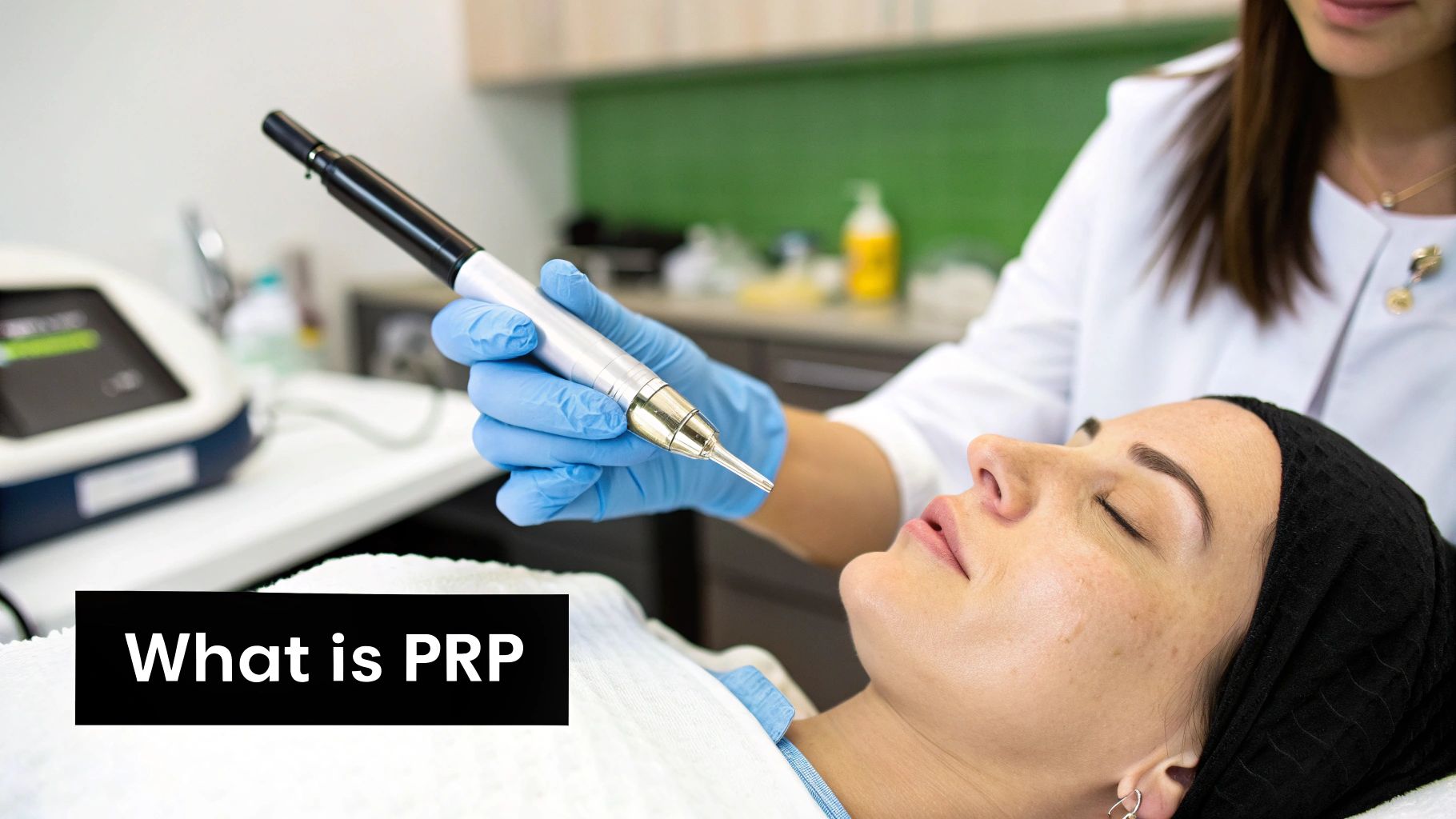
Microneedling with PRP offers a powerful combination that significantly enhances the effects of each individual treatment. This isn't simply a case of adding two therapies together. It's about creating a unique biological environment conducive to superior skin rejuvenation. Microneedling creates the access points, and PRP delivers the essential building blocks for repair and renewal. This synergistic relationship leads to more noticeable and enduring results than either treatment could achieve on its own.
The Science Behind the Synergy
Microneedling creates micro-channels in the skin, providing direct pathways for PRP to penetrate deeper into the dermis. This enhanced delivery system ensures that the growth factors within the PRP reach the cells responsible for collagen and elastin production. It's like the difference between watering a garden with a sprinkler and delivering water directly to the roots of each plant. Microneedling with PRP takes the targeted approach, ensuring the beneficial growth factors are precisely where they're needed to stimulate optimal tissue regeneration.
The micro-injuries from microneedling also trigger the body's natural healing response. This, combined with the concentrated growth factors in PRP, creates a powerful stimulus for collagen and elastin production. Your skin doesn't just repair itself; it rebuilds stronger and healthier tissue. This results in visible improvements in texture, tone, and overall appearance. This combined action sets microneedling with PRP apart. In fact, studies have shown significant improvement in skin texture and homogeneity, with 72.7% of participants reporting mild or significant improvement in skin homogeneity and 81.8% reporting improvements in skin texture. Read the full research here
The Power of Prolonged Regeneration
The benefits of microneedling with PRP extend well beyond the initial treatment. The stimulated collagen and elastin production continues for several months, leading to ongoing improvements in skin quality. You'll see continued progress long after your appointment, adding to the long-term value and overall effectiveness of the combined treatment.
The precise delivery of growth factors and the stimulation of the body's natural healing processes contribute to the overall safety and minimal downtime associated with microneedling with PRP. This makes it a desirable option for those seeking significant results without the extended recovery periods often required for more invasive procedures. This biological synergy explains why microneedling with PRP delivers such impressive and lasting results.
Breaking Down Real Acne Scar Improvement Data
Acne scars can be a frustrating reminder of past breakouts. However, combining microneedling with Platelet-Rich Plasma (PRP) offers real hope for visible improvement. Let's delve into the clinical data and explore the realistic outcomes you can expect from this powerful treatment combination.
Understanding Acne Scar Improvement
Microneedling with PRP addresses acne scars by stimulating collagen production and promoting tissue remodeling. Microneedling creates micro-injuries in the skin, which triggers the body's natural healing process. PRP, rich in growth factors, further amplifies this healing cascade, leading to smoother, more even-toned skin. The infographic below visually represents the impact of PRP on platelet and collagen levels, comparing baseline measurements with the enhanced levels achieved after PRP treatment.
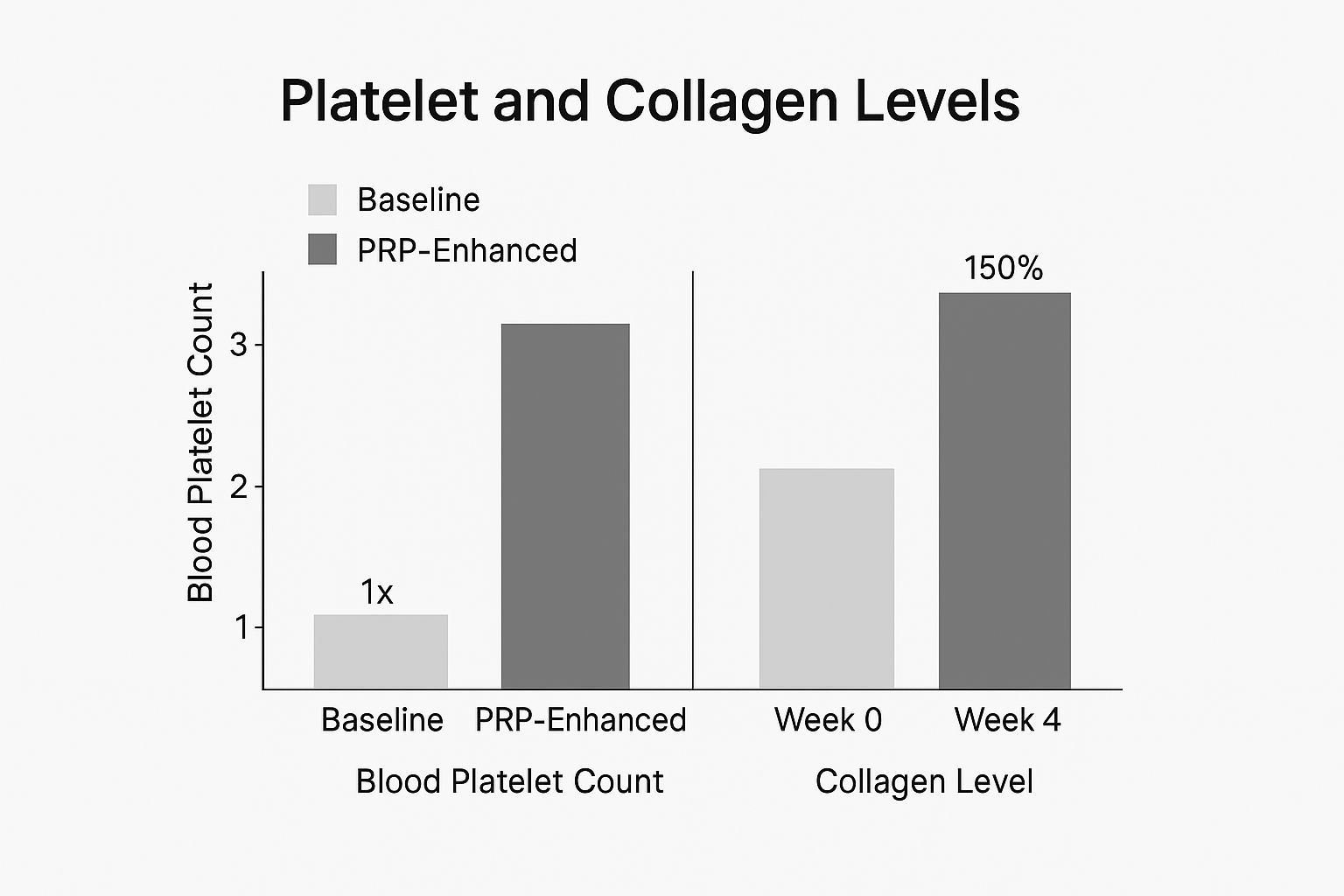
As you can see, PRP treatment leads to a 3x increase in platelet concentration and a 50% increase in collagen levels after just four weeks. This significant boost helps explain the visible improvements seen in acne scar reduction.
Exploring Clinical Outcomes
The efficacy of PRP with microneedling is particularly evident in the treatment of atrophic facial acne scars. Studies show that this combined approach results in substantial improvements. One study categorized patient responses into four groups: excellent, good, moderate, and poor.
To illustrate the positive outcomes observed: 14% of patients experienced excellent results, 52% saw good improvement, and 28% experienced moderate improvement. Only a small percentage, 6%, reported poor outcomes. This data highlights the potential of microneedling with PRP to effectively address various acne scar types. For more detailed statistics and in-depth analysis, you can refer to this clinical study: Find more detailed statistics here
The following table provides a summary of the patient response rates observed in the study:
Acne Scar Treatment Response Rates
| Response Category | Percentage of Patients | Typical Improvement Level |
|---|---|---|
| Excellent | 14% | Significant reduction in scar depth and appearance |
| Good | 52% | Noticeable improvement in scar texture and visibility |
| Moderate | 28% | Some improvement in scar appearance |
| Poor | 6% | Minimal or no visible change |
This table summarizes the distribution of patient outcomes across different response categories, showcasing the overall positive trend observed in the study.
Different Scar Types, Different Responses
It's important to note that not all acne scars are the same. Ice pick scars, known for their deep, narrow pits, often respond differently to treatment than rolling scars, which are wider and shallower. Skin thickness also influences treatment outcomes. Thicker skin tends to respond more favorably to microneedling with PRP due to its greater capacity for collagen production. Individual patient characteristics, such as age, genetics, and overall skin health, can further impact the results.
Realistic Expectations and Limitations
While microneedling with PRP offers significant potential, realistic expectations are essential. Multiple sessions may be necessary to achieve optimal results, and the extent of improvement can vary based on individual scar severity. Some practitioners consistently achieve better results due to factors like technique, PRP preparation methods, and personalized treatment protocols. Understanding these nuances allows for informed decision-making and sets the stage for a positive treatment experience.
The Reality Behind Inconsistent Patient Outcomes
Not all microneedling with PRP results are the same. Understanding the reasons behind these variations is key to setting realistic expectations and achieving your desired skin rejuvenation. This involves examining the numerous factors influencing the treatment's efficacy.
The Role of Individual Factors
Age significantly influences how your skin responds to microneedling with PRP. Younger skin, particularly in the twenties, boasts a greater capacity for collagen production and generally heals faster than mature skin. This typically leads to more noticeable and rapid results in younger patients. However, this doesn't negate the benefits for older patients. It simply means the timeline and degree of improvement may vary. For example, patients in their fifties may require additional sessions to see comparable results.
Furthermore, underlying health conditions, medications, and even genetics can affect your healing process and, consequently, the outcome of microneedling with PRP. Some medications influence blood clotting and healing, while genetic factors can impact collagen production. These individual variables underscore the necessity of a thorough consultation with a qualified practitioner. This consultation helps assess your specific needs and formulate a personalized treatment plan.
Lifestyle Factors and Skin Types
Lifestyle choices play a crucial role in skin health and its responsiveness to treatments. Smoking, for instance, restricts blood flow and impairs healing. Excessive sun exposure damages collagen and elastin, hindering the effectiveness of microneedling with PRP. Adopting a healthy lifestyle that includes sun protection and a balanced diet can contribute to more favorable outcomes.
Different skin types also pose unique considerations. Individuals with sensitive skin might experience increased redness and irritation after treatment. Those with darker skin tones have a higher risk of post-inflammatory hyperpigmentation. Experienced practitioners recognize these nuances and adjust protocols accordingly. They modify needle depth and PRP concentrations to minimize risks and optimize results for each individual.
Understanding Research Limitations
Acknowledging the limitations of existing research is equally important. While numerous studies demonstrate the effectiveness of microneedling with PRP, some report less substantial improvements compared to other treatments. This inconsistency can stem from factors such as small sample sizes, short follow-up periods, and variations in PRP preparation methods.
Despite the potential benefits of microneedling with PRP, variations in efficacy exist across studies. A review article highlighted that while many studies showcase PRP's effectiveness in various medical applications, others report no significant differences compared to alternative treatments or a placebo. Factors like small sample sizes, short follow-up durations, and a lack of standardization in PRP preparation methods contribute to these inconsistencies. Discussing your individual case and expected outcomes with your practitioner is therefore essential. By understanding these factors, you can develop a realistic understanding of potential results and approach your microneedling with PRP journey confidently.
Your Month-By-Month Results Timeline Explained
Patience is key when anticipating results from microneedling with PRP (Platelet-Rich Plasma). This combination therapy initiates a series of biological processes that develop over time. Let's explore a typical timeline based on clinical observations and patient experiences to provide a realistic idea of what to expect each month following your treatment.
Week 1: Redness and Initial Healing
Immediately after your microneedling with PRP session, you'll likely notice some redness and minor swelling, comparable to a mild sunburn. This is normal as your skin begins repairing the micro-channels created during the procedure. This initial phase concentrates on skin recovery and prepares for the remodeling and rejuvenation ahead. The redness typically diminishes within a few days.
Week 4: Collagen Formation Begins
Around week four, the underlying benefits of microneedling with PRP begin. This is when new collagen production is significantly boosted by the growth factors in the PRP. You might not see dramatic changes yet, but this collagen growth forms the basis for future improvements. It's like building a house—the foundation isn't visible, but it's essential to the structure.
Months 2-3: Visible Improvements Emerge
Between months two and three, you'll probably start to see noticeable enhancements in your skin's texture and tone. Fine lines may soften, acne scars can diminish, and overall skin quality starts to improve. The newly formed collagen begins to remodel and strengthen the skin's structure, resulting in these visible benefits.
Months 4-6: Continued Refinement
The improvements from microneedling with PRP continue to progress beyond the initial months. Between months four and six, many patients report further refinement in skin texture, tone, and firmness. This continued progress demonstrates the long-term advantages of stimulating your body's natural regenerative processes. This makes microneedling with PRP a valuable treatment for long-lasting skin rejuvenation.
Peak Results and Long-Term Benefits
Peak results are generally seen around six months after treatment. It's important to differentiate between the initial plumping, which can be immediate due to inflammation, and the actual long-term structural changes from collagen production. These structural improvements take time. Overly frequent treatments can hinder results by disrupting the skin's natural healing. Individual healing rates vary, so some see faster results, while others experience a more gradual change. Understanding this timeline sets realistic expectations and highlights the importance of patience for optimal results.
Evidence-Based Protocols That Maximize Success Rates
Achieving optimal results from microneedling with PRP hinges significantly on the techniques and protocols used. Understanding the nuances of these procedures is essential for both practitioners and patients seeking effective skin rejuvenation. By exploring successful clinical outcomes and best practices, we can identify the approaches that consistently yield superior results.
Needle Depth Optimization
Needle depth is not a universal standard in microneedling. The ideal depth depends on the specific skin concern and individual skin type. Deeper wrinkles or acne scars may require a greater needle depth to stimulate collagen production in the deeper dermis.
Conversely, superficial fine lines or texture improvement may benefit from a shallower depth. Skilled practitioners assess each patient's needs to determine the most appropriate depth, maximizing benefits and minimizing risks.
PRP Preparation: A Critical Factor
PRP preparation methods significantly influence treatment outcomes. Variations in centrifuge speeds and processing techniques affect the concentration of growth factors in the final PRP product.
Higher platelet concentrations are generally linked to enhanced healing and tissue regeneration. Understanding the specific PRP preparation protocol used by a clinic offers insights into the treatment's quality and potential effectiveness.
Timing and Treatment Intervals
The timing of microneedling with PRP treatments plays a crucial role in success. Optimal intervals between sessions allow sufficient time for healing and collagen remodeling.
Overly frequent treatments can be counterproductive, potentially hindering the skin's regenerative processes. Experienced practitioners tailor treatment schedules based on individual needs and healing responses. This ensures ample time for skin rejuvenation, leading to more noticeable and lasting results.
To illustrate, some patients might begin with treatments every 4-6 weeks, followed by maintenance sessions every few months. Let's explore some typical treatment parameters in the table below.
To help illustrate the variations in treatment approaches, the following table summarizes typical parameters for different skin concerns:
Optimal Treatment Parameters Comparison
| Skin Concern | Needle Depth | Session Interval | Expected Results Timeline |
|---|---|---|---|
| Fine lines and wrinkles | 0.5 – 1.5 mm | 4-6 weeks initially, then maintenance every 3-6 months | Gradual improvement over several months |
| Acne scarring | 1.5 – 2.0 mm | 6-8 weeks initially, then maintenance every 6-12 months | Noticeable improvement within 3-6 months |
| Skin texture and tone | 0.5 – 1.0 mm | 4-6 weeks initially, then maintenance every 3-6 months | Improved skin tone and texture within a few months |
| Stretch marks | 1.5 – 2.5 mm | 6-8 weeks initially, then maintenance every 6-12 months | Gradual fading and improvement over several months |
| Hair loss | 0.5 – 1.5 mm | 4-6 weeks initially, then maintenance every 3-6 months | Noticeable hair growth within 3-6 months |
This table provides a general guideline, and individual treatment plans may vary based on the patient's specific needs and the practitioner's assessment. It's crucial to consult with a qualified professional to determine the most suitable protocol for your individual circumstances.
Pre-Treatment Optimization
Certain pre-treatment protocols can further enhance results. Proper skin cleansing and preparation before treatment can improve PRP absorption and maximize effectiveness. Some practitioners may also recommend specific topical products or skincare regimens in advance to optimize skin health and prepare it for healing.
This highlights the value of a comprehensive approach, from pre-treatment preparation to post-procedure care, aimed at maximizing benefits and ensuring a positive patient experience.
How These Results Stack Against Other Treatment Options
Before investing in microneedling with PRP, it's wise to compare it with other skin rejuvenation treatments. This helps determine if it's the right investment for your needs and goals, or if alternatives might be more suitable. For successful outcomes, consider best practices in clinical documentation improvement.
Microneedling With PRP vs. Laser Resurfacing
Laser resurfacing often delivers faster initial results. However, microneedling with PRP may provide more sustainable improvement. Lasers primarily target surface layers, while microneedling with PRP stimulates deeper collagen production, leading to long-term structural changes. This affects cost-effectiveness. A single laser treatment might seem appealing upfront, but the longevity of PRP combination therapy could mean fewer treatments over time.
Microneedling With PRP vs. Chemical Peels
Chemical peels exfoliate the outer skin layers, revealing fresh skin beneath. Peels can improve skin tone and texture, but the effect is mainly superficial. Microneedling with PRP stimulates deeper collagen production for lasting improvements. This makes it a better option for deeper wrinkles, scars, and overall rejuvenation beyond surface changes.
Microneedling With PRP vs. Dermal Fillers
Dermal fillers provide immediate volume and plumpness. Microneedling with PRP triggers your body's natural collagen production. Fillers offer quick results for volume loss. Microneedling with PRP takes longer to show results, but these come from improved skin structure and function. Fillers are excellent for targeted volume, while microneedling with PRP improves overall skin quality and resilience. Combining both treatments can sometimes offer comprehensive rejuvenation.
Microneedling With PRP vs. Standalone Treatments
Microneedling stimulates collagen, and PRP provides growth factors for healing. However, combining them creates a synergistic effect. Microneedling creates micro-channels, allowing PRP to penetrate deeply and stimulate significant collagen production. This makes the combination therapy more effective than either treatment alone.
Combining Treatments For Enhanced Results
Different treatment modalities can complement each other. Combining microneedling with PRP and chemical peels can improve both skin texture and tone. Using microneedling with PRP before laser treatments can better prepare the skin for laser energy absorption, improving results. This integrated approach emphasizes personalized treatment plans for individual needs. Understanding how microneedling with PRP compares to other options helps you make informed decisions and achieve your skin rejuvenation goals.
Your Action Plan For Treatment Success
Transforming insights about microneedling with PRP into tangible results requires a proactive approach. This plan consolidates key findings from clinical data and expert advice into actionable steps you can implement right away. It involves understanding the right questions to ask potential providers, recognizing potential red flags, and optimizing your pre- and post-treatment care.
Essential Questions for Your Provider
Choosing the right provider is crucial for a successful treatment. Asking the right questions upfront will save you time and potential frustration down the road. Consider these essential questions:
- What is your experience with microneedling and PRP? How many procedures have you performed?
- What needle depths and PRP preparation methods do you use, and why are these choices appropriate for my skin?
- What are your typical treatment intervals, and how do you personalize them?
- Can I see before-and-after photos of previous patients with similar skin concerns as mine?
- What are the potential risks and side effects, and how do you manage them?
These questions will help you assess the provider's expertise and ensure their approach aligns with your individual goals.
Recognizing Red Flags
Be wary of clinics that overpromise or use aggressive protocols. Here are some red flags:
- Guaranteed results: No reputable provider can guarantee specific outcomes. Results vary based on individual factors.
- Extremely low prices: Significantly lower prices than the average may indicate the use of subpar equipment or techniques.
- Lack of personalized treatment plans: Every patient is unique. A cookie-cutter approach isn't ideal.
- Pressure to purchase multiple sessions upfront: You should feel comfortable making decisions without feeling pressured by sales tactics.
- Dismissal of your concerns or questions: A qualified provider will address your concerns thoroughly and honestly.
Optimizing Your Skin Health Pre-Treatment
Preparing your skin beforehand can enhance your results. For more information on skin analysis, you can explore various medical image analysis methods. Here are some pre-treatment tips:
- Avoid sun exposure: Sunburned or tanned skin is more susceptible to complications.
- Discontinue certain medications: Some medications, like blood thinners, can increase bleeding. Discuss any medications you are taking with your provider.
- Follow a healthy skincare routine: Proper cleansing, exfoliating, and moisturizing can create an optimal canvas for the treatment.
Evidence-Based Aftercare Protocols
Proper aftercare is essential for optimal healing and results. Here's a post-treatment guide:
- Protect your skin from the sun: Use a broad-spectrum sunscreen with an SPF of 30 or higher every day.
- Avoid harsh skincare products: Stick to gentle cleansers and moisturizers in the days following your treatment.
- Follow your provider's instructions: They may recommend specific products or procedures tailored to your skin's needs.
- Be patient: It takes time for collagen to rebuild. Visible results typically appear gradually.
Realistic Benchmarks and Warning Signs
Understanding the typical timeline helps manage expectations. Most patients see noticeable improvements within 2-3 months, with continued progress for up to 6 months. Contact your provider if you experience:
- Excessive swelling or bruising: Some swelling and bruising are normal, but excessive amounts warrant a check-up.
- Infection: Signs of infection, such as redness, warmth, or pus, require immediate medical attention.
- Prolonged redness or irritation: Redness should subside within a few days. If it persists, consult your provider.
By following this action plan, you can maximize your microneedling with PRP investment and achieve optimal results.
Ready to address hair loss? Visit PRP For HairLoss to explore PRP therapy options for men.

 PRP For Hairloss
Leave a comment