Understanding What Diffuse Thinning Really Means
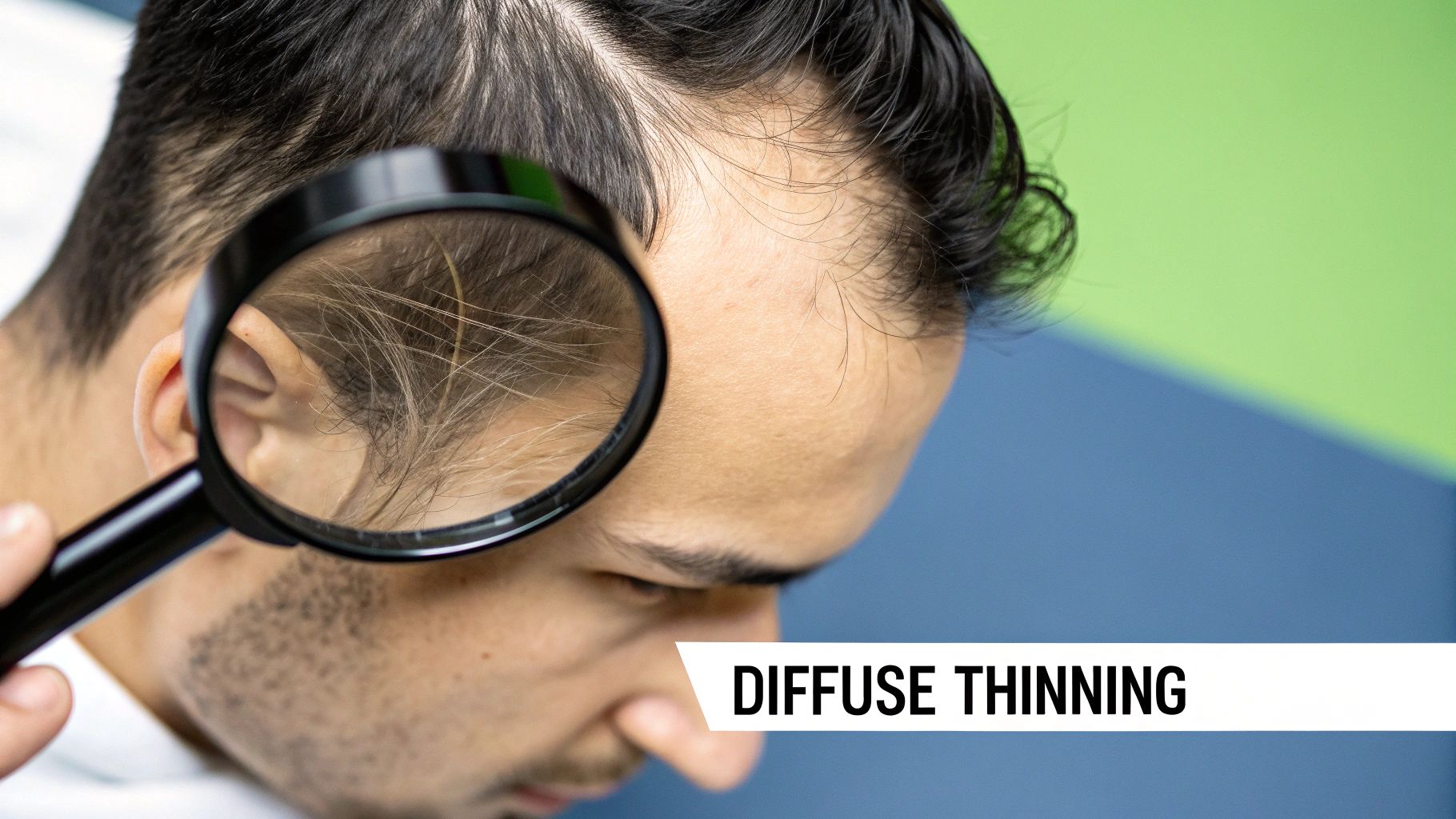
Diffuse thinning presents a unique challenge compared to other hair loss types. Instead of focused areas of baldness, like a receding hairline or noticeable bald patches, diffuse thinning involves a decrease in hair density across the entire scalp. This means the hair appears thinner overall. It's a subtle process, often easily missed in its early stages.
Because of this gradual onset, diagnosis is often delayed. Individuals may initially attribute the shedding to normal hair loss.
Identifying the Subtle Signs
How can you tell the difference between diffuse thinning and normal shedding? One key indicator is overall volume. Has your ponytail become significantly thinner? Is your scalp more visible? You might also find more hair on your brush, pillow, or in the shower drain.
Shedding, however, doesn't necessarily mean diffuse thinning. Everyone loses hair daily. Diffuse thinning refers to a consistent and progressive reduction in hair density, not just occasional shedding. Finding more hairs on your brush for a few days after a stressful period isn't usually a cause for concern. But consistent, noticeable thinning over weeks or months warrants further investigation.
The Prevalence of Diffuse Thinning
Diffuse thinning is surprisingly common, especially among women. While male pattern baldness typically follows predictable patterns, diffuse thinning accounts for a significant portion of hair loss cases seen in clinics. In fact, it's one of the most common forms encountered.
Chronic diffuse telogen hair loss (CDTHL) affects a substantial number of women seeking treatment. One study of 300 women at a dermatology clinic found 22.33% had CDTHL, while another 7% experienced acute telogen effluvium (ATE). These two conditions, though distinct, both contribute to diffuse thinning and together represented nearly one-third of the cases. Find more detailed statistics here.
This data highlights how common diffuse thinning is and the need for greater awareness. If you suspect you're experiencing it, professional advice is crucial. Understanding the underlying causes and treatment options is key to effectively managing this condition.
The Hidden Science Behind Your Hair Growth Cycle

To truly understand diffuse thinning, it's important to explore the hair growth cycle. Every hair on your head progresses through three distinct phases: anagen, catagen, and telogen. This cycle mirrors the life cycle of a plant, from robust growth to a period of rest and eventual shedding.
The Anagen Phase: A Period of Robust Growth
The anagen phase is the active growth period of the hair cycle. This phase can last anywhere from two to seven years. During this time, the hair follicle is highly active, continuously generating new cells that lengthen the hair shaft. The anagen phase determines the maximum length a hair can reach.
The Catagen Phase: Transition and Change
Following the anagen phase is the catagen phase. This is a short transitional period lasting only two to three weeks. During the catagen phase, hair growth slows, the follicle begins to shrink, and it detaches from its blood supply. This relatively short phase often goes unnoticed.
The Telogen Phase: Rest and Release
The final stage of the hair growth cycle is the telogen phase. This is a resting period lasting approximately three months. The hair remains on the scalp but is no longer actively growing. Eventually, the hair naturally sheds, creating space for a new hair to begin its growth cycle. Diffuse thinning is often linked to disruptions within this cycle.
A common cause of hair loss in women, telogen effluvium (TE), is characterized by a significant number of hair follicles prematurely entering the telogen phase. Triggers such as severe illness, surgery, or significant emotional stress can cause this premature shift, typically manifesting 2–3 months after the triggering event. This delayed reaction explains why a stressful event can lead to noticeable hair loss months later. Learn more about diffuse thinning and its connection to the hair growth cycle: Diffuse Hair Loss in Adult Females.
Understanding these phases is essential for identifying the underlying causes of diffuse thinning. For example, a large number of follicles entering the telogen phase prematurely due to stress can result in noticeable hair loss. Addressing the root cause of this disruption, rather than simply treating the symptoms, is crucial for effective treatment.
Hidden Triggers That Most People Never Consider
While chemotherapy is a well-known cause of hair loss, diffuse thinning is often triggered by less obvious factors. These can range from certain medications and supplements to nutritional deficiencies that standard blood tests may miss. Even with a healthy lifestyle, you could be unknowingly contributing to hair thinning.
To understand potential causes and their impact, let's explore common triggers and their typical timelines:
To help visualize the various triggers of diffuse thinning and their timelines, consult the table below:
| Trigger Type | Onset After Event | Duration | Recovery Timeline |
|---|---|---|---|
| Hormonal Changes (e.g., Perimenopause) | Can begin years before other symptoms | Varies, often ongoing until hormonal balance is restored | Months to years, depending on the individual and the effectiveness of treatment |
| Autoimmune Conditions | Can be one of the first noticeable symptoms | Chronic, often requiring ongoing management | Varies greatly; some conditions can be managed effectively, while others may result in permanent hair loss |
| Chronic Stress | Weeks to months | As long as the stress persists | Months to years after stress is reduced or managed |
| Medications | Varies depending on the specific medication | As long as the medication is taken | Typically begins after stopping the medication, but can take months |
| Supplements | Varies depending on the specific supplement | As long as the supplement is taken | Typically begins after stopping the supplement, but can take months |
| Nutritional Deficiencies | Gradual, often taking months to become noticeable | Ongoing until the deficiency is addressed | Months after the deficiency is corrected through diet or supplementation |
As this table illustrates, the causes of diffuse thinning vary considerably, and so too do their timelines and potential for recovery. Consulting with a medical professional is crucial for accurate diagnosis and personalized treatment.
Hormonal Shifts and Autoimmune Clues
Hormonal changes, especially during perimenopause, can initiate hair loss years before other symptoms appear. Fluctuations in estrogen and progesterone can disrupt the hair growth cycle, leading to increased shedding and thinner hair.
Autoimmune conditions can also manifest initially through hair changes. The body's immune system can mistakenly attack hair follicles, causing diffuse thinning as an early warning sign.
Chronic stress disrupts the normal hair growth cycle, pushing more follicles into a resting phase. This can result in noticeable thinning over time. Stress can also worsen existing hair loss, making management more challenging.
Medications, Supplements, and Nutritional Gaps
Certain medications, even seemingly harmless ones, can contribute to diffuse thinning. Some blood pressure medications, antidepressants, and even certain vitamins can have hair loss as a side effect.
Some supplements, while beneficial for other aspects of health, might negatively impact hair growth. It's crucial to discuss any potential side effects with your doctor.
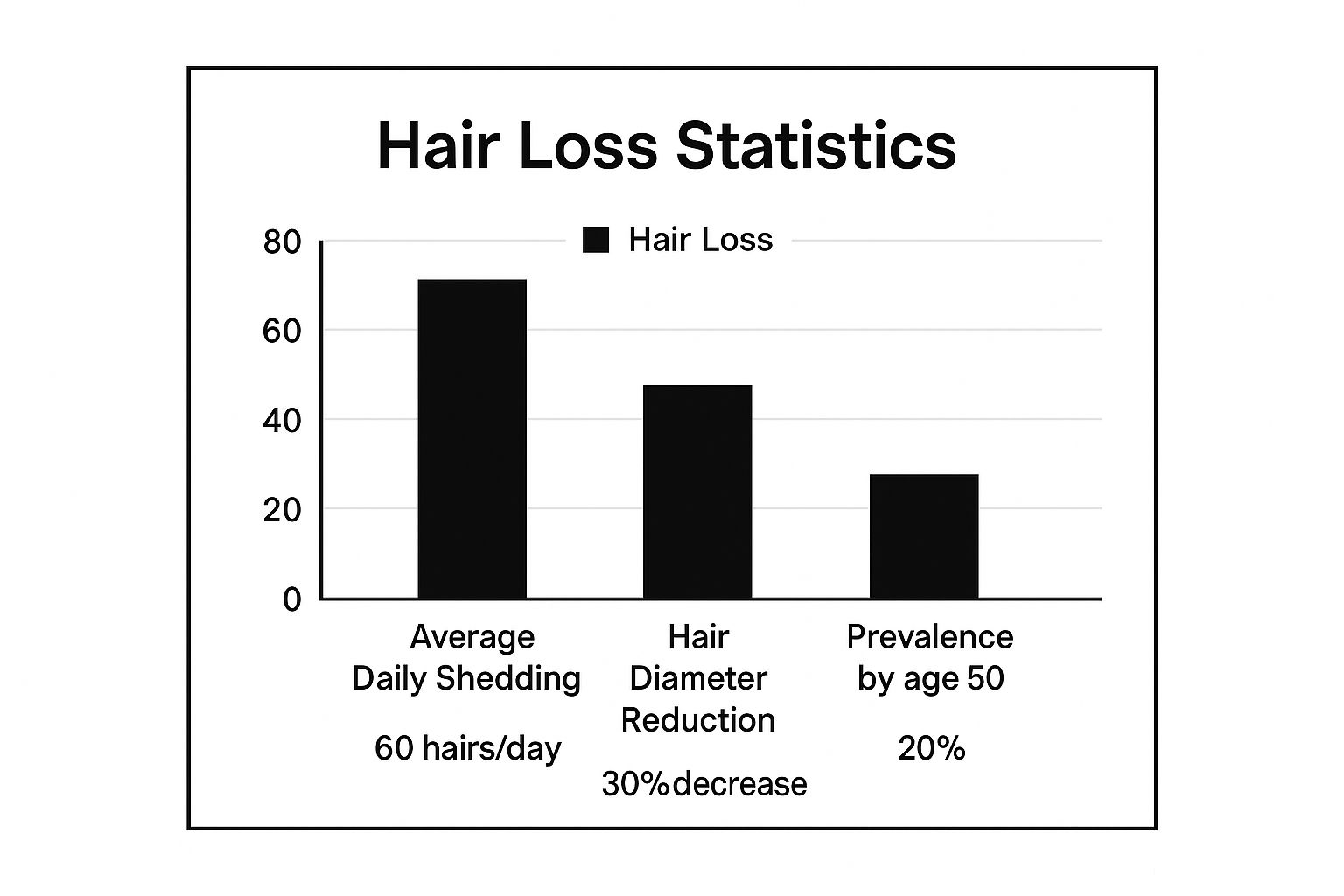
This infographic shows key data on diffuse thinning, including average daily shedding (60 hairs), hair diameter reduction (30%), and prevalence by age 50 (20%). These statistics highlight the normalcy of some hair shedding while emphasizing the impact of diffuse thinning, particularly with age and decreased hair diameter.
Underlying nutritional deficiencies can also contribute to hair thinning. While standard blood tests might not always reveal these deficiencies, they can significantly impact hair health. Deficiencies in iron, zinc, and vitamin D are often linked to diffuse thinning. Exploring these factors with your doctor is essential.
Tracking Your Triggers: A Proactive Approach
Keeping a hair loss diary can be surprisingly effective. By documenting daily shedding, dietary changes, medications, stress levels, and other relevant factors, you can begin to identify potential triggers.
This information is invaluable for your doctor, providing a clearer picture of your individual situation and guiding more effective treatment. This proactive approach can help identify patterns and accelerate the path to a proper diagnosis and personalized treatment plan. Addressing diffuse thinning effectively requires a holistic approach, considering all potential triggers and their combined effects.
The Real Impact on Women's Lives Worldwide
Diffuse thinning, while often subtle at first, significantly affects millions of women globally. It's more than a cosmetic issue; it often impacts emotional well-being, self-esteem, and overall quality of life. Many women suffer in silence, burdened by social stigma and a lack of open conversation.
This silence contributes to feelings of isolation, making it difficult to seek help or connect with others who understand. This is why open discussion is crucial, acknowledging the psychological impact of diffuse thinning. It can affect career confidence, social interactions, and even intimate relationships.
Beyond Vanity: The Psychological and Social Toll
Hair loss, especially for women, can be deeply distressing, triggering feelings of anxiety and depression, and negatively impacting body image and self-worth. Societal beauty standards, where thick hair is often equated with femininity and youth, can exacerbate these feelings.
The financial burden of seeking solutions adds another layer of stress. The costs of consultations, treatments, and hair products can be substantial. The emotional toll of trying different remedies, often without significant results, can be equally draining. Sometimes, underlying health issues, like gut problems, can manifest as hair thinning. Understanding the signs and symptoms of poor gut health can be an important step.
Breaking the Silence: A Growing Movement
The economic and social impact of diffuse thinning is significant, affecting a large demographic of women globally. In clinical settings, up to 50% of women may experience noticeable hair thinning after puberty. Most cases are related to androgenetic alopecia (female pattern hair loss) or telogen effluvium. Explore this topic further
However, a positive shift is happening. More women are openly sharing their experiences with diffuse thinning, reducing stigma and building supportive communities. These conversations create a powerful sense of shared experience, validating struggles and encouraging professional guidance. This growing awareness highlights the importance of recognizing diffuse thinning as a legitimate healthcare concern. By fostering understanding and support, we can empower women to navigate this journey with greater confidence and resilience.
Getting the Right Diagnosis From the Start
Misdiagnosis of diffuse thinning is, unfortunately, a common problem. This can lead to wasted time and ineffective treatments. A proper evaluation is crucial for identifying the root cause and creating a personalized treatment plan that works for you. This section outlines the essential steps involved in a thorough hair loss assessment.
The Importance of a Detailed Medical History
A comprehensive medical history is the foundation of an accurate diagnosis. Your dermatologist will ask detailed questions about your current and past health, medications you're taking, family history of hair loss, and lifestyle factors.
This information can uncover hidden clues contributing to your diffuse thinning. For example, a recent illness or period of significant stress can trigger temporary hair loss. This happens because stressful events can prematurely push hair follicles into a resting phase.
Diagnostic Techniques: Beyond the Naked Eye
Visual examination is important, but it's not the whole picture. Dermatologists often use dermoscopy, a technique employing a handheld microscope to examine the scalp and hair follicles in detail.
Dermoscopy reveals patterns invisible to the naked eye, helping differentiate between various hair loss conditions that might resemble diffuse thinning. A pull test, where a small number of hairs are gently pulled, is another technique used. It helps assess the fragility and shedding patterns of your hair.
To further understand what these tests can reveal, let's take a look at the following table:
Diagnostic Tests for Diffuse Thinning Evaluation
| Test Type | Purpose | What It Reveals | Typical Results |
|---|---|---|---|
| Medical History Review | To identify potential underlying causes or contributing factors | Past illnesses, medications, family history of hair loss, lifestyle factors | Information used to correlate potential triggers with hair loss onset. |
| Dermoscopy | To examine the scalp and hair follicles microscopically | Scalp health, miniaturization of hair follicles, patterns of hair loss | Helps differentiate between different types of hair loss, including diffuse thinning. |
| Pull Test | To assess hair fragility and shedding patterns | The number of hairs dislodged with gentle pulling, the ease with which they are pulled | Indicates the stage and severity of hair loss. |
| Blood Tests | To screen for underlying medical conditions | Thyroid function, iron levels, hormone levels | Can reveal conditions like hypothyroidism, iron deficiency anemia, or hormonal imbalances that contribute to hair loss. |
| Scalp Biopsy | To examine hair follicles and surrounding tissue | Inflammatory conditions, scarring, infections | Rules out specific skin or hair follicle disorders that can cause hair loss. |
This table summarizes some of the key diagnostic tests and their significance in evaluating diffuse thinning. Understanding these tests can help you have a more informed conversation with your dermatologist.
The Role of Blood Tests in Uncovering Hidden Issues
Blood tests are often a crucial part of a comprehensive hair loss evaluation. They can detect underlying health issues, such as thyroid imbalances, iron deficiency, or hormonal fluctuations, which can contribute to diffuse thinning.
These underlying issues might not have any noticeable symptoms, making blood tests a critical diagnostic tool. Addressing diffuse thinning can sometimes lead to discovering and treating other important health concerns.
Recognizing Red Flags and Advocating for Thorough Testing
Certain red flags should prompt immediate medical attention. These include rapid hair loss, patchy hair loss combined with other symptoms (like itching or scaling), or hair loss at a young age.
If initial evaluations are inconclusive, don’t hesitate to advocate for more thorough testing, such as a scalp biopsy, to rule out other conditions. This proactive approach is essential for a correct diagnosis and starting effective treatment as early as possible. A clear understanding of your condition empowers you to make informed decisions about your treatment.
Treatment Strategies That Actually Deliver Results
Diffuse thinning can be a source of worry, but effective treatment options are available. This section goes beyond general advice to explore proven strategies and help you establish realistic expectations. Because combination approaches often provide the best results, understanding your options is essential.
Evidence-Based Treatments: Minoxidil
Minoxidil, a topical solution, is a first-line treatment for hair loss, including diffuse thinning caused by androgenic alopecia (female pattern hair loss) and even telogen effluvium. It prolongs the anagen phase (the active growth phase) of the hair growth cycle, allowing hair to grow longer and thicker before entering the resting phase.
The 5% topical solution, applied twice daily, has shown the most promising results. Studies indicate women can anticipate a 14% to 18% increase in scalp hair after one year of consistent use. Peak effectiveness typically occurs around the one-year mark, though results can vary. Minoxidil is generally well-tolerated, but some individuals may develop contact dermatitis.
Emerging Therapies: Platelet-Rich Plasma (PRP)
Platelet-rich plasma (PRP) therapy is a newer approach gaining recognition in hair restoration. PRP involves drawing a small blood sample, processing it to concentrate platelets, and then injecting this platelet-rich plasma into the scalp.
Platelets contain growth factors thought to stimulate hair follicle activity and encourage hair growth. While further research is necessary to fully determine its long-term effectiveness, PRP is showing potential for some individuals experiencing diffuse thinning.
Combination Approaches: Maximizing Results
While individual treatments can be effective, combining therapies often produces better outcomes. For example, using minoxidil along with PRP therapy may offer a more comprehensive strategy for addressing diffuse thinning.
This combined approach targets hair loss from different angles, encouraging both new hair growth and strengthening existing hair. Combining therapies may involve medication, procedures like PRP, and lifestyle changes.
Realistic Expectations and Personalized Strategies
It's important to have realistic expectations with any hair loss treatment. Results require time and vary among individuals. Collaborating with your healthcare provider to create a personalized strategy is essential.
This involves discussing your specific type of diffuse thinning, any underlying causes, and your treatment goals. It's also important to discuss any concerns you may have regarding potential side effects, insurance coverage, and the long-term management of your condition.
Navigating Insurance and Side Effects
Understanding insurance coverage for hair loss treatments can be complicated. Some plans may cover certain medications, while others may not cover therapies like PRP. Discuss financial aspects with your provider and insurance company to plan appropriately.
Being aware of potential side effects is also crucial. Minoxidil, for example, can sometimes cause contact dermatitis. Openly communicate with your doctor about any side effects. They can help you manage them or adjust your treatment if necessary.
By combining effective treatments with realistic expectations, and understanding the importance of a personalized approach, you can confidently address diffuse thinning and work towards your hair goals. This collaborative process with your healthcare provider ensures the approach aligns with your individual needs and overall health.
Living Confidently While Managing Diffuse Thinning
While pursuing long-term treatment for diffuse thinning, you can take steps right now to boost your confidence and manage the day-to-day realities of thinner hair. This involves styling techniques, cosmetic strategies, and a supportive mindset. Let's explore some practical tips and resources.
Styling Techniques From the Pros
Working with a stylist who understands hair loss can make a world of difference. They can recommend haircuts and styles that create the illusion of fullness and volume. For instance, shorter layers can add lift and movement, giving the appearance of thicker hair. Coloring techniques, like highlights and lowlights, add dimension and can camouflage thinning areas.
- Volumizing Products: Products like mousses and volumizing sprays add body to fine hair.
- Avoid Over-Styling: Heat styling can damage and weaken already-thin hair. Air-drying or using low heat is gentler.
- Strategic Parting: Experimenting with your part can sometimes conceal thinning.
Finding the right stylist can be a game-changer, especially one who specializes in working with clients experiencing hair loss.
Hair Enhancements and Cosmetic Solutions
High-quality hair enhancements, such as toppers and extensions, offer an immediate solution for adding volume and fullness. Today's options look incredibly natural and are virtually undetectable when worn correctly.
- Toppers: These small hairpieces integrate seamlessly with existing hair, concealing specific areas of thinning.
- Extensions: Extensions add length and volume, providing a more complete solution for overall thinning.
- Scalp Concealers: These cosmetic products camouflage thinning by creating the appearance of a denser hairline or fuller coverage.
These solutions provide instant gratification and can help you feel more confident while pursuing longer-term treatments.
Stress Management and Protective Styling
Managing stress is vital, as stress can contribute to hair loss. Incorporating stress-reducing activities like yoga, meditation, or time in nature can positively impact your overall well-being, including your hair health.
Protective styling techniques, such as loose braids or gentle updos, minimize stress on the hair follicles. This results in less pulling and breakage, helping you retain the hair you have.
Building a Support System
Connecting with others who understand your experience can be invaluable. Online forums and support groups offer a safe place to share experiences, tips, and support. This shared journey can provide encouragement and combat feelings of isolation. Diffuse thinning can be challenging, but you don't have to go through it alone. Finding your community makes a difference.
Empowering yourself with practical strategies and a strong support system is essential for living confidently with diffuse thinning. By proactively managing your hair and emotional well-being, you can navigate this experience with grace and resilience.
Interested in learning more about cutting-edge treatments for hair loss like PRP? Visit PRP For HairLoss for more information.

 PRP For Hairloss
Leave a comment