The Critical First 48 Hours: What's Really Happening
Immediately after your PRP hair treatment, a complex series of biological processes begins. It's similar to planting seeds: you've provided the nutrients, but the real growth happens unseen, beneath the surface. This initial 48-hour period is vital for setting the stage for successful hair restoration.
Understanding the Healing Cascade
The micro-injections create tiny, controlled injuries in the scalp. This triggers your body's natural healing response, increasing blood flow to the area. This delivers vital oxygen and nutrients to the treated follicles. Any mild tenderness or swelling you might experience is simply a sign that the healing process is working.
The injected platelet-rich plasma (PRP) contains a concentrated dose of growth factors. These growth factors signal your body to repair and regenerate tissue, stimulating dormant hair follicles and encouraging them to re-enter the growth phase. This process, however, requires time.
Why Post-Treatment Care Matters
Following PRP hair treatment, proper post-care is essential for maximizing results and minimizing any reactions. For the first 24 to 48 hours, avoid washing your hair or applying hair products. This allows the injected growth factors to work effectively within the scalp tissue.
Additionally, avoid strenuous exercise, saunas, direct sun exposure, and alcohol during this period. This helps reduce inflammation and promote optimal healing. Typical side effects are mild and temporary, such as scalp tenderness, minor swelling, or redness, usually resolving within a couple of days. You can find more detailed information about success rates here: Understanding the PRP Hair Treatment Success Rate.
This initial period is a delicate stage. Introducing external factors like harsh chemicals, heat, or excessive friction can disrupt the healing process and potentially compromise the treatment's effectiveness.
What To Expect During the First 48 Hours
Be patient during these first two days and allow your body to work. Here's a general overview of what you might experience:
-
Mild Tenderness: Slight tenderness or sensitivity in the treated area is normal and typically fades within a few days.
-
Minimal Swelling: Some minor swelling is common and should resolve quickly.
-
No Washing or Products: Refrain from washing your hair or using any hair products for at least 24-48 hours, as advised by your practitioner.
-
Avoid Strenuous Activity: Limit strenuous physical activity, as increased blood flow and sweating can irritate the scalp.
By understanding the underlying processes and following the recommended aftercare, you can maximize your chances of achieving the best possible results from your PRP hair treatment. These initial 48 hours are a crucial investment in your future hair growth.
The Ultimate Do's and Don'ts For Maximum Results
Here's a common scenario: people undergo PRP treatment with high hopes, yet unknowingly compromise their results. They don't realize seemingly harmless activities can sabotage their investment. Based on research with top hair restoration specialists and hundreds of patient experiences, we've identified the precise activities that either boost your results or quietly undermine them. You'll discover which everyday routines could be hindering your hair growth, which "gentle" shampoos are actually too harsh, and the surprising lifestyle changes that successful patients embrace. We'll also debunk common myths and offer evidence-based alternatives so you can live your life while protecting your treatment.
The First Crucial Days
The initial 24-48 hours after your treatment are crucial. Your scalp is in a delicate healing phase. Avoid touching the treated area to minimize the risk of infection. This is also why you should refrain from washing your hair or using any styling products during this period. Heat styling is also discouraged, as it can irritate the scalp and potentially affect the PRP's efficacy.
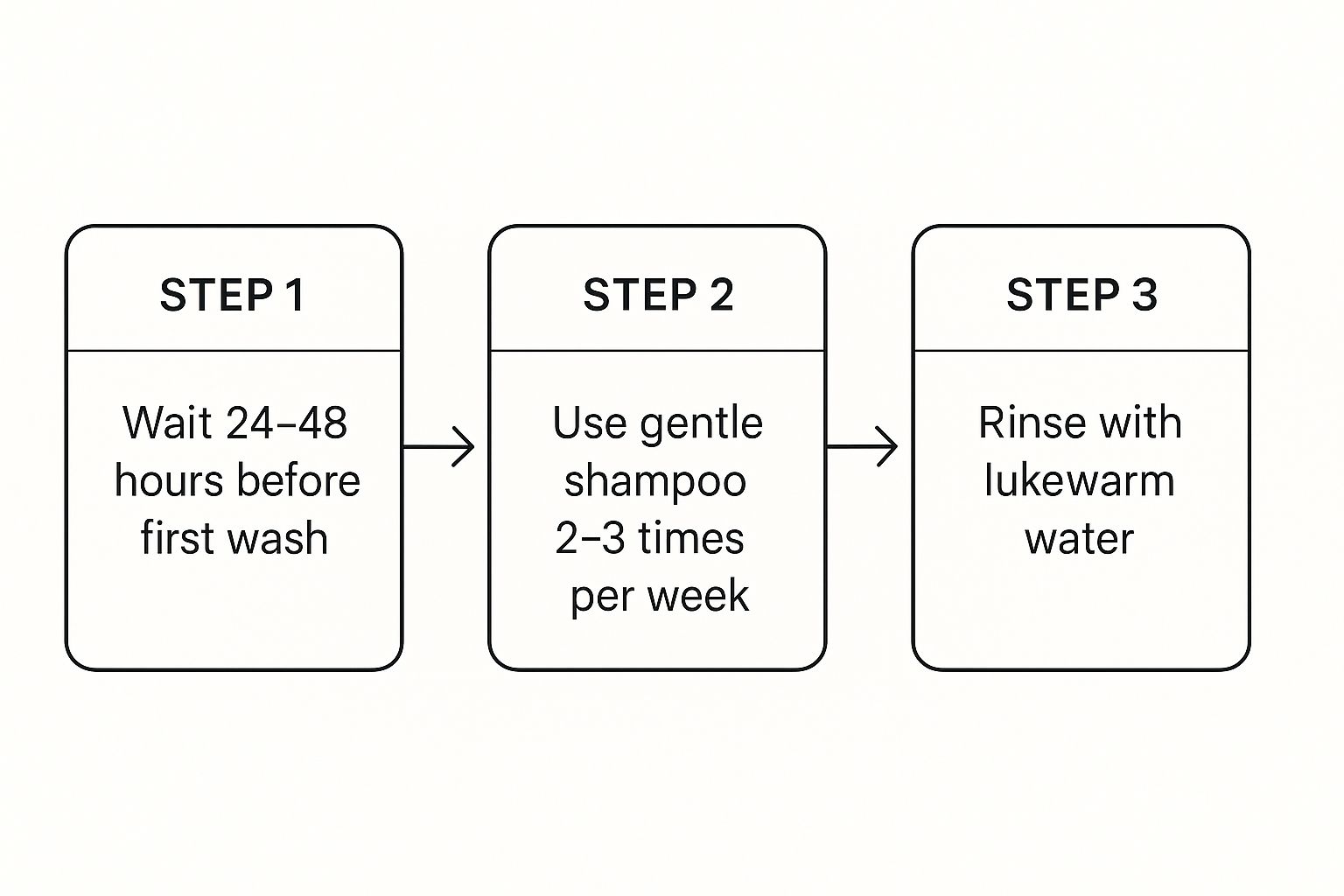
This infographic visualizes the essential first steps in aftercare: waiting 24–48 hours before the initial wash, using gentle shampoo 2–3 times per week, and rinsing with lukewarm water. These simple yet crucial steps help protect the treated area and allow the PRP to work undisturbed.
Long-Term Care For Lasting Results
After the initial 48 hours, the focus shifts to long-term maintenance. This is where the real difference is made in sustaining your results. To help you navigate this period, we’ve compiled a comprehensive guide outlining the essential do's and don'ts:
The table below provides a clear overview of activities to embrace and avoid during your recovery period. Following these guidelines will help you optimize your results and maintain healthy hair growth.
Complete After PRP Hair Treatment Care Guidelines: Essential activities to embrace and avoid during your recovery period for optimal results
| Activity Category | What to Do | What to Avoid | Timeline |
|---|---|---|---|
| Washing | Use a gentle, sulfate-free shampoo. Rinse with lukewarm water. | Harsh shampoos, hot water | After 48 hours, 2-3 times per week |
| Scalp Care | Gentle scalp massages. | Touching the treated area (first 48 hours) | Ongoing, after the initial 48 hours |
| Lifestyle | Balanced diet, adequate hydration. Limit alcohol, avoid smoking. | Strenuous exercise (first 24-48 hours), harsh hair treatments (first two weeks) | Ongoing |
| Product Use | Styling products (first 48 hours), heat styling (first 48 hours) | First 48 hours |
By understanding these key do's and don'ts, you can actively participate in your recovery and ensure the best possible outcome from your PRP hair treatment.
Lifestyle Adjustments for Optimal Outcomes
Beyond specific hair care practices, certain lifestyle choices can significantly influence your PRP treatment's effectiveness. For instance, strenuous exercise within the first 24-48 hours post-treatment should be avoided. Excessive sweating can irritate the scalp and increase the risk of infection.
Similarly, avoiding harsh hair treatments like chemical dyes or perms for at least two weeks allows the treated follicles to recover fully. Maintaining these habits over time ensures you protect your investment and maximize the potential for long-term hair growth.
This means making conscious choices about your daily routines to support the ongoing health and vitality of your hair. These seemingly small adjustments can make a substantial difference in the longevity of your PRP results.
Your Recovery Journey: What To Expect Week By Week
After a PRP hair treatment, your recovery is a process that unfolds over time. Understanding the typical week-by-week progression can help you manage expectations and maximize your results. This timeline offers a practical guide to navigating your post-treatment care.
Week 1: The Foundation Phase
The first week sets the stage for future hair growth. Immediately after the treatment, you may experience some mild tenderness or swelling. This is a normal part of the healing process and indicates that your body is actively working to repair and regenerate tissue. Think of it as similar to the soreness you might feel after a good workout.
During this initial week, rest is crucial. Avoid touching or disturbing the treated area. Refrain from washing your hair for the first 24-48 hours. When you do resume washing, opt for a gentle, sulfate-free shampoo. It's also important to avoid heat styling, harsh chemicals, and strenuous physical activity.
Week 2-4: The Activation Phase
In the following weeks, the injected growth factors begin their work, stimulating your hair follicles. This period is often characterized by subtle, almost imperceptible changes. Patience is key during this phase, as significant visible results may not yet be apparent. Like a seed planted in the ground, it takes time for the roots to develop before new growth emerges.
Continue with a gentle hair care routine, focusing on maintaining a healthy scalp. Gentle scalp massages can promote circulation, but avoid vigorous scrubbing or manipulation.
Week 5-12: The Sprouting Phase
Around week five, some patients start to see the appearance of new, fine hairs. This is a positive indicator that the treatment is working. However, it’s important to remember that individual responses to PRP therapy can vary. Some people may experience results sooner than others.
This phase may also involve temporary shedding. While this may seem concerning, it's a normal part of the hair growth cycle. The emerging stronger hairs are essentially pushing out older, weaker strands.
Week 13-24: The Growth Phase
Between weeks 13 and 24, you should begin to observe more noticeable improvements in hair thickness and density. The new hairs continue to grow and mature, gradually filling in areas of thinning. This is an exciting stage, as the results of your treatment become increasingly visible.
Consistency in your aftercare routine remains vital during this period to support ongoing growth. Regular follow-up appointments with your practitioner are recommended to monitor your progress and make any necessary adjustments to your treatment plan.
Week 25 Onwards: The Maintenance Phase
Although the most significant changes typically occur within the first six months, the benefits of PRP can extend over the long term. A healthy lifestyle, including a balanced diet and stress management techniques, can contribute to sustained results.
Periodic maintenance treatments can help prolong the effects of PRP and address future hair loss. Your practitioner can recommend a suitable schedule based on your individual needs and goals. Just as a garden thrives with consistent care, your hair also benefits from regular attention and nourishment.
Transforming Your Hair Care Routine Into A Results Booster
Your daily hair care routine plays a vital role in the success of your PRP hair treatment. Think of your scalp as a garden: after planting the seeds (the PRP treatment), you need to nurture the environment to encourage growth. This doesn't necessarily mean buying expensive products. Rather, it's about making smart choices to maximize your investment.
The Science of Scalp Circulation
Healthy hair growth relies on good blood circulation to the scalp. This circulation delivers essential nutrients and oxygen directly to the hair follicles. After a PRP treatment, optimizing this blood flow becomes even more crucial.
One effective technique to boost circulation is gentle scalp massage. This stimulates blood flow, bringing vital nutrients to the revitalized follicles. Consider it a mini-workout for your scalp, promoting healthy growth. Avoid harsh scrubbing or aggressive manipulation, especially immediately following your treatment.
Choosing the Right Ingredients
Your scalp requires gentle care post-PRP, much like you'd avoid harsh chemicals on a delicate plant. Sulfate-free shampoos are essential, as sulfates can strip the scalp of its natural oils, causing dryness and irritation. This can hinder the healing process and potentially impact your results.
Look for shampoos containing nourishing ingredients such as aloe vera, biotin, and keratin. Aloe vera soothes and hydrates, biotin strengthens hair and promotes growth, and keratin, a protein crucial to hair structure, aids in repair and protection.
Lifestyle Habits That Support Hair Growth
Your overall health significantly impacts the effectiveness of PRP treatment. A balanced diet rich in protein, vitamins, and minerals provides the necessary building blocks for healthy hair growth. Think of it as nourishing your hair from within, supporting the work of the PRP.
Hydration is equally crucial. Water transports nutrients to the hair follicles, maintaining their health and promoting optimal growth. Just as a plant needs water to flourish, your hair thrives with adequate hydration. Long-term scalp health is also key. This means using gentle shampoos, avoiding harsh chemicals and heat styling, and scheduling regular PRP maintenance sessions every 4 to 6 months to continually stimulate the hair follicles. These aftercare practices are important globally, particularly in markets with high consumer awareness, as patient compliance directly affects the longevity and quality of treatment outcomes. Learn more about this topic.
Optimizing Your Sleep for Hair Growth
Even your sleep habits can influence PRP results. During deep sleep, the body releases growth hormone, essential for cell regeneration and repair, including hair growth. Prioritizing quality sleep creates the optimal environment for your body to heal and maximize the benefits of PRP. Aim for 7-9 hours of uninterrupted sleep nightly.
By incorporating these simple practices, you're not merely washing your hair. You're actively investing in the long-term health and vitality of your hair follicles, supporting the PRP treatment, and maximizing your results.
Reading The Signs: Is Your Treatment Working?

So, you've undergone your PRP treatment, and now comes the anticipation. Excitement and anxiety often intertwine during this period. How can you tell if your PRP hair treatment is truly yielding the results you hoped for? The truth is, hair restoration is a gradual process. Initial improvements can be subtle and easily overlooked. This section will guide you on how to become a keen observer of your own progress.
Documenting Your Progress
Begin by establishing a clear baseline. Before your initial treatment, capture detailed photographs of your scalp from various angles. This provides a visual benchmark to compare against future development. Continue taking photos at regular intervals, such as weekly or monthly. This allows for objective tracking of changes. In addition to photos, consider maintaining a journal documenting any perceived shifts, like increased shedding or the appearance of new hair growth.
Understanding Initial Shedding
Many individuals experience initial shedding after a PRP treatment. While this might seem paradoxical, it can actually be a positive indicator. The PRP stimulates and strengthens hair follicles, which then expel older, weaker hairs. This paves the way for healthier, more robust growth. However, it's important to distinguish between normal shedding and excessive hair loss. Consult your practitioner if you have any concerns.
Recognizing the Positive Signs
While initial shedding is a possibility, several positive signs can indicate that your PRP treatment is effective. These encouraging indicators may include:
- Decreased Hair Loss: You might observe less hair falling out during your regular daily activities.
- Increased Hair Thickness: Your existing hair may start to feel and appear thicker and fuller.
- Baby Hairs: The emergence of new, fine hairs, often referred to as "baby hairs," can be a promising sign.
- Improved Scalp Condition: A healthier scalp, characterized by reduced inflammation or dryness, can be another positive indicator.
- Healthier Hair: You might find that your existing hair feels stronger, smoother, and exhibits more vibrancy.
Managing Expectations and Staying Patient
It's essential to keep in mind that hair restoration is not an instantaneous process. PRP works by encouraging natural growth, which takes time. Platelet-Rich Plasma (PRP) hair treatment has demonstrated promising success rates in addressing hair loss. Clinical studies report positive outcomes in approximately 70-80% of patients, with some studies showing effectiveness exceeding 90% in specific cases. Research indicates that after three months of consistent PRP injections, patients typically experience increases in hair count and thickness, along with overall scalp improvement. Some trials have documented a 13% increase in hair density. For further details on PRP success rates, see: Learn more about PRP hair treatment success rates. Monitoring your overall well-being after PRP can also be beneficial; tools like Heart Rate Variability (HRV) monitoring can provide insights into your recovery and stress levels, factors that could potentially influence your results.
The timeline for visible results can vary based on individual factors such as age, overall health, and the degree of hair loss. Practice patience and maintain confidence in the process. Prioritize a healthy lifestyle that includes proper nutrition, effective stress management, and a consistent hair care regimen. This creates an optimal environment for your hair to flourish. Embrace the journey and celebrate the small milestones along the way.
Keeping Your Results For Years To Come
Achieving noticeable results from your PRP hair treatment is a significant milestone. But the journey to a fuller head of hair doesn't end there. Maintaining those results for years to come requires understanding how to support continued growth and adapting your routine over time.
Long-Term Maintenance Strategies
Think of PRP hair treatment like tending a garden. After the initial planting, consistent care is essential for long-term flourishing. Maintaining your PRP results requires the same proactive and consistent approach.
-
Touch-Up Treatments: While PRP effectively stimulates hair growth, it doesn't stop natural aging or genetic predispositions. Periodic touch-up treatments help maintain density and address new areas of thinning. The frequency depends on individual needs, but maintenance sessions are typically recommended every 4-6 months.
-
Evolving Your Routine: Your hair's needs change as you age. Hormonal shifts, nutritional deficiencies, and other age-related factors can all influence hair growth. Adapting your routine with new products or treatments recommended by your practitioner can help counteract these changes and support continued hair health.
-
Lifestyle Factors: A healthy lifestyle is crucial for maintaining hair health. Stress, for instance, can disrupt the hair growth cycle. Incorporating stress management techniques like yoga or meditation can improve your overall well-being and indirectly benefit your hair's vitality.
The Impact of Lifestyle and Aging
Several factors can impact the longevity of your PRP results. Understanding these factors empowers you to take proactive steps to maintain your results.
-
Stress and Hormones: Stress and hormonal fluctuations significantly affect hair growth. High stress levels can disrupt the hair cycle, leading to increased shedding. Hormonal changes, especially in women, can also influence hair density and growth patterns. Managing stress through relaxation techniques and addressing hormonal imbalances with a healthcare professional can help mitigate these effects.
-
Nutrition: A balanced diet is fundamental for healthy hair. Nutrient deficiencies, particularly in iron, zinc, and vitamin D, can contribute to hair loss. Ensuring adequate intake of these nutrients through diet or supplements (as advised by your doctor) can support healthy hair growth.
-
Age: Hair naturally thins with age. While PRP can revitalize dormant follicles, it's important to have realistic expectations. PRP helps slow down age-related thinning and maintain a fuller head of hair for longer.
To understand the long-term efficacy of PRP treatments and maintenance care, let's look at the following table summarizing a long-term study:
Long-Term PRP Maintenance Schedule and Success Metrics
Recommended follow-up timeline and key indicators for sustained hair restoration results
| Time Period | Recommended Actions | Success Indicators | Red Flags |
|---|---|---|---|
| Months 1-3 (Initial Phase) | Initial PRP treatment series (typically 3 sessions spaced 4-6 weeks apart) | Noticeable decrease in hair shedding, improved hair texture | Excessive shedding, no change in hair texture |
| Months 4-6 (Early Maintenance) | First maintenance PRP treatment | Continued reduction in shedding, visible new hair growth in treated areas | Lack of new hair growth, increased shedding |
| Months 7-12 (Ongoing Maintenance) | Second maintenance PRP treatment; evaluation of lifestyle factors (diet, stress) | Sustained hair density, improved overall hair appearance | Thinning in new areas, reversion to previous shedding levels |
| Years 2-5 (Long-Term Maintenance) | Maintenance treatments every 6-12 months as needed; ongoing monitoring of hair and scalp health | Stable hair density, minimal shedding | Significant hair loss, scalp inflammation |
| Years 5-10+ (Continued Monitoring) | Annual check-ups with practitioner; adjustments to maintenance plan as needed | Preservation of achieved results, healthy scalp | Progressive hair loss despite treatments, changes in hair texture |
This table outlines a general timeline and key indicators. Individual results and maintenance schedules may vary.
Statistical data on long-term PRP results shows encouraging outcomes. One study tracking patients over a 10-year period found a reduction in hair loss percentage from 74.2% before treatment to 5.2% after a decade of PRP therapy and maintenance care. For more details, explore this topic further.
Combining PRP with Other Treatments
PRP can be combined with other hair restoration methods for enhanced results. This synergistic approach can further boost hair growth and improve overall scalp health.
-
Low-Level Laser Therapy (LLLT): LLLT uses low-powered lasers or LEDs to stimulate hair follicles. Combining LLLT with PRP can amplify growth-promoting effects.
-
Hair Transplant Surgery: PRP can be used with hair transplant surgery to improve graft survival rates and enhance hair growth in the transplanted area. This can lead to denser, more natural-looking results.
-
Microneedling: Microneedling creates tiny punctures in the scalp, stimulating collagen production and enhancing PRP penetration.
Building a Sustainable Long-Term Strategy
Developing a sustainable long-term plan involves professional guidance and personal commitment. It's a collaborative effort to maximize your PRP treatment benefits.
-
Consultations with Your Practitioner: Regular check-ups are essential. Your practitioner can assess your progress, recommend adjustments to your treatment plan, and address any concerns.
-
Cost-Effective Approaches: Maintaining PRP results doesn't have to be expensive. Focus on a healthy lifestyle, consistent hair care, and open communication with your provider to develop a cost-effective plan.
-
Realistic Expectations: While PRP can significantly improve hair growth, having realistic expectations is crucial. Hair restoration is an ongoing process, requiring patience and consistency for long-term success.
By understanding the factors impacting long-term hair health and adopting a proactive maintenance approach, you can maximize your PRP treatment benefits and enjoy a fuller head of hair for years to come.
When Things Don't Go As Planned: Your Troubleshooting Guide
Even with meticulous after PRP hair treatment care, it's normal to have questions or experience unexpected situations during recovery. This guide addresses common concerns, from scalp reactions to perceived slow progress, helping you navigate your journey with confidence.
Understanding Normal Vs. Concerning Reactions
After PRP treatment, mild tenderness, redness, and minor swelling are typical. Think of it as a minor workout for your scalp – some soreness is to be expected. However, excessive pain, prolonged swelling, or signs of infection like pus or fever require immediate professional attention.
Slight itching is common as the scalp heals, but intense, persistent itching could indicate an allergic reaction. While some shedding can occur as new hairs push out older ones, substantial hair loss warrants a consultation with your provider. Understanding the difference between expected healing and potential complications is crucial.
Addressing Slow Progress and Managing Expectations
Hair restoration takes time. It's a gradual process, much like planting seeds and waiting for them to sprout. If you're concerned about seemingly slow progress, remember that individual responses vary. Some people see results sooner than others.
Factors like age, overall health, and the extent of hair loss influence the timeline. While PRP can be highly effective, with studies showing success rates of 70-80% or even higher, it's essential to manage expectations and remain patient. Consistent after PRP hair treatment care and a healthy lifestyle contribute to long-term success.
When to Contact Your Provider and What to Prepare
Knowing when to seek professional guidance is essential. If you experience anything beyond mild discomfort or notice unusual changes, contacting your provider is the best course of action. Persistent pain, unusual swelling, excessive itching, or significant hair loss all warrant a consultation.
When contacting your provider, be prepared to provide detailed information. This includes a timeline of events, specific symptoms, and any photographs documenting changes. If your treatment involved surgical procedures, ensure best practices are followed. Clear communication helps your provider accurately assess the situation and recommend appropriate next steps. Refer to a comprehensive checklist, like a rigging inspection checklist, as an example of thorough documentation practices.
Rare Complications and How to Advocate for Yourself
While serious complications are rare after PRP hair treatment, being aware of them is important. These can include infection, nerve damage, or allergic reactions. If something feels significantly wrong, don’t hesitate to seek a second opinion or advocate for your health. Your comfort and well-being are paramount.
Next Steps: Take Control of Your Hair Restoration Journey
Navigating the post-PRP period can feel challenging, but understanding potential issues empowers you to take proactive steps. By knowing what’s normal, when to seek help, and how to advocate for yourself, you can confidently manage your recovery. Ready to learn more? Visit PRP For HairLoss to learn more about PRP therapy.

 PRP For Hairloss
Leave a comment