The Reality Of PRP Hair Treatment Pain Levels
Let's address the burning question: is PRP hair treatment painful? The truth is, the experience varies. Many patients compare the feeling to a mild pinch, similar to a blood draw or a vaccination. However, individual responses differ. Some patients report minimal discomfort, while others describe it as slightly more noticeable.
Understanding the Factors Influencing Pain
Several factors influence comfort levels during PRP treatments. The injection technique employed by the practitioner is crucial. Skilled practitioners utilize precise methods to minimize scalp trauma. The needle gauge also matters; smaller needles typically cause less discomfort.
Your individual pain tolerance is another important factor. Just as people experience pain differently in everyday life, this also applies to medical procedures like PRP. Someone with a lower pain threshold may feel more discomfort than someone with a higher one.
What to Expect During a PRP Treatment Session
The PRP process involves several stages. The initial blood draw is usually quick and relatively painless, although some may find it mildly uncomfortable. The centrifugation process follows, where the blood is processed to isolate the platelet-rich plasma. This stage involves no direct sensation for the patient.
Finally, the PRP is injected into the scalp. This is where most patients report a "pinching" sensation. Platelet-rich plasma (PRP) hair treatment is generally safe, but some mild pain and discomfort can occur. This is usually temporary and manageable, sometimes described as a minor headache or redness at the injection site. A study of 30 female patients demonstrated significant improvements in hair density and thickness over a six-month period using PRP injections, with temporary pain and mild headaches among the common side effects. Learn more about PRP and hair density studies: https://pmc.ncbi.nlm.nih.gov/articles/PMC8922312/ Topical numbing agents can help reduce discomfort during injections.
Managing Potential Discomfort
Many clinics use topical numbing creams to alleviate potential pain. Some also incorporate vibration therapy or cooling techniques during the injections to distract from discomfort and minimize sensitivity. These methods can significantly improve the overall patient experience. Talking to your practitioner about any concerns beforehand is essential. They can adapt the treatment to your needs and help ensure a more comfortable experience, including discussing options for managing post-treatment soreness or sensitivity.
How PRP Stacks Up Against Other Hair Restoration Options
Considering hair restoration? A crucial question for many is the level of discomfort involved with different procedures. Let's compare Platelet-Rich Plasma (PRP) therapy with other popular methods like hair transplants, microneedling, and laser therapy.
Comparing Pain Levels Across Treatments
While everyone's experience is unique, PRP injections are often described as a mild pinching sensation, much like other injectables. Hair transplants, as a surgical procedure, typically involve more discomfort, though this is often managed with local anesthesia. Microneedling, which creates tiny injuries to stimulate collagen, can cause some discomfort, but it's generally less intense than PRP. Laser therapy is usually considered the least painful, with patients often reporting only warmth or tingling.
To help illustrate the differences in pain, recovery time, and discomfort duration, we've created a comparison table:
To help illustrate the differences in pain, recovery time, and discomfort duration, we've created a comparison table:
Pain Comparison: PRP vs Other Hair Restoration Treatments
| Treatment Type | Pain Level (1-10) | Duration of Discomfort | Recovery Time | Anesthesia Required |
|---|---|---|---|---|
| PRP Injections | 4-6 | A few hours | Minimal – 1 day | Topical Numbing Cream |
| Hair Transplant | 6-8 | Several days – a week | Several weeks | Local |
| Microneedling | 3-5 | 1-2 days | A few days | Topical Numbing Cream |
| Laser Therapy | 1-2 | Minimal | Minimal | None |
This table summarizes the general expectations for each procedure, though individual results may vary. It's essential to consult with a qualified professional for personalized advice.
Recovery Time and Overall Experience
Recovery times also vary significantly. With PRP, downtime is minimal, allowing most patients to return to their regular activities immediately. Hair transplants require a longer recovery period, potentially involving some swelling and scabbing. Microneedling might cause redness and minor swelling for a few days, whereas laser therapy usually requires no downtime. The infographic below illustrates key aspects of the PRP process: blood volume, centrifugation time, and the increase in platelet concentration.
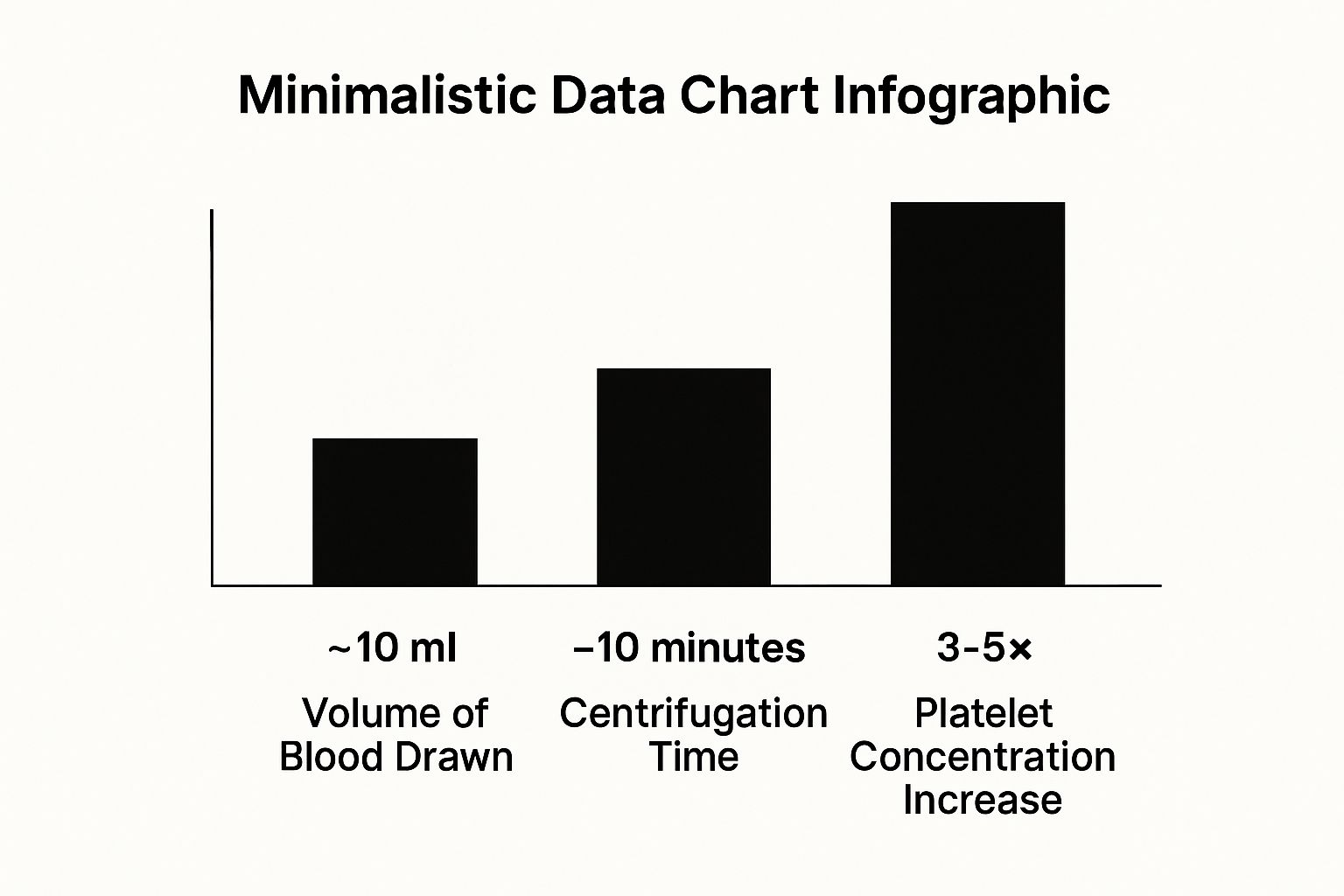
This visual clarifies that while a small blood sample is needed, centrifugation effectively concentrates platelets, the core element of PRP's therapeutic benefit.
Weighing Discomfort Against Results
Choosing a hair restoration method involves balancing potential discomfort with the desired results. PRP presents a less invasive alternative to hair transplants, with a shorter recovery time. While the injections may cause temporary discomfort, many find it manageable, especially when topical numbing agents are used. Further research on PRP and pain levels can be found here. Ultimately, the best choice depends on individual needs, pain tolerance, and the desired outcome. A consultation with a qualified practitioner is crucial for making an informed decision.
Your Complete PRP Session Experience Breakdown
Stepping into a PRP appointment can feel uncertain. This breakdown clarifies the process, from arrival to departure. Understanding each step can reduce anxiety and help you focus on the potential results.
Initial Consultation and Preparation
Your PRP journey starts with a consultation. The practitioner examines your hair and scalp, discusses your medical history, and details the PRP procedure. This is your chance to ask questions and voice any concerns, especially about pain – such as "is PRP hair treatment painful?".
Next, a small blood sample (around 10ml) is taken from your arm, similar to a routine blood test. You might feel a slight pinch, but it's typically quick and easy.
PRP Preparation and Scalp Numbing
While your blood is processed in a centrifuge to isolate the platelet-rich plasma (PRP), your scalp is prepped. A topical numbing cream is usually applied to minimize any injection discomfort.
This cream takes about 20-30 minutes to become fully effective. The centrifugation process takes roughly 10 minutes and concentrates the platelets 3-5 times their normal blood concentration. This concentrated PRP is then injected into your scalp.
The Injection Process and Sensations
The practitioner carefully injects the PRP into specific areas of your scalp. Sensations can vary, often described as a mild pinching or pressure. The injection technique and needle gauge significantly affect comfort levels. Skilled practitioners use precise and gentle injections to minimize discomfort. This stage typically lasts 15-20 minutes, depending on the treatment area.
Post-Injection Care and What to Expect
After the injections, the practitioner might apply a soothing serum or ointment to your scalp. Some redness or swelling is expected. You’ll receive post-treatment instructions, including advice on managing any discomfort. Most patients resume normal activities immediately. If you’re considering other hair health options, you might explore supplements like biotin. Check out Myoji's Hair Skin Nails Extra Strength Biotin Gummies. Understanding the entire PRP session, from start to finish, helps you approach your treatment confidently and with realistic expectations.
Post-Treatment Recovery And Comfort Management
The hours after your PRP hair treatment are crucial. While the procedure is relatively short, understanding what to expect afterward is essential for both comfort and optimal results. This guide covers common post-treatment sensations and effective management strategies.
Immediate Post-Treatment Sensations
Immediately after your PRP treatment, you might experience mild scalp tenderness. This is normal. Some patients also report slight swelling or redness at the injection sites. These reactions are typical and usually subside within a few hours to a couple of days. Is PRP hair treatment painful afterward? While some tenderness is expected, it shouldn't be severe.
Managing Discomfort Effectively
Several strategies can help manage post-treatment discomfort. Over-the-counter pain relievers, such as ibuprofen or acetaminophen, can be effective for mild pain. Always consult with your practitioner before taking any medication, especially if you have underlying health conditions. Cooling techniques, like applying a cold compress or ice pack wrapped in a thin cloth, can also offer soothing relief.
Activities to Avoid During the First 48 Hours
For optimal healing, certain activities should be avoided in the initial 48 hours post-treatment.
- Strenuous exercise
- Excessive sun exposure
- Using harsh hair products
These precautions can minimize inflammation and promote faster recovery.
Distinguishing Normal Healing From Concerning Symptoms
It's important to distinguish between normal healing and symptoms requiring professional attention. While mild tenderness and swelling are expected, severe pain, excessive swelling, or signs of infection (like pus or fever) should be reported to your practitioner immediately.
Practical Solutions for Sleeping and Daily Routine
Sleeping comfortably with a tender scalp can be challenging. Using a soft pillow and avoiding sleeping directly on the treated area can help. For your daily routine, consider using gentle hair products and avoiding tight hairstyles that might irritate the scalp. These adjustments can minimize disruption to healing while maintaining your daily activities. Is PRP hair treatment painful in the long run? No, any discomfort is temporary and manageable. By following these guidelines and working with your practitioner, you can ensure a comfortable recovery and maximize the benefits of your PRP hair treatment.
What Influences Your Personal Pain Experience

Is PRP hair treatment painful? The answer isn't a simple yes or no. Many people describe the sensation as similar to minor pinpricks. However, your individual experience can vary based on several key factors. Understanding these factors helps set realistic expectations and ensures your comfort during the procedure.
Individual Factors
Your pain tolerance is a major factor, just as it is with any medical procedure. What one person finds mildly uncomfortable, another might experience as more intense. Scalp sensitivity also varies significantly from person to person, and even from one area of the scalp to another. Past experiences with medical procedures can also shape your perception of PRP treatment.
For instance, if you're used to regular injections, PRP might not bother you much. However, if you have a needle phobia, you might feel more anxious, which can intensify pain perception. Talking to your practitioner beforehand about any concerns is vital.
Other Contributing Factors
Beyond individual differences, several other factors can influence your comfort level. High stress levels can heighten pain perception. Going into the treatment with a relaxed mindset can make a noticeable difference. Certain medical conditions or medications can also affect sensitivity. It's crucial to discuss your complete medical history with your practitioner.
Lifestyle factors like adequate sleep and hydration can influence how your body responds to procedures. Even the timing of your treatment within your menstrual cycle (for women) can play a role in sensitivity. These factors highlight that the question of pain during PRP treatment depends on a combination of personal and external elements.
Working With Your Practitioner
Understanding the variables that influence pain allows you to work proactively with your practitioner. Open communication about your pain tolerance, anxieties, and medical history enables them to personalize your treatment. Your practitioner can adjust injection techniques, use finer needles, offer numbing cream, or suggest relaxation techniques to minimize discomfort. This collaboration ensures a more positive PRP experience.
Proven Pain Management Strategies That Actually Work
Modern PRP practitioners understand that patient comfort is paramount. To ensure a positive experience, they've developed various strategies to minimize discomfort during PRP hair treatment. While some sensation is normal, these techniques make any potential discomfort more manageable.
Topical Numbing and Advanced Technologies
Topical numbing creams are frequently used before PRP injections to desensitize the scalp. Proper timing is essential for these creams to be most effective. Most clinics apply the cream 30-60 minutes prior to the procedure. In addition to topical creams, some clinics utilize vibration therapy during the injections. The vibrations help distract from the needle and can significantly decrease perceived pain. Precision cooling devices are another option for numbing the scalp and minimizing discomfort.
To provide a comprehensive understanding of available pain management options during PRP procedures, let's look at the following table.
| Pain Management Method | Effectiveness Rating | Duration of Relief | Cost | Availability |
|---|---|---|---|---|
| Topical Numbing Cream | High | 1-2 hours | Low | Widely Available |
| Vibration Therapy | Moderate | During Procedure | Low-Moderate | Increasingly Available |
| Cooling Devices | High | 1-2 hours | Moderate | Available in Specialized Clinics |
| Over-the-Counter Pain Relievers (e.g., Ibuprofen) | Moderate | 4-6 hours | Low | Widely Available |
| Guided Meditation/Relaxation Exercises | Moderate | Varies | Low-Moderate | Increasingly Available |
The table above provides a quick overview of pain management options and their general effectiveness based on patient feedback, cost, and availability. It's important to consult with your PRP practitioner to determine the best approach for your individual needs.
Managing Anxiety and Pain Perception
Understanding your body and its responses can improve your mindset and lessen anxiety, which directly impacts perceived pain. Resources like an ergonomic assessment checklist can be helpful in understanding your body's responses to stress and discomfort. Breathing techniques and mindfulness strategies can also help manage anxiety. Taking deep, slow breaths before and during the procedure can calm nerves and reduce overall discomfort. Some clinics also incorporate guided meditation or relaxation exercises to enhance patient comfort.
Pre-Medication and Distraction
In certain situations, practitioners may suggest over-the-counter pain relievers such as ibuprofen before the procedure. This can help minimize inflammation and post-treatment soreness. Distraction techniques also play a role in pain management. Clinics might offer music, videos, or even aromatherapy during the procedure to divert attention away from the injections.
Technological Advancements and Post-Treatment Care
Many clinics are now investing in advanced injection technologies designed for enhanced precision and comfort. These technologies can regulate injection speed and pressure, reducing trauma to the scalp. Evidence-based post-treatment protocols, like applying cold compresses and avoiding strenuous activities for 24-48 hours, are essential for minimizing discomfort during recovery. These multifaceted strategies demonstrate that pain management in PRP treatments addresses both the physical sensations and the psychological factors that contribute to the overall patient experience.
Making Your PRP Decision With Confidence
Armed with a deeper understanding of PRP treatment and its associated sensations, you can now make a more informed decision. This section synthesizes key information, offering a balanced perspective on the temporary discomfort of PRP therapy versus its potential long-term benefits for hair restoration.
Evaluating Your Pain Tolerance and Expectations
Honestly assessing your personal pain tolerance is the first step. Think about your experiences with other procedures like blood draws or vaccinations. If you generally tolerate these well, PRP injections are likely manageable.
If you have a lower pain threshold or needle anxiety, discuss these concerns with your practitioner. They can offer reassurance and tailor the procedure to your individual needs.
Key Questions to Ask Your Practitioner
Open communication with potential practitioners is crucial. Don't hesitate to ask specific questions about their pain management protocols. Inquire about the types of needles they use and the application of numbing creams.
Also, ask about any other techniques they employ to minimize discomfort. Understanding the typical duration of any post-treatment sensitivity and what to expect during recovery is vital.
Red Flags to Watch For
While most PRP practitioners prioritize patient comfort, some red flags warrant caution. Be wary of clinics that downplay the potential for any discomfort. A reputable practitioner will acknowledge the possibility of some sensation and explain their strategies for managing it effectively.
Also, be cautious of providers who pressure you into treatment without addressing your concerns or fully answering your questions. A thorough consultation should always precede any procedure.
Weighing Discomfort Against Potential Results
Is PRP hair treatment painful enough to outweigh the potential benefits? For many, the answer is no. The temporary discomfort of the injections is often seen as a small price to pay for the potential of improved hair growth and density.
However, if pain is a major concern, explore alternative approaches such as topical medications or Low-Level Laser Therapy (LLLT).
Setting Realistic Expectations
Developing realistic expectations is key to a positive PRP experience. Understand that some level of sensation during the injections is normal. The discomfort is typically temporary and manageable with appropriate pain management techniques.
Focus on the long-term goals of hair restoration. Remind yourself that any temporary discomfort is a step towards achieving those goals.
Ready to take the next step in your hair restoration journey? Visit PRP for HairLoss to learn more about PRP therapy and find qualified practitioners in your area.

 PRP For Hairloss
Leave a comment