Understanding What Makes PRP Hairline Therapy Work
PRP hairline therapy is steadily gaining popularity as a promising solution for hair restoration. What makes this treatment effective, especially for a receding hairline? The answer lies in the power of platelet-rich plasma (PRP), derived from your own blood. This plasma is rich in growth factors, proteins crucial for tissue repair and regeneration.
These growth factors are the core of PRP's effectiveness. When injected into the scalp along the hairline, they stimulate dormant hair follicles to re-enter the anagen phase, the active growth stage. This can lead to new hair growth, improving hairline density and appearance. PRP also boosts blood flow to the hair follicles, delivering essential nutrients and oxygen for optimal growth. It's like fertilizing a garden: the growth factors in PRP revitalize the scalp and encourage new hairs to grow.
The Science Behind PRP's Hair Growth Benefits
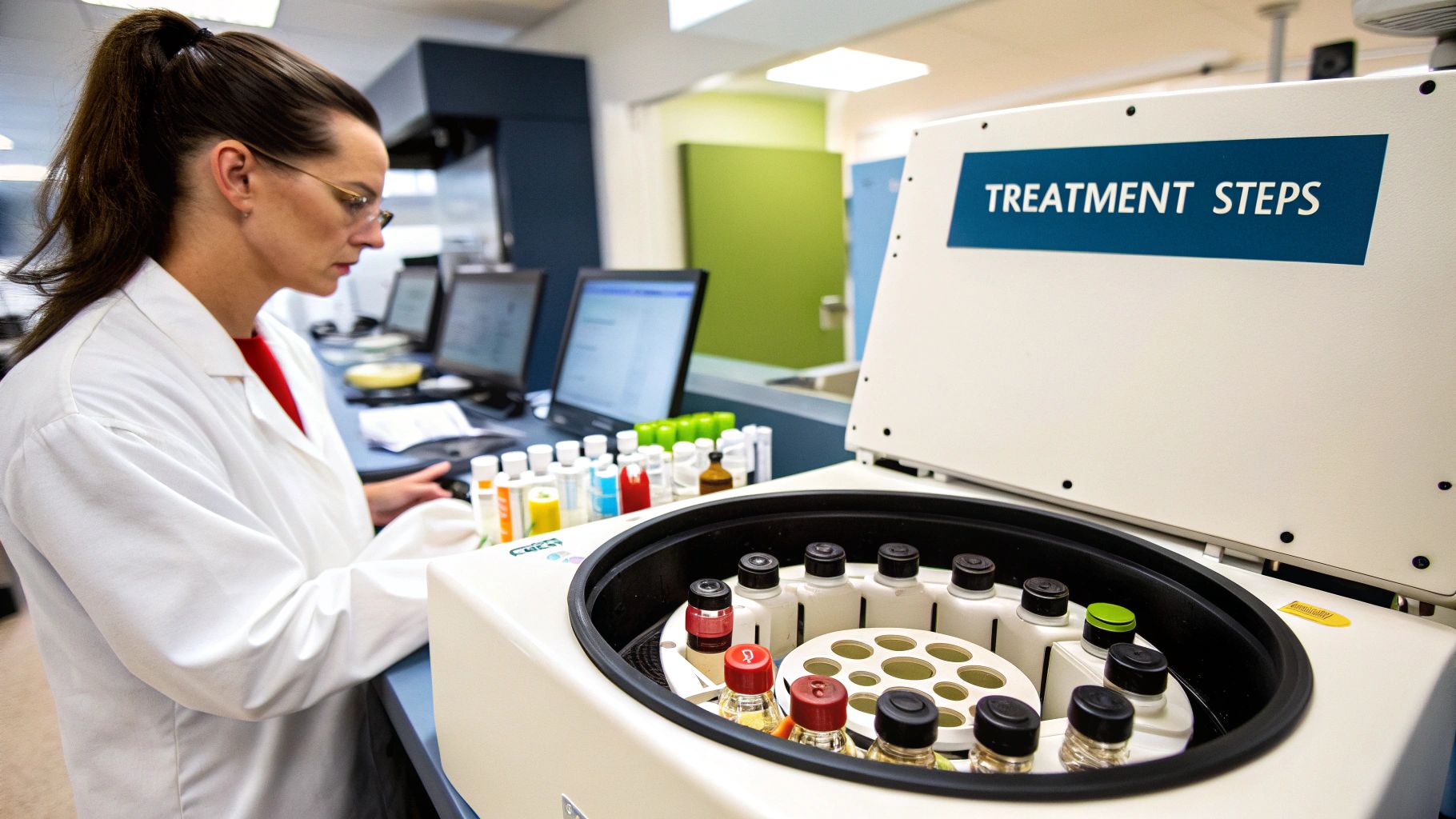
The process begins with a simple blood draw, similar to a routine blood test. This sample is then processed in a centrifuge, separating the platelet-rich plasma from other blood components. The concentrated PRP solution is then carefully injected into targeted areas along the hairline.
This precise injection technique is essential for maximizing results. By delivering PRP directly to the hair follicles, it ensures the growth factors can reach their full regenerative potential. The micro-injuries from the needle also trigger a natural wound-healing response, stimulating collagen production and tissue regeneration within the scalp. Since the early 2010s, platelet-rich plasma (PRP) therapy for hairline restoration has gained significant traction, particularly for treating androgenetic alopecia. A 2015 landmark study showed that of 64 patients with male androgenetic alopecia treated with two PRP sessions, about 41% to 55% saw clinically important improvement after six months. Explore this topic further here.
Why PRP for the Hairline?
PRP offers distinct advantages for hairline restoration compared to other treatments. Unlike medications requiring daily application, PRP injections are typically administered every few weeks, offering more convenience. Because PRP uses your own blood, it minimizes the risk of allergic reactions or adverse side effects.
However, individual responses to PRP vary. Factors like age, genetics, and the extent of hair loss influence outcomes. The practitioner's expertise is also critical. A skilled practitioner will assess your needs and tailor the treatment protocol, optimizing PRP placement and concentration for your specific hairline concerns. This personalized approach makes PRP an effective option for restoring a fuller, healthier hairline.
Real Success Rates: What The Research Actually Shows
What can you realistically expect from PRP hairline treatment? This section separates fact from fiction by exploring the genuine success rates revealed in clinical studies worldwide. Understanding these findings empowers you to set realistic expectations for your own PRP journey.
Examining International Research Data
Research consistently shows PRP’s positive impact on hair growth. Studies across the US, Europe, and Asia have measured improvements in hair count, density, and the anagen-to-telogen ratio (the ratio of growing hairs to resting hairs). This data provides quantifiable evidence of PRP's effectiveness.
Additionally, patient satisfaction surveys consistently reveal positive feedback, reinforcing the real-world benefits experienced by individuals undergoing PRP treatment. In a meta-analysis of PRP therapy for androgenetic alopecia, which included multiple studies from the US, Europe, and Asia, about seven out of nine studies showed positive results.
One widely referenced trial reported that PRP-treated patients experienced an average hair count increase from 71 to 93 follicular units per cm², a mean gain of about 22.09 units per cm². Read the full research here.
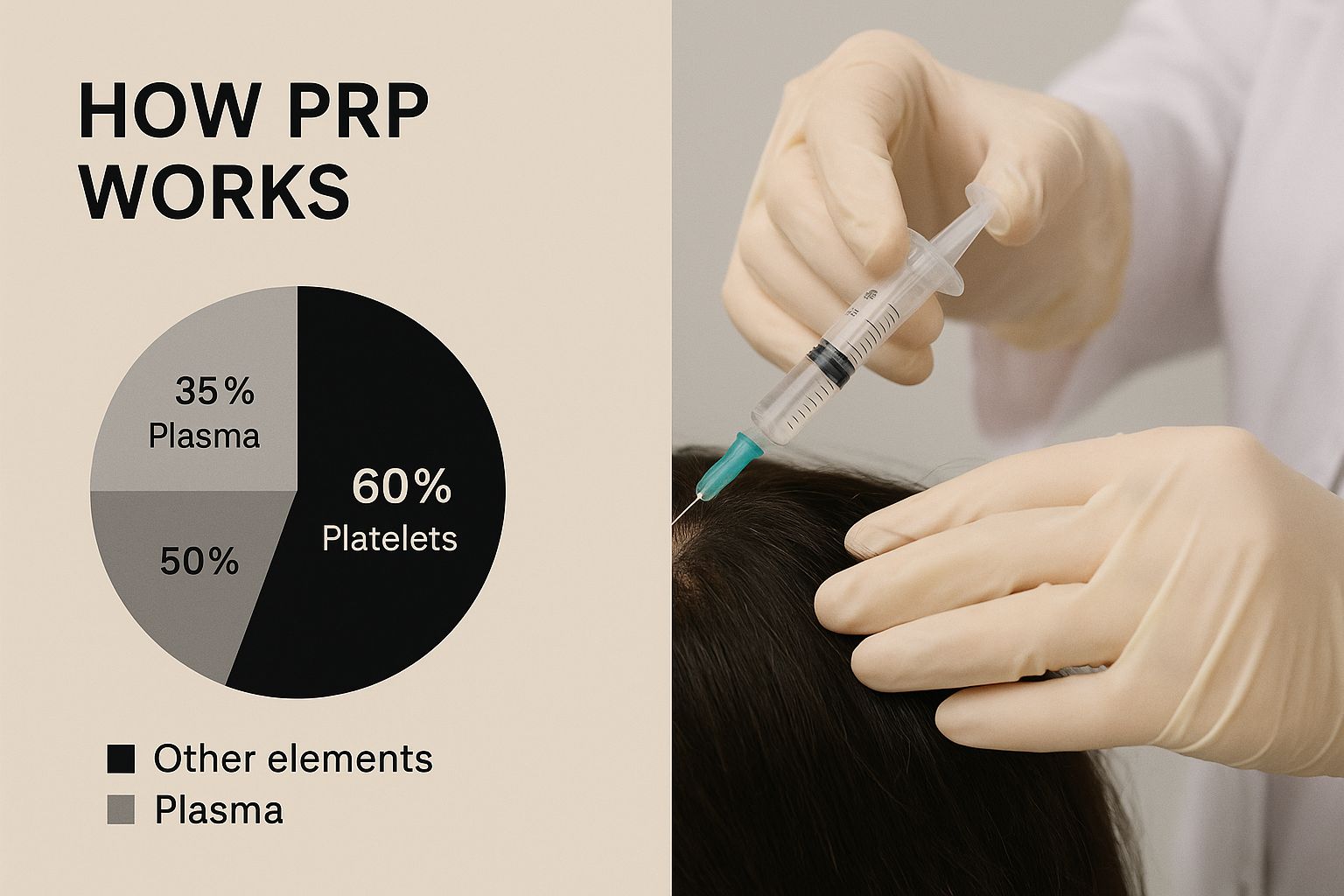
This image demonstrates the targeted application of PRP directly to the scalp, highlighting the precision involved in the treatment process. This targeted approach maximizes the potential benefits of the growth factors present in PRP, contributing to improved hairline density and overall hair health.
Why Some Individuals Respond Better Than Others
While research highlights PRP's overall effectiveness, individual results naturally vary. This variability stems from several factors, including genetics, age, overall health, and the extent of hair loss. Think of it like responding to exercise: some people build muscle faster than others due to individual differences.
Similarly, some individuals experience more dramatic hair growth with PRP than others. Another contributing factor is the practitioner’s expertise. A qualified practitioner understands the nuances of PRP therapy, tailoring the treatment to individual needs.
This may involve adjustments to the PRP concentration, injection technique, or treatment frequency. Choosing an experienced practitioner is crucial for maximizing your results.
Long-Term Studies and Maintaining Progress
Long-term studies offer valuable insights into maintaining the benefits of PRP hairline treatment. These studies demonstrate that maintenance treatments, typically spaced several months apart, help sustain hair growth and density over time. This continued support keeps the hair follicles stimulated and promotes ongoing hair regeneration.
However, it's important to understand that PRP is not a one-time fix. Like any health or wellness routine, consistent effort and ongoing maintenance contribute to long-term success.
Setting Realistic Expectations and Tracking Progress
Setting realistic expectations is crucial for any medical treatment, including PRP. While many individuals experience significant improvements, results are not instantaneous. Noticeable changes in hair density and growth typically emerge gradually over several months.
Tracking your progress can help you visualize your improvements and stay motivated throughout your PRP journey. Take photographs at regular intervals to document changes in your hairline. You can also measure hair density using specialized tools.
This objective data provides tangible evidence of the treatment’s effectiveness and helps you appreciate the progress you're making. This reinforces a positive mindset and helps maintain a sense of optimism throughout the process. By understanding the research, individual factors, and the importance of maintenance, you can embark on your PRP hairline journey with informed confidence.
Your Complete PRP Hairline Treatment Journey
Ready to explore PRP hairline restoration? This guide walks you through every stage, from the first consultation to ongoing maintenance. Understanding the process is crucial for a positive experience and optimal results.
The Initial Consultation: Setting The Stage For Success
Your journey begins with a consultation with a qualified practitioner. This meeting is vital for assessing your individual needs and determining if PRP is the right solution for you. Discuss your medical history, hair loss concerns, and expectations. A thorough scalp examination will assess the extent of your hair loss and inform the treatment plan.
This is also the perfect opportunity to ask questions. Inquire about different PRP preparation methods, such as platelet-rich fibrin (PRF). Understanding the various techniques empowers you to make informed decisions about your care. The initial consultation is a collaborative effort, ensuring you and your practitioner are aligned.
The Treatment Schedule: Consistency Is Key
Most patients start with three PRP treatments, spaced four to six weeks apart. This initial phase stimulates the hair follicles and encourages new growth. This spacing allows sufficient time for tissue regeneration and follicle stimulation between sessions, maximizing your results.
Following the initial treatments, maintenance sessions every four to six months are recommended to sustain the results. These treatments, much like a regular fitness routine, maintain hair growth stimulation, preventing regression and promoting long-term hairline health.
What To Expect During A PRP Appointment
Each appointment follows a similar structure. A small blood sample is drawn from your arm, just like a routine blood test. This sample is then processed in a centrifuge to isolate the PRP. The concentrated PRP is then precisely injected into targeted areas along your hairline.
Some practitioners combine PRP with microneedling. This technique utilizes tiny needles to create micro-injuries in the scalp, enhancing PRP absorption and further stimulating the hair follicles. While the injections may cause minor discomfort, the procedure is generally well-tolerated. Mild tenderness or swelling is normal and typically subsides within 24 to 48 hours.
Aftercare: Optimizing Your Results
Proper aftercare is essential for maximizing your results. Avoid sun exposure, harsh hair products, and excessive scalp manipulation for a few days after treatment. Keeping the treated area clean and following your practitioner's instructions are critical for optimal healing.
A healthy lifestyle, including a balanced diet, proper hydration, and stress management, can further support hair growth and contribute to the long-term success of your PRP hairline treatment. By understanding the entire process—preparation, treatment, and aftercare—you can achieve your hair restoration goals. Choosing an experienced and qualified practitioner is the first step toward achieving your desired results.
Why PRP Hairline Therapy Is Exploding Worldwide
PRP hairline therapy is gaining popularity around the world. But what's behind the growing interest in this treatment for hair restoration? Several key factors contribute to its rise, including its effectiveness and minimally invasive nature.
Increasing Demand and Global Adoption
The growing prevalence of hair loss, combined with increased awareness of the potential benefits of PRP therapy, fuels demand globally. Major cities worldwide are seeing a rise in patients seeking this treatment. This widespread interest highlights the universal desire for effective hair loss solutions.
In recent years, PRP therapy has become increasingly common in major markets like the US, UK, and South Korea, especially for addressing hairline and vertex hair loss. A 2024 review of global research trends emphasized that PRP is often used alone or with other treatments like minoxidil. While promising, many studies have limitations and lack long-term follow-up, with few tracking patients beyond one year. Even so, PRP remains a rapidly growing cosmetic dermatological procedure. Clinics in major cities report adoption rates increasing by 20–30% annually since 2018. Learn more here.
Combination Therapies and Technological Advancements
Leading practitioners are combining PRP with other treatments to improve results. For instance, combining PRP with microneedling creates small channels in the scalp, possibly enhancing PRP absorption and stimulating collagen production. Another approach involves using platelet-rich fibrin (PRF), a more advanced form of PRP, which offers a higher concentration of growth factors for potentially better outcomes.
Advancements in PRP preparation and delivery methods are also optimizing treatment effectiveness. Newer techniques for separating and concentrating platelets create PRP solutions with increased growth factor potency. This can lead to better results with fewer treatments for patients.
Emerging Trends and Future Outlook
The rapid growth of PRP therapy suggests a movement towards natural and less invasive hair restoration methods. As research progresses and technology improves, PRP treatments are becoming more accessible and affordable. This opens up opportunities for individuals who may not have considered these treatments in the past.
Increased access, ongoing research, and continued innovation offer significant potential for those looking to restore their hairlines. The future of PRP likely involves personalized treatment plans based on individual needs, incorporating the latest advancements for optimal, long-lasting results. This personalized approach is an exciting development in the field of hair restoration.
PRP Hairline Vs. Traditional Hair Loss Solutions
The increasing interest in aesthetic treatments like Beauty Subscriptions highlights a growing focus on personal wellness, with PRP hairline therapy emerging as a popular option. But how does it compare to traditional hair loss solutions like minoxidil, finasteride, or hair transplants? Let's explore the key differences to help you make an informed decision.
Effectiveness: Comparing Results
While PRP therapy shows promise in stimulating hair growth, the results aren't as predictable as a hair transplant. Hair transplants involve moving existing hair follicles, leading to more immediate and consistent outcomes. PRP, conversely, stimulates existing follicles, meaning individual results can vary greatly.
Minoxidil and Finasteride work differently. Minoxidil primarily boosts scalp blood flow, while finasteride blocks the hormone DHT, a key contributor to male pattern baldness. Both require consistent daily use and may have side effects.
Side Effects: Balancing Benefits and Risks
A significant advantage of PRP is its minimal side effect profile. Using your own blood minimizes allergic reactions. Some patients may experience mild tenderness or swelling at the injection site, but this typically subsides quickly.
Minoxidil can cause scalp irritation, dryness, and unwanted hair growth elsewhere. Finasteride, a hormonal medication, can cause sexual side effects in some men. Hair transplants, as a surgical procedure, carry risks like infection and scarring.
Cost Comparison: Short-Term vs. Long-Term Investments
PRP therapy typically involves multiple treatments, making the upfront cost higher than minoxidil or finasteride. However, the total cost of PRP can become comparable to hair transplants over time, particularly for those with less extensive hair loss.
Minoxidil and finasteride, while initially cheaper, require ongoing expenses. Hair transplants usually involve a single, larger payment but may require additional procedures later, depending on individual hair loss progression.
Combination Approaches: Maximizing Results
Combining PRP with other treatments is common for maximizing results. PRP is often paired with microneedling, which creates micro-channels in the scalp, possibly enhancing PRP absorption. Some patients also combine PRP with minoxidil or finasteride, taking advantage of the synergistic benefits of each approach.
To understand the differences between these treatments, see the comparison table below:
To help you compare the different hair loss treatments available, we've compiled the following table:
PRP Hairline Vs Other Hair Loss Treatments
Comprehensive comparison of effectiveness, costs, and side effects across different hair restoration methods
| Treatment Type | Effectiveness Rate | Average Cost | Side Effects | Treatment Duration |
|---|---|---|---|---|
| PRP Hairline | Variable, studies suggest significant improvement in many patients | Moderate, typically a series of treatments | Minimal, mainly localized tenderness or swelling | Multiple sessions, followed by maintenance |
| Minoxidil | Moderate, slows hair loss and promotes regrowth in some | Low, ongoing medication cost | Scalp irritation, unwanted hair growth | Daily application, ongoing |
| Finasteride | Moderate, effective for slowing hair loss in men | Low, ongoing medication cost | Potential sexual side effects | Daily application, ongoing |
| Hair Transplant | High, provides permanent results | High, typically a single large payment | Surgical risks, scarring | Single procedure, potential for additional procedures |
As you can see from the table above, each treatment has its own set of pros and cons.
Choosing the Right Treatment For Your Hairline
The best approach depends on several factors: individual needs, extent of hair loss, budget, and risk tolerance. PRP offers a natural, minimally invasive option with good potential for restoring a receding hairline, especially in the early stages of hair loss.
Consulting with a qualified practitioner is crucial for determining the most suitable treatment strategy. They can assess your condition, discuss your goals, and recommend a personalized plan to address your unique hair restoration needs. This will ensure you make an informed decision and choose the best path toward a healthier, fuller hairline.
Maximizing Your PRP Hairline Results Like A Pro
Ready to see better results from your PRP hairline treatment? This section brings together proven strategies from leading practitioners and satisfied patients. We'll discuss the vital role of treatment consistency, explore complementary therapies that boost PRP's effectiveness, and look at lifestyle changes that support optimal hair growth between sessions.
The Power of Consistency: Adhering to Your Treatment Schedule
PRP therapy for hair loss, like any effective treatment, requires consistency. Most practitioners recommend an initial series of treatments spaced four to six weeks apart. This timeframe allows the growth factors in PRP enough time to stimulate the hair follicles and encourage new growth. Think of it as nurturing a garden – consistent watering and care are essential for healthy growth. Understanding the process is crucial, similar to establishing a strong hair restoration plan with PRP, which often benefits from a well-defined standard operating procedure.
After the initial series, maintenance treatments every four to six months are generally recommended to maintain progress and prevent regression. This continued care ensures that hair follicles remain stimulated and continue their growth cycle.
Complementary Therapies: Enhancing PRP's Effectiveness
Many practitioners combine PRP with other therapies to optimize results. Microneedling, for instance, is often used in conjunction with PRP. The micro-injuries from microneedling can improve PRP absorption and further stimulate the scalp. Some practitioners also utilize platelet-rich fibrin (PRF), a more concentrated form of PRP, which may offer greater regenerative potential.
Nutritional supplements designed for hair health can also be beneficial. These supplements typically contain vitamins, minerals, and other nutrients that support hair growth from the inside out. It’s always important to discuss any new supplements with your practitioner before adding them to your regimen.
Lifestyle Adjustments: Supporting Optimal Hair Growth
While PRP treatments actively stimulate hair follicles, supporting this process with a healthy lifestyle can greatly improve your results. A balanced diet filled with protein, vitamins, and minerals provides the necessary building blocks for healthy hair growth. Adequate hydration is also crucial for overall scalp health and proper follicle function.
Managing stress plays a significant role as well. Chronic stress can have a negative impact on hair growth. Incorporating stress-reducing activities, like exercise, meditation, or yoga, can support your PRP journey and create a healthier scalp environment.
Tracking Your Progress and Celebrating Milestones
Tracking your progress is a great way to stay motivated and see the positive changes in your hairline. Taking regular photos and noting any changes in hair density or texture provides concrete evidence of PRP's efficacy.
Don’t forget to celebrate your milestones! Acknowledge the progress you’ve made, no matter how small it seems. This positive reinforcement strengthens your commitment to the treatment and reinforces your dedication to achieving your hair restoration goals.
Common Mistakes to Avoid
Certain common mistakes can hinder your progress with PRP. These include inconsistent treatment adherence, neglecting proper aftercare, and having unrealistic expectations. It's vital to attend your treatment appointments consistently, follow your practitioner’s aftercare instructions diligently, and understand that noticeable results typically appear gradually over several months.
By understanding the key elements for maximizing PRP hairline results – consistency, complementary therapies, and lifestyle adjustments – you can adopt a comprehensive approach that helps you achieve a fuller, healthier hairline. For more information on PRP therapy and its benefits, visit PRP For HairLoss for comprehensive resources. This helpful resource provides in-depth information specifically for men experiencing hair loss and considering PRP treatment.
 PRP For Hairloss
Leave a comment