What Science Actually Says About Exercise And Hair Loss
Many people view exercise as a source of universal health benefits, often not considering potential downsides, especially regarding hair. While physical activity is certainly important for overall well-being, recent scientific studies point to a more complex picture when it comes to fitness routines and hair health. The question, "can working out cause hair loss?" doesn't have a simple yes or no answer, which calls for a closer examination of the available evidence.
The idea that all forms of exercise are purely good for hair needs careful consideration. To get a clearer understanding, we look to research that has closely observed individuals, comparing the exercise habits of those with androgenetic alopecia (AGA)—the common type of pattern baldness—against those who do not have the condition. These studies are important for figuring out if, and how, physical activity might be connected to hair thinning.
Unpacking The Research Findings
The relationship between exercise and hair loss isn't as direct as one might think, as several factors are involved. For instance, a notable study from 2017 investigated the connection between exercise and AGA by looking at data from several hundred participants. These individuals were categorized into two groups: one diagnosed with androgenetic alopecia and a control group without any signs of this hair loss type.
The conclusions from this particular research were quite revealing. It found that individuals with AGA reported significantly higher total exercise levels than those without the condition, a result that was statistically significant (p = 0.008). This indicates a correlation that merits more in-depth study. You can see the detailed analysis of this 2017 study to understand the specifics.
However, this doesn't definitively prove that exercise causes hair loss in every person. Instead, it highlights that the interaction is complicated. Researchers are actively working to identify specific factors that might act as triggers in individuals who are already predisposed. These could include:
- The intensity or type of exercise performed
- Underlying genetic tendencies
- Hormonal responses to physical stress
Therefore, it’s important to look beyond simple statements. The science suggests that certain exercise patterns or levels of intensity could be a contributing factor for some individuals, but it's not a universal cause. By examining peer-reviewed studies, we can more accurately distinguish between myths and actual findings. This helps you understand what the evidence truly means for your personal workout routine and the long-term health of your hair, forming the basis for making informed choices.
Why Exercise Intensity Makes All The Difference
Many people believe all exercise is beneficial for overall health, and that includes our hair. But if you've ever asked the question, "can working out cause hair loss?", the answer isn't straightforward. It turns out, not all sweat sessions affect your hairline equally. The intensity of your exercise routines can make a surprising difference, and some of the science might make you reconsider your approach.
To get a clearer picture, let's look at how different workout levels affect the body's key physiological markers related to stress and hair cycling. The infographic below illustrates changes in average cortisol levels (a primary stress hormone) and the percentage of hairs in the telogen, or resting, phase before and after exercise.
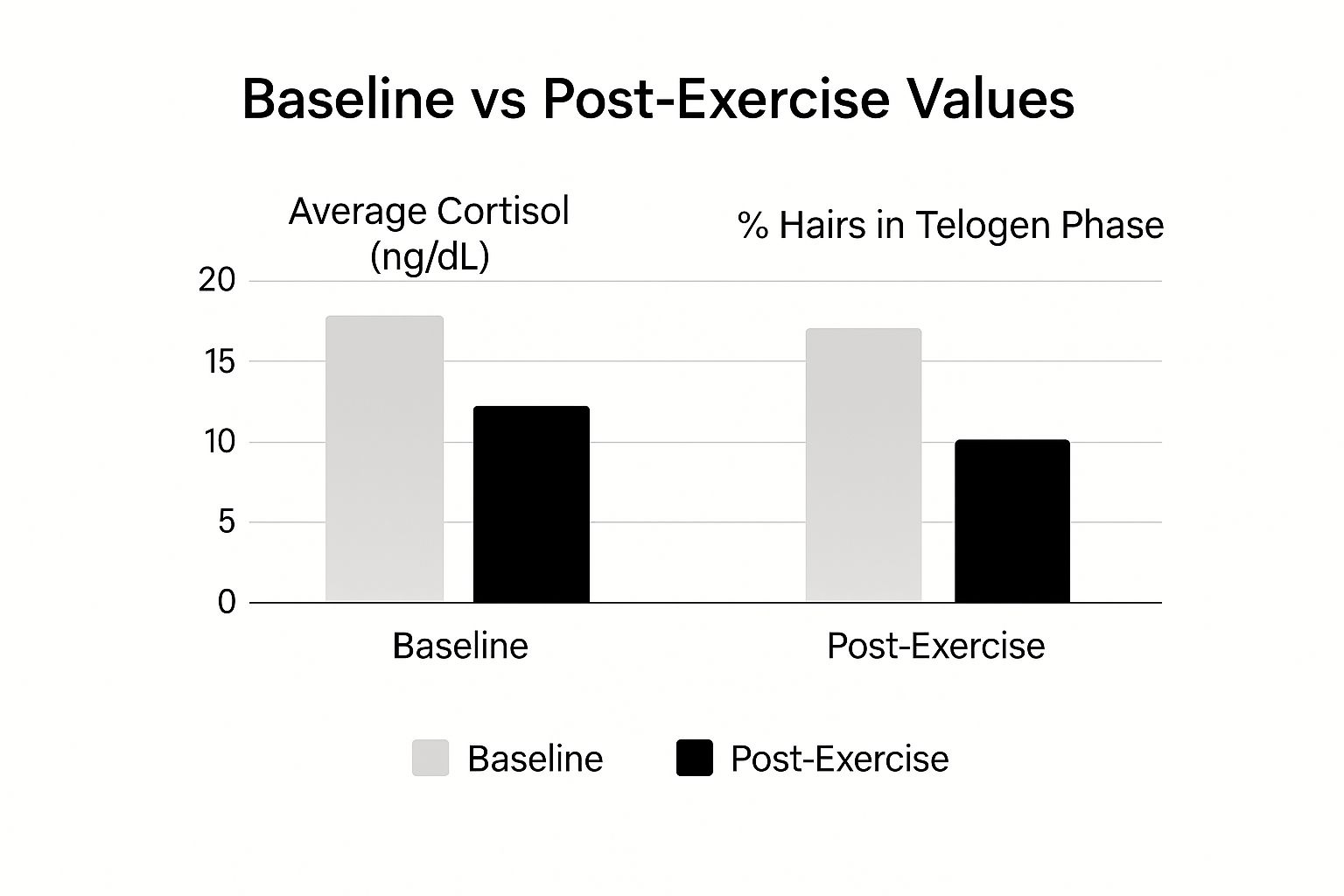
The visualization shows that after exercise, there can be noticeable shifts in these markers. This suggests that physical exertion does place a degree of stress on the body, which in turn could influence hair health if not managed properly. This physiological response highlights why the type and amount of exercise you undertake are important considerations.
The Low-Intensity Paradox
Perhaps one of the most surprising findings from recent studies concerns low-intensity activities. Contrary to the common belief that high-intensity training (HIIT) might be the main concern due to stress, some research points in a different direction. In fact, scientific research as of 2023 highlights that the incidence of androgenic alopecia was higher in those who reported low-intensity exercise, such as walking or leisurely cycling. You can explore this topic further in the study.
This correlation was particularly evident as the weekly exercise frequency increased, for instance, from 0–2 times up to 5–7 times per week. This suggests that for some individuals, frequent, albeit less strenuous, activity might contribute to conditions less favorable for hair retention. This could be due to sustained physiological changes or other related lifestyle factors that are not immediately obvious.
To further illustrate how different exercise patterns might relate to hair health, the following table outlines potential correlations and recommendations. This table, "Exercise Intensity and Hair Loss Correlation," provides a comparison of hair loss rates across different exercise intensity levels and frequencies.
Exercise Intensity and Hair Loss Correlation
| Exercise Type | Intensity Level | Weekly Frequency | AGA Correlation | Recommended Approach |
|---|---|---|---|---|
| Walking / Leisure Cycling | Low | 5-7 times/week | Potentially Higher (per some research) | Monitor closely; vary workouts; ensure adequate recovery |
| Walking / Leisure Cycling | Low | 1-3 times/week | Generally Low | Beneficial for overall health; usually safe for hair |
| HIIT / Intense Cardio | High | >4 times/week | Potentially Higher (stress, hormones) | Use with caution; prioritize recovery; consider lower frequency |
| HIIT / Intense Cardio | High | 2-3 times/week | Moderate; individual dependent | Balance with rest days; monitor hair for changes |
| Moderate Strength Training | Moderate | 3-4 times/week | Generally Low/Neutral | Supports overall health; allow muscle recovery |
| Yoga / Pilates | Low-Moderate | 3-5 times/week | Typically Low / Protective | Excellent for stress reduction & promoting circulation |
The table highlights that there isn't a simple answer applicable to everyone. Both very high-intensity exercise and very frequent low-intensity exercise could present different considerations for hair health, underscoring the need for a balanced and individual approach.
Frequency and Intensity: A Balancing Act
The insights from such comparisons and research highlight that it's not just one factor but the interplay between intensity and frequency that seems crucial. While very intense, prolonged, or too frequent high-stress workouts can elevate stress hormones like cortisol, potentially pushing more hairs into the telogen phase (the resting phase before shedding), the sustained nature of some frequent low-intensity routines might also present challenges, as noted earlier.
Understanding these nuances allows for a more informed approach to your fitness regime when considering if working out can cause hair loss. It’s about finding a balance that supports your fitness goals without unduly stressing your body in ways that might impact your hair. This means that some popular fitness approaches, especially those emphasizing extreme frequency or sustained low-level stress without adequate recovery, may need adjustment for individuals concerned about hair health.
Therefore, the intensity and frequency of your workouts are key variables. Optimizing your exercise plan, listening to your body, and allowing for proper recovery are fundamental steps in maintaining both your fitness and your follicles, rather than viewing exercise as a direct cause of hair loss universally.
The Hormonal Truth Behind Exercise And Hair Loss
If you're wondering whether working out can cause hair loss, it’s important to look at how physical activity affects your body's hormones. Exercise triggers a series of hormonal adjustments, and these changes are key to figuring out any possible effects on your hair. In particular, various kinds of exercise can differently influence testosterone and its powerful by-product, dihydrotestosterone (DHT).
DHT is broadly acknowledged as a main contributor to male pattern baldness for people who are genetically inclined to it. This suggests that for some individuals, the hormone level changes prompted by exercise might combine with their inherent vulnerability to hair thinning.
How Exercise Influences Key Hormones
Vigorous physical activity, especially high-intensity training or demanding resistance workouts, can result in short-term increases in testosterone levels. While testosterone is essential for numerous bodily functions, its transformation into DHT is the primary issue for hair follicles that are sensitive to this hormone. A rise in testosterone could lead to more DHT, though how much this happens differs greatly from person to person.
For instance, exercises that put considerable strain on the muscular and endocrine systems may boost androgen production more noticeably than moderate, consistent cardio. If this hormonal increase is regular and substantial, it could, in theory, quicken hair loss for those who are already genetically set up for it.
The Role Of Genetic Predisposition
It’s vital to highlight that hormone changes from exercise by themselves are seldom the only reason for hair loss. Genetic predisposition is a major factor. If your genetic makeup means your hair follicles aren't sensitive to DHT, then changes in this hormone from exercise probably won’t lead to obvious hair thinning.
However, if you are genetically prone to androgenetic alopecia (the common term for genetic hair loss), the higher DHT levels that could be spurred by certain types of workouts might act as a booster. This difference helps explain why some people may see hair changes when they increase their training intensity, while others with different genetic makeups experience no such effects, even with comparable exercise plans. This involved connection underscores why knowing your personal risk level is important when figuring out if working out can cause hair loss in your specific case. The body's processes are complex, but thoughtful exercise choices can assist in managing these elements.
How Exercise Can Actually Protect Your Hair
While it's true that intense exercise could introduce hormonal changes that affect hair, it's important to understand that the right kind of physical activity can actually be a great protector for your hair. Engaging in sensible exercise provides significant defensive advantages, helping to counter the idea that working out can cause hair loss by actively supporting the health of your hair follicles.
Strengthening Your Defenses Against Oxidative Stress
One key way exercise supports hair health is by helping your body manage oxidative stress. This condition, which arises from an imbalance between free radicals and antioxidants, can damage hair follicles – similar to how rust affects metal. This damage may weaken hair and lead to increased shedding.
Fortunately, regular physical activity can bolster your body's natural protective systems. A 2024 review indicated that consistent moderate-to-high intensity exercise activates important antioxidant defenses, which in turn helps shield hair follicles. Health guidelines recommend 150 minutes of moderate aerobic activity or 75 minutes of vigorous exercise each week to gain these protective benefits. Learn more about how exercise helps build these defenses for your hair.
Boosting Scalp Circulation For Healthier Follicles
Exercise is also very effective at improving scalp circulation. When you're physically active, your blood flow increases, which means more oxygen and vital nutrients are delivered directly to your hair follicles. This enhanced nourishment helps create a better environment for your scalp, encouraging strong hair growth and potentially leading to more resilient hair strands.
Exercise As A Powerful Stress Buster
Lastly, engaging in moderate physical activity is widely recognized as an effective stress reliever. Ongoing stress can disrupt hair growth cycles and sometimes lead to hair shedding. However, activities such as yoga or taking a brisk walk can effectively help manage these stress levels. By promoting a more balanced internal state, exercise contributes positively to maintaining healthy hair.
This balanced perspective shows that exercise, when approached correctly, isn't a direct path to hair issues but can instead be a vital component in protecting your hair. With the appropriate amount and type of activity, working out strengthens your body’s capacity to support healthy hair follicles.
Warning Signs Every Fitness Enthusiast Should Know
While it's helpful to understand how hormones and exercise benefits can affect your hair, recognizing specific warning signs is your primary way to guard against potential hair changes. If you lead an active lifestyle and are wondering whether can working out cause hair loss in your particular situation, being watchful for subtle clues is essential.
Several factors can make you more prone to exercise-related hair concerns. Your genetic makeup and any family history of hair loss are notable indicators. Furthermore, certain lifestyle elements, like insufficient nutrition or persistent high stress levels, can amplify the effects of demanding physical activity, increasing your susceptibility.
Recognizing Early Hair Loss Symptoms
Many initial signs of hair thinning can be easily missed, particularly if you aren't actively looking for them. It's not always a matter of finding dramatic clumps of hair; often, it begins with more understated changes:
- A gradual receding hairline, often noticeable at the temples.
- A widening part that develops over a period of time.
- Reduced hair density, which might make your ponytail feel less full.
- Your scalp becoming more apparent under bright lighting.
Identifying these initial changes early on gives you the opportunity to think about adjusting your routine before issues worsen. This might involve modifying your exercise intensity or building in more recovery time.
Monitoring Your Hair During Intense Training
It's quite normal to shed hair daily, typically between 50 to 100 strands. Following a workout, you might observe a bit more shedding due to increased scalp manipulation or sweat. However, a consistent increase in shedding that doesn't revert to your normal amount, or noticing considerably more hair on your brush or pillow, signals a need for closer observation.
During periods of especially intense training, pay extra attention to your hair. If you notice persistent changes like those mentioned above, or if you experience scalp irritation, itching, or redness along with increased shedding, these could be indicators that your current fitness regimen is affecting your hair. Sometimes, even reactions that seem unrelated, such as exercise-induced hives, can point to significant bodily stress, which might indirectly influence hair health and suggest a review of your routine is needed.
When To Seek Professional Advice
If you're observing hair loss that continues or seems to be getting worse, or if the changes are accompanied by other symptoms like unusual scalp discomfort or sudden bald patches, it's time to consult a healthcare professional. They can help determine if your concerns about working out causing hair loss are applicable to your situation and can also rule out other underlying medical conditions.
Addressing these signs promptly can make a substantial difference. Beyond the immediate worries, it’s important to consider long-term health strategies. You can learn more about Proven Recovery Strategies for Health & Wellbeing, which can support your efforts to maintain overall wellness, including the health of your hair. Equipped with this understanding, you can identify potential issues early and take protective measures.
Your Hair Safe Workout Strategy
Understanding how physical activity might influence hair changes can empower you to adapt your fitness routine, making it beneficial for your hair. While the question "can working out cause hair loss?" is a common concern, taking proactive steps can manage these potential risks. By making smart adjustments to your workouts, recovery habits, and overall lifestyle, you can work towards your fitness aspirations while also supporting your hair's health.
Optimizing Your Training For Hair Health
The manner in which you exercise significantly affects how your body, hair included, responds. The goal isn't to abandon exercise but to engage in it thoughtfully.
Workout Modifications and Frequency
Instead of consistently pushing your body to its limits, think about diversifying your routine. If high-intensity interval training (HIIT) is your preferred method, be sure to balance it with days of lower-intensity exercise or different activities, such as moderate strength training or yoga. This approach can help lessen the continuous physiological stress that, for some individuals, might affect hair. Strive for the generally recommended 150 minutes of moderate or 75 minutes of vigorous exercise per week, always paying attention to your body's cues.
The Critical Role of Recovery
Recovery periods are not just beneficial; they are crucial. Giving your body enough rest enables it to repair and helps normalize levels of stress hormones, such as cortisol. Engaging in overtraining without adequate recovery can maintain your body in a heightened state of stress, which is not favorable for healthy hair growth. This involves scheduling dedicated rest days and ensuring you're not perpetually operating at peak intensity without breaks.
Lifestyle Adjustments To Support Your Hair
Your habits outside of your workout sessions are equally vital as the exercises themselves. Specific lifestyle choices can considerably enhance your hair's strength and vitality.
Nutrition and Hydration
Your diet has a direct link to your hair's condition. A well-rounded diet abundant in essential vitamins and minerals forms the foundation for healthy hair. Important nutrients include:
- Biotin: Commonly found in foods like eggs and nuts.
- Iron: Present in dark leafy greens and red meat.
- Zinc: Available from sources such as seeds and legumes.
- Essential fatty acids: Found in oily fish, for example, salmon.
Maintaining proper hydration is also key, as it aids overall bodily functions, including the transport of nutrients to hair follicles. Make an effort to drink water consistently throughout the day, particularly on days you exercise.
Sleep Optimization
Achieving quality sleep is vital for hormone regulation and the body's cellular repair processes. Aim for 7-9 hours of quality sleep each night. Insufficient or poor sleep can elevate stress hormone levels, potentially impacting your hair's natural cycle and making concerns about working out causing hair loss more relevant if your body isn't recovering properly.
Managing Stress And Considering Supplements
Effectively managing your overall stress levels can enhance the benefits of your workouts while reducing potential risks to your hair. Think about incorporating stress-reduction methods like meditation or yoga into your daily or weekly schedule. These practices can contribute to lower cortisol levels, fostering a more supportive internal environment for hair growth.
Regarding supplements, some people look into options such as saw palmetto, which is believed by some to affect DHT pathways. However, it's always best to consult with a healthcare professional before introducing new supplements to your regimen, particularly if you have pre-existing health conditions or are currently taking medication. General hair health vitamins that include biotin, zinc, and iron can also be helpful if your diet isn't consistently providing these nutrients.
To help you put these strategies into action, the following table provides a straightforward overview. Here is a comprehensive guide to exercise modifications and protective strategies for maintaining hair health, titled Hair-Safe Workout Guidelines:
| Strategy Category | Specific Action | Frequency | Expected Benefit | Implementation Tips |
|---|---|---|---|---|
| Training | Vary workout intensity & type | Daily / Weekly planning | Reduced physiological stress, balanced hormone response | Combine HIIT with moderate cardio, strength training, and flexibility exercises. |
| Recovery | Schedule active recovery & complete rest days | 1-2 rest days/week; especially after HIIT | Lowered cortisol, muscle repair, reduced stress on hair | Include light stretching, foam rolling, or a gentle walk on active recovery days. |
| Nutrition | Eat a balanced, nutrient-rich diet | Daily; consistent meal timing | Stronger hair follicles, optimal growth environment | Prioritize whole foods; think about pre/post-workout nutrition to aid recovery. |
| Hydration | Drink sufficient water | Throughout the day | Improved nutrient delivery, overall bodily health | Keep a water bottle handy; increase intake before, during, and after workouts. |
| Sleep | Prioritize 7-9 hours of quality sleep | Nightly | Hormonal balance, cellular repair, stress reduction | Keep a regular sleep schedule; establish a calming bedtime routine. |
| Stress Management | Practice mindfulness, meditation, or yoga | Daily or several times per week | Lowered stress hormones, improved general well-being | Begin with 5-10 minutes daily and increase gradually; discover what suits you best. |
| Supplementation | Consider targeted supplements under guidance | As advised by a healthcare provider | Address potential deficiencies, support hair health | Discuss your needs with a doctor; choose quality supplements focused on specific needs like biotin or iron. |
By taking these practical steps, you can develop a fitness plan that benefits not only your physical condition but also the vitality of your hair, enabling you to chase your health objectives with greater assurance.
Making Smart Decisions About Your Fitness And Hair
Achieving top physical fitness and keeping your hair healthy might seem like separate goals, but they can certainly go hand-in-hand. It's true that some studies suggest specific workout routines could play a role in hair thinning for certain individuals. However, the most important thing is that being well-informed allows you to make sensible decisions. The link between exercise and hair vitality isn't straightforward, making it vital to understand your personal risk factors.
Adopting a proactive and informed approach is the way to go. For example, taking an honest look at your genetic predisposition to issues like male pattern baldness gives you crucial background information. It's also wise to carefully consider the intensity and regularity of your current exercise regimen. If you're worried that working out might be contributing to hair loss, ask yourself if your current routine, particularly if it includes very strenuous activities or not enough recovery time, could be a contributing element.
Armed with this knowledge, you can put effective protective measures in place. Consider these strategies:
- Fine-tuning your workout intensity to discover a balance that pushes your body appropriately without causing long-term spikes in stress hormones.
- Giving recovery as much importance as your actual workouts, which helps your body repair and return to a normal state.
- Making sure your diet is packed with the vitamins and minerals essential for healthy hair follicles.
- Proactively managing your overall stress levels, because stress can worsen any effects from exercise on your hair.
Some athletes looking into well-rounded recovery techniques explore options such as CBD. If this interests you, you might want to learn more about how CBD can support sports recovery for athletes as a possible part of a wider wellness strategy. In the end, making choices based on solid information, instead of apprehension, means you can pursue your fitness ambitions with confidence while also taking steps to safeguard your hair.
If you are looking into solutions for hair loss, especially treatments such as Platelet-Rich Plasma, you can visit PRPForHairLoss.com to discover more about the available options and how they could align with your personal hair health plan.

 PRP For Hairloss
Leave a comment