Decoding the Roots of Male Pattern Baldness
Losing your hair? Understanding the causes of male pattern baldness is the first step towards finding a solution. This list details six key factors contributing to hair loss, ranging from dihydrotestosterone (DHT) sensitivity and genetic predisposition to lifestyle influences like stress and nutritional deficiencies. Knowing these male pattern baldness causes empowers you to explore effective strategies to address hair loss and make informed decisions about your hair health.
1. Dihydrotestosterone (DHT) Sensitivity
Dihydrotestosterone (DHT) sensitivity is considered the primary driver of male pattern baldness, also known as androgenetic alopecia. This hormone, a derivative of testosterone, plays a crucial role in the development of male sexual characteristics. However, in genetically predisposed individuals, hair follicles, particularly those on the crown and frontal hairline, exhibit a heightened sensitivity to DHT. This sensitivity triggers a process of miniaturization, where the follicles shrink over time, leading to progressively shorter, thinner hair strands, and eventually, cessation of hair growth altogether. Understanding this mechanism is key to understanding why male pattern baldness occurs and how it can be treated.
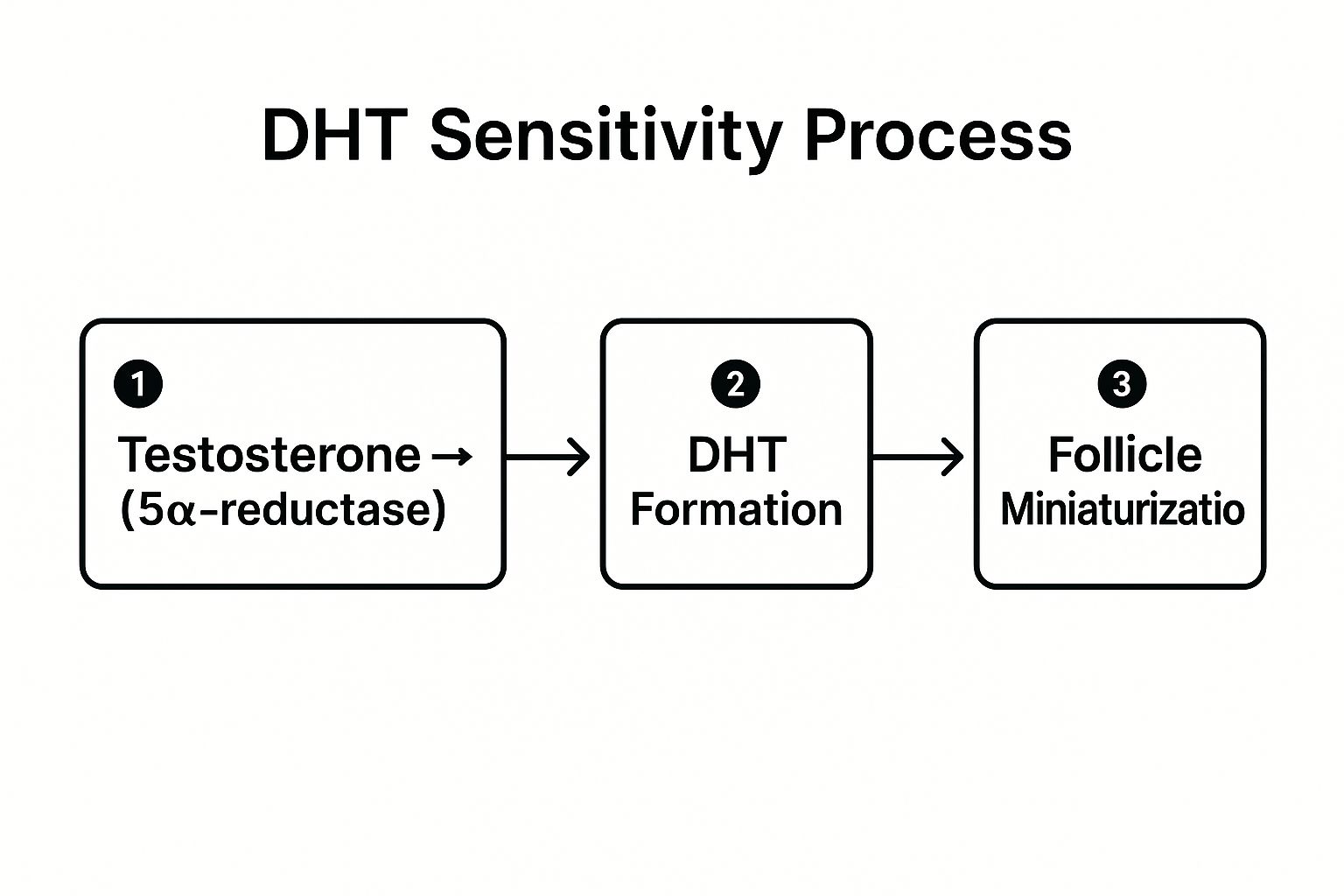
The infographic above visualizes the process of DHT contributing to hair loss. It illustrates the conversion of testosterone to DHT via the 5α-reductase enzyme, the subsequent binding of DHT to androgen receptors in susceptible hair follicles, and the resulting miniaturization leading to thinner hair and eventual hair loss. The infographic clearly demonstrates the cyclical and progressive nature of this process, highlighting the importance of early intervention.
The process of DHT-induced hair loss can be broken down into key steps:
- Testosterone Conversion: The 5α-reductase enzyme converts testosterone into DHT.
- DHT Binding: DHT binds to androgen receptors in hair follicles.
- Follicle Miniaturization: The bound DHT triggers changes in the follicle, causing it to shrink and produce thinner hair.
- Hair Loss: Over time, the miniaturization process leads to progressively shorter, finer hairs until the follicle eventually stops producing hair altogether.
The sequence of these steps underscores the crucial role of 5α-reductase. By inhibiting this enzyme, we can reduce the amount of DHT available to bind to the follicles, thereby slowing or halting the miniaturization process. This is the mechanism by which medications like Finasteride (Propecia) combat hair loss.
Examples of treatments targeting DHT:
- Finasteride (Propecia): This oral medication inhibits the 5α-reductase enzyme, thus reducing DHT production and slowing down hair loss.
- Topical Minoxidil: While not directly targeting DHT, minoxidil helps counteract the effects of DHT on hair follicles by promoting hair growth and potentially increasing follicle size.
Pros of addressing DHT:
- Well-understood mechanism: The science behind DHT's role in male pattern baldness is well-established, making it a clear target for treatment.
- Effective treatments available: Several FDA-approved medications effectively target the DHT pathway.
Cons of addressing DHT:
- Difficult to reverse miniaturization: Once significant miniaturization has occurred, it's difficult to completely reverse the process. Early intervention is key.
- Ongoing treatment: Maintaining results requires continuous medication.
- Potential side effects: Anti-DHT medications can have side effects, including sexual dysfunction, which should be discussed with a doctor.
Tips for managing DHT-related hair loss:
- Early intervention: The sooner you start treatment with DHT-blockers, the better your chances of preserving your hair.
- Combination therapy: Combining multiple treatment approaches, such as Finasteride and Minoxidil, often yields better results than using either medication alone.
- Scalp massage: Regular scalp massage may improve blood flow to the hair follicles, potentially helping to counteract the effects of DHT.
DHT sensitivity's place at the top of this list of male pattern baldness causes is undeniable. It's the primary mechanism driving this common condition. Understanding its role, along with available treatments and management strategies, empowers men to make informed decisions about their hair loss journey. The work of pioneers like Dr. James Hamilton and Dr. O'Tar Norwood, who developed classification systems for male pattern baldness, further solidifies DHT’s significance in understanding and addressing this condition.
2. Genetic Predisposition
One of the most significant male pattern baldness causes is your genetic makeup. A strong hereditary component dictates both your susceptibility to hair loss and the pattern it will likely follow. This means that your family history plays a crucial role in predicting your own hair loss journey. Understanding this genetic influence is vital for anyone concerned about thinning hair, as it can inform early preventive measures and manage expectations.
This genetic predisposition isn't a simple on/off switch. Unlike some traits determined by a single gene, male pattern baldness involves a complex interplay of multiple genes, a characteristic known as polygenic inheritance. This means multiple genetic factors contribute to the condition, making it difficult to pinpoint one specific "baldness gene." While you can inherit these genes from either parent, the influence of your maternal grandfather's hair pattern is often emphasized, although this isn't the sole determining factor. These genes impact various aspects of hair growth, including androgen receptor sensitivity, hair growth cycles, and other factors influencing hair follicle miniaturization and eventual hair loss. More specifically, the inheritance pattern is considered autosomal dominant with variable expressivity, meaning even if you inherit the genes, the extent of hair loss can vary significantly.
Features of this genetic influence include:
- Polygenic inheritance pattern: Multiple genes are involved.
- Autosomal dominant transmission with variable expressivity: The gene can be inherited from either parent, and the extent of its expression varies.
- Linked to variations in the androgen receptor gene on the X chromosome: The AR gene plays a significant role in how hair follicles respond to androgens like dihydrotestosterone (DHT).
Pros of understanding the genetic component:
- Predictive Power: Genetic testing can help predict the risk and likely pattern of baldness. Services like 23andMe can identify some baldness-related genetic markers.
- Early Intervention: Understanding your genetic risk allows you to consider preventive treatments earlier.
Cons of the genetic influence:
- Unalterable: Currently, medical interventions cannot change your genetic predisposition.
- Variable Expression: Even within families, the degree of baldness can vary widely.
- Not a Guarantee: Genetic susceptibility doesn't guarantee baldness. Environmental factors and lifestyle also play a role.
Examples:
- The androgen receptor (AR) gene on the X chromosome is strongly associated with male pattern baldness. Variations in this gene can increase sensitivity to DHT, a hormone implicated in hair follicle shrinkage.
- Companies like 23andMe offer genetic testing that can identify some genetic markers related to male pattern baldness.
Actionable Tips:
- Assess Family History: A detailed family history assessment, looking at both sides of your family, can provide a good indication of your likelihood and potential pattern of baldness.
- Consider Preventive Treatments: If you have a strong family history of hair loss, consult a dermatologist or hair specialist about preventive treatments like finasteride or minoxidil.
- Genetic Counseling: If you are particularly concerned about hereditary factors, genetic counseling can offer personalized insights and guidance.
The work of researchers like Dr. Valerie Randall significantly advanced our understanding of genetic factors in hair loss. The Hamilton-Norwood scale, a widely used classification system for male pattern baldness progression, further helps categorize genetically influenced hair loss patterns.
This genetic component deserves its place on this list because it's a fundamental factor driving male pattern baldness. While other factors contribute, understanding your genes provides a valuable foundation for managing and addressing potential hair loss.
3. Age-Related Hormonal Changes
Age plays a significant role in male pattern baldness, making age-related hormonal changes one of the most common male pattern baldness causes. As men grow older, natural shifts in their hormone levels can accelerate or even trigger hair loss, adding another layer of complexity to the issue beyond simple genetic predisposition. While sensitivity to dihydrotestosterone (DHT) remains the primary driver of male pattern baldness, age-related changes in other key hormones, including testosterone, estrogen, cortisol, and thyroid hormones, can significantly influence hair growth cycles. This hormonal interplay contributes significantly to the thinning hair experienced by a large percentage of men as they age.
This process primarily revolves around the hair follicle's growth cycle. With advancing age, the anagen phase (the active growth period) shortens, while the telogen phase (the resting period) lengthens. This shift results in progressively thinner hair, as follicles spend less time producing new strands and more time dormant. Furthermore, the body's natural ability to counteract the impact of these hormonal fluctuations on hair follicles diminishes over time, exacerbating the effects.
Several key hormonal changes contribute to this age-related hair loss:
- Gradual decline in testosterone levels: Testosterone levels typically decrease by approximately 1% per year after a man reaches age 30. While not directly causing hair loss, this decline influences the overall hormonal balance.
- Changes in DHT-to-testosterone ratio: Even with decreasing testosterone, the ratio of DHT to testosterone can change, potentially increasing the relative impact of DHT on susceptible hair follicles.
- Altered balance between estrogen and testosterone: The delicate balance between estrogen and testosterone also shifts with age, further contributing to the hormonal changes affecting hair growth.
- Cumulative effects of lifelong DHT exposure on follicles: The longer follicles are exposed to DHT, the more likely they are to miniaturize, producing progressively finer and shorter hairs.
Pros and Cons of Age-Related Hormonal Changes (Regarding Hair Loss):
Pros:
- Natural and expected: It's a natural part of aging, affecting most men to some degree, removing some of the stigma associated with hair loss.
- Gradual onset: Hair loss due to age-related hormonal changes typically happens gradually, giving men time to adapt and explore treatment options.
- Potential for hormone optimization: In some cases, hormone optimization therapies can help moderate the effects of these changes.
Cons:
- Inevitable: It’s a natural aspect of aging that cannot be completely prevented.
- Hormone replacement therapy risks: Hormone replacement therapy, while sometimes beneficial, carries its own set of potential health risks.
- Compounds genetic predisposition: Age-related hormonal changes can exacerbate pre-existing genetic predispositions to male pattern baldness.
Examples:
- Approximately 50% of men show signs of male pattern baldness by age 50.
- Over 80% of men experience some degree of hair thinning by age 70.
Tips for Managing Age-Related Hormonal Hair Loss:
- Regular hormone level testing: Monitoring hormone levels, particularly after age 40, can help identify any significant imbalances that may be contributing to hair loss.
- Maintain overall health: A healthy lifestyle, including regular exercise, a balanced diet, and stress management, may help moderate age-related hormonal shifts.
- Consider preventative treatments: Exploring preventative treatments like finasteride or minoxidil before significant hair loss occurs can help maintain hair density.
Popularized By:
- Dr. William Rassman, a pioneer in modern hair restoration techniques.
- Dr. Anthony Oro, a researcher specializing in age-related hair follicle cycling.
This aspect of male pattern baldness deserves its place on this list due to its widespread prevalence and impact. Understanding the role of age-related hormonal changes is crucial for men seeking to address their hair loss concerns effectively. While aging is inevitable, taking proactive steps can help manage its effects on hair health.
4. Stress and Elevated Cortisol Levels
While genetics primarily drives male pattern baldness, other factors can influence its onset and progression. One such factor is chronic stress and the resulting elevation of cortisol levels. This stress hormone can exacerbate hair loss through several interconnected pathways, making it a crucial consideration for those concerned about their hair. Chronic psychological stress puts the body in a constant state of "fight-or-flight," leading to prolonged periods of elevated cortisol.

High cortisol levels can impact hair follicles in several ways. First, cortisol can increase the production of dihydrotestosterone (DHT), the primary hormone responsible for miniaturizing hair follicles in male pattern baldness. Secondly, it can interfere with the normal hair growth cycle, pushing more hairs into the telogen (resting) phase, where they eventually fall out. Cortisol also restricts blood flow to the follicles, depriving them of essential nutrients, and promotes inflammation in the scalp, further damaging the hair follicle environment. It's important to note that stress alone doesn't cause male pattern baldness in individuals without the genetic predisposition. However, for those genetically susceptible, stress can significantly accelerate hair thinning, potentially triggering an earlier onset and more rapid progression. Both acute, severe stress and chronic, long-term stress can negatively impact hair growth, albeit through slightly different mechanisms.
For example, telogen effluvium, a condition characterized by widespread hair shedding often triggered by severe stress, can unmask or accelerate underlying male pattern baldness. In individuals already experiencing gradual hair loss due to genetics, a stressful event can lead to a sudden and noticeable increase in shedding. Similarly, studies have shown a link between post-traumatic stress disorder (PTSD) and accelerated hair loss in predisposed individuals. These examples highlight the powerful influence of stress on hair.
Features of Stress-Related Hair Loss:
- Increased cortisol production during prolonged stress periods
- Conversion of more testosterone to DHT under stress conditions
- Inflammation of hair follicles and surrounding tissues
- Disruption of normal hair growth cycle timing
Pros of Addressing Stress:
- Potentially modifiable through stress management techniques.
- Addressing stress has multiple health benefits beyond hair retention (improved sleep, mood, and overall well-being).
- Effects on hair may be partially reversible if addressed early.
Cons of Focusing Solely on Stress:
- Difficult to completely eliminate stress in modern lifestyles.
- Stress-related hair loss can be confused with other types of alopecia, requiring proper diagnosis.
- Stress reduction alone won't stop genetically programmed baldness. It’s a contributing factor, not the root cause.
Tips for Managing Stress and its Impact on Hair:
- Lifestyle Changes: Regular meditation, exercise, and adequate sleep are crucial for regulating cortisol levels. Even short periods of mindful relaxation or physical activity can make a difference.
- Therapy: Stress-management therapies like Cognitive Behavioral Therapy (CBT) can equip you with tools to manage stress more effectively, reducing its impact on your overall health, including hair.
- Supplements: Adaptogenic herbs like ashwagandha may help moderate stress hormones. Consult with a healthcare professional before incorporating any new supplements.
- Monitoring: Blood tests can monitor cortisol levels to assess the impact of stress and track the effectiveness of interventions.
The connection between stress and male pattern baldness is supported by the research of prominent figures like Dr. Robert Sapolsky, a leading researcher on stress physiology, and Dr. Maria Hordinsky, a dermatologist specializing in stress-related hair disorders. Their work emphasizes the significant role of stress hormones in hair loss. While male pattern baldness is largely genetic, understanding and managing stress is essential for optimizing hair health and potentially mitigating the effects of this common condition. This makes stress management an important component of a holistic approach to addressing male pattern baldness.
5. Poor Blood Circulation to Scalp
Poor blood circulation to the scalp is a significant contributing factor to male pattern baldness, often exacerbating the effects of genetic predisposition. Adequate blood flow is essential for delivering the oxygen, nutrients, and hormones vital for healthy hair growth. When this flow is compromised, follicles are deprived of the resources they need to function optimally, leading to weakening, thinning, and eventual miniaturization of the hair shafts. This means that while genetics might lay the groundwork for hair loss, poor circulation can accelerate the process and make it more pronounced.
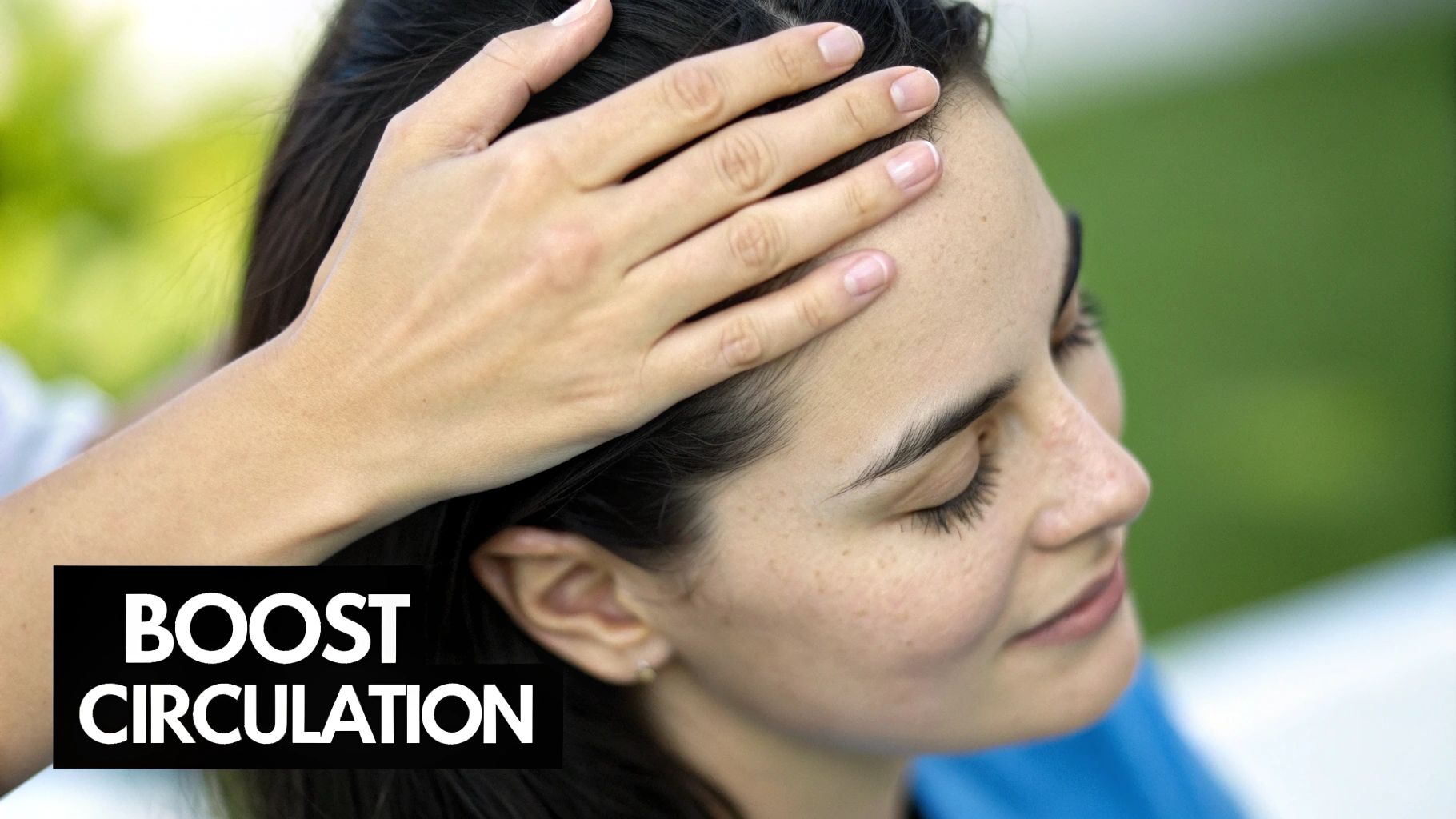
The miniaturization process, primarily driven by the hormone dihydrotestosterone (DHT), further restricts blood vessel size around affected follicles. This creates a vicious cycle: DHT shrinks the follicles, which in turn restricts blood flow, further weakening the follicles and accelerating the hair loss process. Features of poor scalp circulation in male pattern baldness include reduced capillary density in balding areas, decreased oxygen and nutrient delivery to hair follicles, impaired removal of metabolic waste products, and the progressive narrowing of blood vessels around miniaturizing follicles.
This aspect of male pattern baldness deserves attention because, unlike pure genetics, circulation can be influenced through lifestyle changes and non-pharmaceutical interventions. Addressing circulation issues can enhance the effectiveness of other hair loss treatments, making it a valuable component of a holistic approach. For example, the popular hair loss medication Minoxidil works partly by vasodilation, improving blood flow to the follicles. Similarly, low-level laser therapy (LLLT) is thought to stimulate circulation in the scalp, promoting hair growth.
Pros of addressing scalp circulation:
- Can be improved through various non-pharmaceutical interventions like scalp massage, exercise, and dietary changes.
- Addressing circulation may enhance the effectiveness of other hair loss treatments.
- Relatively easy to target through lifestyle modifications.
Cons of focusing solely on scalp circulation:
- Difficult to significantly improve circulation once substantial vascular changes have occurred.
- Improving circulation alone won't reverse genetic baldness but can slow its progression.
- Benefits may be temporary without addressing underlying causes like DHT sensitivity.
Tips for improving scalp circulation:
- Regular scalp massage: 5-10 minutes daily can stimulate blood flow.
- Exercise: Increases overall circulation, benefiting scalp health.
- Reduce smoking and excessive alcohol consumption: These habits impair microcirculation.
- Consider supplements: Ginkgo biloba, for example, may improve peripheral circulation. Consult with a healthcare professional before starting any new supplement regimen.
The importance of scalp microcirculation in hair loss has been highlighted by researchers like Dr. Fabio Rinaldi, who has conducted studies on the topic, and dermatologists specializing in hair loss treatments like Dr. Julie Russak. By incorporating lifestyle changes and other strategies to improve scalp circulation, men experiencing male pattern baldness can potentially slow down the progression of hair loss and improve the overall health of their remaining hair.
6. Nutritional Deficiencies
Nutritional deficiencies play a significant role in the progression of male pattern baldness, making it a crucial factor to consider when exploring male pattern baldness causes. While genetics primarily dictates the predisposition to androgenetic alopecia, suboptimal nutrition can accelerate the process and worsen its effects. This occurs because hair follicles are incredibly metabolically active, requiring a constant and diverse supply of nutrients to function optimally. When these nutritional building blocks are lacking, hair follicles can weaken, their growth cycles can be disrupted, and they become more vulnerable to the damaging effects of dihydrotestosterone (DHT), the hormone primarily responsible for male pattern baldness.
Several key nutritional deficiencies are commonly linked to accelerated hair loss:
- Iron deficiency: Iron plays a crucial role in oxygen transport to hair follicles. Low iron levels can restrict hair growth and contribute to shedding.
- Zinc deficiency: Zinc is essential for cell growth and repair, including hair follicle function. Deficiencies can lead to weakened hair and increased hair fall.
- Vitamin D deficiency: Vitamin D receptors are present in hair follicles, suggesting a crucial role in hair cycle regulation. Insufficient levels have been linked to various hair loss conditions.
- Biotin and other B vitamin deficiencies: These vitamins contribute to hair growth and strength. Biotin, in particular, is often marketed for hair health, though deficiencies are rare in a balanced diet.
- Insufficient protein intake: Hair is primarily composed of keratin, a protein. Inadequate protein intake can compromise keratin production, leading to thinner, weaker hair prone to breakage.
- Inadequate essential fatty acids: These fats, particularly omega-3s, contribute to scalp health and reduce inflammation, which can indirectly impact hair follicle function.
- Oxidative stress from poor antioxidant intake: Antioxidants protect hair follicles from damage caused by free radicals. A diet low in antioxidants can contribute to accelerated hair loss.
Why This Matters:
Addressing nutritional deficiencies offers a proactive approach to managing male pattern baldness. While it won't reverse genetically predetermined hair loss, it can significantly impact the rate of progression and the overall health and resilience of the remaining hair. Improving nutrition also has wide-ranging benefits beyond hair, contributing to better overall health and well-being. Nutritional deficiencies can impact energy levels, so alongside a balanced diet, exploring natural energy boosters can indirectly support overall well-being, potentially contributing to a healthier scalp and hair follicles. As explained in Top Natural Energy Boosters to Revitalize Your Day from Pulse, incorporating natural energy boosters into your routine can optimize your overall health, which in turn can positively influence hair health.
Pros:
- Relatively easy to address through dietary changes and supplementation
- Whole-body health benefits extend beyond hair
- Often shows results within 3-6 months of correction
Cons:
- Won't reverse genetically determined pattern baldness
- Excessive supplementation can be harmful
- Identifying specific deficiencies can be challenging without testing
Examples:
- Studies have linked the Mediterranean diet, rich in antioxidants and healthy fats, to lower rates of accelerated hair loss.
- Vegetarians and vegans may experience earlier hair loss if their diets aren't carefully planned to ensure adequate intake of iron, zinc, and other essential nutrients.
Actionable Tips:
- Get a blood test to identify specific nutritional deficiencies.
- Ensure sufficient protein intake (at least 0.8g per kg of body weight).
- Consider supplements specifically formulated for hair health.
- Focus on omega-3 fatty acids, zinc, iron, and B vitamins.
- Maintain optimal vitamin D levels (30-50 ng/mL).
Expert Opinions:
This connection between nutrition and hair health has been highlighted by experts like Dr. Wilma Bergfeld, a dermatologist specializing in nutritional impacts on hair, and Dr. Emily Kane, a naturopathic doctor focused on nutritional approaches to hair loss. Their work underscores the importance of a holistic approach to addressing male pattern baldness.
6 Key Causes of Male Pattern Baldness Compared
| Cause | Implementation Complexity 🔄 | Resource Requirements 💡 | Expected Outcomes ⭐📊 | Ideal Use Cases 💡 | Key Advantages ⚡ |
|---|---|---|---|---|---|
| Dihydrotestosterone (DHT) Sensitivity | Moderate – medication adherence required | Prescription meds (e.g., Finasteride), topical treatments | Effective at slowing progression; not fully reversible | Early-stage androgenetic alopecia | Well-understood mechanism; targeted treatments |
| Genetic Predisposition | Low – non-modifiable genetic factor | Genetic testing for risk assessment | Predictive insights; no direct treatment available | Risk assessment and early prevention strategies | Informs personalized prevention plans |
| Age-Related Hormonal Changes | Moderate – monitoring plus possible therapies | Hormone testing; potential hormone replacement | Gradual slowing of hair loss; partial mitigation | Aging individuals experiencing accelerated loss | Natural process; allows for monitoring and adaption |
| Stress and Elevated Cortisol Levels | Moderate – lifestyle interventions needed | Stress management programs, therapy | Partial reversibility if stress reduced early | Individuals with high stress exacerbating hair loss | Modifiable with holistic health benefits |
| Poor Blood Circulation to Scalp | Low to Moderate – lifestyle and topical aids | Scalp massage, exercise, topical vasodilators | Improved scalp health; adjunctive to other treatments | Those with circulatory deficiencies or slow scalp recovery | Enhances other treatment efficacy; non-invasive |
| Nutritional Deficiencies | Low – dietary changes and supplements | Nutritional counseling, lab tests, supplements | Healthier hair quality; limited effect on genetic loss | Nutritionally deficient individuals | Easy to implement; benefits general health |
Taking Charge of Your Hair Health
Understanding the underlying male pattern baldness causes is crucial for effectively addressing hair loss. As we've explored, while genetics and age are significant factors, influencing your DHT sensitivity and hormonal changes, other elements like stress, scalp circulation, and nutritional deficiencies also play a role. This means that even if you're genetically predisposed to hair loss, you still have opportunities to take proactive steps to mitigate its effects. Mastering these concepts allows you to make informed decisions about your hair health, potentially slowing down hair loss progression and exploring suitable treatments.
The most important takeaway is that knowledge is power. By understanding the various male pattern baldness causes, you can target your approach and choose the right solutions for your specific situation. Whether it's managing stress, improving your diet, or considering medical interventions, you can take control of your hair health journey and strive for the results you desire. Remember, addressing hair loss is not just about aesthetics; it's about boosting your confidence and overall well-being.
Are you ready to explore cutting-edge solutions to combat hair loss caused by these various factors? PRP For HairLoss offers innovative PRP therapy, a treatment designed to address the root causes of male pattern baldness by stimulating hair follicle regeneration and improving scalp health. Visit PRP For HairLoss today to learn more and discover how PRP therapy can help you regain a fuller, healthier head of hair.

 PRP For Hairloss
Leave a comment