The Science Behind PRP Hair Restoration
This therapy uses your body's own resources to combat hair loss. Platelet-rich plasma (PRP), derived from your blood, contains concentrated growth factors. These are crucial for tissue repair and regeneration.
When injected into the scalp, these growth factors can stimulate dormant hair follicles. They also promote new hair growth. This makes PRP a promising treatment for those concerned about the cost of PRP for hair loss.
Understanding the PRP Process
The PRP process involves three key stages.
First, a small blood sample is drawn, much like a routine blood test. Second, the blood is processed in a centrifuge. This separates the platelet-rich plasma from other blood components. This centrifugation step concentrates the platelets, amplifying their regenerative potential.
Finally, the PRP is precisely injected into targeted areas of the scalp. These are the areas experiencing thinning or hair loss.
How PRP Stimulates Hair Growth
The concentrated growth factors in PRP play a vital role in revitalizing hair follicles. These growth factors signal cellular activity. They also promote new blood vessel development. Additionally, they encourage follicles to enter the growth phase.
This process can lead to thicker, healthier hair. It can potentially even reverse some hair loss. PRP injections also improve blood circulation to the scalp. This provides essential nutrients and oxygen to the hair follicles. This nourishment creates a healthier environment for hair growth.
Effectiveness and Ideal Candidates
PRP shows promising results. However, it's important to have realistic expectations. Success rates vary. Factors like individual genetics, overall health, and the stage of hair loss all influence outcomes.
PRP is often most effective for those in the earlier stages of hair loss. This means individuals with significant baldness may not experience dramatic regrowth. However, PRP can significantly improve hair density. It can also slow down the progression of hair loss.
For many facing the concerns of PRP hair loss cost, the science behind this regenerative approach offers a potential solution. This process, though involving multiple sessions, offers a minimally invasive option compared to surgical interventions.
Breaking Down the Real Costs of PRP Hair Therapy
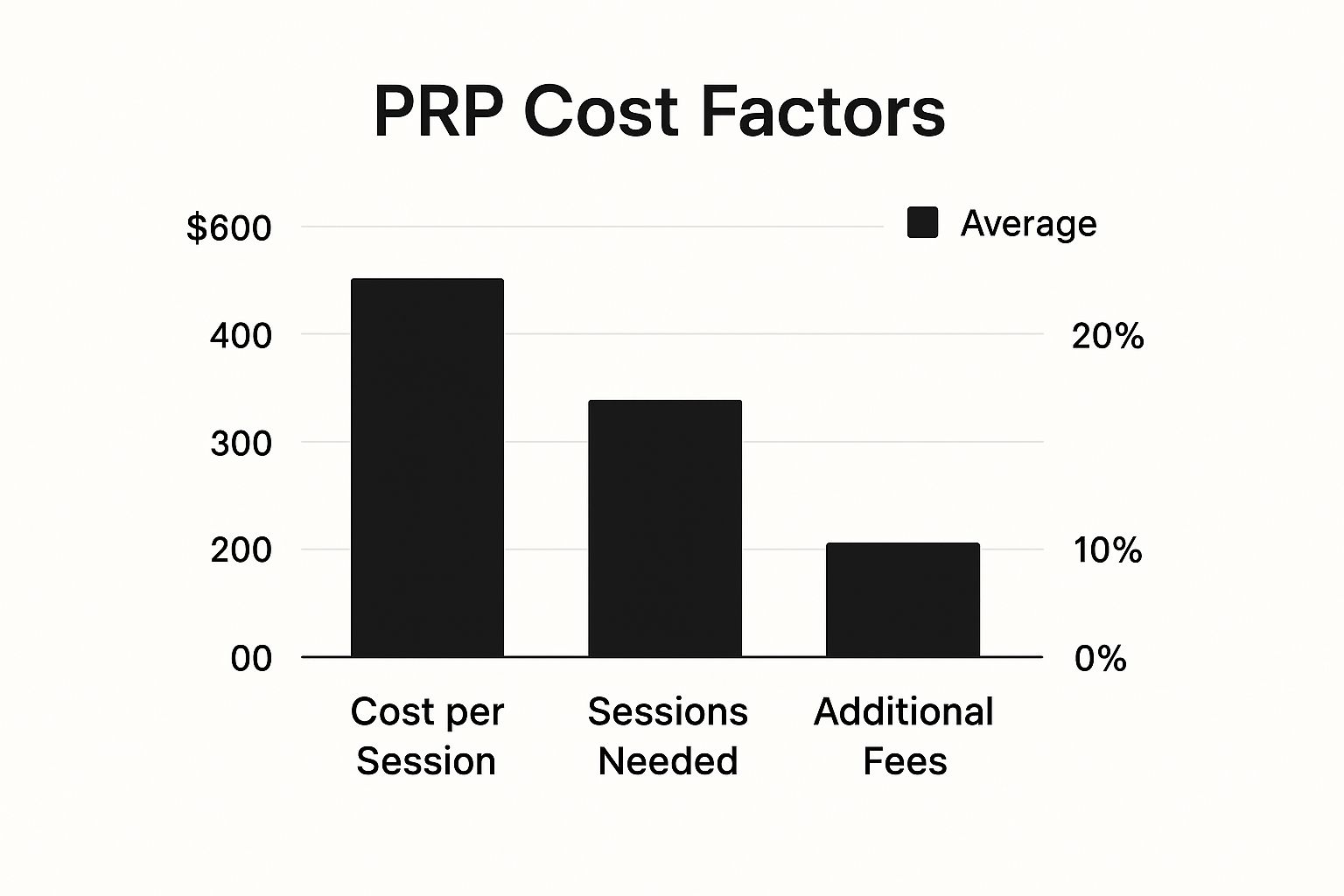
This infographic illustrates the key cost factors involved in PRP hair therapy. These include the average cost per session, the typical number of sessions needed, and the possibility of extra fees. The cost per session represents the largest expense, while additional fees, though smaller, still contribute significantly. This underscores the importance of understanding the baseline per-session cost when budgeting.
Understanding the Baseline Costs
What should you expect to pay for a single PRP treatment? Prices can vary significantly, but knowing the average can help you start your research. As of 2023, the average price in the United States is around $1,681 per session, potentially reaching up to $3,000. Several factors influence this, including location, clinic reputation, and the provider’s experience. The procedure's complexity, involving blood draw, PRP isolation via centrifugation, and scalp injections, contributes to the cost. For more detailed information on PRP costs, see Learn More.
Additional Expenses to Consider
Beyond the per-session cost, additional fees can impact the total price. Some clinics may charge separately for initial consultations, follow-up appointments, or required blood tests. Supplementary medications or specialized PRP formulations can also add to the overall expense.
Factoring in the Number of Sessions
PRP hair loss therapy usually isn't a one-time solution. Most patients need multiple sessions for best results, typically between three and six treatments, spaced about a month apart. The required number varies based on individual hair loss patterns and treatment response. Consequently, the total cost can range from a few thousand dollars to over ten thousand for a full course.
Geographic Variations in Pricing
Location significantly affects the price. In major metropolitan areas like New York City or Los Angeles, costs tend to be higher because of increased overhead and demand. Smaller cities or less populated areas may offer lower prices. This geographic variation is crucial to consider when exploring your options and budgeting.
To further illustrate the regional cost differences, let's examine the following table:
PRP for Hair Loss Cost Comparison by Region
This table presents the average cost ranges for PRP hair treatment sessions across different geographic regions in the United States and internationally.
| Region | Price Range (Per Session) | Average Cost | Typical Number of Sessions |
|---|---|---|---|
| Major US Cities (e.g., New York, Los Angeles) | $2,000 – $3,000 | $2,500 | 3-6 |
| Mid-Sized US Cities | $1,500 – $2,500 | $2,000 | 3-6 |
| Smaller US Cities/Rural Areas | $1,000 – $2,000 | $1,500 | 3-6 |
| International (e.g., Europe, Asia) | Varies widely | Dependent on Country | Varies widely |
This table demonstrates the considerable price variation for PRP treatments. While major US cities command higher prices, smaller cities and international locations often provide more affordable options. It is important to research specific clinics within your chosen region for precise pricing.
The Value Proposition of PRP
While PRP therapy might seem pricey, consider its value compared to alternatives like surgical hair transplants. Transplants can be considerably more expensive than PRP and involve longer recovery times. PRP offers a potentially more affordable and less invasive approach, especially for those in earlier hair loss stages. Understanding the true cost empowers you to make an informed decision about whether this therapy fits your needs and budget.
Why PRP Pricing Varies: The Factors That Matter
Understanding the factors that influence the cost of PRP for hair loss is essential for making informed decisions. This isn't a one-size-fits-all treatment, and several variables affect the final price. Let's explore these factors to help you navigate the costs involved.
Treatment Area and Extent of Hair Loss
The size of the treatment area plays a significant role in determining the overall cost of PRP. A smaller area requiring fewer injections will typically be less expensive than treating a larger area with more significant hair thinning. It's similar to painting a wall: a smaller wall needs less paint (and thus costs less) than a larger one. Understanding cost breakdowns in other fields, such as website design costing, can provide a helpful framework for understanding PRP pricing.
Provider Expertise and Qualifications
The qualifications and experience of your chosen provider significantly influence the price. Board-certified dermatologists or plastic surgeons specializing in hair restoration often charge more than general practitioners. This difference is due to their advanced training, specialized skills, and, frequently, better results. Choosing a highly qualified provider might mean a higher upfront cost, but it can also mean a more effective treatment and potentially better long-term value.
Technology and Techniques Used
Not all PRP treatments are the same. Some clinics invest in advanced technologies like specialized centrifugation systems or platelet activation methods, which can influence the cost. These technologies can yield a higher concentration of growth factors, potentially leading to better outcomes. The injection technique itself can also affect the price, as some providers use more precise and time-consuming methods.
Number of Sessions Required
PRP therapy usually involves multiple sessions for optimal results. The total cost will depend on the number of sessions recommended, which typically ranges from three to six treatments. Sometimes, more sessions are needed depending on individual responses and the extent of hair loss. Each session adds to the overall cost, so it’s essential to consider the total number of sessions when budgeting. Platelet-rich plasma (PRP) therapy for hair loss has variable costs globally, influenced by factors like the treatment area, number of sessions, and the provider's location. In 2018, the reported average cost for a single PRP injection was around $700, ranging from approximately $250 to over $750 per session. Patients typically require multiple sessions, usually between three and six treatments spaced roughly a month apart. This translates to a total cost ranging from $1,200 to as high as $4,500 for a full course of treatment. Costs can be significantly higher in major urban centers.
Inclusion of Additional Therapies
Some clinics combine PRP therapy with other treatments like microneedling or laser therapy. These combined therapies can enhance results but also add to the overall cost. Understanding what is included in your treatment package is vital for accurate budgeting and allows you to compare the value of different treatment options to make the best decision for your individual needs.
Is PRP Worth It? Comparing ROI With Other Solutions
Choosing the right hair loss solution often involves balancing cost and results. This section explores the return on investment (ROI) of PRP for hair loss and compares it to other popular treatments like medications, laser therapy, and surgery. This comparison will help you decide if PRP is the best value for your individual needs.
Short-Term vs. Long-Term Costs and Benefits
When evaluating the cost of PRP for hair loss, it's important to consider more than just the initial price. While PRP may have a higher upfront cost, the potential long-term benefits could make it a worthwhile investment. Some solutions, like Minoxidil, require consistent daily application, leading to ongoing expenses. PRP, however, typically involves an initial series of treatments with less frequent maintenance sessions afterward.
The cumulative effects of PRP also contribute to its long-term value. Some treatments simply maintain existing hair, but PRP can stimulate new hair growth, potentially leading to more significant improvements over time. This means that while the initial cost of PRP might appear higher, the overall long-term cost could be lower, and the results more substantial, compared to treatments requiring continuous spending.
Comparing PRP With Other Hair Loss Treatments
Let's compare different hair loss treatments, considering factors such as initial costs, maintenance expenses, effectiveness, and who they are best suited for. A 2021 study found that the average cost of single PRP injections in the U.S. was $717.67. The study compared PRP with Minoxidil, and found that while Minoxidil alone was cost-effective at a willingness-to-pay threshold of $50,000, combining Minoxidil with PRP became cost-effective at higher thresholds of $100,000 to $200,000. You can find more detailed statistics here.
To help you understand the cost differences, we've created a comparison table outlining various treatment options. This table provides a general overview, and individual costs and effectiveness can vary.
Cost Comparison of Hair Loss Treatments
| Treatment Type | Initial Cost | Annual Maintenance Cost | Effectiveness Rating | Best For |
|---|---|---|---|---|
| PRP Therapy | $1,500 – $3,000 per session (multiple sessions required) | $500 – $1,500 per maintenance session | Moderate to High | Early stages of hair loss, thinning hair |
| Minoxidil (topical) | $20 – $50 per month | $240 – $600 per year | Low to Moderate | Maintaining existing hair, slowing hair loss |
| Finasteride (oral) | $30 – $70 per month | $360 – $840 per year | Moderate | Male pattern baldness |
| Laser Therapy | $200 – $600 for a device | Minimal | Low to Moderate | Stimulating hair growth, improving hair thickness |
| Hair Transplant Surgery | $4,000 – $15,000+ | Minimal | High | Significant hair loss, bald areas |
As you can see, the costs and effectiveness vary considerably between the different treatment types. PRP offers a moderate to high effectiveness rating, especially for those in the early stages of hair loss. While surgical options have a high effectiveness rating, they also come with a significantly higher initial cost.
Calculating Your Break-Even Point
Figuring out the break-even point for each hair loss treatment can give you a better understanding of their long-term value. This involves considering not just the initial cost, but also how long the treatment remains effective and how often maintenance is needed. By projecting costs over different timeframes (e.g., 1 year, 5 years, and 10 years), you can get a clearer picture of the long-term financial implications of each option.
Considering Individual Patient Profiles
The best ROI for hair loss treatment really depends on individual factors like the type and extent of your hair loss, your overall health, and your budget. Someone experiencing early-stage hair loss might find significant ROI with PRP or less expensive options, while someone with more extensive hair loss might find a hair transplant offers the best long-term value.
Talking with a qualified dermatologist or hair restoration specialist is crucial for assessing your individual needs and determining the most cost-effective treatment plan. They can help you understand your specific hair loss pattern and recommend the approach best suited for achieving your desired results within your budget. This personalized approach is vital for optimizing your investment and achieving lasting satisfaction.
Navigating Payment Options for PRP Treatment
Affording PRP therapy for hair loss is a common concern for many. This section provides practical strategies to manage the cost of PRP for hair loss without compromising the quality of treatment.
Understanding Insurance Coverage for PRP
Most insurance companies classify PRP for hair loss as a cosmetic procedure. Therefore, it's typically not covered. This is because it's considered an elective treatment rather than a medically necessary one. However, in specific circumstances, partial coverage might be possible. Contacting your insurance provider directly to discuss your individual case and understand their specific coverage policies is crucial.
Exploring Provider Discounts and Promotions
Many clinics offer various discounts that can significantly reduce your out-of-pocket expenses for PRP treatments. These discounts can include:
- Seasonal Promotions: Be on the lookout for special offers during certain times of the year.
- Package Pricing: Purchasing multiple sessions upfront can often lower the per-session cost. Many clinics offer a range of package options for greater flexibility with your budget.
- Loyalty Programs: Returning patients might be eligible for discounts on future treatments or complimentary follow-up appointments.
These strategies can often result in savings of 15-30% on your total investment.
Medical Financing Options
For higher treatment costs, specialized medical financing options such as CareCredit and Alphaeon can provide a way to spread payments over time. These financing options often have specific interest rates and approval requirements. Thoroughly research these options, compare terms, and understand the potential long-term financial implications before committing to a plan. When considering solutions, remember that some find success with specific products, such as Japanese shampoo for hair loss.
Utilizing HSA/FSA Accounts
Health Savings Accounts (HSAs) and Flexible Spending Accounts (FSAs) are tax-advantaged accounts that can be used to pay for eligible medical expenses. These may include PRP treatments under certain conditions. It's important to confirm with your HSA/FSA administrator whether PRP for hair loss is a covered expense. Providing detailed documentation from your medical provider explaining the treatment's purpose for hair restoration can be beneficial in seeking reimbursement.
Maximizing Your Budget
Making informed decisions and strategically planning your budget can help make PRP for hair loss more affordable. Here are some key strategies:
- Comparing Clinic Prices: Obtain detailed quotes from multiple providers to ensure you receive the best possible price.
- Negotiating Payment Plans: Discuss potential payment options directly with the clinic. Some providers offer flexible payment schedules tailored to individual budgets.
- Prioritizing Treatment Areas: If necessary, consider focusing on treating the most concerning areas of hair loss first. This targeted approach can help manage costs while still achieving visible results.
By carefully considering these payment options, you can navigate the cost of PRP for hair loss effectively and create a sustainable financial plan for your hair restoration journey.
Maximizing Results: Getting Your Money's Worth
Investing in PRP for hair loss is a significant decision. This section focuses on maximizing your investment for the best possible outcomes. We'll explore key strategies to ensure you're not just spending on treatments, but truly investing in tangible hair restoration results.
Choosing The Right Provider For PRP Hair Loss
Finding a qualified provider is paramount to successful PRP treatment. Basic certifications are essential, but look for practitioners with specialized expertise in hair restoration. This targeted experience often leads to better results.
Don't hesitate to ask potential providers about their specific experience with PRP for hair loss, including the number of treatments performed and their success rates.
For example, inquire about their approach to concentration protocols and activation methods, two key factors influencing PRP's effectiveness. Understanding these details can help you make an informed decision.
Asking The Right Questions: PRP Procedures And Protocols
Beyond provider credentials, understanding the specifics of their PRP procedure is critical. Inquire about the platelet concentration levels they achieve. Higher concentrations typically correlate with more robust results.
Also, ask about their injection techniques. More precise injections can target the affected areas more effectively, maximizing the treatment's impact. Taking the time to ask these questions can significantly influence your treatment outcomes.
Complementary Strategies For Enhanced Results
Maximizing PRP effectiveness often involves combining treatments with supportive strategies. For instance, certain supplements can complement PRP by providing additional nutrients that support hair growth.
Similarly, lifestyle modifications like stress management and a balanced diet contribute to a healthier scalp environment. These complementary approaches can significantly enhance and prolong the benefits of PRP treatments.
Maintaining Your Investment: Long-Term Strategies
PRP for hair loss is typically not a one-time solution. Maintenance treatments are often necessary to sustain results. The frequency of these treatments depends on individual hair loss patterns and response to the initial PRP sessions.
Developing a personalized, long-term maintenance plan with your provider is crucial for preserving your investment and enjoying lasting results. This proactive approach helps ensure continued effectiveness and minimizes future hair loss progression.
Understanding Your Individual Needs And Goals
Ultimately, maximizing your PRP investment begins with understanding your specific hair loss situation and realistic goals. Open communication with your provider about your goals and concerns is essential.
This allows them to tailor a treatment strategy aligned with your individual needs and budget. This personalized approach is key to maximizing your return on investment and achieving lasting satisfaction with your hair restoration journey.
Making Your Decision: Is PRP Right For You?
Deciding on PRP therapy for hair loss requires careful consideration. This section offers a balanced perspective, helping you determine if PRP is a worthwhile investment for your needs and budget. We'll explore several factors, from hair loss patterns to financial constraints, to inform your decision.
Assessing Your Hair Loss and Expectations
The extent and pattern of your hair loss significantly impact PRP's suitability. Individuals in the early stages of hair loss typically experience the most noticeable improvements. For instance, those with thinning hair may see increased density and a slower loss rate. However, those with advanced hair loss or significant baldness may experience limited regrowth. Realistic expectations are paramount.
Considering Your Budget and Treatment Goals
PRP therapy represents a financial commitment. The total cost depends on factors like the number of sessions, your location, and the provider's experience. Budget evaluation is crucial. Consider the long-term costs, including maintenance sessions. Define your treatment goals: are you looking to slow loss, boost density, or regrow hair in bald patches? Aligning your goals with PRP’s potential outcomes is vital.
Ideal Candidates for PRP
While PRP can benefit many, certain factors indicate you might be an ideal candidate:
- Early-stage hair loss: PRP is most effective when hair follicles are still active.
- Realistic expectations: Understanding that PRP stimulates growth but may not fully restore hair in bald areas is essential.
- Commitment to multiple sessions: PRP usually requires multiple sessions for optimal, lasting results.
- Good overall health: Certain medical conditions may make PRP less suitable.
When PRP Might Not Be the Best Option
Some factors may suggest PRP isn't the right investment for you:
- Advanced hair loss: If hair follicles are dormant or severely damaged, PRP's efficacy diminishes.
- Limited budget: If PRP’s cost is prohibitive, consider alternative treatments.
- Unrealistic expectations: Expecting complete hair restoration in bald areas may lead to disappointment.
Exploring Hybrid Approaches and Alternatives
Combining PRP with other treatments can sometimes enhance results. Hybrid approaches, like PRP with microneedling or medication, can be more effective but increase overall cost. If PRP doesn't suit your needs or budget, consider alternatives like topical medications, laser therapy, or hair transplant surgery. Researching these alternatives ensures you choose the best path.
Making an Informed Decision
A confident decision requires thorough assessment:
- Consult a specialist: Discuss your hair loss, treatment goals, and budget with a qualified dermatologist or hair restoration expert.
- Get a personalized assessment: A thorough hair and scalp evaluation will determine PRP's suitability.
- Discuss realistic outcomes: Understand the potential benefits and limitations of PRP for your specific hair loss.
- Explore financing options: If cost is a barrier, discuss payment plans or alternative treatments.
These steps enable an informed decision about whether PRP is a valuable investment for your hair restoration. Seek expert advice and weigh the pros and cons based on your circumstances.
Ready to explore the potential of PRP for hair loss? Visit PRP for Hairloss today to learn more and begin your journey toward revitalized hair growth.
 PRP For Hairloss
Leave a comment