The Science Behind Rogaine for Facial Hair Success
For many men, a fuller beard is a highly sought-after goal. Understanding the science behind how products like Rogaine, containing the active ingredient minoxidil, can help achieve this is key to making informed choices about your facial hair journey. Let's delve into the biological processes involved when applying minoxidil to your face.
How Minoxidil Works Its Magic
Minoxidil primarily acts as a vasodilator. This means it widens the blood vessels, leading to increased blood flow to the application area. This boost in circulation delivers more oxygen and vital nutrients to the hair follicles, giving them the necessary fuel for growth. Think of it as providing nourishment, much like fertilizing a plant helps it thrive. Beyond vasodilation, minoxidil is also thought to extend the anagen phase, the active growth period of the hair cycle. This allows hairs to grow longer and thicker before entering the resting phase.
Growing facial hair with minoxidil has gained popularity due to its observed effectiveness. A study showed that applying 0.5 mL of 3% minoxidil liquid solution twice daily resulted in a statistically significant increase in hair count within 16 weeks. This off-label use for facial hair growth mirrors its application for scalp hair, focusing on improved blood flow to the follicles and extending the anagen phase. Some users report experiencing temporary shedding after a few months, similar to what can happen with scalp hair treatment, typically followed by continued growth. The over-the-counter availability of minoxidil makes it an accessible option for those looking to enhance their facial hair without prescription hormonal treatments like testosterone therapy. Read the full research here
Scalp vs. Facial Application: Key Differences
While minoxidil is used for both scalp and facial hair, there are important differences in its application and potential effects. Facial skin tends to be more sensitive than the scalp, so starting with a lower concentration and closely monitoring for any irritation is vital. Absorption rates can also vary, impacting the ideal application method and frequency. To help clarify these differences, let's look at a comparison table.
To understand these nuances better, let’s take a look at the comparison table below, which highlights the key differences between scalp and facial application of minoxidil.
| Factor | Scalp Application | Facial Application |
|---|---|---|
| Concentration | Typically 2% or 5% | Often start with lower concentration (2% or even lower) due to facial skin sensitivity |
| Application Area | Larger area; requires more product | Smaller, targeted area; less product needed |
| Sensitivity | Scalp skin is generally less sensitive | Facial skin is often more sensitive, requiring careful monitoring for irritation |
| Absorption Rate | Can vary depending on individual scalp conditions | Facial skin absorption can differ, potentially requiring adjustments to application frequency |
| Frequency | Typically twice daily | Can be adjusted based on sensitivity and results |
As this table shows, while the core mechanism of minoxidil remains the same – promoting blood flow and extending the growth phase – the practical application for facial hair requires a more cautious approach due to the differences in skin sensitivity and absorption.
Selecting Your Perfect Minoxidil Match
The science behind using Rogaine for facial hair involves a variety of factors. Interestingly, understanding other sciences, like that of file compression, can also be surprisingly useful. This article will guide you through the often confusing process of selecting the right minoxidil product for your facial hair growth journey. With different formulations, concentrations, and brands available, finding the perfect fit is crucial for achieving the best results.
Liquid vs. Foam: Finding the Right Formulation
One of the first choices you'll need to make is between liquid and foam minoxidil. While both contain the same active ingredient, they differ in application and how they feel on your skin. Liquid minoxidil can be easier to apply precisely to smaller areas, which makes it well-suited for targeting specific patches or gaps in beard growth. However, it can sometimes feel greasy and may be more likely to drip.
Minoxidil foam, on the other hand, absorbs quickly and has a less greasy feel, making it a common choice for covering larger areas. The trade-off is that accurately applying foam to smaller, more targeted areas can be tricky due to its expansion. Choosing the right formulation often comes down to personal preference and the specific areas you're treating.
Concentration Conundrum: 2%, 3%, or 5%?
Minoxidil comes in a few different concentrations, typically 2%, 3%, and 5%. While 5% minoxidil is generally regarded as more effective for promoting hair growth, it also carries a higher risk of side effects, such as skin irritation. Therefore, starting with a lower concentration like 2% is often advisable, especially for those with sensitive skin.
You can gradually increase the concentration if needed. Interestingly, some products, including certain generic brands, offer a 3% concentration, providing a middle ground between the lower and higher concentrations. This can be a good option for those who want to increase efficacy without jumping directly to 5%.
Beyond the Brand: Exploring Your Options
While Rogaine is perhaps the best-known brand of minoxidil, other options are available. Several generic brands offer minoxidil products that are often more budget-friendly. These generics contain the same active ingredient as Rogaine, making their effectiveness comparable.
When choosing a generic brand, ensure you select a reputable manufacturer and verify the product contains the concentration and formulation you need. This can provide a cost-effective way to incorporate minoxidil into your beard growth routine.
Making the Right Choice for Your Beard Growth Journey
The right minoxidil product for you ultimately depends on factors such as your skin type, budget, and individual beard growth goals. For sensitive skin, a 2% solution or foam is a good starting point. If you're looking for faster results and are less concerned about potential irritation, 5% minoxidil may be a better choice.
If budget is a primary concern, consider exploring generic brands. By carefully considering these factors, you can confidently choose the minoxidil product that best suits your needs and sets you up for success on your beard-growing journey.
Application Mastery: Techniques That Actually Work
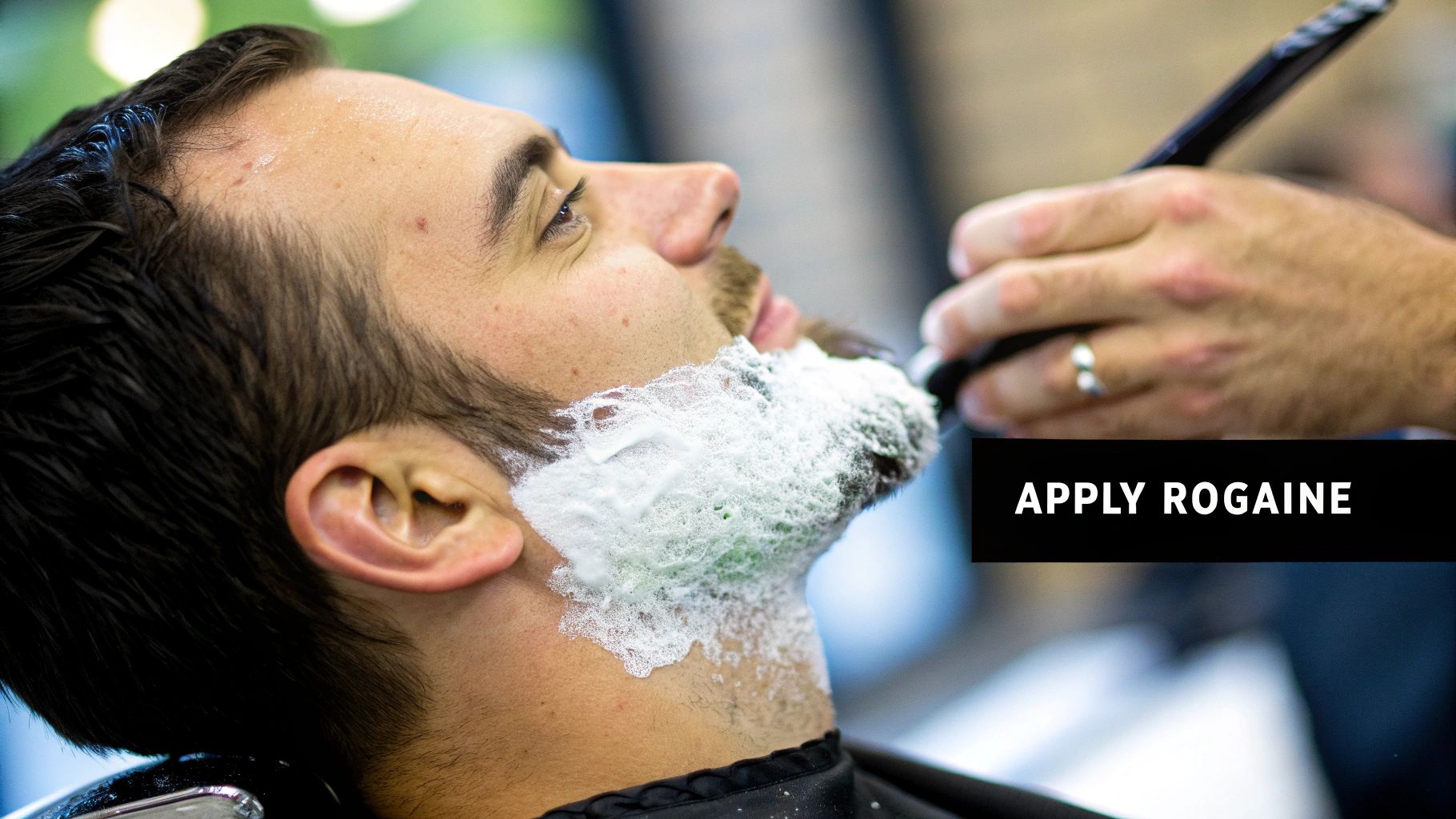
Successfully growing facial hair with Rogaine hinges on proper application. This section provides a detailed guide on how to apply Rogaine effectively, maximizing its potential for beard growth. We’ll cover everything from preparing your skin to troubleshooting common application issues.
Preparing For Application: Setting The Stage For Success
Before applying Rogaine, ensure your face is clean and dry. Washing your face with a gentle cleanser and thoroughly drying it helps remove any dirt or oil that might interfere with absorption. This clean slate allows the Rogaine to penetrate the skin effectively and reach the hair follicles. This is crucial for maximizing the treatment’s impact.
Measuring And Applying: Precision For Optimal Results
Whether you’re using liquid or foam, accurate measurement is crucial. For liquid Rogaine, use the provided dropper to measure the recommended 1ml dose (typically marked on the dropper).
For foam, apply a half-capful or the amount specified in the product instructions. Spread the Rogaine evenly across the areas where you want to grow facial hair, using your fingertips to gently massage it into the skin. This ensures even distribution and promotes optimal absorption.
Targeting Specific Areas: Focusing On Your Beard Goals
If you’re targeting specific patches or gaps in your beard, use a cotton swab or your fingertip to apply the Rogaine precisely to those areas. Be mindful of applying too much, which can lead to dripping and wasted product. Precise application maximizes the effectiveness of the treatment on the desired areas.
Timing And Frequency: Integrating Rogaine Into Your Routine
Apply Rogaine twice daily, typically once in the morning and once in the evening, as directed by the product instructions or your doctor. Maintaining consistent application times helps establish a routine and maximizes the treatment’s effectiveness.
This regular application helps maintain a consistent level of minoxidil in the hair follicles, supporting continuous growth.
Troubleshooting Application Issues: Addressing Common Challenges
- Dripping: If you experience dripping, reduce the amount of Rogaine you apply per session or try switching to the foam formulation, which is less prone to dripping.
- Skin Irritation: If you experience skin irritation, ensure you're using the correct concentration. Consider starting with a lower concentration (like 2%) before moving to a higher one. You can also try applying the Rogaine less frequently or explore using a moisturizer to alleviate dryness.
Maximizing Absorption: Tips For Enhanced Effectiveness
Allow the Rogaine to dry completely before applying any other products to your face. Avoid washing your face for at least four hours after application. This allows for maximum absorption into the skin and reduces the risk of washing away the active ingredient.
These practices help ensure that the minoxidil reaches the hair follicles and stays there long enough to exert its effects. By following these techniques, you can ensure every drop of Rogaine contributes to achieving your beard growth goals. Furthermore, understanding these application principles will enhance your long-term success and help you achieve the full, healthy beard you desire.
Your Beard Journey: What to Actually Expect When
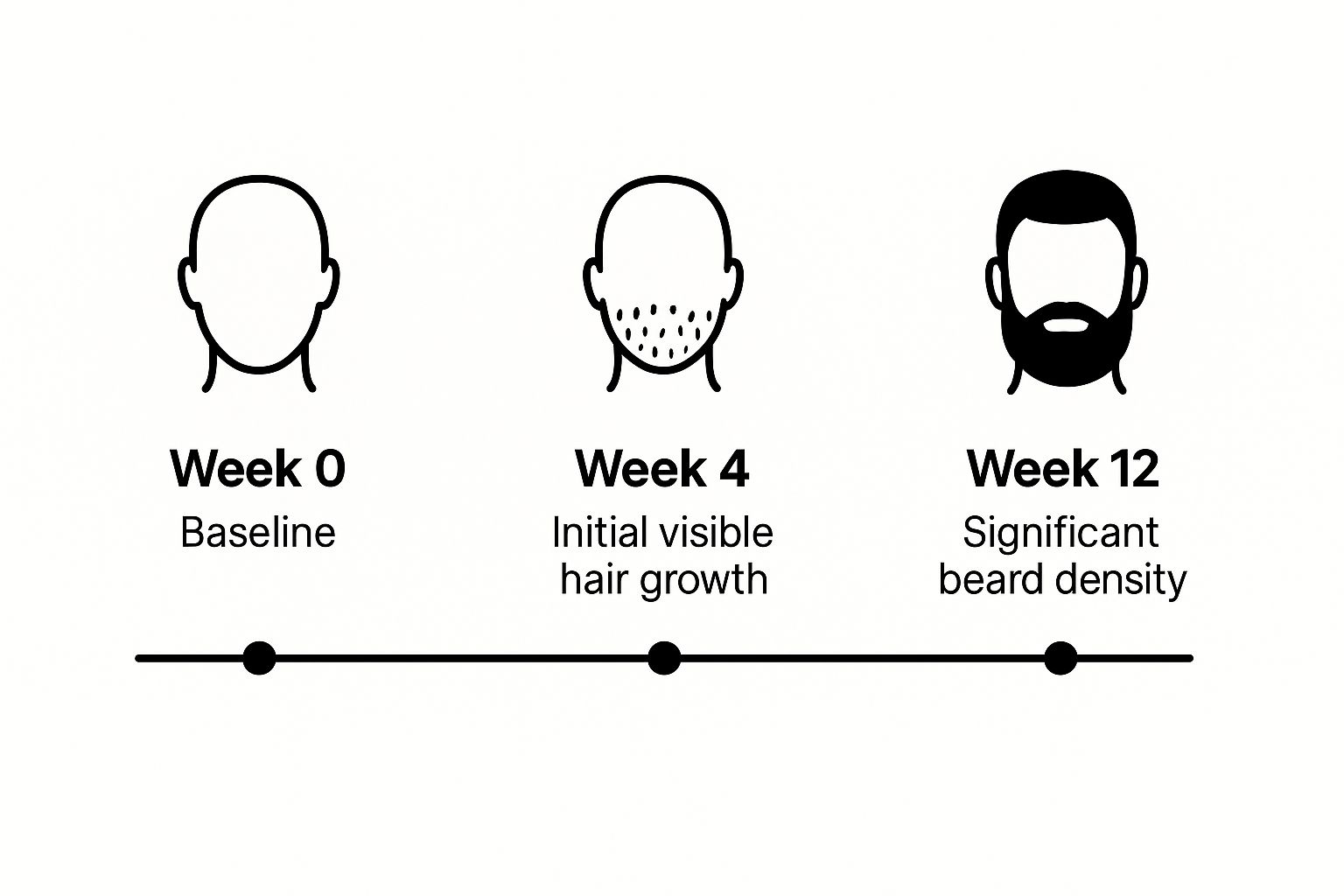
This infographic charts the typical beard growth progression using Rogaine, starting from a baseline at week 0 and showing noticeable changes at weeks 4 and 12. As you can see, significant beard density often appears around the 12-week mark. This highlights the importance of consistent application and patience, especially in the initial stages. Consider this your personal beard journey roadmap.
Growing facial hair with Rogaine is a marathon, not a sprint. While individual results vary, understanding the typical growth stages can help manage expectations and maintain motivation. This is a gradual process that reveals your beard's potential over time.
The Initial Phase: Planting the Seeds of Growth
In the first month, dramatic changes are unlikely. This initial phase focuses on activating dormant follicles, a process happening beneath the skin's surface. You might experience a temporary shedding phase, where existing vellus hairs (thin, light hairs) fall out. This happens as thicker, terminal hairs begin to develop. Don't be discouraged by this shedding—it’s often a positive sign that the minoxidil is working.
The following table provides a more detailed look at what you might expect during your Rogaine journey:
Rogaine Facial Hair Growth Timeline
| Timeframe | Expected Changes | User Experience | Tips |
|---|---|---|---|
| Month 1 (Weeks 0-4) | Minimal visible change, possible shedding of existing vellus hairs. Follicle activation begins. | May not see immediate results, potential for temporary shedding. | Be patient and consistent with application. Don't be discouraged by shedding. |
| Month 3 (Weeks 4-12) | Noticeable new growth of fine, light-colored hairs. Gradual increase in density and thickness. | Start seeing visible progress, increased motivation. | Continue consistent application. Consider taking progress photos. |
| Month 6 (Weeks 12-24) | Significant gains in beard density and thickness. Patchy areas may start filling in. | More substantial results, increased confidence. | Maintain consistent application. Adjust styling as beard fills in. |
| Month 6+ (Weeks 24+) | Continued improvement in density and thickness with continued use. Maintenance of achieved growth. | Ongoing progress, long-term commitment. | Continued Rogaine use is usually necessary to maintain results. |
This table summarizes the expected changes, user experience, and helpful tips throughout the different phases of using Rogaine for facial hair growth. Remember, consistency is key.
The Emergence Phase: Witnessing Visible Progress
Around the three-month mark, you should start seeing visible changes. New hair growth will typically emerge as fine, light-colored hairs. The density and thickness of these new hairs gradually increase with continued Rogaine application. This phase offers tangible evidence of the treatment's effectiveness.
The Growth Phase: Cultivating a Fuller Beard
By six months, you’ll see more substantial gains in beard density and thickness. Previously patchy areas may begin to fill in, improving your beard's overall appearance. This stage is where your dedication to the Rogaine routine begins to yield visible rewards.
It’s important to remember that genetics, age, and individual follicle condition influence your response to treatment. Clinical trials and case reports demonstrate minoxidil’s effectiveness for facial hair growth across diverse populations. For instance, a case report documented significant facial hair growth in a 17-year-old transgender male after just three months of minoxidil use, even without prior hormone therapy. This highlights minoxidil’s potential in gender-affirming care. Learn more about minoxidil for facial hair growth here.
Maintaining Momentum: The Long-Term View
Your beard growth journey doesn't end at six months. Continued Rogaine use is typically required to maintain results and stimulate further growth. Consistency remains essential to unlocking your beard’s full potential. Understanding the growth phases and setting realistic expectations helps maintain motivation throughout the process.
Navigating Side Effects With Confidence
While Rogaine (minoxidil) can be effective for facial hair growth, it's important to understand the potential side effects. Knowing about these possibilities and how to manage them is key to a positive experience. This knowledge empowers you to confidently pursue your beard growth journey and address any challenges that may arise.
Common Side Effects: What to Expect
Some of the most common side effects associated with minoxidil include:
-
Skin Irritation: This can appear as redness, itching, dryness, or flaking, especially where the minoxidil is applied.
-
Unwanted Hair Growth: Minoxidil may sometimes cause hair growth in areas other than the face, such as the forehead or hands. This can happen from accidental spreading or systemic absorption.
-
Headaches: Some users experience headaches, particularly when they begin treatment.
-
Dizziness: While less frequent, dizziness can occur, especially with higher minoxidil concentrations.
Managing Side Effects: Practical Strategies
Most side effects are mild and easily managed. Here are some helpful strategies:
-
For Skin Irritation: A gentle moisturizer can combat dryness and reduce itching. Apply the recommended amount of minoxidil, as excessive use can worsen irritation. If it persists, a lower concentration might help.
-
To Minimize Unwanted Hair Growth: Carefully apply minoxidil only to the targeted areas. Thoroughly wash your hands after each application.
-
Dealing with Headaches or Dizziness: These side effects often diminish with continued use. If they persist or are severe, consult a doctor.
When to Seek Professional Advice: Recognizing Warning Signs
While most side effects are minor, some require a doctor's attention. Contact your doctor if you have:
-
Severe skin reactions: Such as blistering, swelling, or persistent redness.
-
Chest pain or rapid heartbeat: These could indicate a serious reaction.
-
Worsening of existing conditions: Minoxidil may aggravate pre-existing health issues.
Minoxidil is also used by women experiencing hair thinning, typically in concentrations between 2% and 5%. More information on minoxidil use in women can be found here. However, using minoxidil for facial hair growth in women is uncommon and generally not recommended due to potential side effects like unwanted hair growth.
Maintaining Perspective: Balancing Benefits and Risks
Understanding minoxidil's potential side effects shouldn't discourage you from pursuing beard growth. By effectively managing side effects and seeking medical advice when necessary, you can confidently use Rogaine to grow facial hair. A balanced perspective allows you to make informed choices and achieve your facial hair goals while minimizing any risks.
Beyond Rogaine: Maximizing Your Beard Potential
While Rogaine (minoxidil) plays a crucial role in stimulating facial hair growth, it's most effective as part of a broader strategy. Think of Rogaine as the spark: you need the right fuel and environment to keep the fire burning. This section explores complementary techniques and lifestyle changes that can enhance Rogaine's effectiveness, helping you reach your full beard potential.
Nutritional Building Blocks: Fueling Follicle Growth
A healthy diet supports overall well-being, and the right nutrients provide the foundation for strong, vibrant facial hair. Biotin, a B vitamin, is key for producing keratin, the protein that forms hair. Zinc is essential for cell growth and repair, directly impacting hair follicle health. Adequate protein provides the amino acids necessary for hair synthesis. Incorporating these nutrients into your diet can create a strong base for robust beard growth.
Lifestyle Optimization: Creating the Ideal Growth Environment
Beyond nutrition, lifestyle factors significantly influence beard growth. Quality sleep is crucial for cell regeneration and hormone regulation, both vital for hair growth. Managing stress reduces cortisol levels, a hormone that can inhibit hair growth. Regular exercise improves blood circulation, delivering more oxygen and nutrients to hair follicles. Prioritizing these elements creates the optimal conditions for maximizing your beard growth.
Dermarolling: Enhancing Minoxidil Absorption
Dermarolling, also known as microneedling, uses a small roller with tiny needles to create micro-punctures in the skin. This technique may stimulate collagen production and improve blood flow. Some users report enhanced Rogaine absorption with dermarolling. By potentially improving minoxidil delivery to the follicles, dermarolling may boost its effectiveness. However, research proper techniques and sterilize the roller to avoid infection.
Strategic Grooming: Maximizing Appearance and Health
Proper grooming can make a developing beard look fuller and healthier. Regular brushing trains hairs to grow in a desired direction and distributes natural oils for shine and health. Trimming stray hairs creates a cleaner, more defined appearance. Using a good beard oil or balm moisturizes the beard and underlying skin, reducing irritation and encouraging healthy growth. These grooming practices contribute to both the look and health of your beard.
Supplements: Separating Fact from Fiction
The supplement market offers countless products promising beard growth. However, not all supplements are equal. Some, like those with biotin, zinc, or saw palmetto, show some promise in supporting hair growth. However, many lack scientific backing. Thoroughly research any supplement before using it, looking for evidence-based results and consulting with a healthcare professional if needed. This ensures you invest in products that deliver results.
By combining Rogaine with these complementary approaches—nutritional optimization, lifestyle adjustments, dermarolling, strategic grooming, and informed supplement choices—you create a comprehensive strategy for beard growth. This holistic approach helps you achieve your full beard potential and cultivate the facial hair you desire.
Real Success Stories: Transformations and Lessons
This section goes beyond the science and application of minoxidil, exploring real-world examples of men who have used Rogaine to grow facial hair. These stories provide encouragement, practical tips, and realistic expectations for your own beard growth journey.
From Patchy to Full: Inspiring Beard Transformations
Here are a few examples of men who achieved impressive results using Rogaine:
-
Case Study 1: The Late Bloomer: This individual began with minimal facial hair in his late 20s. After six months of consistent Rogaine use, he developed a significantly fuller, more evenly distributed beard. His key takeaway? Patience and persistence.
-
Case Study 2: Filling the Gaps: This man had a patchy beard with noticeable gaps, especially on his cheeks. By using Rogaine along with dermarolling, he filled in those patches and achieved a more complete, connected beard. He stressed the importance of proper application techniques and complementary treatments.
-
Case Study 3: The Thin-to-Thick Transformation: This individual had a thin, wispy beard that lacked density. With consistent Rogaine use, he saw a gradual thickening of his existing hairs and the growth of new, thicker hairs. Ultimately, he achieved a fuller, more substantial beard. His experience highlights the power of consistency over time.
Lessons Learned: Applying Wisdom to Your Journey
Examining these success stories reveals several key lessons applicable to any beard growth journey:
-
Consistency is Key: Results take time and diligent application. Don't be discouraged by slow initial progress.
-
Individual Variation: Everyone responds to Rogaine differently. Factors such as genetics, age, and individual follicle sensitivity all play a role in the final outcome.
-
The Importance of Technique: Proper application, precise measurement, and targeted application are essential for maximizing effectiveness.
-
Complementary Strategies: Combining Rogaine with other techniques, such as dermarolling, a healthy diet, and stress management, can often enhance results. Interested in exploring other hair growth solutions? Check out these Japanese Hair Growth Products.
-
Realistic Expectations: Rogaine isn't a magic solution. While it can significantly improve beard growth, it's important to have realistic expectations based on your individual circumstances.
The Power of Persistence: Embracing the Journey
These transformations illustrate the potential of Rogaine for facial hair growth. By learning from the experiences of others and embracing a long-term perspective, you can increase your chances of success. Remember, growing a beard is a personal journey. Stay committed to your routine, adjust your approach as needed, and celebrate your progress along the way.
Ready to start your own beard transformation? Visit PRP For HairLoss for more information on hair loss treatments and achieving your desired look.

 PRP For Hairloss
Leave a comment