Understanding PRP For Hair Loss: Science Behind The Solution

What exactly are you investing in with PRP therapy? This innovative treatment utilizes your body's own platelets, which are tiny blood cells vital for both clotting and overall healing. These platelets are rich in growth factors, special proteins that signal cells to regenerate and repair damaged tissues. This regenerative capability is the foundation of PRP's effectiveness in addressing hair loss.
How PRP Stimulates Hair Growth
The PRP process begins with a small blood draw, much like a routine blood test. This drawn blood is then processed in a centrifuge, a machine that spins at high speed to separate the platelet-rich plasma (PRP) from the other components of your blood. This concentrated PRP, now containing a potent mix of growth factors, is then carefully injected into the scalp.
These injections specifically target the areas experiencing thinning or hair loss. Once injected, the growth factors within the PRP stimulate dormant hair follicles, encouraging new hair growth. PRP also promotes the formation of new blood vessels in the scalp. This improved circulation delivers essential nutrients to the hair follicles, creating a healthier environment for hair growth and revitalizing weakened follicles.
The Importance Of Expertise In PRP Therapy
While the PRP procedure itself may seem simple, the cost of PRP for hair loss often reflects the specialized expertise needed for optimal results. The effectiveness of PRP relies on several key factors. These include proper preparation of the PRP, precise injection techniques, and the overall customized treatment protocol developed by your practitioner.
Choosing a qualified and experienced provider is crucial. Variations in PRP concentration techniques and the potential addition of complementary therapies can significantly impact the outcome. A skilled practitioner understands these nuances and tailors the treatment to your unique needs and individual hair loss situation. This personalized approach ensures the most effective treatment and ultimately contributes to the overall cost. Understanding the science behind PRP helps you evaluate the value of this investment and make informed decisions about your hair restoration journey.
The Real Price Tag: Breaking Down the Cost of PRP for Hair Loss
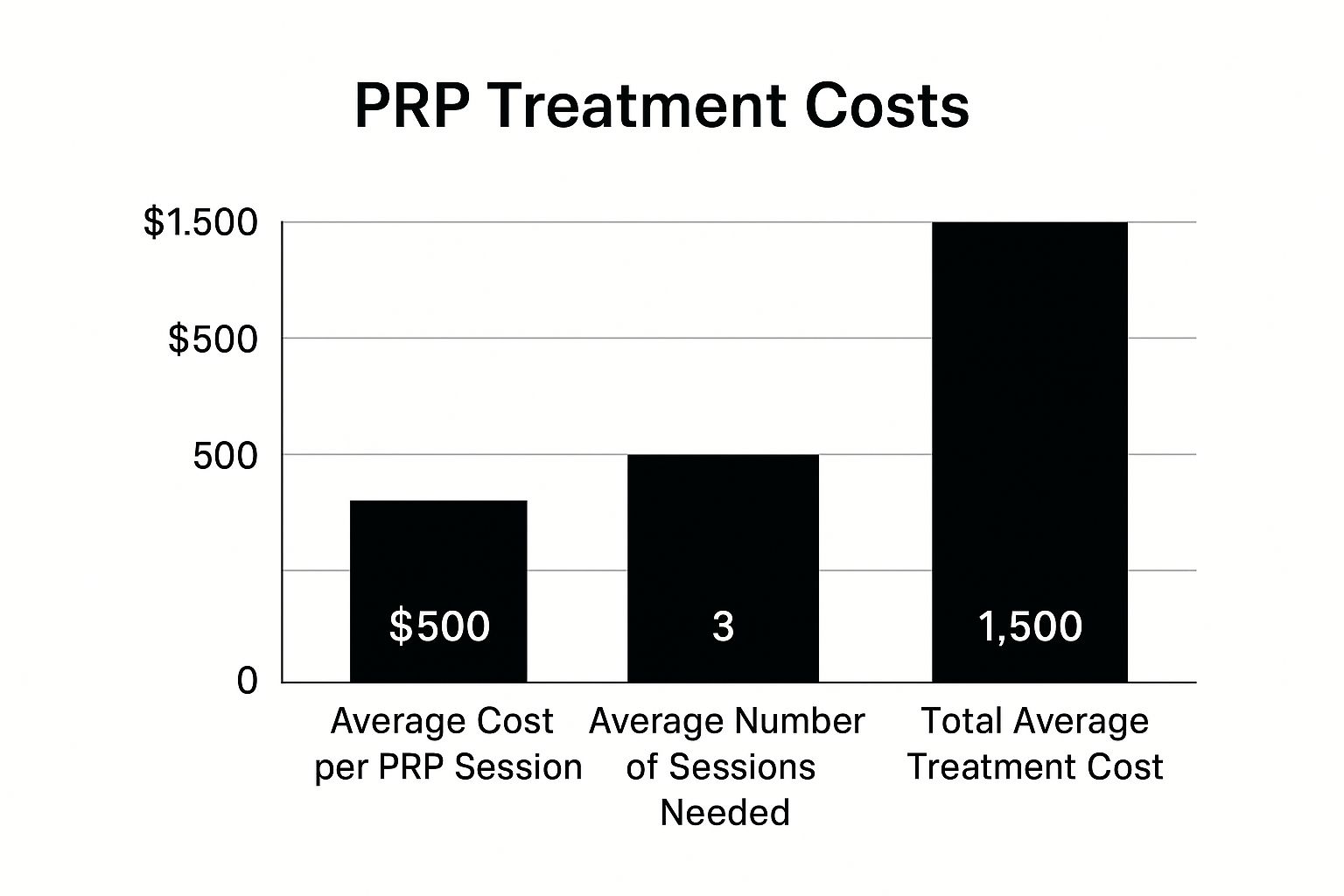
The infographic above gives a visual representation of the average cost per PRP session, the average number of sessions needed, and the total average treatment cost. Even at an average of $500 per session and a typical treatment plan of three sessions, the total cost quickly reaches $1,500. This highlights the need to understand all the factors that contribute to the overall cost of PRP for hair loss.
Factors Affecting PRP Treatment Costs
Several key factors influence the final cost of PRP treatments for hair loss. Geographic location is a primary consideration. Major cities with higher living costs typically have higher treatment prices than smaller towns.
Provider expertise and clinic reputation also play a significant role. Experienced practitioners with a history of successful results may charge more for their services.
A clinic known for advanced technology and specific PRP preparation techniques may also charge a premium. However, the most expensive option isn't necessarily the best. The cost of platelet-rich plasma (PRP) therapy for hair loss varies significantly based on factors including geographic location, the size of the treatment area, and the number of sessions required. Globally, a single PRP treatment session typically ranges from $500 to $2,000. You can discover more insights about PRP cost variations and other contributing factors by following the link provided.
To help illustrate the cost variations, let's take a look at the following table:
Average PRP Treatment Costs by Region
| Region/Country | Single Session Cost (USD) | Full Treatment Package (3-6 sessions) | Maintenance Sessions |
|---|---|---|---|
| USA (Major Cities) | $700 – $2,000 | $2,100 – $12,000 | $300 – $700 |
| USA (Smaller Cities) | $500 – $1,500 | $1,500 – $9,000 | $200 – $500 |
| Europe (Western) | $600 – $1,800 | $1,800 – $10,800 | $250 – $600 |
| Europe (Eastern) | $400 – $1,200 | $1,200 – $7,200 | $150 – $400 |
| Asia | $300 – $1,000 | $900 – $6,000 | $100 – $300 |
As shown in the table above, the cost of PRP treatments can vary significantly depending on the region. While single sessions can be as low as $300 in some parts of Asia, they can reach upwards of $2,000 in major US cities. This difference is also reflected in the overall cost of a full treatment package. Maintenance sessions follow a similar pattern.
Decoding the Price: Session vs. Treatment Package
It's important to understand the difference between the cost per session and the total cost of a full treatment plan. PRP therapy usually involves several sessions over a period of weeks or months, followed by maintenance treatments to keep up the results.
Focusing only on the per-session cost can be misleading. Some providers offer package deals for multiple sessions and maintenance treatments at a reduced price. These packages can be a more affordable option for those committed to the full course of treatment.
Beyond the Basics: Added Costs to Consider
The listed price of PRP often covers only the core procedure: blood draw, PRP preparation, and scalp injections. There may be additional fees. Some clinics include consultations, follow-up appointments, and post-treatment products in their pricing, while others charge separately for these services.
Be sure to ask about all potential costs upfront to avoid unexpected expenses. Some clinics might also offer complementary therapies like specialized scalp massages or light therapy, which could improve PRP effectiveness but will add to the total cost. Discuss with your provider precisely what is included in the quoted price and what additional costs you might encounter.
Budgeting for PRP: Planning for Long-Term Success
Treating hair loss with PRP is an ongoing process, not a one-time solution. It typically requires multiple initial sessions and then regular maintenance treatments. This long-term commitment requires careful budgeting.
Consider it like car maintenance. The initial purchase is just the start. Ongoing maintenance, such as oil changes, is crucial for optimal performance. PRP also requires ongoing maintenance sessions to sustain results. Factor in not just the initial costs but also the future cost of maintenance. A realistic, long-term perspective will allow you to budget effectively and avoid financial surprises during your hair restoration journey.
Price Influencers: What Drives Your PRP Treatment Cost
Understanding the cost of PRP (Platelet-Rich Plasma) therapy for hair loss can be confusing. This section breaks down the key factors influencing pricing, empowering you to make informed decisions. One crucial factor is provider credentials. A board-certified dermatologist specializing in hair restoration will typically charge more than a technician at a med spa.
This difference often reflects varying levels of expertise and experience. Choosing a highly qualified professional may lead to better outcomes, justifying the higher cost. It's essential to weigh the potential benefits against the price.
Location, Location, Location: The Geography of PRP Pricing
Similar to real estate, location significantly impacts PRP pricing. Metropolitan areas with higher operating costs generally have higher treatment prices. Areas with high demand for cosmetic procedures may also experience inflated pricing. Therefore, PRP treatment costs in New York City will likely differ substantially from those in a smaller town.
Equipment and Technology: Paying for Precision
The technology used in PRP treatments also plays a role in pricing. Some clinics invest in advanced centrifugation systems and other specialized equipment to maximize PRP concentration and efficacy. This sophisticated equipment can contribute to a higher price tag but may lead to improved treatment results.
Customization and Complementary Therapies: Tailoring Treatment to You
PRP treatments are not one-size-fits-all. Factors like platelet concentration, injection technique, and the inclusion of complementary therapies can be tailored to individual needs. This personalization often comes at a higher cost but can be crucial for optimal results. To understand the total investment, examine pricing structures carefully.
Global Cost Variations: Market Dynamics and Standards
PRP therapy costs for hair loss vary globally, reflecting market disparities and maturity. In North America, the average treatment price is generally higher, around $1,638 per session, reaching up to $3,000 in some states. This is often attributed to stricter regulations, higher operating costs, and the involvement of specialized medical professionals. Other markets might offer lower prices, but consider potential trade-offs regarding practitioner expertise and equipment quality. For more in-depth statistics, learn more about global cost variations.
Value Proposition: PRP Costs Vs. Alternative Treatments

Understanding the factors influencing the cost of PRP for hair loss is important. But an equally crucial question is: is it a worthwhile investment compared to other treatments? This goes beyond the initial price tag. It involves evaluating the long-term value, considering factors like effectiveness, required maintenance, and how long results last.
Weighing the Options: PRP Against the Alternatives
Let's consider minoxidil (Rogaine), a widely used topical treatment. The monthly cost might appear low, but expenses add up over time, especially because continuous use is necessary to maintain results. Furthermore, minoxidil's effectiveness varies, and some users experience side effects. This makes a thorough cost-benefit analysis essential.
Finasteride (Propecia), an oral medication, presents another option. Similar to minoxidil, it entails ongoing costs and potential side effects. However, for some, finasteride's cost could be more manageable than the initial investment required for PRP.
Hair Transplantation: A Surgical Solution
At the other end of the spectrum lies hair transplantation, a surgical procedure with a significantly higher upfront cost than PRP. Although it typically offers more permanent results, it involves downtime for recovery and potential complications. This option is often more suitable for advanced hair loss when other methods have proven less effective.
Combination Therapies: Maximizing Value
PRP can also be used with other treatments to enhance results. For instance, some combine PRP with minoxidil or finasteride. This combined approach, while potentially increasing the overall cost, might offer better outcomes than using a single treatment.
The Long View: Time, Maintenance, and Longevity
Beyond the financial aspect, consider the time commitment and required maintenance for each treatment. PRP usually involves several sessions spaced weeks apart, followed by maintenance treatments every few months. Other options, like topical or oral medications, require daily application or consumption. Each treatment demands a different time commitment. The longevity of results also varies. PRP typically lasts 12-18 months before needing maintenance, while hair transplants provide longer-lasting results.
To illustrate the cost differences, let's examine the following table:
Hair Loss Treatment Cost Comparison
The table below compares the costs, effectiveness, and long-term value of various hair loss treatment options compared to PRP therapy.
| Treatment Type | Initial Cost | Annual Maintenance Cost | Effectiveness Rating | Time Commitment | Longevity of Results |
|---|---|---|---|---|---|
| PRP | $1,500 – $4,500 (3-6 sessions) | $500 – $1,500 | Moderate to High | Multiple sessions, then every 4-6 months | 12-18 Months |
| Minoxidil | $20 – $40/month | $240 – $480 | Low to Moderate | Daily application | As long as used |
| Finasteride | $50 – $100/month | $600 – $1200 | Moderate | Daily ingestion | As long as used |
| Hair Transplant | $4,000 – $15,000+ | Minimal | High | Surgical procedure, some downtime | Permanent |
This table offers a simplified overview. Individual results and costs can differ. This comparison helps visualize the varied cost structures and factors involved in choosing a hair loss treatment.
Making an informed choice means balancing these factors against your individual needs and budget. This careful evaluation ensures you're making a wise investment in your hair restoration journey. Ultimately, selecting the right treatment involves balancing cost with effectiveness, how long it lasts, and your personal preferences.
Financing Your Hair Restoration: Beyond Insurance Coverage
Let's face it: insurance rarely covers PRP therapy, often categorizing it as a cosmetic procedure. This doesn't mean, however, that restoring your hair with PRP is out of reach financially. This section explores practical strategies to manage the cost of PRP for hair loss, empowering you to make informed decisions without impacting your financial well-being.
Exploring Payment Options and Strategies
Beyond traditional credit cards, you have a range of financing options available to help cover the cost of PRP. Some clinics offer in-house payment plans, allowing you to spread the total cost over several months. This can make the treatment more manageable, particularly for those undergoing multiple sessions.
Another option is to explore third-party financing specifically for medical procedures. These can offer competitive interest rates and flexible repayment terms. As with any loan, however, carefully evaluate the terms and conditions to avoid high interest or hidden fees.
Negotiating Treatment Packages and Value-Based Pricing
Don't hesitate to discuss pricing and potential discounts with your clinic. Many offer package deals that combine multiple PRP sessions at a reduced overall price compared to individual sessions. This can be a cost-effective strategy if you’re committed to a full course of treatment.
Also, look for clinics that emphasize value-based pricing. This approach focuses on transparent pricing reflecting the provider’s expertise, the quality of the equipment, and the overall effectiveness of the treatment.
Leveraging Health Spending Accounts (HSAs) and Flexible Spending Accounts (FSAs)
If you have a Health Spending Account (HSA) or a Flexible Spending Account (FSA), you might be able to use these funds to cover the cost of PRP for hair loss. While HSAs and FSAs aren’t typically used for cosmetic procedures, some providers may classify PRP as a medical treatment if it addresses a specific underlying condition. Check with your plan administrator to see if PRP is eligible for reimbursement.
Medical Tourism: Cost Savings vs. Potential Risks
For those considering medical tourism, traveling to another country for PRP treatments may seem attractive due to potentially lower costs. It’s crucial, however, to weigh the potential cost savings against the added expenses of travel and accommodation, and the risks of receiving treatment in a different healthcare system.
Thoroughly research the clinic’s reputation, the provider’s credentials, and the standards of care in your chosen destination. Ensure clear communication about the treatment protocol, potential complications, and aftercare. What appears as a bargain might come with hidden costs or compromised quality of care, ultimately negating any initial financial advantage. Choosing a reputable clinic with proven expertise and clear pricing, even if it means a slightly higher initial cost, is often a wiser long-term investment.
Making Informed Financial Decisions: Avoiding Predatory Lending
When evaluating financing options for PRP, be wary of predatory lending practices. Avoid lenders who pressure you into quick decisions, offer unclear loan terms, or promise unrealistic results. Compare interest rates, repayment terms, and any associated fees from multiple lenders before committing.
By carefully considering these financial strategies and making informed choices, you can confidently pursue PRP therapy for hair loss without jeopardizing your financial well-being. Remember that investing in your hair restoration journey is a personal decision, and finding the right financial approach should empower you to achieve your goals sustainably.
Maximizing ROI: Getting Your Money's Worth From PRP
Understanding the cost of PRP for hair loss is an important first step. But equally important is maximizing your return on investment (ROI). This means getting the best possible results for the money you spend, which involves choosing the right provider, supporting your treatment, and knowing when further sessions might not be as beneficial.
Choosing the Right Provider: Beyond Marketing Hype
The success of PRP depends heavily on the expertise of your provider. Look beyond flashy marketing and focus on a practitioner with a proven track record in hair restoration. A board-certified dermatologist specializing in hair loss is usually a good sign. Don't hesitate to ask about their experience with PRP, their specific protocol, and their success rates.
Research is key. Look for patient testimonials, before-and-after photos, and online reviews. A qualified provider will be transparent about their methods and results. If you're interested in maximizing your PRP investment, you might also want to explore complementary treatments like hypnotherapy.
Supporting Your Treatment: Lifestyle and Complementary Therapies
PRP stimulates hair growth, but lifestyle changes can significantly enhance your ROI. This includes a healthy diet rich in nutrients for hair health, managing stress through techniques like meditation or yoga, and getting enough sleep.
Talk to your provider about complementary therapies. Some clinics offer low-level laser therapy (LLLT) or specialized scalp massages, which may boost PRP's effectiveness. These can add to the overall cost, but if they improve your results, they contribute to a better ROI.
Evaluating Your Results and Recognizing Diminishing Returns
Once you begin treatment, objectively evaluate your progress. Some improvement is usually seen within a few months, but full effects often take longer. Document your progress with photos and communicate with your provider. They can help you track progress and adjust your treatment plan.
While PRP can be effective, there are limits to its benefits. Eventually, additional sessions might offer diminishing returns. Your provider can help you determine when you've reached optimal results and when further treatments may not be cost-effective. This ensures you’re not overspending on unnecessary sessions. You can learn more about PRP and male pattern baldness at PRP for HairLoss.
 PRP For Hairloss
Leave a comment