Nourishing Your Hair From Within
Losing your hair? Your diet could be a key factor. This listicle reveals eight essential additions to your hair loss diet, giving your body the nutrients it needs for healthy hair growth. Discover the power of biotin-rich foods, iron, protein, omega-3 fatty acids, vitamin D, antioxidants, zinc, selenium, and the Mediterranean diet pattern for combating hair loss. We'll also briefly touch upon PRP (Platelet Rich Plasma) therapy, a promising treatment for hair loss that's covered in detail on our PRP For HairLoss blog.
1. Biotin-Rich Foods for a Hair Loss Diet
Combatting hair loss can be a frustrating journey, but incorporating specific nutrients into your diet can be a proactive step. A key component of a successful hair loss diet often involves increasing your intake of biotin-rich foods. Biotin, also known as vitamin B7, plays a crucial role in cell growth and the production of keratin, a key protein that makes up your hair, skin, and nails. A deficiency in this essential B vitamin has been linked to hair loss, thinning, and brittle strands. By incorporating biotin-rich foods into your diet, you can strengthen your hair follicles, potentially reduce shedding, and support healthy hair growth cycles. This approach offers a natural and holistic way to address hair loss concerns.
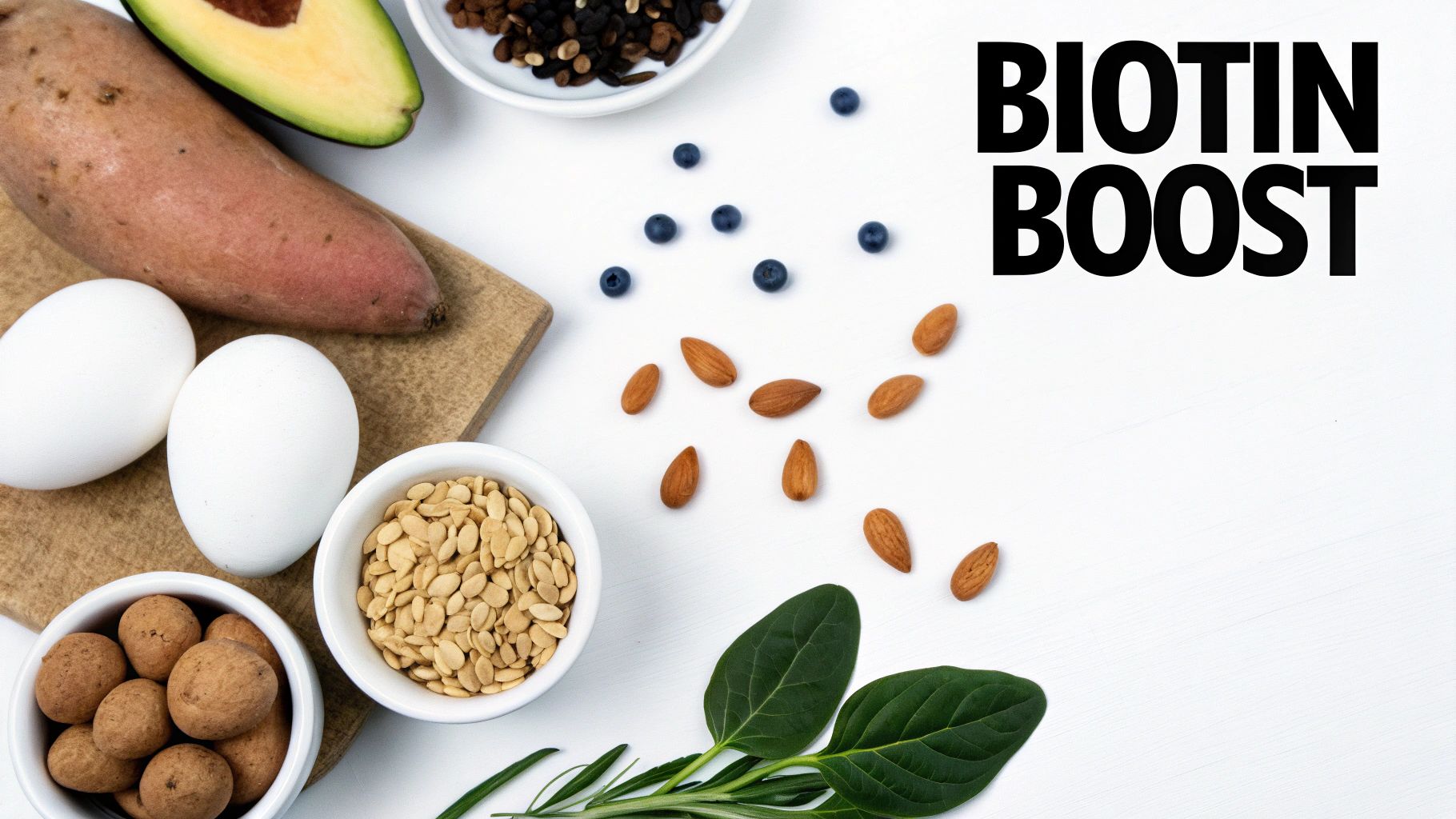
Biotin works by supporting the infrastructure of keratin, the primary building block of hair. It strengthens the hair follicle, promoting healthier and more resilient strands. Biotin is also essential for the proper functioning of the hair growth cycle, ensuring that hair progresses through its natural phases of growth, rest, and shedding in a balanced way. This is crucial for men experiencing hair loss, as disruptions in the hair growth cycle can contribute to thinning and receding hairlines.
This dietary approach deserves a top spot on any hair loss diet list due to its natural and readily available source of biotin. It addresses the potential root cause of hair loss related to biotin deficiency. The benefits extend beyond just hair growth, also improving overall hair thickness, reducing breakage, and contributing positively to skin and nail health, which are important aspects of a man's overall appearance.
Features and Benefits:
- Supports Keratin Infrastructure: Biotin strengthens the keratin that makes up your hair, leading to stronger, more resilient strands.
- Promotes Follicle Strength: Strong follicles are less prone to shedding and contribute to thicker, healthier hair growth.
- Essential B Vitamin for Hair Growth Cycles: Biotin ensures the hair growth cycle functions optimally, minimizing disruptions that lead to hair loss.
Pros:
- Naturally Available: Biotin can be easily obtained through a variety of common foods.
- Improved Hair Thickness and Reduced Breakage: Biotin strengthens hair, making it less susceptible to breakage and promoting a fuller appearance.
- Benefits Skin and Nail Health: Biotin's benefits extend beyond hair, improving the health and appearance of your skin and nails as well.
Cons:
- Results Take Time: Noticeable changes typically take 3-6 months of consistent biotin intake.
- Potential Lab Test Interference: Excessive biotin intake can interfere with certain lab tests, so inform your doctor if you're supplementing.
- Potential for Acne (with Supplements): While less common with food sources, biotin supplements can cause acne in some individuals.
Examples of Successful Implementation:
- A 2015 study found women with self-perceived thinning hair reported improvements after taking biotin supplements. While this study focused on women, the underlying mechanism of biotin's impact on hair growth applies to men as well.
- Many dermatologists, including Dr. Wilma Bergfeld of the Cleveland Clinic, recommend biotin-rich foods as a first-line approach for hair loss before considering supplements. The American Academy of Dermatology also recognizes biotin's role in hair health.
Actionable Tips for Incorporating Biotin-Rich Foods:
- Incorporate 2-3 biotin-rich foods daily: Aim for consistent intake for optimal results.
- Egg yolks are particularly potent sources: Include eggs in your breakfast or other meals throughout the week.
- Consume a variety of biotin sources: Don't rely solely on one food. Include nuts, seeds, sweet potatoes, and avocados in your diet for a diverse range of nutrients and optimal biotin intake.
When experiencing hair loss, addressing potential nutritional deficiencies like biotin is a sensible first step. Incorporating biotin-rich foods into your hair loss diet provides a natural, accessible, and potentially effective way to support healthy hair growth and improve the overall condition of your hair. While results take time and patience is key, this dietary approach can be a valuable tool in your journey to combatting hair loss and achieving a fuller, healthier head of hair.
2. Iron and Protein-Rich Foods
A crucial aspect of any effective hair loss diet involves ensuring you're consuming enough iron and protein. Iron deficiency is one of the most common nutritional deficiencies, especially in women, and it's a major contributor to hair loss. This is because hair follicles require iron for proper function and growth. Simultaneously, protein provides the essential building blocks – amino acids – that form the very structure of your hair. By addressing potential deficiencies in these two key nutrients, you can significantly improve your hair health and combat hair loss from the inside out. This approach is particularly important for men experiencing hair loss, as maintaining optimal levels of both iron and protein can support healthy follicle function and contribute to stronger, more resilient hair.
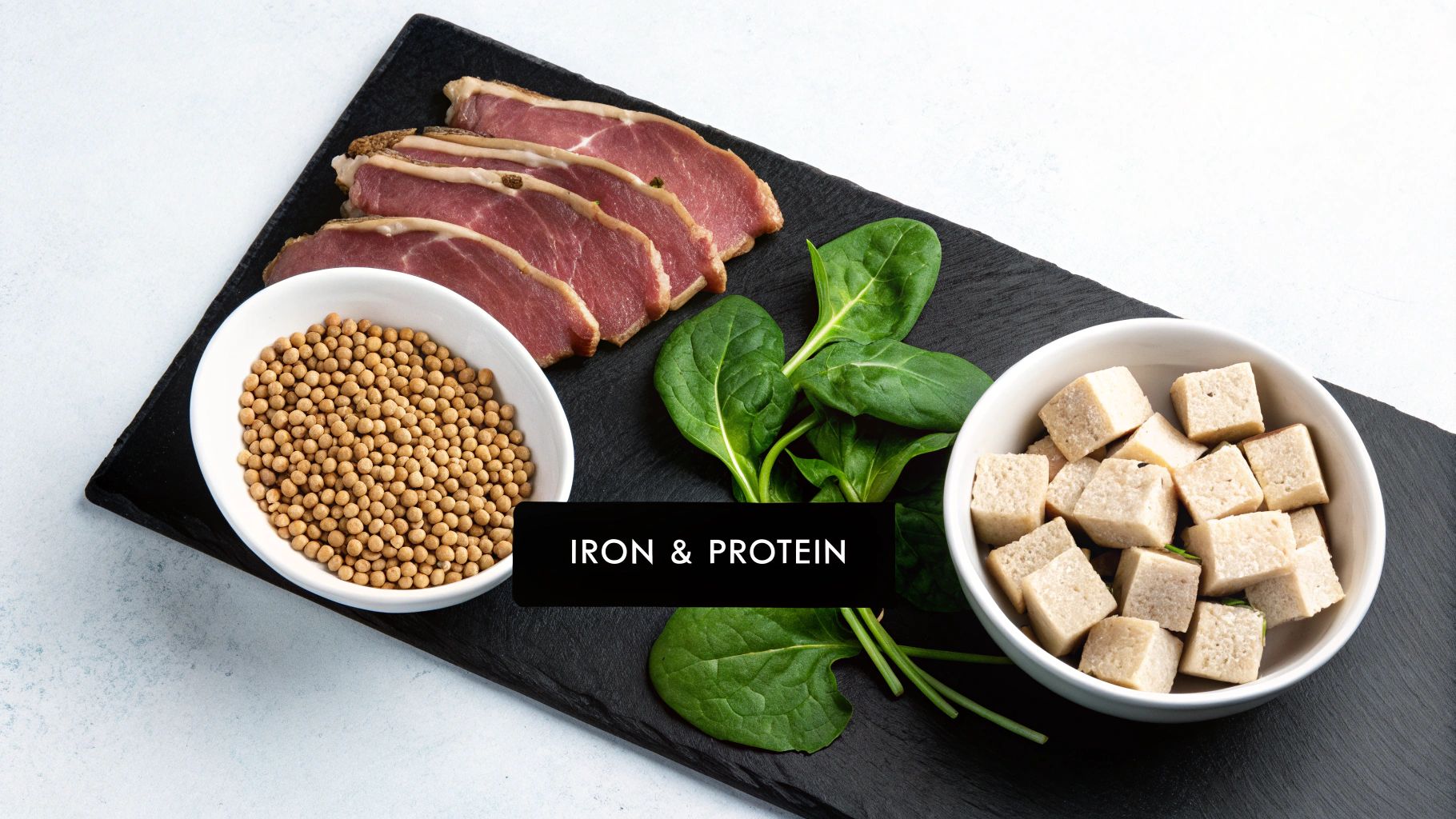
This dietary approach works on two fronts. First, iron plays a vital role in oxygen transport throughout the body, including to your hair follicles. Healthy, oxygenated follicles are better equipped to support hair growth. Second, protein delivers the amino acids necessary for building and repairing hair shafts. Without sufficient protein, your body can't produce the keratin needed for strong, healthy hair. This method deserves a place in any hair loss diet list because it addresses a foundational nutritional need often overlooked.
Features and Benefits:
- Addresses a Root Cause: Targets one of the most common nutritional deficiencies linked to hair loss.
- Supports Oxygen Transport: Ensures adequate oxygen delivery to hair follicles for optimal function.
- Provides Building Blocks: Supplies the essential amino acids required for hair structure and growth.
- Improved Energy Levels: Adequate iron and protein intake often leads to increased energy levels alongside healthier hair.
Pros and Cons:
Pros:
- Potential Reversal of Hair Loss: Can reverse hair loss caused by iron deficiency.
- Overall Health Benefits: Positive impacts on energy levels, wound healing, and muscle maintenance thanks to the protein component.
Cons:
- Risk of Iron Overload: Excessive iron intake can lead to hemochromatosis, a serious health condition.
- Dietary Restrictions: Reliance on heme iron (primarily from animal sources) may not be suitable for vegetarians or vegans.
- Absorption Issues: Iron absorption can be hindered by certain dietary factors.
Examples and Expert Opinions:
A 2013 study published in the Journal of Korean Medical Science found a strong correlation between iron deficiency and female pattern hair loss, further highlighting the importance of iron for healthy hair. Dr. Alan Bauman, a renowned hair restoration specialist, routinely tests patients for ferritin (stored iron) levels to identify and address potential deficiencies impacting hair growth. Dermatologist Dr. Valerie Callender, who specializes in hair disorders, also champions the importance of addressing iron levels in patients experiencing hair loss. The Iron Disorders Institute further emphasizes the connection between iron and hair loss.
Actionable Tips for Men:
- Combine Iron and Vitamin C: Consume iron-rich foods with vitamin C-rich foods (like citrus fruits) to enhance iron absorption.
- Calculate Your Protein Needs: Aim for a daily protein intake of approximately 0.8 grams per kilogram of body weight. Consult a nutritionist or doctor for personalized recommendations.
- Choose a Variety of Sources: Incorporate lean meats, lentils, spinach, and tofu into your diet to obtain both iron and protein. For men, focusing on heme iron from sources like red meat can be beneficial.
When and Why to Use This Approach:
Consider prioritizing iron and protein intake if you're experiencing hair loss and suspect a nutritional deficiency might be contributing. This approach is particularly relevant if you're experiencing fatigue or other symptoms associated with low iron. However, it's crucial to consult with a healthcare professional before significantly altering your diet or taking iron supplements, especially if you have pre-existing health conditions. Getting your ferritin levels checked is a good starting point.
3. Omega-3 Fatty Acids
Omega-3 fatty acids are essential fats, meaning your body can't produce them on its own, so you must obtain them through your diet. They play a crucial role in a hair loss diet by supporting scalp health, reducing inflammation, and encouraging hair growth. These healthy fats work by nourishing the hair follicles, the tiny structures from which each hair grows. By improving blood circulation to the scalp, omega-3s ensure these follicles receive the nutrients they need to thrive. Additionally, their anti-inflammatory properties protect follicles from damage caused by inflammation, a known contributor to hair loss. Including omega-3s in your diet can lead to stronger, shinier, and more resilient hair, effectively combating thinning and breakage.
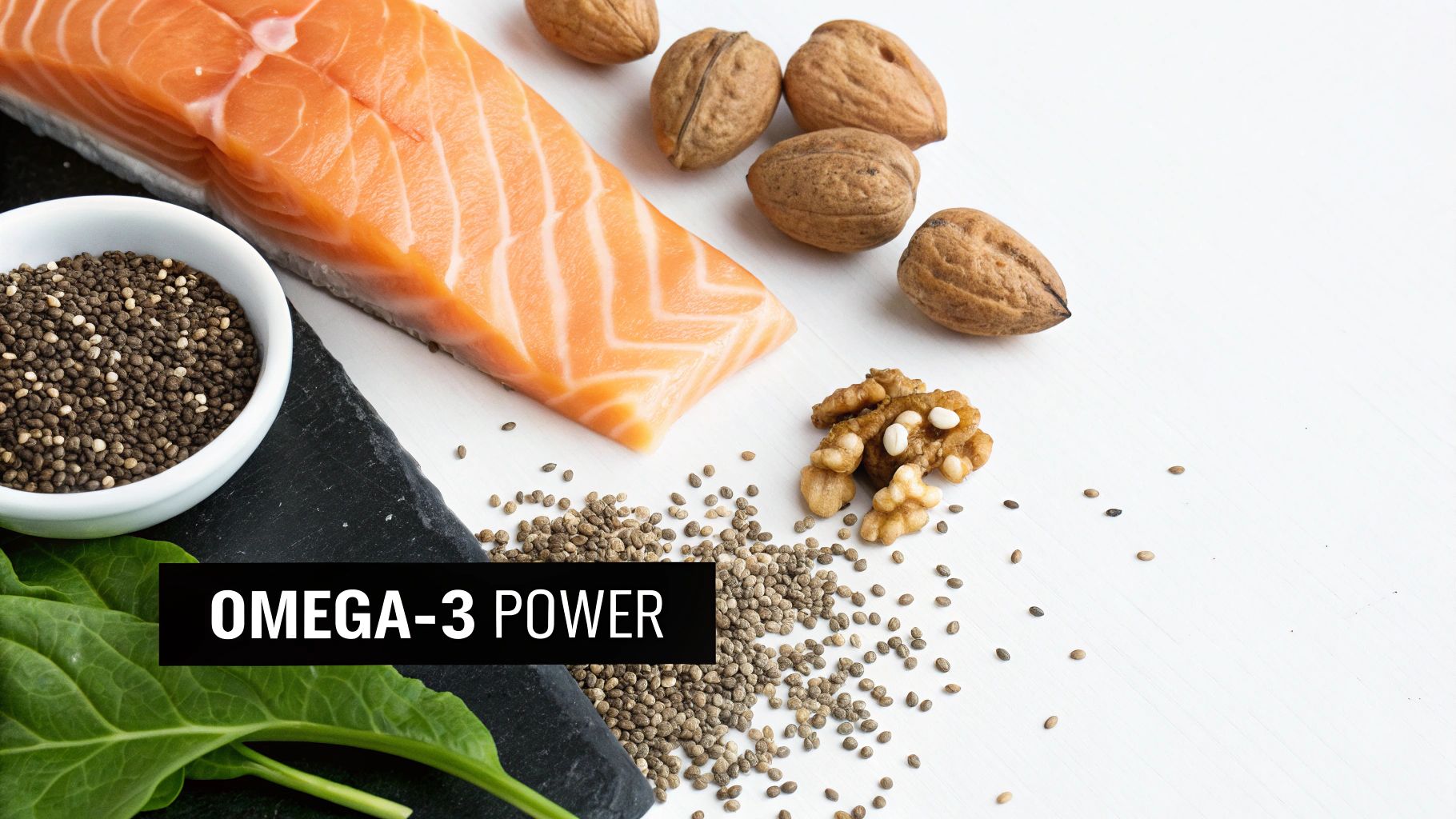
This approach deserves a place on the hair loss diet list because it tackles the problem from multiple angles. It doesn't just mask the symptoms of hair loss; it addresses underlying issues like inflammation and poor scalp health. The benefits extend beyond just preventing hair loss; omega-3s also improve hair elasticity, reducing breakage, and promoting a healthier, fuller appearance. Men experiencing hair thinning or loss, in particular, can benefit significantly from the anti-inflammatory effects, as inflammation can exacerbate male pattern baldness.
Features and Benefits for Men:
- Anti-inflammatory properties: Protects hair follicles from inflammation-induced damage, a key factor in male pattern baldness.
- Scalp hydration: Prevents dryness and flakiness, creating a healthier environment for hair growth.
- Improved blood circulation: Ensures follicles receive essential nutrients for optimal growth.
- Increased hair elasticity: Reduces breakage and promotes stronger, more resilient hair.
Pros:
- May reduce hair thinning associated with inflammation.
- Improves hair elasticity and prevents breakage.
- Offers numerous additional health benefits for the heart and brain, crucial for overall well-being.
Cons:
- Fish sources may contain environmental contaminants (choose reputable sources).
- Plant-based sources (ALA) require conversion to active forms (EPA and DHA), which is less efficient.
- Can interact with blood-thinning medications (consult your doctor).
Examples of Successful Implementation:
- A 2015 study demonstrated that women taking fish oil supplements experienced significant reductions in hair loss and increased hair density. While the study focused on women, the benefits of omega-3s for hair health apply to men as well.
- The Mediterranean diet, rich in omega-3s from fish and olive oil, is associated with better hair quality.
Actionable Tips for Incorporating Omega-3s:
- Aim for 2-3 servings of fatty fish weekly: Salmon, mackerel, sardines, and herring are excellent choices.
- Store flaxseed oil in the refrigerator: This prevents rancidity and preserves its beneficial properties.
- Consider algae-based supplements: These provide a vegan/vegetarian source of pre-formed EPA and DHA.
- Talk to your doctor: Especially if you are on blood-thinning medication.
When and Why to Use This Approach:
Incorporating omega-3s into your diet is a beneficial long-term strategy for maintaining scalp health and combating hair loss. It's particularly relevant for men experiencing hair thinning due to inflammation or male pattern baldness. By consistently consuming omega-3 rich foods or supplements, you can create a foundation for healthier, stronger hair growth. The added benefits for heart and brain health make it a valuable addition to any man's diet, regardless of hair loss concerns. The work of Dr. Michael Holick, a vitamin D researcher who also studies fatty acids and hair health, and the dietary recommendations of The American Heart Association indirectly support the importance of these essential fats for overall well-being, including hair health.
4. Vitamin D Optimization
A crucial component of any effective hair loss diet is optimizing your vitamin D levels. Vitamin D plays a vital role in hair follicle cycling, the process of growth, rest, and shedding, and it also modulates the immune system, which can influence hair loss conditions. Deficiency is surprisingly common, particularly among men, and has been linked to various forms of hair loss, including alopecia areata (an autoimmune condition causing patchy hair loss) and telogen effluvium (temporary hair thinning due to stress or other triggers). Incorporating this vitamin into your hair loss diet can make a significant difference in your hair regrowth journey.
Vitamin D contributes to hair health in several ways. It stimulates hair follicle growth, potentially even helping create new follicles. Furthermore, it regulates immune function, minimizing the negative impact inflammation can have on healthy hair cycles. This makes it a key consideration for men experiencing hair loss due to inflammatory conditions. Addressing a vitamin D deficiency can lead to significant improvements in hair density and may even help prevent premature greying, a common concern for men experiencing hair loss. Beyond hair health, maintaining adequate vitamin D levels contributes to overall well-being, including bone health and immune system strength.
One of the primary features of vitamin D is its ability to stimulate existing hair follicles and contribute to the creation of new ones. This is particularly important for men experiencing thinning hair, as new follicle growth can significantly improve hair density. Research from Cairo University demonstrated significant improvements in hair regrowth when vitamin D deficiencies were corrected in participants, highlighting its importance in a hair loss diet. Many dermatology clinics now routinely test vitamin D levels in hair loss patients, further solidifying its relevance in the field.
While sunlight exposure is the best natural source, getting sufficient vitamin D from diet alone can be challenging. Fatty fish, egg yolks, mushrooms, and fortified foods contain some vitamin D, but often not enough to correct a deficiency. This is why supplementation is often necessary.
Pros:
- Significantly improves hair density when deficiencies are corrected.
- May prevent premature greying.
- Benefits overall health.
Cons:
- Difficult to get adequate amounts from diet alone.
- Requires blood testing for optimal supplementation.
- Excessive supplementation can lead to hypercalcemia (high calcium levels).
Tips for Optimizing Vitamin D Intake:
- Get 15-30 minutes of sun exposure several times weekly: This is the most natural way to boost vitamin D. Remember to take precautions to protect your skin from excessive sun exposure.
- Consider testing your vitamin D levels before supplementing: A simple blood test can determine if you're deficient. This allows you to tailor your supplementation strategy under the guidance of a healthcare professional.
- The Endocrine Society recommends 1,500-2,000 IU daily for adults with deficiency: However, it's crucial to consult with a doctor to determine the right dosage for your specific needs.
Vitamin D optimization deserves a place in any hair loss diet discussion because it's a common deficiency with a demonstrable link to hair loss. By addressing this often-overlooked aspect of health, men can potentially see significant improvements in their hair regrowth journey. The work of researchers like Dr. Rania Abdel Hay, a leading researcher on vitamin D and hair loss, and the advocacy of organizations like The Vitamin D Council highlight the growing awareness of the crucial link between vitamin D and healthy hair.
5. Antioxidant-Rich Foods for a Healthier Scalp and Hair
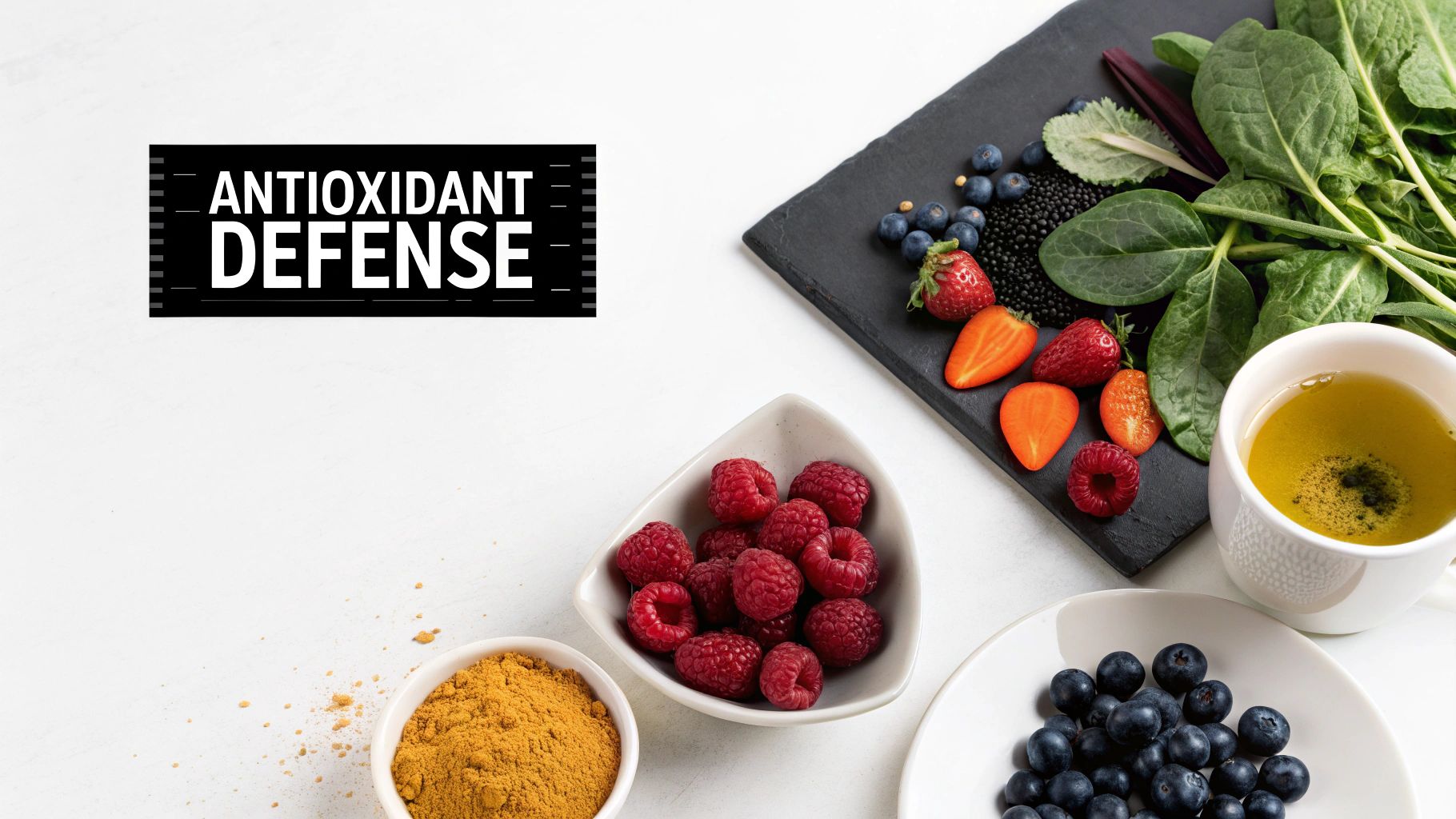
Fighting hair loss can feel like a losing battle, but incorporating antioxidant-rich foods into your hair loss diet can be a powerful weapon in your arsenal. This approach focuses on combating oxidative stress, a major contributor to hair follicle damage and accelerated aging. Oxidative stress occurs when free radicals, unstable molecules in the body, damage cells, including those in your hair follicles. This damage can disrupt the hair growth cycle and lead to thinning and loss. By including antioxidant-rich foods in your daily diet, you can help neutralize these free radicals and protect your hair follicles. This approach is particularly relevant for men experiencing hair loss, as it tackles a fundamental biological process that contributes to the problem.
How Antioxidants Benefit Your Hair:
Antioxidants work by neutralizing free radicals, effectively shielding your hair follicles from damage. This protection translates to several key benefits:
- Protects follicles from environmental damage: Pollution, UV radiation, and even everyday stress can generate free radicals. Antioxidants help minimize the impact of these environmental factors on your hair follicles.
- Reduces inflammation in the scalp: Inflammation can disrupt hair growth. Antioxidants possess anti-inflammatory properties that can contribute to a healthier scalp environment conducive to hair growth.
- Supports cellular regeneration in hair follicles: Antioxidants support the healthy turnover of cells within hair follicles, essential for maintaining the anagen (growth) phase of the hair cycle.
Why This Approach Deserves a Place in Your Hair Loss Diet:
Unlike quick fixes that often fall short, incorporating antioxidant-rich foods offers a sustainable, long-term strategy for improving hair health. It addresses the root cause of some hair loss by protecting follicles from damage and promoting a healthy scalp. This method also aligns with overall health and wellness, making it a valuable addition to any man's routine.
Pros and Cons:
-
Pros:
- May slow age-related hair thinning.
- Improves scalp health and reduces dandruff.
- Benefits overall health and longevity.
-
Cons:
- Results are gradual and cumulative, requiring consistent daily intake.
- Some antioxidant supplements may interact with medications. Consult with your doctor before starting any new supplement regimen.
Actionable Tips for Incorporating Antioxidant-Rich Foods:
- Aim for 5-9 servings of colorful produce daily: Think vibrant berries, leafy greens, and red peppers.
- Green tea is your friend: It contains EGCG, a potent antioxidant particularly beneficial for follicle health.
- Variety is key: Focus on consuming a wide range of antioxidant-rich foods rather than large quantities of just one.
- Consider the Mediterranean or Okinawan diets: These diets are naturally high in antioxidants and are associated with lower rates of hair loss and increased longevity.
Examples of Success:
- A 2021 study in the International Journal of Molecular Sciences linked higher antioxidant intake to improved hair growth.
- Populations in "Blue Zones" (regions with exceptionally long-lived people) typically have diets rich in antioxidants and exhibit lower rates of hair loss.
Popularized By:
Dr. Nicholas Perricone, a pioneer in researching the impact of antioxidants on tissue health, has advocated for their role in maintaining healthy skin and hair. The benefits of antioxidant-rich diets are also reflected in the Mediterranean and Okinawan diets.
By consistently incorporating these antioxidant-rich foods into your hair loss diet, you're not only addressing a potential underlying cause of hair loss but also investing in your overall well-being. This long-term approach, focused on providing your body with the tools it needs to thrive, can be a crucial step in your journey to healthier, fuller hair.
6. Zinc and Selenium Balance: Essential Minerals for a Hair Loss Diet
Hair loss can be distressing, but nutritional adjustments like incorporating a hair loss diet can sometimes play a significant role in promoting regrowth. Zinc and selenium balance is a critical component of such a diet, addressing potential mineral deficiencies that contribute to thinning hair. These trace minerals, though needed only in small amounts, are fundamental to healthy hair growth and maintenance, earning their place on this list.
Zinc and selenium work synergistically to support your hair. Zinc is crucial for protein synthesis and cell division, the very processes that build and repair hair. It also regulates hormones, some of which directly impact hair growth. Selenium, on the other hand, acts as a powerful antioxidant through its role in glutathione production. This helps protect hair follicles from oxidative damage caused by free radicals. Both minerals also contribute to a healthy immune system, which can indirectly affect hair health.
Features and Benefits:
- Zinc: Regulates hormones affecting hair growth, supports protein synthesis and cell division for hair building.
- Selenium: Protects hair follicles from free radical damage, supports glutathione production for antioxidant defense.
- Both: Contribute to immune function related to hair health.
Pros:
- May reverse hair loss related to zinc or selenium deficiencies.
- Supports thyroid function, which is known to influence hair growth.
- Relatively easy to incorporate into a hair loss diet through food sources.
Cons:
- Narrow therapeutic window: both deficiencies and excesses can be harmful. Too much zinc can interfere with copper absorption, another essential nutrient.
- Selenium intake needs careful monitoring. Just 1-2 Brazil nuts daily provide sufficient selenium; consuming more can lead to toxicity.
Examples of Success:
Research highlights the link between these minerals and hair health. A Turkish study revealed significantly lower zinc levels in men with male pattern baldness. Furthermore, individuals with thyroid issues experiencing hair loss often see improvements in hair regrowth when selenium deficiencies are corrected, as documented by The Brazilian Dermatological Association's guidelines on nutritional approaches to hair loss.
Actionable Tips for Men Experiencing Hair Loss:
- Oysters for Zinc: Incorporate oysters into your diet twice a month for a zinc boost. Other good sources include beef and pumpkin seeds.
- Brazil Nuts for Selenium: Limit your intake of Brazil nuts to 1-2 per day to avoid selenium toxicity. Whole grains are another good source, though with lower selenium content.
- Vegetarian Considerations: If you're a vegetarian, pay particular attention to your zinc intake, as plant-based sources may not be as readily absorbed. Consider fortified foods or supplements after consulting with a healthcare professional.
When and Why to Use This Approach:
If you suspect your hair loss might be linked to nutritional deficiencies, incorporating zinc and selenium-rich foods into your hair loss diet can be a valuable strategy. This approach is especially relevant for men experiencing male pattern baldness or those with thyroid conditions, as these groups may be more prone to deficiencies. However, it's essential to remember that a balanced approach is key. Consult with a doctor or registered dietitian to determine if you have a deficiency and to establish the appropriate intake for your individual needs. They can advise on whether supplementation is necessary and help you avoid the risks associated with excessive intake.
This approach is popularized by experts like Dr. Carolyn Jacob of Chicago Cosmetic Surgery and Dermatology and is supported by research and guidelines from organizations like The Brazilian Dermatological Association. While not a quick fix, prioritizing zinc and selenium balance within a comprehensive hair loss diet can contribute significantly to long-term hair health and potentially help reverse hair thinning.
7. Mediterranean Diet Pattern
Losing your hair can be a frustrating experience, but what you eat can significantly impact your hair health. The Mediterranean Diet Pattern stands out as a powerful, holistic approach to combating hair loss, earning its place on this list for its comprehensive benefits and long-term sustainability. It's not a quick fix, but a lifestyle change that nourishes your body from the inside out, promoting healthy hair growth along with numerous other health advantages.
This dietary approach focuses on consuming whole, unprocessed foods, prioritizing healthy fats, lean protein sources, and a wide variety of plant-based foods. This creates a nutrition profile optimized for robust hair growth. Unlike restrictive "hair loss diets," the Mediterranean Diet tackles hair loss from multiple angles: reducing inflammation, improving circulation to the scalp, delivering essential nutrients for hair follicle health, and stabilizing hormones that influence hair growth cycles.
How it Works:
The Mediterranean Diet is rich in specific nutrients and compounds crucial for hair health. These include:
- Polyphenols: Found in abundance in fruits, vegetables, and olive oil, these antioxidants support scalp health by combating oxidative stress, a contributing factor to hair loss.
- Omega-3 Fatty Acids: Fatty fish like salmon and tuna, key components of the Mediterranean diet, are packed with omega-3s, which promote hair growth and reduce inflammation. The diet also emphasizes a balanced ratio of omega-3 to omega-6 fatty acids, further supporting scalp health.
- Complete Protein: Lean protein sources like fish, poultry, legumes, and nuts provide the building blocks for hair, without the excess saturated fat found in some red meats that can exacerbate inflammation.
Examples of Success:
The benefits of a Mediterranean-style diet for hair health are backed by research. A 2018 study in Dermatology Practical & Conceptual showed reduced androgenetic alopecia (male pattern baldness) progression in individuals adhering to this diet. Furthermore, observations of Blue Zone populations, known for their longevity and robust health, reveal that those following Mediterranean-style diets often maintain better hair density with age.
Actionable Tips for Men:
- Make Olive Oil Your Go-To Fat: Use it for cooking, dressings, and even drizzling over vegetables.
- Fish In: Aim for 2-3 servings of fatty fish (salmon, tuna, mackerel, sardines) per week.
- Load Up on Plants: Emphasize leafy greens, nuts, seeds, and legumes daily. These provide essential vitamins, minerals, and fiber.
- Cook at Home More Often: This allows you to control ingredients and avoid processed foods common in restaurant meals.
When and Why to Use This Approach:
The Mediterranean Diet Pattern is ideal for men seeking a long-term, sustainable solution to hair loss. It’s not a quick fix, but a lifestyle change that offers a multitude of health benefits beyond hair, including improved cardiovascular health and reduced risk of chronic diseases. While results may take longer to appear compared to targeted supplements, the comprehensive nature of this diet makes it a powerful tool for addressing the root causes of hair loss and promoting overall well-being.
Pros:
- Comprehensive approach tackling multiple factors contributing to hair loss.
- Sustainable, enjoyable eating pattern you can stick with for life.
- Backed by extensive research for overall health benefits, including hair health.
Cons:
- Less specific than targeted nutrient supplementation strategies.
- May require more time to see visible improvements in hair growth.
- Needs some cooking skills and access to fresh, high-quality ingredients.
Popularized By:
Dr. Stefano Piaserico, an Italian dermatologist researching diet and hair loss, and The Trichological Society, a leading authority on hair and scalp health, both recommend Mediterranean-style eating patterns for combating hair loss.
This diet approach deserves its place on this list because it offers a holistic, science-backed way to combat hair loss. By focusing on nutrient-rich whole foods and healthy fats, the Mediterranean Diet addresses the underlying causes of hair loss, offering a sustainable, long-term solution for men looking to regain their confidence and maintain healthy hair.
8. Stress-Moderating Foods: A Key Component of a Hair Loss Diet
Stress can take a toll on your overall health, and your hair is no exception. Chronic stress can trigger a type of hair shedding called telogen effluvium, impacting men significantly. This makes stress-moderating foods a crucial part of any effective hair loss diet. This approach focuses on nourishing your body with nutrients that support your nervous system and help manage your stress response, indirectly contributing to hair preservation.
This method works by targeting the root cause of stress-induced hair loss: elevated cortisol levels and inflammation. When you're constantly stressed, your body pumps out cortisol, a hormone that can disrupt the natural hair growth cycle. Inflammation further exacerbates the problem, damaging hair follicles. By incorporating stress-moderating foods into your diet, you can help regulate cortisol, reduce inflammation, and create a more conducive environment for healthy hair growth.
Features and Benefits:
- Addresses stress-induced telogen effluvium: This is a major type of hair loss in men, and addressing stress directly can be highly beneficial.
- Supports adrenal health and cortisol regulation: Healthy adrenal glands are crucial for managing stress hormones.
- Reduces inflammatory response to psychological stress: Chronic inflammation can damage hair follicles. Reducing inflammation helps protect them.
- Benefits mental health alongside hair health: Managing stress has positive effects on overall well-being, not just hair growth.
- Can prevent future stress-related shedding episodes: By incorporating these foods into your lifestyle, you build resilience against future stress-induced hair loss.
Examples of Success:
- A Japanese study found that L-theanine, an amino acid found in green tea, reduced hair loss in stress-exposed mice. This highlights the potential of specific nutrients to combat stress-related shedding.
- Ashwagandha, an adaptogenic herb, has been used in Ayurvedic medicine for centuries to address stress-related hair thinning, demonstrating its long-standing traditional use.
Actionable Tips for Your Hair Loss Diet:
- Dark Chocolate (70%+ cacao): Enjoy a square or two of dark chocolate. It provides magnesium and flavanols, both of which can help reduce cortisol levels.
- Green Tea: Sip on green tea throughout the day for a dose of L-theanine, which can modulate your stress response.
- Adaptogenic Herbs: Consider incorporating adaptogenic herbs like ashwagandha, rhodiola, or holy basil into your routine, but always consult with your healthcare provider before starting any new supplement regimen.
When and Why to Use This Approach:
This approach is particularly beneficial for men experiencing hair loss triggered or exacerbated by stress. If you notice increased shedding during particularly stressful periods, incorporating these foods into your hair loss diet can be a valuable step. It’s important to note that this method is most effective as part of a holistic approach that includes other stress management practices like exercise, meditation, or spending time in nature.
Pros and Cons:
- Pros: Targets a root cause of hair loss, benefits overall mental well-being, preventative approach to future shedding.
- Cons: Not effective for genetic or autoimmune hair loss, effects are supportive rather than a cure-all, must be combined with other stress management techniques.
Experts Who Popularize This Approach:
Dr. Sara Gottfried, a hormone expert, connects stress and hair health, highlighting the importance of hormonal balance for healthy hair growth. Dr. Brenda Powell, an adaptogen researcher at Cleveland Clinic's Center for Integrative Medicine, emphasizes the role of adaptogens in managing stress and its related health concerns.
This dietary approach deserves a place on this list because it addresses a common, yet often overlooked, contributor to hair loss in men: stress. While it won’t magically regrow hair lost due to genetics, it offers a proactive and holistic way to support healthy hair growth by managing stress, improving overall well-being, and potentially mitigating future stress-related shedding. This approach, combined with other strategies in your hair loss diet, can contribute to a comprehensive plan for managing and potentially reversing hair loss.
8 Key Diet Tips for Hair Loss Comparison
| Diet Strategy | 🔄 Implementation Complexity | 💡 Resource Requirements | 📊 Expected Outcomes | ⚡ Ideal Use Cases | ⭐ Key Advantages |
|---|---|---|---|---|---|
| Biotin-Rich Foods | Low – easy to incorporate daily | Common foods: eggs, nuts, seeds, sweet potatoes | Moderate – results in 3-6 months | Hair thickening, reducing breakage | Strengthens hair; benefits skin & nails |
| Iron and Protein-Rich Foods | Medium – requires balanced meal planning | Animal (heme) & plant sources; vitamin C needed | High – reverses iron deficiency hair loss | Iron-deficiency related hair loss | Improves energy & supports hair structure |
| Omega-3 Fatty Acids | Medium – 2-3 servings of fatty fish weekly | Fish, walnuts, flaxseeds, chia seeds | Moderate to high – reduces inflammation | Scalp hydration, inflammation-related hair loss | Anti-inflammatory; supports scalp health |
| Vitamin D Optimization | Medium – requires sun exposure & possible testing | Sunlight + fatty fish, mushrooms, fortified foods | Moderate – improves follicle cycling | Deficiency-related hair loss, alopecia areata | Stimulates follicle growth; immune regulation |
| Antioxidant-Rich Foods | Low to medium – consistent daily intake | Colorful fruits/veggies, green tea, turmeric | Gradual – slows hair aging | Age-related thinning and scalp health | Protects follicles; reduces inflammation |
| Zinc and Selenium Balance | Medium – careful intake due to toxicity | Oysters, beef, seeds, brazil nuts, whole grains | Moderate – reverses deficiency-related loss | Deficiency-related hair thinning | Supports hormone & immune function |
| Mediterranean Diet Pattern | Medium to High – involves comprehensive diet changes | Whole, fresh foods; cooking skills needed | High – multi-factor hair health improvement | General hair loss prevention & overall health | Comprehensive, sustainable, anti-inflammatory |
| Stress-Moderating Foods | Medium – requires dietary & lifestyle combo | Adaptogens, magnesium-rich foods, complex carbs | Moderate – indirect support for stress shedding | Stress-induced hair loss (telogen effluvium) | Targets root cause; benefits mental health |
A Holistic Approach to Hair Health
A targeted hair loss diet plays a crucial role in promoting hair growth and overall health. By incorporating biotin-rich foods, iron, protein, omega-3 fatty acids, vitamin D, antioxidants, zinc, selenium, and embracing a Mediterranean diet pattern, you can provide your body with the essential building blocks for strong, healthy hair. Remember that stress-moderating foods can also contribute significantly to reducing hair loss triggers. These dietary changes, when combined, create a powerful foundation for combating hair loss from the inside out.
Beyond nutrition, a truly effective approach to hair health considers the bigger picture. Managing stress through techniques like meditation or exercise, ensuring you get enough quality sleep, and incorporating a supportive hair care routine are all key pieces of the puzzle. Speaking of hair care, if you’re looking to enhance your routine with products specifically formulated to address hair loss, you might find our list of the best Japanese shampoos for hair loss helpful. Mastering these concepts empowers you to take control of your hair health journey and achieve lasting results.
Finally, consider exploring proven treatments that work synergistically with a hair loss diet. PRP For HairLoss offers a cutting-edge approach to stimulating hair follicles and promoting natural growth, further enhancing the benefits of your dietary efforts. Take the next step towards thicker, healthier hair and discover the transformative potential of PRP therapy today.

 PRP For Hairloss
Leave a comment