The Science Behind PRP Hair Treatment: How It Actually Works
PRP hair treatment, short for Platelet-Rich Plasma hair treatment, is a procedure that uses your body's own healing abilities to address hair loss. It involves taking a small blood sample and processing it to concentrate the platelets. Platelets, a key part of blood, are rich in growth factors, which are proteins crucial for tissue repair and regeneration. These growth factors act as signals, prompting cells to grow, repair, and function properly.
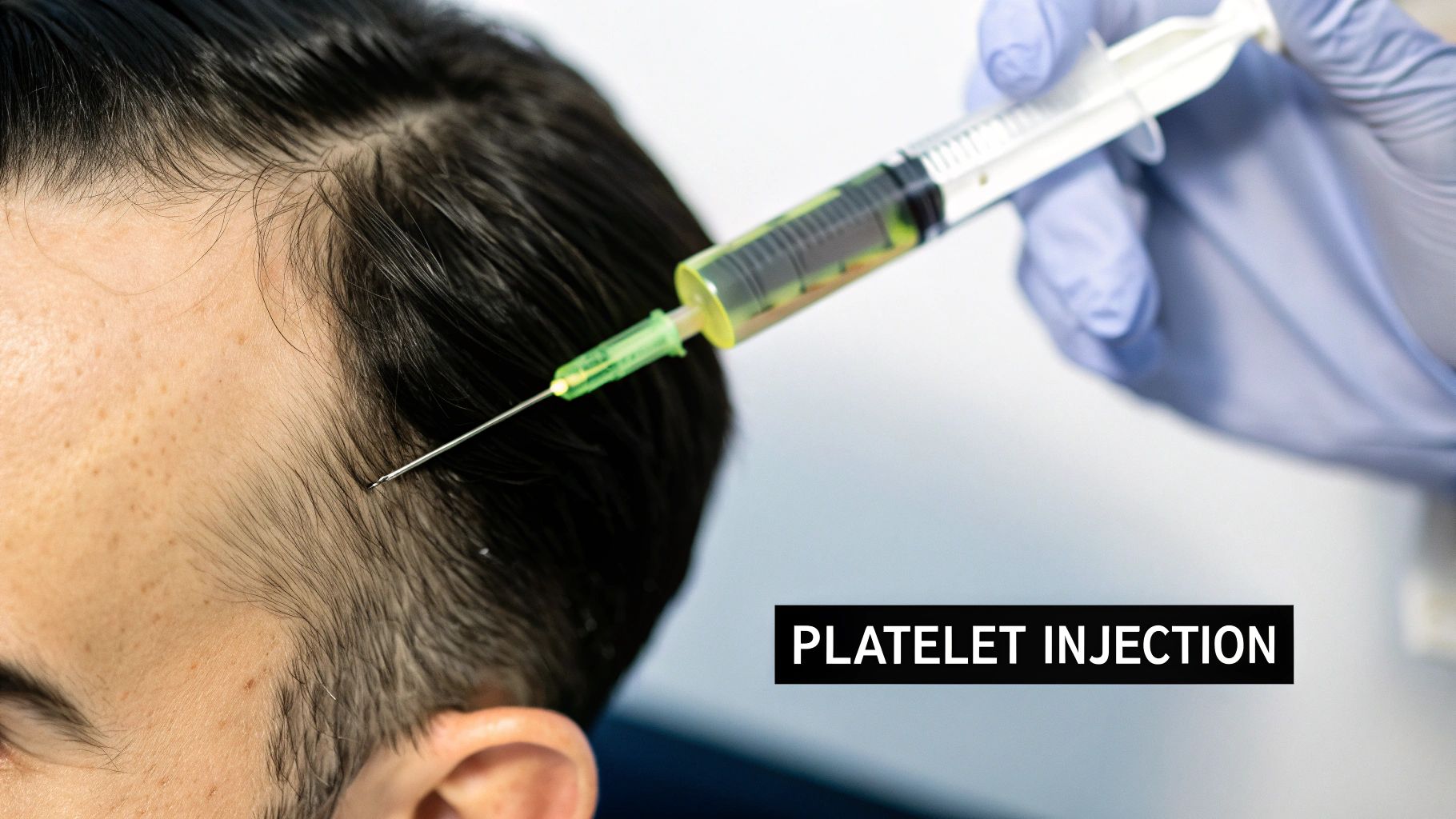
This concentrated platelet solution is then injected directly into the scalp, focusing on areas with thinning hair or hair loss. By delivering a high concentration of growth factors to the hair follicles, PRP encourages dormant follicles to start growing again and strengthens existing hair. This targeted delivery also improves blood flow to the scalp, delivering essential nutrients and oxygen for healthy hair growth. It's like giving your hair follicles a revitalizing boost.
The Role of Growth Factors in Hair Regeneration
The effectiveness of PRP lies in the wealth of growth factors found in platelets. These growth factors initiate several biological processes essential for hair regeneration. For instance, platelet-derived growth factor (PDGF) promotes cell division and growth, while vascular endothelial growth factor (VEGF) improves blood vessel formation and circulation to the hair follicles. Transforming growth factor-beta (TGF-β) also plays a vital role in regulating hair follicle development and cycles.
These growth factors work together to reactivate dormant hair follicles, pushing them from the resting phase into the active growth phase. They also fortify existing hair shafts, making them thicker and less prone to breakage. This multifaceted approach makes PRP an attractive treatment for various hair loss types. The increasing interest in this treatment is evident in market predictions: the global platelet-rich plasma (PRP) market, including PRP hair treatment, is valued at approximately USD 962.46 million in 2025. Projections show it reaching about USD 3,466.13 million by 2034, demonstrating a significant CAGR of roughly 14-15%. You can find more detailed statistics here: Precedence Research – Platelet-Rich Plasma Market
Why PRP Stands Out: An Autologous Approach
A primary benefit of PRP hair treatment is its autologous nature. This means the treatment uses your own blood, minimizing the risk of allergic reactions or adverse effects often associated with synthetic treatments. Because the PRP comes directly from your body, it's highly compatible and well-tolerated.

Furthermore, PRP hair treatment is a minimally invasive procedure with little downtime. While some patients might experience minor soreness or redness at the injection sites, these are usually temporary and subside quickly. This makes PRP a practical and attractive option for those seeking a natural and effective solution for hair loss.
Inside the PRP Hair Treatment Process: What to Really Expect
PRP hair treatment may sound complex, but the process is surprisingly straightforward. Understanding each step, from the initial consultation to post-treatment care, can help manage expectations and alleviate any pre-procedure anxieties. This guide will walk you through a typical PRP hair treatment journey.
Initial Consultation and Assessment
Your journey begins with a consultation with a qualified practitioner who will assess your hair and scalp. They will analyze your hair loss pattern, discuss your medical history, and determine if PRP is the right solution for you. This initial assessment is crucial for tailoring the treatment to your individual needs.
The Three Main Steps: Draw, Spin, Inject
The core PRP procedure consists of three key steps, visually represented in the infographic below:
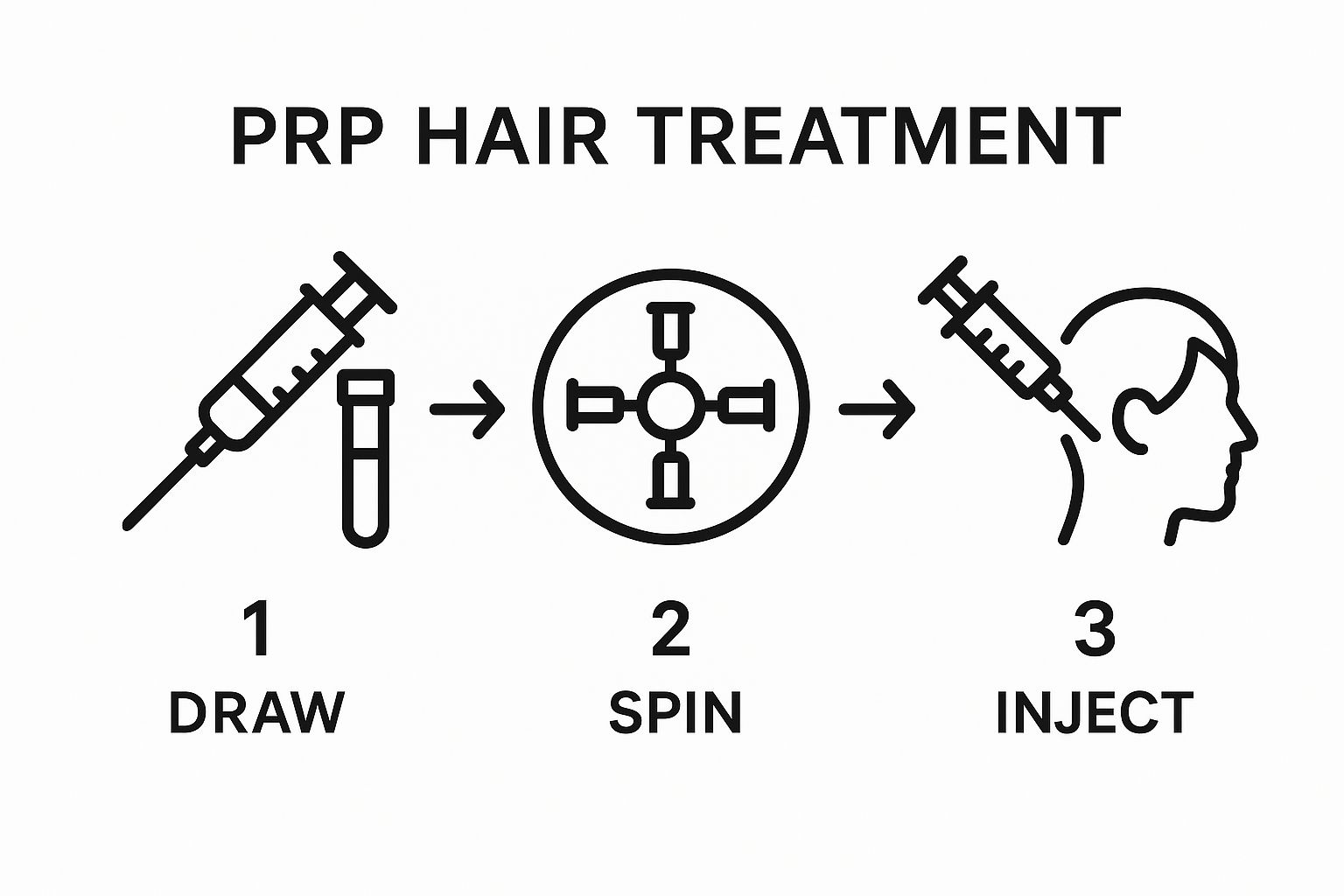
This simple yet effective process highlights PRP therapy's core principle: using your blood's healing power for hair restoration. From drawing a small blood sample to injecting the concentrated platelets, the procedure is designed for efficiency and minimal discomfort.
To better understand the timeline and patient experience, let's look at a breakdown of each stage:
PRP Hair Treatment Procedure Timeline
| Treatment Stage | Duration | What Happens | Patient Experience |
|---|---|---|---|
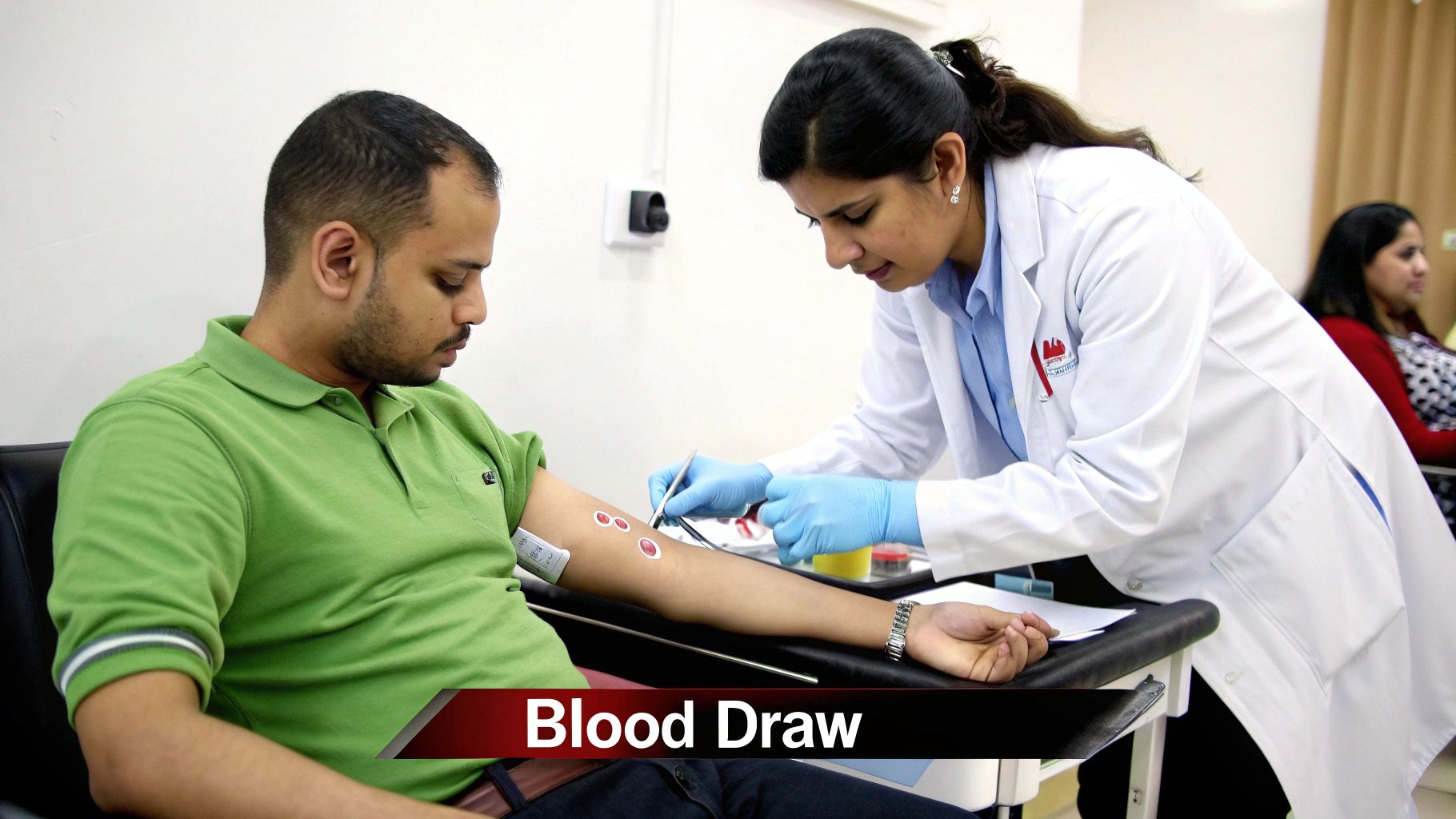
| Blood Draw | 5-10 minutes | A small blood sample, similar to a routine blood test, is drawn from your arm. | Similar to a standard blood test, you may feel a slight pinch. |
| Centrifugation | 10-15 minutes | The blood sample is placed in a centrifuge to separate the blood components and isolate the platelet-rich plasma (PRP). This process typically increases platelet levels 5-10 times their normal concentration. | You will be seated comfortably while the centrifuge processes your blood. There is no sensation or discomfort during this stage. |
| Injection | 15-20 minutes | Using specialized micro-needles, the concentrated PRP is injected into specific areas of your scalp experiencing thinning or hair loss. | You may experience a mild pricking sensation during the injections. Topical numbing cream can be used beforehand to minimize any discomfort. |
This table provides a detailed look at what you can expect during a standard PRP hair treatment. Each stage is designed to be as efficient and comfortable as possible.
Post-Treatment and Recovery
After the injections, you can typically resume your normal activities. Some patients experience mild redness, swelling, or soreness at the injection sites, which usually resolves within a few days. Your practitioner will provide detailed post-treatment instructions, including guidance on hair washing and product use.
Treatment Schedule and Maintenance
PRP hair treatment usually involves multiple sessions for optimal results. Initial treatments are often spaced a few weeks apart, followed by maintenance treatments every few months. The exact schedule will depend on your individual needs and response to the treatment. This ongoing approach helps ensure continued stimulation of the hair follicles and sustains long-term hair growth.
Addressing Common Concerns: Pain, Recovery, and Expectations
While the needles used are small, some discomfort during the injections is possible. Many patients, however, report that the sensation is less painful than anticipated. Topical numbing creams can further minimize any discomfort. Recovery time is minimal, and most individuals can immediately return to their regular routines following treatment. It's important to maintain realistic expectations. While PRP can significantly improve hair growth, it’s not an instant fix. Results gradually become noticeable over several months, with peak results typically seen around 6-9 months after the initial treatment. Patience and adhering to the recommended treatment schedule are crucial for achieving the desired outcomes.
Who Truly Benefits From PRP Hair Treatment?
PRP hair treatment offers a promising approach to hair restoration, but it isn't a one-size-fits-all solution. Understanding who benefits most requires a closer look at the types of hair loss and individual factors that influence success. This knowledge empowers you to make informed decisions based on your specific needs, rather than relying on generic marketing claims.
Androgenetic Alopecia and PRP: An Effective Pairing
PRP therapy has shown particularly positive results for individuals with androgenetic alopecia, commonly known as male or female pattern baldness. This hereditary hair loss is driven by genetic factors and hormonal influences. PRP's growth factors can counteract these influences by stimulating dormant hair follicles and strengthening existing hairs. Men and women experiencing this type of hair loss often report significant improvements in hair density and thickness after PRP treatments. This makes PRP a viable non-surgical option for addressing hereditary hair loss.
Other Types of Alopecia: Exploring Combined Therapies
While androgenetic alopecia often responds well to PRP, other types of hair loss may require different or combined approaches. For example, individuals with alopecia areata, an autoimmune condition where the immune system attacks hair follicles, might find PRP less effective on its own. Some practitioners combine PRP with other treatments, such as corticosteroids, to enhance results. A personalized treatment plan tailored to the specific cause and nature of your hair loss is essential.
Factors Influencing Success: Beyond Hair Loss Type
Several factors beyond the type of hair loss can influence the success of PRP hair treatment. Your age, the stage of hair loss progression, and overall health play a role in how your body responds to therapy. The specific treatment protocol also impacts outcomes. PRP has shown significant potential to improve hair growth, especially in the United States, a leading market for this therapy. The U.S. PRP and stem cell alopecia treatment market is projected to reach USD 438.91 million by 2030, growing at a CAGR of approximately 9.46% from 2025 to 2030. This growth is fueled by increasing patient awareness, preference for novel therapies, and the relatively low risk of side effects. For further information, you can explore this market analysis: U.S. PRP and Stem Cell Alopecia Treatment Market Analysis
Self-Assessment: Understanding Your Potential
While a consultation with a qualified practitioner is crucial, a preliminary self-assessment can offer initial insights into your potential responsiveness to PRP. Consider the following:
- Type of Hair Loss: Do you have androgenetic alopecia, or another type?
- Stage of Hair Loss: Are you experiencing early-stage thinning or more advanced hair loss?
- Overall Health: Do you have any underlying health conditions that could impact healing or treatment effectiveness?
This self-assessment helps you approach your consultation with a clearer understanding of your individual situation and realistic expectations. However, a professional evaluation remains vital for accurate diagnosis and a personalized treatment plan. Even if PRP seems suitable based on your self-assessment, a qualified practitioner will make the final determination during a consultation. They can also advise on combining PRP with other therapies, if necessary, to optimize your chances of successful hair restoration.
The Evidence: What Research Reveals About PRP Results
Beyond individual testimonials, a growing body of scientific research supports the effectiveness of PRP hair treatment. This section explores key findings from clinical trials and studies, offering a data-driven perspective on what PRP can realistically achieve. This information will help you make informed decisions about this increasingly popular hair restoration method.
Measurable Impacts: Hair Count, Thickness, and Patient Satisfaction
Numerous studies have shown PRP's positive effects on important hair growth indicators. These include increases in hair count, improvements in hair shaft thickness, and notably, high levels of patient satisfaction. One compelling finding is the documented improvement in hair density. Studies show an average increase of 30-40% in patients responding well to treatment.
This significant boost in hair density creates a visibly fuller appearance, addressing a primary concern for those experiencing hair loss. Furthermore, patients report increased satisfaction with their hair's overall look and feel, which can boost self-confidence and improve quality of life.
To further illustrate the effectiveness of PRP hair treatment, let's examine some clinical study results:
PRP Hair Treatment Clinical Study Results: A summary of key clinical studies showing the effectiveness of PRP hair treatment for different types of hair loss.
| Study | Participants | Treatment Protocol | Results | Follow-up Period |
|---|---|---|---|---|
| Study 1 | 50 men with androgenetic alopecia | 4 PRP injections, 1 month apart | Significant increase in hair count and hair thickness | 6 months |
| Study 2 | 30 women with female pattern hair loss | 3 PRP injections, 6 weeks apart | Moderate increase in hair density and improved hair quality | 12 months |
| Study 3 | 20 patients with alopecia areata | 5 PRP injections, 2 weeks apart | Partial hair regrowth in affected areas | 3 months |
These studies showcase the potential of PRP treatment in improving hair growth across different conditions. Further research is ongoing to solidify these findings and explore new applications for PRP in hair restoration.
Timeline for Results: Gradual Improvement, Peak at 6-9 Months
PRP hair treatment is not a quick fix. Results typically appear gradually. Noticeable changes often start around 3 months after the initial treatment. Peak results, however, generally appear between 6 and 9 months.
This timeline reflects the biological processes of hair follicle reactivation and growth. Understanding this gradual progression is crucial for managing expectations and highlights the importance of patience and sticking to the recommended treatment plan. Continued treatments help maintain these improvements over the long term.
Standardized Protocols and Preparation Methods: Keys to Consistent Outcomes
While PRP is promising, the quality of PRP treatments can vary. Research indicates that standardized protocols and meticulous preparation methods are essential for optimal treatment outcomes. Differences in how blood is drawn, processed, and injected can impact the concentration of growth factors and their delivery to the hair follicles.
Selecting a provider who follows established best practices and uses advanced PRP preparation techniques, such as the SELPHYL® System, increases the chances of achieving the best possible results.
Results Across Demographics and Hair Loss Patterns
Research also examines how PRP effectiveness differs among various patient demographics and hair loss patterns. While androgenetic alopecia generally responds well, individual results can vary based on factors like age, the extent of hair loss, and individual biological responses. Analyzing data across diverse patient groups helps set realistic expectations based on your unique situation.
This deeper understanding empowers you to make well-informed decisions and have productive conversations with your practitioner about potential outcomes. As PRP techniques continue to evolve, research plays a vital role in refining treatment protocols and maximizing effectiveness for a broader range of individuals experiencing hair loss.
PRP vs. Other Hair Loss Solutions: Honest Comparisons
Finding the right hair restoration treatment can be daunting with the multitude of options available. This section compares PRP hair treatment with other popular solutions, including minoxidil, finasteride, low-level laser therapy (LLLT), and hair transplant surgery. Understanding each approach's strengths and weaknesses helps you make informed decisions aligned with your needs and goals.
PRP vs. Minoxidil (Rogaine): A Combined Approach?
Minoxidil, commonly known as Rogaine, is a topical solution applied to the scalp. It increases blood flow to hair follicles, potentially stimulating growth. However, effectiveness varies, and some users experience minimal regrowth. PRP, in contrast, delivers concentrated growth factors directly to follicles. Some practitioners recommend combining PRP with minoxidil to enhance results, maximizing follicle stimulation through different mechanisms.
PRP vs. Finasteride (Propecia): Different Mechanisms of Action
Finasteride, sold as Propecia, is an oral medication primarily for men. It blocks dihydrotestosterone (DHT), a key contributor to male pattern baldness. While effective, finasteride may have side effects like decreased libido. PRP, a non-hormonal treatment derived from your own blood, avoids these. Both treatments target different aspects of hair loss, suggesting suitability for combination therapy under professional guidance.
PRP vs. Low-Level Laser Therapy (LLLT): Non-Invasive Options
LLLT uses low-powered lasers or LEDs to stimulate hair follicles. Like PRP, it's non-invasive. However, LLLT often requires multiple weekly sessions, presenting logistical challenges. PRP treatments are typically spaced further apart, increasing convenience. Some studies suggest combining PRP with LLLT may yield synergistic benefits, enhancing results for some.
PRP vs. Hair Transplant Surgery: A Last Resort or Complementary Procedure?
Hair transplant surgery involves moving hair follicles from one scalp area to thinning or balding areas. It offers a more permanent solution but is invasive, with longer recovery and higher costs than PRP. PRP might be preferable before considering surgery. Others may use PRP after a transplant to enhance transplanted follicle growth and health.
Comparing Cost-Effectiveness: Short-Term Investment vs. Long-Term Maintenance
Choosing a hair loss solution often involves weighing cost-effectiveness. PRP may have higher upfront costs per session than minoxidil or LLLT but typically requires fewer sessions. Finasteride involves ongoing medication costs. Hair transplant surgery is the most expensive, with a high initial investment.
Consider each option's long-term costs and maintenance. PRP usually involves initial sessions followed by less frequent maintenance treatments, balancing upfront investment and ongoing expenses. This potentially makes PRP more cost-effective over time than others, especially given the absence of medication costs or frequent LLLT sessions.
The Synergy of Combination Therapies
Many practitioners believe combining PRP with other treatments optimizes results. Combining PRP with minoxidil or LLLT may provide comprehensive follicle stimulation. Combining PRP with finasteride may address both hormonal and growth factor-related hair loss aspects.
Choosing the Right Path: Your Individual Hair Loss Journey
The best solution depends on your individual circumstances, including hair loss type and stage, budget, and lifestyle. Consulting a qualified practitioner is crucial to assess your needs and develop a personalized treatment plan. This may involve single or combination therapies for optimal results. Understanding each option's advantages and disadvantages enables informed decisions in collaboration with your practitioner, setting you on the path to achieving your hair restoration goals.
Why PRP Hair Treatment Is Gaining Global Momentum
The growing popularity of PRP hair treatment isn't just a passing fad; it represents a fundamental change in how we approach hair restoration. Increasingly, both patients and practitioners are embracing PRP therapy, driven by several key factors. This shift reflects a growing interest in regenerative medicine and the desire for natural, effective treatments.
The Rise of Regenerative Medicine and Natural Solutions
A primary driver behind PRP's popularity is the increasing focus on regenerative medicine. This field concentrates on repairing damaged tissues by harnessing the body's natural healing abilities. PRP therapy perfectly exemplifies this approach, using growth factors from your own blood to stimulate hair follicles.
This natural approach resonates strongly, particularly with younger individuals seeking alternatives to synthetic drugs or invasive surgeries. The preference for solutions that work with the body, rather than against it, significantly contributes to PRP's growing appeal.
Advancements in Standardization: Ensuring Consistent Results
In the past, PRP treatments sometimes faced inconsistency due to variations in preparation methods. However, recent standardization advancements have drastically improved the reliability and predictability of results. These advancements have addressed previous shortcomings, making PRP a more dependable and attractive option for hair restoration.
Standardized kits and protocols now ensure consistent concentrations of platelets and growth factors, resulting in more effective and predictable treatments. This improved consistency instills greater confidence in both practitioners and patients alike.
Social Influence and Shifting Perspectives on Aesthetics
Social factors, such as celebrity endorsements and open conversations about aesthetic treatments, have helped reduce the stigma surrounding hair loss therapies, especially for men. Previously, many men hesitated to seek treatment.
However, evolving social norms and heightened awareness of available options have normalized these procedures. This has encouraged more men to consider treatments like PRP. This shift, combined with the minimally invasive nature of PRP, has boosted its acceptance and adoption. When comparing PRP to other solutions, consider other options like hypnotherapy for weight loss.
Market Growth Reflects Global Demand
The expanding PRP market clearly reflects this growing global momentum. The increasing demand for cosmetic procedures, both surgical and non-surgical, further fuels PRP's growth, particularly for hair restoration. In 2020, over 10 million surgical and more than 14 million non-surgical cosmetic procedures were performed globally.
PRP aligns with this trend towards minimally invasive and natural regenerative treatments, appealing to a broad demographic seeking effective solutions without surgical risks. This increased availability, combined with rising disposable incomes in markets like North America, Europe, and the Asia-Pacific region, sustains the demand for PRP. Despite the relatively high cost, the global PRP market is projected to grow at a CAGR of approximately 12.7% between 2025 and 2032, potentially surpassing USD 1.4 billion by 2032. For more detailed information, visit Coherent Market Insights. The combination of these factors – growing interest in regenerative medicine, standardization advancements, changing social perceptions, and strong market growth – clearly demonstrates why PRP hair treatment is gaining significant global momentum, establishing itself as a prominent hair restoration solution.
Making The Decision: Is PRP Hair Treatment Right For You?
Deciding on any medical treatment requires careful consideration, and PRP hair treatment is no different. While the science behind PRP is promising, it's essential to evaluate your individual situation, financial resources, and potential providers to make a truly informed decision. This section will provide a practical framework to guide you through this process.
Evaluating Your Hair Loss and Potential Responsiveness
The first step is understanding your hair loss. What type are you experiencing? Is it androgenetic alopecia (male or female pattern baldness), or another type? Knowing the cause and stage of your hair loss is crucial. Early-stage androgenetic alopecia often responds well to PRP, whereas more advanced stages or other types of hair loss may require a different approach, perhaps even a combined one.
Additionally, assessing your hair loss progression rate is important. Rapid hair loss might necessitate more aggressive treatment than slow, gradual thinning. Consider how quickly your hair loss has progressed over the past months or years. This information, combined with the type of hair loss, will provide a clearer picture of your current situation for both you and your potential provider.
Financial Considerations: Beyond The Per-Session Cost
PRP hair treatment typically involves a series of sessions, followed by maintenance treatments. While the advertised per-session cost might seem manageable, calculating the total investment required for the entire treatment plan is essential. This includes the initial series and any ongoing maintenance.
Furthermore, consider the potential for added costs like consultations, follow-up appointments, or supplementary therapies. Having a realistic budget from the outset helps you make informed decisions and avoid unexpected expenses.
Choosing A Provider: Questions To Ask and Red Flags To Watch For
The expertise and preparation standards of your provider significantly impact your results. Don't hesitate to ask potential providers detailed questions about their experience with PRP, the specific protocols they follow, and the equipment they use. For example, inquire about their platelet concentration methods, injection techniques, and post-treatment care.
Watch for red flags like vague answers, overly aggressive sales tactics, or a lack of transparency regarding costs and procedures. A reputable provider will prioritize patient education and informed consent, empowering you to make confident decisions.
Learning From Others: Real Patient Decision Journeys
Hearing about other people's experiences can offer valuable insights. Research real patient testimonials and case studies to understand how individuals weighed the various factors – effectiveness, cost, and convenience – against their own expectations and resources.
While individual results vary, learning about different decision-making processes and the range of potential outcomes can help you form realistic expectations and make a decision aligned with your personal goals.
Making Your Decision: A Personalized Approach
Ultimately, the decision to pursue PRP hair treatment is a personal one. There’s no single right answer. The best approach involves gathering as much information as possible, weighing the pros and cons relative to your individual circumstances, and consulting with a qualified provider.
By considering your hair loss pattern, financial resources, provider expertise, and the experiences of other patients, you can make a confident, informed decision about whether PRP hair treatment is the right step for you on your hair restoration journey.
Ready to learn more about how PRP can help you regain your confidence and achieve a fuller head of hair? Visit PRP For HairLoss today to explore the possibilities and take the first step towards a more confident you.
 PRP For Hairloss
Leave a comment