The Science Behind PRP Hair Therapy: How It Works
Platelet-rich plasma (PRP) therapy uses your body's own healing abilities to address hair loss. This treatment involves a concentrated solution derived from your blood, rich in growth factors crucial for tissue repair and regeneration. How long does PRP hair therapy last? Understanding the science behind it is key to answering this question.
From Blood Draw to Scalp Stimulation
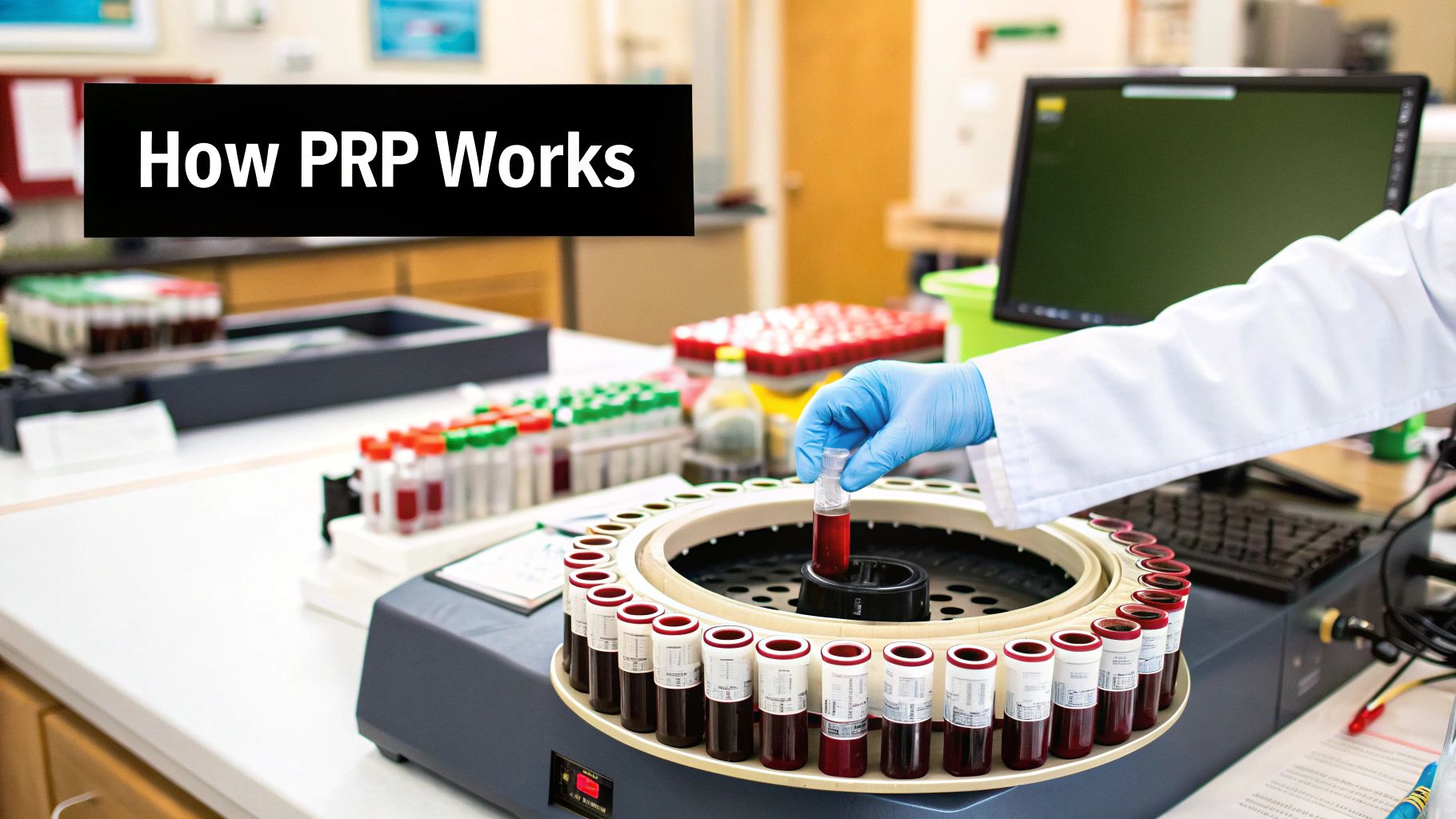
The PRP process begins with a simple blood draw, much like a routine blood test. This small sample is then placed in a centrifuge, a machine that spins the blood to separate its components. This isolates the platelet-rich plasma, containing a much higher concentration of growth factors than whole blood.
This concentrated PRP is then injected into the specific scalp areas experiencing thinning or hair loss. Once injected, these growth factors signal dormant hair follicles to re-enter the growth phase of the hair cycle. This can lead to increased hair thickness, density, and better overall scalp health.
The Role of Growth Factors
The effectiveness of PRP lies in these growth factors. These proteins are essential for cell growth, differentiation, and survival. They encourage the growth of new blood vessels in the scalp, improving blood supply to the hair follicles. These growth factors also stimulate collagen production, a structural protein crucial for healthy hair growth. This combined effect creates an ideal environment for hair follicles to flourish.
Why PRP's Effects Are Temporary
While PRP can significantly improve hair growth, the results are not permanent. The stimulation from the growth factors diminishes over time, and the hair cycle returns to its normal pattern. Therefore, maintenance treatments are usually recommended to maintain the results and extend the duration of thicker, fuller hair. The specific duration of PRP's effects will depend on individual factors, discussed later in this post.
How Long Does PRP Hair Last? Real Results Timeline
Considering PRP for hair loss? One of the most common questions is about the longevity of results. It's a smart question to ask before investing in this treatment. While PRP (Platelet-Rich Plasma) offers a promising approach to hair restoration, understanding the realistic timeline is key to setting proper expectations.
The Initial Growth Phase
You'll typically start to see changes around months 2-3 after your first treatment. This is when the injected growth factors begin working their magic, stimulating your hair follicles. Some people experience increased shedding at this stage. This is entirely normal and is simply part of the follicle's renewal process.
Reaching Peak Results
The most significant improvements usually appear within 6-12 months. This is when you'll see the full effect of PRP, enjoying increased hair thickness and density, along with improved scalp health. This timeframe allows the hair follicles adequate time to respond to the stimulation and produce new hair growth.
Maintaining Your Results: The Importance of Touch-Ups
It's important to understand that PRP isn't a permanent solution. The stimulation from the growth factors gradually decreases over time. This is why maintenance treatments are vital for keeping those results going strong. Studies show PRP's effects can last for several months, but the exact duration varies.
For instance, one study found that patients had an average increase of 33.6 hairs in the treated area and a 45.9 hairs per cm² increase in density after three PRP cycles. While the study didn't pinpoint an exact endpoint for PRP's effectiveness, some participants reported hair loss returning around 16 months after their final treatment. This suggests that the benefits can often last well over a year.
Factors Influencing Longevity
The duration of PRP's effects isn't the same for everyone. Several factors influence how long the results last, including age, genetics, overall health, and the extent of hair loss. The quality of the PRP preparation and the injection technique also play a role. These are all important considerations when discussing PRP treatment with your provider. Remember, PRP is not a one-time fix but rather a process that requires maintenance for long-term results.
Why Your PRP Results Might Last Longer Than Others

Several factors influence how long the results of PRP hair treatment last. Understanding these variables helps you manage expectations and potentially maximize your results. Just as individuals react differently to medications, responses to PRP vary significantly.
Individual Factors at Play
Your age, genetics, and hormonal profile are fundamental in determining your body's response to PRP. Younger patients with less advanced hair loss might see longer-lasting results. Hormonal imbalances can impact hair growth cycles, influencing treatment efficacy and longevity. Genetic predispositions to hair loss also play a significant role, with some individuals more prone to shedding even after PRP.
The Importance of PRP Quality and Technique
The quality of the PRP preparation matters. A higher platelet concentration means a more potent dose of growth factors. The activation method used to stimulate these growth factors also impacts their effectiveness. How long the treatment lasts is a common question; for comparison, you can research how long CBD lasts.
Your provider's injection technique is also crucial. Accurate placement and injection depth ensure the growth factors effectively reach the targeted hair follicles. A skilled and experienced provider optimizes PRP delivery, contributing to more sustained results.
Lifestyle's Impact on Hair Health
Lifestyle factors significantly impact the longevity of PRP hair treatment results. Nutrition plays a vital role. A balanced diet rich in protein, vitamins, and minerals provides the necessary building blocks for healthy hair follicles.
Stress management is equally important. Chronic stress can disrupt hormone balance and contribute to hair loss, potentially diminishing the benefits of PRP. Incorporating stress-reduction techniques, such as exercise or meditation, is crucial for maintaining results.
To help you better understand the various factors that contribute to the longevity of PRP hair treatment, we've compiled the following table:
To help illustrate the interplay of these elements, let’s take a look at the factors that can influence how long your results last.
Factors Influencing PRP Hair Treatment Longevity
This table outlines the key factors that can affect how long PRP hair treatment results last and their relative impact on treatment longevity.
| Factor Category | Specific Factors | Potential Impact on Longevity |
|---|---|---|
| Individual Factors | Age | Younger patients may experience longer-lasting results |
| Genetics | Genetic predisposition to hair loss can shorten the duration of results | |
| Hormonal Profile | Hormonal imbalances can affect hair growth and treatment efficacy | |
| PRP Quality and Technique | Platelet Concentration | Higher concentration can lead to longer-lasting results |
| Activation Method | Different methods may influence growth factor effectiveness and longevity | |
| Injection Technique | Proper technique maximizes growth factor delivery and result duration | |
| Lifestyle Factors | Nutrition | A healthy diet supports hair growth and prolongs results |
| Stress Management | Reducing stress minimizes hair loss and helps maintain PRP benefits |
As you can see, a variety of factors can influence the duration of your results.
Optimizing Your Outcome
By understanding these factors and taking proactive steps, you can optimize your PRP outcome and extend the duration of your results. Discuss your needs and concerns with your provider to create a personalized treatment plan. This collaborative approach ensures your PRP journey aligns with your individual circumstances and goals for maximum long-term success.
Your PRP Maintenance Roadmap: Timing Is Everything
So, you’ve finished your initial PRP (Platelet-Rich Plasma) treatments and are enjoying the results. How do you maintain this thicker, fuller hair? The answer lies in a personalized PRP maintenance roadmap. Understanding the timing of follow-up treatments and recognizing the subtle signs that indicate you need a touch-up is key to extending the life of your investment.
Understanding Your Hair's Natural Growth Cycle
PRP stimulates your hair follicles to enter the growth phase. But hair growth isn’t continuous. It follows a natural cycle of growth, rest, and shedding. This means the effects of PRP, while significant, aren’t permanent. As the stimulation from the growth factors decreases, your hair cycle returns to its natural rhythm. This is why maintenance treatments are crucial for preserving the density and coverage you’ve achieved.
Timing Your Maintenance Treatments
Most experts recommend maintenance treatments every 6 to 12 months. However, this can vary. Optimal timing depends on individual factors including your age, genetics, the extent of hair loss, and your body’s response to PRP. Some patients may see their results begin to fade at the 9-month mark, while others might maintain improvements for over a year.
A 2022 systematic review of PRP in hair regrowth found that most studies reported significant increases in both hair density and thickness after PRP therapy. The mean difference in hair numbers per cm² ranged from 17.9 to 38.75 compared to control groups. The review highlighted the variability in the duration of effects and generally recommended follow-up treatments every 6 to 12 months to maintain results. Explore this topic further.
Recognizing the Signs for a Touch-Up
Don't wait until you have significant hair loss to schedule a maintenance treatment. Learn to recognize the early signs of regression. This proactive approach will help you maintain optimal results. These subtle signs can include:
- Increased shedding
- A slight decrease in hair thickness
- A widening of your part
By addressing these changes early, you can prevent further hair loss and maintain a consistently fuller look.
Customizing Your Maintenance Schedule
Open communication with your provider is key to long-term success with PRP. They can assess your individual needs and create a customized maintenance schedule that aligns with your hair’s growth cycle and your desired results. This collaborative approach ensures you’re getting the most out of your PRP investment and maintaining the confidence that comes with healthy, vibrant hair. This proactive strategy maximizes your investment and maintains the density and coverage achieved through your initial treatments. Discuss any questions or concerns with your provider; their expertise is invaluable for optimizing your long-term results.
PRP vs. Other Hair Loss Treatments: Longevity Showdown
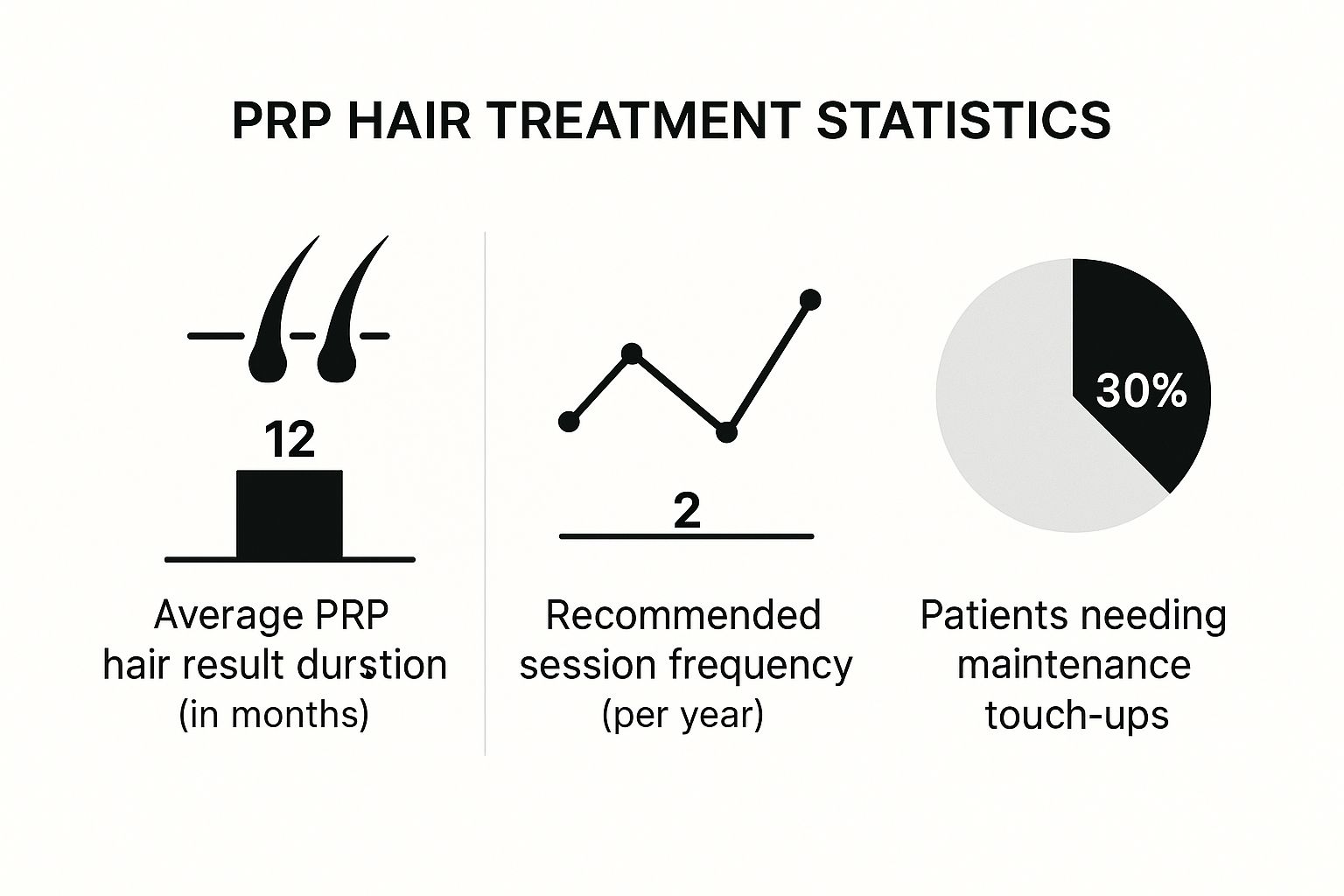
The infographic above illustrates the typical duration of results from PRP hair treatments. It also highlights the recommended frequency of sessions and the percentage of patients who opt for maintenance treatments. While PRP offers noticeable benefits, these generally last for 12-18 months. Annual maintenance is often recommended to prolong the results. Approximately 60-70% of patients seek touch-ups within that period. This raises an important question: how does PRP stack up against other hair loss treatments in terms of longevity and overall effectiveness?
PRP vs. Minoxidil: A Battle of Convenience
Minoxidil, often sold as Rogaine, is a topical solution that can initially stimulate hair regrowth. However, these effects often plateau within a few months, requiring continuous application to maintain any gains. Minoxidil can also cause side effects such as scalp irritation and unwanted hair growth in other areas. Unlike daily minoxidil applications, PRP injections offer a more convenient approach, requiring less frequent maintenance sessions.
PRP vs. Finasteride: A Question of Commitment
Finasteride (Propecia) is an oral medication for hair loss management. It requires a lifelong commitment, as stopping the medication often reverses its effects, leading to the loss of regrown hair. This differs from PRP, where maintenance is recommended but not a daily requirement.
PRP vs. Hair Transplantation: Permanence vs. Ongoing Care
Hair transplantation offers a more permanent solution by surgically relocating hair follicles. It's a considerably more invasive and expensive procedure than PRP therapy. This makes PRP an attractive alternative for individuals in the early stages of hair loss who aren't ready for surgery, or for those seeking a less invasive, more budget-friendly option.
The Power of Combination Therapies
PRP isn't always an exclusive alternative to other treatments. It can be combined with other hair loss solutions to potentially boost and extend their effectiveness. Some studies suggest that combining PRP with minoxidil or finasteride may yield better results than either treatment used alone.
To help you compare these treatments, let's take a look at the table below:
Comparison of Hair Loss Treatments: Duration and Effectiveness
| Treatment Type | Average Result Duration | Success Rate | Maintenance Requirements | Cost Considerations |
|---|---|---|---|---|
| PRP Therapy | 12-18 months | 60-80% | Annual touch-ups (60-70% of patients) | Moderate |
| Minoxidil (Rogaine) | Ongoing with continuous use | Varies, typically temporary | Daily application | Low |
| Finasteride (Propecia) | Ongoing with continuous use | High, but reverses upon discontinuation | Daily dosage | Moderate |
| Hair Transplantation | Permanent | High | Minimal | High |
This table summarizes the key differences between PRP and other hair loss treatments. As you can see, each option has its own set of benefits and drawbacks in terms of longevity, effectiveness, and cost.
Individual Experiences and Long-Term Considerations
The ideal hair loss treatment depends on individual factors, including the extent of hair loss, lifestyle, and personal preferences. Consulting a qualified hair restoration specialist is crucial for making an informed decision tailored to your specific needs. While PRP provides advantages in terms of longevity and convenience compared to some alternatives, it’s essential to evaluate all available options and choose the approach that best aligns with your individual goals. Recent clinical studies and patient surveys show a 60-80% success rate for PRP therapy in promoting noticeable hair regrowth in patients with androgenetic alopecia. Some studies even report hair count increases of 50-80%. For a deeper dive into these statistics, you can explore this topic further. This efficacy, combined with high patient satisfaction and sustained benefits for 12-18 months, positions PRP as a valuable tool in a comprehensive hair restoration strategy.
Extending Your PRP Results: Beyond the Treatment Chair
Maximizing your investment in Platelet-Rich Plasma (PRP) therapy goes beyond the initial treatment. The care you provide in the following weeks and months significantly impacts the longevity of your results. This section offers a guide to help you extend the lifespan of your revitalized hair.
Post-Treatment Protocols: The First Few Weeks
Immediately after your PRP treatment, specific protocols are crucial for protecting your scalp and maximizing the effectiveness of the growth factors. Your provider will give you personalized advice, but generally, avoid washing your hair for 12-24 hours post-injection. This allows the PRP to fully absorb.
When you do wash your hair, use a gentle, sulfate-free shampoo to avoid irritating the treated area. Minimize heat styling, harsh chemical treatments, and vigorous towel drying during the initial recovery period to protect the newly stimulated follicles.
Nutritional Strategies for Follicle Health
Internal support is just as important as topical care. Nutrition plays a vital role in providing the necessary building blocks for healthy hair. A balanced diet rich in protein, iron, zinc, and vitamins A, C, D, and E nourishes your follicles.
Consider incorporating nutrient-dense foods like lean meats, eggs, leafy greens, nuts, and seeds into your diet for optimal hair health. If you're concerned about nutrient intake, consult your doctor or a registered dietitian about potential supplements.
Lifestyle Modifications for Long-Term Success
Lifestyle factors can also influence the longevity of your PRP results. Chronic stress can disrupt hormone balance and contribute to hair shedding. Managing stress through practices like yoga, meditation, or spending time outdoors can positively impact overall well-being, including hair health.
Protecting your hair from environmental damage, such as UV radiation, is also beneficial. Wearing a hat when outdoors, especially during peak sun hours, can help minimize damage to your hair and scalp. Understanding the influence of social proof examples can also be helpful when comparing PRP to other treatments.
Maintaining Momentum: Products and Supplements
The right hair care products can play a significant role in maintaining your PRP results. Opt for products formulated for thinning hair, containing ingredients that support follicle health. Avoid products with harsh chemicals that can strip your hair's natural oils.
While many supplements claim to promote hair growth, choose wisely. Consult your provider about supplements that complement your PRP treatments. Some supplements containing biotin, saw palmetto, or pumpkin seed oil may offer additional support.
The Long Game: Working With Your Provider
Extending PRP results is an ongoing process, and your provider is your partner. Maintain open communication about your progress, concerns, and goals. They can adjust your maintenance schedule, recommend products and supplements, and offer personalized advice based on your individual needs. This collaborative approach helps you maximize your PRP investment.
Ready to learn more about PRP for hair loss? Visit PRP for HairLoss today and begin your journey toward thicker, fuller hair.

 PRP For Hairloss
Leave a comment