The Science Behind Male Pattern Baldness and PRP
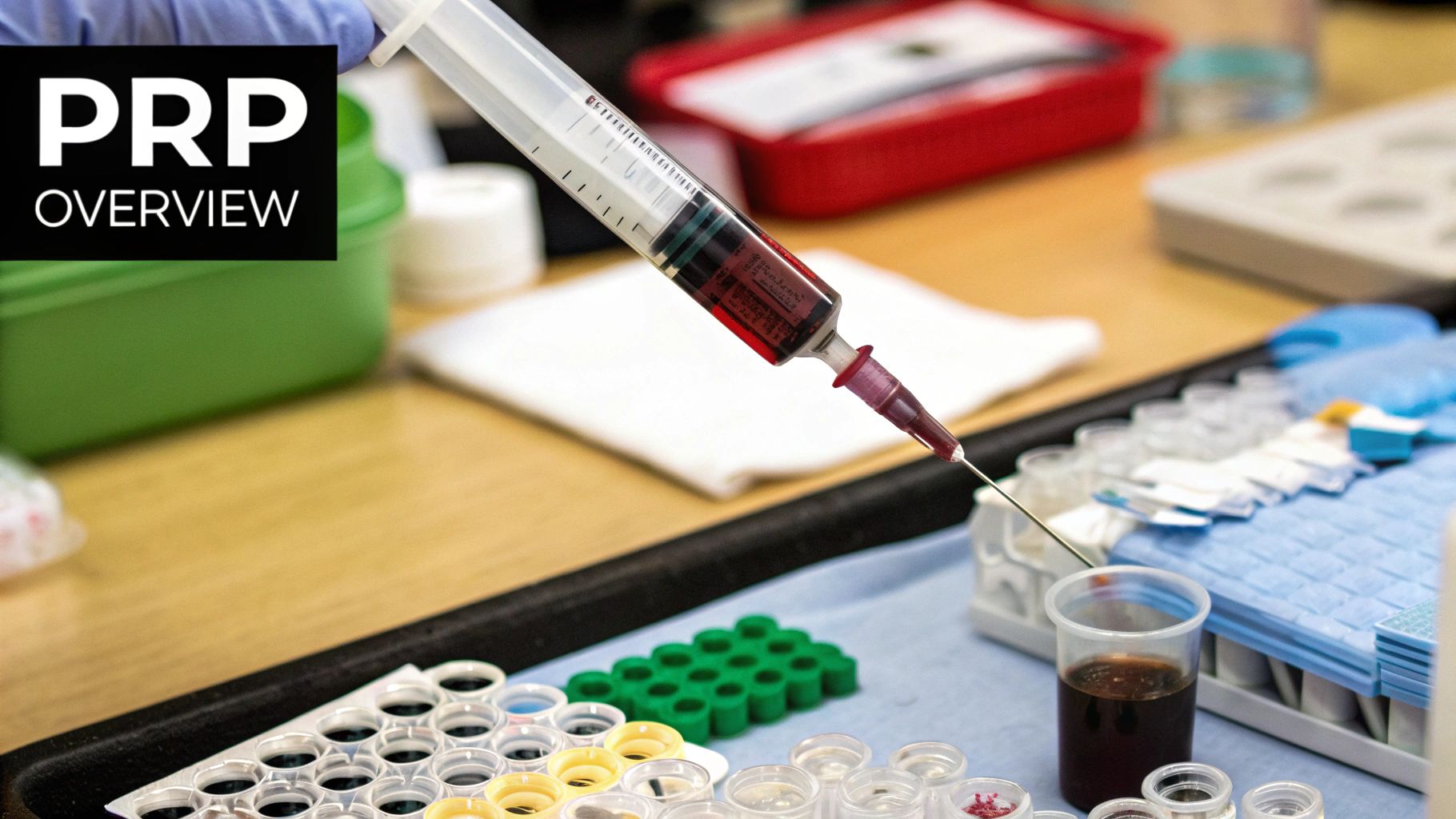
Male pattern baldness, also known as androgenetic alopecia (AGA), is a common concern for many men. This progressive condition doesn't develop suddenly. Instead, it's a gradual process involving genetics, hormones, and age. Understanding the science behind AGA is key to exploring effective treatments, such as PRP therapy.
The Role of DHT in Hair Loss
Dihydrotestosterone (DHT), a hormone derived from testosterone, is a primary driver of male pattern baldness. Testosterone plays a vital role in male development and bodily functions. However, DHT can negatively impact hair follicles. DHT miniaturizes these follicles, shortening their growth phase and leading to thinner, shorter hairs. Over time, these follicles may stop producing hair altogether. This process is genetically determined, explaining why some men are more prone to hair loss than others.
How Age Influences Hair Loss
The impact of DHT on hair follicles increases with age. As men grow older, their follicles become more sensitive to DHT. This increased sensitivity, combined with potential fluctuations in DHT levels due to naturally declining testosterone, can accelerate hair loss. While AGA can start in a man's twenties, it's more frequently seen in older men.
Male pattern baldness, or androgenetic alopecia (AGA), affects a significant portion of the population, with up to 80% of men and 40% of women experiencing it by age 80. The prevalence of AGA is notably high among individuals of Caucasian descent, often with significant emotional and psychological consequences. Platelet-rich plasma (PRP) therapy has emerged as a promising treatment for AGA, offering a minimally invasive alternative to traditional surgical and pharmaceutical interventions. PRP therapy involves injecting platelet-rich plasma into the scalp to stimulate hair growth by leveraging the healing properties of platelets. Studies suggest that PRP can increase hair density and thickness. However, the duration of these effects varies, and further research is needed to fully understand its long-term efficacy. Learn more here.
PRP: A New Approach to Hair Restoration
Finding effective treatments for AGA has been an ongoing challenge due to its complex nature. Platelet-Rich Plasma (PRP) therapy offers a new approach. This innovative treatment utilizes the body's natural healing mechanisms to potentially combat hair loss. PRP therapy involves extracting a small amount of the patient's blood, processing it to concentrate the platelets, and then injecting this platelet-rich plasma into the scalp. This concentrated solution delivers a potent mix of growth factors directly to the affected hair follicles. PRP therapy provides a potential middle ground between less invasive options, like topical medications, and more drastic measures like hair transplant surgery.
How PRP Unleashes Your Body's Natural Hair Growth Potential
PRP therapy for male pattern baldness isn't simply about injecting platelets. It's about activating your body's inherent hair growth mechanisms. This treatment utilizes the healing power of platelet-rich plasma (PRP), a concentrated solution derived from your own blood. How does this process work, and what makes it so compelling for hair restoration?
From Blood Draw to Scalp Application: The PRP Journey
The PRP journey begins with a standard blood draw, much like a routine blood test. This blood is then processed in a centrifuge, a machine that spins the blood at high speeds to separate its components. This isolates the platelet-rich plasma, containing a high concentration of growth factors. These growth factors are essential to PRP's effectiveness.
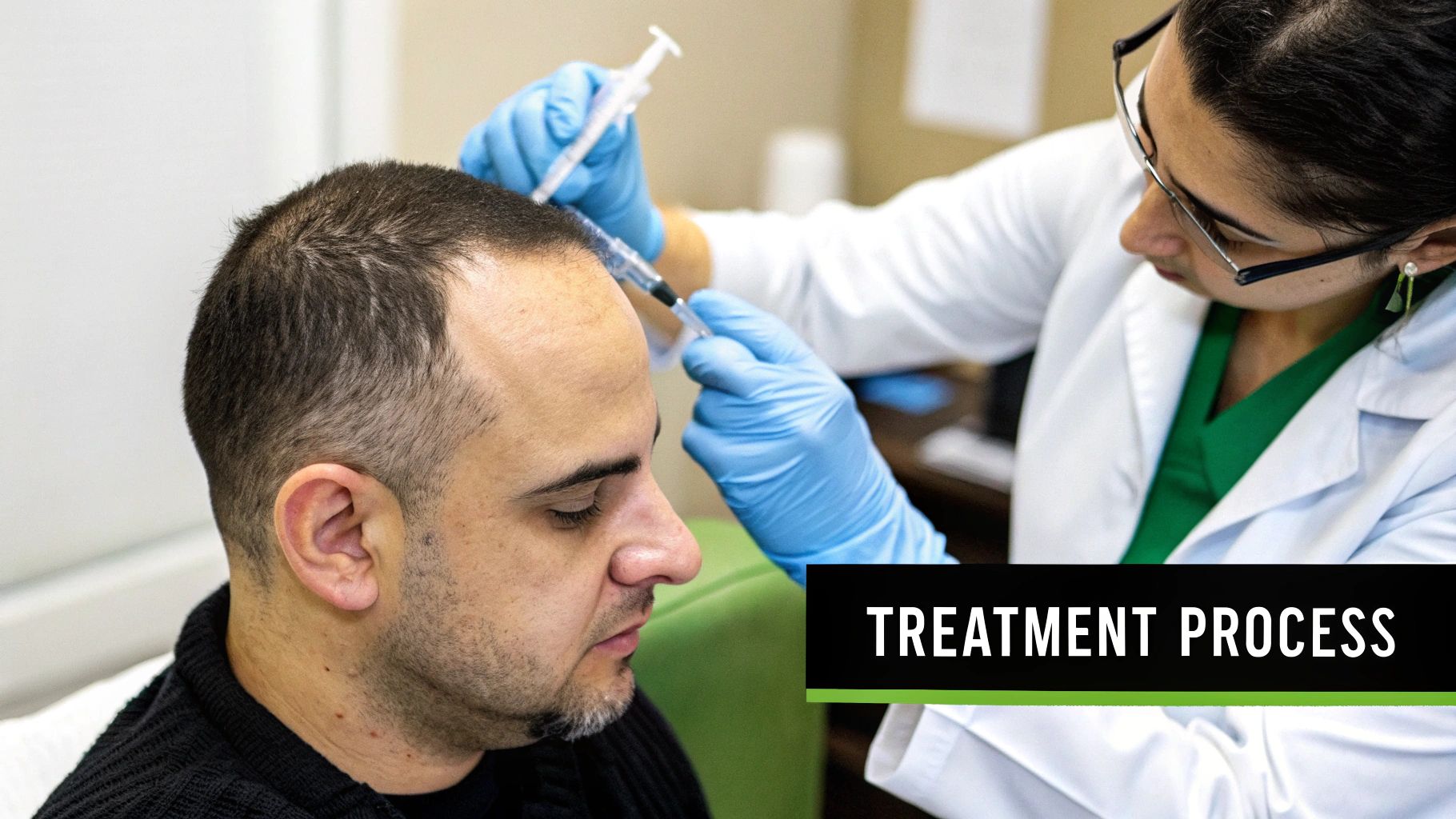
The concentrated PRP is then meticulously injected into the scalp, targeting areas with thinning or hair loss. This precise application delivers the growth factors directly to the hair follicles. It's like giving your hair follicles a powerful boost, encouraging them to re-enter the growth phase. Accurate clinical documentation is essential for tracking PRP's efficacy. Resources like those found on improving clinical documentation can be helpful for clinicians.
The Power of Growth Factors: Igniting Hair Follicle Regeneration
Once injected, the growth factors within the PRP go to work, stimulating cellular regeneration and promoting blood vessel formation around the hair follicles. These growth factors act as messengers, signaling the body to restart the natural hair growth process.
They promote cell division, encourage the formation of new blood vessels to nourish the follicles, and extend the anagen phase, the active growth phase of the hair cycle.
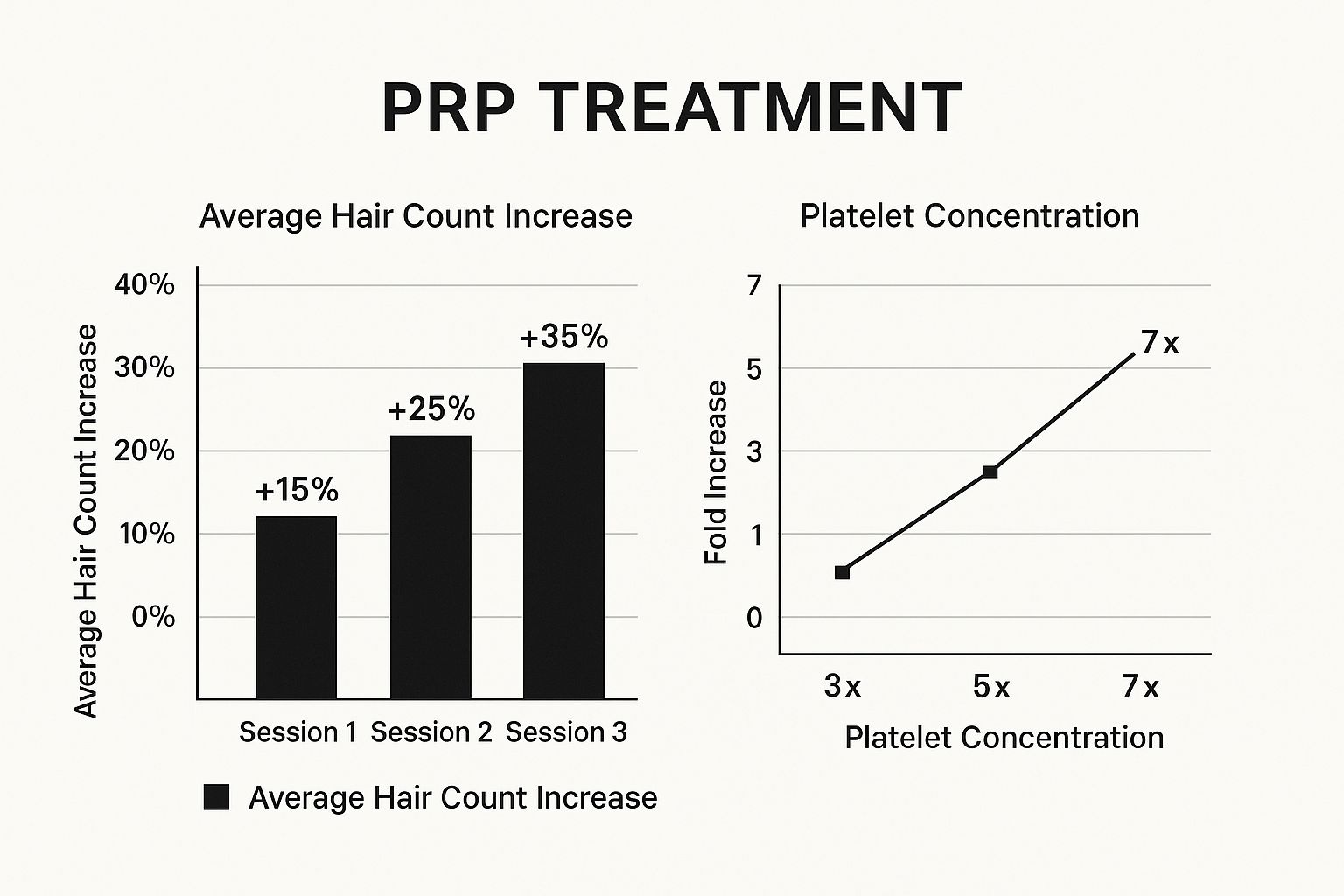
This infographic illustrates the average hair count increase after three PRP sessions and the fold increase in platelet concentration through PRP preparation. The data suggests a correlation between the increased platelet concentration and the progressive improvement in hair count over multiple treatments. This highlights the importance of both the preparation technique and consistent PRP application for optimal results.
To further understand the role of these growth factors, let's examine them in more detail:
Key Growth Factors in PRP and Their Functions
| Growth Factor | Function | Effect on Hair Follicles |
|---|---|---|
| Platelet-Derived Growth Factor (PDGF) | Promotes cell growth and division | Stimulates hair follicle growth and development |
| Transforming Growth Factor-Beta (TGF-β) | Regulates cell growth and differentiation | Promotes hair follicle development and maintenance |
| Vascular Endothelial Growth Factor (VEGF) | Stimulates the formation of new blood vessels | Improves blood supply to hair follicles, promoting growth |
| Fibroblast Growth Factor (FGF) | Promotes cell growth and differentiation | Stimulates hair follicle growth and development |
| Epidermal Growth Factor (EGF) | Promotes cell growth and survival | Supports hair follicle growth and maintenance |
This table summarizes the key growth factors present in PRP and their respective functions in hair follicle regeneration. Each growth factor plays a crucial role in promoting healthy hair growth.
Variations in PRP Preparation: Impacting Your Results
While the core principles of PRP therapy remain consistent, variations in preparation techniques exist across different clinics. These variations, such as the specific centrifuge used or the platelet activation method, can impact the concentration of growth factors in the final PRP solution. Consequently, this can influence overall treatment outcomes.
Consulting with experienced providers is crucial. They can explain their specific PRP protocol and how it is tailored to individual needs. The precise injection technique is another important factor, influencing how effectively the growth factors reach the targeted hair follicles.
The Evidence: What Research Reveals About PRP's Effectiveness
The growing interest in Platelet-Rich Plasma (PRP) therapy for male pattern baldness brings an important question to the forefront: does it actually deliver results? This section explores the available research to give you a clear, evidence-based view of PRP's efficacy, examining both its potential and the current limitations of scientific studies.
Analyzing Clinical Trials and Their Findings
Numerous studies have examined the potential of PRP for hair restoration. These trials vary in their size, methodology, and the characteristics of the participants. This leads to a complex and nuanced understanding of PRP's effects. Some studies, for example, concentrate on hair count and density, while others evaluate hair thickness or the patient's overall clinical improvement.
This variation makes it important to carefully analyze research results. The duration of the studies and their follow-up periods also influence the conclusions we can draw about the long-term effectiveness of PRP.
Many studies show short-term improvements, but further research is needed. We need to determine how long these benefits are sustained and whether PRP can genuinely reverse established hair loss. Understanding the specific treatment protocols used in each study is also key for comparing results and pinpointing the most effective PRP approaches.
Patient Profiles and Realistic Improvement
Recent studies suggest that certain individuals might respond better to PRP therapy than others. Factors like age, the stage of hair loss, and overall health can all affect treatment outcomes. This means PRP may not be equally effective for everyone. It's crucial to have realistic expectations about what PRP can achieve.
While some people experience significant hair regrowth, others see more subtle improvements, such as increased hair thickness or density. PRP therapy usually requires multiple sessions and ongoing maintenance treatments to maintain results.
To illustrate the current research landscape, the following table summarizes key clinical studies on PRP for male pattern baldness:
Summary of Key PRP Clinical Studies for Male Pattern Baldness
This table compares important clinical studies, their methods, and results to provide a comprehensive view of the research evidence.
| Study | Participants | Treatment Protocol | Results | Follow-up Period |
|---|---|---|---|---|
| Frontiers in Medicine 2022 | 19 patients with moderate to severe Androgenic Alopecia (AGA) | PRP injections every four weeks | Statistically significant increase in average hair thickness sustained for three months post-treatment | 3 months |
| (Add additional studies here) | ||||
This table highlights the variability in study designs and outcomes, underscoring the need for more standardized research in this field. Further research is necessary to fully understand the long-term efficacy of PRP for male pattern baldness across diverse patient populations.
Measuring Success and Future Directions
Researchers utilize a variety of methods to measure the effectiveness of PRP. These include:
- Hair Count and Density: Evaluating the number of hairs in a specific area of the scalp.
- Hair Shaft Diameter: Measuring the thickness of individual hair strands.
- Global Photographic Assessment: Using standardized photographs to document and track changes in hair growth.
- Patient-Reported Outcomes: Collecting feedback directly from patients regarding their perceived improvements and satisfaction.
These combined measurements give a more complete picture of PRP's impact on hair growth. Continued research is crucial, however, to refine PRP protocols, optimize treatment delivery methods, and better understand the long-term effects of this promising therapy for male pattern baldness.
Your PRP Journey: From Consultation to Results
Considering PRP for male pattern baldness? Your journey begins with a comprehensive consultation. This initial appointment is essential for determining your suitability and setting realistic expectations. This guide walks you through each phase, from the initial consultation to the potential results.
The Initial Consultation: Assessing Your Candidacy
Your first consultation involves a thorough evaluation of your medical history, hair loss pattern, and overall health. This assessment helps determine your candidacy for PRP therapy. Expect questions about your family history of hair loss, current medications, and any prior hair loss treatments.
This consultation is also your chance to ask questions about the procedure, potential risks, and expected outcomes. Open communication with your practitioner is vital for informed decision-making. Setting realistic expectations about PRP's potential impact in your specific case is a key part of this process.
Treatment Day: A Step-by-Step Guide
The PRP treatment process is relatively straightforward. It begins with a small blood draw, similar to a standard blood test. Your blood is then processed in a centrifuge, a device that separates the platelet-rich plasma (PRP) from other blood components.
This concentration process creates the PRP solution, rich in growth factors that stimulate hair follicle activity.
Once prepared, the PRP is precisely injected into the targeted areas of your scalp experiencing thinning or hair loss. The practitioner uses specialized injection techniques to ensure the PRP effectively reaches the hair follicles.
Post-Treatment Care and Recovery
Following your PRP injections, you can typically resume normal activities with minimal downtime. Some individuals may experience mild redness, swelling, or tenderness at the injection sites. These side effects are usually temporary.
Your practitioner will provide detailed post-treatment instructions. These may include temporarily avoiding strenuous exercise, excessive sun exposure, or certain hair products. These precautions help minimize potential side effects and optimize your results.
Tracking Your Progress and Long-Term Results
PRP therapy usually involves multiple treatments spaced several weeks apart. The required number of sessions depends on individual needs and the extent of hair loss. Your practitioner will create a personalized treatment plan.
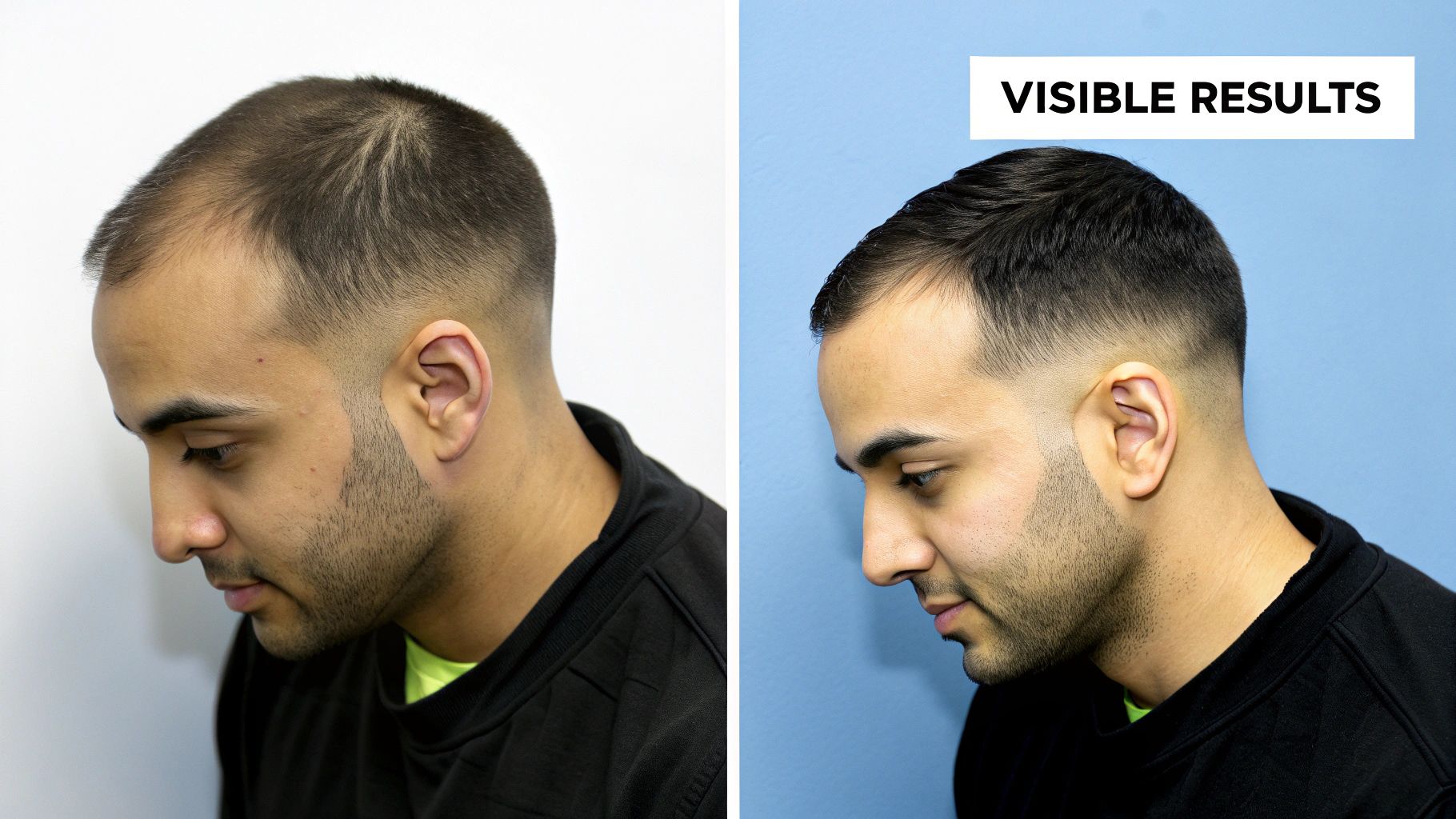
Many patients begin to see improvement, including increased hair thickness and density, after several treatments.
While PRP can offer promising results, it's important to remember that male pattern baldness is an ongoing condition. Maintenance treatments may be required to sustain the benefits of PRP. Regular follow-up appointments enable ongoing progress monitoring and necessary adjustments to your treatment plan.
PRP therapy for male pattern baldness is not a quick fix. It requires commitment to multiple treatments and ongoing maintenance. However, for many men, the potential for thicker, healthier hair makes PRP a valuable option in their hair restoration journey.
PRP vs. Traditional Hair Loss Solutions: Making Your Choice
Choosing the right hair loss treatment can be daunting. This section compares Platelet-Rich Plasma (PRP) therapy with more established methods like finasteride, minoxidil, laser therapy, and hair transplantation. We’ll delve into their effectiveness, required maintenance, potential side effects, and long-term implications to help you decide where PRP fits into your hair restoration plan.
PRP and Finasteride/Minoxidil: A Combined Approach?
Many men initially use medications like finasteride, which blocks DHT formation, or minoxidil, a topical solution promoting hair growth. These can be effective, but they require consistent use and may have side effects. Some practitioners combine PRP with these medications, hoping that PRP can stimulate follicle activity while finasteride or minoxidil maintains that growth. This combined approach is promising, but more research is needed to evaluate its long-term success.
PRP vs. Laser Therapy: Stimulating Growth Differently
Low-Level Laser Therapy (LLLT) uses light energy to stimulate hair follicles. Like PRP, it's non-invasive. However, LLLT often requires frequent treatments, sometimes multiple times per week. PRP, conversely, typically involves sessions several weeks apart. The choice between PRP and LLLT depends on individual preferences, lifestyle, and the extent of hair loss. Some combine both treatments for potentially better results.
PRP as a Bridge to Transplantation?
Hair transplantation surgery is a more permanent solution, but it’s more invasive. Some consider PRP to slow hair loss or improve hair thickness before a transplant. Others use PRP afterward to aid healing and potentially boost graft survival. This demonstrates PRP's versatility as a standalone and complementary therapy.
Comparing Treatment Options: A Practical Overview
The table below compares various hair loss solutions:
| Treatment | Mechanism | Invasiveness | Maintenance | Potential Side Effects |
|---|---|---|---|---|
| PRP | Stimulates hair follicles with growth factors | Minimally invasive (injections) | Periodic maintenance treatments | Mild pain, swelling at injection site |
| Finasteride | Blocks DHT formation | Oral medication | Daily use | Sexual side effects, decreased libido |
| Minoxidil | Promotes hair growth | Topical solution | Daily use | Scalp irritation |
| LLLT | Stimulates follicles with light energy | Non-invasive | Frequent treatments | Temporary shedding, scalp irritation |
| Transplantation | Relocates hair follicles | Surgical procedure | Minimal maintenance | Scarring, infection risk |
This comparison highlights different approaches and factors for each treatment. Consulting a qualified hair restoration specialist is essential. They can determine the best options for your specific needs and hair loss pattern. The goal is a personalized plan, whether PRP alone or combined with other therapies, to achieve the best outcome for your hair restoration.
Realistic Expectations: Managing Risks and Maximizing Results
While PRP therapy offers a promising approach to combating male pattern baldness, it's crucial to approach treatment with realistic expectations. Understanding the potential risks, alongside the factors that maximize results, empowers you to make an informed decision about whether PRP aligns with your hair restoration goals.
Managing Potential Side Effects
PRP therapy, using your own blood, is generally considered safe. However, like any medical procedure, it carries potential side effects. Most are mild and temporary, typically occurring at the injection site.
- Mild Pain or Discomfort: This is common during and immediately after the injections.
- Swelling or Redness: The injection sites may appear slightly swollen or red for a short period.
- Itching or Tenderness: Some individuals experience mild itching or tenderness at the injection sites.
These reactions usually resolve within a few days. Rarer complications, like infection or nerve damage, are possible, though less common. Choosing a qualified and experienced provider significantly minimizes these risks. Knowing what’s normal during recovery helps differentiate typical reactions from potentially concerning symptoms.
Factors Influencing PRP Success
Several factors contribute to the success of PRP therapy for male pattern baldness. Your age plays a role, as younger individuals with less advanced hair loss often respond better. The stage of hair loss progression is another key element. PRP is generally more effective in stimulating dormant follicles than reviving completely atrophied ones.
Your overall medical history and any underlying health conditions can also influence treatment outcomes. Even lifestyle factors, such as diet, stress levels, and smoking, can impact hair health and potentially affect PRP’s effectiveness. A nutrient-rich diet supporting hair follicle health can complement PRP therapy.
Choosing the Right Provider: Credentials and Expertise
Selecting a reputable and experienced provider is paramount for safe and effective PRP treatment. Thoroughly evaluate clinic credentials and look for practitioners with specific training and expertise in PRP hair restoration. Asking pertinent questions during your consultation reveals their true expertise.
Inquire about their PRP protocol, the type of equipment they use, and their experience with different hair loss patterns. Be wary of providers who oversell benefits or guarantee unrealistic results. A reputable practitioner will provide an honest assessment, discuss potential risks and limitations, and set reasonable expectations. Managing risks and maximizing results in PRP treatment also requires focusing on patient satisfaction; helpful strategies can be found in resources like Strategies to Improve Customer Satisfaction and Retention.
Practical Considerations: Cost and Insurance
The cost of PRP therapy can vary depending on several factors, including location, the provider’s experience, and the number of treatments required. Most patients need multiple sessions for optimal results, followed by maintenance treatments to sustain improvements.
Discuss the complete cost structure with your provider upfront, including the cost of initial consultations, individual sessions, and any necessary follow-up appointments. Insurance coverage for PRP hair restoration is often limited, as it’s considered a cosmetic procedure. However, some insurance plans may cover part of the cost if hair loss is related to a medical condition. Check your specific policy to understand your potential coverage.
Maintaining Results: The Importance of Follow-Up Treatments
PRP isn’t a one-time fix. Maintaining the achieved results typically requires periodic maintenance treatments. The frequency of these sessions can vary based on your individual response and the progression of your hair loss. Your provider will recommend a personalized maintenance schedule, which might involve treatments every few months or annually. These follow-up sessions help sustain the improvements gained from the initial PRP treatments.
Ready to explore the potential of PRP for your hair restoration journey? Visit PRP for HairLoss to learn more about this treatment and discover how it can help you achieve thicker, healthier hair.

 PRP For Hairloss
Leave a comment