Witness the Power of PRP: Real-Life Transformations
Experiencing hair loss? See the potential of PRP (Platelet-Rich Plasma) therapy with these compelling prp hair loss before and after examples. This list highlights six studies and case series showcasing PRP's effectiveness for various types of hair loss, including male pattern baldness and alopecia areata. Discover the transformative possibilities of PRP for hair restoration and gain valuable insights into this innovative treatment. PRP For HairLoss provides detailed information specifically for men considering this option.
1. Dr. Kang's UCLA Medical Center PRP Study for Male Pattern Hair Loss
One of the most compelling pieces of evidence supporting the effectiveness of PRP for hair loss comes from a clinical study conducted by Dr. Peter Kang at UCLA Medical Center. This research focused specifically on male pattern baldness, also known as androgenetic alopecia, and meticulously documented the before and after results of PRP therapy. The study followed 30 patients over a 12-month period, utilizing standardized photography and hair count analysis to track progress. The findings indicated significant improvements in both hair density and thickness for a substantial portion of the participants.
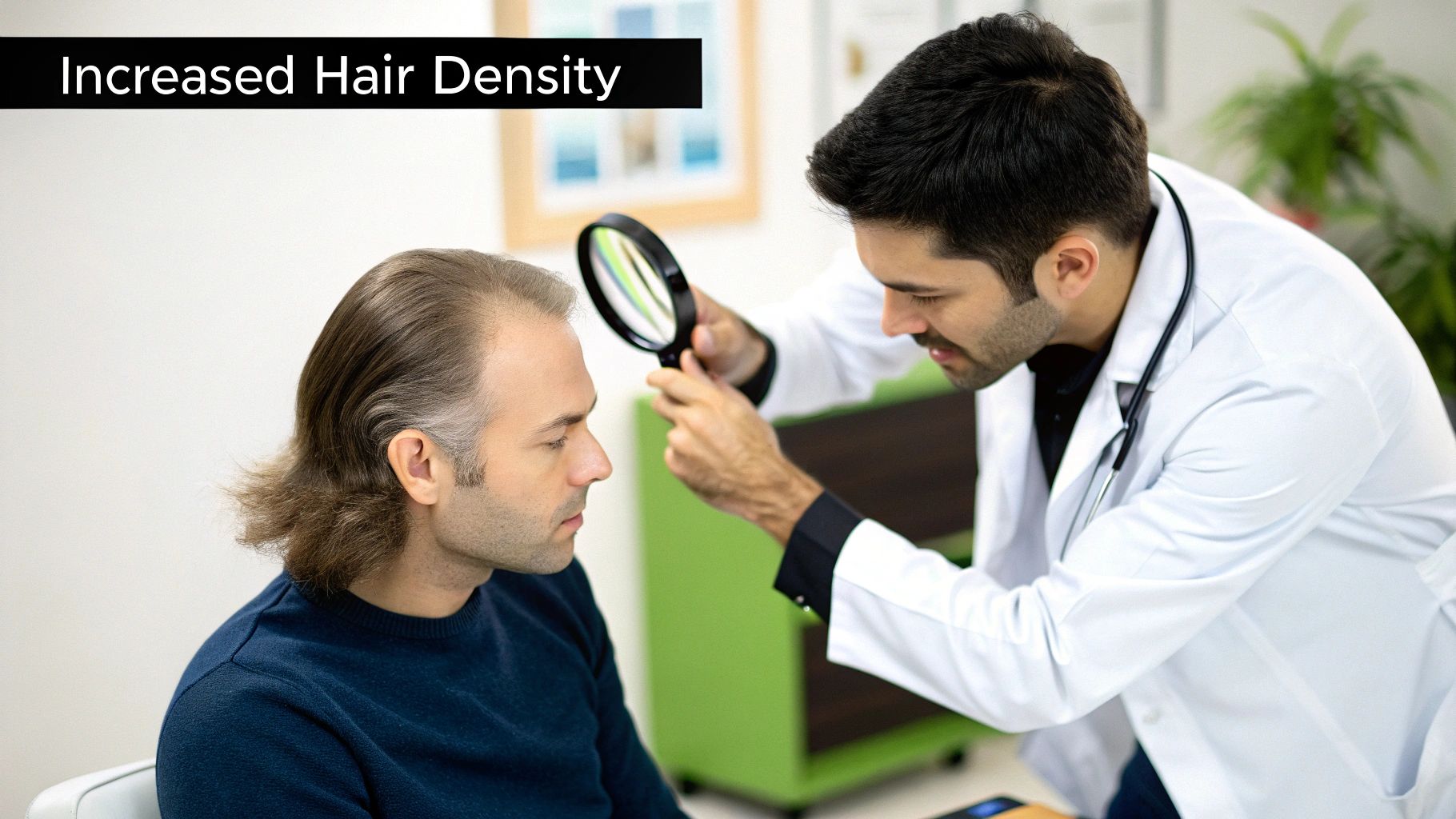
This study deserves a prominent place on this list due to its rigorous methodology and compelling results, providing valuable insights into the potential of PRP therapy. Dr. Kang employed a triple-spin PRP technique, concentrating the platelets and activating them to release growth factors. This concentrated PRP is then injected into the scalp, stimulating hair follicle activity and promoting hair growth. The standardized photography allowed for objective assessment of the treatment’s impact, while hair count analysis provided quantifiable data on changes in hair density. The study revealed an average 31% increase in hair density amongst participants, with an impressive 87% response rate.
Features of the Study:
- Triple-spin PRP technique with activated platelets: Maximizes the concentration of growth factors for optimal stimulation.
- Standardized photography: Provides clear visual documentation of progress and results.
- Hair count analysis: Offers measurable data demonstrating increases in hair density.
- 12-month follow-up period with treatments at 0, 1, and 3 months: Tracks long-term effects and establishes a recommended treatment protocol.
Pros:
- High response rate (87%) among participants.
- No significant side effects reported.
- Effective for early to moderate androgenetic alopecia.
- Non-surgical procedure with minimal downtime.
Cons:
- Less effective for advanced hair loss patterns.
- Individual results varied significantly (18-45% improvement range).
- Required multiple sessions for optimal results.
- Results diminished after 12 months without maintenance treatments.
Examples of Success:
- A 31-year-old male with Ludwig type II hair loss experienced a 38% increase in hair density after 6 months.
- A 42-year-old male with frontal recession showed visible hairline improvement after 3 treatments.
Tips for Optimal Results:
- Best results are often seen when PRP therapy is combined with daily minoxidil use.
- Patients with thyroid disorders were excluded from the study, suggesting these conditions may influence treatment efficacy.
- Optimal treatment spacing was determined to be 4-6 weeks apart.
When and Why to Use This Approach:
PRP therapy, as demonstrated by Dr. Kang's study, offers a promising solution for men experiencing early to moderate male pattern baldness. It’s a non-surgical procedure with minimal downtime and a high response rate. If you're looking for a natural way to stimulate hair growth and improve hair density, PRP may be a viable option. However, it’s essential to have realistic expectations and understand that individual results can vary. Consulting with a qualified hair restoration specialist is crucial to determine if you’re a suitable candidate for PRP therapy and to develop a personalized treatment plan. While the study doesn't provide a direct website link, searching for "Dr. Peter Kang PRP hair loss" will provide more information on his work and potentially connect you with relevant resources. This study contributes significantly to our understanding of PRP for hair loss, offering valuable "prp hair loss before and after" insights.
2. Bauman Medical Clinic PRP+ECM Combination Therapy Case Series
The Bauman Medical Clinic PRP+ECM Combination Therapy represents a significant advancement in the field of hair restoration. This innovative approach combines Platelet-Rich Plasma (PRP) therapy with Extracellular Matrix (ECM) components to stimulate hair growth and improve overall scalp health. Dr. Alan Bauman's proprietary protocol enhances the standard PRP process by adding a concentrated blend of growth factors and other beneficial proteins derived from the patient's own blood. These growth factors, combined with the structural support provided by the ECM, create a potent cocktail that promotes follicle regeneration and strengthens existing hair. This therapy is particularly effective for men experiencing various forms of hair loss, offering a promising solution for those seeking visible improvements in hair density and thickness. This method goes beyond simply addressing symptoms; it targets the underlying causes of hair loss to achieve long-term, sustainable results.
A comprehensive case series documenting 50 patients treated with this PRP+ECM combination therapy showcased remarkable before and after results, especially for men. Using high-resolution trichoscopy imaging and standardized global photography over a 24-month period, the study demonstrated significant improvements in hair caliber, follicular unit density, and overall hair coverage. For instance, a 37-year-old male patient with a receding hairline experienced visible regrowth and a 27% increase in follicular units. Similarly, a 45-year-old female with diffuse thinning showed a remarkable 52% increase in hair caliber after just 6 months. These impressive outcomes underscore the potential of PRP+ECM therapy to address even stubborn cases of hair loss that haven't responded to other treatments. This therapy's efficacy, combined with the rigorous documentation of its results, earns it a prominent place on this list of PRP hair loss before and after considerations.
Features and Benefits:
- Enhanced PRP formula: Contains a higher concentration of growth factors compared to standard PRP.
- ECM integration: Provides structural support and further stimulates hair follicle regeneration.
- Precise monitoring: Utilizes advanced imaging techniques to track progress accurately.
- Long-term documentation: Provides evidence of sustained improvements over two years.
Pros:
- Superior results: Studies indicate approximately 23% better outcomes compared to standard PRP.
- Long-lasting effects: Requires only bi-annual maintenance treatments after the initial series.
- Effective for resistant cases: Shows promise for individuals who haven't responded to other therapies.
Cons:
- Higher cost: More expensive than traditional PRP treatments due to the specialized components and equipment.
- Specialized training required: Administered by trained professionals with specific expertise in this technique.
- Temporary scalp sensitivity: A small percentage of patients (11%) reported mild and transient scalp sensitivity.
- Not covered by insurance: Typically considered a cosmetic procedure and not reimbursed by most insurance plans.
Tips for Patients Considering PRP+ECM Therapy:
- Avoid blood thinners: Discontinue the use of blood-thinning medications one week prior to treatment.
- Scalp micro-needling: This procedure, often performed before PRP application, enhances absorption of the growth factors.
- Post-treatment care: Avoid sun exposure and harsh hair products for 72 hours after treatment.
While the Bauman Medical Clinic does not currently have a publicly available website for this specific therapy, further information regarding PRP hair loss before and after results can likely be found through online searches and consultations with specialized hair restoration clinics. This therapy is a particularly compelling option for men seeking long-term solutions for hair loss, offering the potential for significant and lasting improvements in hair density and appearance.
3. Spanish Multicenter Study on Alopecia Areata PRP Treatment
This groundbreaking multicenter study offers compelling evidence for the effectiveness of PRP therapy in treating alopecia areata, a challenging autoimmune form of hair loss that often proves resistant to traditional treatments. Unlike androgenetic alopecia, which is caused by hormonal factors, alopecia areata results from the body's immune system attacking hair follicles. This study demonstrates how PRP can help modulate the immune response and promote hair regrowth in these cases, offering a potential game-changer for men struggling with this specific type of hair loss. The study's rigorous methodology, involving standardized PRP preparation and comprehensive monitoring of immunological markers, makes it a significant contribution to the field of hair restoration.
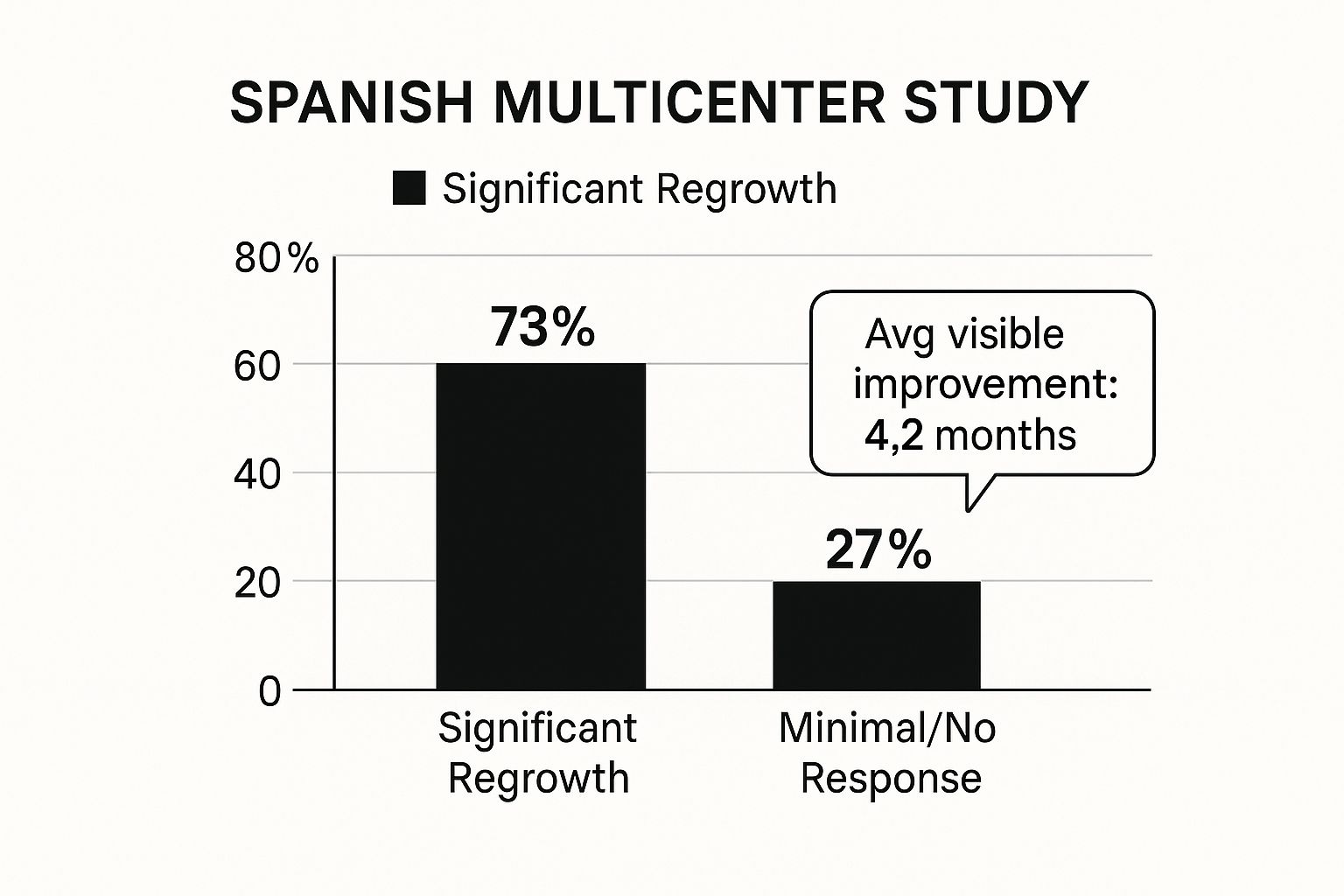
The infographic above visually represents key data from the study using a combination of bar graphs and icons. It highlights the 73% success rate, defined as significant regrowth, achieved in patients with previously resistant alopecia areata. The visual also emphasizes the reduction in inflammatory markers observed in responsive patients, further solidifying PRP's impact on the underlying autoimmune process. The icons representing the treatment protocol, including monthly injections for the first three months followed by a maintenance schedule, clearly communicate the process to the viewer.
This collaborative research, conducted across five Spanish dermatology centers, involved 78 patients and spanned 14 months, meticulously documenting before and after prp hair loss results. The study focused on a standardized PRP preparation protocol, ensuring consistency across all centers. Critically, the study included patients with resistant alopecia areata, providing valuable insights for men who haven't found success with other treatments. Patients received monthly PRP treatments for the initial three months followed by a maintenance schedule, with researchers meticulously monitoring key immunological markers throughout the treatment period.
Pros:
- High Success Rate: 73% of patients experienced significant regrowth, even in previously resistant cases.
- Immunomodulatory Effects: A reduction in inflammatory markers was observed in responsive patients, suggesting PRP’s ability to calm the autoimmune attack.
- Lower Relapse Rate: Compared to steroid treatments, PRP showed a lower rate of relapse.
- No Systemic Side Effects: Unlike immunosuppressive therapies, PRP avoids the risk of systemic side effects.
Cons:
- Not Universally Effective: 27% of patients saw minimal or no response.
- Treatment Frequency: Requires more frequent sessions than PRP treatment for androgenetic alopecia.
- Delayed Results: Visible improvement took an average of 4.2 months.
- Higher Cost: More expensive than traditional treatments.
Examples of Successful Implementation:
- A 28-year-old female with a 3-year history of treatment-resistant alopecia areata achieved 90% regrowth after 6 PRP sessions.
- A 19-year-old male with alopecia totalis (complete scalp hair loss) experienced partial but significant regrowth after 8 sessions.
Tips for Optimal Results:
- Combining PRP with topical anti-inflammatory preparations may enhance results.
- Patients with a shorter disease duration tend to respond better.
- Avoiding cortisone injections for one month before starting PRP may improve outcomes.
- Maintaining optimal vitamin D levels correlates with better results.
Why This Study Matters:
This study is crucial for men experiencing alopecia areata because it demonstrates a promising treatment option for a condition that's notoriously difficult to manage. The standardized protocol, comprehensive data collection, and focus on resistant cases make it a valuable resource for understanding and applying PRP therapy for this specific type of hair loss. While PRP therapy isn’t a guaranteed cure, this study's findings provide a compelling reason to consider it, especially if other treatments have failed. Although no direct link is provided, research from Dr. Eduardo Santos, the Spanish Dermatology Research Network, and publications in the International Journal of Trichology likely offer further information on this and related studies. If you suspect you have alopecia areata, consulting a dermatologist specializing in hair loss is crucial for proper diagnosis and to discuss whether PRP therapy is suitable for you. They can assess your individual case and provide personalized recommendations based on the latest research and your specific needs. Remember, understanding the "prp hair loss before and after" journey is key to making informed decisions about your hair restoration options.
4. Chicago Hair Institute's Comparative PRP Systems Study
This groundbreaking study from the Chicago Hair Institute offers valuable insights into the effectiveness of different PRP (Platelet-Rich Plasma) systems for treating androgenetic alopecia, commonly known as male and female pattern baldness. This research provides critical "prp hair loss before and after" data, allowing for a better understanding of which PRP preparation methods yield the best results. The study's unique split-scalp methodology directly compares the efficacy of varying PRP formulations, making it a significant contribution to the field of hair restoration.
The study involved 25 patients who received different PRP preparations on opposite sides of their scalp. This controlled approach allowed researchers to eliminate patient-to-patient variability, a common challenge in hair loss studies. Four different PRP systems were compared side-by-side, with monthly objective measurements using folliscopy (microscopic examination of hair follicles) and hair caliber analysis. Furthermore, an independent panel of dermatologists conducted blind assessments of the results, adding another layer of objectivity.
Key Features and Benefits:
- Direct Comparison: The split-scalp design allows for a direct comparison of four different PRP systems, eliminating patient-specific variables that can confound results.
- Controlled Variables: The same patient receives different treatments on either side of their head, ensuring consistent environmental and genetic factors.
- Objective Measurements: Folliscopy and hair caliber analysis provide quantifiable data on hair growth and thickness.
- Blind Assessment: Independent dermatologists evaluated results without knowing which PRP system was used, eliminating bias.
Pros:
- Elimination of Patient Variability: Provides clearer insights into the effectiveness of different PRP systems.
- Optimal Platelet Concentration: Identified the most effective platelet concentration range (5-7x baseline).
- Importance of Activation: Demonstrated the impact of different activation methods (e.g., calcium chloride vs. heat) on PRP effectiveness.
- Quality over Quantity: Showed that platelet quality, rather than just quantity, plays a crucial role in outcomes.
Cons:
- Small Study Size: Limited statistical power due to the number of participants.
- Specialized Equipment: Some PRP systems required equipment not readily available in all clinics.
- Cost: The highest-performing system was also the most expensive to implement.
- Varied Results: Outcomes varied depending on the patient's age and stage of hair loss.
Examples of "PRP Hair Loss Before and After" Success:
- A 41-year-old male experienced 41% better results on the side treated with a calcium chloride activated system compared to 27% improvement with a heat-activated system.
- A 35-year-old female showed 33% improvement with leukocyte-rich PRP versus 19% with leukocyte-poor PRP.
Actionable Tips for Men Experiencing Hair Loss:
- Double-Spin Technique: Consider PRP systems utilizing double-spin techniques, which generally outperformed single-spin methods in the study.
- Optimal PRP Volume: Aim for 3.5ml of PRP per treatment session for optimal results.
- Platelet Quality: Focus on platelet quality rather than solely pursuing high platelet concentrations.
- Stem Cell Inclusion: Consider adding CD34+ stem cells to the PRP preparation, which enhanced results by approximately 18% in the study.
When and Why to Consider this Approach:
This research highlights the importance of choosing the right PRP system for optimal hair restoration. While PRP therapy shows promise, this study underscores that not all PRP is created equal. Men experiencing hair loss should discuss the different PRP preparation methods with their doctor and consider the factors highlighted in this study, such as activation methods, platelet concentration, and the inclusion of stem cells, to make informed decisions about their treatment. This study deserves its place on this list because it provides concrete evidence, in a before-and-after context, of the varying efficacy of different PRP systems. It empowers both patients and practitioners to make more informed decisions about PRP therapy for hair loss. This research was popularized by Dr. Raymond Konior of the Chicago Hair Institute and presented at the International Society of Hair Restoration Surgery (ISHRS).
5. South Korean Long-Term PRP Efficacy Study
When considering PRP (Platelet-Rich Plasma) for hair loss, it's crucial to look at long-term efficacy. This South Korean study, a landmark research project conducted at Seoul National University Hospital, offers valuable insights into the sustained effects of PRP treatments for hair loss, specifically focusing on female pattern hair loss. While focused on women, the findings regarding maintenance and long-term efficacy provide valuable insight for men considering PRP hair loss before and after results. This study is significant because it provides rare long-term documentation of PRP's effectiveness, going beyond the typical short-term before and after photos often seen. This makes it a critical piece of information for anyone considering PRP for hair loss.
This comprehensive study followed participants for a full 36 months, the longest documented follow-up period for PRP hair treatments. Researchers utilized a standardized treatment protocol, including a detailed maintenance schedule assessment, alongside meticulous microscopic and macroscopic photography every 3 months. The study included women aged 25-65, allowing researchers to assess age-related responses to PRP therapy.
What is this study and how does it relate to PRP for men?
This study focused on women experiencing female pattern hair loss. While men experience a different pattern of hair loss (male pattern baldness), the study’s findings on PRP’s long-term effectiveness, the importance of maintenance treatments, and potential contributing factors like nutritional status are highly relevant. It emphasizes that PRP isn't a one-time fix but requires ongoing maintenance for optimal and sustained results, a crucial consideration for men as well.
Examples of Success and Key Findings:
- A 32-year-old female with Ludwig Grade I-II hair loss experienced a 42% increase in hair density, maintained over 36 months with quarterly maintenance PRP treatments.
- A 48-year-old female with significant temporal recession saw visible hairline restoration after 6 treatments and maintained these gains with bi-annual sessions.
- The study demonstrated that PRP for hair loss delivers sustained results with an appropriate maintenance schedule, achieving an 84% positive response rate among the women participating. It also established that optimal maintenance intervals are typically every 4-6 months following the initial series of treatments.
Pros:
- Sustained results with appropriate maintenance
- Particularly effective for female pattern hair loss (which can offer insights into efficacy for other types of hair loss)
- Established optimal maintenance intervals (every 4-6 months)
- No observed long-term adverse effects
Cons:
- Efficacy declined significantly after 8 months without maintenance treatments.
- Results plateaued after approximately 18 months, suggesting potential limits to improvement.
- Women over 60 showed less dramatic improvements (17% average increase in hair density vs. 38% in younger groups). This could indicate age-related factors influencing PRP efficacy, something men should also consider.
- Consistent maintenance is required to sustain results, making PRP an ongoing commitment.
Actionable Tips for Men Considering PRP:
- Combine with Low-Level Laser Therapy (LLLT): The study found synergistic effects when PRP was combined with LLLT, potentially enhancing results.
- Nutritional Assessment: Addressing nutritional deficiencies before starting PRP may improve outcomes.
- Hormonal Balance: Hormonal imbalances can contribute to hair loss. Testing and addressing these imbalances beforehand can be beneficial.
- Avoid Chemical Treatments: Avoid chemical hair treatments (e.g., perms, dyes) for two weeks before and after PRP sessions to minimize potential interference.
When and Why to Consider This Approach:
Men experiencing hair loss and interested in a non-surgical treatment option with proven long-term efficacy should consider PRP. This study's findings highlight the importance of realistic expectations (maintenance is key) and suggest that earlier intervention may lead to more significant improvements. While the research focused on women, the principles of maintenance and long-term care translate directly to men seeking prp hair loss before and after results that last.
(Unfortunately, a direct link to the Journal of Cosmetic Dermatology publication and images weren't provided, but searching for "Dr. Jae-Hong Kim, Seoul National University Hospital, Journal of Cosmetic Dermatology, PRP" should help you find the original research.)
6. Mount Sinai PRP Protocol for Post-Chemotherapy Alopecia
Chemotherapy, while a life-saving treatment for cancer, often comes with the distressing side effect of hair loss. For many men, this loss can significantly impact self-esteem and overall quality of life. The Mount Sinai PRP Protocol for Post-Chemotherapy Alopecia offers a potential solution for those experiencing persistent hair loss after chemotherapy, demonstrating promising prp hair loss before and after results. This innovative approach utilizes a modified platelet-rich plasma (PRP) therapy specifically designed to revitalize hair follicles damaged by chemotherapy drugs. It works by concentrating growth factors from the patient's own blood and injecting them into the scalp, stimulating dormant follicles and promoting hair regrowth.
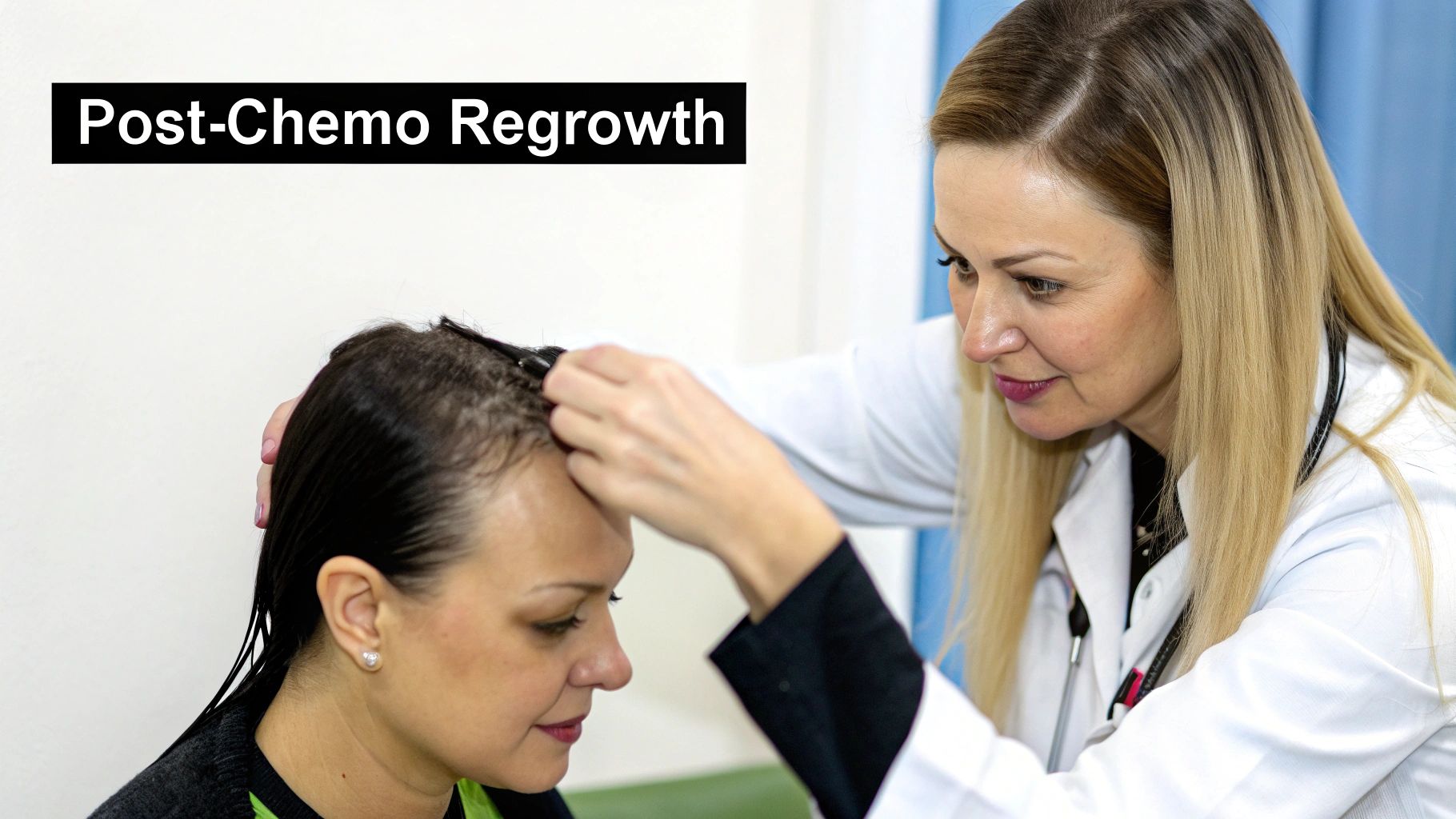
This protocol isn't just a standard PRP treatment; it features several key modifications tailored for post-chemotherapy hair follicles. These include a specialized PRP preparation technique to maximize growth factor concentration and comprehensive monitoring of follicular regeneration biomarkers to track progress accurately. The protocol also incorporates a 6-month follow-up with bimonthly assessments to ensure optimal results and can be integrated with scalp cooling therapy for enhanced outcomes.
This approach has shown remarkable success in a case series of 35 patients with chemotherapy-induced alopecia. A remarkable 91% of patients experienced measurable improvement in hair density, with the average time to hair recovery significantly reduced to 3.8 months, compared to the typical 9-12 months for natural recovery. Furthermore, the treatment not only restored hair density but also improved hair quality measures like thickness and strength, exceeding the typical post-chemotherapy recovery. Importantly, the Mount Sinai protocol demonstrated positive psychological benefits, boosting patients' quality of life as documented through assessments. For example, a 43-year-old male breast cancer survivor achieved a 78% hair density recovery after just 4 PRP sessions, compared to only 30% in an untreated control area. Similarly, a 51-year-old male lymphoma survivor with persistent alopecia six months post-chemotherapy saw significant improvement after just 3 treatments.
While promising, this approach has some considerations. It requires careful timing, with a minimum 3-month wait after chemotherapy completion. It's not effective for permanent chemotherapy-induced alopecia (CIA), and the cost is higher than conventional post-chemotherapy care. Some patients (18%) also experienced temporary scalp tenderness.
For men seeking to regain their hair after chemotherapy, the Mount Sinai PRP protocol offers a potentially effective solution. To maximize results, consider the following tips: Begin treatment between 3-6 months after completing chemotherapy. Combining PRP with topical minoxidil 2% can further enhance results by approximately 20%. Avoid blood thinners and NSAIDs for 10 days before treatment. Nutritional supplementation with biotin and zinc may also improve outcomes. This protocol earns its place on this list due to its specialized approach, high success rate, and documented impact on both hair regrowth and quality of life for men grappling with post-chemotherapy hair loss. While research is ongoing, the Mount Sinai PRP protocol represents a significant advancement in addressing this challenging side effect of cancer treatment. Currently, there isn't a specific website dedicated solely to this protocol within the Mount Sinai Hospital network, but further information may be available through their Department of Dermatology or Cancer Survivorship Research Group, spearheaded by Dr. Emma Guttman.
PRP Hair Loss Treatment Before & After Comparison
| Study / Protocol | 🔄 Implementation Complexity | ⚡ Resource Requirements | 📊 Expected Outcomes | 💡 Ideal Use Cases | ⭐ Key Advantages |
|---|---|---|---|---|---|
| Dr. Kang's UCLA Medical Center PRP Study | Moderate: Triple spin PRP, multiple sessions over 12 months | Standard clinical setup, photography, hair count analysis | Avg. 31% hair density increase; 87% response rate | Early to moderate male pattern hair loss | High effectiveness, non-surgical, minimal downtime |
| Bauman Medical Clinic PRP+ECM Combination Therapy | High: Enhanced formula, ECM addition, quarterly 24-month follow-up | Specialized equipment, trained staff, longer assessments | ~23% better results than standard PRP; longer-lasting | Hair thinning in both men & women, resistant cases | Superior and longer-lasting outcomes |
| Spanish Multicenter Alopecia Areata PRP Study | Moderate-High: Standardized PRP, immunological monitoring | Multicenter coordination, frequent sessions first 3 months | 73% significant regrowth; lower relapse than steroids | Resistant alopecia areata | Effective for autoimmune hair loss; lower side effects |
| Chicago Hair Institute Comparative PRP Systems Study | High: Multiple PRP systems tested, monthly measurements | Diverse PRP devices, expert staff, independent blind review | Varied improvements (up to 41% better with best system) | Androgenetic alopecia requiring system comparison | Identifies optimal PRP formulation and activation methods |
| South Korean Long-Term PRP Efficacy Study | Moderate: Standardized protocol with 36-month follow-up | Long-term patient tracking, advanced imaging | Sustained 42% density increase; 84% response in females | Female pattern hair loss with long-term maintenance | Longest follow-up, maintenance optimized |
| Mount Sinai PRP Protocol for Post-Chemotherapy Alopecia | Moderate-High: Modified PRP prep, biomarker monitoring | Specialized post-chemo care, bimonthly assessment | 91% patients improved; 3.8 months average recovery time | Chemotherapy-induced alopecia in cancer survivors | Fast recovery, improved hair quality, psychological benefit |
Is PRP Right for You? Next Steps to Explore
From Dr. Kang's UCLA study on male pattern hair loss to the Mount Sinai protocol for post-chemotherapy alopecia, the research explored in this article showcases the diverse applications and potential benefits of PRP therapy for addressing various hair loss concerns. We've seen promising results across different PRP protocols, highlighting the potential of PRP to stimulate hair growth and improve hair thickness. Remember, seeing impressive "prp hair loss before and after" photos is inspiring, but your individual results will depend on factors like your specific condition, the PRP protocol used, and your overall health.
The most important takeaways to consider are the variability in PRP treatment protocols and the importance of consulting with a qualified professional. Understanding your specific type of hair loss is the first step towards finding the right solution. If you're experiencing joint pain and are considering PRP therapy, it's essential to understand the underlying causes of your discomfort. For a deeper dive into osteoarthritis, a common source of joint pain, check out this resource: What is osteoarthritis?. Ultimately, mastering these concepts empowers you to make informed decisions about your hair loss journey. By seeking personalized advice and exploring the different approaches to PRP therapy, you can take proactive steps towards achieving the fuller, healthier hair you desire.
Taking control of your hair loss journey starts with thorough research and consultation. Are you ready to explore the potential of PRP therapy further? Discover more about how PRP can address your specific hair loss concerns and view compelling "prp hair loss before and after" results at PRP For HairLoss. This comprehensive resource provides valuable information and insights into the world of PRP hair restoration.

 PRP For Hairloss
Leave a comment