Understanding PRP and Its Potential Side Effects
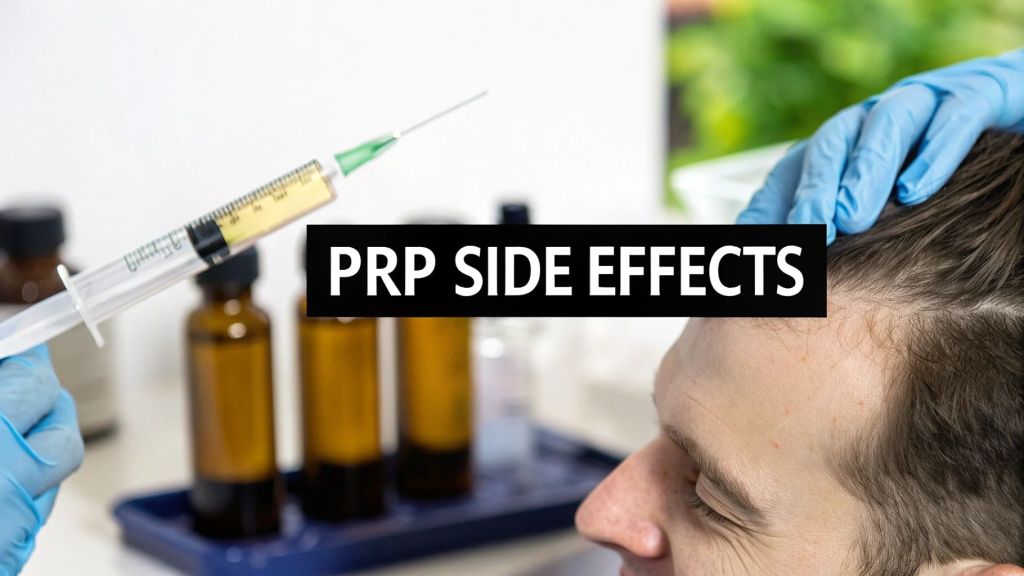
Considering PRP (platelet-rich plasma) hair treatment? This listicle outlines six potential prp hair treatment side effects you should know before making a decision. While PRP is generally safe, understanding the possibility of pain, infection, temporary shedding (Telogen Effluvium), headaches, bruising, and itching is crucial for informed consent. This straightforward list helps you weigh the benefits against potential prp hair treatment side effects so you can confidently discuss them with your doctor.
1. Pain and Discomfort at Injection Site
One of the most common prp hair treatment side effects is pain and discomfort at the injection site. This is an expected part of the procedure, as platelet-rich plasma (PRP) is delivered to the hair follicles via multiple injections into the scalp. The sensation can range from a mild pinching to a more intense discomfort, depending on individual pain tolerance and the practitioner's injection technique. This discomfort is primarily due to the needles penetrating the scalp and the pressure of the injected PRP.
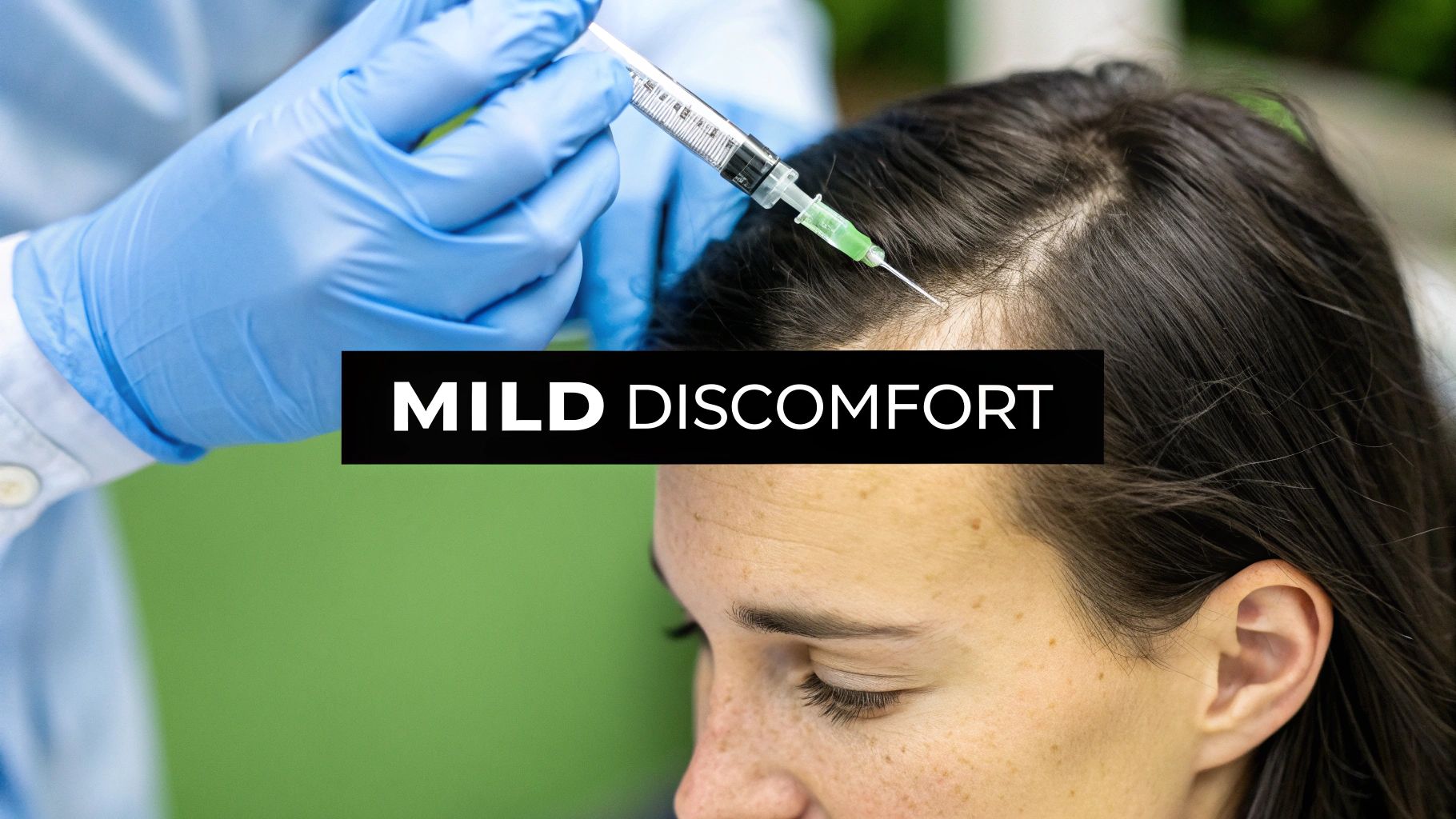
This side effect typically lasts for 1-3 days post-treatment. Along with the pain and discomfort, you may experience some redness, tenderness, and mild swelling around the injection sites. The intensity of these sensations often varies based on individual pain tolerance and is often more pronounced along the hairline and crown areas due to the increased sensitivity of the skin in these regions. While this discomfort is a common prp hair treatment side effect, it’s important to remember it’s usually temporary and resolves without intervention. In fact, it’s often considered an indicator that the PRP has successfully reached the target tissue.
Features:
- Typically lasts 1-3 days post-treatment
- May include redness, tenderness, and mild swelling
- Varies in intensity based on individual pain tolerance
- More pronounced at the hairline and crown areas
Pros:
- Generally temporary and resolves without intervention
- Indicates successful penetration to the target tissue
Cons:
- Can be particularly uncomfortable for pain-sensitive individuals
- May limit daily activities immediately after treatment
- Multiple treatment sessions multiply exposure to this side effect
For men experiencing hair loss and considering PRP therapy, understanding this side effect is crucial. While the treatment holds promise for hair restoration, the discomfort associated with the injections can be a significant factor in the decision-making process. A 2018 study in the Journal of Cosmetic Dermatology reported that 87% of patients experienced some degree of injection site discomfort, highlighting the prevalence of this side effect. Even celebrities like Kim Kardashian, who has undergone PRP hair treatment, have described the pain as "uncomfortable but manageable." This anecdotal evidence further reinforces the importance of being prepared for this aspect of the procedure.
Tips for Managing Discomfort:
- Talk to your doctor about pain relief: Taking acetaminophen prior to treatment (with doctor approval) can help minimize discomfort.
- Apply cold compresses: Applying cold compresses to the treated areas after the procedure can help reduce swelling and alleviate pain.
- Avoid touching the treated areas: Resist the urge to touch or scratch the injection sites to prevent irritation and potential infection.
- Schedule strategically: Schedule your treatments when you can rest afterward to allow your scalp time to heal.
This side effect, while temporary and generally manageable, deserves its place on this list due to its high prevalence and potential impact on patient comfort. By understanding what to expect and employing strategies to minimize discomfort, men considering PRP hair treatment can approach the procedure with realistic expectations and a plan for managing this common side effect. Popularized by figures like Kim Kardashian and leading PRP specialists like Dr. Jeffrey Rapaport, PRP therapy remains a popular hair restoration option, and understanding its side effects is crucial for informed decision-making.
2. Scalp Infection and Irritation
While PRP (Platelet-Rich Plasma) hair treatment is generally considered safe and effective for stimulating hair growth, one potential side effect men experiencing hair loss should be aware of is scalp infection and irritation. This is a relatively rare complication, especially when the procedure is performed by a qualified and experienced practitioner in a sterile environment. It occurs when pathogens are introduced during the injection process or if the patient's skin reacts negatively to the procedure or the materials used.
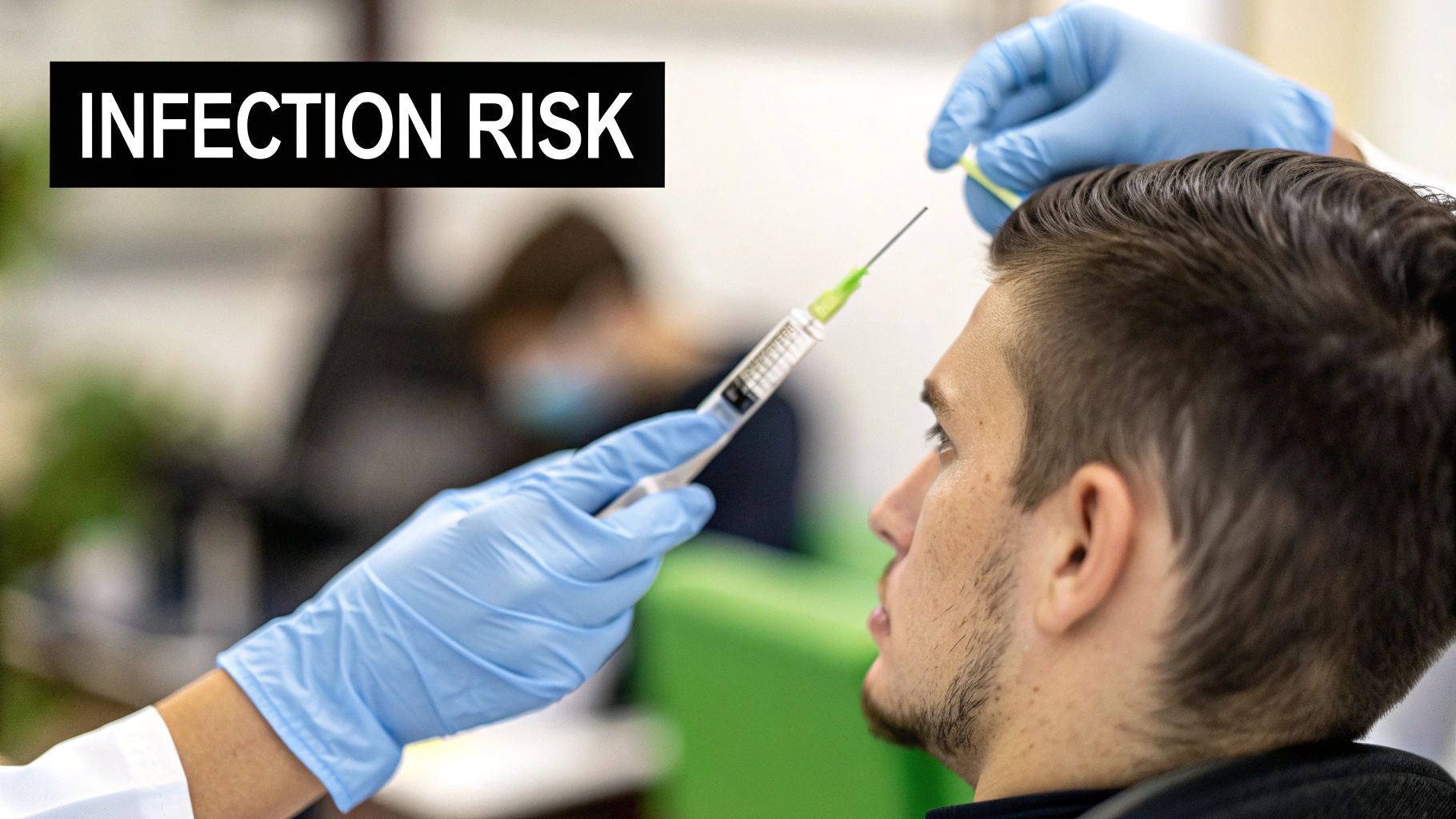
PRP therapy involves drawing a small sample of your blood, processing it to concentrate the platelets, and then injecting this platelet-rich plasma into the scalp. Platelets are rich in growth factors that are believed to stimulate hair follicle activity and promote hair growth. However, any injection carries a inherent risk of infection, and the scalp is no exception.
This side effect deserves a place on the list of potential PRP hair treatment side effects because, although rare (less than 1% of cases with proper protocols according to sources like the American Academy of Dermatology), it can have significant consequences if not addressed promptly. Signs of infection typically appear 24-72 hours after treatment and can include increased pain at the injection site, redness, warmth, pus formation, or even fever. The affected area can be localized or spread across the entire treated region. The severity can range from mild irritation to more serious infections requiring medical attention.
Features of Scalp Infection and Irritation:
- Onset: 24-72 hours post-treatment
- Symptoms: Increased pain, redness, warmth, pus, fever
- Affected Area: Localized or entire treated region
- Severity: Mild irritation to serious infection
Pros:
- Extremely rare with proper sterilization and injection techniques.
- Usually preventable with adherence to safety protocols.
Cons:
- Can lead to scarring if severe or left untreated.
- May require antibiotic treatment, potentially delaying further PRP sessions.
- Could potentially damage hair follicles in severe cases, impacting the effectiveness of the treatment.
Examples:
- A 2021 case report documented a patient developing folliculitis (inflammation of hair follicles) after PRP treatment due to inadequate sterilization procedures.
- Several clinics have reported isolated cases of mild cellulitis (a common bacterial skin infection) requiring a course of oral antibiotics.
Tips for Minimizing Risk:
- Choose a Qualified Practitioner: Ensure your provider is experienced in administering PRP injections and adheres to strict sterilization protocols. Ask about their safety procedures.
- Sterile Environment: Confirm the clinic uses a sterile environment and disposable equipment for each procedure.
- Post-Procedure Hygiene: Follow all post-procedure hygiene instructions carefully. This might include avoiding touching the scalp excessively and using prescribed antiseptic solutions.
- Avoid Contamination: Avoid swimming pools, saunas, or steam rooms for at least 48 hours after treatment to minimize the risk of introducing bacteria to the injection sites.
- Prompt Reporting: Report any unusual redness, pain, swelling, or discharge to your provider immediately. Early intervention is key to preventing complications.
By being aware of this potential side effect and following the recommended precautions, men considering PRP hair treatment can minimize their risk and maximize their chances of a successful and complication-free outcome.
3. Telogen Effluvium (Temporary Shedding)
While PRP hair treatment promises hair regrowth, some men experience a temporary increase in shedding after the procedure. This seemingly paradoxical side effect is known as telogen effluvium and is generally considered a normal part of the hair renewal process. The PRP injections can stimulate the hair follicles, sometimes pushing hairs already in the telogen (resting) phase into the exogen (shedding) phase prematurely. This shedding phase paves the way for new, thicker hair growth.
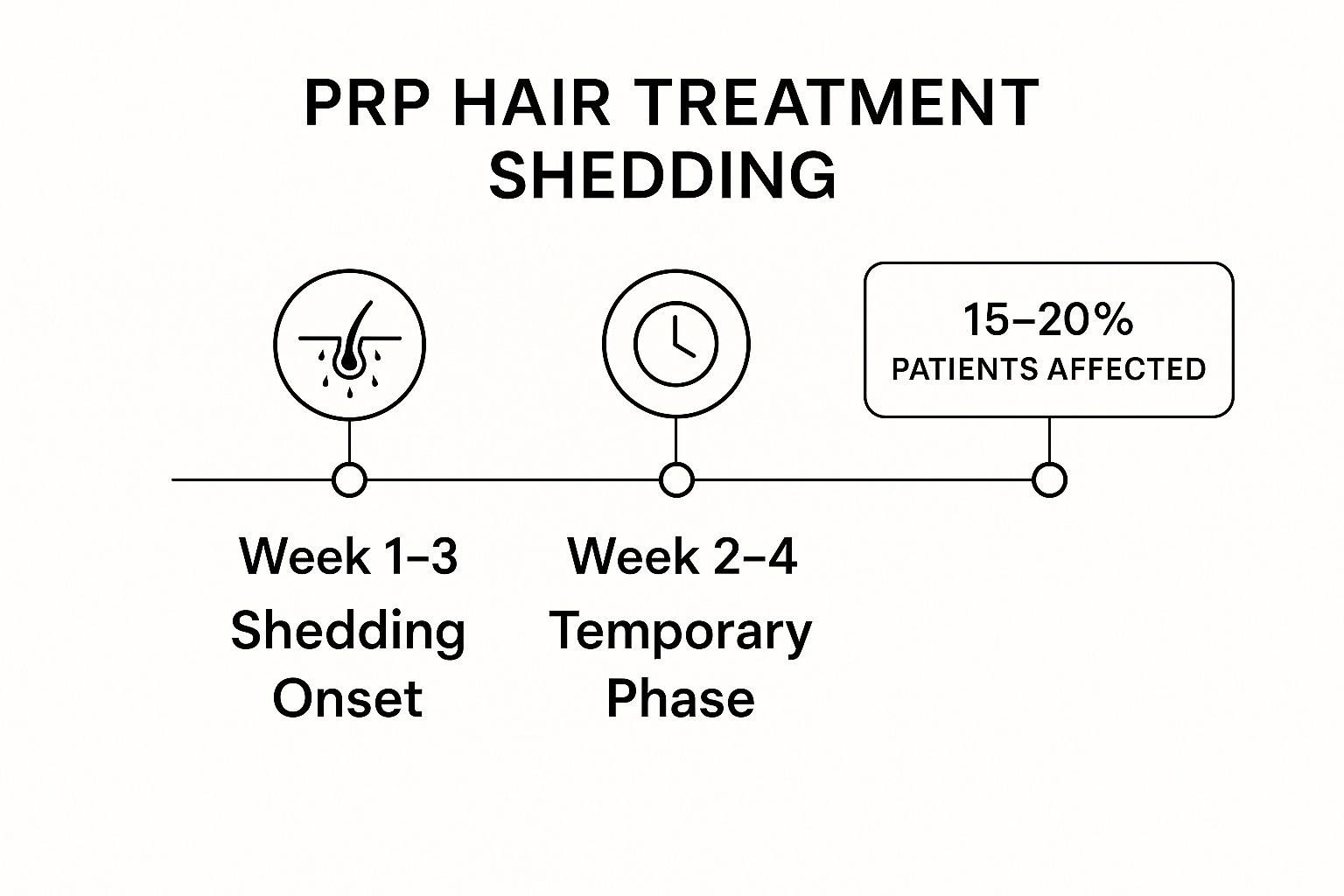
The infographic above illustrates the typical timeline of telogen effluvium following PRP hair treatment. It highlights the onset of shedding, the peak shedding period, and the eventual return to normal hair growth patterns.
This temporary shedding typically begins 1-3 weeks after treatment and lasts for approximately 2-4 weeks, affecting about 15-20% of patients. It tends to be more pronounced in men with advanced hair thinning. The following timeline further details the progression of telogen effluvium:
- Week 0: PRP treatment administered.
- Weeks 1-3: Onset of increased shedding. This is the initial shock phase as follicles react to the PRP.
- Weeks 4-8: Peak shedding period. This can be concerning for patients if they are unaware of this potential side effect.
- Weeks 8-12: Shedding gradually subsides. New hair growth begins to become noticeable.
- Weeks 12+: Continued new hair growth and improvement in hair density. This marks the successful completion of the telogen effluvium phase.
The significance of this progression is that the initial shedding is a sign that the PRP is actively stimulating the hair follicles. While initially alarming, it sets the stage for the desired outcome: thicker, healthier hair growth.
Pros:
- Usually indicates the treatment is working by cycling hair follicles.
- Temporary phase before new growth begins.
- Often followed by thicker regrowth in treated areas. This positive outcome is supported by experts like Dr. Alan Bauman, who documents that patients who experience shedding often see superior long-term results.
Cons:
- Psychologically distressing for patients. Seeing increased hair loss, even temporarily, can be discouraging.
- May create a temporary appearance of worsened hair loss.
- Can lead to premature treatment discontinuation if patients aren't properly informed.
Examples and Research:
A 2019 study published in Dermatologic Surgery reported that 17.8% of patients experienced temporary shedding after PRP treatment, corroborating the typical prevalence. This side effect has also been highlighted by hair restoration specialist Dr. Robin Unger and research from the International Society of Hair Restoration Surgery.
Tips for Managing Telogen Effluvium:
- Discuss this possibility with your provider before treatment. Understanding the potential for temporary shedding can help manage expectations and reduce anxiety if it occurs.
- Document your hair density before treatment for comparison. This allows you to objectively track progress and reassure yourself that the shedding is temporary.
- Avoid harsh hair treatments during the shedding phase. Minimize stress on the hair follicles by avoiding harsh chemicals, excessive heat styling, and tight hairstyles.
- Continue scheduled treatments despite temporary shedding. This is crucial, as interrupting the treatment protocol may compromise the long-term results.
Telogen effluvium, while potentially concerning, is a temporary prp hair treatment side effect that often precedes significant hair regrowth. Understanding this process and managing expectations are key to a successful PRP hair treatment journey. This information is essential for men considering PRP, directly addressing the keyword "prp hair treatment side effects" and providing valuable insights for informed decision-making.
4. Headache and Dizziness
Headache and dizziness are potential prp hair treatment side effects that men considering this procedure should be aware of. While not among the most common adverse reactions, they affect a noticeable percentage of patients and warrant discussion. Experiencing some discomfort after PRP isn't unusual, as the procedure involves injections into the scalp. However, headaches and dizziness specifically are thought to be related to a combination of factors, including the injections themselves, vasovagal reactions (a nervous system response to pain or stress), and the body's response to the introduction of concentrated platelets and growth factors into the scalp.
This side effect typically manifests within a few hours of the prp hair treatment and generally resolves within 24-48 hours. For some individuals, the headache may be accompanied by nausea. Studies suggest that approximately 5-10% of patients experience these symptoms. A 2020 retrospective analysis of 125 PRP patients, for example, found that 8.8% reported post-procedure headaches lasting an average of 12 hours. Even some celebrities who have documented their PRP hair treatment journeys have mentioned experiencing mild, temporary headaches.
Pros:
- Temporary and Self-Resolving: The vast majority of headaches and dizziness related to PRP hair treatment resolve on their own within a couple of days without any lasting effects.
- Often Preventable: Proper hydration and pre-treatment preparation can significantly reduce the likelihood of experiencing these side effects.
Cons:
- Disruption of Daily Activities: While usually short-lived, the discomfort caused by headaches and dizziness can interfere with daily routines and work schedules.
- Potential Severity in Migraine Sufferers: Patients with a history of migraines may experience more severe or prolonged headaches after PRP treatment.
- Occasional Need for Medication: In some cases, over-the-counter pain relievers may be necessary to manage the discomfort.
Why this deserves a place on the list: While generally mild and temporary, headaches and dizziness are a recognized side effect of prp hair treatment, impacting a small but significant portion of patients. Understanding this potential side effect allows men to make informed decisions about undergoing the procedure and take appropriate steps to minimize the risk.
Tips for Managing and Minimizing Headache and Dizziness:
- Hydration is Key: Drink plenty of water in the days leading up to and following your PRP treatment.
- Plan for Rest: Schedule your treatment on a day when you can relax and avoid strenuous activities afterward.
- Avoid Stimulants: Refrain from consuming alcohol and caffeine for 24 hours before and after the procedure.
- Consult Your Provider: If you're prone to headaches or migraines, discuss pain management options with your provider beforehand. They may recommend preemptive pain relief medication.
Experts like Dr. Amelia Hausauer, a prominent PRP researcher, and clinics like Skin Quality and Rejuvenation Clinic often emphasize the importance of patient preparation and aftercare protocols to minimize potential side effects like headaches and dizziness. By taking the necessary precautions and understanding what to expect, you can better manage these potential prp hair treatment side effects and focus on the potential benefits of the treatment for hair restoration.
5. Bruising and Bleeding
One of the more common prp hair treatment side effects is bruising and bleeding at the injection sites. Because PRP hair restoration involves multiple injections directly into the scalp to deliver the platelet-rich plasma, it's possible to experience some capillary damage. This can lead to small, pinpoint bruises or prolonged bleeding, particularly in certain individuals. This side effect warrants its place on the list because, while typically minor, it's something men considering PRP should be aware of and prepared for.
How it Happens: The needles used in PRP treatments, while fine, can cause minor trauma to the small blood vessels in the scalp. This is a normal consequence of the procedure. The body's natural clotting mechanism usually stops the bleeding quickly, but some oozing or bruising can occur.
Who is More Prone? Men with thinner skin, those taking blood-thinning medications (like aspirin or warfarin), or those with pre-existing bleeding disorders are more susceptible to bruising and bleeding after PRP hair treatment. Older patients also tend to have more fragile skin, increasing their risk.
Features of Bruising and Bleeding:
- Appearance: Bruising usually appears as small, pinpoint spots across the treated areas of the scalp.
- Duration: Visible bruising typically lasts 5-7 days post-treatment and generally resolves without intervention.
- Bleeding: Bleeding during the procedure is usually minimal but can be more prolonged in some individuals.
Pros:
- Self-Resolving: The bruising typically fades on its own within a week.
- Rarely Serious: Bruising and minor bleeding are rarely indicative of a serious complication.
Cons:
- Cosmetic Concerns: Visible bruising, especially around the hairline, can be cosmetically concerning for some men.
- Exacerbated by Blood Thinners: The effects can be more pronounced in patients on blood-thinning medications.
- Cumulative Effect: Multiple PRP treatment sessions may increase the cumulative risk of bruising.
Examples and Evidence: A 2017 study in the Journal of Cutaneous and Aesthetic Surgery documented bruising in 23% of PRP hair treatment patients. Furthermore, clinical observations suggest patients taking NSAIDs (like ibuprofen) or supplements like fish oil may experience more extensive bruising.
Actionable Tips to Minimize Bruising and Bleeding:
- Consult Your Doctor About Medications: Discuss any blood-thinning medications or supplements you're taking with your doctor 7-10 days before your scheduled PRP treatment. With their approval, you may need to temporarily discontinue them.
- Apply Pressure: Immediately after the treatment, gentle pressure can be applied to any bleeding points to help stop the bleeding.
- Cold Compresses: Applying cold compresses intermittently during the first 24 hours can help minimize bruising.
- Arnica Montana: Consult your provider about using arnica montana supplements or topical creams, as they may help reduce bruising.
Expert Recommendations: Guidelines from the American Society for Dermatologic Surgery, as well as experts like Dr. Julie Russak (a dermatologist specializing in minimally invasive procedures), acknowledge bruising and bleeding as potential prp hair treatment side effects and recommend pre-treatment planning to mitigate them.
By understanding this potential side effect and taking appropriate precautions, men undergoing PRP hair treatment can minimize discomfort and achieve optimal results.
6. Itching and Scalp Sensitivity
Itching and increased scalp sensitivity are common prp hair treatment side effects experienced by many patients following the procedure. This reaction is primarily a result of the treatment's mechanism of action. Platelet-rich plasma (PRP) contains growth factors that stimulate cellular activity and increase blood flow to the hair follicles. This surge in biological activity creates a sensation often described as similar to the itching experienced during skin healing. Additionally, the micro-needling used to inject the PRP creates tiny traumas in the scalp, further triggering the body's natural inflammatory response. This inflammation also contributes to the itching sensation.
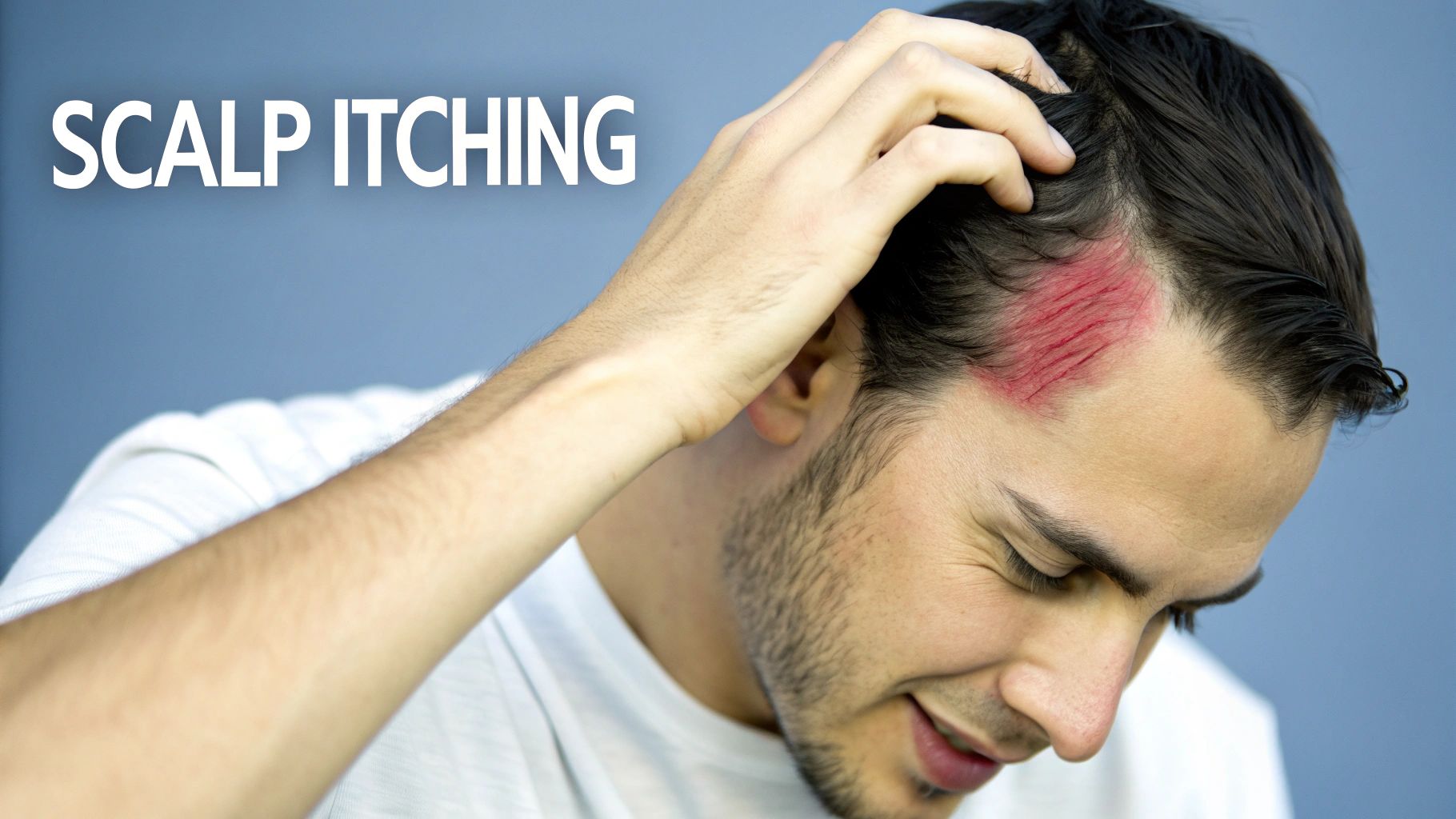
This side effect typically begins 24-48 hours post-treatment and can persist for up to a week. It may be accompanied by mild flaking or dryness of the scalp. While it affects approximately 25-30% of patients, it is generally considered a normal part of the healing process. A 2022 patient satisfaction survey indicated that itching was reported by 28% of PRP hair treatment recipients, aligning with this estimated range. Several medical spas also report itching as the most common post-procedure complaint, further solidifying its prevalence as a prp hair treatment side effect. This side effect warrants its place on this list due to its frequency and the potential for discomfort, even if temporary.
Features:
- Onset: 24-48 hours post-treatment
- Duration: Up to 7 days
- Accompanying Symptoms: Mild flaking or dryness
- Prevalence: Affects 25-30% of patients
Pros:
- Often a positive sign of active cellular regeneration and increased blood flow to the hair follicles, crucial for hair growth.
- Usually resolves on its own without the need for intervention.
Cons:
- Can be intensely uncomfortable and disrupt sleep in some cases.
- Scratching the itchy area can potentially damage the healing tissues or introduce bacteria, leading to infection.
- Can sometimes be mistaken for an allergic reaction, causing unnecessary concern.
Tips for Managing Itching and Scalp Sensitivity:
- Gentle Cleansing: Use a fragrance-free, gentle shampoo recommended by your provider. Harsh chemicals can exacerbate itching and dryness.
- Cold Compresses: Applying cold compresses to the affected area can provide temporary relief from itching.
- Antihistamines (with Doctor's Approval): If the itching is severe, your doctor may recommend over-the-counter antihistamines to help manage the discomfort. However, always consult your doctor before taking any new medications.
- Avoid Heat: Avoid exposing your scalp to excessive heat, such as hot showers, saunas, or direct sunlight, as this can worsen itching.
This information has been popularized by experts in the field of hair restoration, including Dr. Gary Linkov, a facial plastic surgeon specializing in hair restoration, and is often incorporated into protocols used by clinics like Clear Skin Dermatology. While itching and sensitivity can be uncomfortable, understanding that it is a common and typically transient prp hair treatment side effect, and knowing how to manage it, can help men undergoing this procedure for hair loss have a more comfortable and positive experience.
PRP Hair Treatment Side Effects Comparison
| Side Effect | 🔄 Implementation Complexity | ⚡ Resource Requirements | 📊 Expected Outcomes | 💡 Ideal Use Cases | ⭐ Key Advantages |
|---|---|---|---|---|---|
| Pain and Discomfort at Injection Site | Low – routine injection procedure | Minimal – standard injection setup | Temporary mild to moderate discomfort | Suitable for most patients undergoing PRP | Indicates successful tissue penetration |
| Scalp Infection and Irritation | Moderate – requires strict sterile protocol | Moderate – sterile environment and disposables | Rare but potentially serious infection | Important in all settings prioritizing safety | Preventable with proper sterilization |
| Telogen Effluvium (Temporary Shedding) | Low – inherent treatment effect | Minimal – no extra resources needed | Temporary increased shedding (15-20% patients) | Best for patients prepared for transient shedding | Sign of follicle cycling leading to regrowth |
| Headache and Dizziness | Low – symptom management only | Minimal – hydration and rest recommended | Self-limiting, transient symptoms | Patients with migraine history monitoring | Usually resolves quickly without treatment |
| Bruising and Bleeding | Low – typical injection side effect | Minimal – cold compresses, possible topical aids | Temporary bruising (up to 7 days) | Patients without bleeding disorders | Generally harmless, resolves naturally |
| Itching and Scalp Sensitivity | Low – common post-injection response | Minimal – topical care and antihistamines | Mild to moderate itching (25-30% patients) | Suitable when cellular regeneration is desired | Sign of active healing and blood flow |
Making Informed Decisions About PRP
Understanding the potential prp hair treatment side effects is crucial for anyone considering this procedure for hair loss. While this article covered common side effects like pain at the injection site, scalp irritation, temporary shedding (Telogen Effluvium), headache, bruising, and itching, it's important to remember these are typically mild and transient. Knowing what to expect empowers you to have open conversations with your practitioner and make informed decisions about your hair restoration journey.
One of the most important takeaways is the need for a consultation with a qualified professional. They can assess your individual risk factors for prp hair treatment side effects and tailor the treatment accordingly. They can also address any concerns you have and provide personalized advice. For those interested in exploring alternative approaches to managing pain and discomfort, full-spectrum CBD may offer potential benefits. It's important to discuss this and any other complementary therapies with your healthcare professional before incorporating them into your treatment plan. (Source: Unlock the Full-Spectrum CBD Effects for Better Well-Being from The TN Hemp Company)
Mastering this knowledge equips you to navigate the process with confidence and realistic expectations. Ultimately, a well-informed approach can lead to a more positive and successful experience with PRP therapy. Take charge of your hair restoration journey and explore the potential of PRP. Want to dive deeper into PRP specifically for male pattern baldness and understand potential side effects even further? Visit PRP For HairLoss to learn more about this innovative treatment and how it can help you achieve your hair goals.
 PRP For Hairloss
Leave a comment