The Science Behind PRP Hair Treatment Success

Platelet-Rich Plasma (PRP) hair treatment uses your body's own healing power to fight hair loss. It involves a concentrated solution from your blood, packed with growth factors, that revitalizes inactive hair follicles. This effectively restarts the natural hair growth process. Growth factors are crucial signaling proteins for tissue repair and regeneration.
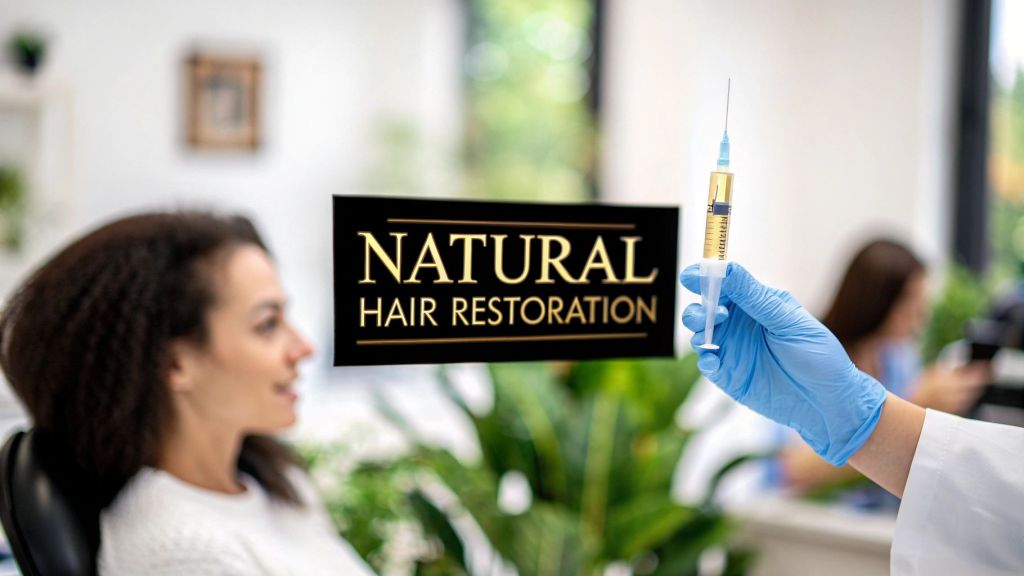
The treatment starts with a blood draw, similar to a regular blood test. This blood sample is then placed in a centrifuge, a device that spins it at high speed to separate its different parts. This isolates and concentrates the PRP to several times its normal blood concentration. The concentrated PRP is then injected into specific scalp areas experiencing thinning or hair loss.
How PRP Stimulates Hair Growth
Once injected, the PRP's concentrated growth factors go to work on the hair follicles. They stimulate dormant follicles, prompting them back into the active growth phase. PRP also boosts blood flow to the follicles, delivering essential nutrients and oxygen. This improved circulation nourishes the follicles, strengthening existing hair and encouraging new, healthier strands.
For instance, Platelet-Derived Growth Factor (PDGF), a key growth factor in PRP, stimulates cell division and tissue repair. Vascular Endothelial Growth Factor (VEGF) helps create new blood vessels, enhancing circulation to hair follicles.
Clinical trials have shown significant success with PRP, with rates between 70% and 80%, and even reaching 90% in some cases. It's especially effective for early-stage hair loss where active follicles remain. As a non-surgical option, PRP provides a promising route to fuller, healthier hair without the risks of surgical procedures. Learn more about PRP treatment success rates here. This makes PRP an attractive choice for a natural, minimally invasive hair restoration approach.
The Benefits of PRP for Hair Loss
PRP’s benefits extend beyond stimulating growth. It also improves the overall health and quality of existing hair, resulting in thicker, denser, and stronger strands. Because it uses the patient’s own blood, PRP treatment minimizes the risk of allergic reactions or unwanted side effects, making it a safe and biocompatible option for many.
The treatment is also relatively quick and easy, typically lasting less than an hour per session. This makes it simple to fit PRP treatments into a busy schedule. With its many benefits, PRP presents a strong option for those seeking a natural and effective way to manage hair loss.
What to Expect: Your PRP Hair Treatment Journey
Considering PRP hair treatment? Understanding the process can ease any concerns and help you set realistic expectations. This guide walks you through each step, from the initial consultation to post-treatment care. The entire procedure typically takes less than an hour.
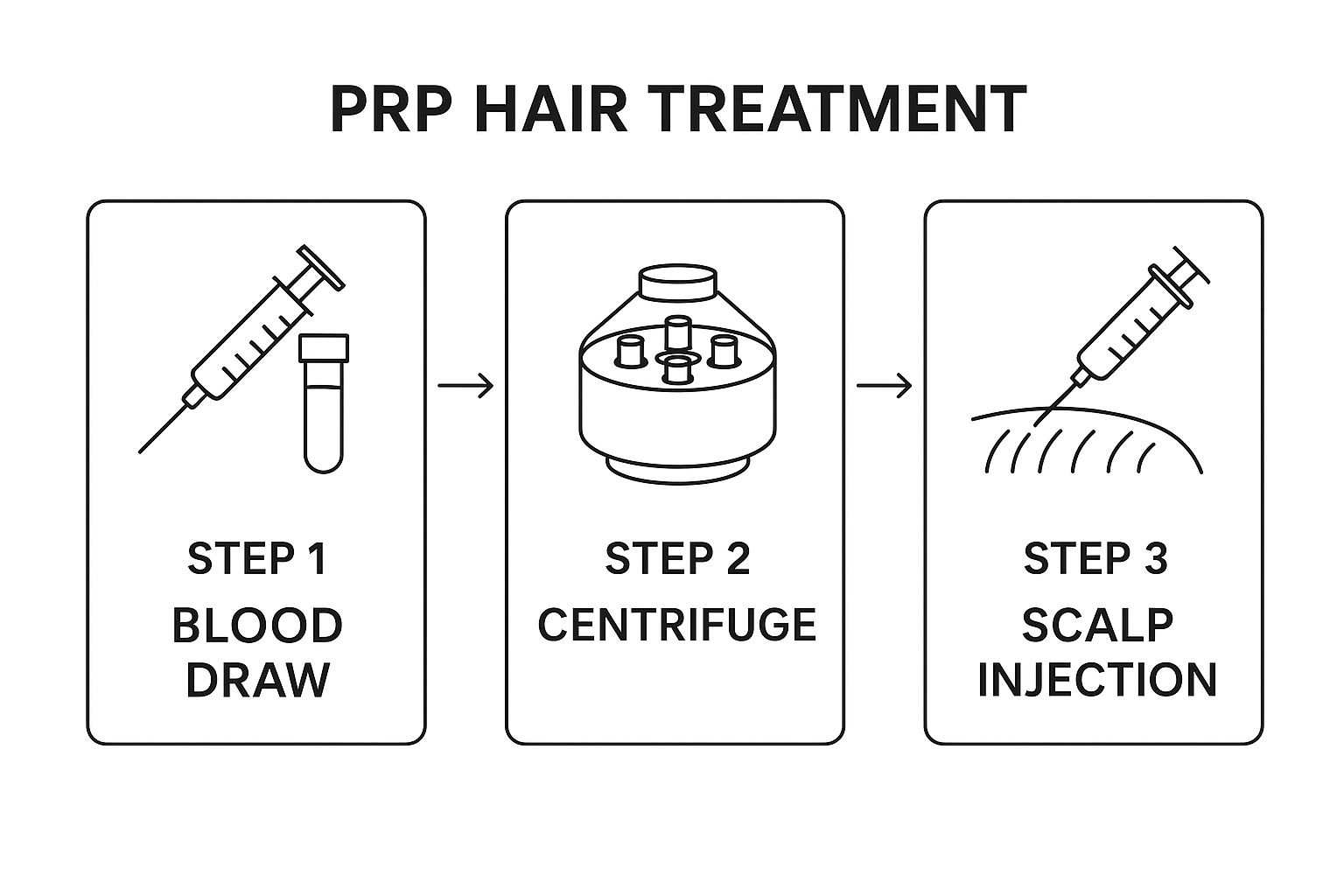
The PRP process involves three core steps: drawing blood, processing it in a centrifuge to isolate the PRP, and injecting the PRP into the scalp. This process uses the body's natural healing abilities to address hair loss.
The Treatment Process: A Step-by-Step Guide
To further clarify the procedure, let's examine each step in more detail.
-
Blood Draw: A small blood sample, similar to a routine blood test, is taken from your arm. This is a quick process, usually taking only a few minutes.
-
Centrifugation: The blood sample is then placed in a centrifuge. This device spins the blood at high speed to separate the platelet-rich plasma (PRP) from other blood components. This concentrates the growth factors vital for hair regeneration.
-
Scalp Injections: The concentrated PRP is injected into targeted areas of the scalp experiencing thinning or hair loss using a fine needle. While some mild discomfort is possible, the injections are generally well-tolerated. Topical numbing cream can be used to minimize any sensation.
To help visualize the process, the table below provides a detailed breakdown:
To help visualize the process, the table below provides a detailed breakdown of a typical PRP hair treatment session:
PRP Hair Treatment Process Breakdown
| Treatment Stage | What Happens | Duration | Patient Experience |
|---|---|---|---|
| Blood Draw | A small amount of blood is drawn from the patient's arm. | A few minutes | Similar to a standard blood test. |
| Centrifugation | The blood sample is spun in a centrifuge to separate the PRP. | 10-15 minutes | Generally no sensation as the blood is processed. |
| Scalp Injections | The concentrated PRP is injected into the scalp. | 15-20 minutes | May experience mild discomfort, often described as a slight pricking sensation. |
This table summarizes the key stages and what you can expect during each. As shown, the overall time commitment is minimal.
Post-Treatment and Aftercare
You can typically resume normal activities immediately after the procedure. Some mild redness or swelling at the injection sites is normal and usually subsides quickly. Your practitioner will provide detailed aftercare instructions, which generally involve avoiding harsh chemicals or vigorous scrubbing of the scalp for a few days.
The Treatment Timeline and Expected Results
PRP hair treatment often involves multiple sessions, typically spaced four to six weeks apart. Initial treatments lay the foundation for hair regrowth, while subsequent sessions maintain and improve results. Noticeable improvements usually appear within three to six months of beginning treatment, with continuing progress over time.
A typical treatment plan might include:
- Initial Phase: One treatment monthly for three months.
- Maintenance Phase: One treatment every three to six months, adjusted based on your individual needs and response.
Patience is key with PRP hair treatment. While some individuals experience faster results, the full benefits emerge gradually as growth factors stimulate and rejuvenate the hair follicles. Understanding the entire process and maintaining realistic expectations will help you prepare for your PRP hair treatment journey and the potential improvements it can offer. Your practitioner will collaborate with you to create a personalized treatment plan tailored to your specific hair loss concerns and goals.
Are You a Perfect Candidate for PRP Hair Treatment?
PRP hair treatment offers a promising solution for hair loss, but its effectiveness hinges on individual factors. Understanding these factors can help you determine if PRP is the right choice for your hair restoration journey. This involves considering your specific hair loss type, your overall health, and the current state of your hair follicles.
Hair Loss Types and PRP Suitability
PRP therapy isn't a one-size-fits-all solution. It’s particularly effective for androgenetic alopecia, a common hereditary hair loss type affecting both men and women. It also shows promise for stress-induced shedding, such as telogen effluvium. However, for conditions like scarring alopecia, where hair follicles are irreversibly damaged, PRP may not be as effective. Different approaches might be necessary depending on the underlying cause of your hair loss.
The Role of Age, Health, and Follicle Viability
Your age, overall health, and the viability of your hair follicles are key factors in determining PRP treatment outcomes. While PRP can benefit individuals of various ages, those in the earlier stages of hair loss tend to see better results. This is because active hair follicles are still present and can respond to the growth factors in PRP. Maintaining a healthy lifestyle also contributes to optimal treatment outcomes.
Critically, the viability of your hair follicles is the most important predictor of success. Follicles that are completely dormant or miniaturized may not respond to PRP. A follicle viability assessment, often conducted by a trichologist, can provide valuable insights into the potential effectiveness of PRP for you. Knowing what to expect during a hair treatment journey can be daunting. This guide offers information on a Shopify Migration Checklist.
Timing and Combination Approaches
The timing of your PRP treatment can significantly influence your results. Beginning treatment early in the hair loss process, before significant follicle miniaturization occurs, is generally associated with better outcomes. Furthermore, combining PRP with other treatments can enhance its effectiveness. For instance, microneedling can create micro-channels in the scalp, improving PRP growth factor penetration and absorption. Combining PRP with low-level laser therapy or certain medications can also be beneficial.
Determining Your Candidacy
Consulting with a qualified hair restoration specialist is essential for determining your candidacy for PRP hair treatment. They can assess your specific hair loss situation, evaluate your follicle viability, and recommend the most appropriate treatment plan. This personalized approach ensures you receive the best possible care and maximizes your chances of reaching your hair restoration goals.
PRP Hair Treatment for Women: Beyond Male Solutions
While hair loss is often linked to men, millions of women also experience thinning hair. This can significantly impact their self-esteem and overall well-being. It's important to understand that female hair loss differs from male pattern baldness. This difference requires a specific approach to treatment, and that's where PRP hair treatment excels. It presents a promising solution, especially for women facing various types of hair thinning.
Understanding the Unique Challenges of Female Hair Loss
Hormonal changes linked to pregnancy, menopause, and other life stages often influence women's hair loss. These hormonal shifts can lead to various hair loss types, including androgenetic alopecia and telogen effluvium. Traditional hair loss medications can have limited effectiveness for women or may cause undesirable side effects. PRP, however, offers a more natural and targeted option. It addresses the root causes of women's hair thinning by encouraging hair follicle activity and improving tissue repair. Studies show PRP's effectiveness in treating female hair loss, demonstrating improvements in hair thickness and a decrease in shedding. Explore this topic further.
Tailoring PRP Treatment for Women's Needs
Practitioners now understand that a universal approach doesn't work for everyone. They're customizing PRP hair treatment protocols to meet the specific needs of each woman. This individualized approach considers hormonal profiles, hair loss patterns, and overall health. The PRP concentration and injection technique can be modified for optimal results based on the woman's condition. Additionally, PRP therapy can be combined with other treatments designed for female hair loss to create a comprehensive plan.
Empowering Women Through PRP: Real-Life Transformations
The benefits of PRP extend beyond just thicker hair. It helps women regain confidence and improve their quality of life. Many women report a boost in self-image and a renewed sense of control over their appearance. They feel less stress about styling their hair and more at ease socially. PRP treatments, customized for women's needs, offer a potential solution for those seeking a natural and effective way to address hair loss. These real-life changes showcase the power of PRP in helping women regain their hair and confidence.
Real Results: What PRP Hair Treatment Actually Delivers
Beyond the marketing hype, what can you truly expect from PRP hair treatment? Let's delve into a realistic timeline based on actual patient experiences and clinical observations. It's important to understand that this is a gradual process, starting with reduced hair loss and eventually leading to noticeable improvements in hair density.
Initial Changes and Gradual Improvement
One of the first signs that PRP therapy is working is a reduction in shedding. This often becomes apparent within the first few months of treatment. This decrease in hair loss indicates that the treatment is beginning to stabilize existing hair. After this initial phase, you'll likely start to see a gradual increase in hair density. This thickening effect is subtle at first, becoming more pronounced as new hair growth begins.
Visualizing Results: Before and After
Seeing real-world examples can be incredibly helpful. Before-and-after photographs from a variety of patients showcase the potential results achievable across different hair types, patterns of hair loss, and treatment intensities. These images demonstrate how PRP can revitalize thinning areas, creating a fuller, healthier look. For some, this might mean increased volume at the crown, while others may see improvements along the hairline. The specific changes you experience will depend on your individual factors and the areas targeted during treatment.
Patience and Maintenance: Key to Long-Term Success
It's crucial to understand that PRP hair treatment is not a quick fix. Patience is essential. The full effects of PRP therapy gradually unfold as growth factors stimulate and rejuvenate hair follicles. This process typically takes six months or more for significant changes to become visible. It's important to differentiate between temporary shedding (a normal part of the hair growth cycle) and treatment failure. Your practitioner can help you understand these differences and adjust your treatment plan if necessary.
To maintain the improvements achieved with PRP, ongoing maintenance is usually recommended. This involves follow-up treatments every three to six months, depending on your individual needs and response to the therapy. These maintenance treatments help to sustain hair follicle activity and prevent regression. Many individuals have found success with PRP. For inspiring stories, check out these PRP Hair Treatment Success Stories.
Enhancing Outcomes: Complementary Habits and Warning Signs
Certain lifestyle choices can complement your PRP treatment and maximize your results. These include a healthy diet rich in nutrients that support hair growth, stress management techniques, and proper scalp hygiene. Incorporating foods high in protein, iron, and essential vitamins, for example, can contribute to overall hair health.
It's also important to be aware of warning signs that might indicate a need to adjust your treatment plan. Excessive shedding or a lack of progress after several months are examples of when you should consult your practitioner. They can evaluate your progress and modify your treatment protocol as needed, ensuring your treatment remains optimized for your specific hair loss situation.
To help you understand the typical progression of PRP hair treatment, we've created the following table:
PRP Hair Treatment Timeline and Expected Results
A month-by-month breakdown of what most patients experience after starting PRP hair treatment
| Timeline | Expected Changes | Visible Results | Recommended Actions |
|---|---|---|---|
| Months 1-3 | Reduced Shedding | Minimal | Continue treatment as prescribed. |
| Months 3-6 | Gradual Thickening | Subtle improvements in density may be noticeable. | Continue treatment, discuss any concerns with your practitioner. |
| Months 6-12 | Continued Improvement in Density | Noticeable improvements in hair fullness and overall appearance. | Maintenance treatments may be recommended. |
| 12+ Months | Maintenance Phase | Sustained results | Continue maintenance treatments as recommended by your practitioner. |
This table offers a general overview. Individual results can vary, and it’s essential to communicate with your practitioner throughout the treatment process. They can provide personalized guidance and address any questions or concerns you may have.
The Investment: PRP Hair Treatment Costs and Market Trends
Understanding the financial commitment of PRP hair treatment is crucial for making informed decisions. While the cost per session is a significant factor, it's important to consider the total investment, including multiple sessions and potential maintenance. This section explores the factors influencing PRP treatment costs and how market trends impact pricing and accessibility.
Decoding the Price Tag: Factors Influencing PRP Costs
Several factors contribute to the varying costs of PRP hair treatment. Geographic location plays a significant role, with treatments in major cities often priced higher. Practitioner expertise is another key factor. Experienced and specialized practitioners may charge more for their advanced skills. The technology used, such as the centrifuge and PRP kits, can also influence cost. Different systems offer varying platelet concentration and growth factor yields, impacting effectiveness. Finally, the treatment protocol, including the number of injections and sessions, affects the overall price.
Uncovering Hidden Costs: Beyond the Per-Session Price
Beyond the advertised per-session price, consider additional expenses. Many clinics offer package pricing for multiple sessions, often at a discounted rate. However, understand the package terms and ensure they align with your needs. Long-term maintenance is another crucial factor. Most patients require ongoing maintenance treatments, typically every few months, to sustain results. Factoring in these maintenance costs is essential for accurate budgeting. These recurring treatments help maintain hair follicle activity and prevent regression.
Market Trends and Their Impact on Pricing
The PRP hair treatment market is experiencing significant growth. The U.S. market, for instance, is projected to reach USD 438.91 million by 2030, with a CAGR of 9.46% from 2025 to 2030. This growth stems from increased awareness, a preference for minimally invasive procedures, and fewer side effects compared to other treatments. Find more detailed statistics here. This market expansion is expected to increase treatment accessibility, drive technological advancements, and potentially lead to more competitive pricing. For inspiration, you can read some PRP Hair Treatment Success Stories.
Making Informed Decisions: Questions to Ask and Red Flags
Before choosing a PRP treatment provider, ask the right questions. Inquire about their experience, the technology used, and their treatment protocol. Ask about package pricing and long-term maintenance costs. Be cautious of providers with significantly lower prices than average, as this might indicate compromised quality.
Key Questions to Ask Your Provider:
- What is the total cost of the treatment plan, including all sessions and maintenance?
- What type of centrifuge and PRP preparation kit is used?
- What is the provider's experience with PRP hair treatment, and can they share before-and-after photos?
- What is their policy on refunds or revisions if the treatment doesn't yield the desired results?
By understanding the factors that influence PRP treatment costs and asking pertinent questions, you can make informed decisions and invest in a reputable provider offering high-quality treatment to maximize your chances of achieving your hair restoration goals.
Maximizing Results: PRP Hair Treatment Combinations That Work
PRP hair treatment, while effective on its own, often sees improved results when implemented as part of a comprehensive hair restoration plan. Combining PRP with other treatments can significantly enhance its impact and tackle hair loss from various angles. Let's explore some of the most promising PRP hair treatment combinations currently in use.
Microneedling and PRP: A Synergistic Duo
Microneedling, a procedure using tiny needles to create micro-channels in the scalp, works exceptionally well with PRP. These micro-injuries stimulate collagen production and create pathways for the PRP growth factors to penetrate deeper. This enhanced absorption can boost PRP's effectiveness, leading to more substantial hair growth. The combined action of stimulating the scalp and delivering growth factors directly to the follicles makes this a popular choice.
Low-Level Laser Therapy (LLLT) and PRP: A Complementary Approach
Low-Level Laser Therapy (LLLT) uses light energy to stimulate cellular activity and encourage hair growth. Combining LLLT with PRP can be particularly advantageous, as LLLT can further enhance the effects of PRP's growth factors. The two treatments complement each other by addressing hair loss from different perspectives: PRP stimulates follicles, while LLLT improves cellular function.
Medication Pairings and PRP: Targeting Multiple Growth Pathways
Certain medications can be strategically combined with PRP hair treatment for even better results. Some medications, for instance, address specific hormonal imbalances that contribute to hair loss, while PRP focuses on stimulating follicle growth. This multifaceted approach targets multiple pathways involved in hair loss, promoting more comprehensive results. This combination can be especially effective for those experiencing androgenetic alopecia, where hormonal factors play a key role.
Combination Therapy Tailored to Your Needs
The ideal combination therapy depends on your individual hair loss type, its stage, and your overall health. Someone with early-stage hair loss might benefit most from PRP and microneedling, while someone with more advanced hair loss might require a combination of PRP, medication, and LLLT. A hair restoration specialist can assess your individual needs and recommend the most effective approach.
Timing and Monitoring Combination Treatments
The timing of these combined treatments is vital for maximizing their impact. Sometimes, treatments are administered simultaneously; other times, they may be spaced out. It's essential to carefully monitor your progress and adjust the treatment plan as needed. This ongoing assessment ensures the combination therapy remains optimized for your particular situation.
Emerging Combination Therapies: A Glimpse into the Future
Research continues to explore new combination therapies for hair loss. Clinical trials are currently investigating the potential of combining PRP with other innovative treatments, such as stem cell therapy and exosome therapy. These developing approaches offer exciting possibilities for the future of hair restoration.
Choosing the right combination of treatments can significantly enhance your PRP hair treatment journey. A consultation with a qualified hair restoration specialist is essential to determine the best approach for your individual needs. They can guide you through the various options and create a personalized treatment plan to help you achieve optimal results.
Ready to start your hair restoration journey? Discover the benefits of PRP therapy and find personalized solutions for your hair loss concerns at PRP For HairLoss.
 PRP For Hairloss
Leave a comment